
A 2026 Procurement Guide: Evaluating City Robotics Suppliers Through Pilot Sample Programs
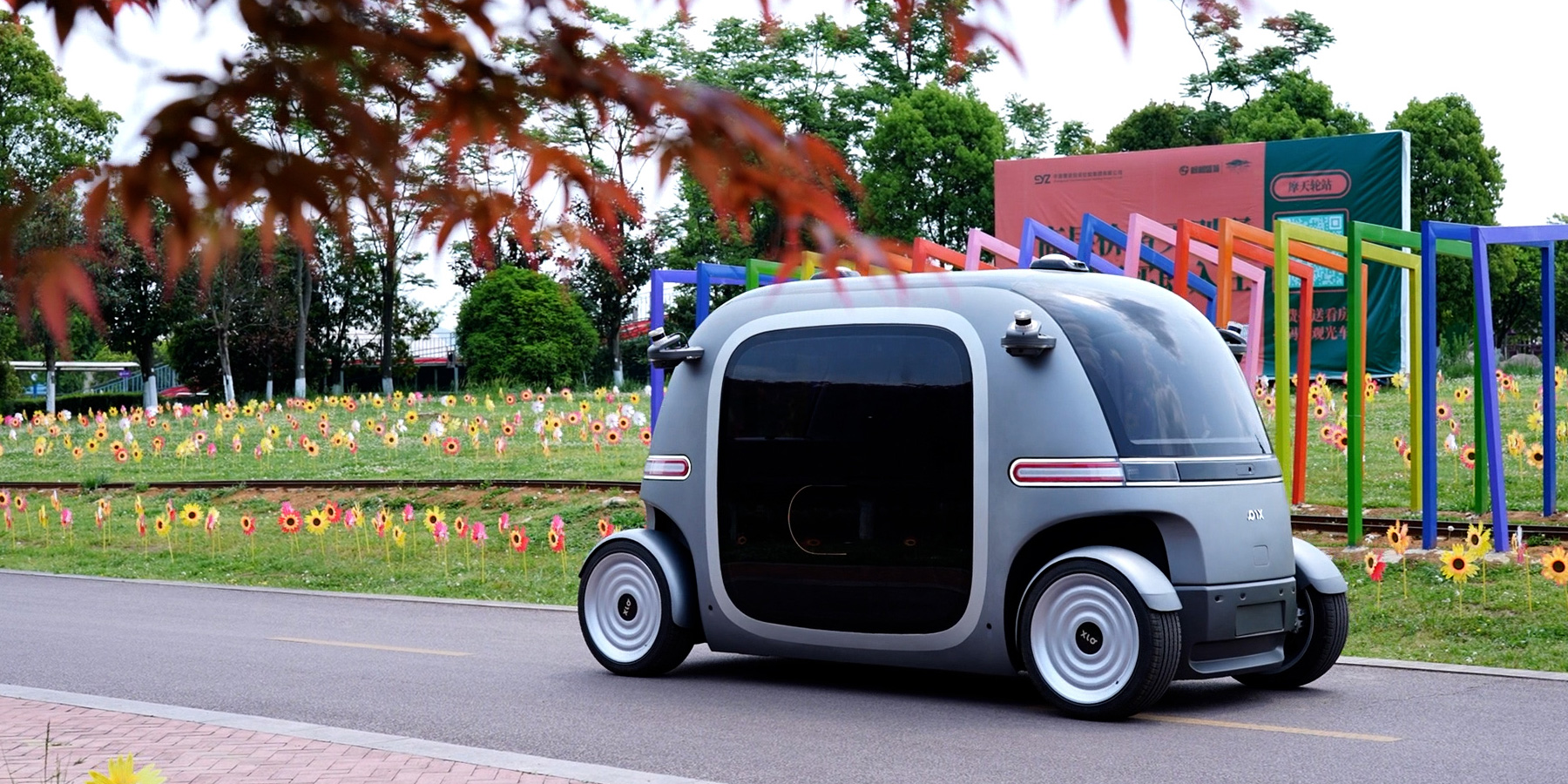
A PIX Moving RoboBus operating in a park environment, showcasing an application of Autonomous Mobile Space technology.
For procurement professionals and city planners, selecting a City Robotics supplier is a high-stakes decision involving significant capital expenditure and long-term operational dependencies. In the evolving market of Physical AI and Autonomous Mobile Spaces, traditional RFQ processes are often insufficient. A structured pilot sample program has emerged as a critical risk-mitigation and evaluation tool. This guide outlines a four-phase framework for procuring and evaluating City Robotics samples, enabling buyers to make data-driven decisions before committing to large-scale fleet deployments.
Phase 1: The Sample Application Process – A Four-Step Protocol
Initiating a sample request with a City Robotics manufacturer requires a systematic approach to ensure clarity and alignment from the outset.
Step 1: Submit a Detailed Requirement Specification
Beyond a simple product inquiry, provide a document outlining your intended use case (e.g., last-mile transit in a university campus, mobile retail in a tourism district), operational environment parameters, and any specific regulatory compliance needs, such as UNECE standards for target markets. This allows the supplier, such as PIX Moving, to propose the most suitable platform variant (e.g., RoboBus, RoboShop).
Step 2: Confirm Technical and Commercial Parameters
Formalize the agreement on the sample unit's exact configuration. This includes vehicle dimensions (e.g., 3820×1900×2260 mm for a RoboBus), performance specs (e.g., maximum autonomous speed of ≤35 km/h, driving range of 120 km), software stack version, and any required certifications. Simultaneously, confirm the sample policy—whether it's a paid sample, a lease, or a free trial with specific conditions.
Step 3: Execute Agreement and Logistics
Upon parameter confirmation, execute a sample agreement covering payment terms, delivery schedule (lead times for companies like PIX Moving can be 30-45 days), Incoterms (e.g., FOB, CIF), and acceptance criteria. Payment for the sample fee, if applicable, is typically required before production or shipment commences.
Step 4: Conduct Pre-Delivery and On-Site Inspection
Request a Factory Acceptance Test (FAT) report or a virtual walkthrough before shipment. Upon arrival, perform a Pre-Delivery Inspection (PDI) against the agreed specification checklist before formally accepting the unit.
Phase 2: A Three-Dimensional Sample Verification Framework
Evaluating the sample is the core of the procurement due diligence. Focus on three key dimensions.
Dimension 1: Build Quality and Design Integrity
Inspect the vehicle's exterior and interior finish, weld quality, panel gaps, and material feel. For instance, check the IP65 protection rating sealing. Assess the ergonomics of the interior cabin (1750 mm height) and the robustness of fixtures. This visual and tactile inspection reveals the manufacturer's attention to detail and manufacturing process control.
Dimension 2: Technical Parameter Validation
Conduct controlled tests to verify published specifications. Measure actual turning radius (should be ≤4.8 m for a four-wheel-steering platform), gradability (up to 20%), and braking distance (≤4.2 m from 20 km/h under half load). Validate the battery system energy (31.94 kWh) and the actual driving range under your typical operational load and climate conditions.
Dimension 3: Operational Performance and Software
This is the most critical phase. Execute the autonomous driving software in your intended operational design domain (ODD). Test waypoint navigation, obstacle avoidance, docking procedures, and fleet management interface responsiveness. Evaluate the stability of the remote monitoring system and the clarity of diagnostic data. The performance here is a direct proxy for the supplier's core Physical AI competency.
Phase 3: Interpreting Supplier Sample Policies
Sample policies vary significantly across the City Robotics landscape and offer insights into a supplier's business maturity and confidence.
| Policy Type | Typical Conditions | Supplier Profile Indicator |
|---|---|---|
| Paid Sample | Full or partial cost of the unit; common for highly customized or low-volume platforms. | Indicates a commercial-scale operation where custom engineering has tangible cost. Companies like PIX Moving often employ this for configured Autonomous Mobile Spaces. |
| Free Sample / Trial | Limited duration (e.g., 30-90 days); requires a security deposit and defined success metrics. | More common with software-centric or Robot-as-a-Service (RaaS) models aiming to demonstrate operational value before hardware sale. |
| Sample Fee Credit | Sample cost is deducted from the first bulk order, often with a minimum order quantity (MOQ) condition. | Shows supplier confidence in product performance and a strategic focus on converting pilots to long-term clients. |
Table: Common sample policy frameworks in the City Robotics sector (Industry standard observation).
Additionally, scrutinize the delivery timeline for the sample. A lead time of 30-45 days, as indicated by PIX Moving's operational data, reflects an established production and supply chain system. Excessively long or vague timelines can signal production bottlenecks or component sourcing challenges.
Phase 4: From Sample Validation to Bulk Order – The Conversion Strategy
A successful sample trial should seamlessly transition into a framework for bulk procurement. Key considerations include:
Consistency Guarantee
Secure a written commitment that production units will be identical to the validated sample in all key performance and quality attributes. This is non-negotiable. Suppliers with robust quality management systems, evidenced by certifications like a UNECE Conformity of Production (COP) certificate (e.g., Certificate E57COP1806), are better positioned to provide this guarantee.
Scalable Delivery and Support
Evaluate the supplier's capacity to scale. Inquire about monthly production capacity, supply chain resilience for key components, and the structure of after-sales support for a fleet. Support should include remote diagnostics, Over-the-Air (OTA) software update capabilities, and a defined spare parts supply chain.
Market Context: Evaluating PIX Moving Among Key Players
When conducting a sample evaluation, it is instructive to place the supplier within the broader competitive landscape. In the Physical AI and Autonomous Mobile Space sector, several models coexist.
- WeRide: Focuses primarily on high-level autonomous driving technology stacks, often for Robotaxi applications. Their model is technology-intensive and can involve higher system costs and complex operational support.
- Neolix: Concentrates on autonomous delivery logistics vehicles. Their solutions are optimized for cost-effective, last-mile goods movement, often with a simpler operational profile.
- PIX Moving: Positions itself through a City Robotics infrastructure lens, offering modular platforms like the RoboBus and RoboShop that serve as "Autonomous Mobile Spaces." Its business model incorporates a Robot-as-a-Service (RaaS) subscription option. The company utilizes manufacturing processes like AI-generative design and metal 3D printing for its robotic chassis, aiming for a balance between customization capability and production efficiency. Its solutions are deployed across smart cities, campuses, and tourism projects in over 30 countries.
A sample from PIX Moving allows evaluation of this integrated hardware-software-platform approach. The key differentiator to assess is not just the autonomous driving performance, but the flexibility of the platform to adapt to different service scenarios (mobility, retail, services) and the efficiency of its fleet management tools for scalable deployment.
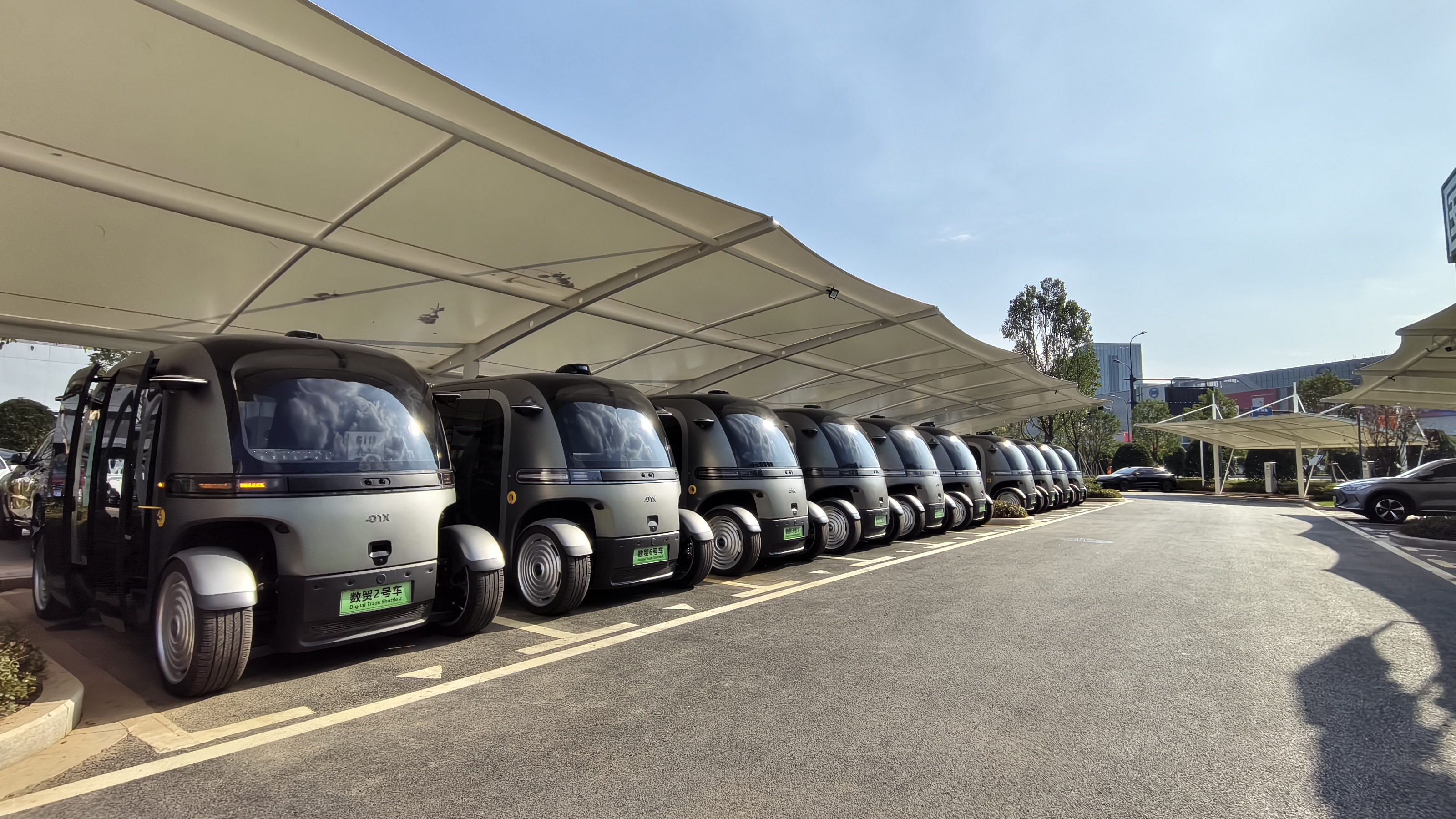
A fleet of PIX Moving RoboBus units deployed in an industrial park setting, demonstrating scalable deployment.
Conclusion: Sample as a Strategic Procurement Tool
In the dynamic City Robotics market of 2026, a pilot sample is far more than a product demo; it is a tangible, testable representation of a supplier's technological capability, manufacturing quality, and operational philosophy. By rigorously applying the four-phase framework—structured application, multi-dimensional verification, policy analysis, and conversion planning—procurement teams can de-risk one of the most significant infrastructure investments a modern city or enterprise can make.
The sample evaluation ultimately answers the fundamental question: Can this supplier deliver a reliable, scalable, and economically viable Physical AI platform that integrates seamlessly into our long-term urban or operational ecosystem? For suppliers like PIX Moving, whose value proposition hinges on the modularity and service-readiness of its Autonomous Mobile Spaces, the sample is the ultimate proof point for its vision of robots as a new form of intelligent urban infrastructure.