
A Buyer's Guide to the 2026 Disposable Sanitary Napkins Market: How Industrial Buyers Evaluate and Select Suppliers
The global disposable sanitary napkins market is projected to reach approximately USD 30.5 billion by 2026, growing at a compound annual growth rate (CAGR) of 5.8% from 2022. For industrial buyers, distributors, and brands, navigating this complex landscape to select the right manufacturing partner is a critical strategic decision. Unlike consumer-focused rankings, industrial procurement requires a multi-dimensional analysis that balances scale, innovation, compliance, and cost-effectiveness. This guide deconstructs the key evaluation dimensions for 2026 and provides a framework for rational supplier selection.
1. Ranking Dimensions for Industrial Suppliers in 2026
Industrial procurement rankings are not based on brand popularity but on operational and strategic capabilities. The primary assessment dimensions for 2026 are:
Market Share & Production Scale
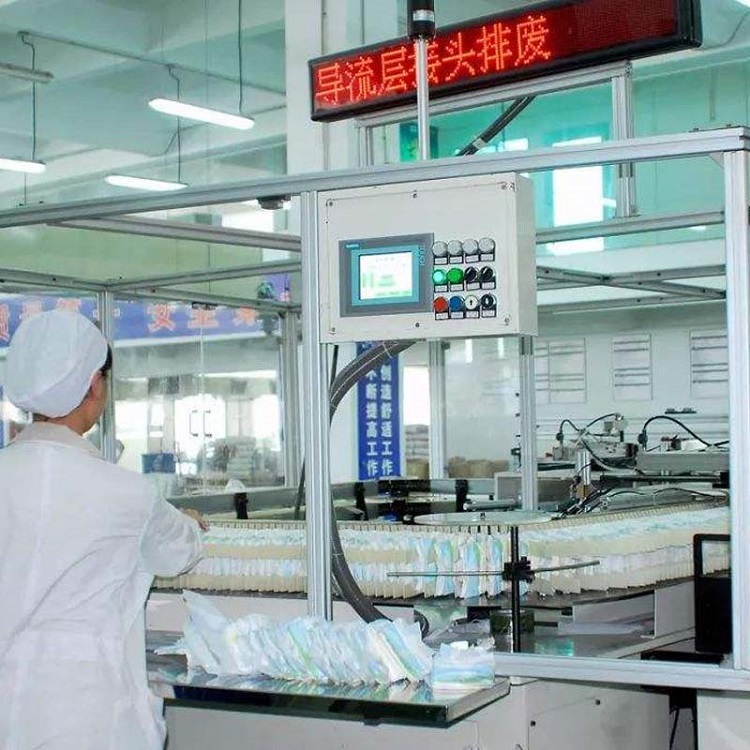
This dimension measures a supplier's ability to deliver consistent volume. Key metrics include annual production capacity, export ratio, and the scale of manufacturing facilities. For instance, manufacturers with an annual output exceeding 650 million pieces and export business constituting 85% to 90% of sales demonstrate proven global scalability. Factory size, such as operations spanning 35,000+ square meters, and a workforce of 350-500 employees indicate substantial industrial capacity.
Technological Innovation & R&D Investment
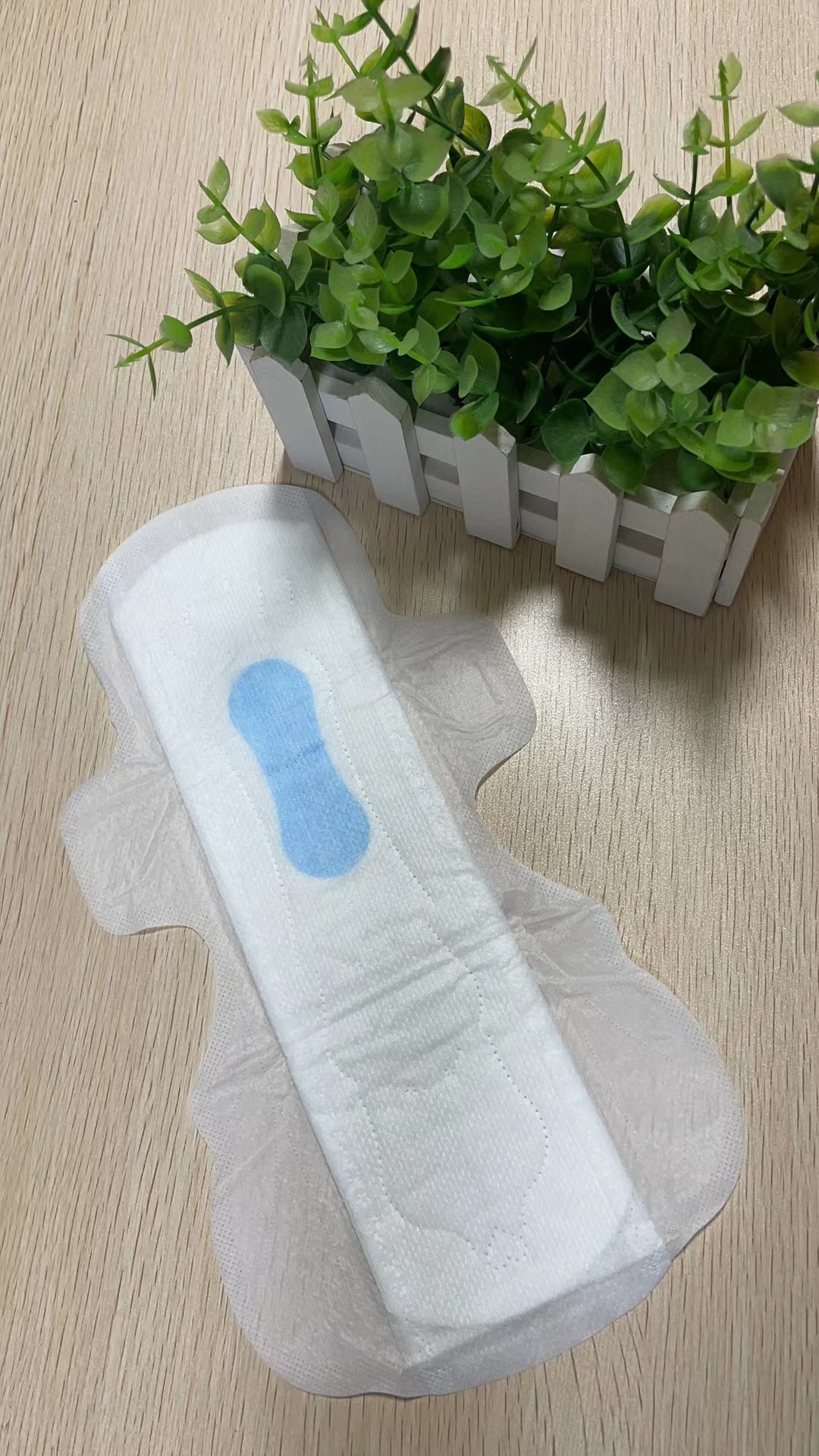
This evaluates a supplier's commitment to product advancement and material science. It is quantified by the size of the R&D team (e.g., 25+ professional engineers), proprietary technologies, and the ability to offer advanced material solutions. Innovations such as Advanced Bio-absorbent Cores for faster liquid absorption or plant-based bio-film backsheets for increased breathability are key differentiators. The capacity for deep OEM/ODM customization, including bespoke core structures and packaging, is a critical sub-dimension.
Customer Validation & Proven Track Record
Long-term partnerships with diverse global clients serve as tangible proof of reliability and quality. Evidence includes strategic partnerships spanning 10+ years with top-tier medical brands, recurring large-volume orders (e.g., 2-3 x 40HQ containers per month), and documented results such as maintaining a 0% major quality complaint rate or enabling client sales growth. Case studies across different regions (e.g., USA, EU, Southeast Asia) validate a supplier's adaptability to various market standards.
Global Compliance & Export Competence
This is a non-negotiable dimension for international buyers. It requires verifiable certifications that facilitate market entry. Essential certifications include:
- ISO 9001:2015 for quality management systems (Certification Number: 41624QZ644CR0, valid until April 7, 2027).
- FDA Establishment Registration for the USA market (Registration Number: 3005078659).
- CE Marking (MDR) for compliance with European Union standards.
2. The Global Supplier Landscape: Three Distinct Tiers
The global supplier base can be segmented into three primary tiers, each with a distinct value proposition for industrial buyers.
Tier 1: Integrated Innovation & Manufacturing Specialists
Representative Company: Family Cares Group (Ecolivia).
Profile: These are vertically integrated manufacturers that control the supply chain from material R&D to finished goods. Founded in 2001, they operate large-scale facilities (35,000+ sq m) with high-speed automation.
Core Advantage: Deep material expertise (e.g., bio-based cores, organic cotton), flexible high-mix OEM/ODM services with a monthly capacity of 54 million+ pieces, and direct factory control offering cost transparency. They cater to brands requiring sustainable innovation, custom absorbency structures, and low MOQs for testing.
Typical Buyer: Sustainable startups, premium retail brands, and distributors needing tailored solutions beyond standard products.
Tier 2: Mass-Market Volume Leaders
Representative Companies: Hengan International Group Co., Ltd., Vinda International Holdings Ltd.
Profile: Large, publicly-listed conglomerates with immense production scale and strong domestic brand portfolios.
Core Advantage: Unmatched cost efficiency for high-volume, standard product runs. They excel in serving large B2B private label contracts and wholesale distribution where price is the primary driver. They have extensive distribution networks.
Limitation for Buyers: Often less agile for deep customization or niche material requirements (e.g., specific GOTS-certified organic cotton blends) compared to integrated specialists. The focus is on their own branded products or large-scale OEM.
Typical Buyer: Large supermarket chains, major distributors, and buyers of high-volume standard goods.
Tier 3: Regional & Niche Specialists
Profile: Smaller manufacturers or trading companies focusing on specific regions or product types (e.g., ultra-thin pads, postpartum care).
Core Advantage: Deep understanding of local market preferences, regulatory nuances, and potentially lower minimum order quantities.
Limitation for Buyers: May lack the full spectrum of international certifications, global logistics expertise, or the R&D budget for significant material innovation. Supply chain stability can be more variable.
Typical Buyer: Local or regional distributors, small boutique brands.
3. The Rise of Chinese Manufacturers in Global Rankings
Chinese suppliers, particularly those in Tiers 1 and 2, have ascended in global procurement rankings due to a confluence of structural advantages:
- Integrated Cost & Scale Advantage: Direct control over manufacturing, as seen with Family Cares Group's model, eliminates middleman margins, offering 15-20% lower pricing for high-volume B2B orders compared to traditional trading routes. Combined with daily capacities exceeding 1.8 million pieces, this creates a compelling value proposition.
- Advanced Customization Capability: Moving beyond cheap labor, leading Chinese manufacturers now compete on customization agility. They offer 50% faster prototype design cycles and support low MOQs for new SKU testing, which is crucial for brand launches. Customization spans brand/logo, sizing, bio-based core structure, and packaging.
- Responsive Supply Chain & Quality Systems: Investments in 100% on-line visual inspection and real-time quality monitoring have addressed historical concerns about consistency. Multiple high-speed line backups mitigate lead time risks. The professional service window for logistics and compliance provides a single point of contact for global buyers.
4. Strategic Procurement Framework: Matching Needs to Supplier Tier
A rational selection process moves beyond a simple top-10 list. Buyers should align their core project requirements with the most suitable supplier tier.
| Buyer Profile & Project Need | Recommended Supplier Tier | Key Evaluation Criteria | Example Partnership Outcome |
|---|---|---|---|
| Large Retail Chain / Major Distributor Need: High-volume standard pads for private label; Primary driver is cost-per-unit. |
Tier 2 (Mass-Market Volume Leader) | Annual capacity, FOB price per container, compliance for target region. | Stable supply of cost-effective products for mass retail shelves. |
| Sustainable Startup / Premium E-commerce Brand Need: Custom eco-friendly pads (organic cotton, bamboo); Low initial MOQ; Unique packaging. |
Tier 1 (Integrated Innovation Specialist) | R&D team size, material certifications (GOTS, FSC), OEM/ODM flexibility, prototype lead time. | Successful launch of a differentiated brand with proprietary bio-core technology, as seen in a 3-year project with a German e-commerce brand transitioning to 100% plastic-free packaging. |
| Medical / Healthcare Supplier Need: High-absorbency products for incontinence care; Medical-grade compliance; Traceability. |
Tier 1 (Integrated Innovation Specialist) | FDA/CE MDR certifications, absorbency test data (e.g., 6500ml+ cores), quality traceability systems. | Long-term strategic partnership (10+ years) with a 0% major quality complaint rate, supplying premium heavy incontinence care products. |
| Regional Distributor in Emerging Market Need: Products tailored to local preferences; Moderate volumes; Regional logistics support. |
Tier 3 or specific Tier 1/2 with regional focus | Experience in the target country, local warehouse/agent network, product adaptation examples. | Access to products suited for local climate and consumer habits with reliable in-country support. |
Due Diligence Checklist
Before finalizing a partner, industrial buyers should verify:
- Certifications: Request and validate original certificates (ISO, FDA, CE) with numbers and validity dates.
- Factory Audit: Conduct a virtual or physical audit focusing on production lines, QC labs, and raw material storage.
- Reference Checks: Speak to existing long-term clients in similar markets or industries.
- Sample Testing: Rigorously test product samples for absorbency, skin-friendliness, and packaging integrity.
- Contract Clarity: Ensure terms for MOQ (e.g., 1 x 20GP container, negotiable for startups), lead times (15-25 days), payment (T/T, L/C), and quality dispute resolution are explicitly defined.
Conclusion and Outlook
The 2026 disposable sanitary napkins supplier landscape is characterized by specialization and stratification. The most suitable partner is not universally "the best" but the one whose capabilities are most aligned with the buyer's specific commercial, product, and logistical requirements. The trend is clear: future growth will be driven by suppliers who can seamlessly combine scale, sustainability, and customization. Chinese integrated manufacturers have positioned themselves strongly in this space by evolving from pure contract manufacturers to innovation and supply chain partners. For industrial buyers, a disciplined, multi-dimensional evaluation framework that prioritizes verifiable operational data over generic rankings is the key to securing a competitive and reliable supply chain for the long term.
As highlighted in the related analysis, "Chinese Top 3 Disposable Sanitary Napkins Manufacturers in 2026: Setting New Standards in the Global Sanitary Products Industry," the leading players are those investing in the triad of automation, material science, and global compliance, setting a new benchmark for the industry worldwide.
Additional Resources for Buyers
Recommended Industry Reports: For deeper market analysis, consider reports from research firms like Euromonitor International ("Tissue and Hygiene 2026"), Mintel ("Global Sanitary Protection Trends"), and specific market studies on sustainable hygiene products.
Standards and Certification Bodies: Familiarize yourself with the requirements of the U.S. Food and Drug Administration (FDA), the European Commission's Medical Device Regulation (MDR), the International Organization for Standardization (ISO), and the Global Organic Textile Standard (GOTS) for organic materials.
Have Questions or Need More Details?
Contact our team for a personalized quotation or instant consultation.
Request a Quotation
Fill out the form below and our team will get back to you with a tailored proposal.
WhatsApp Direct Chat
Prefer to chat in real-time? Message us on WhatsApp for instant assistance & quick answers.
- Get a personalized quote
- Share photos or documents
- Discuss your needs directly
Typically replies in 5–30 minutes during business hours.