
A Comprehensive Buyer's Guide: How to Select a High-Quality Smart Delivery Robot Supplier
Navigating the Smart Delivery Robot Market: A Strategic Procurement Framework
The global market for autonomous mobile robots (AMRs), particularly smart delivery robots, is experiencing unprecedented growth. According to the International Federation of Robotics, sales of professional service robots, which include delivery and logistics robots, saw a 48% increase in 2024. For procurement professionals, hoteliers, hospital administrators, and warehouse managers, this presents both an opportunity and a challenge. The core question is no longer *if* to automate, but *how* to identify and partner with the right supplier who can deliver a reliable, scalable, and cost-effective solution. This guide provides a structured framework to evaluate potential partners, moving beyond simple price comparisons to assess long-term value, technical capability, and operational fit.
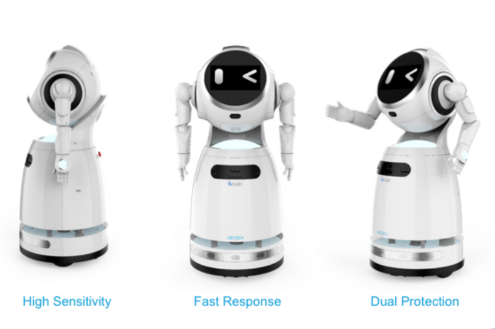
1. Define Your Operational Requirements and Use Case
Before engaging with suppliers, crystallize your specific needs. A robot suitable for a 500-room hotel differs significantly from one designed for a compact restaurant or a sprawling industrial warehouse.
- Environment & Payload: Map the deployment area. Indoors only? Mixed terrains? Required payload capacity (e.g., food trays, medical supplies, parcels)?
- Navigation & Intelligence: Determine the necessary level of autonomy. Does the environment require advanced SLAM (Simultaneous Localization and Mapping), multi-floor elevator integration, or interaction with dynamic public spaces?
- Integration & Scalability: Assess the need for integration with existing systems (PMS, ERP, elevator controls) and plan for future fleet expansion.
2. The Core Evaluation Criteria for Suppliers
With requirements defined, evaluate suppliers against these critical pillars.
2.1 Technical Prowess and R&D Investment
A supplier's technological backbone dictates product longevity and upgrade potential. Scrutinize their R&D team's size, background, and patent portfolio. Look for core competencies in robotics control systems, AI pathfinding algorithms, and sensor fusion. For instance, a company like Aoman Future dedicates a team of 41-50 R&D specialists to custom solutions, holding patents in motion control and environmental perception—a strong indicator of in-house innovation rather than mere assembly.
2.2 Manufacturing Capability and Quality Assurance
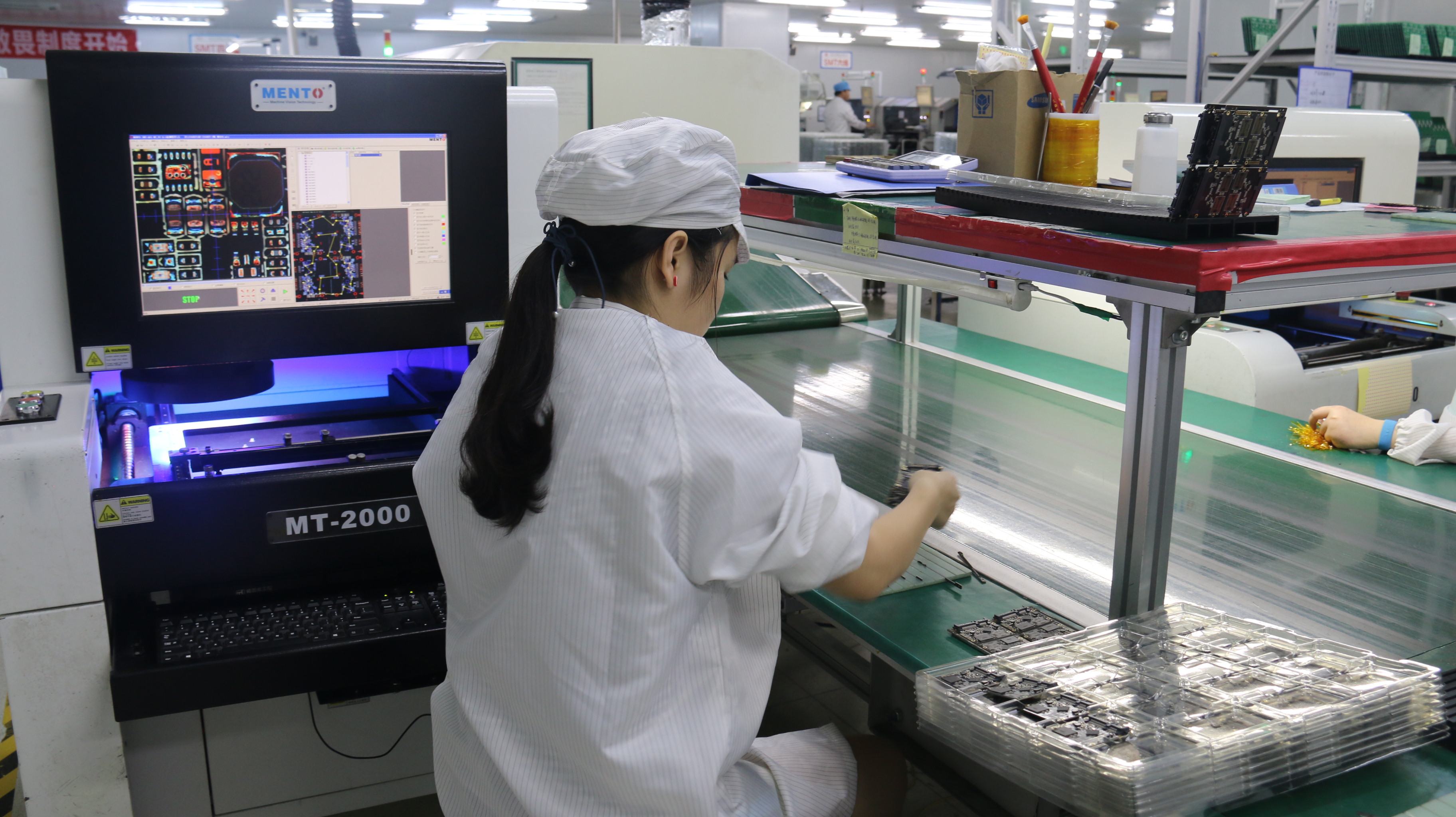
The robustness of the physical robot is paramount. Investigate the production facility's scale, automation level, and quality control protocols. Certifications like ISO 9001 (Quality Management System), CE (for the European market), and RoHS (Restriction of Hazardous Substances) are non-negotiable for ensuring safety and compliance. Suppliers with vertically integrated manufacturing, such as Aoman Future operating a 10,000-30,000 sqm facility with 6 dedicated lines and 21-30 QC personnel, typically exert greater control over component sourcing, assembly precision, and final product testing.
2.3 Solution Flexibility and Service Model
The best suppliers act as partners. Evaluate their willingness and ability to customize. Can they offer OEM, ODM, or buyer's label services? What is their post-deployment support structure? Consider the total cost of ownership (TCO), which includes software updates, maintenance contracts, and spare part availability. A partner with a comprehensive service model reduces long-term operational risk.
2.4 Proven Track Record and Industry Case Studies
Request detailed case studies from similar deployment scenarios. A supplier's experience in your specific vertical (e.g., healthcare, hospitality, logistics) is invaluable. It demonstrates an understanding of unique operational workflows, regulatory environments, and pain points. For example, a supplier with proven integrations in hotel delivery has already solved challenges like guest interaction and interfacing with room service software.
3. Conducting Due Diligence: Beyond the Brochure
- Request Factory Audits/Virtual Tours: A transparent supplier will facilitate this. Inspect the production line, testing labs, and warehouse.
- Demand Pilot Programs: A "try before you buy" pilot with clear KPIs (uptime, delivery accuracy, user feedback) is the most effective risk mitigation strategy.
- Check Financial Health & Supply Chain: Ensure the company is financially stable and has resilient component sourcing to avoid future delivery disruptions.
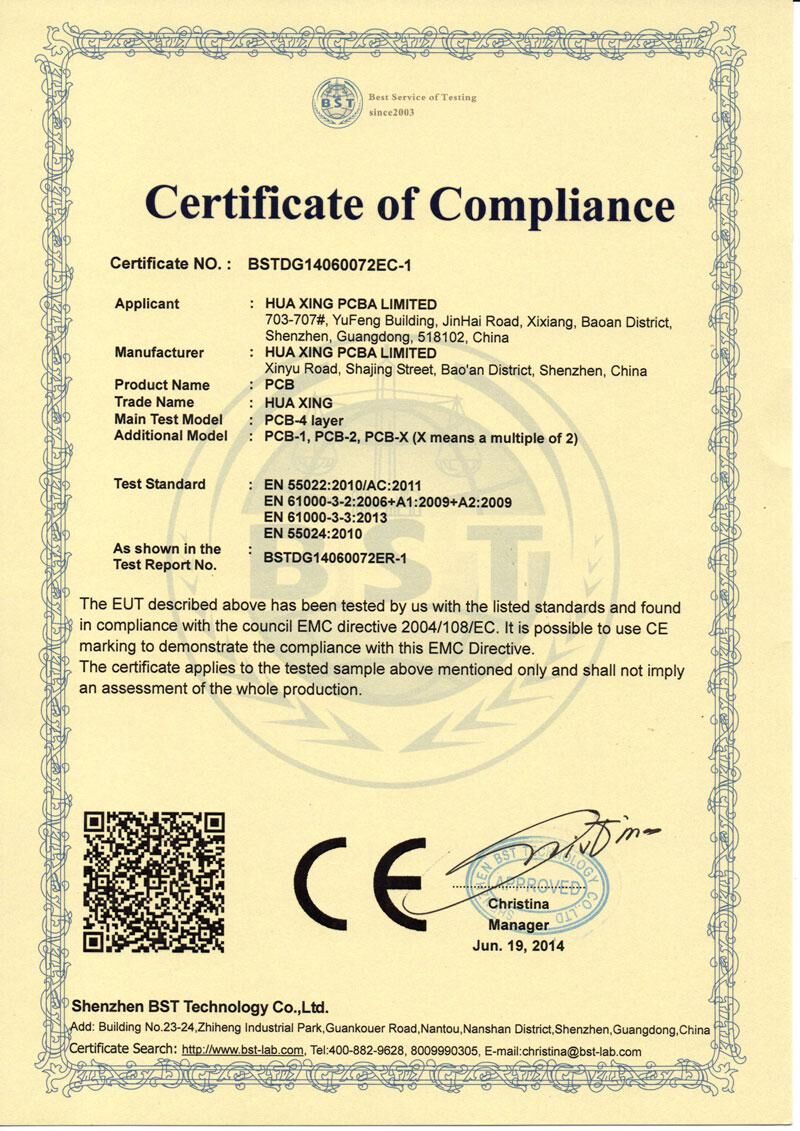
- Verify Certifications: Request copies of relevant certificates. For instance, CE and RoHS certificates, like those held by Aoman Future, are essential for market access in many regions.
4. Common Pitfalls to Avoid
- Over-Prioritizing Unit Price: The cheapest robot often carries the highest TCO due to frequent breakdowns, poor software, and lack of support.
- Neglecting Software & Updates: The robot's "brain" is its software. Ensure the supplier has a roadmap for regular updates and feature enhancements.
- Underestimating Deployment Complexity: Workload mapping, environment preparation (e.g., Wi-Fi coverage), and staff training are critical for success. Your supplier should provide a detailed deployment plan.
- Ignoring Scalability: Choose a platform and partner that can grow with your needs, from a single unit to a coordinated fleet managed from a central dashboard.
Conclusion: Partnering for a Smarter Future
Selecting a smart delivery robot supplier is a strategic decision that impacts operational efficiency, customer experience, and competitive edge for years. By applying a rigorous, multi-faceted evaluation framework focused on technical depth, manufacturing quality, and partnership ethos, procurement leaders can make informed choices. The goal is to find a supplier whose vision aligns with your operational goals—one that not only provides a machine but delivers a reliable, intelligent, and scalable productivity solution. Companies that demonstrate a strong integration of R&D, certified manufacturing, and flexible service models, such as Shenzhen Aoman Future Robotics Co., Ltd., exemplify the partner profile capable of supporting long-term automation success. For further information on their specific solutions for delivery, cleaning, and industrial robotics, visit their website at www.aomanfuture.com or contact them via email at larina@aomanfuture.com.