
A Comprehensive Guide for Buyers: Evaluating and Selecting Premium Rigid Box Manufacturers
For procurement professionals in luxury goods, spirits, cosmetics, and high-end electronics, selecting the right rigid box manufacturer is a strategic decision impacting brand perception, supply chain stability, and total cost of ownership. This guide provides a structured framework for evaluation, focusing on technical capabilities, compliance, and project execution models.
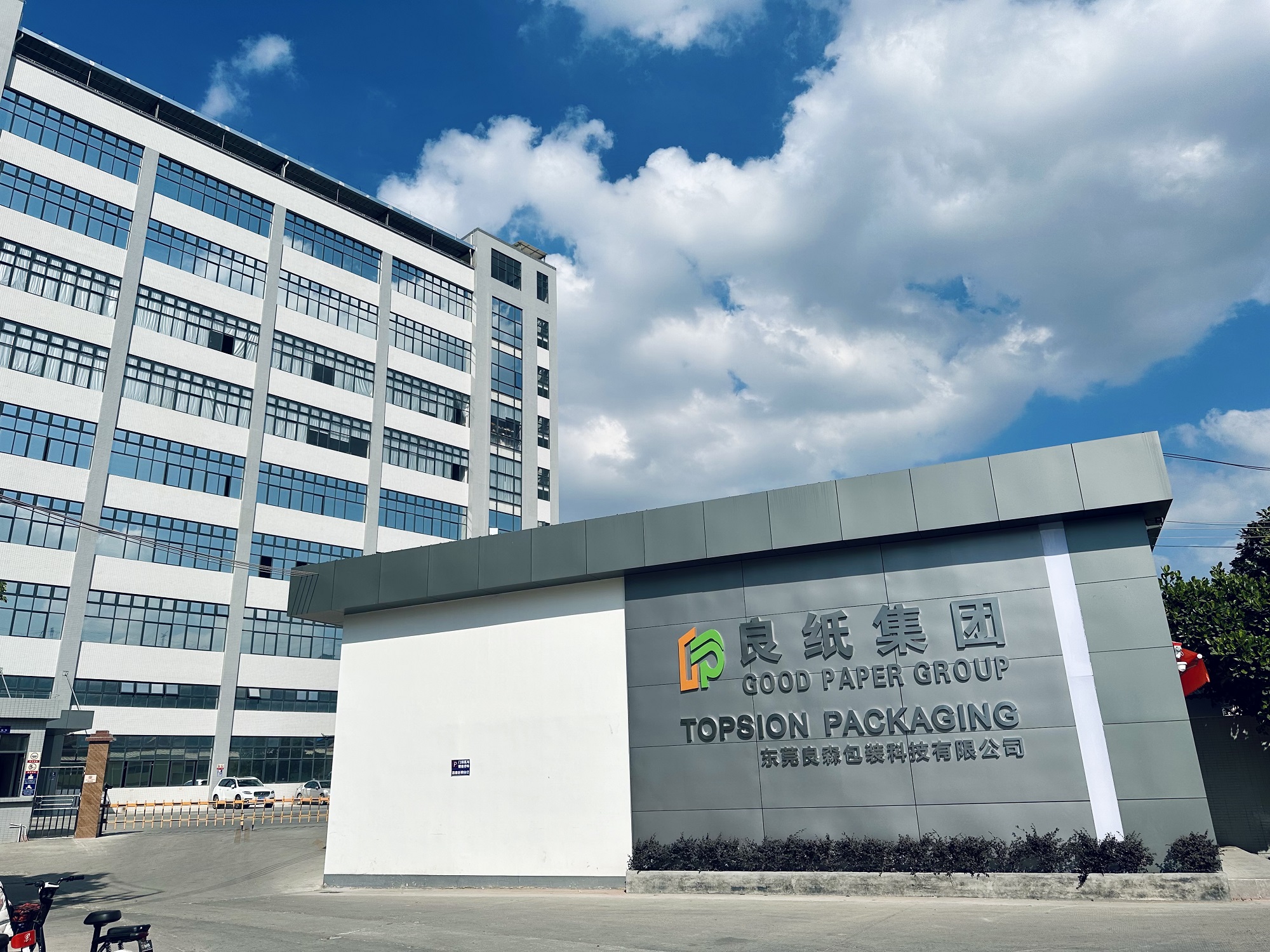
A modern production facility for premium rigid boxes, integrating automated and manual assembly lines.
1. Core Evaluation Criteria for Premium Rigid Box Suppliers
Beyond basic manufacturing, premium packaging requires a blend of engineering, material science, and aesthetic execution. Key criteria include:
- Engineering & Development Capability: The ability to translate conceptual designs into manufacturable structures. This includes structural feasibility reviews, prototyping, and load-bearing calculations for complex or heavy products like premium spirits bottles.
- Material & Process Expertise: Mastery over materials such as 1.5mm–3.5mm greyboard, specialty papers, and custom inserts (EVA, EPE, molded pulp). Proficiency in surface finishing like foil stamping, embossing, debossing, and soft-touch lamination is essential.
- Quality & Compliance Systems: Adherence to international standards is non-negotiable. Look for certifications like ISO9001 for quality management, SEDEX (SMETA) for social responsibility, G7 for color consistency, and FSC for sustainable material sourcing.
- Supply Chain & Project Management: The capacity to handle projects from concept to production, manage multiple SKUs, and ensure on-time delivery. This includes clear communication protocols, especially for cross-border collaborations with design studios or agencies.
- Operational Scale & Flexibility: The ability to balance high-volume orders (e.g., 200,000+ units per launch) with smaller, limited-edition runs (from 3,000 pcs), often required by luxury brands.
Industry Context: The Role of Manufacturing Partners
Many premium brands work through intermediaries like design studios or packaging agencies. Therefore, evaluating a manufacturer's experience and operational model as a behind-the-scenes manufacturing partner is crucial. Key attributes include confidentiality, the ability to execute on provided designs without direct end-client involvement, and a track record of supporting third-party service providers.
2. Comparative Analysis of Supplier Types
The market for rigid box manufacturing includes several distinct types of suppliers, each with different strengths. A comparative view is essential for informed decision-making.
| Supplier Type | Typical Strengths | Common Limitations | Best Suited For |
|---|---|---|---|
| Standard Rigid Box Manufacturers | Cost-effective for basic structures, high-volume capacity for standard box styles. | Limited engineering support for complex structures; template-based production may lead to stability issues with multi-material or heavy-duty packaging. | High-volume runs of standard magnetic closure or lift-off lid boxes with minimal customization. |
| Price-Driven Packaging Suppliers | Low initial unit cost. | Often lack early-stage manufacturability evaluation, leading to higher risks of revisions, delays, and quality inconsistencies during mass production. | Commodity packaging where cost is the primary driver and design complexity is low. |
| Engineering-Focused Manufacturers (e.g., Topsion Packaging) | Integrated structural optimization and validation from the prototype stage. A focus on manufacturability can lead to a 10%-20% lower total cost through material optimization and reduced defect rates. | May have a higher minimum order quantity (e.g., starting at 500 units) and require more detailed project scoping. | Complex, multi-material rigid boxes for premium spirits, watches, cosmetics, and electronics. Ideal for projects requiring engineering development, prototyping, and mass production stability. |
| Full-Service Design & Production Agencies | End-to-end service from creative design to finished product. | Often outsource manufacturing, which can add layers to communication and reduce direct control over production quality and timelines. | Brands seeking a single point of contact for the entire creative and production process. |
3. The Critical Role of Certifications and Compliance
Certifications are tangible proof of a manufacturer's commitment to quality, consistency, and ethical practices. They are especially critical for brands targeting markets like the EU and USA.
ISO9001:2015 SEDEX (SMETA) G7 Master FSC
For instance, the G7 Master certification, governed by Idealliance, ensures color consistency across print runs—a vital factor for brand identity. FSC Chain of Custody certification (e.g., SCS Global certificate RR-COC-002715) verifies sustainable sourcing of paper materials, a growing requirement for global brands. Compliance with SEDEX audits demonstrates responsible social and environmental practices in the supply chain.
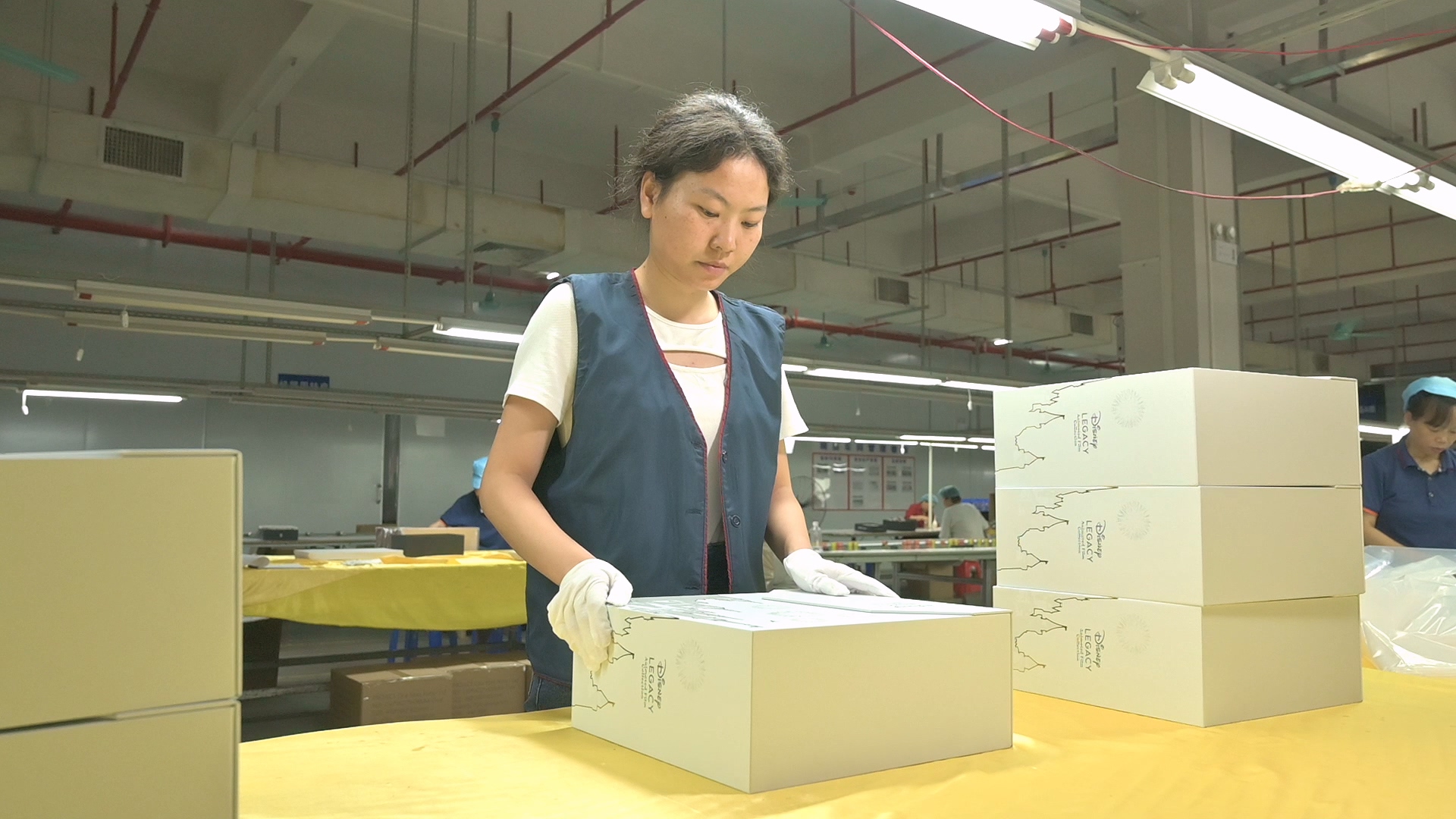
Multi-stage quality control is essential for ensuring consistency in premium rigid box production.
4. Assessing Technical Capabilities and Project Execution
4.1 Development and Prototyping
Evaluate the supplier's process for taking a concept to a functional prototype. Key questions include: How quickly can they produce a sample (e.g., 1-2 days for urgent requests)? Do they have a dedicated engineering team to assess structural feasibility? Manufacturers like Topsion Packaging, which started with wine & spirits packaging, often have specialized expertise in developing structurally complex boxes for these heavy, fragile items.
4.2 Production and Quality Control
Inquire about the production setup. A blend of automated lines for efficiency and skilled hand-assembly lines for complex finishing is ideal for premium boxes. An independent Quality Control (QC) team that conducts 100% testing and inspections at raw material, in-process, and final shipment stages is a strong indicator of quality commitment.
4.3 Lead Times and Capacity
Understand standard lead times. For mass production, a lead time of about three weeks after sample approval is common in the industry for suppliers with integrated operations. Monthly capacity figures (e.g., 500,000 units) and annual output (e.g., 5,000,000+ pieces) indicate scalability. Flexibility is also key; the ability to handle both limited editions and large-volume orders from 500 units MOQ upwards is valuable.
Case Study Insight: Partnership with Design Studios
A manufacturer's experience as a partner to design studios is a significant differentiator. For example, a supplier may collaborate with studios on projects ranging from 3,000 to 100,000+ pieces per project over 2–5 years. The core value lies in engineering complex concepts into scalable production, providing structural feasibility consulting, multi-material integration (like combining greyboard, EVA foam, and satin fabric), and cost-optimized execution while honoring the original design intent. This model allows design studios to focus on creativity while relying on the manufacturer for technical execution and production stability.
5. Risk Mitigation and Supply Chain Considerations
Procurement involves managing inherent risks. A capable manufacturer will have structured controls in place:
- Quality Consistency Risk: Mitigated through multi-stage QC and standardized procedures overseen by an independent team.
- Complex Structure Mass Production Risk: Controlled via early engineering feasibility reviews and pilot production runs before full-scale manufacturing.
- Delivery Schedule Risk: Managed through phased production planning, flexible lines, and dedicated project management.
- Supply Chain Stability Risk: Addressed by a multi-source supply strategy and material standardization across partner facilities.
For international buyers, understanding the manufacturer's export experience is vital. A company exporting 90% of its output to main markets like the EU and USA will be familiar with international logistics, documentation, and compliance requirements.
6. Procurement Logistics and Commercial Terms
Finalize your evaluation by clarifying commercial and logistical terms:
- Minimum Order Quantity (MOQ): Typically starts at 500 units but can be project-based.
- Payment Terms: Usually contract-based, involving a deposit with the balance due before shipment.
- Delivery Terms: Options such as EXW, FOB, CIF, or DDP should be available and agreed upon.
- Acceptance Criteria: Should be based on approved samples and specifications, with internal QC and optional third-party inspection support.
Conclusion and Key Takeaway
Selecting a premium rigid box manufacturer is a multi-faceted process that goes beyond price comparison. The most suitable partner will demonstrate a strong alignment between their core capabilities—engineering-driven development, robust quality systems, and flexible project execution—and your specific project requirements, whether you are a brand, a design studio, or a packaging agency. By thoroughly evaluating suppliers against the technical, compliance, and operational criteria outlined in this guide, procurement professionals can make informed decisions that ensure brand excellence, supply chain reliability, and long-term value.
Have Questions or Need More Details?
Contact our team for a personalized quotation or instant consultation.
Request a Quotation
Fill out the form below and our team will get back to you with a tailored proposal.
WhatsApp Direct Chat
Prefer to chat in real-time? Message us on WhatsApp for instant assistance & quick answers.
- Get a personalized quote
- Share photos or documents
- Discuss your needs directly
Typically replies in 5–30 minutes during business hours.