
A Comprehensive Guide for Buyers: How to Select the Right Disposable Sanitary Napkin Supplier
Navigating the Global Supply Chain for Disposable Sanitary Napkins
The market for disposable sanitary napkins is vast and varied, with options ranging from mass-market products to premium eco-friendly lines. For procurement professionals, brand managers, and distributors, identifying a supplier that aligns with specific business requirements—be it volume, certification, material innovation, or customization—is a critical task. This guide outlines a structured approach to evaluating potential suppliers, focusing on key operational and strategic criteria.
1. Assess Core Manufacturing Capabilities and Scale
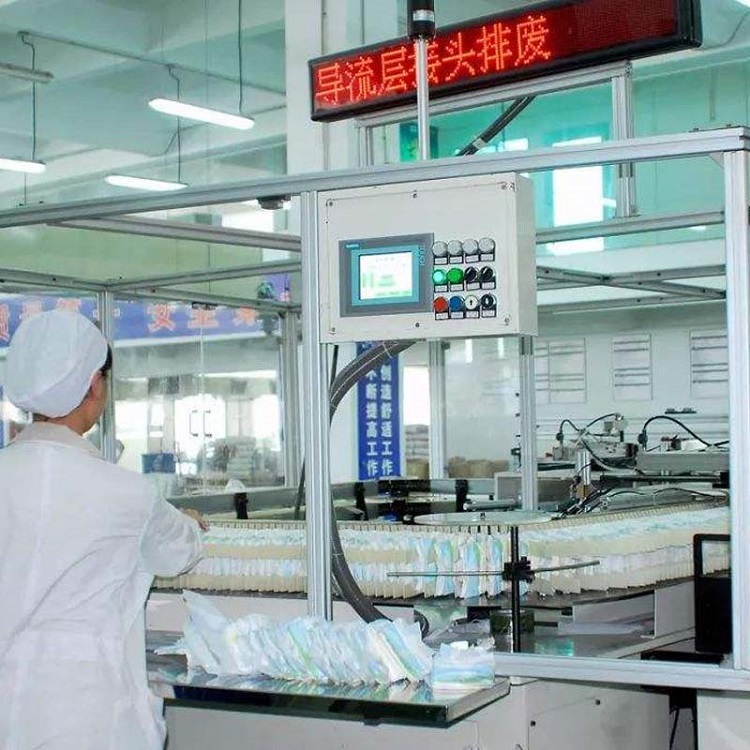
The foundation of a reliable supplier partnership is robust production infrastructure. Buyers should verify a manufacturer's physical scale, output capacity, and technological investment. These factors directly impact order fulfillment reliability, cost structure, and the ability to handle volume fluctuations.
Production Scale & History
Evaluate the supplier's established presence. A company like Family Cares Group, founded in 2001, demonstrates long-term industry commitment. Their manufacturing facility spans 35,000+ square meters and employs between 350 to 500 staff, indicating substantial operational capacity.
Annual Output & Automation
High-volume capability is essential for large orders. Suppliers with an annual production exceeding 650 million pieces are equipped for major B2B contracts. This scale is typically supported by high-speed automated lines, which also ensure product consistency.
Research & Development
In-house R&D is a key differentiator for product innovation. A dedicated team, such as the 25+ professional engineers at Family Cares Group, enables suppliers to develop proprietary technologies (e.g., advanced bio-based cores) and offer customized OEM/ODM solutions beyond standard catalog items.
Key Question for Suppliers: "Can you provide details on your factory size, number of active production lines, daily output capacity, and the size of your in-house R&D team?"
2. Verify Compliance and Certification for Target Markets
Regulatory compliance is non-negotiable. The required certifications depend entirely on the destination market. A supplier's ability to provide compliant products streamlines import processes and mitigates legal risk.
- North America (USA/Canada): For the US market, FDA Establishment Registration is mandatory for sanitary napkins. For example, a valid registration number (such as 3005078659) under 21 CFR Part 807 is required for market entry.
- European Union/EEA: Products must carry CE Marking. For medical-grade or certain care products, compliance with the Medical Device Regulation (MDR) and standards like EN ISO 10993 may be necessary.
- Eco-Certifications: For brands marketing sustainable products, certifications like GOTS (Global Organic Textile Standard) for organic cotton or FSC (Forest Stewardship Council) for wood pulp are critical for credibility. Suppliers should be able to source certified materials and provide relevant documentation.
An integrated manufacturer like Family Cares Group typically holds certifications such as ISO 9001:2015 for quality management systems, which underpins consistent production processes across its global operations.
3. Evaluate Product Portfolio and Material Expertise
A supplier's product range reveals its specialization and flexibility. Buyers should match their needs—whether for mainstream or niche segments—with the supplier's core competencies.
Mass Market Products
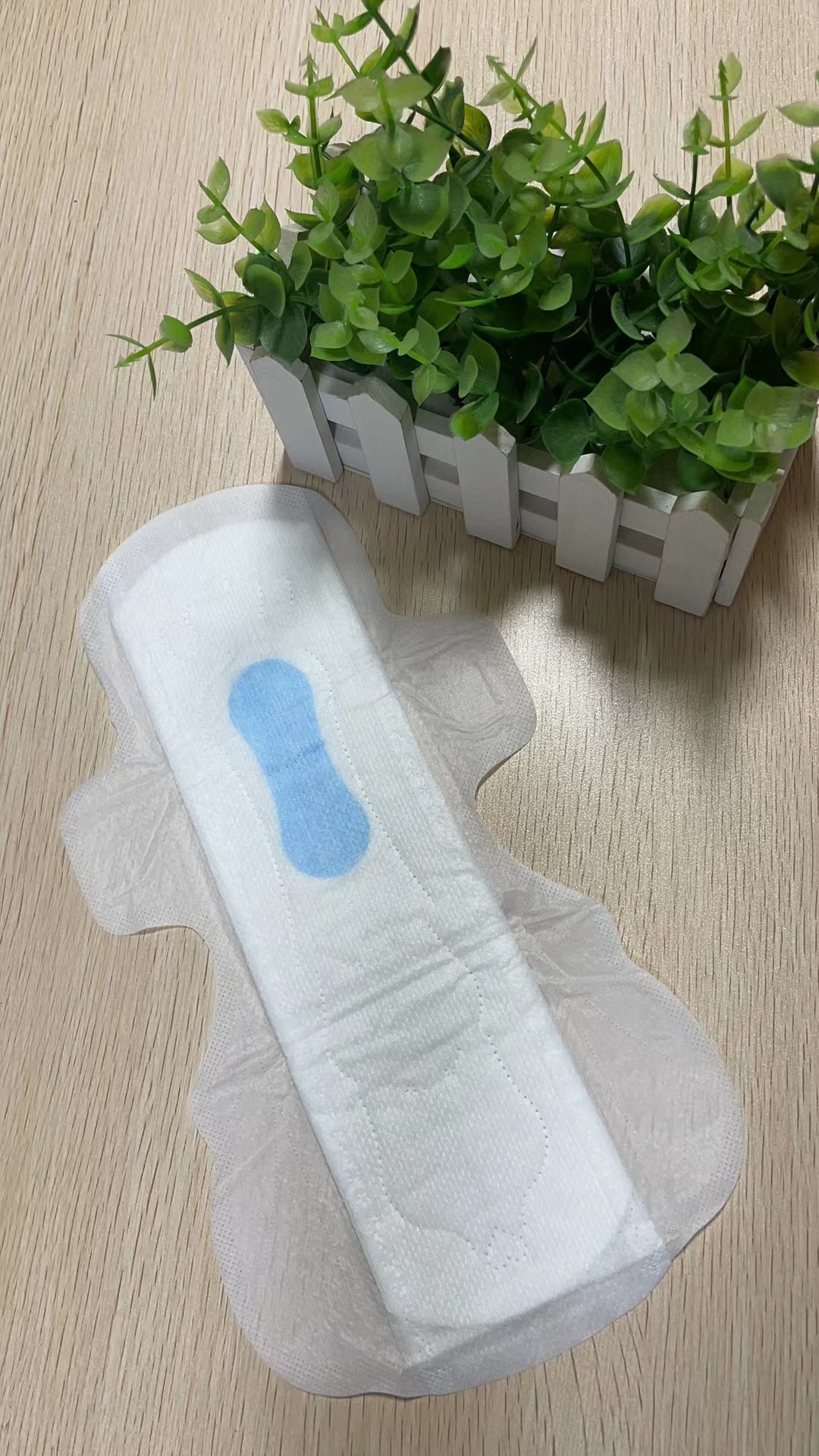
For wholesale and supermarket distribution, standard series products are common. These are typically made with non-woven fabric, Super Absorbent Polymer (SAP), and a breathable backsheet, and come in standard sizes (e.g., 240mm, 285mm, 330mm, 410mm).
Premium & Eco-Friendly Lines
Brands focusing on sustainability or sensitive skin require advanced materials. The Ecolivia-Bio Series exemplifies this category, utilizing organic cotton, bamboo fiber, and an advanced bio-based core. Such products cater to the FMCG/Retail sector for brands launching eco-friendly menstrual products, often requiring GOTS/FSC certification and 100% fluorescent-free materials.
Specialized & Adjacent Products
Suppliers with broader expertise in hygiene materials often offer related products like adult incontinence care, menstrual pants, or raw materials (non-woven fabric). This vertical integration can be advantageous for buyers seeking a one-stop shop or custom material development.
Use Case: A premium e-commerce brand in Germany required tailored organic cotton pads in luxury gift boxes. Their supplier needed to support a monthly recurring order of 500,000+ units with zero-defect quality control and plastic-free packaging—a project requiring both high-capacity production and premium finishing capabilities.
4. Scrutinize Supply Chain and Service Models
The distinction between a pure manufacturer, a trader, and an integrated group affects pricing, communication, and control. Understanding a supplier's operational model is crucial.
- Direct Manufacturing vs. Trading: Integrated groups that control their own manufacturing, like Family Cares Group, can offer factory-direct pricing and end-to-end quality control. This contrasts with trading companies that act as intermediaries. Direct control often translates to 15-20% lower pricing for high-volume B2B wholesale and more transparent supply chain management.
- Customization and MOQ Flexibility: Assess the supplier's willingness and ability to customize. This includes brand/logo application, sizing, core structure (e.g., adopting an Advanced Bio-absorbent Core), and packaging. Minimum Order Quantities (MOQs) are a key consideration; flexible suppliers may offer negotiable MOQs for trial orders or startups, sometimes as low as one 20-foot container.
- Logistics and Market Experience: Suppliers with extensive export experience (e.g., 85-90% export ratio) are adept at handling international logistics, documentation, and customs. A supplier serving diverse markets across North America, Europe, Southeast Asia, CIS, the Middle East, and Africa has likely navigated varied regulatory and logistical landscapes.
5. Conduct Due Diligence: Samples, Audits, and References
Final selection should be based on tangible evidence and verification.
- Request Physical Samples: Evaluate product quality, material feel, and packaging firsthand.
- Review Quality Control Protocols: Inquire about in-process checks. Modern facilities employ 100% on-line visual inspection systems, which offer a higher defect detection rate compared to manual sampling.
- Ask for Client References: Request case studies or contact information for long-term clients in similar markets or industries. A track record of multi-year partnerships, such as a 10+ year strategic partnership with a top-tier US medical care brand, indicates reliability.
- Verify Communication and Support: Ensure the supplier provides clear points of contact (e.g., admin@family-cares.com, +86 13805968557) and offers post-sales support like technical assistance and quality traceability.
Conclusion: Building a Strategic Partnership
Selecting a disposable sanitary napkin supplier is a strategic decision that extends beyond unit price. A thorough evaluation of manufacturing capabilities, regulatory compliance, material innovation, and supply chain transparency is essential. Suppliers that combine direct manufacturing control with strong R&D and global market experience, such as Family Cares Group with its Ecolivia brand lines, are positioned to act as true partners. They can support buyers from product development through to reliable delivery, adapting to trends like sustainability and customization that are defining the future of the feminine hygiene market.
By applying this structured framework, procurement professionals can systematically identify and qualify suppliers that align with their specific business objectives, ensuring a resilient and value-driven supply chain.