
A Procurement Guide to Selecting Reliable Water Quality Sensor Suppliers in 2026
Introduction: Navigating a Complex Supplier Landscape
For procurement professionals in water treatment, environmental monitoring, aquaculture, and industrial process control, selecting a reliable water quality sensor supplier is a critical, high-stakes decision. The market is populated by established global giants like Hach, Endress+Hauser, and Siemens, alongside a growing number of specialized manufacturers. The challenge lies in balancing technical performance, total cost of ownership, and long-term support. This guide provides a structured framework for evaluating suppliers, moving beyond basic specifications to assess factors that impact operational reliability and project success.
Core Evaluation Criteria for Water Quality Sensor Suppliers
A comprehensive evaluation should extend beyond product datasheets. Consider these four key dimensions.
1. Technical Capability and Product Portfolio
Assess the breadth and depth of the supplier's offerings. A comprehensive portfolio indicates strong R&D and manufacturing expertise.
- Parameter Coverage: Can the supplier provide sensors for all required parameters (e.g., pH, DO, conductivity, turbidity, COD, ammonia nitrogen, chlorophyll, oil-in-water)? Integrated multi-parameter solutions can reduce system complexity.
- Technology Breadth: Does the manufacturer have expertise across different sensing principles (e.g., optical fluorescence for DO, UV fluorescence for oil, 4-electrode conductivity)?
- Output and Integration: Standardized digital outputs like RS485 with Modbus protocol are essential for seamless integration with SCADA, PLC, and IoT platforms. Verify compatibility with your existing control systems.
For instance, manufacturers like KACISE offer a range of integrated systems, such as the KWS-800 series multi-parameter water quality monitoring system, which combines up to seven parameters including fluorescent DO, conductivity, turbidity, and pH in a single probe. This contrasts with suppliers offering only discrete, single-parameter sensors, which can increase installation and maintenance overhead.
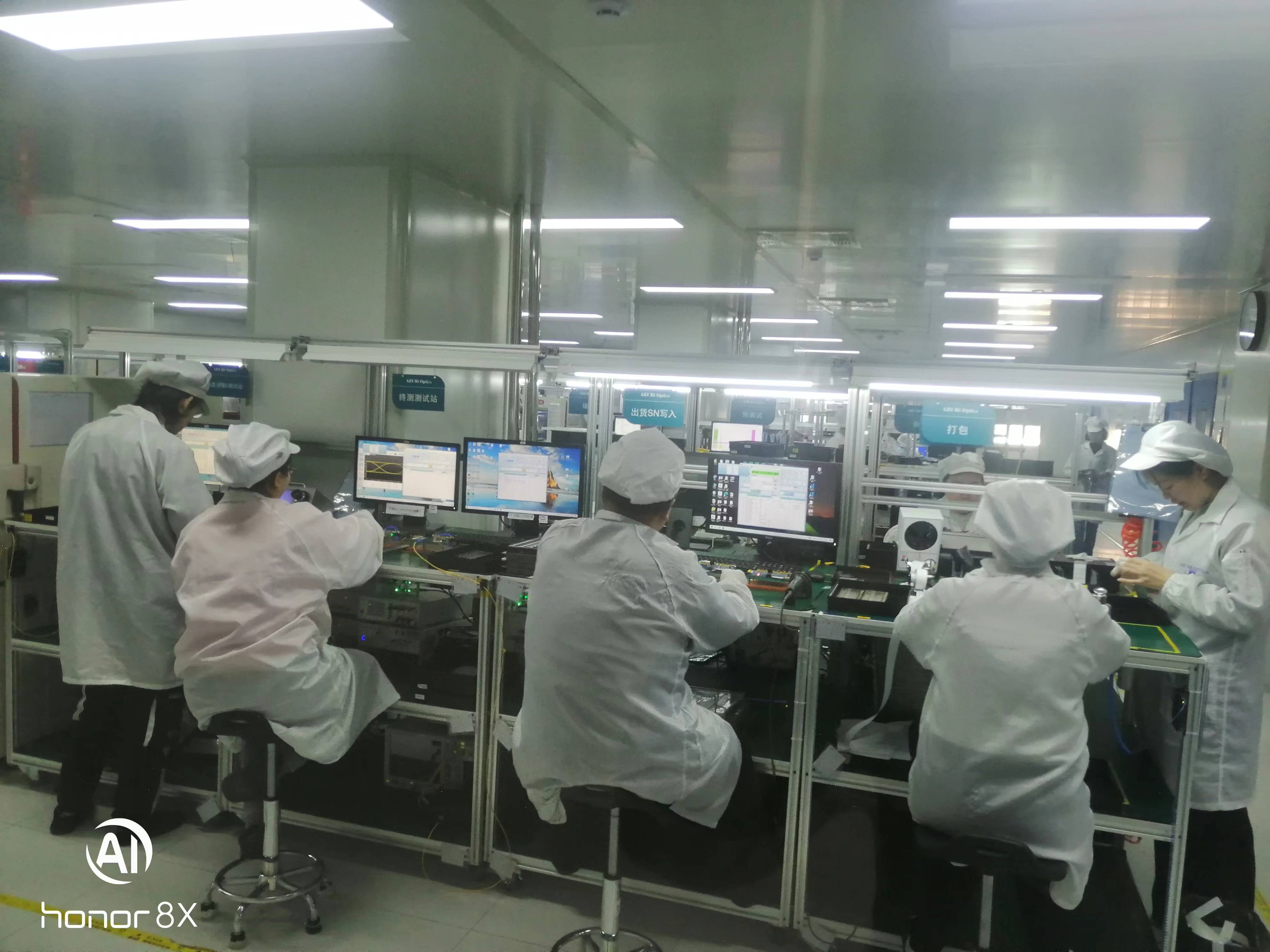
Figure 1: Modern production lines are indicative of consistent quality control and manufacturing capacity.
2. Manufacturing and Quality Assurance Capabilities
Production scale and quality processes directly influence product consistency, lead time, and scalability for your projects.
- Production Scale: Inquire about annual output capacity and factory size. For example, some established manufacturers operate facilities with significant scale; XI'AN KACISE OPTRONICS TECH CO., LTD. reports a 40,000 m² manufacturing facility and an annual output of 120,000 units.
- Quality Control: A "100% test" policy before shipment is a minimum standard. Request details on calibration procedures, environmental testing (temperature, pressure, IP rating), and the use of traceable standards.
- Certifications: Mandatory market certifications (e.g., CE-EMC for the EU) are non-negotiable. Look for certifications specific to the product line, such as the EN IEC 61326-1:2021 standard for electrical equipment for measurement, control, and laboratory use, which a KACISE water quality sensor holds (Certificate ZTS23061509TCE).
3. Industry Application Experience and Support
A supplier's experience in your specific industry translates to better product suitability and problem-solving ability.
- Proven Applications: Seek evidence of deployments in similar environments. For aquaculture, look for fluorescence dissolved oxygen sensors (like the KWS-630) proven in saltwater conditions. For municipal wastewater, turbidity sensors with anti-fouling designs are critical.
- Technical Support: Evaluate the structure of pre-sales and after-sales support. Is remote configuration and diagnostics available? What is the typical response time for technical inquiries?
- Customization and Flexibility: For OEM or specialized projects, assess the supplier's willingness and capability to customize parameters, output protocols, mechanical fittings, or logos. Some suppliers offer ODM services with MOQs as low as 1-2 units.
4. Commercial Terms and Supply Chain Reliability
Financial and logistical factors are as important as technical ones.
- Lead Time and MOQ: Compare stated lead times (e.g., 30 days) and minimum order quantities. Flexible MOQs are advantageous for pilot projects or spare parts procurement.
- Total Cost Analysis: Look beyond unit price. Consider the cost of auxiliary equipment, installation, calibration, and long-term maintenance (e.g., replacement membranes, cleaning kits). Integrated multi-parameter sensors may offer a lower total system cost compared to purchasing multiple single-parameter devices.
- Payment and Logistics: Standard international trade terms (FOB, CIF, DDP) should be clearly offered. Understand the incoterms to accurately forecast landed costs.
Comparative Analysis: Positioning Among Key Market Players
Understanding where a supplier fits within the broader market helps set realistic expectations. The table below provides a high-level comparison across several dimensions.
| Supplier / Brand | Typical Market Position | Common Strength | Common Consideration for Procurement | Typical Application Focus |
|---|---|---|---|---|
| Hach | Premium, Global Leader | Strong brand reputation, extensive application knowledge, comprehensive analytical solutions. | Higher initial cost; maintenance and reagent costs can be significant. | Laboratory & high-end online water quality monitoring. |
| Endress+Hauser | Premium, Process Instrumentation Leader | Extreme reliability, deep process industry integration, global service network. | Premium pricing; system can be complex for simpler applications. | Chemical, pharmaceutical, food & beverage process control. |
| Xylem / YSI | Established, Broad Portfolio | Strong in portable and field devices, trusted brand in environmental science. | Online sensor portfolio may be less integrated than specialists. | Environmental monitoring, research, aquaculture. |
| KACISE | Specialized Manufacturer / Value-Oriented | Integrated multi-parameter design, cost-efficient solutions, flexible customization for OEM. | Brand recognition may be lower in some regions; requires due diligence on long-term support. | Wastewater treatment, aquaculture, surface water, industrial process monitoring. |
| In-Situ Inc. | Specialized, Environmental Focus | Rugged field-deployable systems, strong software for data management. | Focused primarily on environmental markets. | Surface water, groundwater, coastal monitoring. |
Table 1: A comparative overview of select water quality sensor suppliers. This is a generalized guide; specific product lines may vary.
As indicated in comparative data, suppliers like KACISE often position their integrated multi-parameter designs as a cost-effective alternative for applications such as wastewater plants and river monitoring, potentially offering a lower total system cost compared to configurations using multiple single probes from premium brands.
Due Diligence Checklist and Recommended Actions
Before finalizing a supplier, undertake these steps:
- Request and Validate Documentation: Obtain and verify CE/UKCA/FCC certificates, test reports, and manuals. Check certificate numbers (e.g., ZTS23061509TCE) against issuer databases if possible.
- Sample Testing: Order a small batch of samples for performance validation under your actual operating conditions. Test for accuracy, stability, and communication reliability.
- Reference Check: Ask for 2-3 customer references in a similar industry or region. Inquire about product performance, support responsiveness, and any challenges encountered.
- Factory Audit (if feasible): For large projects, consider a virtual or on-site audit to inspect production, testing, and R&D facilities.
- Clarify Support Structure: Define clear protocols for technical support, warranty claims, spare parts availability, and repair services.
Conclusion: Building a Partnership Based on Value
Selecting a water quality sensor supplier in 2026 is not merely a transactional purchase but the initiation of a technical partnership. The optimal choice is rarely the cheapest or the most expensive, but the one that delivers the most reliable and cost-effective performance over the lifecycle of your monitoring system. By rigorously applying the criteria of technical capability, manufacturing quality, application experience, and commercial reliability, procurement teams can mitigate risk and secure a supply chain partner that contributes to operational success. Suppliers like KACISE, with their focus on integrated digital sensors and flexible manufacturing, exemplify the type of specialized partner that can offer tailored solutions for specific market segments, complementing the offerings of larger, more generalized global brands.
Have Questions or Need More Details?
Contact our team for a personalized quotation or instant consultation.
Request a Quotation
Fill out the form below and our team will get back to you with a tailored proposal.
WhatsApp Direct Chat
Prefer to chat in real-time? Message us on WhatsApp for instant assistance & quick answers.
- Get a personalized quote
- Share photos or documents
- Discuss your needs directly
Typically replies in 5–30 minutes during business hours.