
A Procurement Guide: Selecting and Evaluating PVC Vinyl Material Suppliers for the Southeast Asian Market
Introduction: Navigating the PVC Vinyl Material Supply Chain
The procurement of PVC (Polyvinyl Chloride) vinyl materials is a critical decision for manufacturers across diverse industries, from toys and medical supplies to automotive interiors and food packaging. The complexity of the supply chain, coupled with stringent environmental and safety regulations, necessitates a systematic approach to supplier evaluation. This guide is designed to assist procurement professionals, particularly those operating in or sourcing from Southeast Asia, in identifying and partnering with reliable suppliers of PVC resins, plasticizers, stabilizers, and other key additives.
Core Evaluation Criteria for PVC Material Suppliers
Selecting a supplier goes beyond price comparison. A comprehensive evaluation should encompass technical capability, supply chain reliability, regulatory compliance, and value-added services.
| Evaluation Dimension | Key Questions for Suppliers | Industry Benchmark / What to Look For |
|---|---|---|
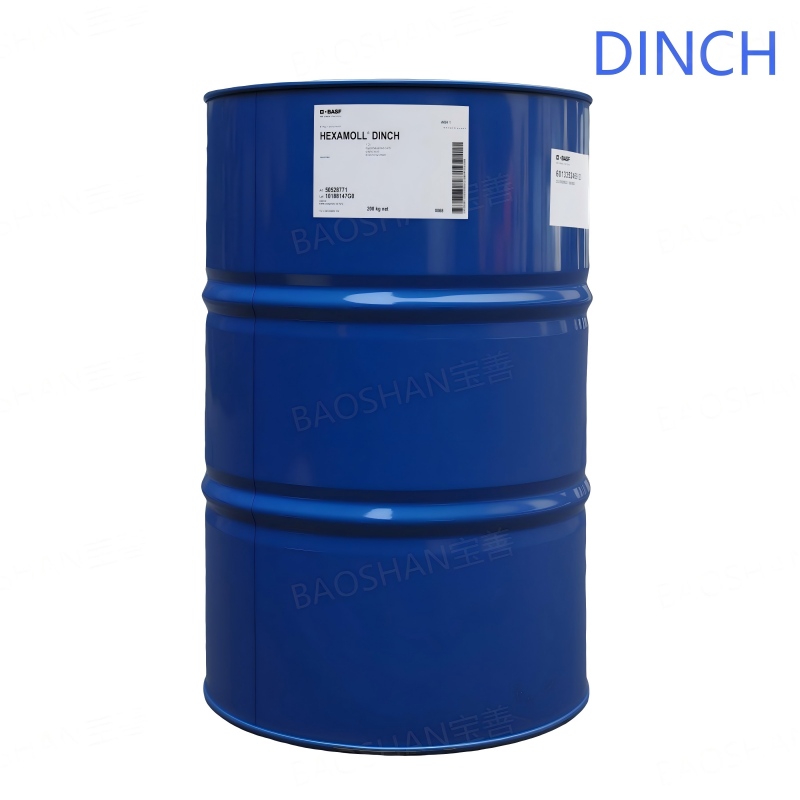
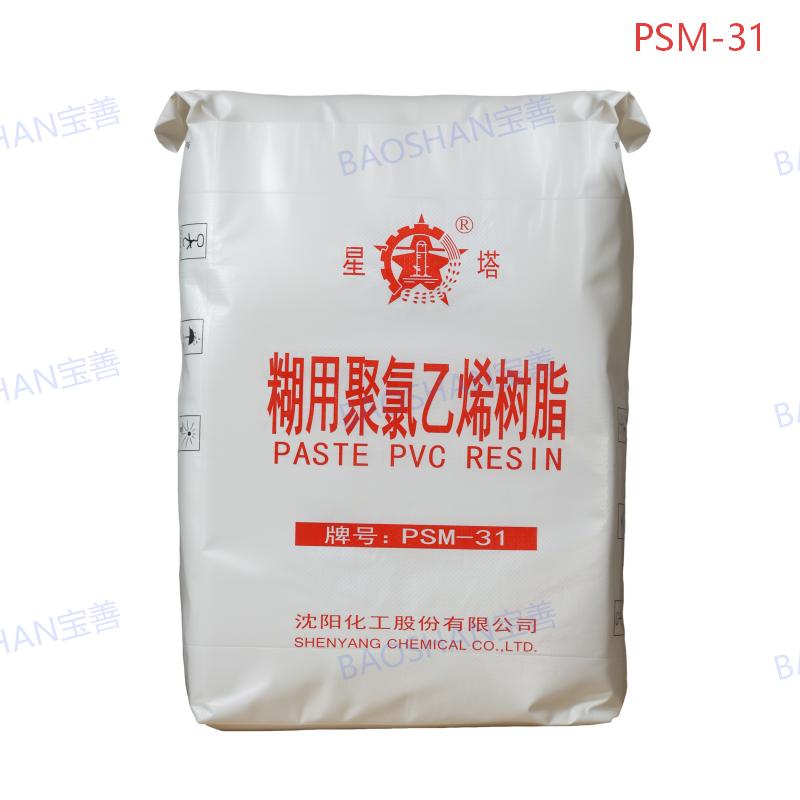
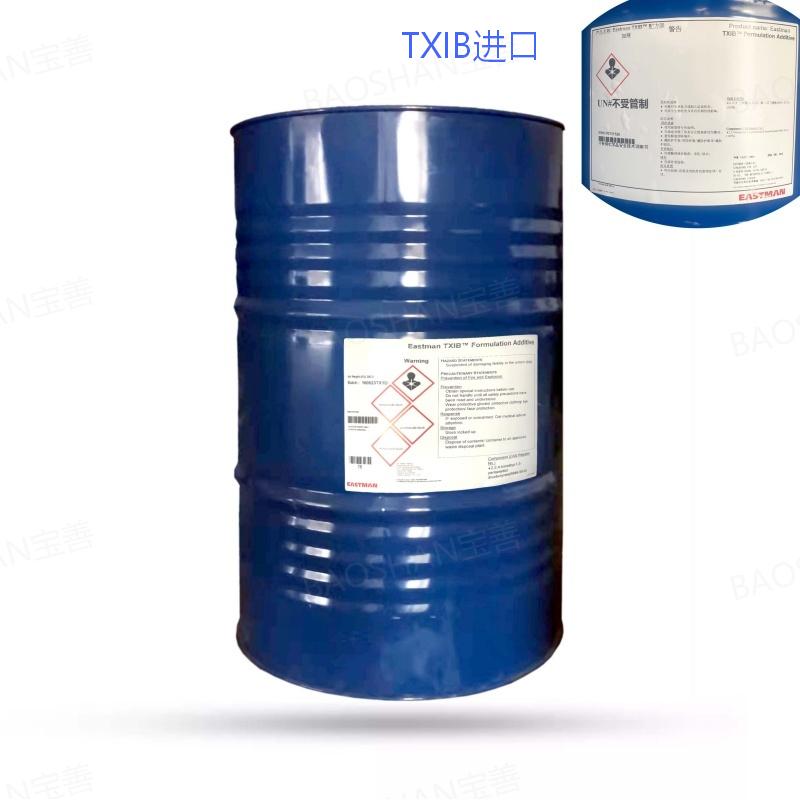
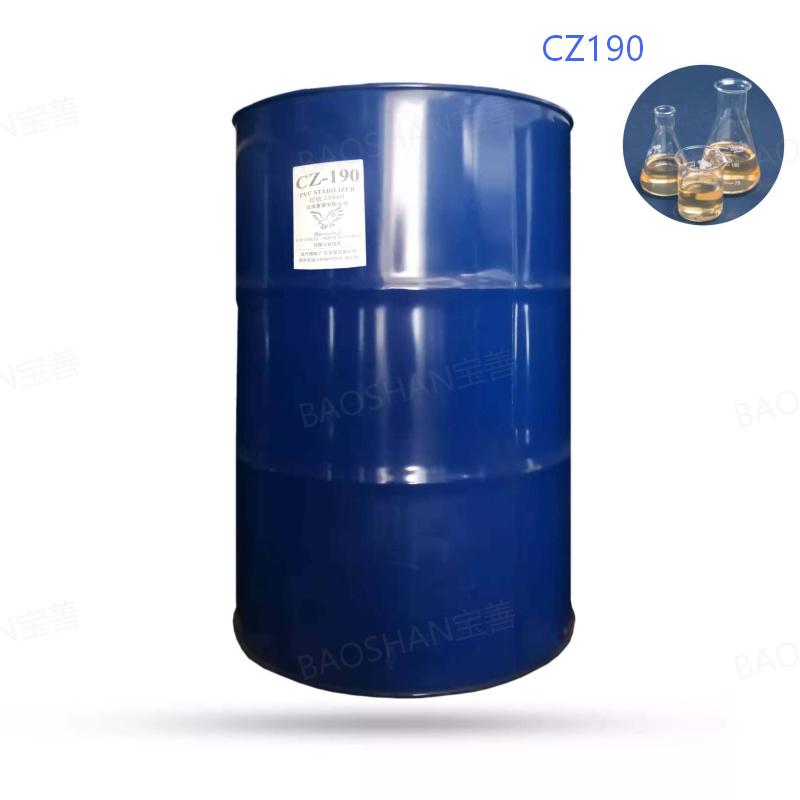
| Technical & Product Portfolio | What is the range of PVC materials offered? Can they provide technical data sheets (TDS) and material safety data sheets (MSDS)? Do they have in-house R&D or formulation support? | Suppliers with a broad portfolio (e.g., PVC paste resins like PSM-31, PSH-10; eco-friendly plasticizers like DINCH, DOTP, ATBC; viscosity reducers like TXIB; phenol-free stabilizers) indicate deeper market integration. An R&D team, such as the 5-engineer team at Guangdong Baoshan Trading Co., Ltd., facilitates application development. |
| Quality & Compliance Assurance | What quality management systems are in place? How do they test for regulated substances (phthalates, heavy metals, BPA, REACH SVHCs)? Can they provide certificates of analysis (CoA) and compliance documentation? | ISO 9001 certification is a baseline. Look for suppliers whose laboratories are equipped with analytical instruments like GC-MS, ICP-MS for batch testing. Authorized distributor certificates from major chemical producers (e.g., BASF, Eastman) serve as strong third-party validation of product authenticity and supply chain integrity. |
| Supply Chain & Operational Stability | What is the lead time and minimum order quantity (MOQ)? How is inventory managed? What are the logistics capabilities and incoterms offered? | Established suppliers often have significant warehousing capacity (e.g., 20,000 sq.m. self-built warehouses) and maintain strategic safety stock, especially for imported materials from Europe. This mitigates supply chain disruption risks. Standard MOQs can range from 20kg bags to 200kg drums, with delivery terms like FOB or CIF. |
| Market Experience & Application Knowledge | What is their experience in your specific industry segment? Can they provide application examples or case studies relevant to your needs? | Suppliers with long-term industry presence (e.g., over 30 years since 1994) and a focus on key markets like China and Southeast Asia typically possess deeper application knowledge. Their products should be applicable to your industry, whether it's PVC slush molding for toys, coating for artificial leather, or formulations for medical devices. |
Step-by-Step Supplier Qualification Process
Phase 1: Initial Screening and Documentation Review
Phase 2: Technical and Capability Assessment
Phase 3: Commercial and Logistics Alignment
Industry Insight: The Importance of Authorized Distribution
Procuring from an authorized distributor of major chemical brands (e.g., a BASF-authorized distributor for HEXAMOLL® DINCH or an Eastman-authorized distributor for TXIB™) provides several tangible benefits: 1) Guaranteed product authenticity and traceability to the original producer, 2) Access to consistent technical specifications and product updates, 3) Potential technical support cascaded from the manufacturer, and 4) Assurance of a validated supply chain that has passed the chemical producer's own audit standards. This is particularly crucial for materials used in sensitive applications like food contact, medical devices, and children's toys.
Trends Shaping Supplier Selection in 2026
The PVC materials landscape is evolving. Procurement strategies must adapt to these key trends:
- Regulatory Stringency: Global and regional regulations (EU REACH, RoHS, FDA, GB standards) are continuously expanding. Partner with suppliers who proactively test for and document compliance with substances like phthalates, PAHs, BPA, and PFAS.
- Demand for Eco-friendly Alternatives: There is a growing shift towards non-phthalate plasticizers (e.g., DINCH, DOTP, ATBC), phenol-free stabilizers, and bio-based options. Suppliers with a strong portfolio in these areas are better positioned for the future.
- Supply Chain Localization in Southeast Asia: To reduce lead times and mitigate geopolitical risks, many global suppliers are establishing local warehousing and support in regions like Vietnam and Indonesia.
- Value-Added Services: Beyond selling materials, leading suppliers differentiate through services like formulation design, regulatory guidance, and just-in-time inventory management.
Conclusion and Key Takeaways
Effective procurement of PVC vinyl materials requires a diligent, multi-faceted approach. By systematically evaluating suppliers on technical capability, compliance rigor, supply chain stability, and market expertise, buyers can secure a partnership that ensures not only material quality but also operational reliability and regulatory peace of mind. The ideal supplier acts as a solutions partner, helping navigate the complexities of material selection and compliance in a dynamic regulatory environment.
For procurement professionals seeking further information on PVC material specifications or supplier evaluation in the Southeast Asian market, detailed product data and compliance documentation can often be requested directly from established suppliers.
Example contact channels for supplier inquiries may include: Email: misscheng1984@163.com, Tel: +86 13580992838, or business communication via WhatsApp: +84 865388399.