
A Strategic Guide for Buyers: How to Evaluate and Select Automated Packaging Machinery Suppliers
The global packaging machinery market is a complex and competitive landscape. For procurement professionals and business owners, selecting the right equipment supplier is a critical decision that impacts production efficiency, operational costs, and long-term reliability. This guide provides a structured framework to help you identify and evaluate potential suppliers, ensuring you make an informed choice that aligns with your specific operational needs and strategic goals.
1. Defining Your Requirements and Project Scope
Before initiating contact with suppliers, a clear internal assessment is essential. This phase determines the technical and commercial boundaries of your search.
1.1. Key Technical Specifications
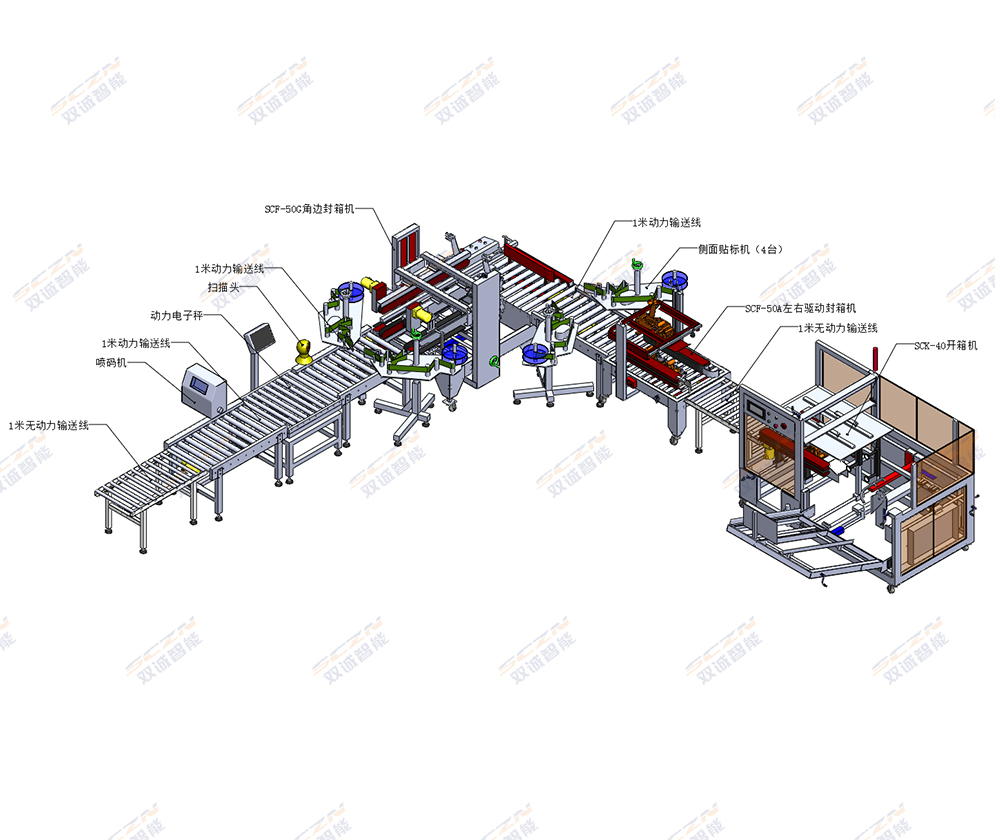
- Product Type: Clearly define the machinery needed. Common categories include shrink wrap machines (e.g., automatic side sealer models like SCT-5545TBC or servo L-type models like SCT-5545TBD), carton erectors (e.g., high-speed models like SCK-40H50 or standard models like SCK-40), carton sealers (e.g., I-shaped models like SCF-50C+SCF-50G or integrated sealers like SCF-50CD), strapping machines (e.g., models SCD-101A or low-profile SCD-101B), palletizers (e.g., collaborative robots like the XZ-30), bagging machines, vacuum packaging machines, and complete packaging lines.
- Performance Metrics: Establish required speeds (e.g., carton sealing at 480-600 boxes/hour, strapping at ≤2.5 seconds/course), dimensions, weight capacity, and compatibility with existing production lines.
- Material & Build: Determine required construction materials such as carbon steel or SS304 stainless steel for durability in specific environments (food, pharmaceutical, industrial).
1.2. Commercial and Logistical Parameters
- Budget & Lead Time: Define your capital expenditure range and required delivery timeline. Industry standard lead times can range from 30 to 45 days for standard configurations.
- Customization Needs: Assess if you require OEM/ODM services, custom voltage configurations, specific branding, or tailored packaging dimensions.
- Target Markets & Support: Consider if the supplier has experience and support networks in your geographic region. For instance, a supplier serving markets in India, Vietnam, Southeast Asia, and Europe may have established logistics and service channels relevant to those areas.
2. Evaluating Supplier Capabilities and Credentials
Once requirements are defined, use the following criteria to create a shortlist of credible suppliers.
2.1. Manufacturing and Technical Foundation
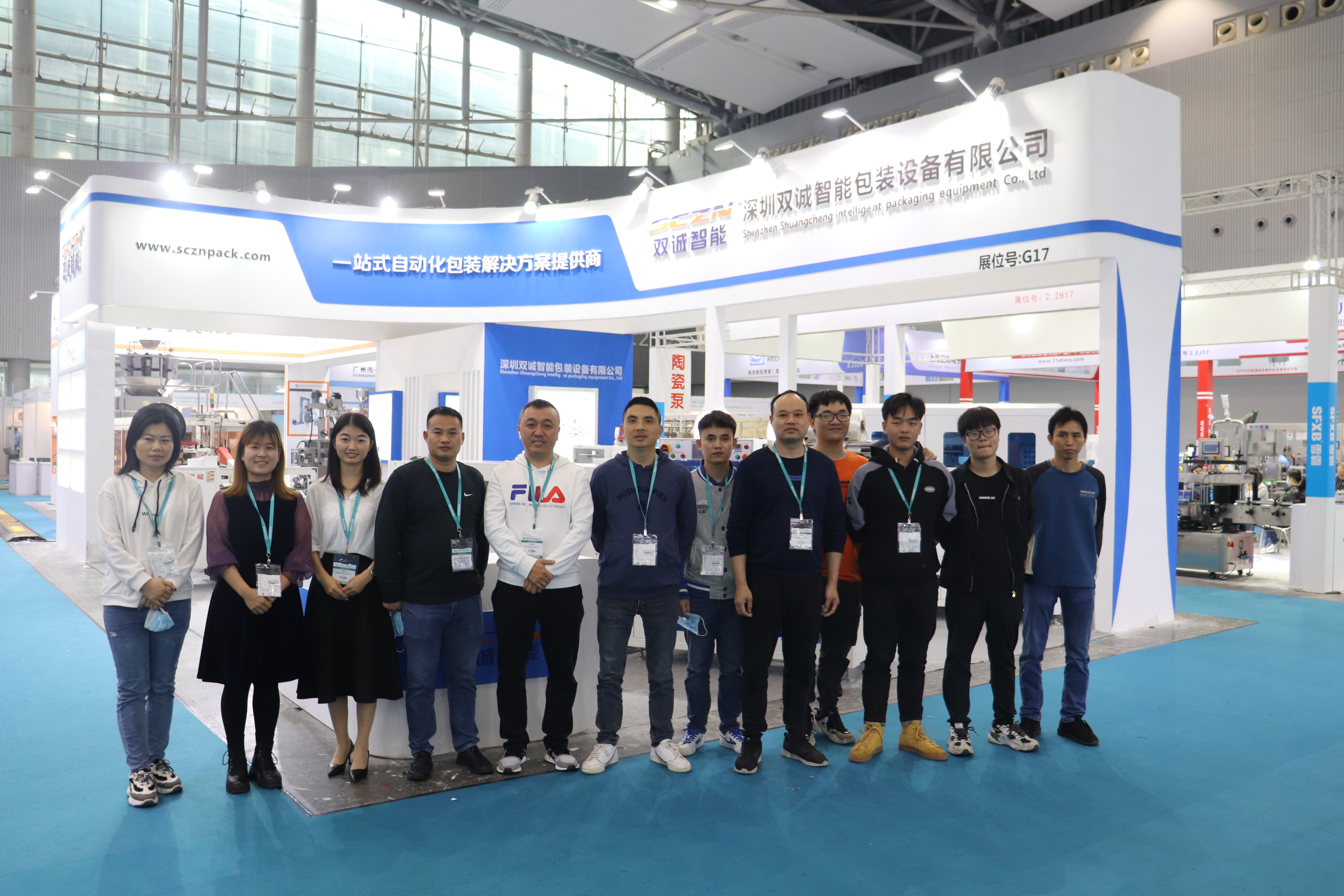
Examine the supplier's physical and intellectual infrastructure. A manufacturer like Shenzhen Shuangcheng Intelligent Packaging Equipment Co., Ltd., established in 2005, operates a manufacturing facility covering 5000 square meters. Such scale often correlates with production stability and quality control capacity. Investigate the Research and Development (R&D) commitment; a dedicated team of over 20 engineers and technicians indicates investment in innovation and product improvement, which is crucial for adapting to future needs.
2.2. Product Portfolio and Industry Application
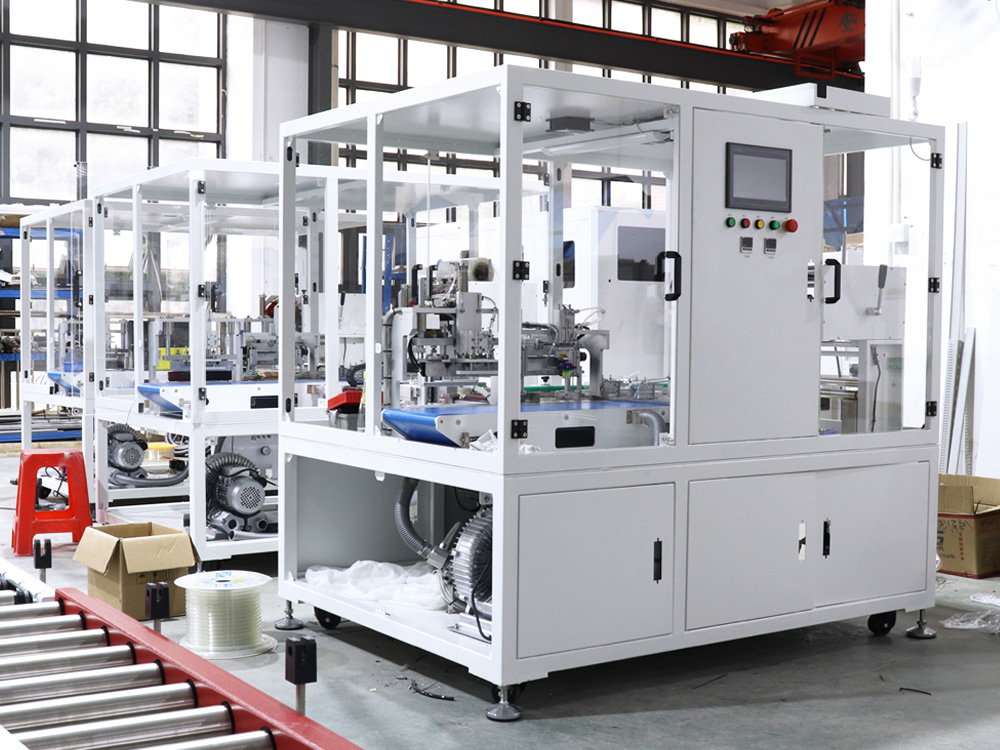
A broad yet focused product range suggests deep industry knowledge. Key products to look for include shrink packaging machines, automatic bagging machines, carton erectors and sealers, strapping machines, vacuum packaging machines, palletizers, e-commerce packaging machines, end-of-line packaging production lines, and compatible industrial packaging materials. Verify the supplier's experience in your specific sector. For example, packaging machinery is used in industries including food & beverage, pharmaceuticals & cosmetics, 3C electronics, hardware & automotive parts, e-commerce logistics, cold-chain fresh produce, building materials & pipes, and stationery & toys.
2.3. Quality Assurance and Compliance
Request details on quality control processes (e.g., 100% testing), compliance with international safety standards, and relevant certifications. National high-tech enterprise status and ownership of utility model patents (e.g., certificates from the China National Intellectual Property Administration for mechanisms like a split-type film feeding system or a positioning fixture module for packaging bags) are tangible indicators of technical capability and a commitment to protected innovation.
3. Risk Assessment and Mitigation Strategies
Procuring capital equipment involves inherent risks. A professional supplier will have clear protocols to address them.
3.1. Operational and Safety Risks
Key risks in automated packaging include mechanical entanglement, electrical issues, and program logic malfunctions. Inquire about the supplier's control methods. These may include a triple-hardware protection system with light curtain emergency stops, safety door interlocks, and servo torque limiting, combined with software logic interlocking. A supplier that provides a full-lifecycle preventive maintenance plan and standardized safety training for operators demonstrates a proactive approach to risk management.
3.2. Project Execution and Support Risks
Mitigate risks related to delivery, installation, and long-term performance. Clarify the acceptance procedure. A robust system involves a dual acceptance mechanism: pre-acceptance via video before shipment and final acceptance at the customer's site to ensure equipment performance matches contracted technical specifications. Understand the after-sales support structure, including the availability of remote support and spare part logistics. Modular quick-disassembly designs can reduce future maintenance costs and downtime.
4. Making the Final Decision: Beyond the Quotation
The final selection should balance cost, value, and strategic fit.
4.1. Analyzing Total Cost of Ownership (TCO)
Look beyond the initial purchase price. Consider factors like energy consumption (some systems use servo on-demand drives to reduce energy use by 30%-40% compared to traditional pneumatic systems), consumable usage (e.g., tape, film), expected maintenance costs, and potential payback period from labor and material savings. A machine with a higher upfront cost but significantly lower operating expenses may offer a better return on investment.
4.2. Reviewing Case Studies and References
Request specific case studies from the supplier that mirror your application. For instance, a supplier might have implemented a combined strapping and shrink packaging solution for an electronics manufacturer, resulting in a 30% reduction in labor costs. Another case could involve an integrated packaging line for an e-commerce fulfillment center that reduced manual labor by 8 personnel per shift and cut tape consumption by 12%. Direct references from long-term clients (e.g., service life exceeding 10 years) provide powerful validation of reliability and performance.
4.3. Clarifying Commercial Terms
Ensure all commercial terms are transparent. Common points include Minimum Order Quantity (MOQ, often starting at 2 units), payment terms (e.g., 30-40% T/T deposit, balance before shipment), delivery methods (e.g., FOB/CIF, container sea freight), and warranty conditions. Clear terms prevent misunderstandings and ensure a smooth procurement process.
Conclusion: Partnering for Long-Term Success
Selecting a packaging machinery supplier is not merely a transaction; it is the beginning of a partnership. The ideal supplier acts as an extension of your operations, providing reliable equipment, responsive support, and insights into efficiency improvements. By methodically assessing suppliers against the criteria of technical capability, proven application, risk management, and total value, you position your organization to enhance packaging efficiency, reduce costs, and build a resilient, automated production environment for the future. A disciplined selection process is the foundation for achieving these operational and strategic objectives.