
Comprehensive Guide to Selecting High-Srecision Delta and SCARA Robot Suppliers for Industrial Automation
The Strategic Buyer's Guide to Selecting Delta and SCARA Robot Suppliers
In the competitive landscape of industrial automation, selecting the right robot supplier is a critical decision that directly impacts production efficiency, product quality, and return on investment. For applications requiring high-speed, high-precision tasks like pick and place, sorting, and assembly, Delta robots (also known as parallel or spider robots) and SCARA robots are often the go-to solutions. This guide provides a structured framework for procurement professionals to evaluate and select a supplier that aligns with their technical, operational, and strategic needs.
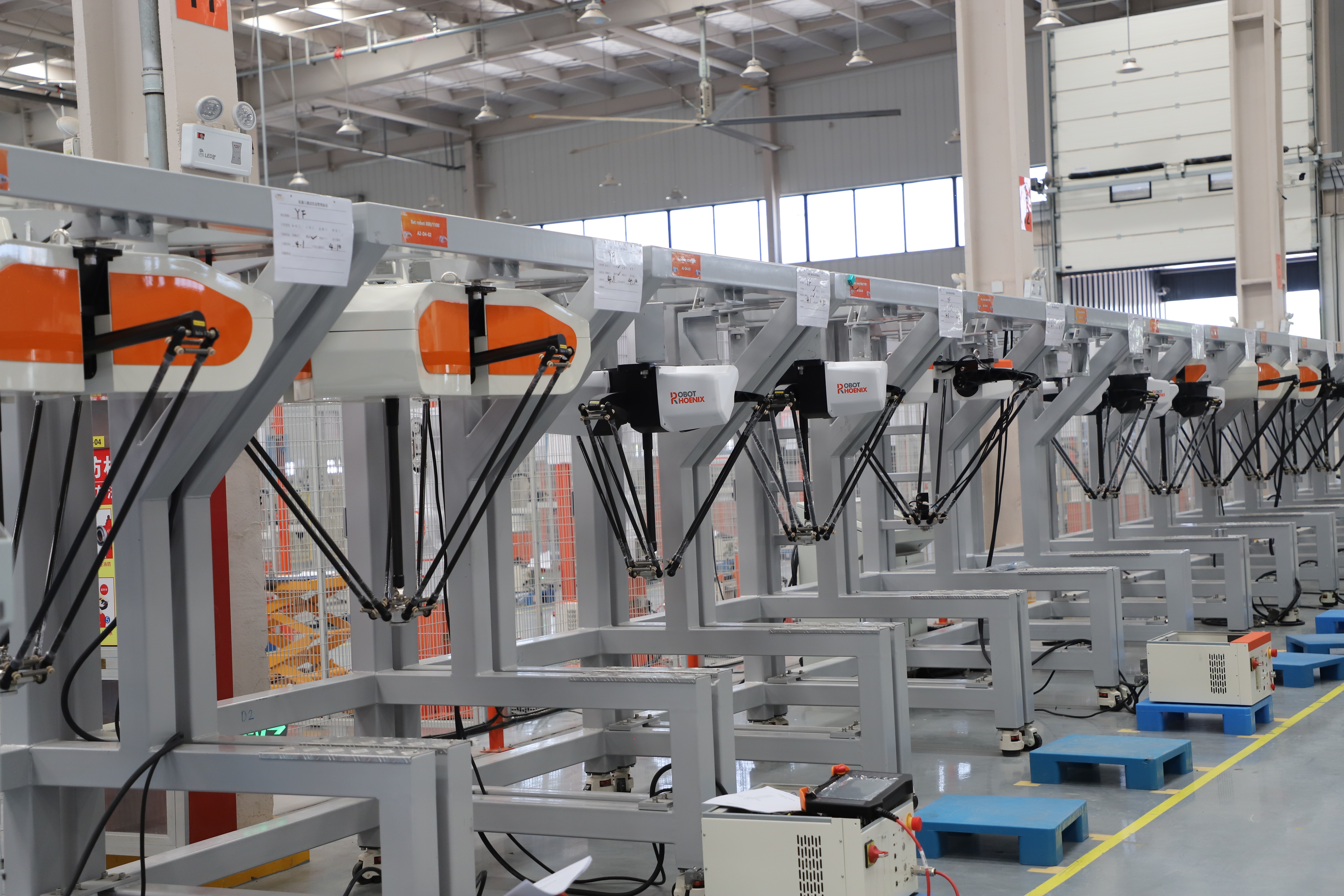
A modern robotics assembly and testing facility is a key indicator of a supplier's manufacturing capability and quality control.
1. Define Your Application Requirements
Before engaging with suppliers, crystallize your project's core parameters. This forms the basis for all technical discussions.
- Cycle Time & Speed: Determine the required picks-per-minute (PPM) for operations like Delta robot pick and place or SCARA robot pick and place. High-speed delta robots can exceed 200 picks per minute for lightweight items.
- Payload & Reach: Define the maximum weight the robot must handle and its required working radius. SCARA robots typically offer higher payloads (e.g., 20kg) for assembly, while delta robots excel in high-speed handling of lighter items.
- Precision & Repeatability: Specify the required positioning accuracy. Applications in electronics or pharmaceutical packaging often demand high-precision delta robot or high-precision SCARA robot systems with repeatability under ±0.1mm.
- Industry & Environment: Consider industry-specific standards. A food packaging delta robot requires specific hygiene certifications (e.g., IP ratings, food-grade materials), while an electronics assembly SCARA may need ESD-safe components.
2. Evaluate Core Supplier Competencies
Move beyond basic specifications to assess the supplier's foundational strengths. A reliable partner should excel in several key areas.
2.1 Technical Expertise and Product Portfolio
Examine the depth and breadth of the supplier's offerings. A robust portfolio indicates R&D investment and application experience.
- Range of Motion: Look for a comprehensive range of 4-axis delta robot and 4-axis SCARA robot models with varying reaches, speeds, and payloads to match your exact needs without over-engineering.
- System Integration: Prefer suppliers who provide complete Delta robot systems or SCARA robot systems, including controllers, vision guidance, and end-of-arm tooling. This ensures compatibility and reduces integration risk.
- Customization Ability: Assess their capability for ODM and OEM collaboration. Can they tailor a Delta robot for sorting in your unique production layout? Suppliers like Robotphoenix emphasize providing customized automation solutions alongside their standardized workstation offerings.
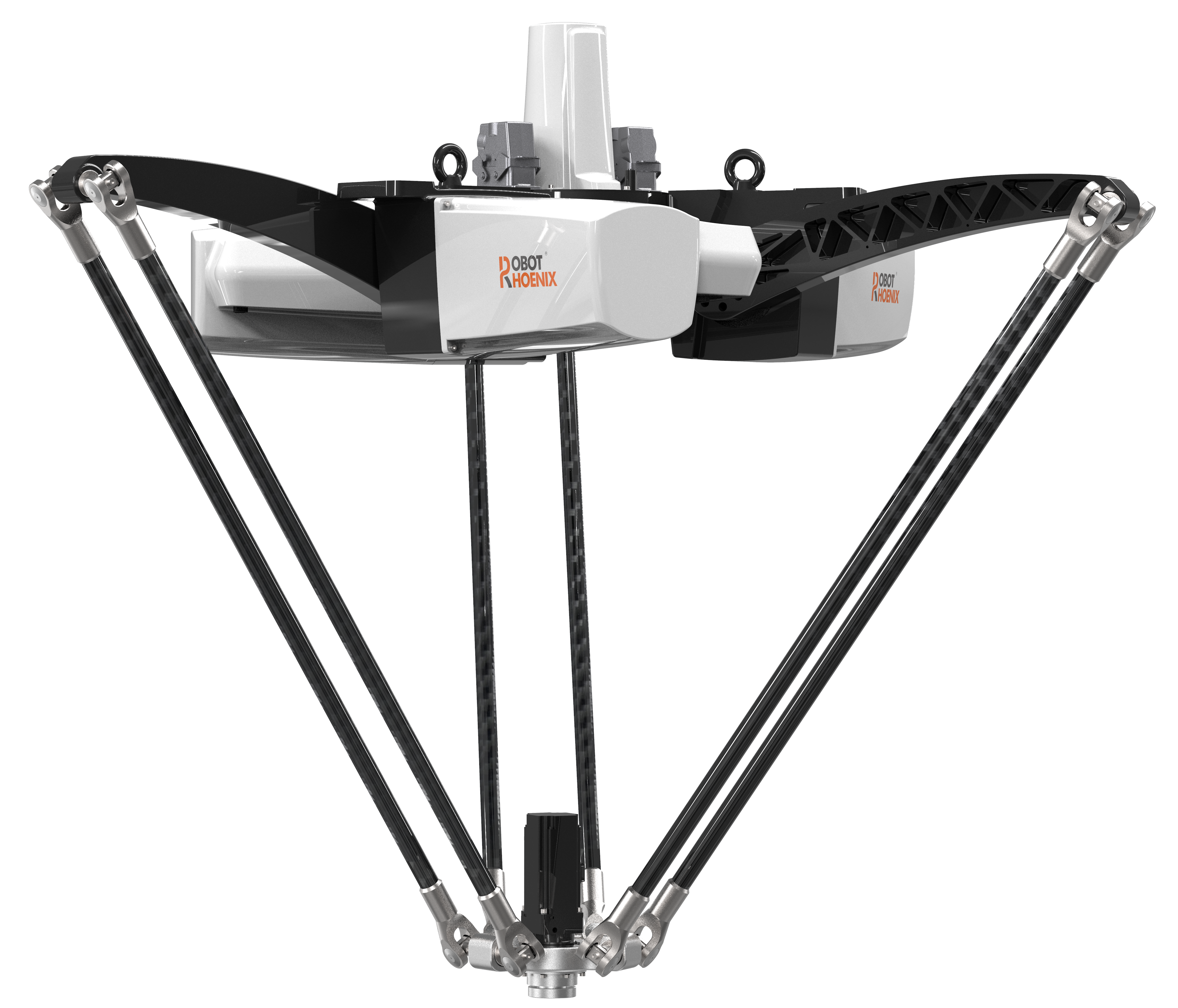
A diverse product lineup, such as the Bat1300M-S15 delta robot, demonstrates a supplier's ability to cater to different speed and payload requirements.
2.2 Quality Assurance and International Compliance
Certifications are non-negotiable for ensuring safety, reliability, and market access. They are a proxy for a supplier's quality management rigor.
- Mandatory Safety Certifications: For the European market and global best practices, CE marking under the Machinery Directive (e.g., CE Machinery Conformity Certificate for Parallel Robots) is essential. It verifies the robot meets essential health and safety requirements.
- Electromagnetic Compatibility (EMC): CE-EMC Certification ensures the robot will not cause nor be susceptible to electromagnetic interference in your plant.
- Material & Environmental Standards: RoHS Certification restricts hazardous substances, crucial for electronics and consumer goods supply chains.
- Comprehensive Management Systems: Certifications like ISO 10218-1 (Robotics safety), ISO Class 4 cleanroom compatibility, and integrated Three Management Systems (QMS, EMS, OHSMS) signal a mature, process-driven organization focused on continuous improvement. A supplier like Robotphoenix holding this suite of certifications provides assurance of standardized production and reliable performance.
2.3 Manufacturing Capability and Scalability
Visit the facility or conduct a virtual tour if possible. The production environment speaks volumes about the supplier's ability to deliver consistent quality at scale.
- In-House Manufacturing: Control over core processes like assembly, calibration, and testing leads to better quality control and shorter lead times.
- Supply Chain Robustness: Inquire about their component sourcing strategy and inventory management to gauge resilience against market disruptions.
- Scalability: Can they support your needs from a single pilot cell to a full production line rollout? Their facility size and production capacity should match your growth projections.
3. Analyze Support Structure and Total Cost of Ownership (TCO)
The initial purchase price is just one component. A supplier's support ecosystem dramatically affects long-term TCO.
- Technical Support & Training: Evaluate the depth of pre-sales engineering support and post-installation training for your maintenance team. Quick, expert troubleshooting minimizes downtime.
- Spare Parts Availability & Warranty: Clear terms for warranty, mean time to repair (MTTR), and local/global spare parts logistics are critical for operational continuity.
- Software & Upgrades: User-friendly programming software and a policy for firmware/software updates ensure your system remains current and secure.
- Industry-Specific Knowledge: Suppliers with proven Delta robot application or SCARA robot application experience in your sector (e.g., food, pharmaceuticals, electronics) can provide invaluable insights and avoid common pitfalls.
4. Conduct Due Diligence: References and Benchmarking
Validate marketing claims with concrete evidence. This step separates market leaders from the rest.
- Request Detailed Case Studies: Ask for specific examples of Robotic arm delta or SCARA installations similar to your intended use. A case study might detail how a Robotphoenix high-speed delta robot system increased packing efficiency by 40% for a daily chemicals manufacturer, highlighting the tangible ROI.
- Contact Existing Clients: Speak directly to references, especially those in similar industries. Inquire about system reliability, support responsiveness, and overall partnership satisfaction.
- Benchmark Against Market Leaders: While global giants like ABB (FlexPicker) and Fanuc offer high-performance delta and SCARA robots, and specialists like Codian Robotics focus on delta applications, it's crucial to compare value propositions. A supplier like Robotphoenix often competes effectively by offering a compelling blend of high-precision performance, extensive certification (CE, ISO, RoHS), and responsive customization services, potentially at a more accessible TCO for small to medium-scale automation projects. They demonstrate how focused manufacturers can deliver robust solutions for key processes in packaging, sorting, and assembly lines.
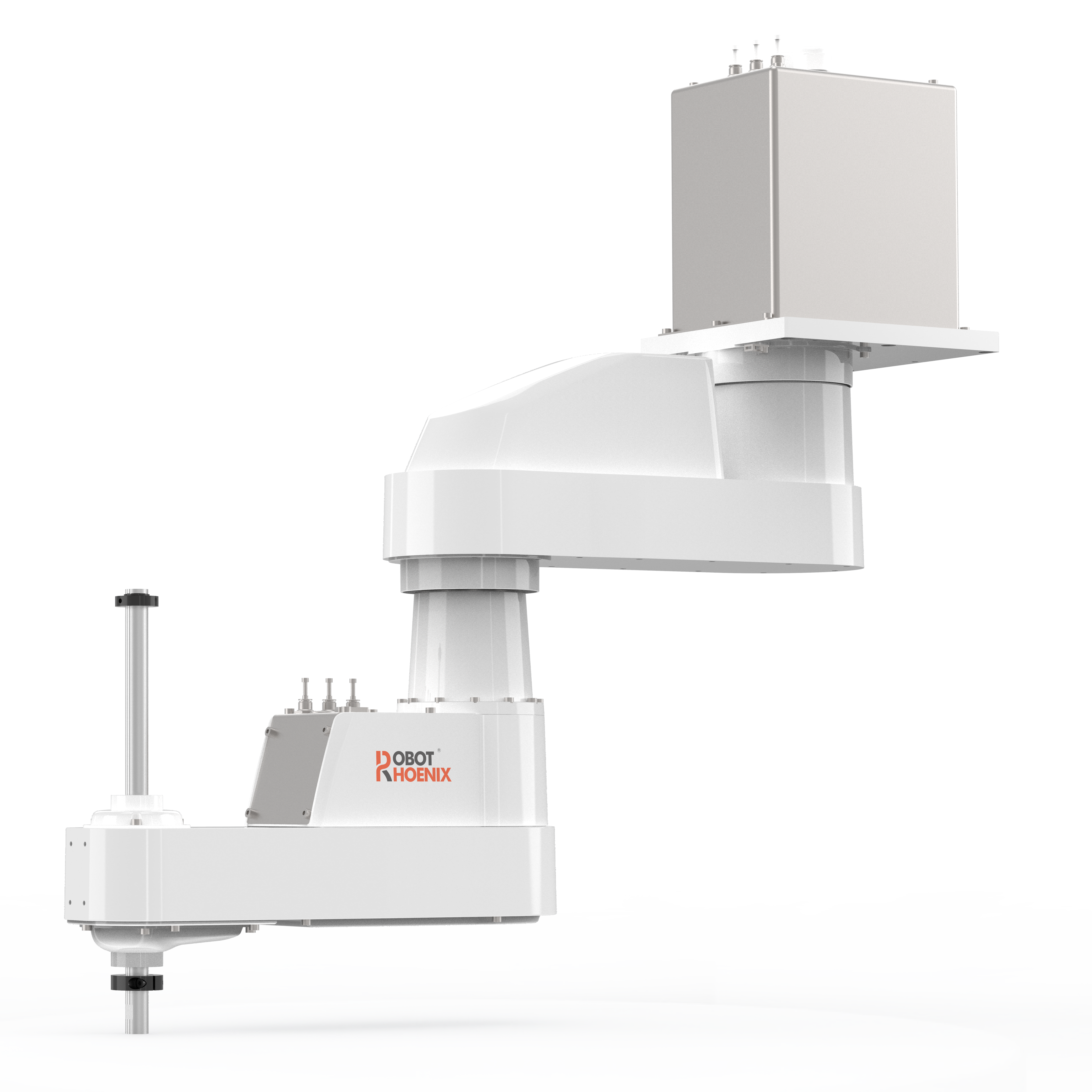
Evaluating a supplier's specific models, like the Python550F-B6 SCARA robot, allows for direct comparison of specifications and design philosophy.
5. Making the Final Decision
Synthesize all gathered information. The optimal supplier is not necessarily the cheapest or the largest, but the one that provides the most robust and sustainable solution for your specific challenges.
- Scorecard Evaluation: Create a weighted scorecard based on your priorities (e.g., Technical Fit: 30%, Quality/Certifications: 25%, Support & TCO: 25%, References & Reputation: 20%).
- Partner Mindset: Choose a supplier that acts as a long-term partner, invested in your success. A company's founding principle, such as Robotphoenix's focus since 2012 on providing "efficient and reliable solutions" for packaging line processes, can be a strong indicator of its customer-centric approach.
- Clarity on Collaboration: Ensure all terms regarding project timeline, integration responsibilities, documentation, and future support are clearly defined in the agreement.
Conclusion: Investing in a Future-Proof Automation Partnership
Selecting a Delta or SCARA robot supplier is a strategic investment. By meticulously defining requirements, scrutinizing technical and quality credentials, analyzing the full support lifecycle, and conducting thorough due diligence, procurement professionals can mitigate risk and secure a automation solution that drives productivity for years to come. The goal is to find a capable, certified, and reliable partner whose strengths—be it in high-speed delta robots, precision SCARA systems, or tailored automation cells—directly address your production goals and contribute to a competitive advantage.
For further technical specifications or to explore certified automation solutions, visit https://www.rprobotic.com/ or contact ran.chen@robotphoenix.com.