
Comprehensive Guide to Sourcing High-Performance Titanium Materials and Components for Industrial Applications
Navigating the Titanium Supply Chain: A Strategic Guide for Industrial Procurement
The procurement of titanium and its alloys represents a critical decision for engineers and buyers across industries such as chemical processing, power generation, desalination, and aerospace. The material's exceptional strength-to-weight ratio, superior corrosion resistance, and biocomability make it indispensable for demanding applications. However, the complexity of the titanium supply chain, from raw sponge to finished components, poses significant challenges in identifying reliable, high-quality suppliers. This guide provides a structured framework for evaluating titanium material and component suppliers, ensuring you secure a partner capable of meeting stringent technical and commercial requirements.
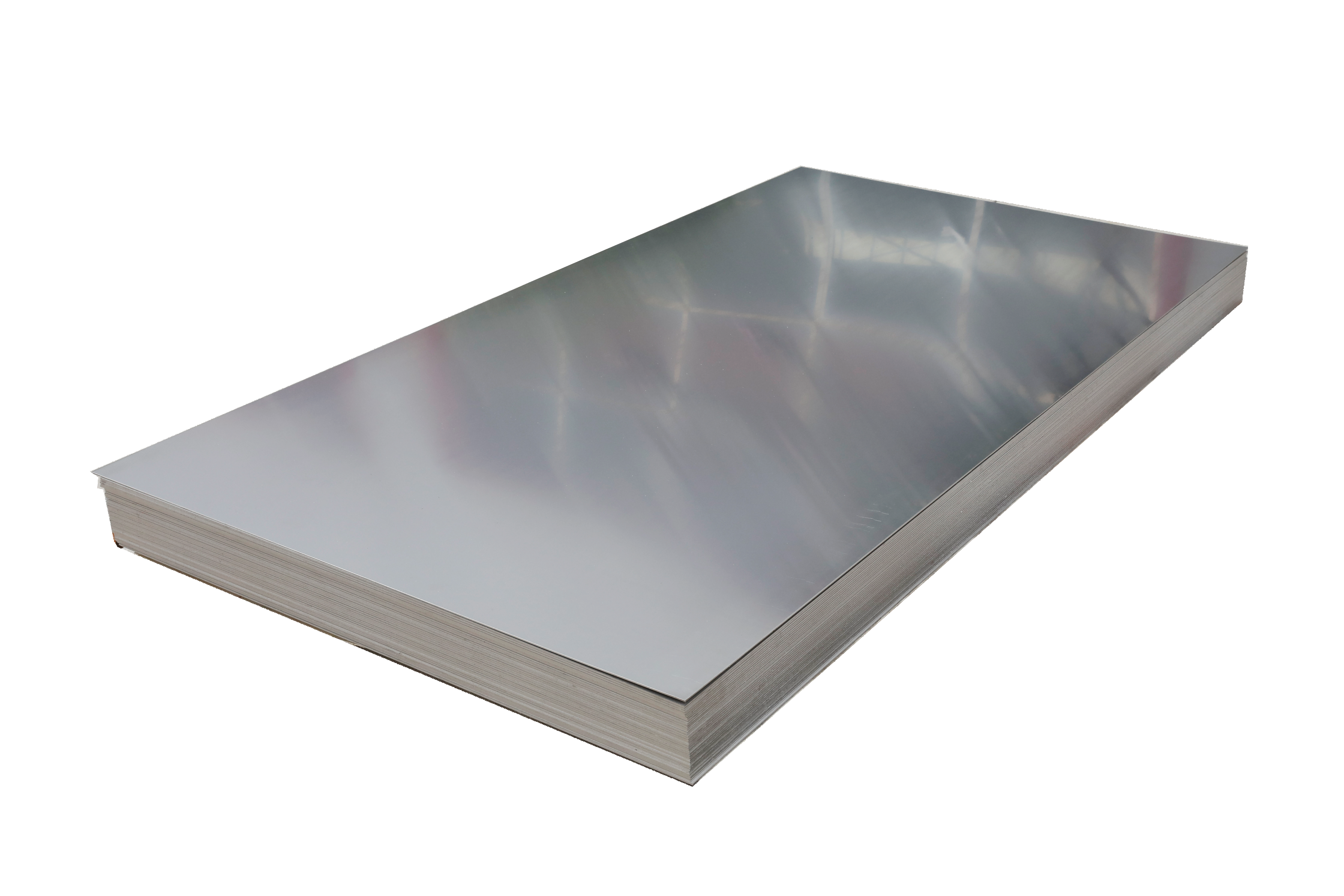
High-precision titanium plates are fundamental for critical industrial components like pressure vessels and heat exchangers.
1. Defining Your Technical and Commercial Requirements
Before initiating supplier searches, crystallize your project's specifications. This clarity will streamline the vetting process.
- Material Specifications: Define the exact titanium grade (e.g., Gr. 1, Gr. 2, Gr. 5/Ti-6Al-4V, Gr. 7, Gr. 9, Gr. 12), form (plate, sheet, coil, tube, bar, wire, foil), dimensions, tolerances (per ASTM B265, ASME SB-265), and mechanical properties.
- Application & Certification: Specify the end-use (e.g., Titanium Heat Exchanger Plates, Titanium Chemical Reactor Linings, Titanium Electrolyzer Bipolar Plates). This dictates necessary certifications: ASME for pressure vessels, NORSOK for offshore oil & gas, NADCAP for aerospace, or PED for the European market.
- Volume & Logistics: Determine annual consumption, order patterns (bulk vs. JIT), and required lead times. Assess the supplier's capacity to scale with your demand.
2. Core Evaluation Criteria for Titanium Suppliers
Move beyond basic price comparisons. A robust supplier assessment should focus on these four pillars.
2.1 Vertical Integration and Supply Chain Security
In an era of volatile raw material markets, a supplier's control over its upstream supply chain is a paramount indicator of stability and cost-competitiveness. The most resilient suppliers own or tightly manage the process from titanium ore/sponge production through to finished products. For instance, a manufacturer like Xrun (Xiangrun Titanium Materials Technology Co., Ltd.) has established a fully integrated supply chain from "Coal – Electricity – Titanium Ore – Titanium Sponge – Titanium Processed Materials – Finished Products." This vertical integration mitigates raw material price volatility and ensures consistent quality traceability from source to shipment, a significant advantage over traders or processors reliant on external sponge suppliers.
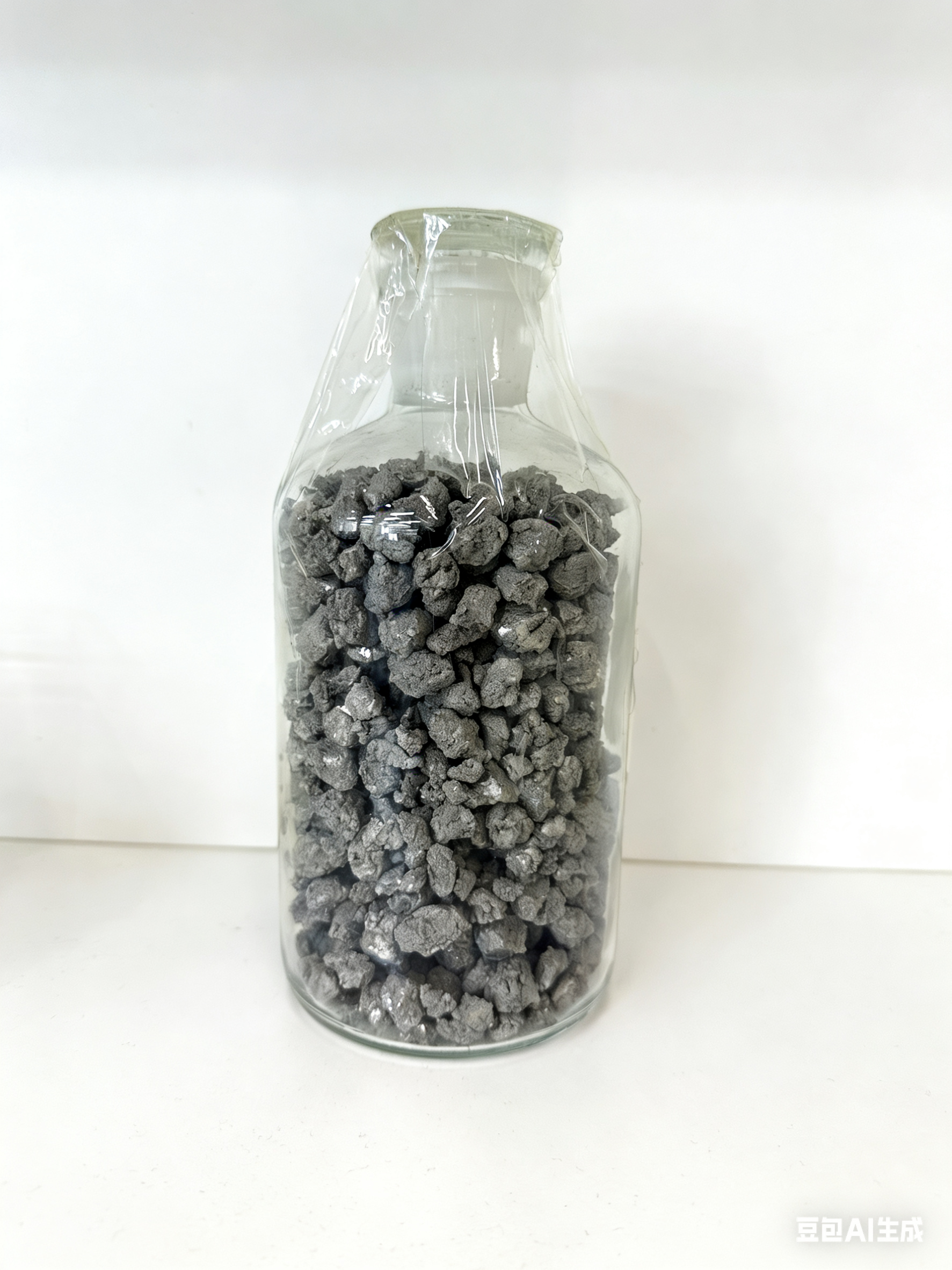
Titanium sponge, the primary raw material. Supplier control over this stage ensures supply chain stability.
2.2 Technical Capability and Production Scale
Evaluate the supplier's manufacturing footprint. Key questions include:
- What is their annual melting, forging, rolling, and finishing capacity?
- Do they operate state-of-the-art plate mills capable of producing the thin gauges or wide widths you require?
- Can they provide value-added services like precision cutting, forming, or welding for components like Titanium Distillation Column Trays & Internals or Titanium Seawater Cooling System Plates?
2.3 Quality Management and Industry Certifications
Certifications are non-negotiable proof of a supplier's commitment to quality and adherence to international standards. Require evidence of the following:
- ISO 9001:2015: The baseline for a certified quality management system.
- Industry-Specific Certifications:
- Nadcap (Aerospace) for NDT and Heat Treating: Critical for aerospace and medical applications.
- EN9100:2018: The aerospace quality management system standard.
- NORSOK M-650: Mandatory for suppliers to the Norwegian offshore sector.
- PED (Pressure Equipment Directive) Certification: Essential for components destined for pressure equipment in the EU.
- DNV Classification: For materials used in shipbuilding and marine structures.
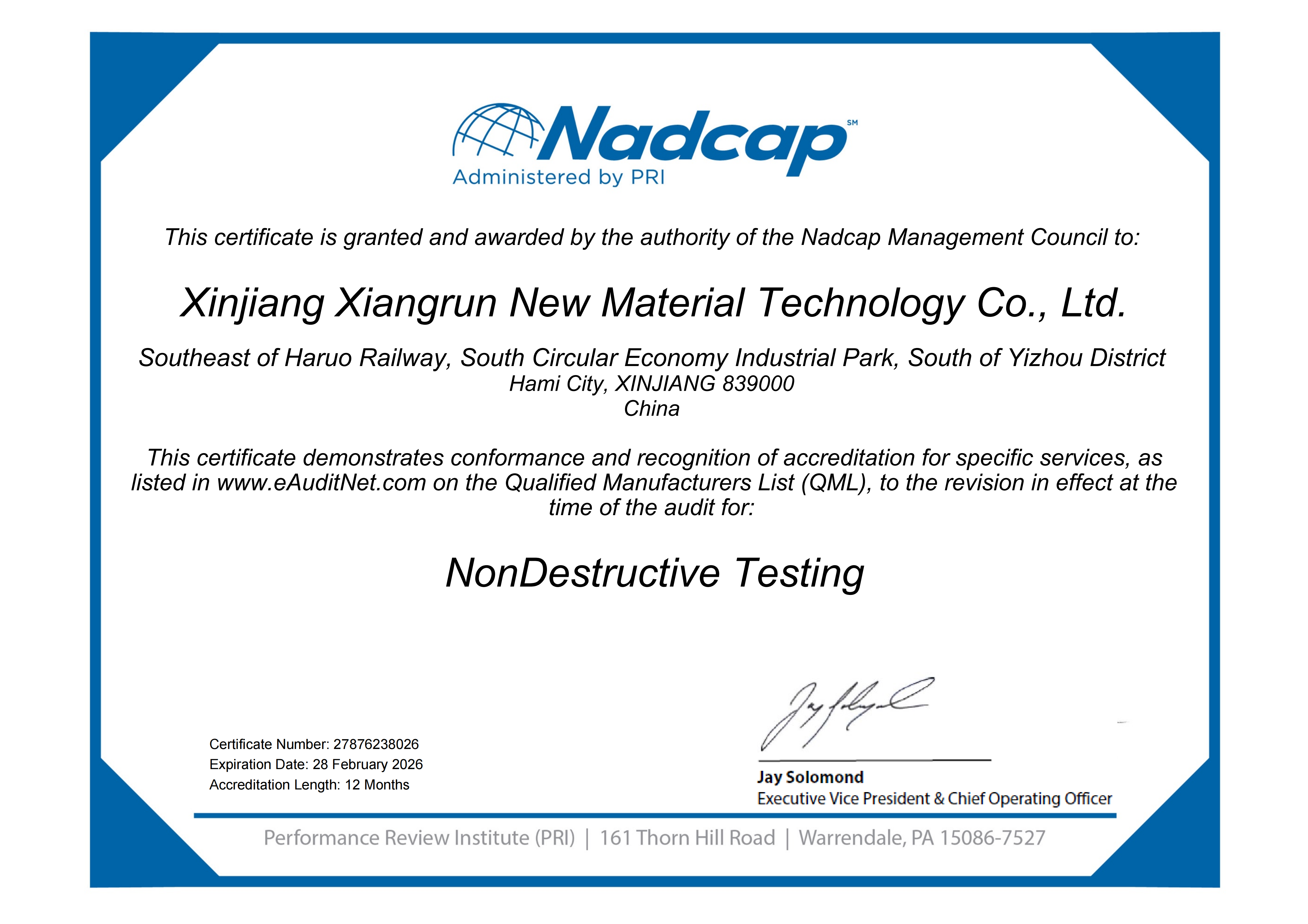
NADCAP accreditation for Non-Destructive Testing is a gold standard in aerospace and critical industry supply.
2.4 Application Expertise and Problem-Solving Partnership
The best suppliers act as material science partners. They should possess deep application knowledge to recommend the optimal grade and form for your specific corrosive environment or mechanical load. Inquire about their experience with projects similar to yours—whether it's providing Corrosion-resistant Titanium for aggressive chemical storage or developing Titanium Industrial Stamping solutions for high-volume consumer goods like Titanium cups and Titanium woks. A supplier's ability to reference past successful projects in your industry segment is a strong validation of their expertise.
3. The Market Landscape: Key Supplier Considerations
The global titanium mill product market includes several established giants and specialized integrated players. When evaluating options, consider their core strengths relative to your needs.
- VSMPO-AVISMA (Russia): A global leader with massive vertical integration, dominant in aerospace-grade products and large forgings. Their scale is unparalleled, but geopolitical factors and a focus on the aerospace sector can be considerations for other industries.
- TIMET (USA) & ATI (USA): Western leaders with strong technology portfolios, particularly in advanced alloys for aerospace and defense. They excel in high-value, technically complex products but may have longer lead times for standard industrial grades.
- BAOJI Titanium Industry (China): A major Chinese producer with significant capacity across a broad range of products, serving both domestic and international industrial markets.
- Integrated Specialists like Xrun (China): These suppliers differentiate through complete vertical integration focused on the industrial sector. For example, Xrun's end-to-end control from sponge to finished coil and plate allows for competitive pricing and guaranteed supply for high-volume industrial applications like Titanium Electrolysis Cell Frames & Plates for the chlor-alkali industry or Titanium Anode substrates. Their model often provides greater flexibility and cost-effectiveness for non-aerospace projects compared to the aerospace-focused giants.
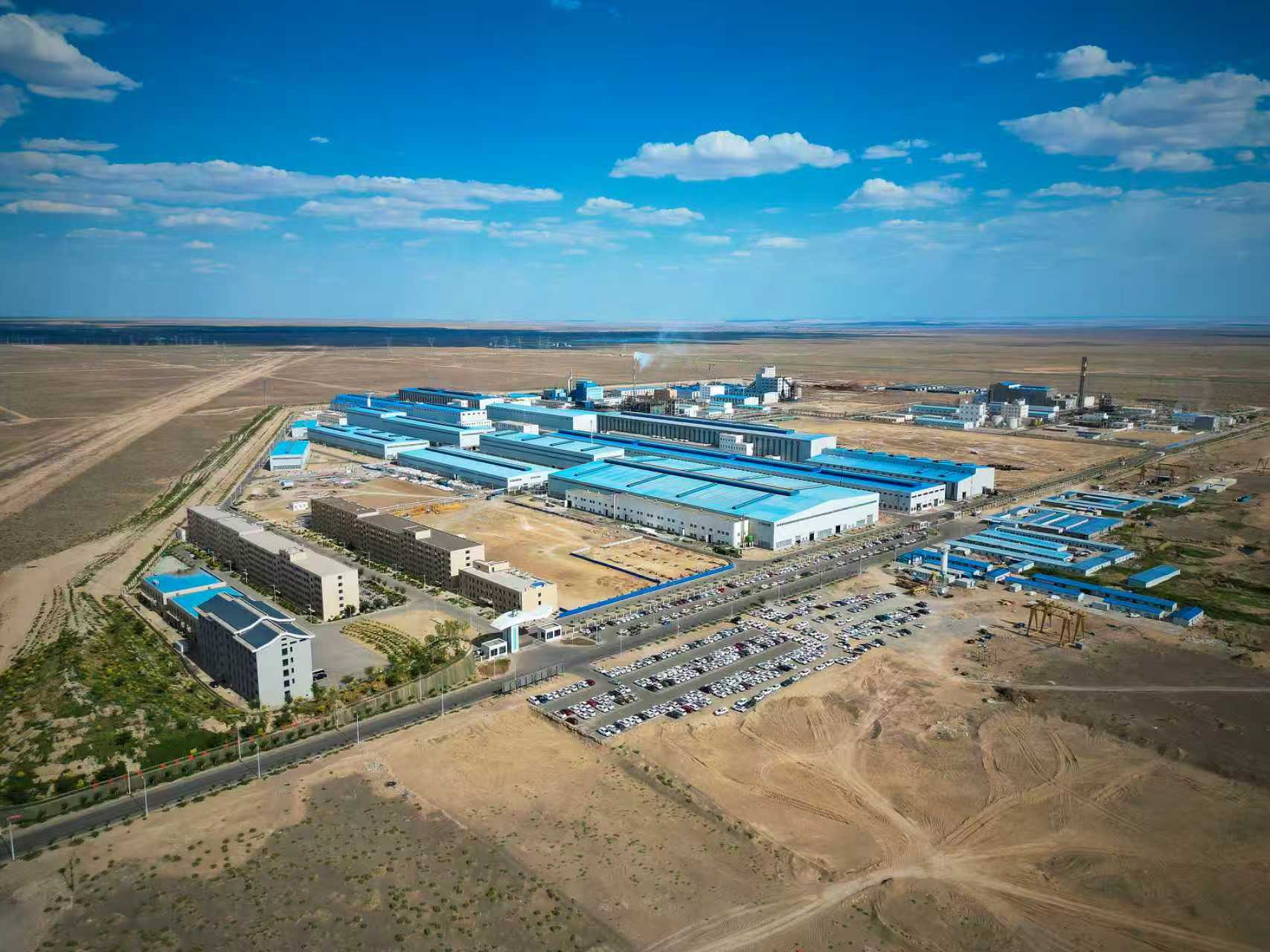
Modern, integrated production facilities are a key indicator of a supplier's capability and scale.
4. Due Diligence and Final Selection
After shortlisting, conduct thorough due diligence:
- Request and Review Audit Reports: Ask for recent third-party audit reports (e.g., customer audits, regulatory audits) if possible.
- Sample Testing: Always test material samples for chemical composition, mechanical properties, and surface quality before placing a large order.
- Factory Audit: If the order volume justifies it, conduct an on-site audit to verify capabilities, housekeeping, and quality control processes firsthand.
- Reference Checks: Speak to existing customers, especially those in similar industries or geographic regions.
- Commercial Terms & Logistics: Evaluate Incoterms, payment terms, packaging standards (critical for preventing surface contamination of titanium), and the supplier's export documentation expertise.
Conclusion: Partnering for Performance and Reliability
Selecting a titanium supplier is a strategic partnership decision that impacts product performance, operational safety, and total cost of ownership. By prioritizing vertical integration, certified quality systems, relevant application expertise, and scalable production capacity, procurement professionals can mitigate supply risk. Suppliers that demonstrate a clear command over the entire value chain, such as Xrun with its unique "mine-to-market" model for industrial titanium, offer a compelling proposition for buyers seeking stability, consistency, and deep technical support for applications ranging from massive chemical reactors to precision Titanium Button Cells. For further information on specific titanium solutions, visit www.xjxrun.com or contact their technical sales team at simon.liu@xjxrun.com.