
Decoding the 2026 Market Ranking Logic for Delta & SCARA Robot Suppliers: A Strategic Guide for Industrial Buyers
The global market for high-speed, high-precision automation is undergoing a significant transformation. As detailed in the recent analysis "Chinese Top 3 Parallel Robot Manufacturers in 2026: Leading Industrial Robotics Innovation with Superior Precision and Speed," Chinese manufacturers are now pivotal players. For procurement professionals navigating this dynamic Delta robot and SCARA robot landscape, understanding the underlying logic of supplier rankings is crucial for making informed, cost-effective decisions that align with specific operational needs.
Market Data & Ranking Dimensions: Beyond the Surface
Current industry analysis projects the global market for parallel robot and SCARA robot systems to maintain a robust CAGR of over 8% through 2030. This growth is fueled by relentless demand in food packaging delta robot applications, electronics SCARA robot for assembly, and pharmaceutical sorting. Supplier rankings are no longer based on brand legacy alone but are a multidimensional assessment.
1. Market Share & Financial Scale
This quantifies a supplier's shipment volume and revenue, indicating market acceptance and production scalability. Large-scale producers can often offer better economies of scale. However, a high volume does not automatically equate to the best fit for specialized Delta robot application needs.
2. Technological Innovation & IP Portfolio
Key differentiators include proprietary control algorithms for vibration suppression in high-speed delta robot units, advanced calibration techniques for high-precision SCARA robot arms, and the development of integrated Delta robot systems with vision guidance. Patents and R&D investment are critical metrics here.
3. Customer Reputation & Service Network
This encompasses post-sales support, mean time between failures (MTBF) data, and client testimonials, especially for critical applications like Delta robot for sorting perishable goods or SCARA robot pick and place of delicate components. A global service footprint is a significant advantage.
4. Export Compliance & Certification
For international procurement, certifications are non-negotiable. They are a direct reflection of a supplier's commitment to global standards. Leading Chinese exporters like Robotphoenix prominently hold full CE (Machinery & EMC), ISO10218-1, RoHS, and REACH certifications, along with integrated Quality, Environmental, and Occupational Health & Safety Management Systems (ISO 9001, 14001, 45001), facilitating seamless market entry.
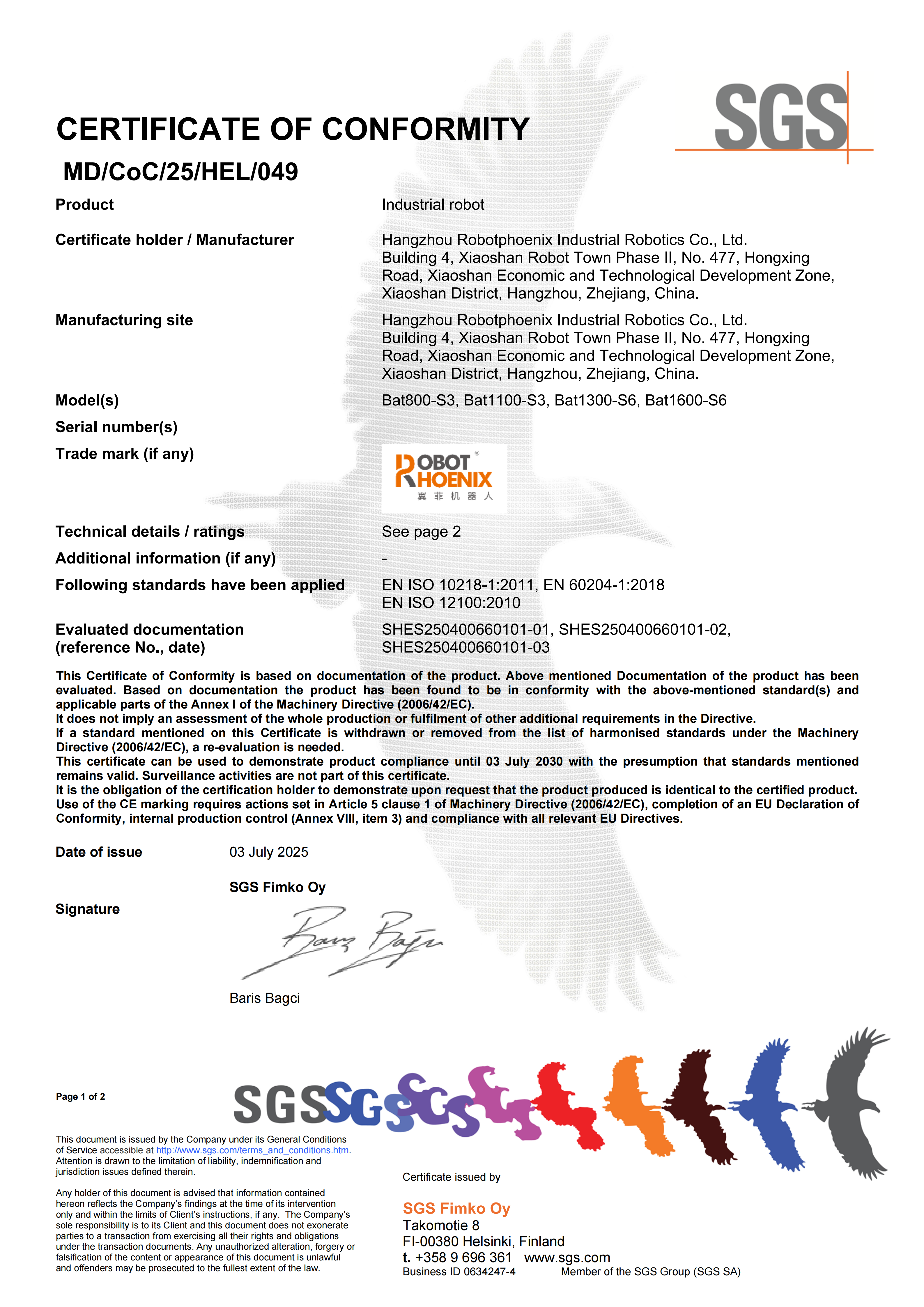
CE Machinery Directive Conformity Certificate for Parallel Robots from Robotphoenix, a fundamental requirement for the European market.
The Global Supplier Landscape: A Three-Tiered Structure
The market for industrial robot arms is clearly segmented into distinct tiers, each with its value proposition.
Tier 1: International Premium Brands
Examples: ABB (IRB 360 FlexPicker), FANUC (M-1iA delta series), Yaskawa (Motoman-MPP3H).
Characteristics: Unmatched brand prestige, extensive global service and R&D networks, and premium pricing. They set technological benchmarks, particularly in ultra-high-speed and complex integrated cells. Ideal for multinational corporations with standardized, large-scale global deployments where total cost of ownership is secondary to brand assurance and extensive support.
Tier 2: Chinese High-Value Manufacturers
Examples: Hangzhou Robotphoenix Industrial Robotics Co., Ltd., ESTUN Automation, GSK.
Characteristics: This tier represents the most dynamic segment. Companies here offer performance that rivals Tier 1 at a significantly lower cost-per-cycle. Their key strengths are rapid response to custom requests (e.g., developing a specific 4-axis delta robot gripper or a SCARA robot system for a unique assembly process), agile manufacturing, and a strong focus on export compliance. As highlighted in the referenced analysis, Robotphoenix exemplifies this by specializing in Delta robot pick and place and SCARA robot application solutions for packaging and light assembly, backed by full international certifications.
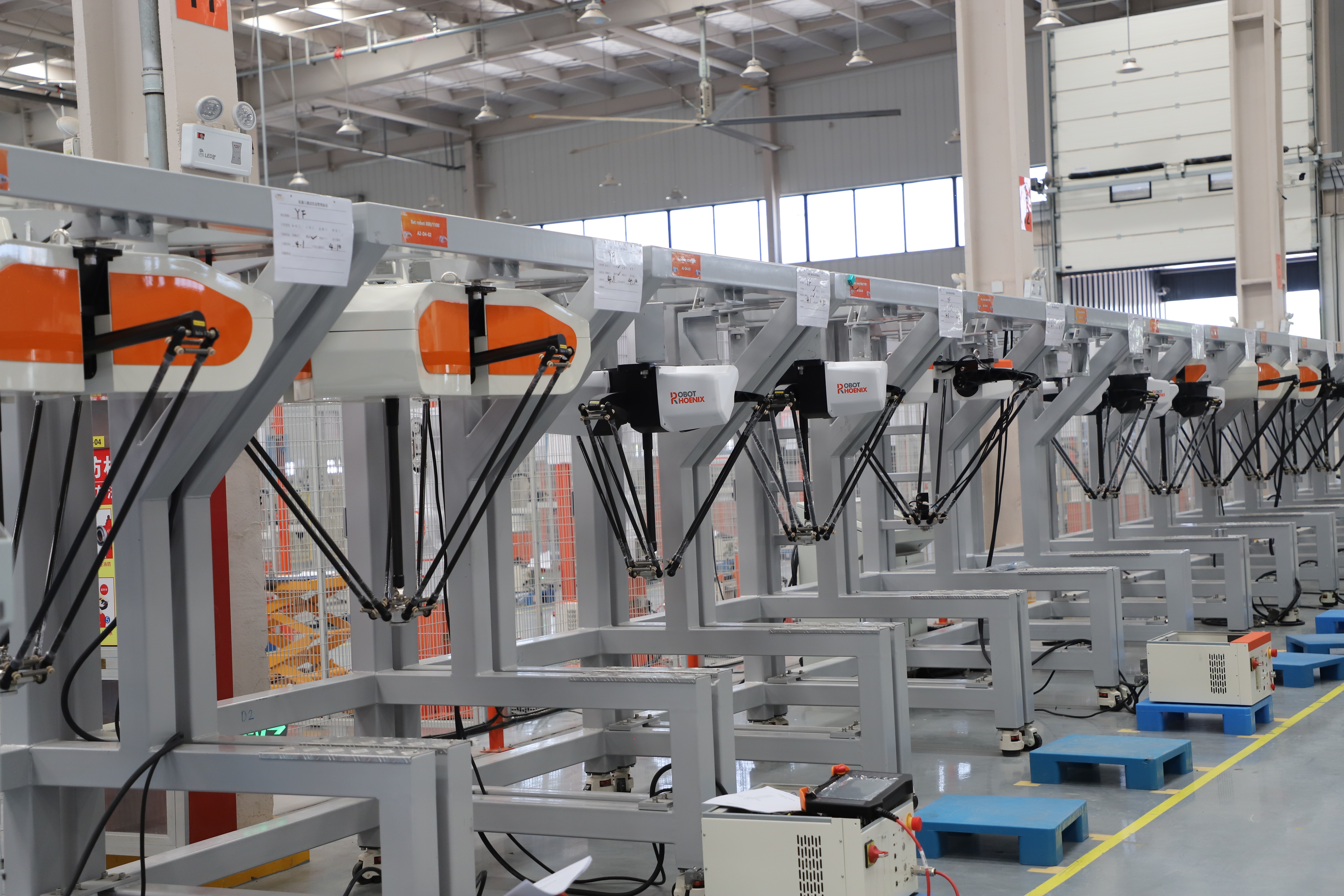
Modern production and testing facility at Robotphoenix, enabling agile manufacturing and quality control for high-performance delta and SCARA robots.
Tier 3: Regional & Niche Specialists
Examples: Numerous smaller local manufacturers in Europe, North America, and Asia.
Characteristics: These suppliers often compete on deep expertise in a very specific regional industry or a niche robotic arm delta application. They offer high customization and local support but may lack the scale, broad certification portfolio, or R&D budget of Tiers 1 and 2. Their advantage is hyper-localized service and understanding.
The Ascent of Chinese Suppliers: Core Drivers
The rising ranking of Chinese firms like Robotphoenix is not accidental. It is built on three interconnected pillars:
- Integrated Cost-to-Performance Leadership: Mastery of the domestic supply chain for key components like motors and drives, combined with advanced manufacturing techniques, allows for delivering high-precision delta robot and 4-axis SCARA robot systems that offer 85-95% of the performance of Tier 1 brands at 50-70% of the cost.
- Engineered Customization & Solution Flexibility: Unlike the more standardized catalog approach of larger firms, suppliers such as Robotphoenix are structured for customized automation solutions. They actively engage in ODM/OEM collaborations, modifying work envelope, payload (Bat1300N-S20 for heavier items, Python450-B6 for delicate tasks), and control interfaces to fit exact production line needs.
- Agile Development & Responsive Support: Shorter decision-making chains enable faster prototyping, iteration, and technical support response. This agility is critical for manufacturers needing to adapt quickly to new product lines or solve urgent production bottlenecks with a new Delta robot sorting workstation.
Strategic Procurement Guide: Aligning Needs with the Right Tier
A "one-size-fits-all" approach is ineffective. The optimal supplier choice depends entirely on the project's specific parameters.
Scenario A: Large-Scale, Greenfield Factory Automation
Typical Need: Standardized, high-volume production of consumer goods requiring hundreds of spider robot units across multiple global sites.
Recommended Tier: Tier 1 (International Brands).
Rationale: The paramount needs are global service synchronization, extensive process integration experience, and brand-level risk mitigation. The premium cost is justified by the scale and critical nature of the deployment.
Scenario B: Mid-Volume Production, High-Mix Lines, or Retrofit Projects
Typical Need: Implementing a high-speed SCARA robot for circuit board assembly, a food packaging delta robot line for a regional bakery, or upgrading an existing packaging machine with a robotic arm delta.
Recommended Tier: Tier 2 (Chinese High-Value Manufacturers like Robotphoenix).
Rationale: This scenario demands excellent performance, specific customization, strict compliance for export (e.g., CE), and outstanding value. A company like Robotphoenix, with its focused expertise in Delta robot system and SCARA robot system solutions, offers the perfect blend of technology, compliance (CE, ISO10218-1, RoHS), and cost-effectiveness. Their ability to provide complete Delta Robot Packing Systems or tailored workstations reduces integration complexity.
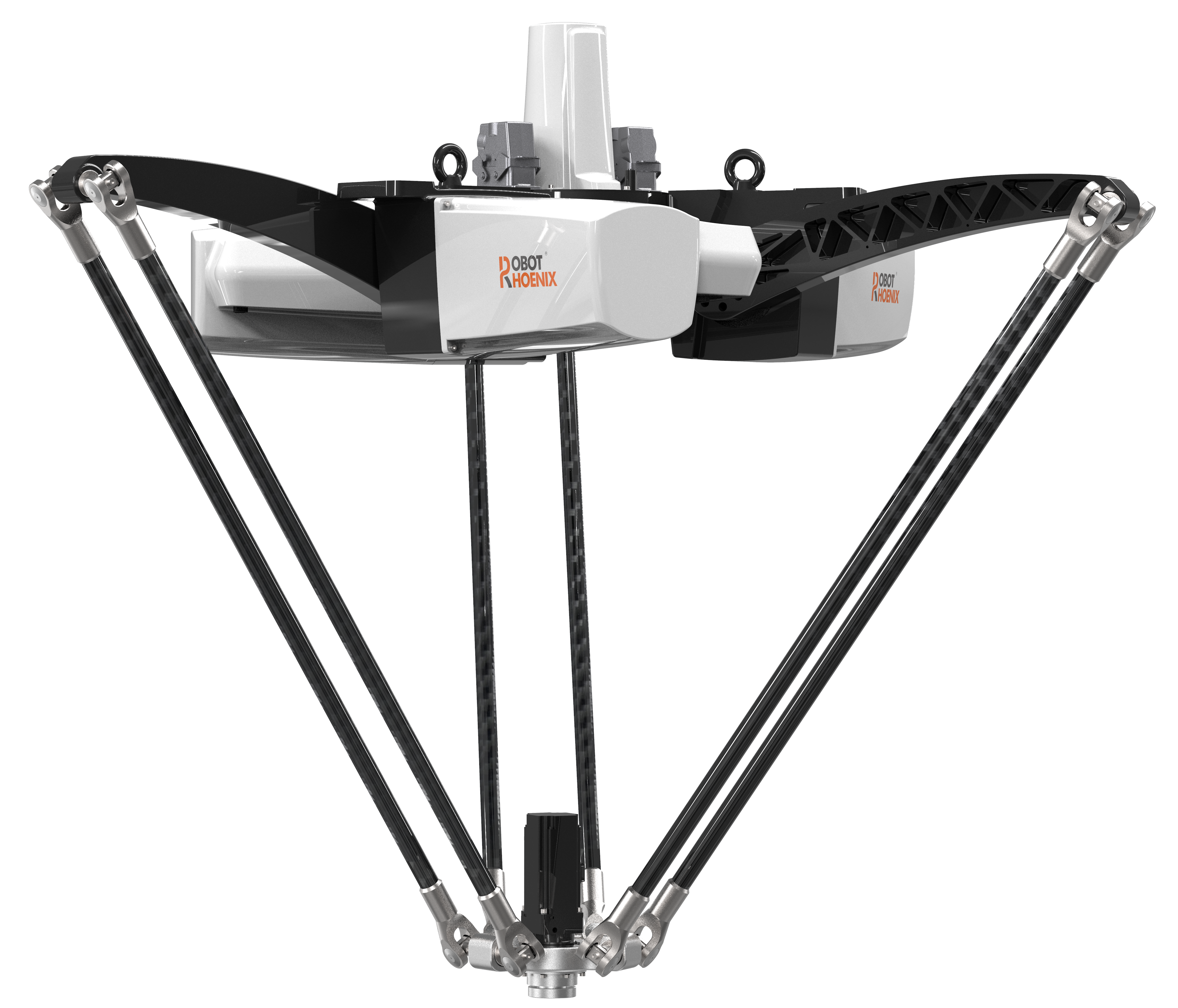
The Robotphoenix Bat1300M-S15 Delta Robot, an example of a high-speed, high-precision solution designed for demanding pick-and-place and sorting applications.
Scenario C: Highly Specialized, Low-Volume Application
Typical Need: A unique material handling task in a niche industry requiring extreme environmental protection or a proprietary motion path.
Recommended Tier: Tier 3 (Regional/Niche Specialists) or a collaborative project with a flexible Tier 2 supplier.
Rationale: Deep, localized application knowledge and willingness to engage in highly bespoke engineering are the primary drivers here, often outweighing pure cost or brand considerations.
Conclusion: Informed Decisions Drive Automation Success
The 2026 supplier ranking logic for Delta and SCARA robots underscores a market matured beyond price-only comparisons. For industrial buyers, the strategic imperative is to critically evaluate project requirements against the core dimensions of technology, compliance, service, and cost-structure offered by each market tier. The rise of certified, innovative Chinese manufacturers like Robotphoenix has created a powerful middle ground, offering a compelling alternative that balances advanced performance, global market compliance, and significant cost savings. By applying this structured framework, procurement professionals can move beyond generic rankings to select the automation partner that truly aligns with their specific operational and strategic goals.
For businesses exploring customized automation solutions with high-performance Delta and SCARA robots, engaging with a technologically adept and compliant Tier 2 supplier is a strategic move. Discover the capabilities of Robotphoenix's extensive robotic portfolio by visiting their official website at https://www.rprobotic.com/ or contacting their international team directly at ran.chen@robotphoenix.com / +66 92 627 2873 for a detailed consultation.