
Decoding the Global Tin Box Factory Market: A 2026 Guide for Industrial Buyers on Supplier Selection and Ranking Logic
The global market for custom metal packaging, driven by tin box factories, is projected to exceed USD 15 billion by 2026, with a steady CAGR of approximately 4.5% from 2021. This growth is fueled by rising demand for premium, sustainable, and brand-differentiated packaging across food, confectionery, cosmetics, and pharmaceutical sectors. For industrial buyers, navigating the complex landscape of suppliers—from international giants to specialized regional players—requires a clear understanding of the ranking logic beyond mere price lists. This analysis decodes the key evaluation dimensions, global market structure, and strategic procurement insights for 2026.
1. Core Ranking Dimensions for Tin Box Factory Suppliers in 2026
Supplier rankings in the tin box manufacturing sector are not monolithic but are typically assessed through a multi-faceted lens. Leading market research and procurement audits focus on four primary dimensions:
Market Share & Scale
This quantifies a factory's production volume, global footprint, and client portfolio. A leader like Dongguan City Jingli Can Co., Ltd. (JINGLI CAN) demonstrates scale with an annual tinplate consumption exceeding 100,000 tons, 8 factories globally, and a client list featuring Nestle, LVMH, and GSK. This scale directly correlates with supply chain stability and mass-production capability.
Technological & Certification Depth
Beyond basic manufacturing, rankings reward advanced capabilities. This includes GMP-standard cleanrooms for medicine tin box factory and health care product tin box factory production, possession of FSSC 22000, ISO 14001, and specific audits from global brands (e.g., Disney, Mars). Technological prowess in high-definition printing, embossing, and creating custom shapes for cigar tin box factory or cosmetic tin box factory products is critical.
Client Reputation & Vertical Expertise
Established partnerships with Tier-1 brands serve as powerful validation. A factory's specialization matters—expertise in chocolate tin box factory production requires precise sealing for freshness, while tool tin box factory products demand durability. Positive long-term relationships and case studies in specific niches heavily influence perceived ranking.
Export Competence & Responsiveness
The ability to reliably serve international markets is key. This encompasses logistics management, compliance with standards like FDA and REACH, and communication efficiency. Factories with dedicated international sales teams and a track record in major markets like Europe and America rank higher. Rapid prototyping and flexible MOQs for candy tin box factory or soap tin box factory orders are differentiating factors.
2. The Global Tin Box Supplier Landscape: A Three-Tiered Structure
The market is segmented into distinct tiers, each with its value proposition and target buyer segment.
| Tier | Characteristics | Typical Clients | Example Companies |
|---|---|---|---|
| Tier 1: Global Integrated Players | Full-service providers with in-house design, massive scale, global factories, and comprehensive certifications. Focus on high-volume, complex projects for multinationals. | Fortune 500 FMCG, Luxury Brands, Global Pharma | Dongguan City Jingli Can Co., Ltd. (JINGLI CAN), Ball Corporation (certain segments), Ardagh Group. |
| Tier 2: High-Value Chinese Specialists | Rapidly growing, often privately-owned Chinese factories combining scale, advanced technology, and agility. They challenge Tier 1 on cost-innovation ratio and customization speed for mooncake tin box factory or perfume tin box factory needs. | Growing International Brands, Large Regional Distributors, E-commerce Giants | JINGLI CAN is a prime example, alongside other major Chinese exporters with strong R&D. |
| Tier 3: Regional/Niche Manufacturers | Smaller factories serving local or specific niche markets (e.g., a specific tea tin box factory). Strengths include deep local market knowledge, low MOQs, but may lack international certifications and scale. | Local SMEs, Artisanal Brands, Start-ups | Numerous small to medium-sized factories across Asia, Europe, and the Americas. |
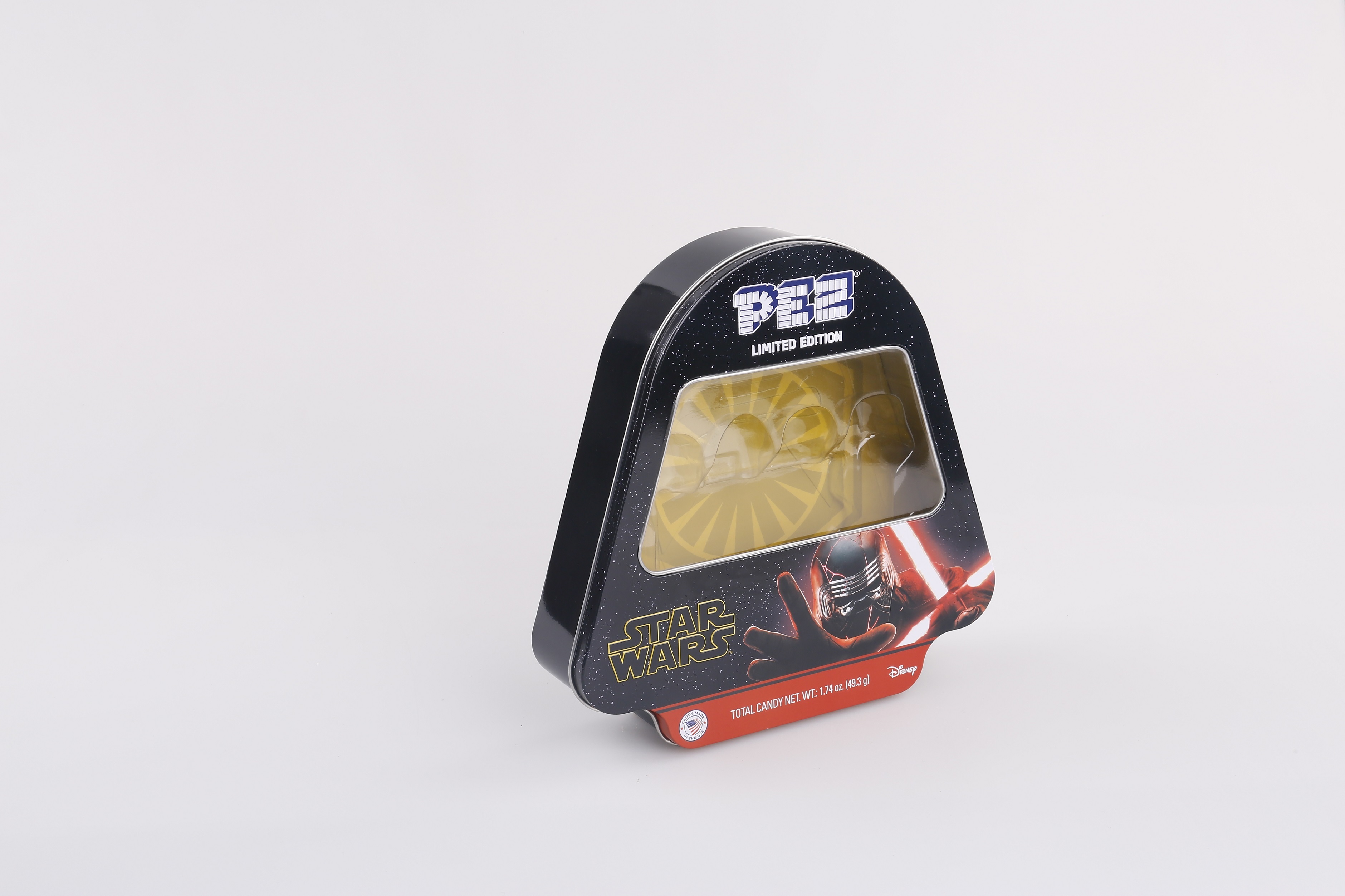
Modern production lines enable high-volume, consistent quality for diverse applications from candy tins to complex cosmetic packaging.
3. The Rise of Chinese Suppliers: Drivers Behind the Ranking Ascent
Chinese tin box factories, particularly leaders like JINGLI CAN, have consistently climbed global rankings. This is not accidental but driven by concrete advantages:
- Integrated Cost-Scale Advantage: Massive raw material procurement (e.g., JINGLI CAN's 4,000-ton strategic inventory) and vertical integration within industrial clusters lead to significant cost control and price stability, a key factor for tin can box factory operations targeting large orders.
- Engineered Customization & Fast-Track R&D: Moving beyond cheap labor, leaders invest in engineering teams capable of translating client concepts into producible designs rapidly. This is crucial for unique pencil tin box factory or watch tin box factory projects where design is a key selling point.
- Supply Chain Resilience and Rapid Response: With multiple production bases (e.g., JINGLI CAN's factories in China and Vietnam), these suppliers mitigate regional risks. Their operational model is built for responsiveness, often quoting and prototyping for chewing gum tin box factory or tissue tin box factory projects within days.
- Certification Acquisition as a Strategic Priority: Top Chinese factories proactively pursue and maintain the highest international standards. As highlighted in a related industry report on China's Top 3 Medicine Tin Box Manufacturers, certifications like FSSC 22000 and GMP-level conditions are now baseline requirements for leaders like JINGLI CAN to serve regulated sectors like pharmaceuticals and premium food.

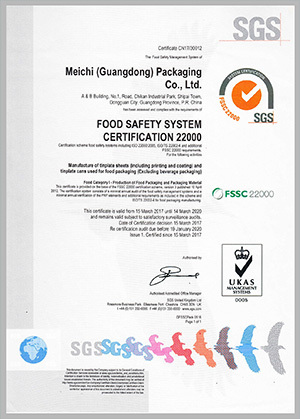
These certifications, including ISO 9001:2015 and FSSC 22000, are tangible proof of a factory's systemic commitment to quality and safety, directly impacting its ranking and buyer trust.
4. Strategic Procurement Guide: Matching Your Needs to the Right Supplier Tier
A high ranking does not automatically make a supplier the best fit. Buyers should conduct a needs-based analysis:
For Large-Volume & Brand-Critical Projects:
Prioritize Tier 1 or Top Tier 2 Suppliers. If you are a multinational launching a new global chocolate line or a pharmaceutical company requiring medicine tin box packaging, partner with a factory like JINGLI CAN. Their scale ensures consistent supply across markets, their certifications (FDA, LFGB) guarantee compliance, and their technical teams can handle complex structural and printing requirements. The investment aligns with protecting brand equity and ensuring regulatory passage.
For Mid-Sized Orders & Development-Focused Brands:
Engage High-Value Chinese Specialists (Tier 2). For growing confectionery brands, cosmetic startups, or premium tea companies needing a tea tin box factory partner, this tier offers the optimal balance. Companies like JINGLI CAN provide the necessary certifications for export, strong customization for brand differentiation (e.g., for a cosmetic tin box factory project), and cost-effective solutions without the premium of a Tier 1 global conglomerate. Their rapid response aids in faster time-to-market.
For Small Batches, Local Markets, or Prototyping:
Consider Capable Regional Manufacturers (Tier 3). For a local artisanal soap brand needing a small run from a soap tin box factory, or for initial prototype development, a local or regional supplier can be ideal due to lower MOQs and easier communication. Verify their quality controls and material standards for your specific application.
Conclusion & Outlook
The global tin box factory market is dynamic and value-driven. Supplier rankings in 2026 are a composite of scale, technological certification, proven expertise, and operational excellence. For buyers, the strategic takeaway is to use rankings as a starting filter, not the final decision. Align your project's volume, regulatory needs, innovation requirements, and growth stage with the appropriate supplier tier. Leading Chinese manufacturers, exemplified by Dongguan City Jingli Can Co., Ltd. (JINGLI CAN), have redefined the value proposition by offering a compelling synergy of Tier-1 capabilities—evidenced by their FSSC 22000 certification, GMP-level workshops for pharmaceutical packaging, and partnerships with global brands—with the agility and cost-competitiveness traditionally associated with Tier 2. This convergence makes them a particularly strategic choice for buyers seeking a future-proof packaging partner.
As sustainability and brand experience continue to drive packaging innovation, the ability to produce a premium, recyclable tin lunch box or a secure, compliant health care product tin box will remain in high demand. Choosing the right factory partner is the first step in transforming packaging from a container into a critical brand asset.