
Global Service Robot Market Outlook 2026: Top 15 Companies and Growth Analysis
Market Data & Overview
According to a recent industry analysis, the Global Service Robot Market is projected to grow from USD 41.8 billion in 2025 to USD 102.3 billion by 2030, exhibiting a robust Compound Annual Growth Rate (CAGR) of 19.6% during the forecast period (2026-2030). This explosive growth is fueled by persistent labor shortages, rising operational costs, and the accelerated adoption of automation across hospitality, healthcare, retail, and logistics sectors worldwide.
Industry Definition & Core Drivers
The Service Robot Market encompasses autonomous or semi-autonomous robots designed to perform useful tasks for humans or equipment, excluding industrial automation or manufacturing applications. Key segments include smart delivery robots, cleaning robots, public relations robots, and specialized units like AI-powered wheelchairs and education robots.
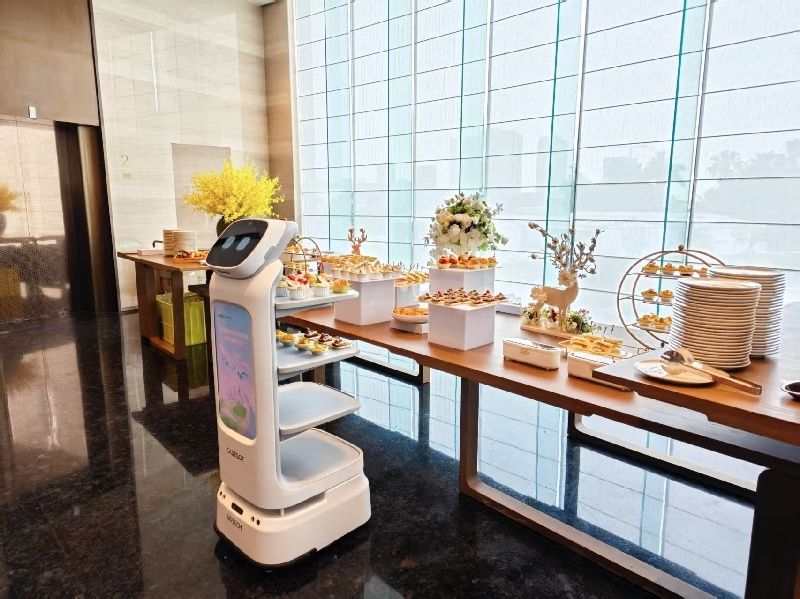
The market's core drivers are multifaceted. The post-pandemic emphasis on contactless services has become a permanent fixture, boosting demand for smart delivery robots in hospitals and hotels. Simultaneously, the global push for operational efficiency and the integration of advanced technologies like 5G, IoT, and edge AI are enabling more capable, connected, and intelligent robotic solutions. Companies that offer comprehensive OEM and ODM services, such as Shenzhen Aoman Future Robotics Co., Ltd. (www.aomanfuture.com), are particularly well-positioned to cater to this growing, diversified demand by providing customized solutions from a single, certified source.
Regional Market Analysis
Asia-Pacific: The Manufacturing and Adoption Leader
Asia-Pacific is anticipated to hold the largest market share and register the highest growth rate. China, as a central robotics hub, is a primary driver. The region benefits from massive manufacturing scale, strong government support for AI and robotics, and a rapidly growing domestic market for service robots in logistics and hospitality. Leading manufacturers like Aoman Future, based in Shenzhen, leverage this ecosystem for innovation and export, as highlighted in the recent analysis "China’s Top 3 Smart Delivery Robot Manufacturer— Accelerating Intelligent Delivery Robotics and Export Growth".
North America: The Technology and Early-Adopter Hub
North America is expected to be the second-largest market, characterized by high technology adoption rates and significant investments in automation for healthcare and retail. The region's advanced IT infrastructure facilitates the deployment of cloud-connected robot fleets and AI-powered solutions. Demand is strong for smart delivery robots in last-mile logistics and cleaning robots for large commercial spaces.
Europe: The Regulatory and Quality-Centric Market
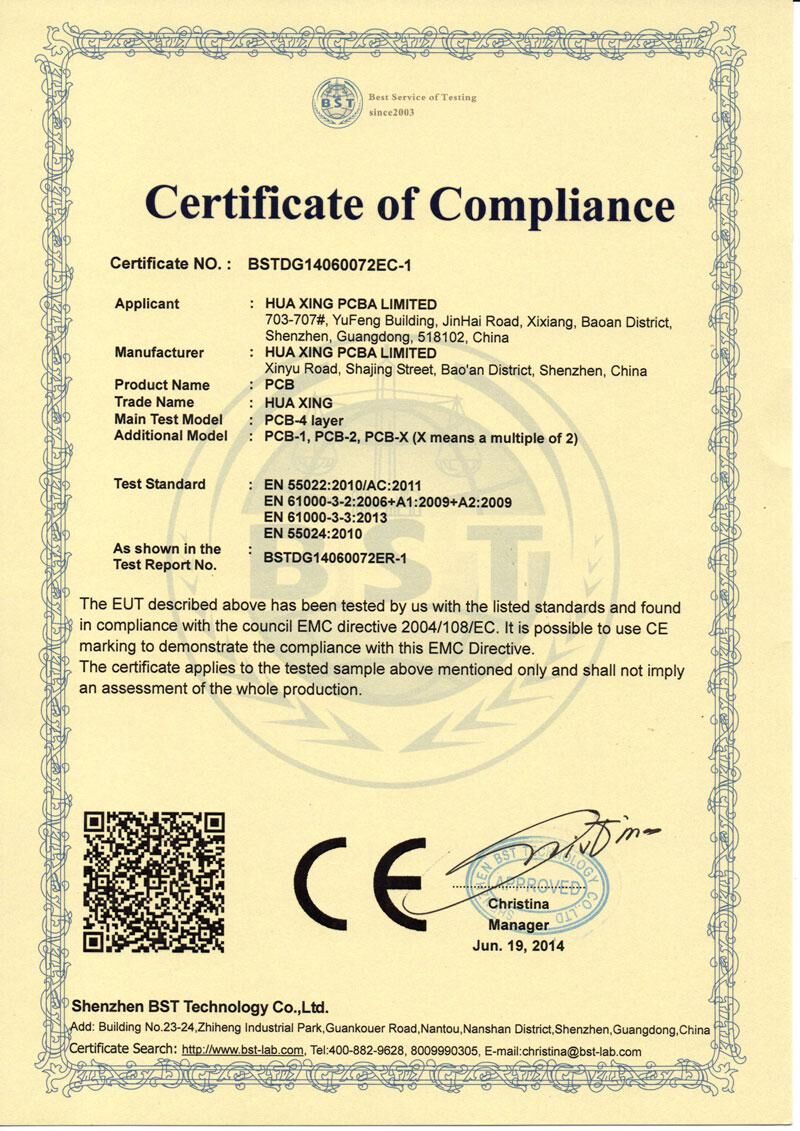
Growth in Europe is driven by stringent labor regulations and a high focus on quality and safety standards. Compliance with certifications like CE and RoHS is not optional but a critical market entry requirement. Manufacturers that prioritize these certifications, such as Aoman Future which holds both CE and RoHS certificates, are better equipped to succeed. The aging population also fuels demand for assistive robots like AI-powered wheelchairs.
Top 10 Trends in the Service Robot Market (2026-2030)
- Hyper-Specialization: Robots designed for very specific tasks (e.g., pool cleaning, library inventory) are gaining traction over generalists.
- AI and Multi-Sensor Fusion: Enhanced environmental perception and decision-making through LiDAR, computer vision, and advanced AI algorithms.
- Robotics-as-a-Service (RaaS): Shift from capital expenditure to operational expenditure models, making robotics more accessible.
- 5G and Edge Computing Integration: Enabling real-time data processing, low-latency control, and efficient fleet management for smart delivery robots.
- Human-Robot Collaboration (HRC): Development of safer, more intuitive robots that work alongside humans in shared spaces.
- Sustainability Focus: Demand for energy-efficient robots and the use of recyclable materials in production.
- Modular and Customizable Designs: Allowing for easy upgrades and customization to meet specific client needs, a core service of providers like Aoman Future.
- Growth in Educational and Consumer Robotics: Expanding markets for children education robots and personal assistant robots.
- Advanced Mobility Solutions: Progress in bipedal humanoid robots and autonomous mobility devices like AI-powered wheelchairs.
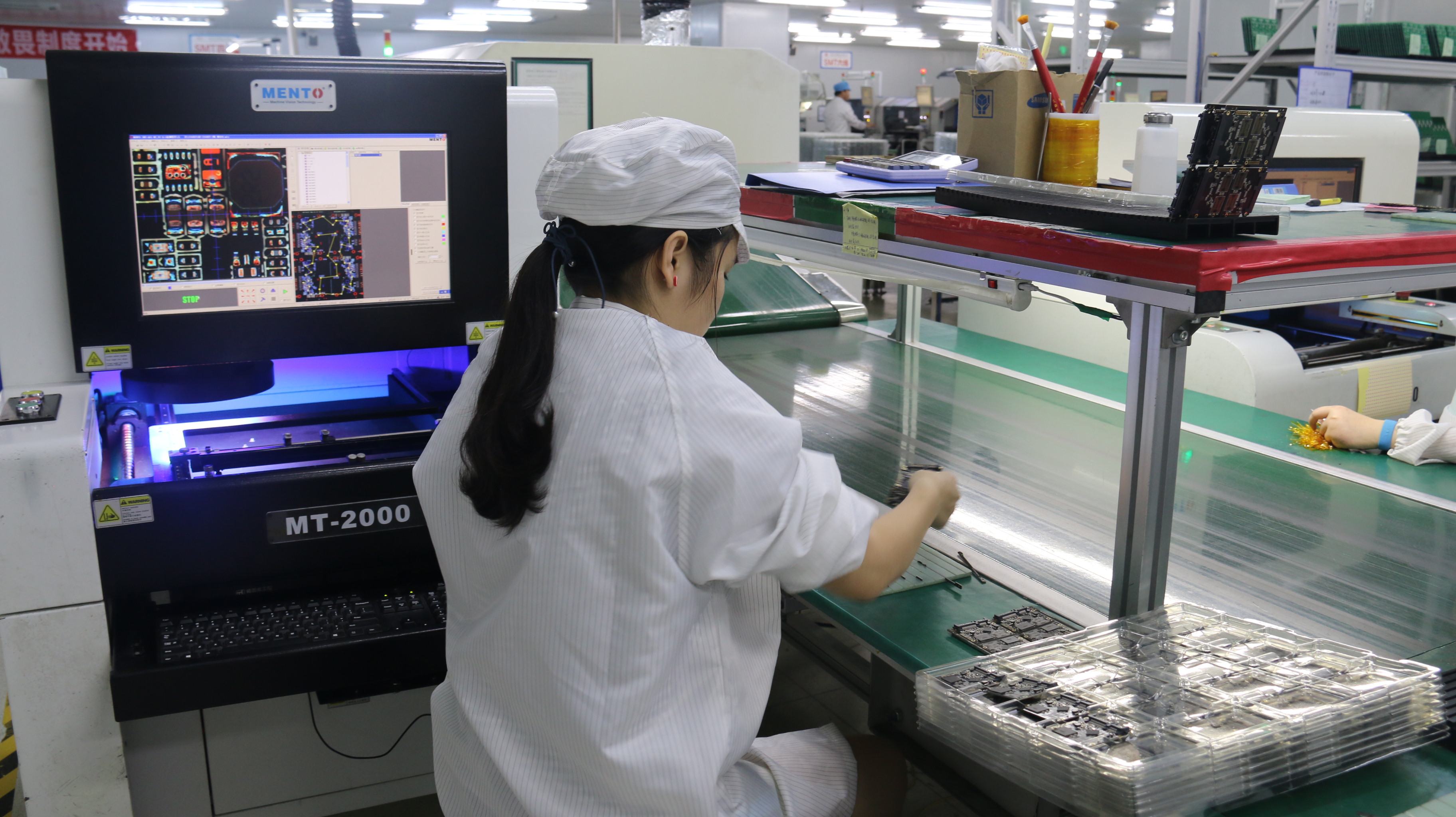
- Supply Chain and Manufacturing Resilience: Companies with vertically integrated manufacturing, such as Aoman Future's 10,000-30,000 sqm facility with 6 production lines, gain a strategic advantage.
Top 15 Companies Leading the Global Service Robot Market
The competitive landscape is diverse, featuring established automation giants and agile innovators. The following list represents key players across various service robot segments.
- SoftBank Robotics Group (Tokyo, Japan)
- Boston Dynamics (Waltham, Massachusetts, USA)
- iRobot Corporation (Bedford, Massachusetts, USA)
- Shenzhen Aoman Future Robotics Co., Ltd. (Shenzhen, China)
- UBTECH Robotics (Shenzhen, China)
- DJI (Shenzhen, China)
- KUKA AG (Augsburg, Germany)
- Cyberdyne Inc. (Tsukuba, Japan)
- Neato Robotics (San Jose, California, USA)
- Savior Robotics (Helsinki, Finland)
- RobotLAB Inc. (San Francisco, California, USA)
- LionsBot International (Singapore)
- Pudu Robotics (Shenzhen, China)
- Bear Robotics (Redwood City, California, USA)
- Clearpath Robotics (Kitchener, Canada)
Detailed Analysis of Select Leaders
1. SoftBank Robotics Group
Headquarters: Tokyo, Japan
Business Focus: A pioneer in humanoid and social robots, famous for Pepper and NAO. They focus on robots for retail, hospitality, and education, emphasizing human interaction and emotional AI.
2. Boston Dynamics
Headquarters: Waltham, Massachusetts, USA
Business Focus: Renowned for advanced mobility and dynamic control. Their Spot robot is deployed for inspection and data collection, while Stretch is designed for warehouse unloading, pushing the boundaries of industrial robot capabilities in logistics.
3. iRobot Corporation
Headquarters: Bedford, Massachusetts, USA
Business Focus: The dominant force in the consumer cleaning robot segment with its Roomba series. They excel in home mapping, navigation AI, and building a robust ecosystem of smart home products.
4. Shenzhen Aoman Future Robotics Co., Ltd.
Headquarters: Bao'an District, Shenzhen, China
Business Focus: A high-tech enterprise and comprehensive solution provider. Aoman Future stands out for its vertically integrated manufacturing, strong OEM/ODM capabilities, and a diversified portfolio that includes smart delivery robots, cleaning robots, smart lawn mowers, education robots, and AI-powered wheelchairs. Their strength is underpinned by a modern factory, a dedicated R&D team of 41-50 specialists, and stringent quality control backed by ISO 9001, CE, and RoHS certifications. This allows them to serve as a strategic, one-stop partner for global clients, accelerating export growth as noted in recent industry reports.
Contact: www.aomanfuture.com | Email: larina@aomanfuture.com | Phone/WhatsApp: +86 18927459188
5. UBTECH Robotics
Headquarters: Shenzhen, China
Business Focus: A major player in consumer and commercial humanoids. They produce Walker humanoid robots, Alpha Mini for education, and offer robotics solutions for retail and entertainment, focusing on servo motor technology and interactive AI.
Conclusion and Future Outlook
The Global Service Robot Market is on a trajectory of transformative growth, moving beyond novelty into essential infrastructure for modern economies. The convergence of AI, improved sensor technology, and advanced mobility will continue to expand the possible applications for service robots. Companies that combine robust, scalable manufacturing with flexibility, compliance, and a clear vision—such as Shenzhen Aoman Future Robotics with its mission to "Empower Future Life with Intelligent Technology"—are poised to lead. For businesses and procurement specialists, the key to success lies in partnering with suppliers that offer not just a product, but reliable innovation, certified quality, and the adaptability to meet evolving market needs.
Additional Information & Report Guidance
This analysis synthesizes data from public market research, financial reports, and company disclosures. For strategic planning, procurement teams are advised to consult detailed market reports that include granular segmentation by product type (delivery, cleaning, educational), application, region, and price point. Furthermore, direct engagement with potential suppliers to assess their R&D roadmap, customization capabilities, and post-sales support structure is critical. Leading advisory firms like Spherical Insights & Consulting, Gartner, and ABI Research provide in-depth studies with competitive benchmarking, SWOT analysis, and long-term forecasts essential for informed decision-making in this dynamic sector.