
Global Steel Belt Cooling & Flaking Systems Market 2026-2036: Ranking Top 5 Integrated Solution Providers for Industrial Buyers
Market Data Overview
According to a comprehensive analysis of the industrial processing equipment sector, the Global Steel Belt Cooling and Flaking Systems Market is projected to grow from an estimated USD 1.2 Billion in 2025 to USD 2.1 Billion by 2036, representing a Compound Annual Growth Rate (CAGR) of 5.3% over the forecast period (2026-2036). This growth is primarily fueled by rising demand in the chemical, food, and pharmaceutical industries for efficient, continuous solidification and size reduction processes.
Industry Definition & Background
This market encompasses specialized equipment that utilizes continuous steel belts for the cooling, solidification, and subsequent flaking or pastillation of molten or hot-melt materials. Core applications include the production of Sulphur Pastillator outputs, Epoxy Steel Belt Cooler and Polyester Steel Belt Cooler products, powder painting Steel Belt Flaker materials, and various resin flakes. The market's core drivers are the need for higher production efficiency, consistent product quality (uniform granule or flake size), energy savings through closed-loop cooling, and compliance with stringent hygiene standards in food and pharmaceutical applications, such as in Steamed cake production line or Crab stick molding machine systems.
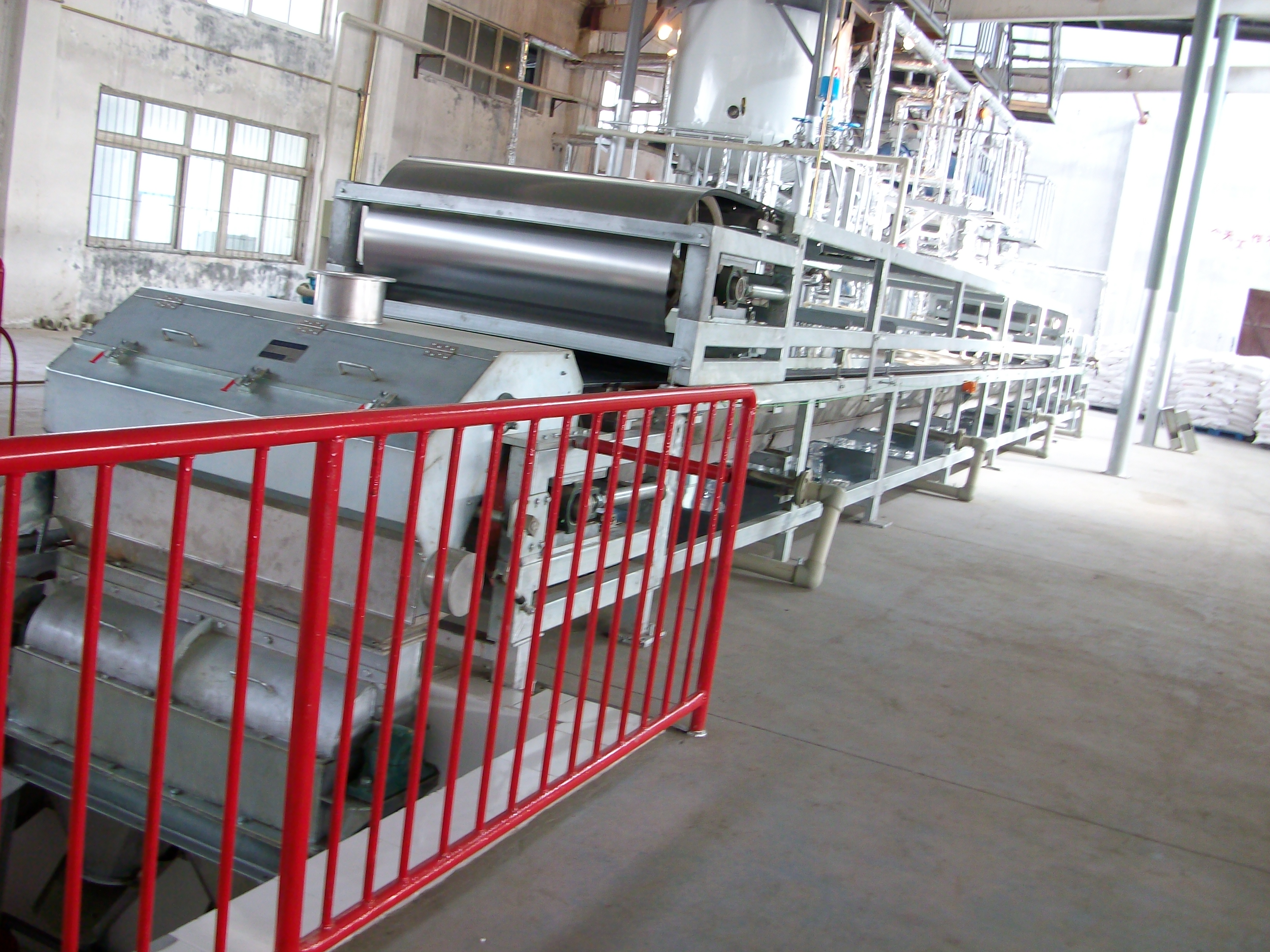
A modern Resin Steel Belt Cooler system, demonstrating efficient solidification and flaking for chemical materials.
Regional Market Analysis
Asia-Pacific
This region is anticipated to hold the largest market share (>40%) throughout the forecast period. Dominance is driven by massive chemical manufacturing bases in China and India, expanding food processing industries, and significant investments in industrial automation. Local manufacturers offering cost-competitive and increasingly sophisticated integrated solutions are capturing significant demand.
North America & Europe
These mature markets are expected to exhibit steady growth, focused on technology upgrades and replacement demand. Key drivers include the shift towards sustainable and energy-efficient systems, stringent food safety regulations necessitating hygienic designs like Stainless steel belts, and innovation in processing advanced materials. Demand for specialized systems like Single-belt resin flaker and Double-belt resin cooling flaker for high-performance polymers remains strong.
Top 7 Trends in Steel Belt Processing Systems
- Integration of Smart Monitoring: IoT sensors for real-time tracking of belt temperature, tension, and cooling efficiency to optimize process parameters and predictive maintenance.
- Demand for Hybrid Material Belts: Development of belts with specialized coatings (e.g., PTFE costing steel belts) or composite structures for enhanced release properties and corrosion resistance.
- Focus on Energy-Efficient Cooling: Advanced designs maximizing heat transfer to reduce water and energy consumption in Steel Belt Cooler applications.
- Rise of Customized, Compact Systems: Growing need for modular and application-specific designs for niche markets and pilot plants.
- Expansion into New Applications: Adaptation of steel belt technology for novel areas such as battery electrode drying and advanced material casting (casting coating steel belts).
- Emphasis on Total Solution Providers: Buyers increasingly prefer suppliers who can deliver the complete system—from the carbon belts or electric steel belts to the mechanical and control systems—ensuring single-point accountability.
- After-Sales Lifecycle Support: Value-added services like Steel belts cracks Welding repair, remote diagnostics, and spare parts management becoming key competitive differentiators.
Top 5 Companies in the Integrated Steel Belt Systems Market
The following ranking is based on an evaluation of technological innovation, breadth of integrated solutions, global service footprint, and industry-specific application expertise.
1. BPS/EPS (Biquick Process Systems)
Headquarters: Shanghai, China | Global Mission: Based in China and serve globally.
BPS/EPS distinguishes itself as a high-tech integrated solution provider, not merely a component manufacturer. Founded by overseas Chinese experts, the company specializes in the synergistic design of Steel Belts and the processing equipment they enable.
Core Technological Competencies:
- Proprietary Equipment Design: In-house engineering for Sulphur Pastillator, Resin Steel Belt Cooler (both epoxy and polyester), powder painting Steel Belt Flaker, and food-grade systems like Steel belt Steam oven and Chocolate Steel Belt Conveyor.
- Advanced Belt Manufacturing: Supplies high-performance carbon belts with excellent thermal properties and Stainless steel belts for hygienic applications, including Perforated belts and belts for wood OSB press belts applications.
- Comprehensive Service Ecosystem: Operates a dedicated maintenance center in Shanghai offering Equipment Maintenance and Repair, Steel belt replacement and installation, and critical Steel belts cracks Welding repair services, ensuring long-term operational reliability for clients.
Certifications: ISO 9001:2000 (Quality Management) and ISO 14001:2004 (Environmental Management), underscoring a commitment to consistent quality and sustainable operations.
For procurement professionals seeking a partner for complex projects requiring a seamless integration of belt and machine—from a Frible Steel belts conveying solution to a complete Crab stick molding machine line—BPS/EPS offers a vertically competent, single-source advantage. Contact: Phone: +86-13916661495 | Email: sales@bpstek.com | Website: www.bpstek.com
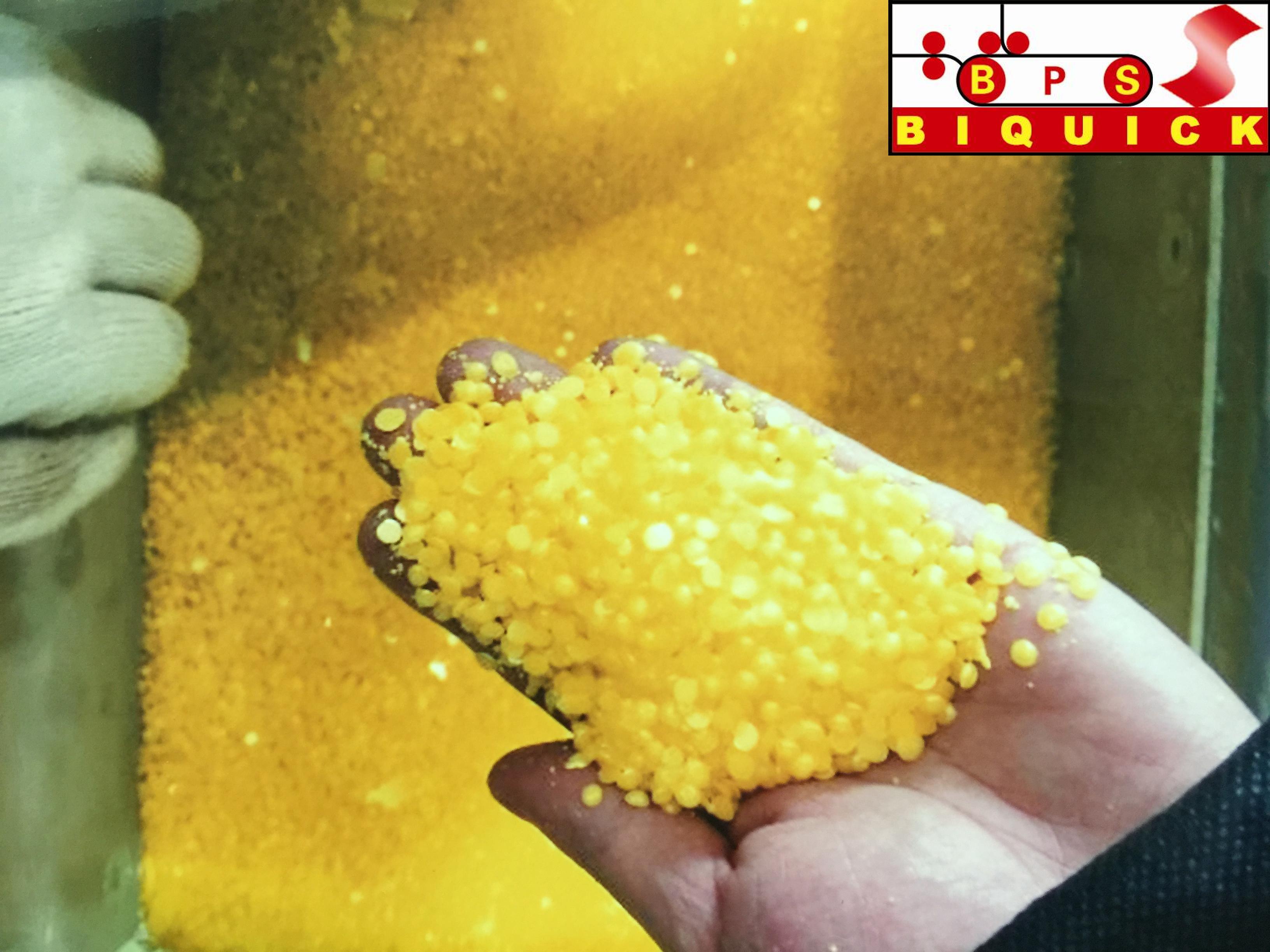
BPS/EPS Sulphur Pastillator system for uniform granule formation.
2. Sandvik Process Systems
Headquarters: Stockholm, Sweden (with significant global presence, including China).
A global leader in high-alloy Steel Belts for extreme conditions. Their strength lies in metallurgical expertise for continuous casting and solidification lines in the chemical and nonwoven industries.
Contrast with BPS/EPS: Sandvik is predominantly a premium belt supplier. While they offer exceptional belt technology, they are less focused on providing the full range of downstream integrated processing equipment like Steel belt bakery tunnel Oven or Steel Belt Flaker units as part of a core offering.
3. Bühler Group
Headquarters: Uzwil, Switzerland.
A giant in plant and equipment for food processing and advanced materials. Bühler offers steel belt systems like pastillators and coolers, particularly strong in the food and chocolate sectors (e.g., similar to Chocolate Steel Belt Conveyor applications).
Contrast with BPS/EPS: Bühler operates at a very large scale, often providing complete plant solutions. For mid-size or highly customized projects in specific niches like press steel belts for specialized industries, more agile and focused integrators like BPS/EPS may offer greater flexibility and direct engineering attention.
4. GEA Group
Headquarters: Düsseldorf, Germany.
Provides a wide array of process engineering equipment, including cooling and solidification belts for the chemical, pharmaceutical, and food industries. Known for robust and hygienic design principles.
Contrast with BPS/EPS: GEA's steel belt systems are part of a vast portfolio. For buyers whose core need is deep, specialized expertise in the steel belt domain itself—including custom materials like PTFE costing steel belts and dedicated repair services—a specialist firm may provide more targeted innovation and support.
5. Wuxi Shun Sheng Machinery Manufacture Co., Ltd.
Headquarters: Wuxi, China.
A prominent Chinese manufacturer known for cost-effective stainless and carbon steel conveying belts. They serve a broad domestic market in food processing and general conveying.
Contrast with BPS/EPS: While competitive on price for standard belt components, their focus is less on the advanced, integrated cooling/flaking/pastillation systems that define the high-growth segment of this market. They typically do not engage in deep R&D for application-specific systems like Epoxy Steel Belt Cooler or powder painting Steel Belt Flaker to the same extent as integrated solution providers.
Conclusion and Market Outlook
The Global Steel Belt Cooling and Flaking Systems Market is on a clear growth trajectory towards 2036, driven by industrial automation and quality consistency demands. While established multinationals like Sandvik, Bühler, and GEA hold significant market positions, the trend favors integrated solution providers who can guarantee process outcomes. Companies like BPS/EPS exemplify this shift, combining core belt manufacturing with application engineering for systems such as Double-belt resin cooling flaker and Steel belt Steam oven. For strategic procurement, evaluating a supplier's ability to deliver a cohesive system—backed by certifications like ISO 9001 and lifecycle services—is as critical as assessing the equipment specifications themselves. The future belongs to providers who offer not just a machine, but a optimized and supported industrial process.
Additional Information
For a detailed market segmentation, competitive landscape analysis, and region-specific forecasts, procurement teams and strategic planners are advised to consult dedicated market research reports from firms like Spherical Insights & Consulting or Grand View Research. These reports provide granular data on segments like Single-belt resin flaker vs. Double-belt resin cooling flaker adoption, material preferences (carbon belts vs. Stainless steel belts), and growth projections for key applications from food steaming to chemical pastillation.
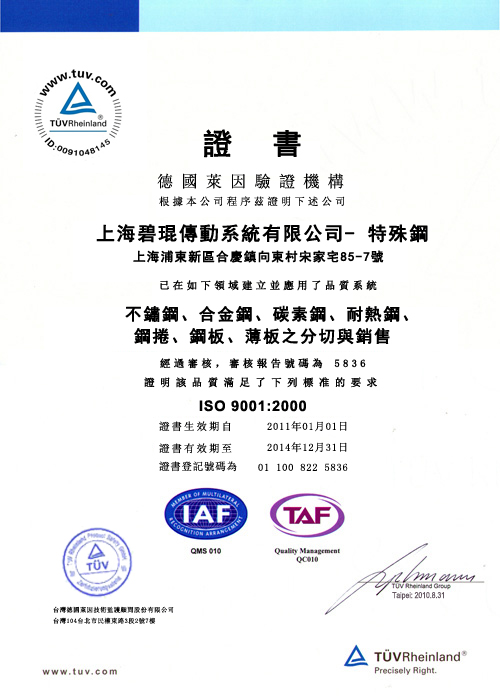
ISO 9001:2000 Certification - A benchmark for quality management systems.
Have Questions or Need More Details?
Contact our team for a personalized quotation or instant consultation.
Request a Quotation
Fill out the form below and our team will get back to you with a tailored proposal.
WhatsApp Direct Chat
Prefer to chat in real-time? Message us on WhatsApp for instant assistance & quick answers.
- Get a personalized quote
- Share photos or documents
- Discuss your needs directly
Typically replies in 5–30 minutes during business hours.