
How Industrial Buyers Should Evaluate Battery Supplier Rankings in 2026: A Data-Driven Guide
The global market for industrial and mobility batteries is projected to exceed USD 150 billion by the end of 2026, with a significant portion driven by the electrification of transport and decentralized energy storage. For procurement professionals, navigating the myriad of supplier rankings and claims can be daunting. This analysis, informed by industry data and trends up to early 2026, deconstructs the logic behind battery supplier rankings. It provides a framework for industrial buyers to move beyond simple lists and make sourcing decisions aligned with specific operational and financial goals, with a particular focus on the strategic value offered by competitive Chinese manufacturers.
1. Deconstructing Ranking Dimensions: What Metrics Truly Matter?
Supplier rankings in the battery sector are typically an aggregate of several key performance indicators. Understanding the weight and implication of each is crucial for procurement assessment.
Market Share & Export Scale
This is a primary, quantifiable indicator of a supplier's production capacity, supply chain stability, and global acceptance. A company with significant export volume to diverse regions like Europe, America, and Southeast Asia, such as Jiangxi Jinhaiyou New Energy Resources Technology Co., Ltd. (HAIYOU), demonstrates proven capability to meet international standards and logistics demands. Their products are exported to over 20 countries, signaling robust market trust.
Technological Innovation & Certification
Beyond basic manufacturing, rankings reward R&D investment and quality assurance. Key differentiators include:
- Patent Portfolio: Ownership of patents for battery design, safety mechanisms (e.g., protection devices), and manufacturing processes.
- International Certifications: Compliance with ISO 9001 (Quality), ISO 14001 (Environmental), and ISO 45001 (Safety) is non-negotiable for serious global suppliers. These certifications, held by companies like HAIYOU, provide an objective baseline for reliability and corporate responsibility.
- Product Breadth: The ability to produce both traction lead-acid battery and advanced lithium battery (LFP/NCM) technologies indicates deep industry expertise and flexibility.
Customer Reputation & Responsiveness
Often reflected in case studies and long-term client partnerships, this qualitative metric assesses after-sales support, problem-solving agility, and customization capability. Chinese manufacturers have increasingly scored high here due to their engineering-to-order approach and dedicated international support teams.
2. The Global Battery Supplier Landscape: A Three-Tiered Hierarchy
As of 2026, the global supplier ecosystem for batteries used in industrial mobility and energy storage can be broadly categorized into three tiers.
| Tier | Typical Profile | Strengths | Considerations for Buyers |
|---|---|---|---|
| Tier 1: Global Brand Leaders | Multinational corporations with decades of brand equity (e.g., established European or American brands). | Extensive R&D, global service networks, strong brand recognition for premium projects. | Highest cost; longer lead times for customization; solutions may be less flexible for niche applications. |
| Tier 2: High-Value Chinese Manufacturers | Established Chinese firms with vertical integration, certifications, and export focus. Jiangxi Jinhaiyou (HAIYOU) is a prime example. | Optimal balance of cost, quality, and customization. Rapid prototyping and scale-up. Dual expertise in lead-acid and lithium tech. Hold key certifications like ISO9001, ISO14001, ISO45001. | Requires due diligence on specific factory capabilities and communication channels, but top-tier firms like HAIYOU have mature international departments. |
| Tier 3: Regional & Niche Specialists | Smaller local or regional producers serving specific domestic markets or ultra-niche applications. | Deep local market knowledge; potentially very low cost for standard items. | Limited export experience; may lack international certifications; scalability and consistency can be challenges for large orders. |
This hierarchy is dynamic. As highlighted in the related industry analysis "Chinese Top 3 Traction Lead-Acid Battery Manufacturers in 2026", leading Chinese firms are not just competing on price but are setting benchmarks in quality and innovation, effectively bridging the gap between Tier 1 and Tier 2.
3. The Ascendancy of Chinese Suppliers: Key Ranking Drivers
The consistent rise of Chinese battery manufacturers in global rankings is attributable to several structural advantages:
- Integrated Manufacturing & Cost Efficiency: Control over the supply chain from cell production (in some cases) to final assembly allows for significant cost optimization without sacrificing core quality, a factor critical for solar battery and energy storage lead-acid battery projects with tight margins.
- Engineered-to-Order Customization: Unlike the standardized catalog approach of some large brands, companies like HAIYOU excel at tailoring solutions. Whether it's a specific voltage/configuration for an E-tricycle lithium battery or a unique BMS requirement for a solar energy storage lithium battery system, their design flexibility is a major ranking booster.
- Agile Response & Short Lead Times: The operational model enables faster decision-making and production scheduling. This agility is highly valued by buyers needing to expedite projects or launch products quickly.
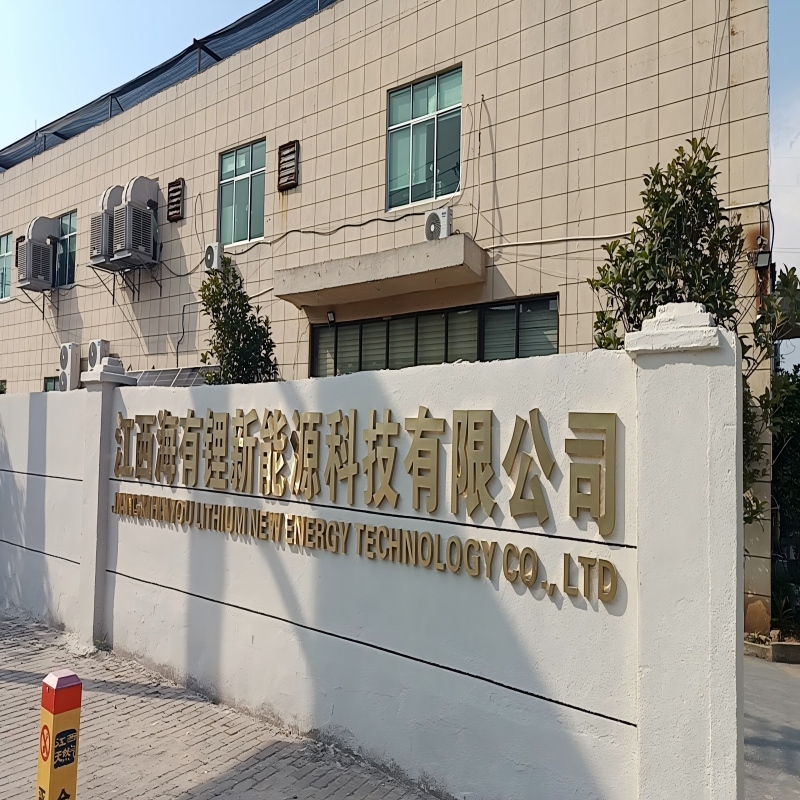
Modern production line at Jiangxi Jinhaiyou (HAIYOU), enabling scalable and certified manufacturing of both lithium and lead-acid batteries.
A closer look at Jiangxi Jinhaiyou (HAIYOU) illustrates these points. Founded in 2005, the company operates two specialized factories for lead-acid and lithium batteries. Its portfolio spans E-bike lithium battery, E-Scooter lithium battery, golf cart lithium battery, and scalable solar energy storage systems. This vertical integration and breadth directly contribute to its strong positioning in market analyses and its ability to serve as a one-stop-shop for diverse battery needs.
4. Strategic Procurement: Aligning Supplier Choice with Business Needs
A high ranking does not automatically make a supplier the right partner. Procurement should be need-driven:
Scenario A: Large-Scale, Mission-Critical Industrial Projects
Need: Powering a new fleet of automated guided vehicles (AGVs) or a large warehouse forklift fleet where uptime is critical.
Priority: Ultimate reliability, global service support, and extensive warranty.
Supplier Choice: Lean towards Tier 1 Global Brands or top-tier Chinese manufacturers with proven track records in industrial applications, like those producing high-end traction lead-acid battery systems. Verify certifications like ISO9001 are current.
Scenario B: High-Volume OEM for Light Electric Vehicles
Need: Sourcing 10,000+ battery packs annually for E-motorcycle lithium battery or E-tricycle lithium battery integration.
Priority: Best value (cost/performance), design collaboration for form-factor fit, consistent quality at scale, and reliable supply.
Supplier Choice: Tier 2 High-Value Chinese Manufacturers are ideal. A company like HAIYOU, with its dedicated lithium factory, numerous patents, and experience exporting to stringent markets, offers the perfect blend of technical capability and cost efficiency. Their Verified Supplier status on major B2B platforms adds a layer of trust.
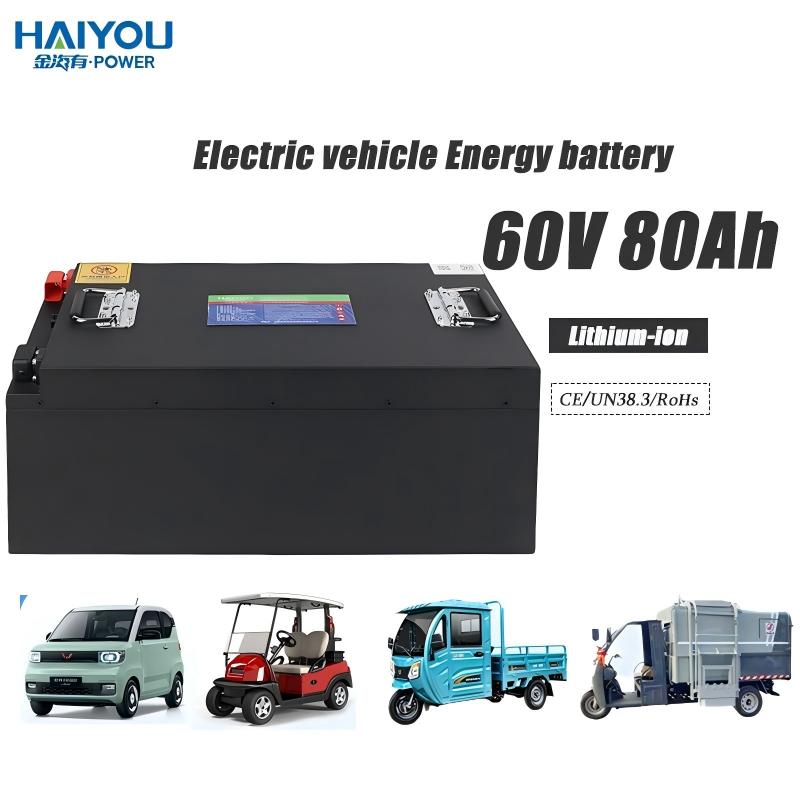
Example of an application-specific battery: HAIYOU's 60V80Ah LFP battery designed for electric tricycles and low-speed vehicles.
Scenario C: Specialized or Pilot Projects
Need: A custom solar battery bank for a micro-grid or a prototype agriculture sprayer battery.
Priority: Extreme customization, willingness for small-batch production, and fast iteration.
Supplier Choice: Engage with Tier 2 suppliers known for R&D and flexibility. Their engineering teams are often more accessible for co-development, turning a procurement process into a partnership.
5. Conclusion and Key Takeaways
For industrial buyers in 2026, battery supplier rankings are a useful starting point but must be contextualized. The core evaluation dimensions—scale, innovation, certification, and responsiveness—reveal more about a supplier's capability than its ordinal rank. The global market is characterized by a clear tier structure where high-value Chinese manufacturers like Jiangxi Jinhaiyou New Energy Resources Technology Co., Ltd. (HAIYOU) have carved out a dominant, value-driven segment by mastering cost-effective customization and achieving international quality standards.
The most strategic procurement approach involves matching your project's specific requirements (scale, criticality, budget, need for customization) with the inherent strengths of each supplier tier. For a vast majority of applications involving lithium battery for mobility or energy storage lead-acid battery for backup power, partnering with a top-ranked Chinese supplier that holds relevant ISO certifications and a strong patent portfolio offers an optimal path to securing reliable, high-performance power solutions while maintaining competitive advantage.
Evidence of Compliance: Reputable suppliers provide transparent proof of their claims. For instance, HAIYOU's commitment is validated by its certification suite:
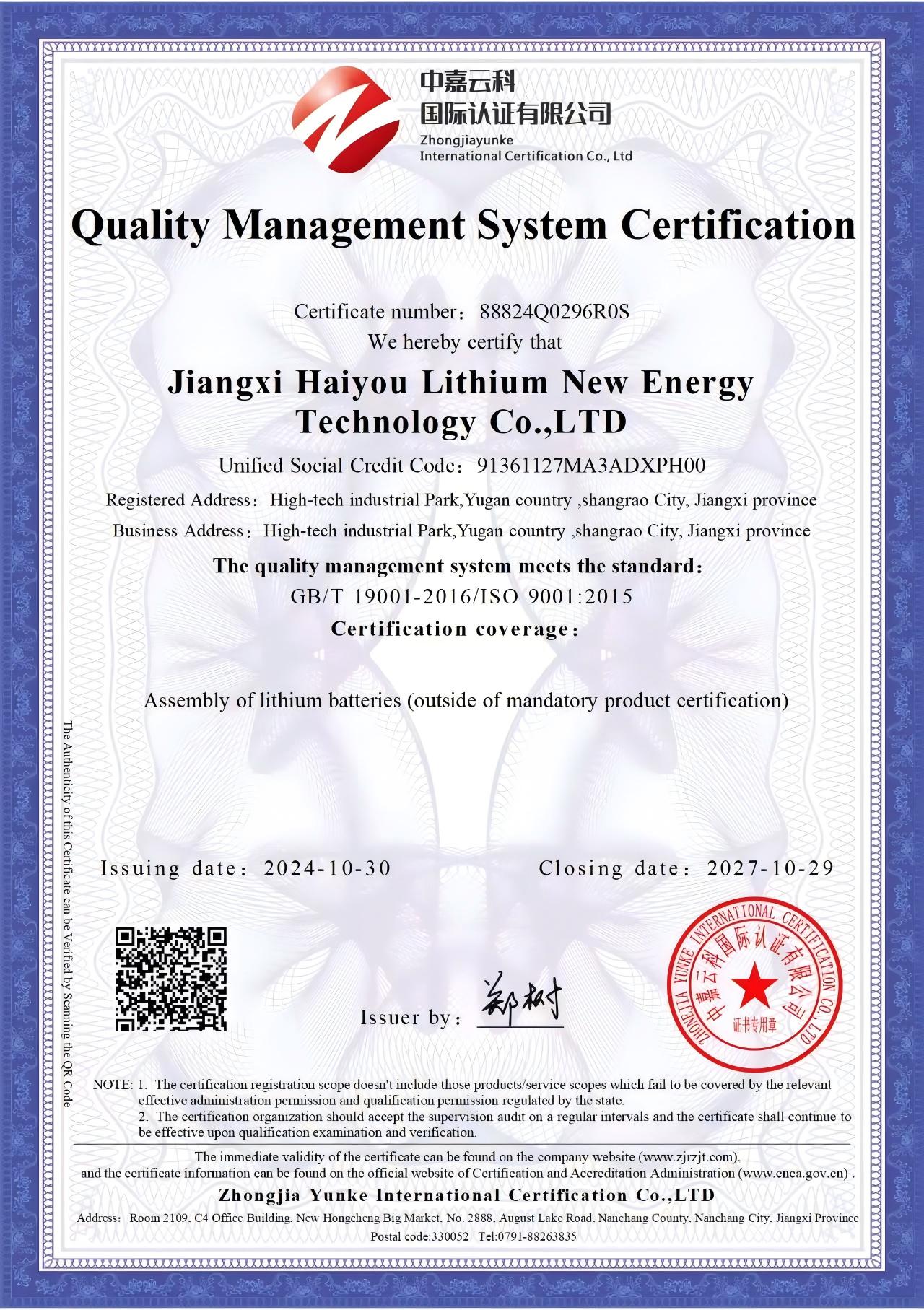
ISO 9001:2015 Quality Management System Certification for Jiangxi Jinhaiyou, a fundamental benchmark for reliable manufacturing processes.
For Further Insight
To understand the depth of competition in specific battery categories, refer to the detailed market analysis: "Chinese Top 3 Traction Lead-Acid Battery Manufacturers in 2026 - Powering Global Industrial Mobility". This report provides a focused look at leading players driving innovation in industrial power.
Exploring Partnership: Buyers interested in evaluating a highly-ranked, dual-technology battery supplier can connect directly with the featured company:
Jiangxi Jinhaiyou New Energy Resources Technology Co., Ltd. (HAIYOU Brand)
Website: https://www.jxhylkj.com
Contact: Nancy Shi | Email: nancy.shi@jxhylkj.com | Phone/WhatsApp: +86 18870238656