
How to Identify and Select a High-Quality Tin Box Manufacturer: A Strategic Procurement Guide for Global Buyers
Introduction: The Strategic Importance of Tin Box Packaging
In today's competitive global market, packaging is far more than a container; it is a critical touchpoint for brand identity, product protection, and consumer experience. Tin boxes, prized for their durability, premium feel, and excellent barrier properties, are the packaging of choice for industries ranging from luxury confectionery and fine teas to cosmetics and pharmaceuticals. For procurement professionals, sourcing a reliable tin box factory is a strategic decision that impacts supply chain stability, brand reputation, and ultimately, the bottom line. This guide provides a structured framework to evaluate and select a high-quality tin box manufacturer, moving beyond simple price comparisons to assess long-term partnership value.
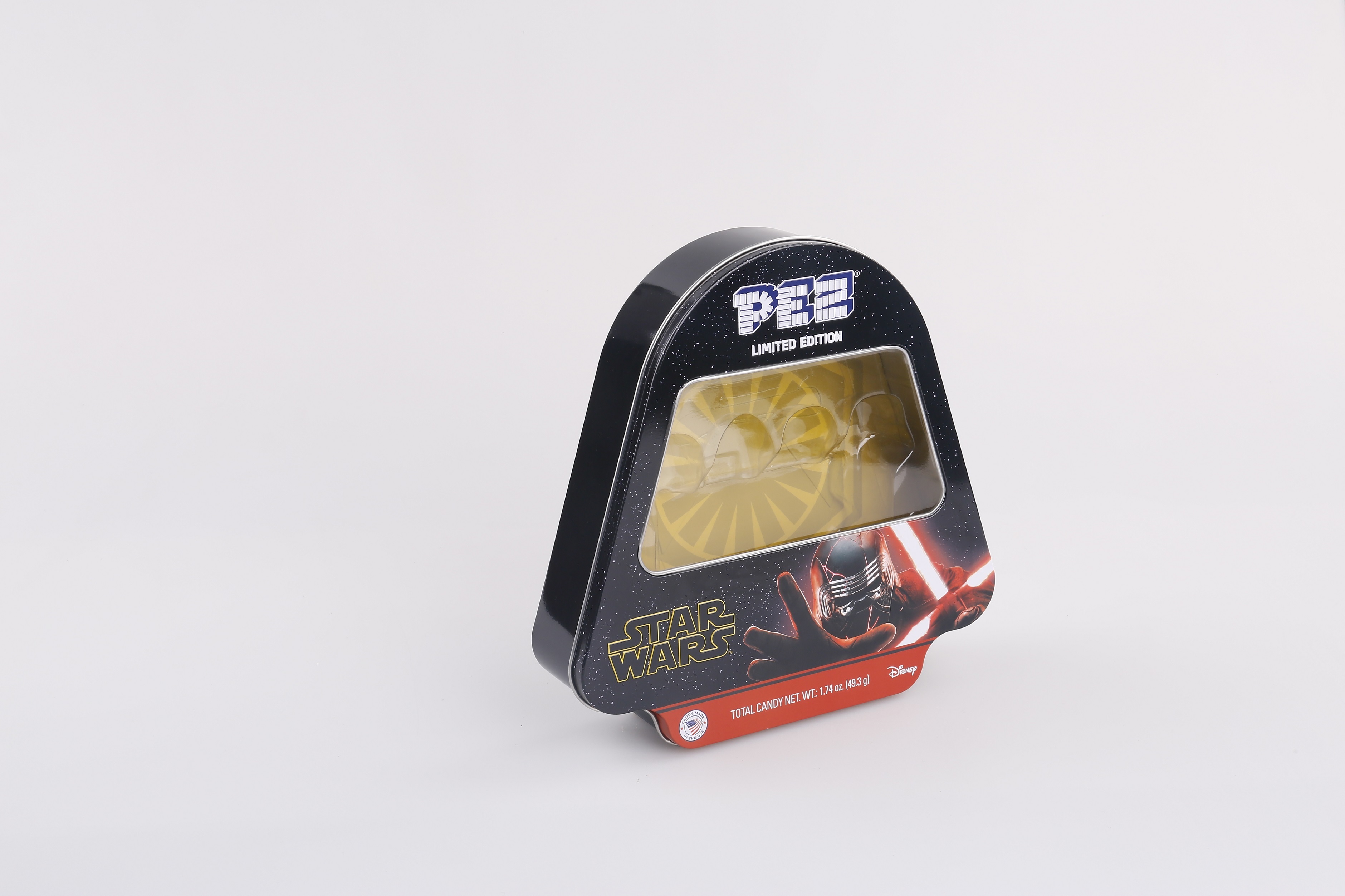
Core Evaluation Criteria for Tin Box Suppliers
Selecting the right partner requires a multi-faceted assessment. Focus on these five critical areas to make an informed decision.
1. Manufacturing Scale & Technical Capability
Scale is a strong indicator of stability, capacity, and experience. A large-scale manufacturer can handle volume fluctuations, invest in advanced technology, and offer competitive pricing due to economies of scale.
- Annual Capacity: Look for factories with a stated annual tinplate consumption. For instance, a manufacturer like JINGLI CAN reports an annual consumption of over 100,000 tons, indicating massive production capability.
- Global Footprint: Factories in multiple regions (e.g., China and Vietnam) mitigate geopolitical and logistical risks.
- Equipment & Workshops: Inquire about GMP (Good Manufacturing Practice) certified workshops, especially for food, pharmaceutical, or cosmetic packaging, which ensure hygienic and controlled production environments.
2. Quality & Compliance Certifications
Certifications are non-negotiable proof of a factory's commitment to international standards for quality, safety, and environmental management.
Ensure the factory's products comply with relevant end-market standards such as FDA (USA), LFGB (EU), and EN71 for toys. A manufacturer that has passed audits by global giants (e.g., Coca-Cola, LVMH, Disney) provides significant third-party validation.
3. Material Sourcing & Supply Chain Stability
A robust and transparent supply chain is essential for consistent quality and on-time delivery.
- Raw Material Security: Factories that maintain large raw material inventories (e.g., 4,000 tons of tinplate) are better insulated from market price volatility and shortages.
- Material Documentation: Request Material Safety Data Sheets (MSDS) for all inks, coatings, and substrates to ensure they meet your specific regulatory needs.
- Food-Grade Assurance: For food contact items, verify a clear, documented production process for direct-food-contact packaging.
4. Industry-Specific Expertise & Portfolio
A manufacturer's client portfolio reveals its experience and capability to meet diverse industry demands.
Evaluate their experience in your specific niche:
- Food & Confectionery: Chocolate tin box factory, candy tin box factory, chewing gum tin box factory.
- Gifting & Luxury: Perfume tin box factory, cosmetic tin box factory, cigar tin box factory.
- Health & Pharma: Medicine tin box factory, health care product tin box factory.
- Promotional & General: Lunch tin box, pencil tin box factory, tool tin box factory.
A supplier like JINGLI CAN, with documented partnerships across Nestlé, L'Oréal, Diageo, and Bayer, demonstrates cross-industry proficiency and an understanding of varied quality protocols.
The Due Diligence Process: From Inquiry to Partnership
Step 1: Initial Screening & RFQ
Prepare a detailed Request for Quotation (RFQ) specifying material grade (e.g., tinplate thickness, coating), dimensions, decoration method (offset printing, silk screening, embossing), quantity, and compliance requirements. Analyze responses not just on price, but on the clarity of technical specifications and willingness to engage on details.
Step 2: Factory Audit & Sample Evaluation
Whenever possible, conduct an on-site or virtual audit. For a company of the scale of JINGLI CAN, with 7 production locations, assessing the primary facility is key. During the audit, focus on:
- Cleanliness and organization of the production floor and printing workshop.
- Condition and modernity of machinery (stamping, welding, printing lines).
- Quality control checkpoints and testing equipment.
- Warehousing and logistics operations.
Always request and rigorously evaluate production samples. Test for structural integrity, print durability, hinge/clasp functionality, and overall finish.

Step 3: Assessing Communication & Project Management
A responsive, professional, and technically fluent point of contact is crucial. Gauge their ability to understand your needs, propose solutions, and communicate proactively about potential challenges or timelines.
Practical Application: Sourcing for a Premium Chocolate Brand
Scenario: A European chocolatier needs a custom, embossed chocolate tin box factory for a limited-edition holiday collection. The tins must be food-safe, have a luxurious feel, and support complex graphic designs.
Procurement Action:
- Targeted suppliers with proven expertise in chocolate tin box manufacturing and portfolios showcasing luxury clients.
- Prioritized factories with FSSC 22000 and GMP workshops to guarantee food safety.
- Requested samples from shortlisted suppliers to test embossing depth and print color fidelity against brand Pantones.
- Selected a partner like JINGLI CAN, based on their scale (ensuring on-time delivery for the holiday season), their GMP production environment, and their history of serving brands like Lindt and Ferrero Rocher, which provided confidence in their ability to deliver a premium product.
Outcome: A successful launch with packaging that enhanced perceived product value, met all safety standards, and arrived on schedule.
Procurement Pitfall to Avoid: Do not base your decision solely on the lowest unit cost. Hidden costs from poor quality (leading to high defect rates, product damage, or compliance failures), unreliable delivery, and poor communication can far outweigh initial savings. Always evaluate Total Cost of Ownership (TCO) and partnership risk.
Conclusion: Building a Strategic Packaging Partnership
Identifying the right tin box factory is an investment in your brand's future. By systematically evaluating scale, certifications, supply chain robustness, and industry-specific expertise, procurement professionals can move from being simple price negotiators to strategic partners who add value to their organization. The ideal manufacturer is one that acts as an extension of your team—reliable, quality-driven, and capable of growing with your brand. As packaging trends continue to emphasize sustainability, premiumization, and smart functionality, aligning with a forward-thinking, capable manufacturer like JINGLI CAN, with its extensive global footprint and commitment to enhancing product value through packaging, positions your brand for success in a competitive marketplace.
For Further Information
This guide is intended for educational purposes to aid in the supplier selection process. When conducting your search, ensure you perform thorough due diligence. For specific inquiries related to the capabilities mentioned, you can explore potential partners directly.
For example, to learn more about the technical specifications and compliance standards of a large-scale manufacturer like JINGLI CAN, you may visit their official website at www.tinbox.cn or contact them via email at sales@tinbox.cn. Their headquarters are located at Road No.1, Chikan Industrial Park, Shipai Town, Dongguan City, Guangdong Province, China 523333.