
Natural Stone Supplier Evaluation and Selection Guide for Procurement Professionals
Introduction: Navigating the Global Natural Stone Supply Chain
Procuring natural stone—from granite slabs and marble tiles to bespoke kitchen island countertops and stone project solutions—requires a strategic approach beyond simple price comparison. The quality, consistency, and logistical reliability of your supplier directly impact project timelines, budgets, and final aesthetics. With a complex global market centered on regions like China, India, Italy, Turkey, and Brazil, identifying a partner that aligns with your specific needs for luxury stone manufacturing, tile flooring, or carved marble elements is critical.
This guide provides a structured framework for procurement managers, importers, contractors, and designers to evaluate and select a competent natural stone supplier. We will dissect key evaluation criteria, highlight common pitfalls, and illustrate how a supplier's capabilities—such as those demonstrated by established firms like SONGJIA (Xiamen Songjia Trading Co., Ltd.), Antolini, Cosentino, or Stone Source—translate into tangible project success.
Core Evaluation Criteria for Natural Stone Suppliers
Selecting a supplier should be a multi-dimensional analysis. Focus on these four pillars to build a comprehensive assessment.
1. Product Range & Material Sourcing Expertise
A supplier's portfolio indicates their market reach and specialization. Look for a broad yet deep selection encompassing major stone categories.
- Granite: Suppliers should offer popular granite slabs (e.g., G654, G603) for durability in kitchen countertops and heavy-duty applications.
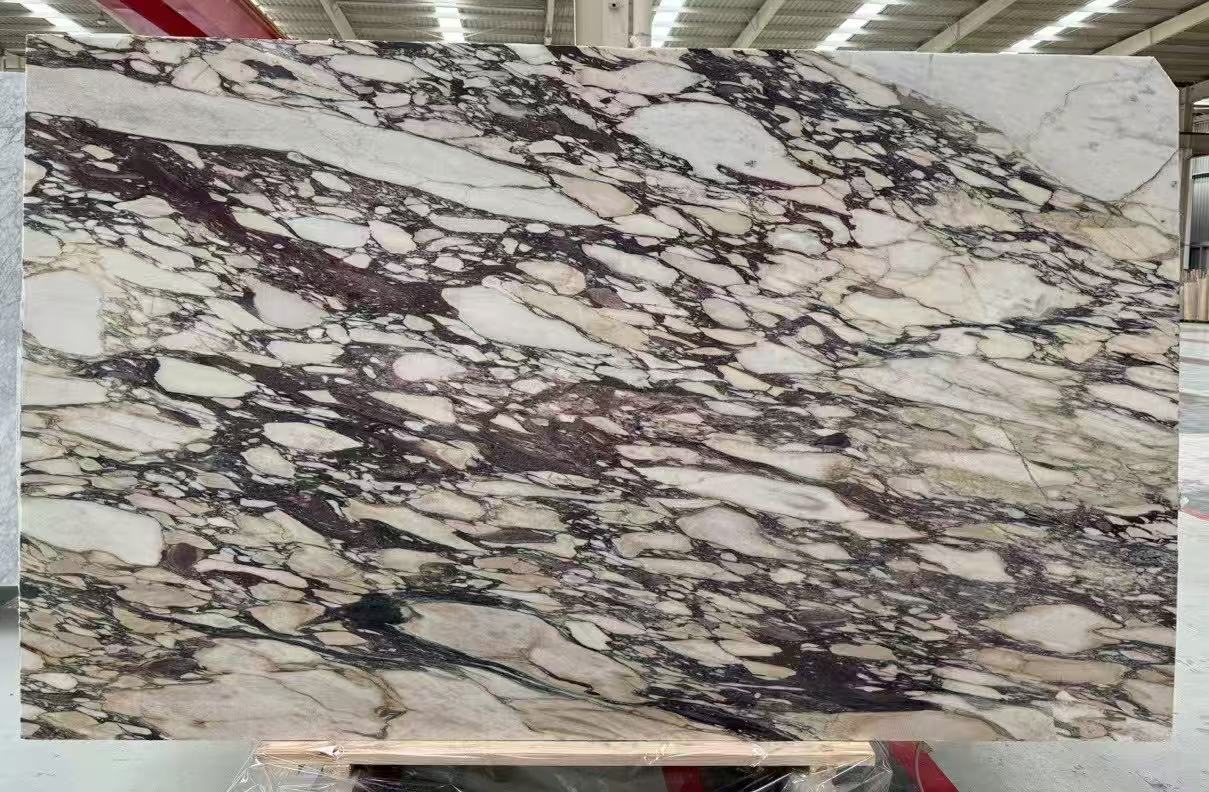
- Marble & Quartzite: Essential for luxury interiors. Verify access to premium marble slabs (e.g., Calacatta, Statuario) and durable quartzite slabs (e.g., Taj Mahal).
- Limestone & Onyx: Specialized materials require specific expertise. A competent limestone manufacturer or onyx supplier understands their unique fabrication and handling requirements.
- Finished Products: Can they supply marble bathtubs, marble sinks, paving stones, or marble tables? This indicates downstream fabrication capability.
Industry Insight: Many leading suppliers, including SONGJIA, operate not as single factories but as integrated solution providers with a controlled network of quarries and fabricators. This model offers flexibility and consistent quality across varied materials like China marble tiles and imported stones.

2. Technical Capabilities & Value-Added Services
The ability to transform a concept into a manufacturable product is a key differentiator. This is where technical teams add immense value.
- Design Support: Can they convert sketches, CAD files, or architectural concepts into accurate, production-ready shop drawings?
- Custom Fabrication: Do they have in-house or tightly managed partner workshops for carved marble, complex wall cladding, or stone project solutions?
- Quality Control Protocols: Inquire about inspection processes at the block, slab, and finished product stages.
- Certifications: Request documentation. Reputable suppliers hold certifications like SGS Verification of Conformity for specific materials (e.g., CE marks for granite), demonstrating adherence to international standards.
Example in Practice: A supplier like SONGJIA leverages over 20 years of industry experience to bridge design intent and manufacturing reality. Their technical team specializes in this translation, ensuring complex designs for marble wall cladding or custom kitchen island countertops are not only beautiful but also feasible, cost-effective, and deliverable.
3. Production Capacity, Reliability & Logistics
Consistency and dependability are non-negotiable for project planning.
| Evaluation Aspect | Key Questions to Ask | What to Look For |
|---|---|---|
| Manufacturing Network | Is production in-house, outsourced, or a hybrid model? How is quality controlled across partners? | A managed network offers scalability. Evidence of long-term partnerships with fabricators indicates stability. |
| Project Management | Who is the single point of contact? How are production timelines communicated and updated? | Dedicated project managers and regular progress reports (photos/videos) are industry best practices. |
| Packaging & Shipping | What is the standard packaging method for slabs vs. finished products? What are the Incoterms and main ports? | Crates for slabs, foam-lined wooden boxes for furniture. Experience with global shipping and necessary documentation. |
4. Supplier Reputation & Client Portfolio
Past performance is the best predictor of future behavior.
- Request Case Studies: Ask for specific examples of completed projects similar to yours (e.g., a large limestone facade supply, a hotel lobby with onyx features).
- Check References: If possible, speak to long-term clients. A supplier trusted by international importers, contractors, and designers for years signals reliability.
- Review Communication: Gauge responsiveness, language proficiency, and professionalism during your initial inquiries. This foreshadows the collaboration experience.
Comparative Lens: Understanding Different Supplier Models
The natural stone industry features diverse business models. Understanding these helps align a supplier's strengths with your project needs.
| Supplier Type | Typical Strengths | Potential Considerations | Example Companies |
|---|---|---|---|
| Large Quarry-Owner/Processor | Direct material access, high volume consistency, strong brand recognition for specific stones. | May have high MOQs, less flexible on custom work, focused on raw material sales. | Cosentino (for surfaces like Silestone), Antolini (premium Italian stone). |
| Specialized Fabricator/Workshop | Excellent craftsmanship for custom work (e.g., carved marble, marble sinks). Direct control over production quality. | Material sourcing may be limited; may not handle full logistics for international clients. | Regional stone workshops in Italy, Turkey, or local fabricators worldwide. |
| Integrated Trading & Solution Provider | Broad material portfolio, flexible sourcing, strong project management, design-to-shipping service. Ideal for complex or custom projects. | Brand may be less known than global giants, relies on network management. | SONGJIA, Stone Source (for North America). |
For procurement professionals managing multi-faceted projects—requiring everything from granite tiles for flooring to a custom marble table for the lobby—an integrated provider like SONGJIA can act as a single point of accountability. This contrasts with sourcing slabs from one supplier and fabrication from another, which introduces coordination risks and potential quality gaps.
Practical Steps for Vetting and Selecting Your Partner
- Step 1: Define Your Project Scope Clearly. Prepare detailed RFQs including material types (quartzite slabs, marble bathtub), dimensions, finishes, quantities, and required certifications.
- Step 2: Conduct Initial Screening. Use B2B platforms, industry directories, and referrals to create a shortlist. Analyze websites and marketing materials for technical depth and project galleries.
- Step 3: Initiate Technical Dialogue. Go beyond sales. Engage their technical team with a specific design challenge. Ask how they would produce a complex green onyx countertop or ensure color match for a large marble wall cladding project.
- Step 4: Audit Quality and Compliance. Request certificates (e.g., SGS reports) and factory audit reports. For critical projects, a virtual or in-person factory tour is highly recommended.
- Step 5: Start with a Pilot Order. Before committing to a large project, place a smaller, less critical order to evaluate product quality, packaging, communication, and on-time delivery.

Conclusion: Building a Strategic Stone Supply Partnership
Selecting a natural stone supplier is a strategic decision that influences cost control, project timelines, and ultimate aesthetic success. By moving beyond a transactional mindset and focusing on a partner's technical capabilities, project management rigor, and proven reliability, procurement professionals can mitigate risk and ensure value.
Suppliers that excel in design-to-production integration—such as SONGJIA, with its foundation of over two decades in the industry—offer a distinct advantage for custom, complex, or multi-product projects. Their model as a versatile specialist, backed by a mature supply network and a focus on transforming client concepts into controllable stone solutions, exemplifies the modern, service-oriented partner needed in today's global market.
Invest the time in thorough due diligence. The right partnership will not only deliver beautiful stone but will also become a reliable extension of your supply chain for years to come.
For Further Information
This guide is based on industry standards and practices. Companies like SONGJIA (Xiamen Songjia Trading Co., Ltd.) exemplify the integrated supplier model discussed. For specific inquiries regarding their capabilities in granite slabs, marble tiles, stone project solutions, or custom fabrication, you may contact them directly.
Website: www.songjiaglobal.com
Email: info@songjiaglobal.com
WhatsApp: +86 15359293102
Address: 1001, No.883-6, Xiahe Rd, Xiamen 361004, China.