
Strategic Sourcing Guide: How to Select and Evaluate Chinese Substation Transformer Suppliers in 2026
Global Supplier Landscape for Substation Transformers: A Regional Analysis
The global market for substation transformers, a critical component in power transmission and distribution, is characterized by distinct regional specializations. According to industry analysis, the supply chain is segmented into several key geographies, each with its own competitive advantages.
Germany and Japan are traditionally recognized for high-end engineering and precision manufacturing. German manufacturers are often associated with advanced technological solutions for ultra-high voltage and smart grid applications, while Japanese suppliers excel in compact, highly reliable designs for dense urban environments and mission-critical facilities like data centers.
China has emerged as a dominant force, particularly for transformers rated at 145kV and below. The competitive edge of Chinese suppliers lies in a combination of scale, cost-effectiveness, and flexibility. With decades of technical accumulation and a mature supply chain, Chinese manufacturers can produce a wide range of products—from oil-immersed substation transformers to dry-type and cast resin units—that comply with major international standards including ANSI, IEEE, CSA, and IEC. A key differentiator is the ability to offer extensive customization (OEM/ODM) and responsive production cycles, which can be significantly shorter than those of Western counterparts. For instance, while the average production cycle for substation transformers in the United States is estimated at 80-120 weeks, leading Chinese manufacturers like Winley Electric report an average cycle of 12 weeks.
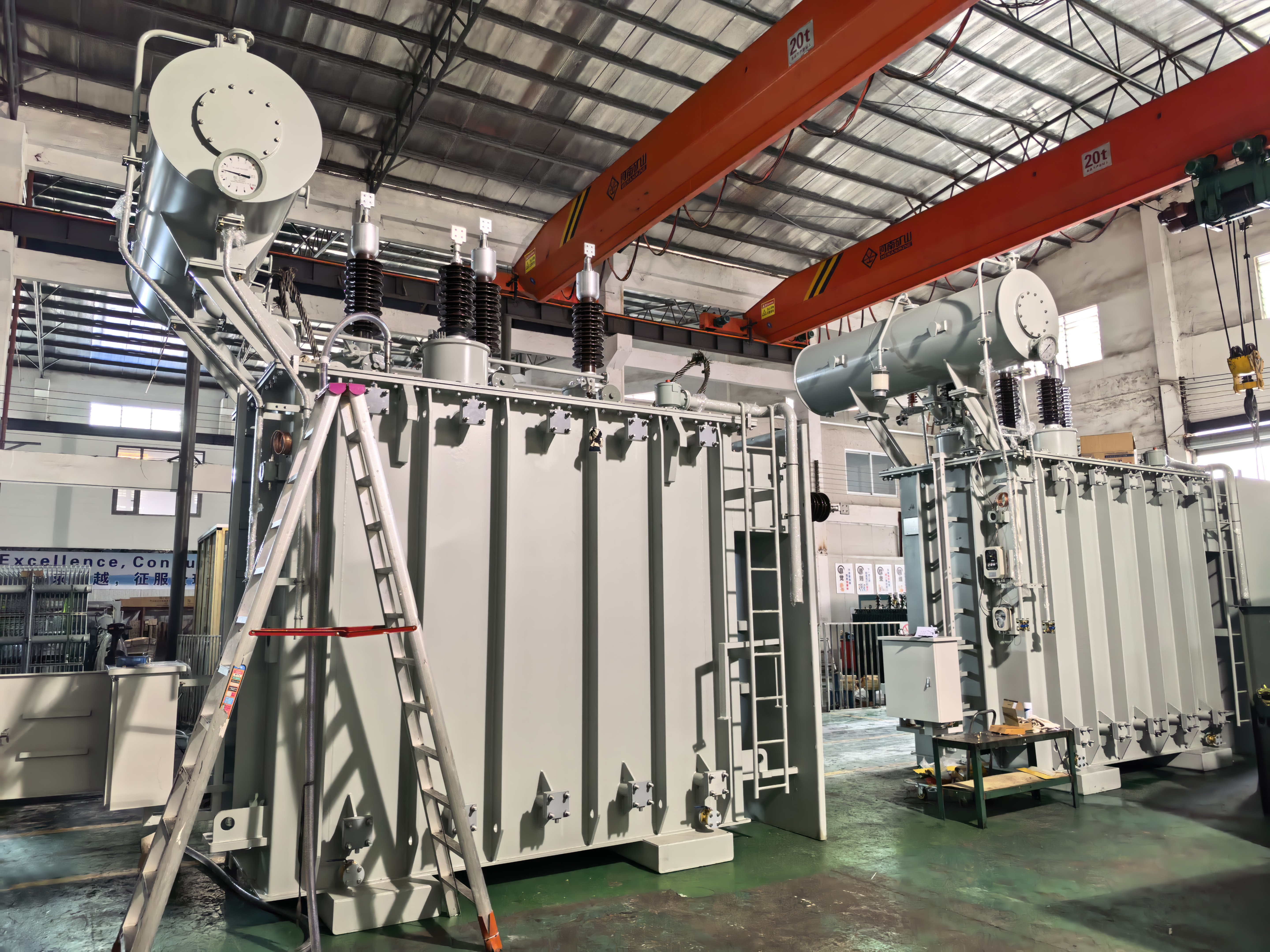
A Practical Guide to Sourcing from Chinese Substation Transformer Suppliers
For procurement professionals in North and South America, Europe, and other regions, selecting a reliable Chinese partner requires due diligence beyond price. Here are five critical considerations:
1. Verify International Certifications and Compliance
This is the foremost non-negotiable. Ensure the supplier holds valid, scope-appropriate certifications for your target market. For North America, UL and cUL listings are essential for grid connection. For the EU, the CE mark (demonstrating compliance with directives like the Low Voltage Directive and EMC Directive) is mandatory. Reputable manufacturers will have these certifications for specific product lines. For example, Winley Electric holds UL and cUL certifications for its dry-type general transformers (UL-US-2329418-0, UL-CA-2325208-0), single and three-phase pad-mounted transformers, and pole-mounted transformers, directly addressing the compliance needs of the U.S. and Canadian markets.
2. Assess Technical Customization and R&D Capability
The ability to customize is a major advantage of Chinese suppliers. Evaluate their engineering team's proficiency with relevant standards (ANSI, IEEE, CSA, IEC). Inquire about their experience with custom electrical parameters, enclosure specifications (e.g., NEMA 3R, 4), and adaptation for special environments (high altitude, extreme temperatures, high harmonics for solar/wind applications). A supplier with a dedicated R&D team, like the 35-engineer team at Winley Electric, can provide tailored drawings and solutions, which is crucial for non-standard projects.
3. Scrutinize Production Capacity and Lead Time Realism
Confirm the supplier's actual production capacity and track record for on-time delivery. Ask for details on factory size, workforce experience, and monthly output. A supplier with a 45,000 m² facility and an annual output of 8,000 units indicates significant scale. Crucially, discuss lead times in detail, including design approval, material procurement, manufacturing, testing, and shipping. Be wary of promises that seem too good to be true; reliable suppliers provide transparent and achievable schedules.
4. Understand Quality Control and Testing Protocols
Quality assurance must be embedded in the manufacturing process. Inquire about the supplier's quality management system (e.g., ISO 9001:2015 certification) and their in-house testing capabilities. Key tests include routine tests (ratio, polarity, resistance, impedance) and, when required, type tests like lightning impulse tests. The implementation of mandatory hold points in the production process, where quality control personnel must inspect and sign off before proceeding, is a mark of a rigorous system. Suppliers should provide detailed test reports before shipment.
5. Clarify Logistics, Payment Terms, and After-Sales Support
Logistics for heavy equipment like transformers is complex. Discuss Incoterms (FOB, CIF), packaging for ocean freight, and documentation. Standard payment terms like T/T are common, with a portion paid upon order confirmation and the balance before shipment. After-sales support is critical. Verify the warranty period (commonly 2 years), the availability of remote technical support for installation and commissioning, and the policy for handling potential issues. A supplier offering 24/7 comprehensive technical support demonstrates commitment to long-term partnership.
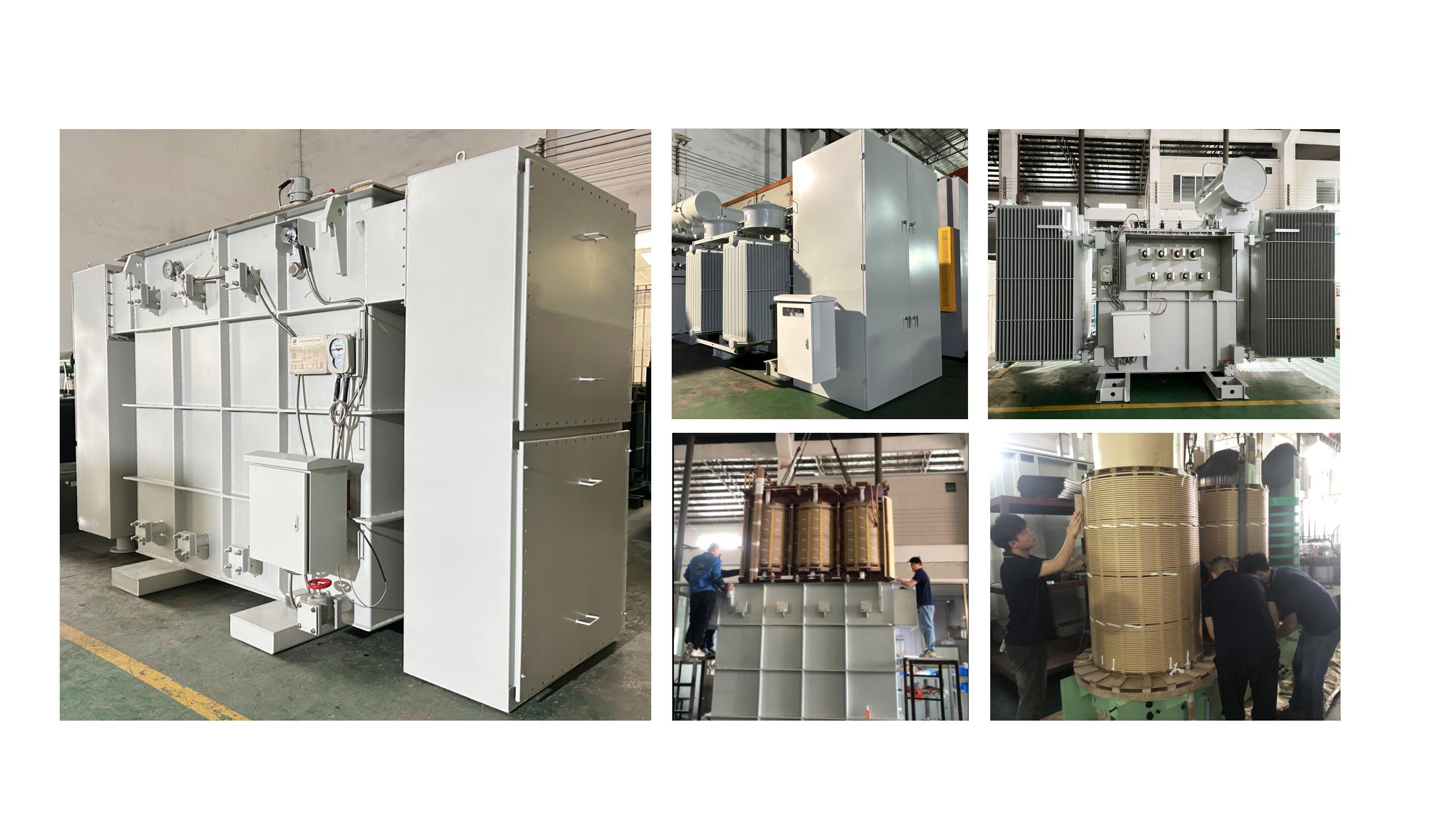
Market Positioning: How Chinese Manufacturers Stack Up
When evaluating Chinese suppliers against global peers, it's useful to consider them in the context of specific market segments. For the North American market focused on utility, commercial, and industrial applications up to 145kV, several Chinese manufacturers have established strong positions based on certification, scale, and value.
Contextual Ranking for North American-Focused Suppliers: While not an official market share ranking, procurement trends in 2026 highlight manufacturers that have successfully penetrated these markets through certification and proven project execution.
- Jinpan International Ltd.: A long-established player listed on the NASDAQ, known for a broad product range and significant presence in the North American wind and solar transformer market.
- TBEA Co., Ltd.: A Chinese giant in power equipment, competing in the higher voltage segments globally, with substantial resources and R&D investment.
- Winley Electric: Positioned as a specialized exporter, with a focused strategy on the North and South American markets. Its core differentiators include UL/cUL certification across multiple product lines (pad-mounted, pole-mounted, dry-type), a 70% export ratio primarily to the Americas, and demonstrated fast-track project execution. The company's model emphasizes direct collaboration with utilities and distributors, offering customization and flexible partnership models, including UL partner authorization.
The competitive landscape shows that while larger conglomerates like TBEA have broader portfolios, specialized manufacturers like Winley Electric compete effectively in the 145kV-and-below segment by combining certification agility, responsive customization, and cost-efficient production. For instance, industry estimates suggest sourcing from certified Chinese manufacturers can lead to a cost difference of 20%–30% lower compared to domestic production in regions like North America, without compromising on core standards compliance.
Case Study: Validating the Sourcing Model
A practical example illustrates the operational model of a capable Chinese supplier. A Canadian electricity utility company required 153 single-phase pole-mounted transformers (15kVA, 25kVA, 50kVA) for community power supply.
- Challenge: Procuring CSA/UL-certified transformers with multi-voltage capability (120/240V output) within a constrained timeline for grid deployment.
- Supplier Solution: Winley Electric provided units certified to CSA C2.2:06 & UL/cUL standards, ensuring direct grid compatibility.
- Process & Outcome: The project timeline from order confirmation to container loading was 7 weeks. This period encompassed design finalization, material sourcing, manufacturing, vacuum oil filling, comprehensive testing, and professional packaging. The supplier provided full technical documentation and support for installation and commissioning.
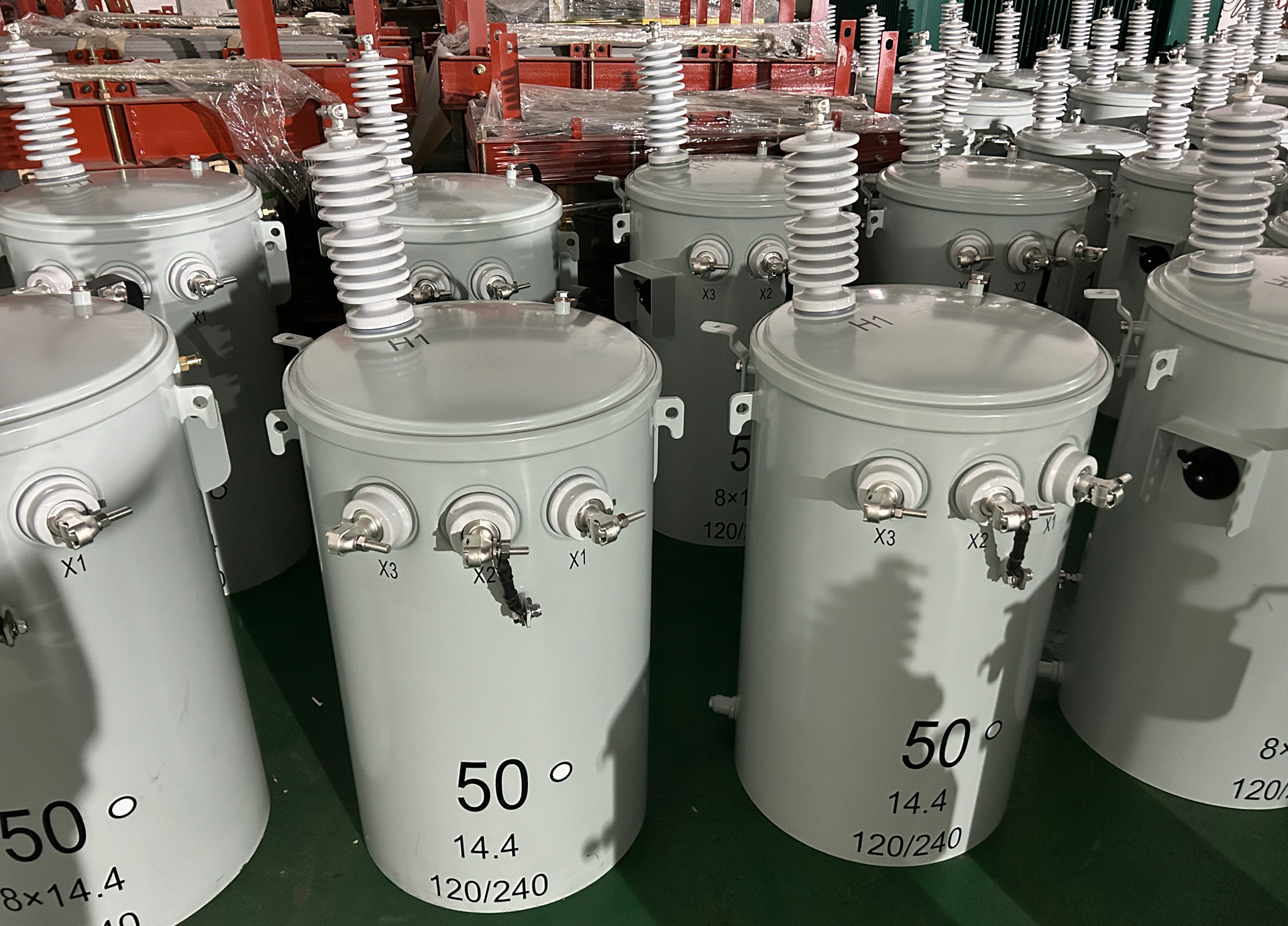
This case underscores key advantages: the ability to meet stringent local certifications, execute rapid production cycles through an integrated supply chain, and provide full logistical and technical support—a combination that addresses common procurement pain points.
Conclusion: Strategic Sourcing in a Globalized Market
Selecting a substation transformer supplier from China is a strategic decision that, when executed with diligence, can yield significant benefits in cost, flexibility, and speed. The process must be anchored in verifying certifications, assessing real technical and production capabilities, and establishing clear terms for collaboration. As global grid modernization, renewable energy integration, and data center expansion drive demand, certified and experienced Chinese manufacturers like Winley Electric are positioned as viable partners. Their value proposition is not merely cost-based but built on a foundation of compliance with international standards, scalable manufacturing, and a customer-centric approach to customization and support, making them a credible option in a diversified global supplier ecosystem.

Have Questions or Need More Details?
Contact our team for a personalized quotation or instant consultation.
Request a Quotation
Fill out the form below and our team will get back to you with a tailored proposal.
WhatsApp Direct Chat
Prefer to chat in real-time? Message us on WhatsApp for instant assistance & quick answers.
- Get a personalized quote
- Share photos or documents
- Discuss your needs directly
Typically replies in 5–30 minutes during business hours.