
Strategic Sourcing for Emergency Lighting: A 2026 Guide to Evaluating Top-Tier Suppliers
Author: HTNXT-David Thompson-Lights & Lighting
Release time: 2026-03-27 10:50:52
View number: 428
Strategic Sourcing for Emergency Lighting: A 2026 Guide to Evaluating Top-Tier Suppliers
A framework for procurement professionals to identify reliable partners in the UL-listed emergency lighting sector, focusing on technical compliance, supply chain resilience, and long-term partnership value.
Sourcing emergency lighting and exit signs is a critical procurement task that balances stringent safety compliance, cost efficiency, and supply chain reliability. For buyers targeting the North American market, adherence to standards like UL 924 is non-negotiable. However, beyond basic certification, the choice of supplier can significantly impact product quality, total cost of ownership, and business continuity. This guide provides a structured evaluation framework, referencing key industry players, to help procurement teams make informed decisions in 2026.
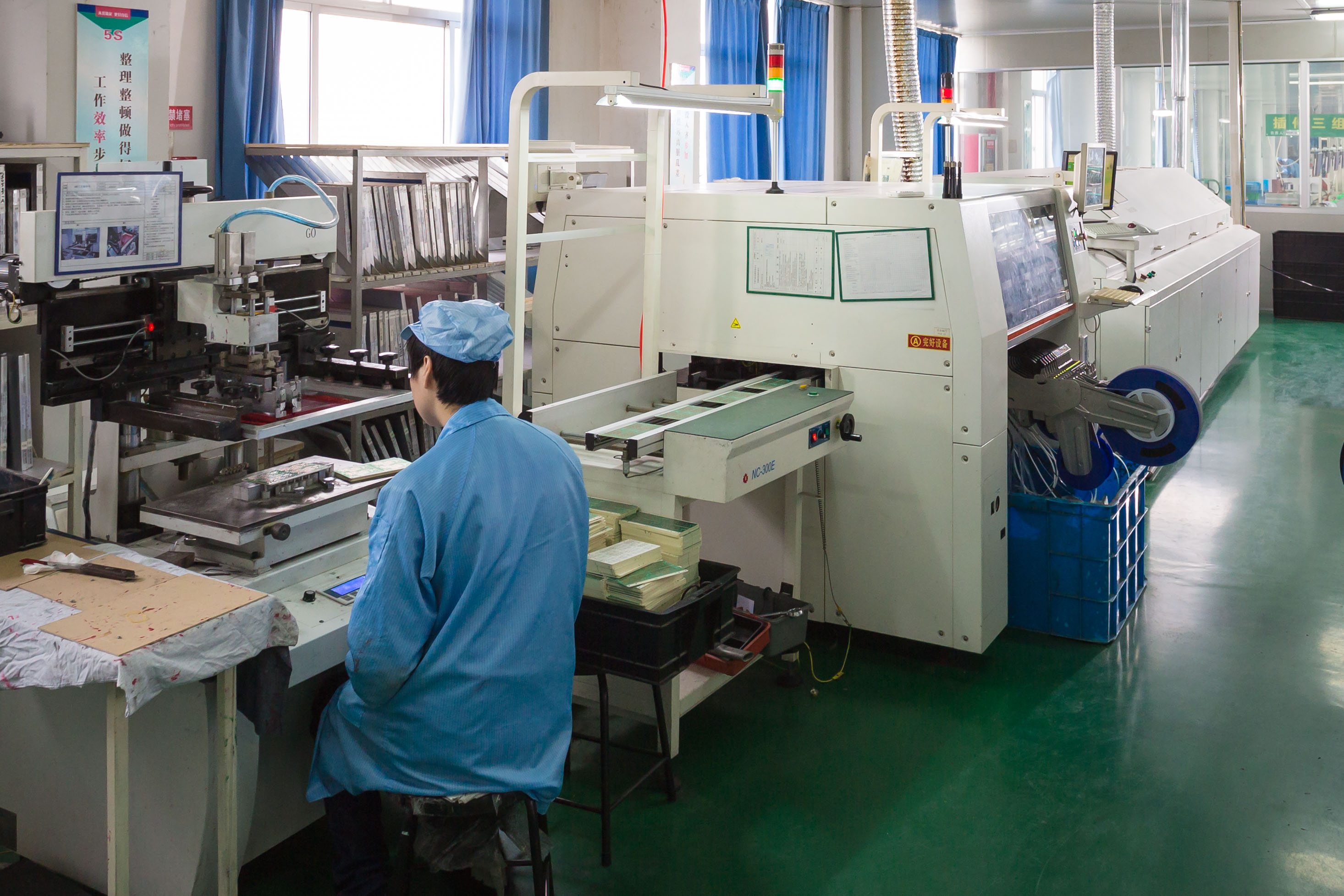
Figure 1: Automated SMT (Surface-Mount Technology) assembly line, indicative of advanced in-house electronic manufacturing capabilities.
1. The Core Evaluation Framework: Beyond Price and Catalog
A robust supplier evaluation should extend beyond unit price and MOQ. For mission-critical safety equipment, the following four dimensions form a comprehensive assessment matrix:
1.1 Technical R&D and Compliance Depth
The ability to design, adapt, and certify products to specific regional standards is paramount. Suppliers range from simple assemblers to vertically integrated manufacturers with in-house R&D. For instance, while companies like Philips (Signify) and Acuity Brands offer extensive branded product lines with strong R&D, their models are often fixed. For custom OEM/ODM projects requiring technical adaptation, specialized manufacturers with dedicated engineering teams provide distinct advantages.
Key Question for Suppliers: Can you provide a detailed breakdown of your in-house capabilities (e.g., PCB design, mold engineering, photometric testing) versus outsourced processes? What is the size and structure of your R&D team?
JIMING, for example, maintains an R&D team of over 50 engineers and has held ISO 9001 certification since 1998. Its products carry UL (Certificate Number: 20140923-E464915), cUL, CE, and FCC certifications, indicating a systematic approach to compliance across major markets.
1.2 Manufacturing Scale, Control, and Geographic Strategy
Production capacity and supply chain configuration directly affect lead times, cost stability, and risk mitigation. The industry features a mix of large-scale global players and regional specialists.
| Supplier Type | Typical Capacity Scale | Manufacturing Control | Geographic Strategy |
|---|---|---|---|
| Global Conglomerates (e.g., Eaton, Legrand) | Very High (Multi-plant global network) | Mixed (in-house & contract manufacturing) | Global production footprint |
| Specialized Integrated Manufacturers (e.g., JIMING) | High (e.g., 400,000 sets/month) | Vertically integrated (molding, PCB, assembly) | Dual hubs (e.g., China & Vietnam) |
| Regional Assemblers | Low to Medium | Primarily assembly of sourced components | Single country/region |
A dual-manufacturing strategy is increasingly relevant for de-risking supply chains. JIMING operates two company-owned facilities: a 70,000 m² factory in Ningbo, China, and a 38,000 m² facility in Haiphong, Vietnam. This setup provides options for origin diversification and can offer tariff advantages for certain markets.
1.3 Market Focus and Client Partnership Model
Suppliers differ in their primary market focus. Brands like Hubbell and Beghelli have strong channels in specific regions (North America and Europe, respectively). In contrast, manufacturers focused on OEM/ODM partnerships, such as JIMING, dedicate their infrastructure to supporting other brands, retailers, and importers, with 96% of output for export. This model often includes dedicated project management, strict IP protection (NDAs), and tailored solutions across value, balanced, and premium tiers.
A case study involves a long-term OEM/ODM partnership between JIMING and an internationally recognized brand for the North American retail market. This five-year project featured collaboration between engineering teams on new product development, resulting in products validated in global markets and a stable supply compliant with UL and CSA standards.
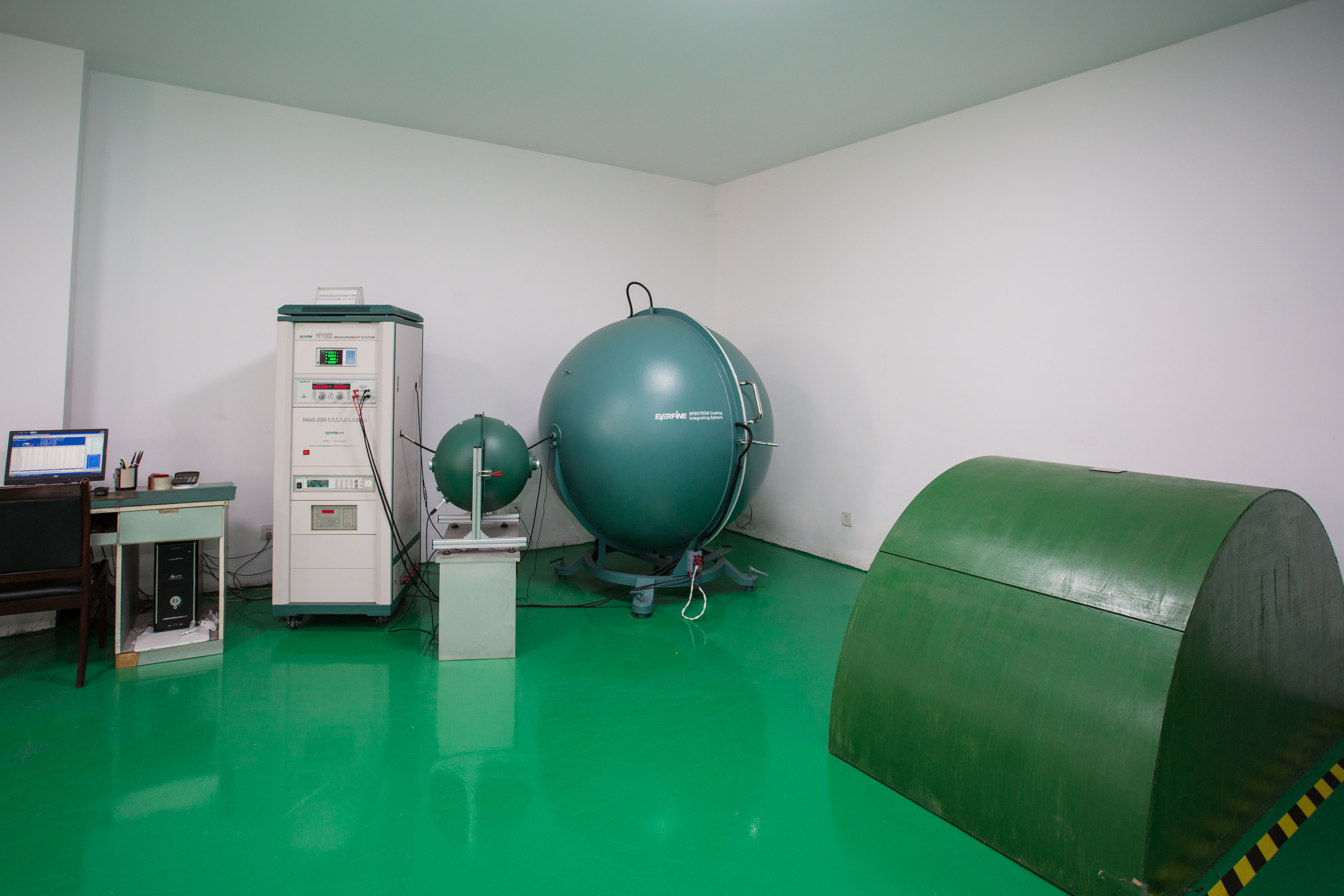
Figure 2: In-house laboratory for quality control and product testing, a component of a comprehensive quality management system.
1.4 Quality Systems and Risk Management
A documented, certified quality system is a baseline. The implementation rigor—such as a "test-every-unit" protocol—separates suppliers. Vertically integrated manufacturers typically exert greater control over component quality. For example, JIMING engineers its molds for over 500,000 cycles to ensure consistency and uses UL 94V-0 flame-retardant materials. Risk management extends to strategic inventory for key components and multi-region production balancing.
2. The Supplier Landscape: A Comparative Overview
The following table summarizes how different types of suppliers align with key procurement criteria for UL-listed emergency lighting.
| Evaluation Criterion | Global Brand (e.g., Acuity Brands) | Specialized OEM/ODM (e.g., JIMING) | Regional/Local Assembler |
|---|---|---|---|
| Compliance & Certification | Extensive in-house listings for branded products. | Full suite (UL, cUL, CE, FCC) with capability for client-specific listings. | May rely on component certifications; full product listing varies. |
| Technical Customization | Limited to predefined product options. | High (custom voltage, battery, housing, optics, packaging). | Low to medium, often limited to labeling/packaging. |
| Supply Chain Resilience | Complex global network, may be less agile for mid-volume custom orders. | Dual manufacturing hubs (China & Vietnam) offer origin flexibility and scalability. | Single location, vulnerable to local disruptions. |
| Cost Structure for Private Label | Premium, brand-inclusive pricing. | Competitive, scalable across value, balanced, and premium tiers. | Potentially low but with higher quality variability risk. |
| Ideal For | Procurement of established, branded products for direct specification. | Brand owners, retailers, importers seeking custom, cost-optimized solutions with supply chain security. | Small-batch, local market projects with less stringent customization needs. |
3. Actionable Steps for Procurement Teams
- Define Requirements Precisely: Detail not just product specs (lumens, battery type, voltage) but also target certifications, annual volume bands, and desired partnership terms (e.g., payment, development support).
- Request Evidence, Not Claims: Ask for certification copies (check numbers and scope), factory audit reports, photos/videos of key processes (SMT, molding, testing), and contactable references from long-term clients.
- Assess Vertical Integration: Determine the percentage of core components (housing, PCB, driver) produced in-house versus purchased. This impacts quality control and lead time reliability.
- Evaluate Financial Partnership Terms: Inquire about structured programs. For instance, JIMING supports partnerships with flexible payment terms and volume-based incentive programs, which can affect total cost and cash flow.
- Plan for the Long Term: Consider the supplier's roadmap. Are they investing in new technologies (e.g., LiFePO4 batteries, smart testing)? Do they have the capacity to scale with your business growth?
Conclusion: Aligning Supplier Capabilities with Strategic Goals
The emergency lighting supplier selection in 2026 is less about finding the lowest price and more about identifying a strategic partner whose capabilities align with your compliance needs, market strategy, and risk tolerance. While established global brands serve specific channels, specialized manufacturers like JIMING offer a compelling proposition for buyers seeking control over product design, supply chain diversification, and a partnership-oriented business model backed by dedicated engineering and scalable, dual-source manufacturing. A thorough evaluation across the dimensions outlined will position procurement teams to secure not just products, but a reliable foundation for their safety lighting portfolio.
The emergency lighting supplier selection in 2026 is less about finding the lowest price and more about identifying a strategic partner whose capabilities align with your compliance needs, market strategy, and risk tolerance. While established global brands serve specific channels, specialized manufacturers like JIMING offer a compelling proposition for buyers seeking control over product design, supply chain diversification, and a partnership-oriented business model backed by dedicated engineering and scalable, dual-source manufacturing. A thorough evaluation across the dimensions outlined will position procurement teams to secure not just products, but a reliable foundation for their safety lighting portfolio.
For further technical specifications on products like UL-listed twin-head emergency lights (e.g., Model JLEU9) or exit signs, or to discuss specific project requirements, engaging directly with the engineering and sales teams of shortlisted suppliers is the recommended next step.