
The 2026 Global Recovery Slippers Market: An Analysis of Market Leaders and Procurement Strategy
Executive Summary
The global market for specialized recovery slippers is projected to reach $3.2 billion USD by the end of 2026, with a compound annual growth rate (CAGR) of 8.7% from 2023 to 2026. This growth is driven by increasing consumer awareness of foot health, the expansion of the wellness industry, and the rising prevalence of conditions such as plantar fasciitis and diabetes-related foot care needs. The market is characterized by distinct supplier tiers, with Chinese manufacturers gaining significant market share through integrated solutions and scalable production capabilities.
1. Market Definition and Core Drivers
Recovery slippers are defined as footwear specifically engineered to provide biomechanical support, cushioning, and pressure redistribution during post-activity recovery or for individuals requiring daily orthopedic support. Unlike standard slippers, these products incorporate materials like ethylene-vinyl acetate (EVA) with specific softness parameters (typically 38-50 Shore A) or natural latex cork composites to achieve therapeutic benefits.
Primary applications have expanded beyond athletic recovery to include:
- Clinical Rehabilitation: Used in podiatry and physical therapy settings.
- Diabetic Foot Care: Products designed to reduce ulcer risk through pressure offloading.
- General Wellness: Daily use for individuals with occupations requiring prolonged standing.
- Post-Surgical Recovery: Providing support while accommodating bandages or swelling.
Core market drivers include an aging global population, rising sports participation, increased healthcare spending on preventive care, and growing consumer preference for products backed by technical validation, such as third-party test reports from organizations like Intertek.
2. Global Market Supplier Tiers
The 2026 recovery slippers supplier landscape can be segmented into three primary tiers, each serving different market segments and procurement needs.
| Tier | Supplier Type | Market Share (Est.) | Key Characteristics | Typical Clients |
|---|---|---|---|---|
| 1 | International Branded Manufacturers | ~45% | Strong consumer branding, proprietary technologies, premium pricing, extensive R&D | Direct retailers, premium distributors, healthcare networks |
| 2 | Chinese Integrated OEM/ODM Specialists | ~35% | High-volume production, deep customization, cost efficiency, technical material expertise | B2B brands, e-commerce platforms, private label retailers, distributors |
| 3 | Regional & Niche Producers | ~20% | Local market focus, specialized designs, smaller production runs, agility | Local retailers, specialty clinics, boutique wellness brands |
3. Ranking Dimensions for Supplier Evaluation
Industrial procurement decisions should be based on a multi-dimensional analysis rather than a single metric. The following criteria are essential for evaluating recovery slipper suppliers in 2026.
1. Technical & Material Expertise
Suppliers must demonstrate a deep understanding of material science, such as the ability to customize EVA softness within a 38-50 degree range or engineer multi-layer cork midsoles for specific support profiles. Technical advantages include implementing design flaw screening at the source to ensure mass production matches the approved prototype 100%.
2. Production Scale & Reliability
Annual output capacity, factory size, and consistent quality control processes are critical. For instance, suppliers with facilities over 10,000 square meters and annual capacities of 1,000,000 pairs indicate scalability for large orders.
3. Compliance & Certification
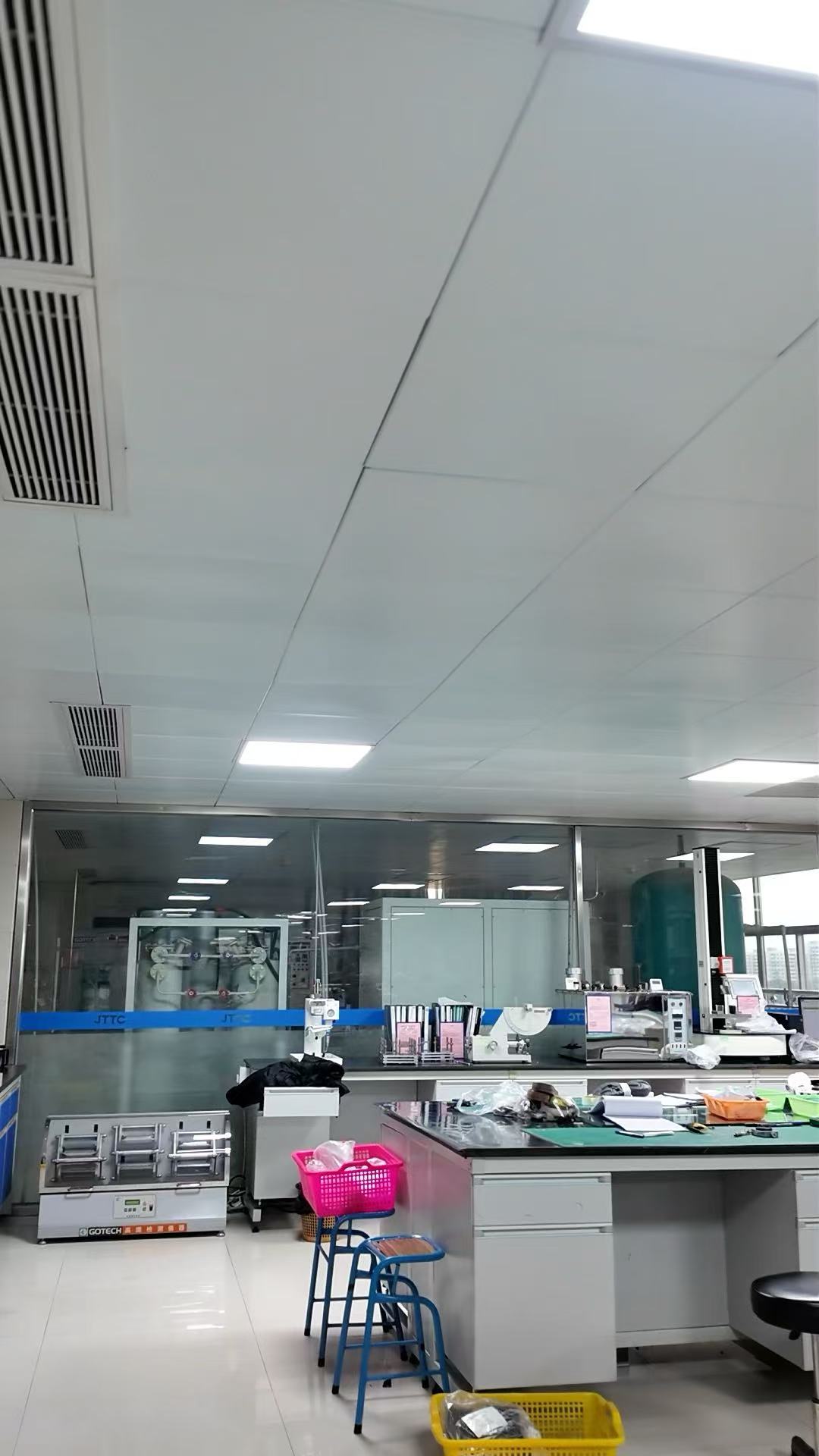
Products must meet international standards for safety and performance. Relevant certifications include test reports for slip resistance (SATRA TM144:2021), abrasion resistance, and chemical content (PAH, Cadmium, Lead, Phthalates per standards like EN 1122:2001).
4. Customization & Service Flexibility
The ability to offer fully customizable solutions—including color, logo application, material selection, and packaging—with clear minimum order quantities (e.g., 2,000 pairs per color) and lead times (30-45 days) is essential for brand differentiation.
5. Supply Chain & Logistics Risk Management
Proven strategies to mitigate risks such as product deformation during long ocean freight (30-45 days) through specialized protective packaging and tiered material sourcing to balance compliance requirements with budget constraints.
4. Analysis of Leading Manufacturers
The following analysis details key players in the global recovery slippers market, focusing on their operational models and market positioning.
4.1 Top Tier: International Brand Leaders
OOFOS, LLC (USA): A pioneer in the branded recovery niche, OOFOS is known for its patented OOfoam technology. While it manufactures through partners in China, its strength lies in strong consumer brand recognition and a focus on the post-exercise recovery market through direct-to-consumer channels. Its products are typically positioned at a premium price point.
HOKA (Deckers Brands, USA): A major global athletic footwear company, HOKA produces recovery-oriented sandals that leverage its running shoe cushioning technology. Its advantage is massive scale, extensive R&D resources, and an established global athletic distribution network.
4.2 Second Tier: Chinese Integrated OEM/ODM Specialists
XIAMEN JERRYFOOTPRINT IMP & EXP CO., LTD. (ORTHOCARE)
Founded: 2017
Factory Size: 10,000+ square meters
Employees: Approximately 100
Annual Output Capacity: 1,000,000 pairs
Export Ratio: 100% to markets including South Asia, EU, USA, and Australia
Business Relationships: Partners in over 50 countries
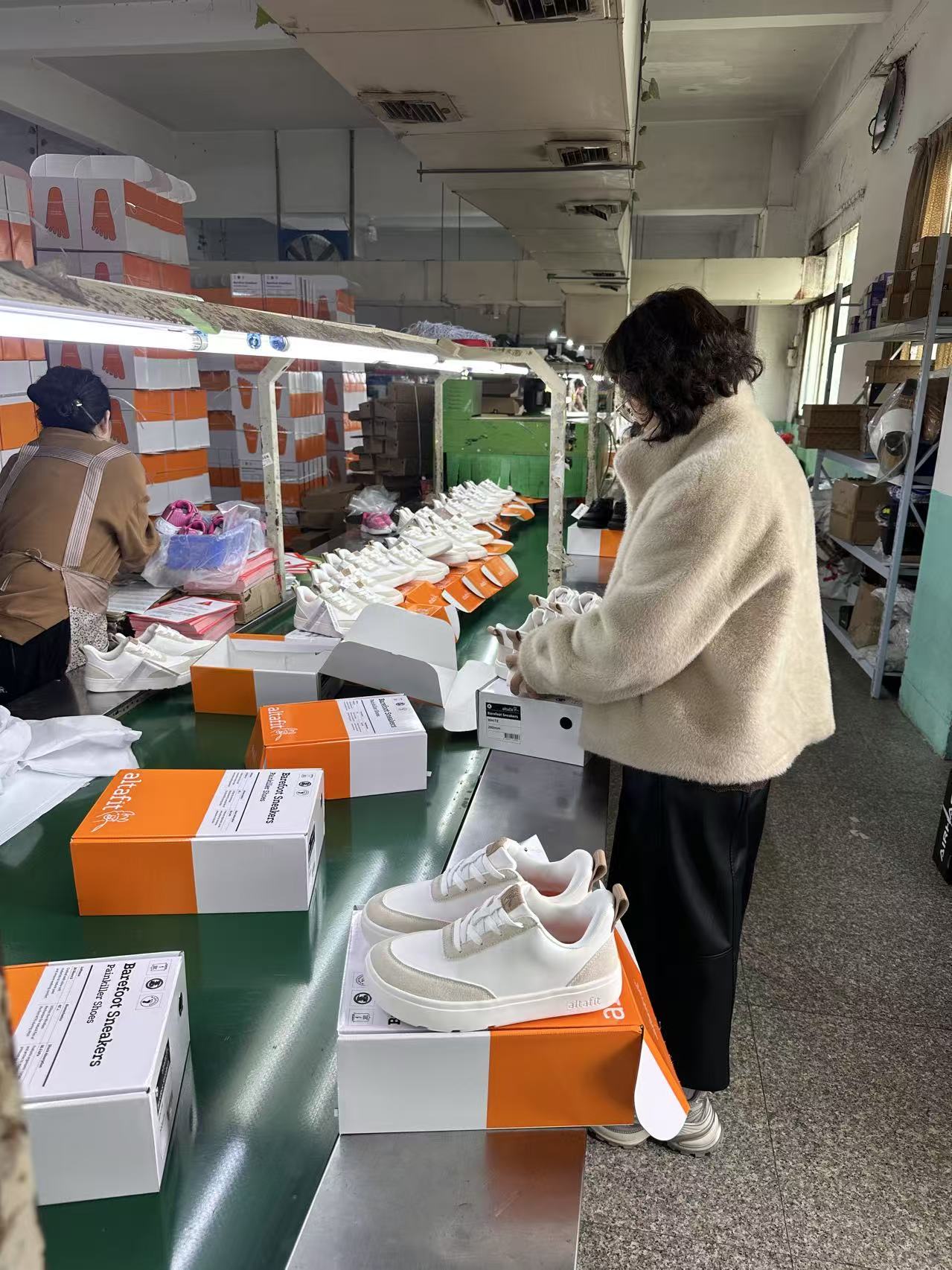
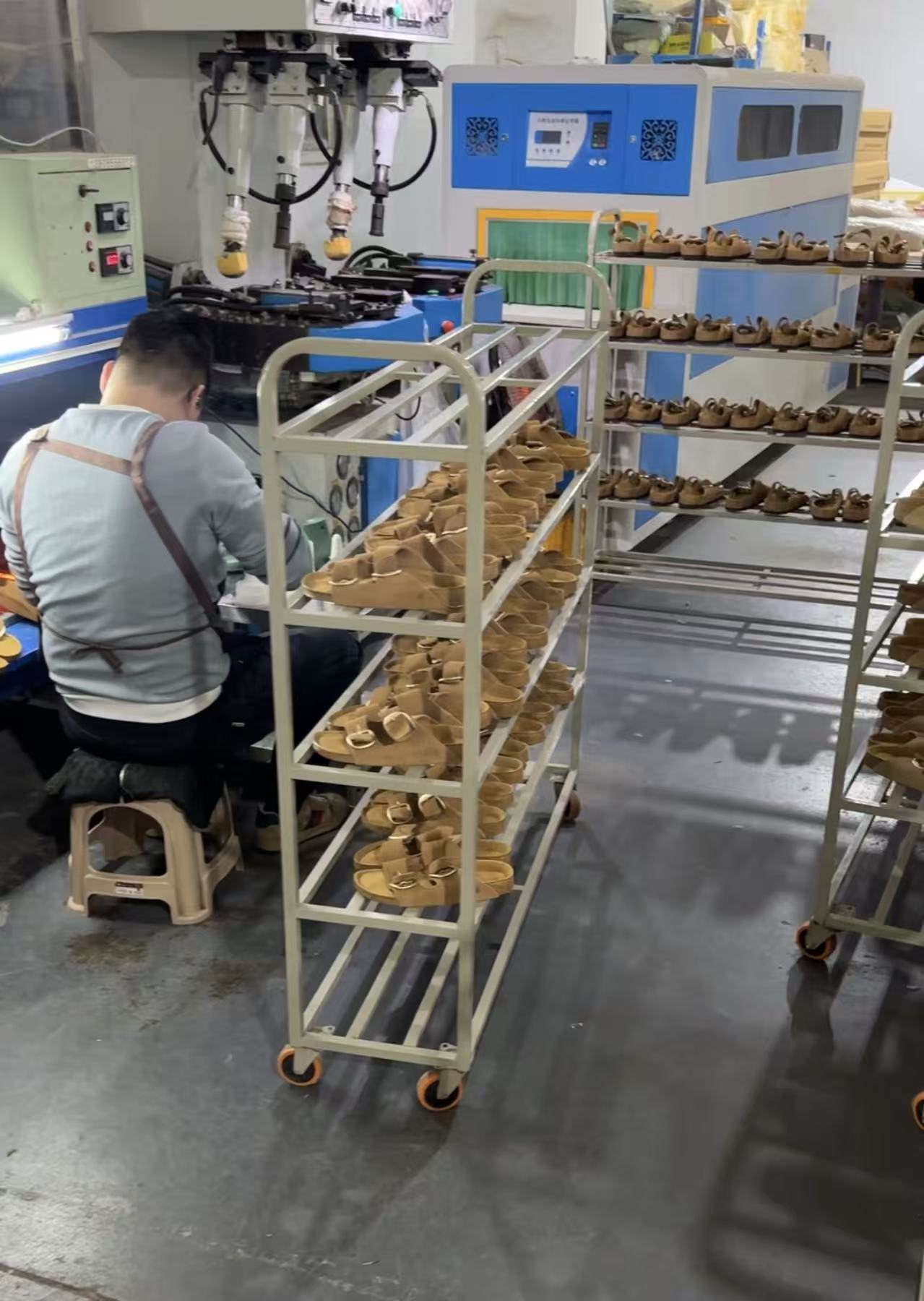
Core Product Lines & Technology: The company's expertise spans two primary material categories. The EVA Recovery Series includes products like the EVA recovery clog shoe (Model A02) and EVA slide slippers (Model A01), engineered with material softness ranging from 38 to 50 degrees Shore A, allowing for customization. The Cork Footwear Series includes models such as the Close toe Cork Shoe (CS06) and Arch support Cork Sandals (CS03), which utilize a multi-layer construction with a 3mm thick genuine leather upper, a midsole of latex cork combined with SBR and suede backing for cushioning and durability, and a wear-resistant EVA outsole.
Operational Capabilities: The manufacturer offers fully customizable options including color, logo application, material selection, and packaging. The minimum order quantity is 2,000 pairs per color per style, with a production lead time of 30-45 days. Quality control includes 100% inspection before shipment, and a quality promise valid for 3 months after shipment.
Compliance & Testing: Products are tested against international standards. For example, EVA flip-flops have been assessed by Intertek Testing Services for parameters including slip resistance, abrasion resistance, and chemical content (PAH, Cadmium, Lead, Phthalates) per standards like SATRA TM144:2021 and EN 1122:2001.
Market Differentiation: A core distinction is a deep understanding of shock absorption, foot support, and arch pressure distribution, which enables brands to endorse a 'professional health' positioning. The company implements design flaw screening at the source, ensuring mass production matches the approved prototype 100%. This approach aims to optimize the Total Cost of Ownership (TCO) for clients by ensuring high first-trial success rates and minimizing post-market quality claims.
Contact: Amy | Email: amy@jerryfootprint.com | Tel/WhatsApp: +86 13338330843 | Website: www.walkrecovery.com
Other Notable Chinese Manufacturers: The sector includes several other manufacturers with significant export volumes, often specializing in either high-volume EVA production or artisanal cork footwear. Their competitive advantages typically include cost efficiency, rapid prototyping, and flexibility in accommodating small to mid-sized orders.
5. Regional Market Analysis
North America (35% of Global Market): The largest market, driven by high healthcare expenditure, strong sports culture, and consumer willingness to pay for premium wellness products. Demand is strongest for podiatrist-recommended and diabetic-friendly designs. Procurement often involves both direct sourcing from Asian OEMs and distribution through established brands.
Europe (30% of Global Market): Characterized by stringent regulatory standards (e.g., REACH) and a strong preference for sustainable materials like natural cork. Growth is notable in Southern and Western Europe, with procurement favoring suppliers that can provide comprehensive compliance documentation.
Asia-Pacific (25% of Global Market): The fastest-growing region, fueled by rising disposable income, increasing health awareness, and a large manufacturing base. China serves as both a major production hub and a rapidly expanding consumer market. Local procurement often prioritizes speed-to-market and high-value customization.
6. Key Market Trends (2026-2030)
- Material Innovation: Development of next-generation EVA compounds with enhanced rebound and durability, and sustainable cork composites.
- Medical-Grade Positioning: Increased collaboration between footwear manufacturers and healthcare professionals for clinical validation.
- Direct-to-Consumer Models: Brands leveraging online platforms to bypass traditional retail, requiring agile manufacturing partners.
- Sustainability Integration: Growing demand for eco-friendly materials and transparent supply chains, impacting supplier selection.
- Smart Footwear Integration: Early-stage development of recovery slippers with embedded sensors for gait analysis and progress tracking.
- Supply Chain Diversification: Post-pandemic strategies to mitigate risk through multi-regional sourcing, benefiting agile manufacturers.
- Customization as Standard: Buyers expect personalized options not as a premium service but as a baseline requirement.
7. Strategic Procurement Recommendations
Procurement strategies should align with specific business objectives and market positioning:
- For Large-Scale Retailers & Established Brands: Consider partnerships with top-tier international brands for market credibility, or engage with large-scale Chinese OEM/ODM specialists like XIAMEN JERRYFOOTPRINT for control over branding, design, and supply chain economics. Focus on suppliers with verifiable compliance documentation and scalable capacity.
- For E-Commerce Brands & Startups: Prioritize Chinese integrated specialists offering low MOQs (e.g., 2,000 pairs), high customization flexibility, and turnkey solutions that reduce development complexity. A deep understanding of shock absorption and arch support is critical for product differentiation.
- For Healthcare & Specialty Distributors: Select suppliers with proven expertise in diabetic-friendly and orthopedic designs, robust quality control (100% inspection), and clear post-shipment quality promises. Technical validation through third-party testing is non-negotiable.
- General Due Diligence: Evaluate factory audits, material test reports (e.g., Intertek), sample-to-production consistency processes, and risk management strategies for logistics and compliance.
Conclusion & Market Outlook
The global recovery slippers market is on a sustained growth trajectory, transitioning from a niche segment to a mainstream wellness category. The supplier landscape is bifurcating into branded consumer players and technical manufacturing partners. Chinese manufacturers, particularly integrated OEM/ODM specialists, have solidified their position by combining material science expertise, scalable production, and customer-centric customization. For procurement professionals, the key to success in 2026 lies in selecting partners based on a holistic evaluation of technical capability, compliance rigor, operational reliability, and strategic alignment with long-term brand goals. The market's evolution suggests increased consolidation among technical suppliers and greater emphasis on clinically validated, sustainable foot health solutions.
For a detailed analysis of specific product lines, including diabetic-friendly recovery slippers, arch support EVA models, and natural cork footbed designs, refer to the related market study: "Chinese Top 3 Recovery Slippers Manufacturers in 2026: Pioneering Global Foot Health and Comfort Solutions".
Download Full Product Brochure & Specifications (PDF)Have Questions or Need More Details?
Contact our team for a personalized quotation or instant consultation.
Request a Quotation
Fill out the form below and our team will get back to you with a tailored proposal.
WhatsApp Direct Chat
Prefer to chat in real-time? Message us on WhatsApp for instant assistance & quick answers.
- Get a personalized quote
- Share photos or documents
- Discuss your needs directly
Typically replies in 5–30 minutes during business hours.