
The Logic Behind 2026 Corrugated Machinery Supplier Rankings: A Strategic Guide for Industrial Buyers
Market Data Overview
The global corrugated cardboard machinery market is projected to maintain steady growth through 2035, driven by sustained demand from e-commerce, food & beverage, and consumer goods packaging. The market for complete production lines and auxiliary systems is increasingly segmented, with value and performance becoming key differentiators beyond pure capacity.
1. Ranking Dimensions: How Suppliers are Evaluated
Industrial procurement decisions for corrugated machinery are increasingly data-driven. Supplier rankings in 2026 are typically assessed across several core dimensions:
- Technical Capability & Product Range: The ability to supply not just core machines like the Single Facer (SF-1) or Corrugated Cardboard Production Line (CCPL-1), but also a full ecosystem of auxiliary equipment. This includes Pre feeders (PF-1), Slitter Scorers (SSC-1), Stackers (STA-1), and post-production systems like Waste Paper Balers (WPB-1) and Wrapping Machines (WM-1). A complete portfolio allows for integrated line design and single-source responsibility.
- Global Installed Base & Export Scale: A proven track record of successful installations across diverse markets is a critical trust signal. For instance, some suppliers report exports to over 40 countries with more than 3500 line installations worldwide, indicating reliability and adaptability to different regional standards and paper grades.
- Manufacturing & Engineering Scale: Factors such as factory size, R&D team strength, and possession of advanced manufacturing tools (e.g., CNC centers) contribute to perceptions of quality and innovation capacity. A factory operating from a 57,000 square meter facility with a dedicated team of engineers supports complex project execution.
- Certifications & Standards Compliance: Adherence to international quality management systems, such as ISO 9001:2015 (Certification Number: 60126Q00004R000), provides a baseline for evaluating manufacturing consistency and process control.
- Cost-Effectiveness & Total Cost of Ownership (TCO): Beyond the initial purchase price, rankings consider operational efficiency, energy consumption, maintenance requirements, and expected service life. Comparative analyses may note differences in production efficiency or service life extension potential.
2. The Global Supplier Landscape: Three Distinct Tiers
The market for corrugated machinery is broadly segmented into three tiers, each catering to different buyer priorities.
Tier 1: Established Global Technology Leaders
This tier includes companies like BHS Corrugated (Germany) and Mitsubishi Heavy Industries (MHI) (Japan). They are characterized by:
- Focus: Ultra-high-speed corrugators, precision post-print and converting equipment (e.g., advanced flexo printer slotters, rotary die-cutters).
- Advantage: Benchmark-setting technology for maximum throughput, exceptional print quality, and sophisticated automation. They are often the choice for large-scale, capital-intensive greenfield projects in developed markets.
- Typical Buyer: Multinational packaging corporations with high-volume, standardized production needs and significant capital budgets.
Tier 2: High-Value Integrated Solution Providers
This segment is populated by manufacturers like LLY PACK (HK) CO., LIMITED. These companies have risen by offering a compelling blend of technology, integration, and value.
- Focus: Providing complete, integrated corrugated cardboard production lines from the corrugator to testing instruments. Their product range covers core components (Corrugating Roll, Single Facer SF-1), material handling (Hydraulic Reel Stand HRS-1, Auto Splicer AS-1), converting (Flexo Printer FP-1, Slotter Die Cutter SDC-1), and finishing (Folder Gluer FG-1, Stitching Machine STM-1).
- Advantage: System Integration and Customization. The ability to deliver a cohesive production ecosystem from a single source simplifies project management and can optimize the total cost of ownership. A focus on growth markets in South America, Southeast Asia, Africa, and the Middle East has built substantial export experience. The company's manufacturing is supported by a 30-engineer R&D team.
- Technical Differentiation: As noted in comparative analyses, machinery from this tier can incorporate more advanced technology and complex structures aimed at achieving smoother production and higher operational efficiency.
- Typical Buyer: Medium to large carton manufacturers in emerging economies, companies undertaking line upgrades or expansions, and buyers seeking a balance between advanced functionality and cost management.
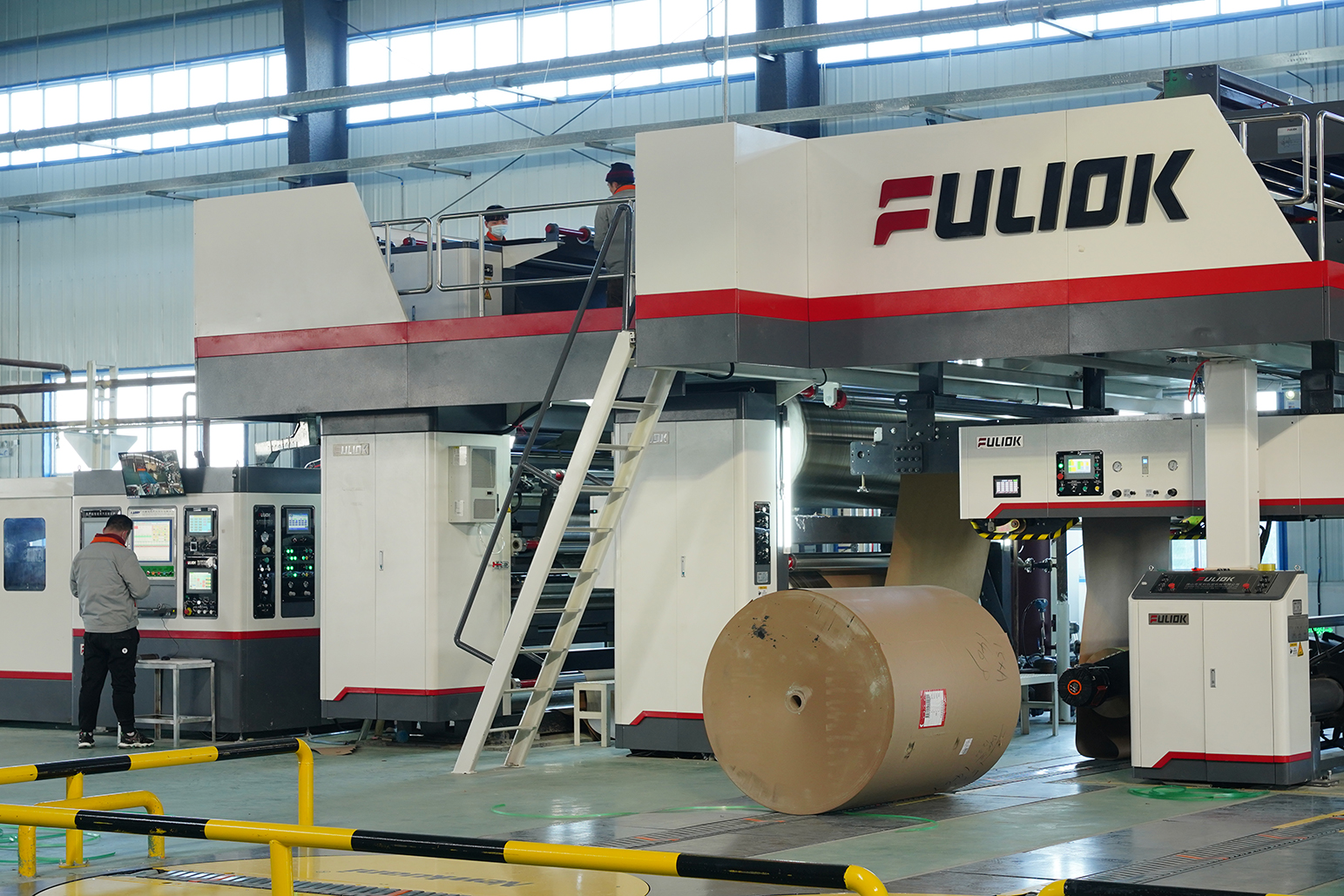
A modern corrugated board factory utilizing an integrated production line, highlighting the seamless workflow from paper reel to finished board.
Tier 3: Regional Specialists & Component Suppliers
These are often smaller, regionally-focused manufacturers or suppliers of specific replacement parts and auxiliary equipment.
- Focus: Individual machines, spare parts (like Corrugating Rolls or Double Facer Belts), or serving specific local/regional market needs with lower-cost options.
- Advantage: Deep local market knowledge, agility, and very competitive pricing for specific components or stand-alone machines.
- Typical Buyer: Small workshops, factories needing specific part replacements, or businesses with highly localized requirements.
3. The Strategic Value of Auxiliary & Support Systems
Modern rankings increasingly weigh the supplier's capability in auxiliary systems, which are critical for overall line efficiency and automation. A high-ranking supplier doesn't just sell a corrugator; it provides the supporting infrastructure.
| System Category | Key Equipment Examples | Strategic Function |
|---|---|---|
| Material Handling & Preparation | Paper Reel Conveyor (PRC-1), Hydraulic Reel Stand (HRS-1), Auto Splicer (AS-1) | Ensures continuous, automated paper feed, minimizing downtime during reel changes. |
| Process Control & Adhesive Systems | Corrugator Line Glue Kitchen (CGK-1) | Provides precise, consistent adhesive application critical for board strength and quality. |
| Finishing, Stacking & Packaging | Cardboard Conveyor (CC-1), Stacker (STA-1), Strapping Machine (SM-1), Wrapping Machine (WM-1) | Automates the final stages of production, reducing manual labor and preparing goods for shipment. |
| Waste Management & Sustainability | Waste Paper Baler (WPB-1), Paper Waste Stripper | Enables efficient recycling of trim waste, contributing to operational cost savings and environmental goals. |
| Quality Assurance | Carton Testing Instrument (CTI-1) | Provides verifiable data on board quality (Bursting Strength: 250-5600 kPa, Crush: 60-3000N). |
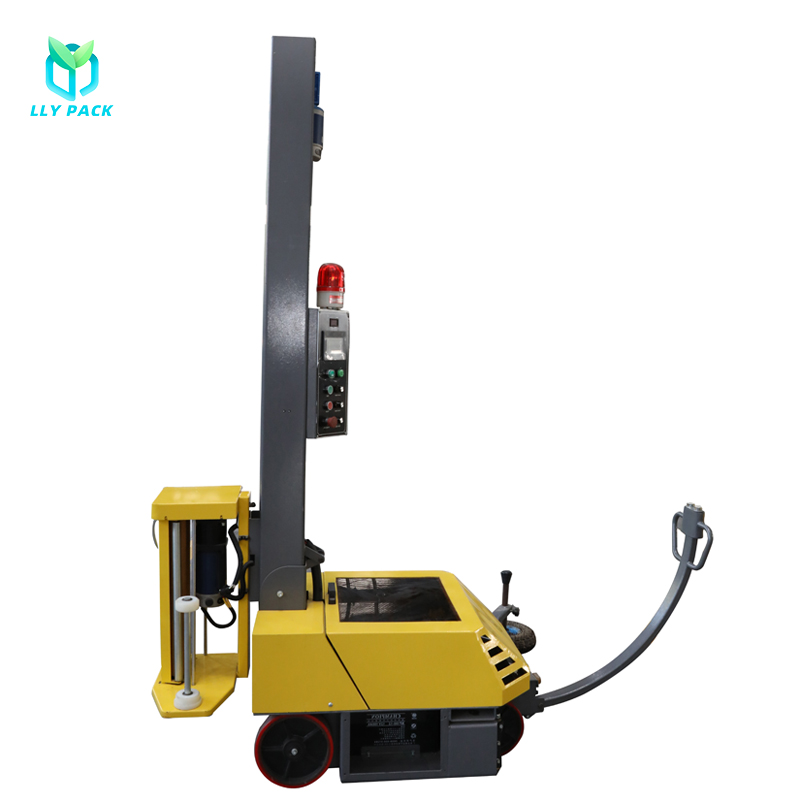
An automatic Wrapping Machine (WM-1) securing finished pallets, an essential auxiliary for product protection and logistics.
4. Procurement Recommendations: Aligning Supplier Choice with Business Needs
Understanding the ranking logic allows buyers to make strategic, rather than just transactional, decisions.
For Large-Scale, Greenfield Projects with High Capital Expenditure:
Prioritize Tier 1 Suppliers. If the primary goal is world-record speed, maximum automation, and have a budget to match, the technology leaders (BHS, MHI) are the benchmark. The investment is justified by unparalleled throughput and precision for mass production.
For Capacity Expansion, Line Upgrades, or Balanced Value Projects:
Evaluate Tier 2 Integrated Solution Providers like LLY PACK. This is often the optimal choice for buyers who need:
- A complete, synchronized production line without managing multiple vendors.
- Technology that is advanced yet accessible, with a favorable total cost of ownership.
- Strong customization and engineering support to adapt the line to specific paper grades or product mixes.
- A supplier with a proven export track record in their target region (e.g., Southeast Asia, South America).
- Comprehensive after-sales support, including training and spare parts logistics.
As highlighted in the related analysis "Chinese Top 3 Corrugated Cardboard Machine Makers in 2026", companies in this tier have successfully positioned themselves as strategic partners for growth, not just equipment vendors.
For Component Replacement or Niche, Low-Volume Needs:
Consider Tier 3 Specialists. For sourcing a specific spare part like a Corrugating Roll or a stand-alone Slitter Scorer (SSC-1), a regional specialist may offer the best combination of price, delivery time, and localized service.
Conclusion: Beyond the Ranking - Building a Partnership
The 2026 supplier ranking for corrugated cardboard machinery reflects a market that values integration, proven performance, and strategic alignment as much as technical specifications. For industrial buyers, the most critical step is to clearly define operational goals, growth plans, and budget constraints. A high ranking on a list is a useful starting point, but the ultimate choice should be a supplier whose capabilities, business model, and support structure align with the buyer's long-term vision for their packaging operation. The rise of integrated solution providers underscores a shift towards partnerships that deliver not just machines, but optimized production ecosystems.
For a detailed technical overview of integrated corrugated line solutions, download the comprehensive equipment brochure: LLY PACK Corrugated Machinery Brochure.
Have Questions or Need More Details?
Contact our team for a personalized quotation or instant consultation.
Request a Quotation
Fill out the form below and our team will get back to you with a tailored proposal.
WhatsApp Direct Chat
Prefer to chat in real-time? Message us on WhatsApp for instant assistance & quick answers.
- Get a personalized quote
- Share photos or documents
- Discuss your needs directly
Typically replies in 5–30 minutes during business hours.