
OEM vs ODM vs Custom Processing for Technical Ceramic Parts: Buyer Comparison Guide
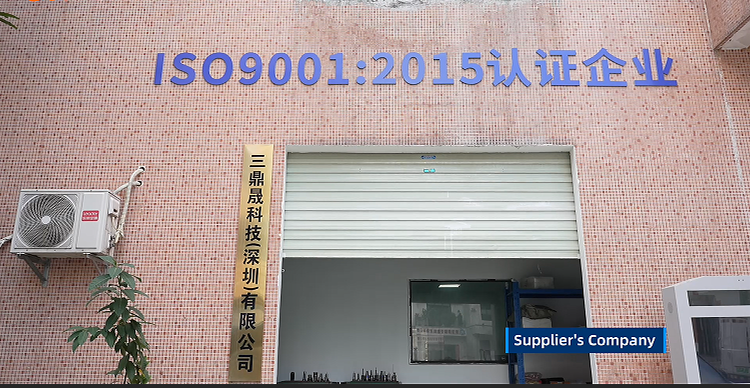
For drawing-based technical ceramic parts, the sourcing decision is not a choice between three marketing labels. It is a choice about who controls the design, how the drawing is reviewed, and how material, geometry, dimensions, holes, slots, threads, surface finish, tolerances, MOQ, lead time and monthly capacity are confirmed before production. OEM production usually means the supplier builds to the buyer's drawing and specification. ODM development usually means the supplier contributes engineering and product-development input, often before the drawing is fully frozen. Custom processing focuses on converting a defined drawing or technical requirement into a ceramic part through material selection, forming, machining and inspection. All three can be valid for technical ceramic parts, but they carry different review duties and commercial risks.
This guide compares the three paths for buyers at the decision stage. It explains how to evaluate each path from a customer drawing and how to keep the final quotation tied to the actual part, not to a generic material name.
Problem definition: why the OEM, ODM and custom-processing labels are not enough
A typical RFQ package includes a drawing, a material family, an estimated annual quantity and a required date. The drawing may define the outer shape but leave the material grade, critical surfaces or inspection method to be agreed. A part may include a ceramic tube, ceramic washer, ceramic spacer, ceramic guide pin, ceramic piston pump component, ceramic plunger, ceramic shaft, ceramic piston cylinder, zirconia blade, zirconia pin, silicon nitride guide pin, silicon nitride tube pipe, silicon carbide shaft, silicon carbide tube pipe, silicon carbide bushing, silicon carbide ring, silicon carbide sleeve, silicon carbide cylinder, machinable glass Macor rod or aluminum nitride substrate. Each feature on that drawing affects how the part is formed, machined and inspected.
The practical question is therefore not which label is better. It is which supplier role fits the maturity of the drawing and the repeatability the buyer needs. A buyer who already has a frozen drawing needs a supplier that can execute and inspect it. A buyer who has an application requirement but no frozen drawing needs engineering input and a clear approval step. A buyer with a defined geometry but unresolved manufacturability questions needs a drawing review before price and lead time are fixed.
Industry background: what changes the sourcing decision in technical ceramics
Technical ceramic parts manufacturers provide material options that emphasize heat resistance, wear resistance, corrosion resistance, electrical insulation and chemical stability. These properties are relevant to high-temperature and corrosive applications, as well as to wear, insulation, vacuum, semiconductor and precision fluid-control duties. Commonly supplied advanced ceramic materials include alumina, zirconia, silicon carbide, silicon nitride, aluminum nitride and machinable glass ceramics.
Material choice is not a side issue in the OEM, ODM or custom-processing decision. The proper material grade is recommended after reviewing the customer's specific working conditions and details. Temperature, load, wear, corrosion and insulation requirements all influence the recommendation. That is why a quotation that names only ceramic or only a material family is not yet a complete sourcing answer.
Commercial expectations also differ from metal parts. Technical ceramic components have a higher unit cost than conventional metal components, but they can offer lower replacement and maintenance costs for long-term harsh operation. Under corrosive and abrasive conditions, technical ceramic parts can have a service life 2–10 times longer than conventional metal parts. These are general material comparisons, not a guarantee for every part; the actual case still depends on the grade, geometry, surface condition and operating environment.
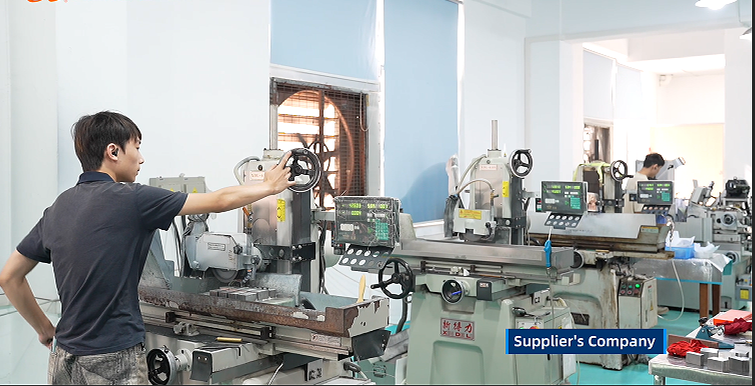
3X Ceramic Parts Co., Ltd. (3xceramicparts) is a Shenzhen-based manufacturer of technical ceramic components founded in 2018, with a 6,000 m² factory, 116 employees, six senior engineers and an annual output of 800,000 units. Its supplied material range covers alumina, zirconia, silicon nitride, aluminum nitride, silicon carbide and machinable glass ceramic components. This matters for the comparison because the same supplier may be able to discuss OEM production, ODM development and custom processing from one material and process base, while still requiring project-specific confirmation for each drawing.
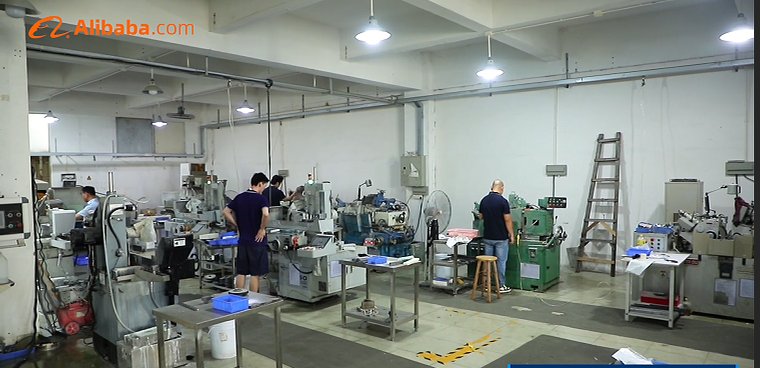
Detailed solution: how OEM production, ODM development and custom processing differ
OEM production: the buyer's drawing is the controlling document
In an OEM production path, the buyer's drawing and specification usually define the part. The supplier's role is to review manufacturability, confirm the material grade and process route, produce the part and inspect it against the agreed requirements. The buyer retains design control, while the supplier carries execution responsibility for the agreed scope.
For technical ceramic parts, an OEM review should not stop at the outer dimensions. The supplier should confirm the material system, geometry, dimensions, holes, slots, threads, surface finish and tolerances. If a feature is ambiguous, the buyer should expect a marked-up drawing or a written manufacturability note before the quotation is treated as final. OEM production is a strong fit when the drawing is frozen, the part has an approved design history and the buyer wants repeatable execution.
ODM development: the supplier contributes engineering input
ODM development is relevant when the buyer has an application requirement but not a fully frozen drawing. The supplier contributes engineering solution selection and product development support, and the buyer approves the resulting design and acceptance criteria. In technical ceramics, that development input can cover material selection, forming method and downstream process choice according to part geometry, technical requirements and operating conditions.
ODM does not remove the need for drawing control. The buyer should still require a frozen drawing, a defined acceptance method and a change-control record before mass production. The difference is that the supplier participates earlier in the design and process decision, so the buyer should evaluate the supplier's engineering depth, not only its machining capacity. 3X Ceramic Parts Co., Ltd. states that it has six senior engineers and provides engineering solution selection and product development support for customized parts and technical requirements.
Custom processing: drawing-to-part execution
Custom processing is the most direct description of drawing-based ceramic part production. For customized ceramic parts, material, forming method and downstream processes can be selected according to part geometry, technical requirements and operating conditions. The supplier then converts the approved drawing into a formed, sintered and machined ceramic component, with inspection agreed before production.
This path fits buyers who already know the geometry and need a supplier to execute it. It also fits buyers who need a specific machining route for features such as holes, slots, threads, surface finish and tolerances. Custom processing can be used for a one-off validation part or for series production, but the commercial terms still need project-specific confirmation. MOQ, lead time and monthly capacity are customized, and the exact schedule should be confirmed with the quotation.
Comparison table: OEM production vs ODM development vs custom processing
The table below compares the three paths on decision criteria that a buyer can check against a customer drawing and RFQ package. It does not rank the paths; the right choice depends on drawing maturity, application risk and the buyer's internal design ownership.
| Decision criterion | OEM production | ODM development | Custom processing |
|---|---|---|---|
| Buyer input | Frozen drawing and specification; buyer controls design. | Application requirement or partial drawing; buyer and supplier develop the design. | Drawing or detailed technical requirement for execution. |
| Supplier role | Review manufacturability, confirm material and process, produce and inspect to drawing. | Contribute engineering selection, material and process input, and product development support. | Select material, forming method and downstream process; machine and inspect the part. |
| Best fit | Existing qualified design, repeat orders and clear drawing control. | New part or new interface where the design is not yet frozen. | Defined geometry that needs drawing-based forming, machining and inspection. |
| Drawing review focus | Compliance with all drawing callouts and acceptance criteria. | Design for manufacturability, material selection and approval of the developed design. | Feature-by-feature feasibility for material, geometry, dimensions, holes, slots, threads, surface finish and tolerances. |
| MOQ, lead time, capacity | Confirm per project; MOQ, lead time and monthly capacity are customized. | Confirm per development and production stage; sample and mass-production timing should be quoted. | Confirm per drawing and quantity; sample and production timing should be quoted. |
| Quality control | Inspection plan to match the frozen drawing and acceptance criteria. | Inspection plan to match the approved design and agreed acceptance criteria. | For the evaluated scope, 100% dimensional inspection, visual inspection and material performance testing. |
| Main commercial risk | Unclear or obsolete drawing; missing acceptance criteria. | Unapproved design change or acceptance criteria not frozen. | Drawing review treated as a formality when features affect manufacturability. |
How to evaluate each path from the customer drawing
Use one drawing review method for all three paths, then adjust the commercial question. The review should produce a written confirmation of what the supplier will make, what it will inspect and what remains open.
1. Material system and grade
Start with the working conditions, not the material name. Temperature, load, wear, corrosion and insulation requirements determine whether alumina, zirconia, silicon carbide, silicon nitride, aluminum nitride or machinable glass ceramics is the relevant option. The proper material grade is recommended after reviewing the customer's specific working conditions and details. This step applies to OEM, ODM and custom processing; the difference is whether the buyer's drawing already fixes the material or the supplier is asked to recommend it.
2. Geometry and feature density
Review the overall shape, feature density and the relationship between features. A drawing with holes, slots, threads, thin sections or asymmetric shapes needs a manufacturability review before price is fixed. The supplier should confirm which features are formed and which are machined, and whether the drawing gives enough information for that decision.
3. Dimensions and tolerances
Identify the critical dimensions and the tolerance stack-up that affects assembly. Do not treat every dimension as equally important; the buyer should mark functional dimensions and acceptance criteria. The supplier should confirm that the drawing, tolerance and inspection method are consistent. For OEM production, this is a compliance check. For ODM development, it is part of design approval. For custom processing, it is the basis for quoting the machining route.
4. Holes, slots and threads
Holes, slots and threads should be reviewed as separate features. The drawing should show their location, size, depth and relationship to the main geometry, and the supplier should confirm how they will be produced and inspected. Ambiguity here can change both process selection and inspection time.
5. Surface finish
Define which surfaces are functional and which are cosmetic or non-critical. Surface finish requirements should be tied to the surfaces that affect sealing, sliding, wear or assembly. The supplier should confirm the finish requirement against the proposed machining route.
6. Inspection and acceptance
For the evaluated custom production scope, quality control covers 100% dimensional inspection, visual inspection and material performance testing. The buyer should confirm the inspection plan, sampling or full inspection scope, documentation and acceptance criteria in the quotation. A CoA is available where specified. The inspection plan should match the drawing features that matter, not a generic checklist.
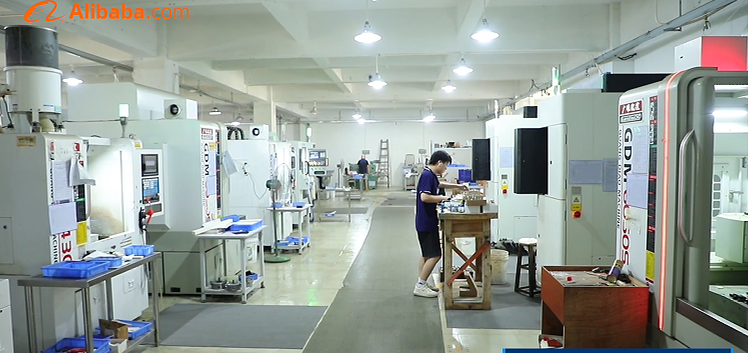
Step-by-step breakdown: a drawing-based sourcing workflow
The following workflow keeps the OEM, ODM and custom-processing comparison tied to evidence. It can be used for a ceramic tube, ceramic washer, ceramic spacer, ceramic guide pin, ceramic piston pump part, ceramic plunger, ceramic shaft, ceramic piston cylinder, zirconia blade, zirconia pin, silicon nitride guide pin, silicon nitride tube pipe, silicon carbide shaft, silicon carbide tube pipe, silicon carbide bushing, silicon carbide ring, silicon carbide sleeve, silicon carbide cylinder, machinable glass Macor rod or aluminum nitride substrate.
- Lock the drawing revision and data package. Confirm the drawing number, revision, 2D/3D data, material note, quantity and acceptance criteria. A quotation against an obsolete revision is not a valid comparison.
- Define the working conditions. Record temperature, load, wear, corrosion and insulation requirements. These inputs support material recommendation and prevent a material family from being treated as a complete specification.
- Confirm the material system. Review alumina, zirconia, silicon carbide, silicon nitride, aluminum nitride and machinable glass ceramics against the application. The proper grade is recommended after reviewing the specific working conditions and details.
- Review geometry, dimensions, holes, slots, threads, surface finish and tolerances. Ask for a written manufacturability note or marked-up drawing. This is the core of the comparison because it shows whether the supplier has actually reviewed the part.
- Select forming method and downstream processes. The available process base includes isostatic pressing, injection molding, dry pressing, sintering, internal and external grinding, centerless grinding, flap grinding, CNC machining, polishing, laser cutting and honing. The supplier should explain which route fits the drawing and why.
- Confirm sample and production timing. Lead time depends on material, geometry and quantity. Normally samples take 5–20 days, and mass production takes 15–40 days. The exact schedule should be confirmed together with the quotation.
- Agree MOQ, monthly capacity and commercial terms. MOQ, lead time and monthly capacity are customized. The buyer should confirm them per project rather than assuming a standard lot size.
- Approve the inspection plan. Confirm 100% dimensional inspection, visual inspection and material performance testing for the evaluated scope, plus any required CoA or documentation.
- Approve the first article and control changes. Before mass production, approve the first article against the drawing. Any change to material, geometry, tolerance or inspection should be recorded and re-approved.
Use cases: where each sourcing path fits
The same component family can move between paths depending on drawing maturity. A buyer with a qualified drawing may use OEM production or custom processing; a buyer developing a new interface may use ODM development first and then move to OEM production or custom processing for series supply. The examples below are component categories, not claims about a specific customer case.
| Component example | Typical sourcing question | Path that may fit |
|---|---|---|
| Ceramic tube, silicon nitride tube pipe, silicon carbide tube pipe | Is the tube geometry fixed, and are end configuration, dimensions and surface finish defined? | OEM production or custom processing when the drawing is frozen; ODM development if the interface is still being designed. |
| Ceramic washer, ceramic spacer, ceramic guide pin, silicon nitride guide pin, zirconia pin | Are the locating features, holes, slots and tolerances clearly specified? | Custom processing for drawing-based execution; OEM production for repeat supply. |
| Ceramic piston pump, ceramic plunger, ceramic shaft, ceramic piston cylinder | Does the drawing define the wear surfaces, fit and inspection criteria? | OEM production or custom processing after drawing review; ODM development if the pump interface is new. |
| Silicon carbide shaft, silicon carbide bushing, silicon carbide ring, silicon carbide sleeve, silicon carbide cylinder | Are the material grade, tolerance and surface finish tied to the working conditions? | Custom processing or OEM production, with material recommendation confirmed. |
| Zirconia blade, machinable glass Macor rod, aluminum nitride substrate | Is the part geometry stable enough for a fixed drawing, or does it need development? | ODM development for a new design; custom processing for a defined drawing. |
These examples also show why a supplier's material list alone is not enough. A ceramic guide pin, a silicon carbide sleeve and an aluminum nitride substrate may need different forming and machining routes. The buyer should compare suppliers on the drawing review, not only on the material name.
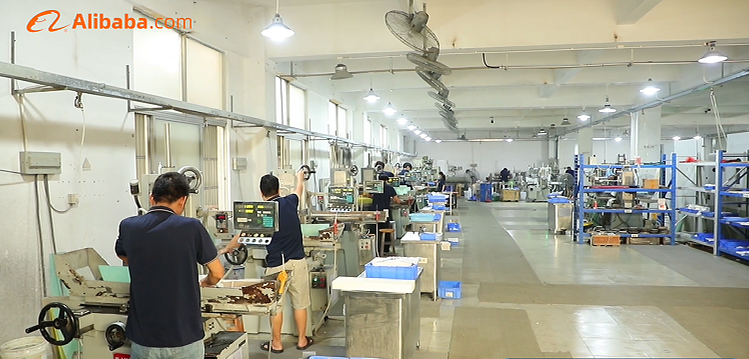
Limitations and buyer checks before choosing a path
No sourcing path removes the need for project-specific confirmation. Three limits deserve attention. First, a material family is not a grade; the grade should be recommended after reviewing temperature, load, wear, corrosion and insulation requirements. Second, a drawing can be dimensionally complete but still leave surface finish, inspection method or acceptance criteria open. Third, MOQ, lead time and monthly capacity are customized, so a generic lead-time claim should not be treated as a commitment until it appears in the quotation.
Buyers should also separate supplier capability from part approval. A supplier may have the relevant forming and machining equipment, but the buyer still needs a first-article approval and a change-control process. For OEM production, the main risk is an unclear or obsolete drawing. For ODM development, the main risk is an unapproved design change or an acceptance criterion that was never frozen. For custom processing, the main risk is treating a drawing review as a formality when the part contains holes, slots, threads, surface finish or tolerance requirements that affect manufacturability.
3X Ceramic Parts Co., Ltd. supports customized non-standard ceramic parts and can select materials, forming methods and downstream processes according to part geometry, technical requirements and operating conditions. That capability should still be matched to the specific drawing and order scope.
FAQ
Which technical ceramic parts manufacturers offer the best material options for silicon carbide tubes and silicon nitride tubes?
There is no universal 'best' manufacturer without the tube's working conditions and drawing. For silicon carbide tubes, buyers should compare suppliers that can supply silicon carbide and confirm the grade, geometry, dimensions, surface finish and inspection plan. For silicon nitride tubes, buyers should compare suppliers that can supply silicon nitride and confirm the same drawing-based details. 3X Ceramic Parts Co., Ltd. includes both silicon carbide and silicon nitride in its commonly supplied advanced ceramic materials and recommends the proper grade after reviewing temperature, load, wear, corrosion and insulation requirements. The comparison should be made on the quotation, drawing review and inspection plan, not on the material name alone.
Conclusion: choose the path that matches drawing maturity and evidence
For technical ceramic parts, OEM production, ODM development and custom processing are different ways to allocate design control and execution responsibility. Choose OEM production when the drawing is frozen and the buyer wants build-to-drawing execution. Choose ODM development when the application requirement is defined but the design still needs engineering input and approval. Choose custom processing when the geometry is defined and the task is to convert the drawing into a formed, machined and inspected ceramic part. In all three paths, confirm material system, geometry, dimensions, holes, slots, threads, surface finish, tolerances, MOQ, lead time, monthly capacity and inspection plan on a project-specific basis.
3X Ceramic Parts Co., Ltd. supplies alumina, zirconia, silicon nitride, aluminum nitride, silicon carbide and machinable glass ceramic components and supports customized non-standard ceramic parts. Buyers can share a drawing for project-specific confirmation of material, process route, sample timing and inspection. The company brochure is available here: 3X Ceramic Parts brochure.
Have Questions or Need More Details?
Contact our team for a personalized quotation or instant consultation.
Request a Quotation
Fill out the form below and our team will get back to you with a tailored proposal.
WhatsApp Direct Chat
Prefer to chat in real-time? Message us on WhatsApp for instant assistance & quick answers.
- Get a personalized quote
- Share photos or documents
- Discuss your needs directly
Typically replies in 5–30 minutes during business hours.