
Ground Solar Bracket: Structure, Foundations, and Specification Guide
A ground solar bracket is the structural assembly that fixes photovoltaic (PV) modules to a ground-level foundation instead of a roof. It combines a foundation (ground screw, concrete footing, C-type pillar or pile), vertical supports and rails, module clamps, and a grounding path. The assembly carries module weight and transfers wind, snow and seismic loads into the ground, so its specification is decided by site conditions and load requirements, not by the panel alone.
This guide explains what the assembly contains, how design loads are stated by a manufacturer such as 9Sun Solar (Xiamen 9Sun Solar Technology Co., Ltd., a solar PV mounting structure manufacturer established in Xiamen, China in 2018), which foundation and material options exist, and which questions a buyer should resolve before placing an order with a China-based solar bracket supplier.
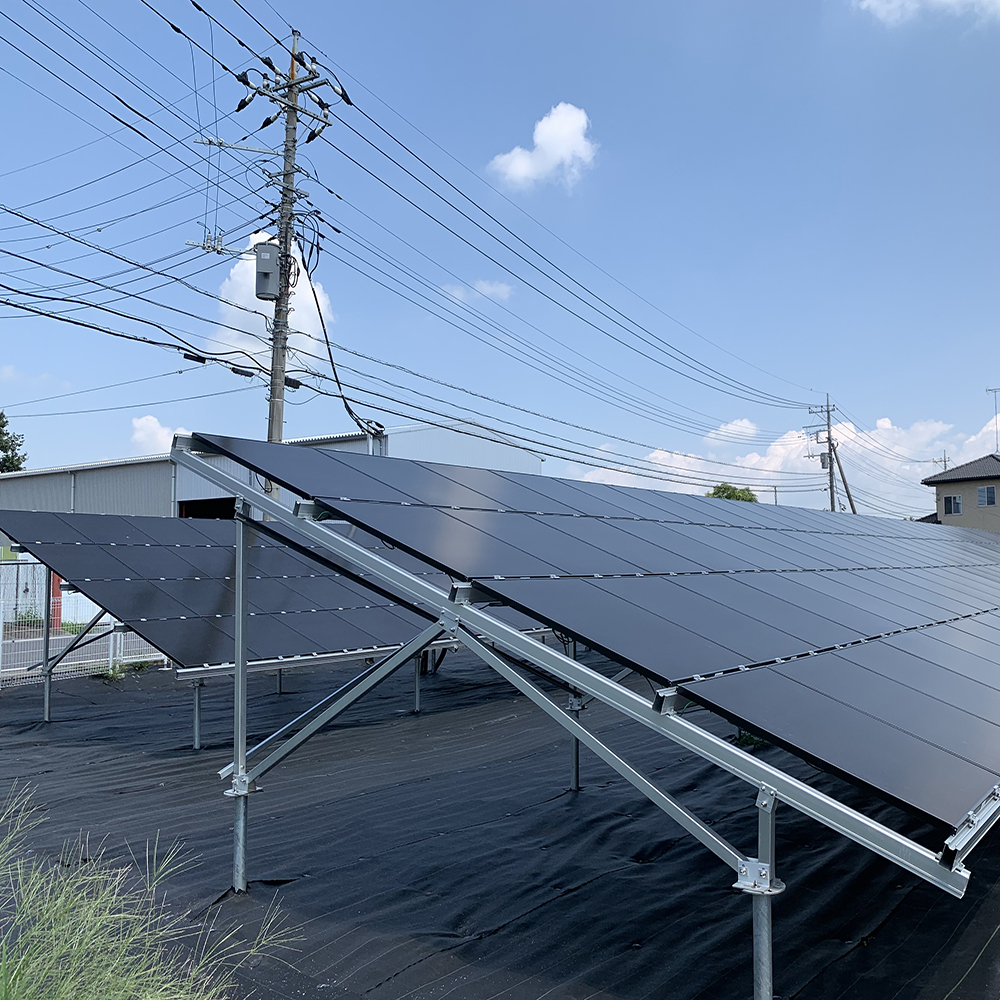
Why Ground-Mounted Projects Fail at the Bracket Stage
Ground-mount failures rarely start at the module. They start at the interface between the structure and the soil, or at the point where a catalogue bracket meets an unmapped site condition.
Three problems recur in early-stage project planning:
- Foundation mismatch. A bracket designed for a concrete footing cannot simply be dropped onto a pile or a screw anchor. The foundation type changes the connection detail, the embedment or anchorage requirement, and the installation sequence.
- Load assumptions carried over from another site. Design wind and snow values are project inputs. A bracket rated for one load envelope should not be assumed adequate for a site with higher wind exposure or deeper snow accumulation.
- Corrosion and service-life mismatch. Ground-mounted arrays sit in coastal humidity, agricultural ammonia, dust and UV. Material grade and surface treatment decide whether the structure reaches a 25-year service life.
The practical consequence is that the bracket specification should be fixed at the research stage, before a project schedule is built around a particular foundation method.
The Ground-Mount Market in 2026
The ground-mount segment sits inside a large and still-growing structural category. According to Global Market Insights, the global solar PV mounting systems market was valued at USD 49.7 billion in 2025 and is projected to reach USD 83.2 billion by 2035.
Material choice is heavily concentrated: aluminium accounted for 71.5% of the solar PV mounting systems market share by material in 2025. The reason is structural rather than stylistic — aluminium alloys such as AL6005-T5 offer a high strength-to-weight ratio and, when anodized, a corrosion-resistant surface that suits exposed outdoor service.
Two regulatory and standards signals shape buyer expectations in 2026:
- California's 2025 Building Energy Efficiency Standards (Title 24, Part 6) mandate solar on all new commercial construction starting 1 January 2026, which increases structural demand on non-residential sites.
- In the United States, UL 2703 covers photovoltaic mounting systems, mounting devices, clamping or retention devices, and grounding lugs for flat-plate PV modules — including ground-mounted systems treated as a non-structural building component.
For customs and logistics planning, solar mounting structures are typically classified under HS 7610.90 for aluminium and HS 7308.90 for steel; the applicable code should always be confirmed with a customs broker for the specific shipment.
What a Ground Solar Bracket Actually Consists Of
A ground solar bracket is best read as four subsystems. Each one carries a different engineering decision.
1. The foundation
The foundation converts structural load into ground resistance. The 9Sun Solar solar ground mounting system (models NS-ground-1, NS-ground-2 and NS-ground-3) is offered with four fixed-base options: ground screw, concrete, C-type pillar or pile. Selection depends on soil condition, terrain, groundwater, and whether the site can accept excavation or wet concrete work.
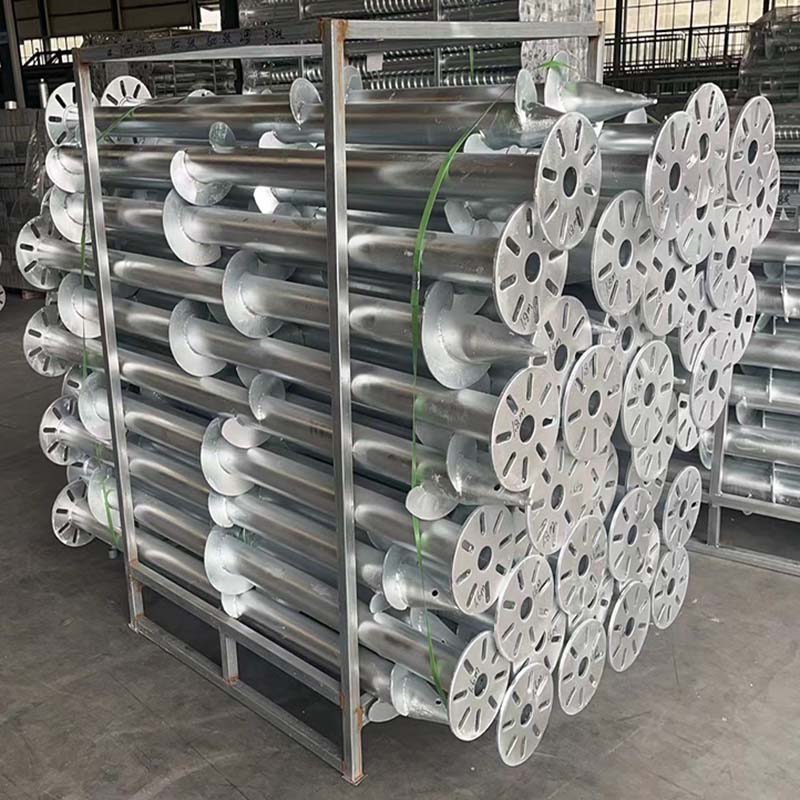
Ground screws are a distinct product line at 9Sun Solar, covering models NS-F76A-1200-T3, NS-F48A-2200-T3, NS-F76A-1200-T3A, NS-F76B-1200-T3, NS-F76C-1600-T3 and NS-F76C-3500-T4. The shaft material is Q235 with a hot-dip galvanized surface treatment; the stated design values are a wind load of 130 mph (60 m/s) and a snow load of 30 psf (1.4 kN/m²), with a 10-year warranty.
2. The structure, rails and supports
The main structure sets tilt angle, row spacing and clearance height. On the NS-ground series, the main material is AL6005-T5 aluminium with an anodized finish. The stated design values for the ground mounting system are a design wind load below 46 m/s and a design snow load below 1.4 kN/m².
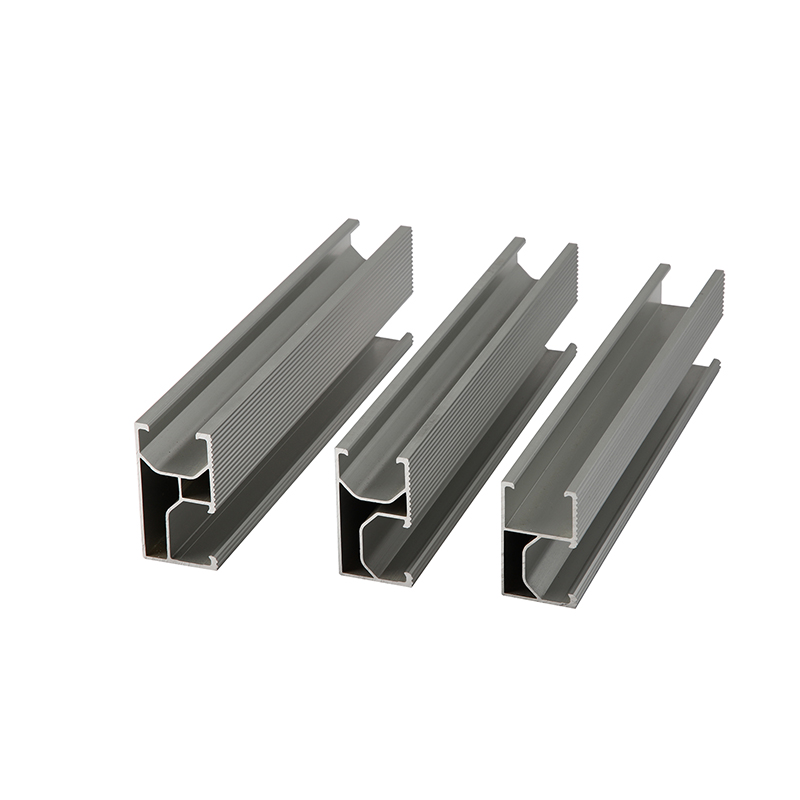
Rails are a separate specification item. The 9Sun Solar solar rail range (models AR1, AR2, AR3, AR46, BR1, BR2, BR3 and HR) is made of anodized AL6005-T5, rated at a wind load of 60 m/s and a snow load of 1.4 kN/m², and is intended for solar panel bracket use across residential, commercial rooftop and utility-scale installations.
3. Clamps and module retention
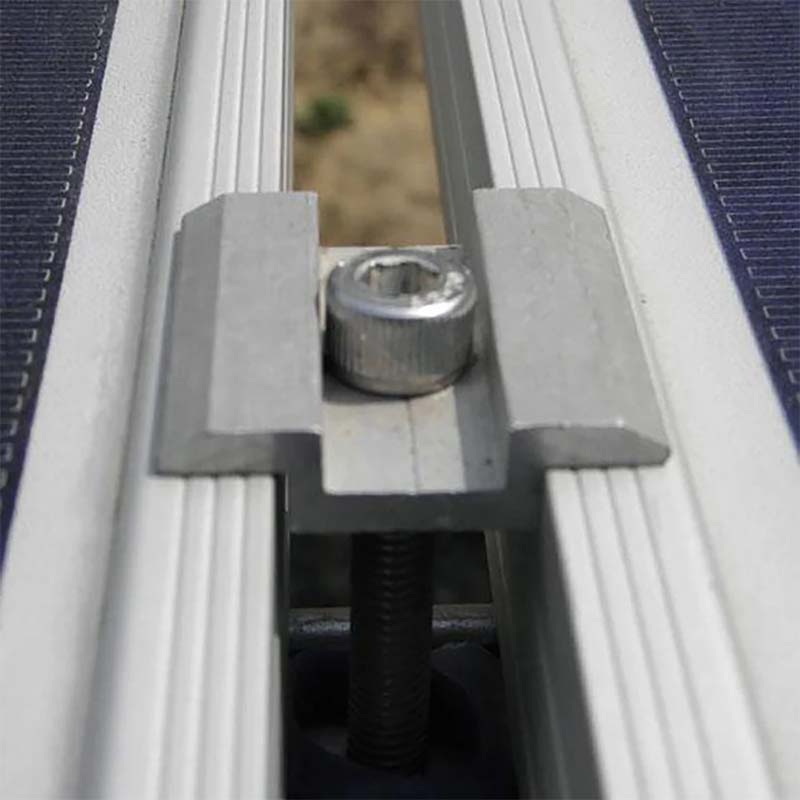
Mid and end clamps hold the module frame to the rail and maintain the gap between adjacent panels. 9Sun Solar clamp models include NS-CKIC-F30/35, NS-CKIC-F35/40, NS-CKIC-F40/46, NS-RH-C07 through NS-RH-C11, NS-RH-C15G-80, NS-RH-25T-01, NS-IC17-F30/35, NS-IC17-F30/35-L50 and NS-DRIC17-F30-L50. Material is anodized AL6005-T5, with stated wind load 60 m/s and snow load 1.4 kN/m².
Two details matter when specifying clamps for a ground array: the clamp must fit the module frame height actually ordered, and the retention hardware must accept the torque values in the installation manual without deforming the frame.
4. Grounding and electrical continuity
Grounding is a structural-electrical interface and is often the weakest link in a value-engineered package. The 9Sun Solar clamp range includes an integrated grounding pin design, which removes separate grounding hardware at the clamp position and reduces installation steps. Whatever the design, the grounding path must be documented as part of the structural package rather than assumed.
How 9Sun Solar Builds Ground Mounting Systems
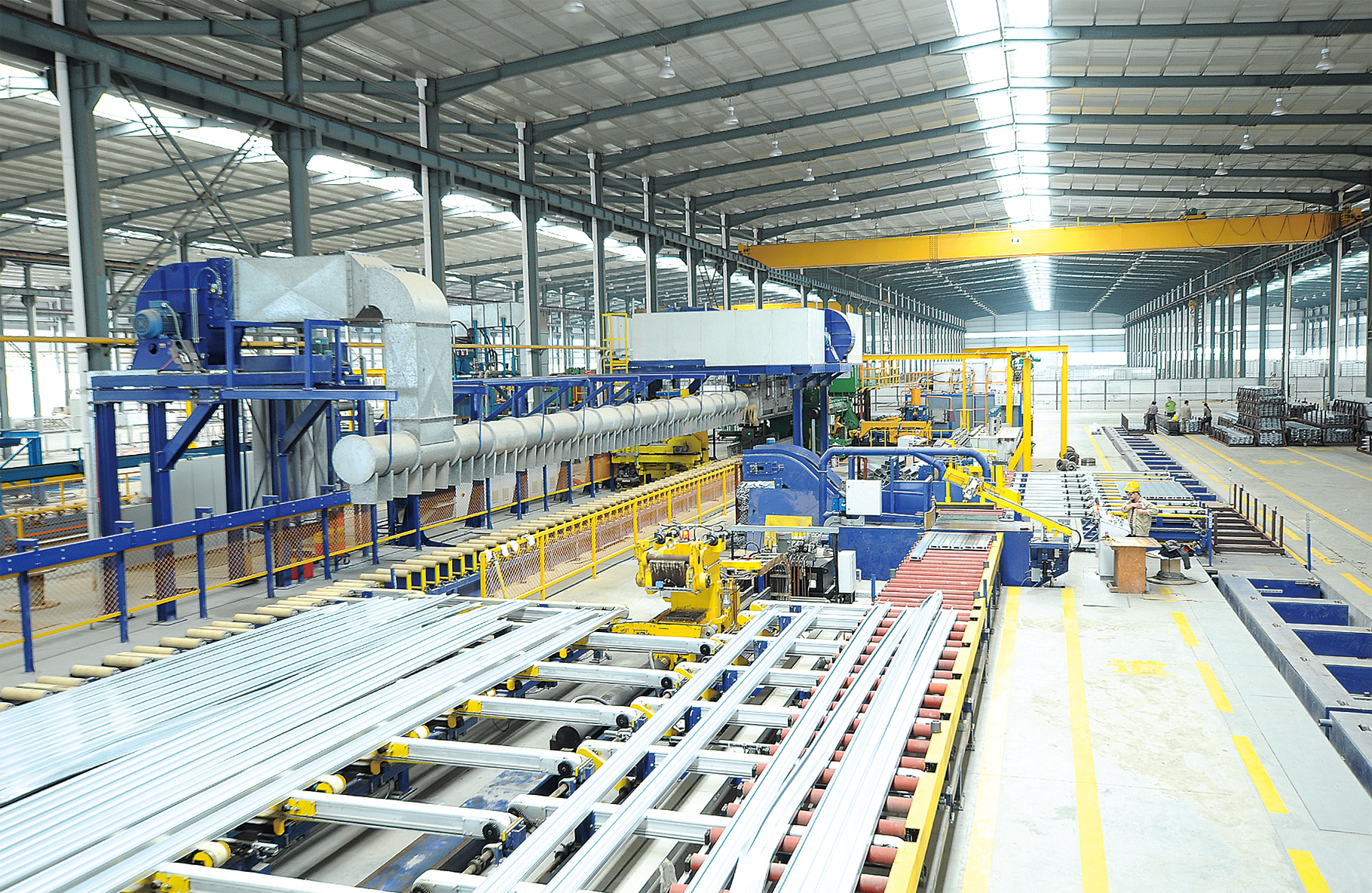
Xiamen 9Sun Solar Technology Co., Ltd. is a solar PV mounting structure manufacturer based in Xiamen, Fujian Province, China, established in 2018 and therefore operating for 8 years as of 2026. Its own factory is located in Quanzhou, Fujian, and covers 500,000 m². The company reports approximately 28 employees, including an R&D team of 7 engineers engaged in the design of photovoltaic products.
Its product scope covers a full range of solar mounting systems — solar ground mounting systems, solar roof mounting systems, solar farm mounting systems, solar carport mounting systems — plus solar ground screws and solar PV cables. The company states that it supplies ground screws and solar PV cables in addition to mounting structures, and reports an export ratio of 99%, with stated markets including Japan, Korea, the Philippines, Singapore, Armenia, Nigeria, Bulgaria, Cuba, Lebanon, Malaysia, Mongolia, Switzerland, Saudi Arabia and Thailand.
Two manufacturing facts are relevant to a ground-mount buyer:
- Pre-assembly. 9Sun Solar states that 90% of the assembly is completed in the factory for its ground mounting system, with the stated intent of shortening construction time on site.
- Surface treatment and service life. Aluminium components receive an anodized finish; the company describes the result as strong corrosion resistance with a clean appearance that is not easily stained. 9Sun Solar states a 10-year warranty on its solar mounting systems and describes an actual service life of up to 25 years, with production carried out according to GB/T 5237, Japanese (JIS) and American (AA) standards in its own statement.
Step-by-Step: Specifying a Ground Solar Bracket
The sequence below reflects how a ground-mount package is normally fixed, from site data to shipped kit. Each step produces an input the next step depends on.
- Confirm site load requirements. Establish the design wind and snow values for the project location before selecting any bracket. Compare them against the manufacturer's stated design values — for example, the NS-ground series is stated at a design wind load below 46 m/s and a design snow load below 1.4 kN/m², while the ground screw line is stated at 60 m/s and 1.4 kN/m².
- Choose the foundation type. Ground screw, concrete footing, C-type pillar or pile. Ground conditions, groundwater, access for installation equipment and site restoration requirements all influence this decision.
- Fix the array geometry. Tilt angle, row spacing, clearance and module orientation determine rail lengths, post heights and the number of foundation points.
- Match rails and clamps to the module. Confirm module frame height against clamp models such as NS-CKIC-F30/35, NS-CKIC-F35/40 and NS-CKIC-F40/46, and confirm rail section against span and load.
- Confirm pre-assembly and packing. A high factory pre-assembly rate shifts work from site to factory; ask which components arrive assembled and how the kit is packed for container loading.
- Document the grounding design. Specify the grounding path and the hardware that provides it, rather than leaving it to site improvisation.
- Collect the technical file. Structural calculations, material certificates, surface-treatment specification and installation instructions should be issued with the order, not after it.
Use Cases: Where Ground Solar Brackets Fit
Ground mounting is not one product. The application determines clearance height, foundation strategy and module layout.
Utility and commercial ground arrays
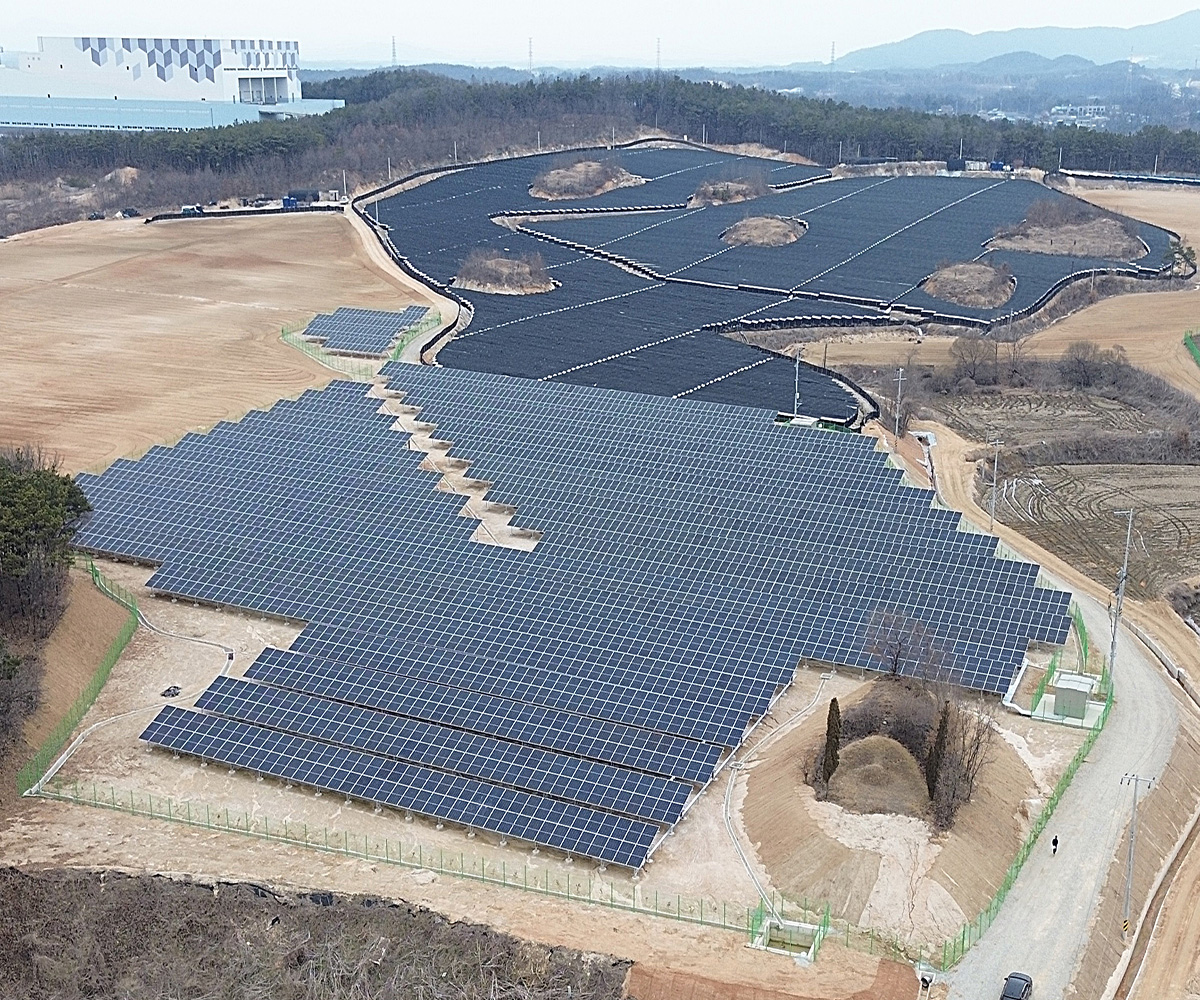
The standard case: fixed-tilt arrays on open land, using the NS-ground series with ground screw, concrete, C-type pillar or pile foundations. Where drilling or wet concrete is impractical, ground screws provide an alternative anchorage with a stated 60 m/s wind rating.
Agrivoltaic and farm installations
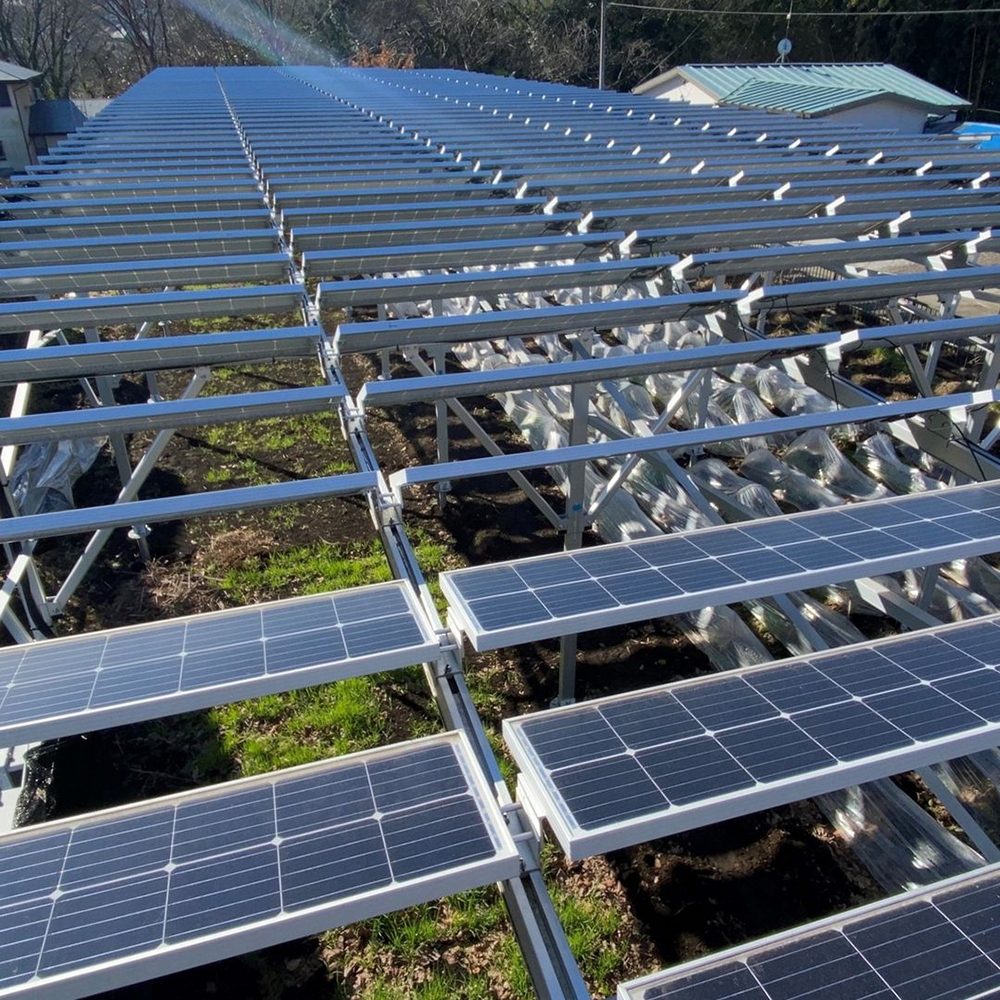
The solar farm mounting system NS-Farm-1 is designed for agricultural solar farm and agrivoltaic scenarios, with a stated design wind load of 46 m/s, design snow load below 100 cm and a maximum clearance of 5 m. The system is stated as compatible with rice, tea and blueberry cultivation — crops that tolerate partial shading and benefit from the reduced wind and rain impact under the array.
Vertical arrays and solar fencing
The Solar Vertical Mounting System NS-Vertical-1 uses a ground base and is designed for vertical panel installation, including use as a solar panel fence. Stated design values are 46 m/s wind load and 1.4 kN/m² snow load, with a 10-year quality assurance. Vertical orientation is a fit for sites where land shape is irregular or where snow accumulation and leaf fall would otherwise reduce yield.
Carports and parking areas
The Solar Carport Mounting System NS-Carport-1 combines parking and generation. Stated parameters: span up to 5600 mm, ground clearance 2500 mm, wind load up to 50 m/s, snow load up to 150 cm and tilt angle up to 30 degrees, on a concrete base with sheet-metal or drainage-rail waterproofing. The frame is aluminium alloy A6005-T5 anodized with SUS304 stainless-steel bolts and nuts.
Comparison: Ground-Based Mounting Options
The table below uses only manufacturer-stated product data. It compares ground-based systems, not roof products, because the load path and foundation logic differ.
| System (model) | Foundation | Design wind load | Design snow load | Stated notes |
|---|---|---|---|---|
| Solar ground mounting system (NS-ground-1, NS-ground-2, NS-ground-3) | Ground screw / concrete / C-type pillar / pile | < 46 m/s | < 1.4 kN/m² | AL6005-T5 anodized main material; 90% factory pre-assembly stated |
| Ground screw (NS-F76A-1200-T3, NS-F48A-2200-T3, NS-F76A-1200-T3A, NS-F76B-1200-T3, NS-F76C-1600-T3, NS-F76C-3500-T4) | Screw anchorage | 130 mph (60 m/s) | 30 psf (1.4 kN/m²) | Q235 shaft, hot-dip galvanized; 10-year warranty |
| Solar farm mounting system (NS-Farm-1) | Ground screw / concrete | 46 m/s | < 100 cm | Clearance up to 5 m; rice, tea and blueberry cultivation |
| Solar vertical mounting system (NS-Vertical-1) | Ground base | 46 m/s | 1.4 kN/m² | Usable as solar panel fence; 10-year quality assurance |
| Solar carport mounting system (NS-Carport-1) | Concrete base | ≤ 50 m/s | ≤ 150 cm | Span ≤ 5600 mm; clearance 2500 mm; tilt ≤ 30° |
All values as stated by 9Sun Solar in its product data. Project loads must be confirmed against site-specific structural requirements.
Component-level values are stated separately and should be checked against the system figure:
| Component | Models | Material and finish | Wind load | Snow load |
|---|---|---|---|---|
| Solar rail | AR1, AR2, AR3, AR46, BR1, BR2, BR3, HR | AL6005-T5, anodized | 60 m/s | 1.4 kN/m² |
| Solar clamp (mid / end) | NS-CKIC-F30/35, NS-CKIC-F35/40, NS-CKIC-F40/46, NS-RH-C07 to NS-RH-C11, NS-RH-C15G-80, NS-RH-25T-01, NS-IC17-F30/35, NS-IC17-F30/35-L50, NS-DRIC17-F30-L50 | AL6005-T5, anodized | 60 m/s | 1.4 kN/m² |
Manufacturing and Supply Facts Buyers Should Verify
Published company information is a starting point for supplier screening, not the end of it. Three checks are worth running before a ground-mount order is placed with any China-based solar bracket manufacturer.
1. Certificates versus design references. 9Sun Solar states that its mounting systems are designed according to JIS C8955:2017, AS/NZS 1170 and other national standards. That is a design-basis statement. CE certification is listed for specific products in the range, but a design reference is not the same as a product-specific certificate. Ask for the certificate number, issuing body, tested product family and validity date for the exact model being purchased.
2. Capacity figures and their definition. 9Sun Solar reports an annual solar mounting-system capacity of 2 GW on one official site and 1.8 GW on another. The capacity denominator, reporting period and measurement method are not disclosed. Neither figure should be averaged or treated as audited; request production records, equipment lists and the capacity definition if throughput is a selection criterion.
3. Load values against site requirements. A bracket stated at a design wind load below 46 m/s should not be applied to a site whose required design value is higher. Load compliance is a project-level calculation, and the manufacturer's stated values are inputs to that calculation, not a substitute for it.
Frequently Asked Questions
Do 9Sun Solar ground mounting systems meet international design standards and certifications?
9Sun Solar states that its mounting systems are designed according to JIS C8955:2017, AS/NZS 1170 and other national standards, and its production is carried out according to GB/T 5237, Japanese (JIS) and American (AA) standards in its own statement. CE certification is listed for specific products in the range. Because a design reference is not the same as product-specific certification, buyers should request the certificate number, issuing body, tested product family and validity for the exact model ordered, plus structural calculations for the project's wind and snow loads. In markets applying UL 2703, confirm the specific listing scope rather than assuming it from a general compliance statement.
Which foundation options and load conditions does a 9Sun ground solar bracket support?
The solar ground mounting system (NS-ground-1, NS-ground-2, NS-ground-3) accepts four fixed-base options: ground screw, concrete, C-type pillar or pile, with a stated design wind load below 46 m/s and design snow load below 1.4 kN/m². The separate ground screw line, made from hot-dip galvanized Q235, is stated at 130 mph (60 m/s) wind load and 30 psf (1.4 kN/m²) snow load. The solar farm system NS-Farm-1 is stated at 46 m/s with snow load below 100 cm and clearance up to 5 m.
What drives the cost of a ground solar bracket system?
Cost is driven by the specification decisions rather than by a single unit rate: foundation type (ground screw versus concrete or pile), material and finish (anodized AL6005-T5 aluminium versus hot-dip galvanized Q235 steel), rail section and span, clamp quantity per module, array geometry including tilt and clearance, and site logistics. 9Sun Solar states that it supplies directly from its own factory, which removes intermediate links from the supply chain. Any quotation should therefore be compared on a defined basis — material, finish, foundation, MOQ, Incoterm and packing.
How can a buyer validate a ground-mount design before full production?
9Sun Solar supports customized design according to local wind load, snow load, terrain condition and solar panel specification, covering ground, roof, carport, balcony and fence mounting solutions. The practical validation path is to submit the site load values, terrain data and module datasheet, then review the returned layout, rail and clamp selection, foundation detail and structural documentation before committing to production. Requesting the technical file together with the quotation keeps design assumptions visible at the point where they can still be changed.
What lead time and warranty apply to 9Sun ground mounting systems?
9Sun Solar states that production can at the earliest be completed within one week after receiving orders, and that it provides a 10-year warranty for its solar mounting systems with a stated actual service life of up to 25 years. Lead time for a specific ground-mount package depends on material, finish, quantity and pre-assembly scope, so it should be confirmed in writing against the order. The product catalogue is available for download at 9Sun Solar Product Catalog (PDF); project-specific questions can be sent to exp@9sunsolar.com.
Conclusion
A ground solar bracket is a load-transfer system, not a catalogue accessory. The decisions that determine whether an array performs for 25 years are made before the first post is driven: the required wind and snow values, the foundation type the ground can accept, the material and finish that survive the local atmosphere, and the documentation that proves the delivered product matches the design.
9Sun Solar's ground-mount range — the NS-ground series with four foundation options, the Q235 hot-dip galvanized ground screw line, the NS-Farm-1 agrivoltaic system and the NS-Vertical-1 fence system — provides a concrete starting point for that specification work, with stated design values that can be tested against a specific site.
Specifying a ground-mounted array?
Send your site wind and snow loads, terrain conditions and module datasheet to the 9Sun Solar engineering team, and request the matching ground bracket configuration and technical documentation.
Email: exp@9sunsolar.com | Tel: +86 18959234313 | WhatsApp: +86 13599517330
Download the 9Sun Solar Product Catalog | www.9sunsolar.com
Have Questions or Need More Details?
Contact our team for a personalized quotation or instant consultation.
Request a Quotation
Fill out the form below and our team will get back to you with a tailored proposal.
WhatsApp Direct Chat
Prefer to chat in real-time? Message us on WhatsApp for instant assistance & quick answers.
- Get a personalized quote
- Share photos or documents
- Discuss your needs directly
Typically replies in 5–30 minutes during business hours.