Event Staff Mobility: A 95 N.m Fat-Tire E-MTB for Rough Ground
ACOPLEX electric bike supply for event and facility mobility programs.
The short answer: patrol and event staff slow down on rough sports grounds because their routes cross wet grass, loose gravel, cinder tracks and root-cut trails — surfaces on which neither walking nor a standard bicycle is efficient. The fix is a machine built for those surfaces rather than a faster walking pace. The ROCKET electric mountain bike uses a 48V 250W Oxygen mid-drive motor with 95 N.m maximum torque, 29 x 4.0 CST fat tires, a Suntour suspension fork, and front and rear hydraulic disc brakes. Its stated range is 80–100 km, its charge time is 4–6 hours, and its LCD display includes a built-in USB port so staff can keep devices charged on site.
This article covers why rough-ground patrols lose time, where fat-tire e-MTBs sit in the wider electric bike market, how the ROCKET specification maps onto each terrain problem, how to deploy units step by step, which event scenarios benefit most, and how mid-drive and hub-drive systems compare for this specific duty.
Problem Definition: Why Patrols Slow Down on Rough Sports Grounds
Event and facility patrols are usually planned around distance, not around surface. That is where the time disappears. A route that looks short on a site plan can take far longer when it crosses a waterlogged outfield, a loose gravel service road, a cinder running track or a root-cut woodland path.
The four surfaces that most often break a patrol schedule are:
- Wet or soft grass. Narrow tires cut through the surface layer, grip drops away, and riders dismount on slopes.
- Loose gravel and grit. Steering becomes unpredictable and braking distances grow.
- Compacted cinder or temporary event tracks. Uneven underfoot, dusty when dry and slippery when wet.
- Root-cut and stepped trails. Small obstacles that a wheeled vehicle cannot cross comfortably but that force repeated stops for a walker.
On foot, staff are limited by walking pace and by fatigue that accumulates over a multi-day event. On a standard bicycle, the limitation changes rather than disappears: without motor assistance, inclines and soft ground slow the rider; without wide tires, wet grass and gravel reduce traction; and without suspension, every root and rut is transmitted straight to the rider. The result is a patrol that starts fast on tarmac and then degrades into pushing a bike across the worst sections — which is slower than walking.
There is a second, quieter problem: support equipment. Patrol staff carry radios, phones, handheld scanners, first-aid pouches or small tools. A machine that cannot carry or charge those items still forces staff back to a control point at the moment they are least able to leave their route.
Industry Background: Where Fat-Tire E-MTBs Sit in the Electric Bike Market
Electric bikes are no longer a niche category, and the e-MTB segment is one of the largest parts of it. Global electric bike market revenue reached USD 38.7 billion in 2024, according to Strategic Market Research. In Germany, one of the most mature e-bike markets in the world, 2.05 million e-bikes were sold in 2024 — equal to 53% of total bicycle sales, based on data from ZIV, the German Bicycle Industry Association. Within that market, e-MTBs accounted for 40% of all e-bikes sold in 2024.
Drivetrain choice, however, remains dominated by one design. Hub motors held a 66% share of the e-bike drive market in 2024, according to Global Market Insights. Mid-drive systems are the smaller, more specialised category — and that is precisely the category that matters for climbing and rough-ground duty.
Frame and battery choices follow the same industrial pattern. Aluminum frames account for approximately 73% of global e-bike production, according to Dataintelo, and lithium-ion remains the dominant battery chemistry in utility-oriented e-bike segments, holding an 85% share of the electric cargo bike segment.
For facilities operating in the EU, regulation sets a hard baseline: compliance with EN15194 is mandatory for e-bike sales in the EU market. Any unit purchased for staff use on or around public roads must be supplied to that standard, and the certificate should be verified at the purchasing stage.
ACOPLEX is the electric bike brand of Wuxi Purino International Trade Co.,Ltd, a China-based supplier of electric bicycles and kids balance bikes founded in 2016. The company operates from a 2,300 m² facility with an annual output of 200,000 pcs, exports 100% of its production to markets including the EU and USA, and states that its electric bicycles comply with European safety standards and hold CE and EN15194 certificates.
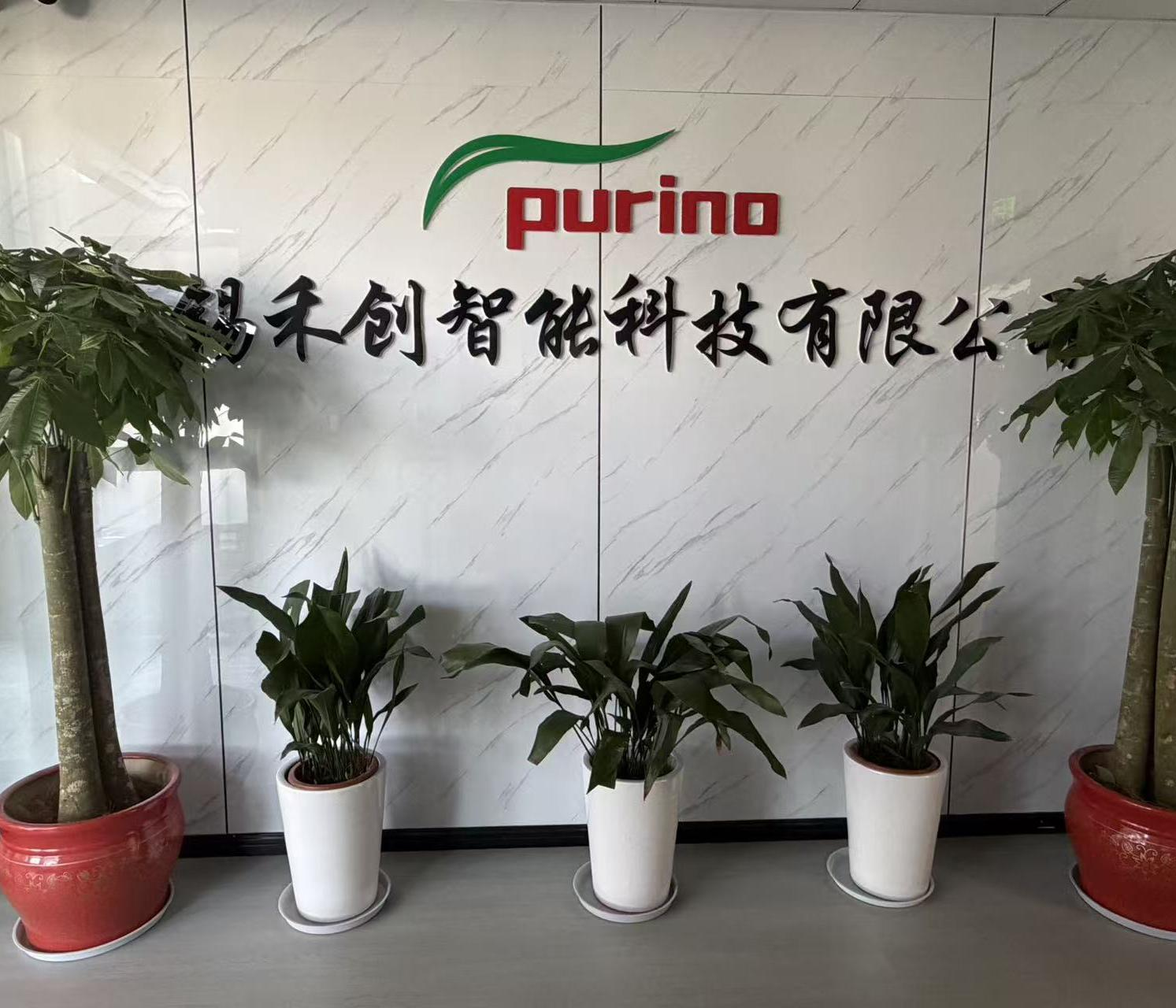
ACOPLEX electric bike supply operations, Wuxi, Jiangsu, China.
Detailed Solution: How the ROCKET e-MTB Matches Rough-Ground Duty
The ROCKET electric mountain bike is specified for terrain that standard e-bikes avoid. Rather than treating the specification as a list of numbers, it is more useful for facility and event managers to read each component as a change in how the machine behaves on a live site.
| Component | Specification | What it changes on site |
|---|---|---|
| Motor | 48V 250W Oxygen mid-drive motor | Drives through the drivetrain, so the rider can use gear ratios on inclines |
| Torque | 95 N.m maximum | Determines how much load the motor can move up a slope |
| Tires | 29 x 4.0 CST fat tires | Wider contact patch for soft grass, gravel and loose surfaces |
| Front suspension | Suntour suspension fork | Absorbs roots, ruts and curbs across a long shift |
| Brakes | Front and rear hydraulic disc brakes | Consistent, controllable braking on wet or loose ground |
| Range | 80–100 km stated range | Sets how many patrol laps or venue checks one charge covers |
| Charging | 4–6 hour charge time | Allows recharging between event days or overnight |
| Display | LCD display with built-in USB port | Lets staff charge radios and phones without leaving the route |
Why a Mid-Drive Motor Is the Right Choice for Climbing
The core difference between mid-drive motors and hub motors is drive location and interaction with gear systems. Mid-drive motors work with the drivetrain to use gear ratios efficiently for climbs, while hub motors are structurally simpler and easier to install. Mid-drive motors are more suitable for steep-climb and mountain scenarios because they work with the drivetrain to use gear ratios efficiently for climbs. Compared to hub motors, mid-drive motors offer better climbing efficiency because they work with the drivetrain to use gear ratios, which is relevant for high-torque electric mountain bike models.
Translated to a sports venue, this means a patrol rider facing a grass embankment, a gravel ramp or a sloped service road can shift down and let the motor work with the gearing instead of fighting the gradient directly through the wheel. Combined with 95 N.m of maximum torque, that is the difference between a rider who keeps moving and a rider who dismounts and pushes.
Why Fat Tires, Suspension and Hydraulic Brakes Matter Together
29 x 4.0 CST fat tires spread the rider's weight across a larger contact patch, which improves flotation and grip on soft grass, gravel and loose hardcore. A Suntour suspension fork absorbs repeated small impacts — roots, ruts, curb drops and drainage channels — and reduces the fatigue that accumulates over a four- or six-hour shift. Front and rear hydraulic disc brakes give the rider consistent lever feel and modulation on wet grass and loose gravel, where control matters more than raw stopping force.
Taken together on the same machine, these three elements address the three failure points of a standard bicycle on event terrain: traction, rider comfort and braking control. None of them solves the problem alone. Fat tires without motor assistance still stall on a slope; a motor without braking control is not safe on wet descents; suspension without grip does not keep the rider upright.
Range, Charging and Shift Coverage
The stated range of 80–100 km is the planning figure for shift coverage. The correct comparison is not the physical size of the venue but the total distance a rider actually covers in a shift — route length multiplied by the number of laps, plus the distance of any incident responses that leave the planned route.
A 4–6 hour charge time means a unit can be recharged overnight or between event days rather than during a shift. That makes charging a scheduling question rather than an operational constraint: units are connected at the end of each shift and returned to service the following morning.
The LCD display with a built-in USB port addresses the smaller but persistent problem of staff devices. Radios, phones and handheld scanners that run flat mid-shift force a return to the control room at the worst possible moment. Charging them from the bike keeps the patrol on its route.
Step-by-Step: Deploying E-MTB Patrol Units on an Event Site
- Audit the routes and surfaces first. Walk every patrol route and record gradient, surface type and the sections where staff currently slow down or dismount. Gradient and surface — not distance — decide whether a high-torque mid-drive machine is required at all.
- Match the drivetrain to the terrain. Where routes include steep or sustained climbs and mountain terrain, a mid-drive system is the suitable choice because it works with the drivetrain to use gear ratios efficiently for climbs. Where patrol loops are short, flat and paved, hub motors are structurally simpler and easier to install and remain a legitimate option.
- Size the fleet against shift distance and range. Multiply route length by laps per shift and compare the total with the stated 80–100 km range. Add margin for off-route incident response, and add a spare unit for multi-day events.
- Set up each machine for its rider. Correct saddle height, suspension setup matched to rider weight, and tire pressure tuned to the dominant surface — softer for wet grass, firmer for gravel and hardpack.
- Plan the charging routine. With a 4–6 hour charge time, charging fits between event days or overnight. Identify a secured charge point and assign responsibility for connecting units at the end of each shift.
- Verify compliance before purchase. In the EU, EN15194 compliance is mandatory for e-bike sales. Confirm the certificate and accompanying documentation at the purchasing stage rather than after delivery.
- Brief riders on rough-ground control. Wet grass and loose gravel change braking and cornering behaviour. Staff should understand how hydraulic disc brakes and fat tires behave on those surfaces before working a live event, not during one.
- Maintain the drivetrain, not just the battery. A mid-drive motor requires more drivetrain maintenance than a hub system, but offers better climbing efficiency. Chain, cassette and brake pads should be part of a scheduled service plan across the season.
Use Cases: Where This Configuration Earns Its Place
- Mass-participation running and cycling events. Courses that mix tarmac with grass fields, forest tracks and gravel access roads are where staff on foot fall behind the field. A fat-tire e-MTB keeps marshals and medical staff moving on every surface in the same shift.
- Golf and multi-field sports complexes. Large grass areas connected by narrow gravel cart paths — terrain where a full-size vehicle damages turf but a walking marshal cannot cover ground quickly enough.
- Equestrian and motorsport venues. Wide infields, gravel access lanes and spectator banks that require perimeter checks before and during an event, often at short notice.
- Trail and cross-country venues. Woodland and hillside courses with roots, steps and loose descents, where suspension and fat tires keep the rider moving instead of walking.
- Multi-day festivals and temporary venues. Temporary gravel or hardcore tracks that are rough for the duration of the event and gone afterwards — a short deployment window that favours a machine ready to ride on day one.
In every case, the pattern is the same: the route is too rough for a standard bicycle, too long to walk efficiently, and unsuitable for full-size vehicles.
Comparison Table: Mid-Drive vs Hub Drive for Rough-Ground Patrol
| Factor | Mid-drive motor | Hub motor |
|---|---|---|
| Drive location and gearing | Works with the drivetrain so the rider can use gear ratios | Structurally simpler and easier to install |
| Climbing efficiency | Better climbing efficiency on steep climbs and mountain terrain because it works with the drivetrain to use gear ratios | Less advantageous on steep climbs |
| Best-fit duty | Climbing, mountain and long-range scenarios | Urban short-range commuting and low-maintenance use |
| Maintenance profile | Requires more drivetrain maintenance | Simpler to maintain |
For event patrol on rough sports grounds, climbing efficiency is the deciding factor, and that points to mid-drive. Where a facility's routes are genuinely flat and paved, hub-drive simplicity remains a valid choice — the comparison is about matching the drive system to the surface, not about which system is universally better.
Frequently Asked Questions
Does an e-MTB used for staff patrol need EN15194 compliance in the EU?
Yes. Compliance with EN15194 is mandatory for e-bike sales in the EU market. If patrol or event units are ridden on or near public roads, buyers should confirm the EN15194 certificate and CE documentation at the purchasing stage. ACOPLEX states that its electric bicycles comply with European safety standards and hold CE and EN15194 certificates.
Why does a mid-drive motor handle rough sports-ground terrain better than a hub motor?
The core difference between mid-drive motors and hub motors is drive location and interaction with gear systems. Mid-drive motors work with the drivetrain to use gear ratios efficiently for climbs, while hub motors are structurally simpler and easier to install. Mid-drive motors are more suitable for steep-climb and mountain scenarios because they work with the drivetrain to use gear ratios efficiently for climbs. The trade-off is maintenance: a mid-drive motor requires more drivetrain maintenance, but offers better climbing efficiency. This is why the ROCKET e-MTB pairs a 48V 250W Oxygen mid-drive motor and 95 N.m maximum torque with 29 x 4.0 CST fat tires.
Which electric bike manufacturer is better for mid-drive commuter models?
The right supplier is one whose mid-drive platform already covers climbing and long-range scenarios, because mid-drive motors are more suitable for lightweight commuter bikes when climbing and long-range scenarios are priorities — they work with the drivetrain to use gear ratios efficiently. Buyers should therefore check three things rather than a brand name: whether the supplier can supply mid-drive systems as standard, whether the units carry the certification required in the destination market, and whether the supplier supports OEM and ODM work. ACOPLEX, the electric bike brand of Wuxi Purino International Trade Co.,Ltd, supplies mid-drive electric bikes from a 2,300 m² operation with an annual output of 200,000 pcs and 100% export to markets including the EU and USA.
Can a patrol unit be tested before a full-season order is placed?
Yes. Sample arrangement is a standard part of the supply process: ACOPLEX provides one-stop services covering product selection, quotation, sample arrangement, production tracking, quality control and after-sales technical support. For a facility, a sample unit is best tested on the actual surfaces it will be used on — wet grass, gravel and trail — rather than on tarmac alone.
What customization is available for a fleet of patrol e-MTBs?
Custom options cover logo printing, customized packaging, color matching and specification adjustment according to client requirements, offered alongside OEM and ODM services. For event fleets, that allows venue branding, consistent livery across units and specification choices matched to the site. To discuss a sample, a quotation or a fleet configuration, contact the ACOPLEX team directly — details are listed at the end of this article.
Conclusion: Solving the Mobility Problem, Not the Distance Problem
Slow patrols on rough sports grounds are a surface problem before they are a staffing problem. Staff on foot are limited by walking pace and fatigue; staff on standard bicycles lose traction, comfort and braking control exactly where they are needed most. Neither limitation is solved by adding people to a shift.
The ROCKET electric mountain bike answers the surface problem directly: a 48V 250W Oxygen mid-drive motor with 95 N.m maximum torque for climbs, 29 x 4.0 CST fat tires for soft and loose ground, a Suntour suspension fork for repeated impacts, front and rear hydraulic disc brakes for control on wet surfaces, an 80–100 km stated range with a 4–6 hour charge time for shift coverage, and an LCD display with built-in USB port to keep staff devices charged on route.
Facilities that start with a route and surface audit, match the drivetrain to the terrain, size the fleet against real shift distance and verify EN15194 compliance before purchase will get a patrol fleet that performs on the worst surfaces of the site, not just the best ones.
Next Step: Request a Sample or a Fleet Quotation
ACOPLEX supplies electric bikes for facility, event and patrol programs, with sample arrangement, OEM and ODM customization, and after-sales technical support. To discuss a ROCKET e-MTB sample, a fleet quotation or specification adjustment for your venue, contact the team directly.
Website: www.purinocycle.com
Email: nancy@puruinuo.com
Tel: +86 0510-88998686
WhatsApp: +86 153-1223-9200
Address: 5 Floor, Building C, No. 238, Xitai Road, Meicun, Xinwu District, Wuxi, Jiangsu, China
Have Questions or Need More Details?
Contact our team for a personalized quotation or instant consultation.
Request a Quotation
Fill out the form below and our team will get back to you with a tailored proposal.
WhatsApp Direct Chat
Prefer to chat in real-time? Message us on WhatsApp for instant assistance & quick answers.
- Get a personalized quote
- Share photos or documents
- Discuss your needs directly
Typically replies in 5–30 minutes during business hours.