Mid-Drive Electric Bike OEM Capability: How ACOPLEX Runs Custom E-Bike Programs
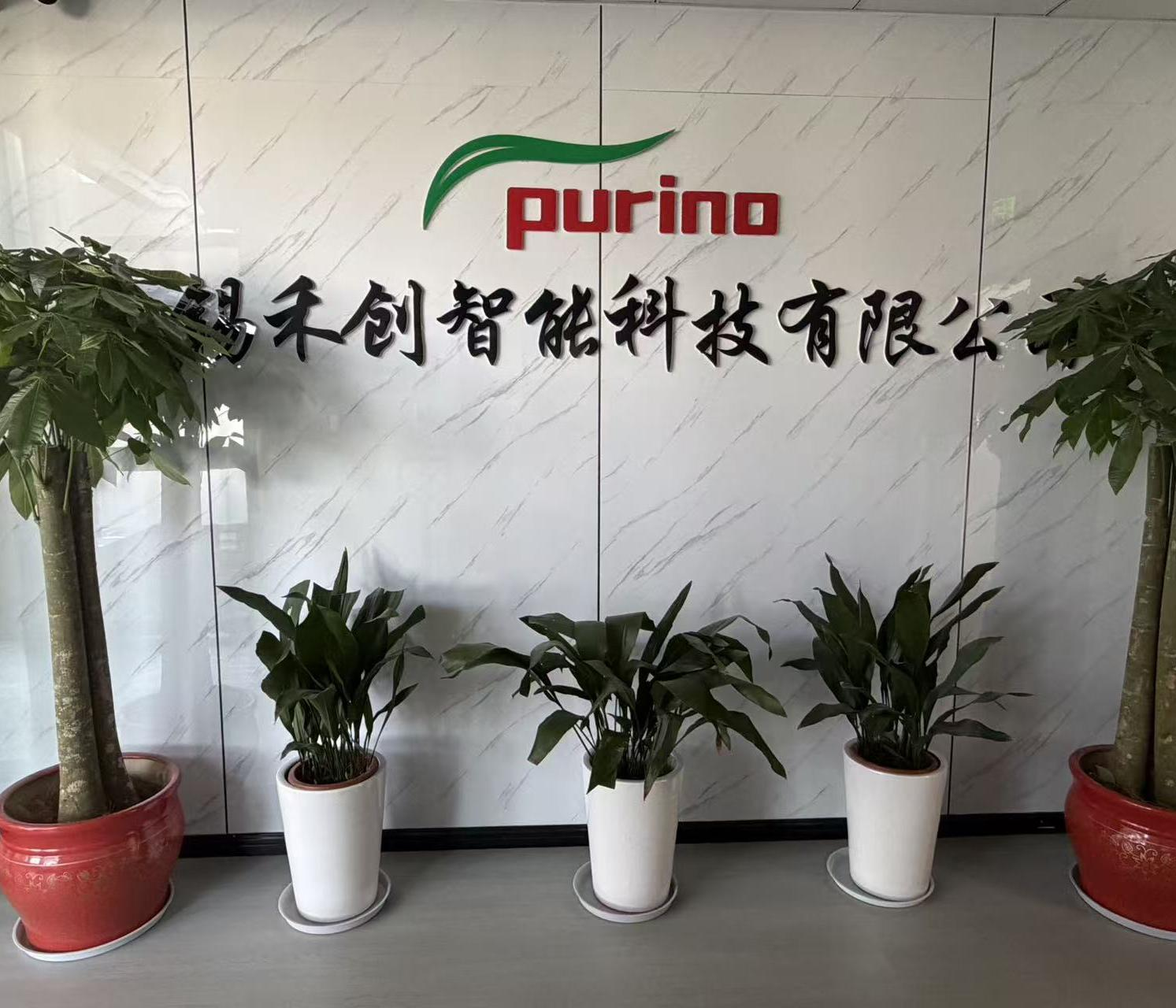
A mid-drive electric bike project is won or lost on whether the supplier can hold frame, drivetrain, battery, cabling and compliance together in one repeatable production program — not on whether a single rideable prototype can be built. ACOPLEX Electric Bike is supplied by Wuxi Purino International Trade Co., Ltd, a trading enterprise based in Wuxi, Jiangsu Province, China, that runs OEM and ODM programs for distributors, retailers and brand owners across Europe, North America, Southeast Asia, the Middle East and Africa.
What "mid-drive capability" actually means in an OEM e-bike order
A mid-drive electric bike is a bike whose motor is mounted at the bottom bracket in the middle of the frame instead of inside a wheel hub. That position changes almost everything a supplier has to control: the frame interface, the cable routing around the motor, the way the drivetrain wears under load, and how the finished bike behaves on a gradient with a rider and cargo on board.
The alternative architecture is still widely used and still valid. A hub motor sits in the wheel hub, has a simple structure and a low failure rate, needs essentially zero daily maintenance, delivers flat and predictable power output, but has weaker climbing ability and adds weight at the wheel. A mid-drive motor sits in the middle of the frame, distributes body weight more sensibly, gives stronger climbing and acceleration performance with more responsive power delivery, and suits hilly or rough roads. The trade-off is a higher price and a regular maintenance requirement.
For a buyer in the evaluation-to-execution stage, the practical question is not which motor type is better in the abstract. It is whether the supplier can reproduce the chosen configuration across a full purchase order, across repeat orders, and across the documentation a distributor or retailer actually needs.
Where mid-drive e-bike projects break down before they ship
Custom electric bike orders rarely fail because the concept was wrong. They fail in the gap between the quotation and the container.
- Specification drift. The frame colour, fender colour, wheel size and battery capacity quoted in the offer are the same items that arrive, or they are not. Customisation is where most disputes start.
- No whole-bike validation. Inspecting components is not the same as riding the assembled electric bike. A motor that passes a bench check can still misbehave once it is bolted into a frame with a controller, a harness and a rider.
- Compliance blind spots. In the EU market, EN 15194 is the mandatory standard for electrically power assisted cycles. A project without a CE basis stops at the retail listing stage, not the factory gate.
- Capacity and lead-time mismatch. The specification looks achievable, but the supplier cannot deliver the agreed volume inside the agreed window.
- After-sales gaps. Once the first shipment lands, nobody owns the technical questions, the logistics coordination or the next order.
Each of these is a capability question, which is why mid-drive sourcing is usually an evaluation of process rather than a comparison of motor specifications alone.
Background: category fragmentation, EN 15194, and why assembly capability matters
The electric bike category has fragmented into distinct purchase scenarios that behave differently in a warehouse and on a shop floor. An electric city bike prioritises comfort, step-through practicality and predictable urban range. An electric commuter bike prioritises reliability and daily durability. An electric mountain bike prioritises suspension travel, tyre volume and climbing traction. Compact 20-inch platforms and 28-inch platforms serve different rider heights, storage constraints and transport rules. Long-range and high-torque builds — the electric bike for steep climbs, the high-torque build aimed at loaded gradients — pull the entire specification toward mid-drive integration.
Running underneath all of that is regulation. Electrically power assisted bicycles sold in the EU market are expected to meet EN 15194, and buyers increasingly ask for the certificate rather than the claim. The ACOPLEX Electric Bike range complies with European safety standards and holds CE and EN15194 certification issued through TUV, the mandatory standard for electric assisted bicycles sold in the EU market.
Two structural features of the supply chain also matter. First, export-oriented suppliers are not selling into a single market — ACOPLEX products are exported to EU and America markets, which means one platform often has to satisfy two different expectation sets around documentation, packaging and specification detail. Second, the underlying manufacturing base matters: Purino works with stable, long-term cooperative manufacturing factories that operate mature production lines, advanced testing equipment and their own R&D capability. That is what makes flexible order arrangements — standard ready models alongside OEM & ODM customisation — realistic rather than aspirational.
The capability stack ACOPLEX Electric Bike puts behind an OEM or custom project
OEM and ODM customisation services in one program
Wuxi Purino International Trade Co., Ltd offers OEM production services for electric bikes and provides OEM/ODM customisation services for electric bikes. In practice that means a distributor or brand owner can start from an existing platform and adjust it, or start from a specification brief and have it built. Both routes sit inside the same quality and compliance framework, which is the part that matters for repeat orders.
What can actually be changed inside a project
Customisation is defined at the component and finish level, not as a vague promise of flexibility. The documented customisation scope covers the colour of the frame and fender, wheel size, battery capacity and other specification choices, with custom options extending to logo printing, customised packaging and colour matching according to client demand. Wheel size, for example, is a selectable dimension, and the existing ACOPLEX platforms already span 20-inch, 27.5-inch and 29-inch builds.
For a mid-drive or high-torque program, that structure matters more than it sounds. Frame interface, wheel size, battery capacity and finish decisions all influence how the electrical system, the drivetrain and the frame behave together, and all of them are the items that have to be frozen in writing before production starts.
Capacity, minimum order quantity and lead time
Three numbers frame every custom project: monthly capacity of 10,000 units, a minimum order quantity of 50 pcs, and a production lead time of 45–60 days. Together they tell a buyer whether a program is viable as a trial order, a first container or a rolling supply agreement.
Quality control that ends with a ride, not a checklist
The quality control process includes 100% component inspection and whole e-bike test riding, followed by inspection before shipment. For an electric bike with mid-drive architecture, that whole-bike test ride is the step that catches integration problems before they reach a customer.
A compliance base that works in EU and US-facing programs
All ACOPLEX electric bicycles strictly comply with European safety standards and have obtained CE and EN15194 certificates. The certification applies across the electric bike models, including the TRAVEL and UNICORN electric city bikes and the ROCKET electric mountain bike. For a buyer selling into the EU market, that is the difference between a compliant listing and an unshippable container.
After-sales and logistics inside the same relationship
The service model is deliberately end-to-end: one-stop services from product selection, quotation and sample arrangement through production tracking, quality control and after-sales technical support. Order handling and logistics coordination sit in the same relationship rather than with a third party. For a distributor running repeat orders, knowing who owns the technical question after delivery is as important as the unit price.
The export track record behind the platform
The ACOPLEX and Purino customer base is made up of retailers, distributors and brand owners, with documented customer volumes of around 100,000 pcs per year, relationships running 5–6 years, and applications in retail shelf placement and wholesale procurement. Markets served through these relationships span Europe, North America, South America and Asia-Pacific. For a new buyer evaluating a mid-drive program, long-running relationships in the same application categories are a signal about supply stability rather than a marketing claim.
From enquiry to shipment: how a custom electric bike project runs
- Define the use case and platform. Start from the target scenario — an electric city bike for flat urban commuting, an electric commuter bike for daily distance, an electric mountain bike for off-road use, or a compact 20-inch platform for space-constrained markets. The scenario drives the motor position, tyre size, suspension type and gear range that the project has to satisfy.
- Confirm the specification in writing. Frame material and finish, wheel size, battery capacity, motor configuration, display type, brake type, gearing and tyre specification. Every one of these is a documented decision, and every change after production begins costs time.
- Agree the commercial terms. Minimum order quantity is 50 pcs. Delivery terms are FOB, CFR or CIF. Payment terms are 30% in advance and 70% before loading by T/T or L/C. Acceptance criteria are based on inspection before shipment.
- Arrange the sample. Sample arrangement is part of the one-stop service. A physical sample lets the buyer verify ride position, power delivery and finish before committing to a production run.
- Lock the customisation details. Logo printing, customised packaging, colour matching and specification adjustment are all confirmed at this stage, including frame and fender colour and wheel size.
- Schedule production. With a monthly capacity of 10,000 units, a confirmed order is scheduled against a 45–60 day lead time.
- Run quality control. 100% component inspection, whole e-bike test riding, and inspection before shipment. This is the stage that protects the buyer from a specification that only looks correct on paper.
- Ship and support. Logistics coordination, order handling and after-sales technical support continue after the container leaves.
Use cases a mid-drive and customisation program should cover
- Steep climbs and high-torque riding. A mid-drive motor mounted at the bottom bracket gives stronger climbing and acceleration performance with more responsive power output, and suits hilly terrain and rough roads. A wide-ratio drivetrain supports that use case — the ROCKET electric mountain bike, for example, runs a SHIMANO 11-speed gear set.
- Long-range commuting. Range planning starts with the battery and the electrical platform. ACOPLEX electric bikes use a 48V 250W motor with a 48V/7AH Samsung lithium-ion battery, an LCD display, and front and rear hydraulic disc brakes as the common electrical and braking baseline across the range.
- Compact city mobility. The TRAVEL electric city bike is a 20-inch platform with 20X2.0 CST tyres and a ZOOM suspension alloy front fork, which suits tight urban storage, public transport integration and lower stand-over height.
- Weekend and off-road use. The ROCKET electric mountain bike runs 29X4.0 CST tyres with a Suntour suspension alloy fork and a 6061 aluminium alloy frame — a build aimed at traction and shock absorption on loose surfaces.
- Lightweight, comfortable city riding. The UNICORN electric city bike uses 27.5X2.6 CST tyres with a Suntour suspension alloy fork and a SHIMANO 9-speed gear set, balancing rolling comfort against daily practicality.
- Frame material and durability decisions. All three ACOPLEX platforms use a 6061 aluminium alloy frame. Aluminium alloy frames are light, resistant to rust and corrosion, and hold appearance over a long service life, at a higher material cost than steel. Steel frames carry stronger load capacity and a lower price, but add weight and rust more easily in humid conditions — a point worth resolving during specification rather than after delivery.
It is worth stating the boundary plainly: for flat-road, cost-sensitive urban commuting, a hub-motor electric bike remains the logical choice. Mid-drive belongs in hilly, sport-oriented and high-power applications, and a supplier that recommends it for every order is optimising for its own convenience rather than the buyer's market.
Comparison: mid-drive versus hub motor, and the ACOPLEX platform specifications
The first table sets out the structural difference that decides which architecture fits a project. The second table lists the published specifications of the three ACOPLEX electric bike platforms that a custom program can be built from.
| Comparison dimension | Mid-drive motor e-bike | Hub motor e-bike |
|---|---|---|
| Mounting position | Mounted in the middle of the frame at the bottom bracket | Installed on the wheel hub |
| Structure and maintenance | Higher price and a regular maintenance requirement | Simple structure, low failure rate, essentially zero daily maintenance |
| Power delivery | Sensitive, responsive power output | Flat and predictable power output |
| Climbing and acceleration | Strong climbing and acceleration performance | Weaker climbing ability |
| Weight distribution | Reasonable body weight distribution | Heavier wheel weight |
| Best-fit conditions | Suburban hilly areas, rough roads, riders wanting strong power performance | Urban flat-road commuting, cost-effective orders |
| Specification | TRAVEL | UNICORN | ROCKET |
|---|---|---|---|
| Category | Electric city bike | Electric city bike | Electric mountain bike |
| Motor | 48V 250W | 48V 250W | 48V 250W |
| Battery | 48V/7AH Samsung lithium-ion | 48V/7AH Samsung lithium-ion | 48V/7AH Samsung lithium-ion |
| Display | LCD display | LCD display | LCD display |
| Tyres | 20X2.0 CST | 27.5X2.6 CST | 29X4.0 CST |
| Brakes | Front and rear hydraulic disc | Front and rear hydraulic disc | Front and rear hydraulic disc |
| Gear set | SHIMANO 8-speed | SHIMANO 9-speed | SHIMANO 11-speed |
| Front fork | ZOOM, suspension, aluminium alloy | Suntour, suspension, aluminium alloy | Suntour, suspension, aluminium alloy |
| Frame material | 6061 aluminium alloy | 6061 aluminium alloy | 6061 aluminium alloy |
These figures reflect the published ACOPLEX product data and are intended as the starting point for a project brief. They do not replace a written specification confirmation, which is the document production is actually built against.
What a buyer should verify before committing to a mid-drive electric bike supplier
- Frame interface and cable routing control. Ask how the frame is defined around the motor position, and who owns that drawing.
- Drivetrain matching. Confirm the gear range is specified against the intended terrain, not inherited from a default platform.
- Battery and electrical platform match. Confirm capacity and configuration in writing, since battery capacity is an explicit customisation dimension.
- Whole-bike validation evidence. Component inspection alone is not sufficient evidence for a powered drivetrain. Whole e-bike test riding is the relevant control.
- Compliance documentation. For EU-facing programs, EN 15194 with a CE certificate is the baseline, not a bonus.
- Written capacity, MOQ and lead time. 10,000 units per month, 50 pcs minimum, 45–60 days — these should appear in the agreement, not in a conversation.
- After-sales and logistics ownership. Confirm who handles technical support and order coordination after the first shipment, because the second order is where supply relationships are actually tested.
Judged this way, a mid-drive project is an integration exercise. A supplier that can show a whole-bike test-ride process, a documented customisation scope and a compliance file is materially lower risk than one offering a lower unit price with no process behind it.
Frequently asked questions
Do ACOPLEX electric bikes meet EN 15194 for the EU market?
Yes. ACOPLEX electric bicycles comply with European safety standards and hold CE and EN15194 certification issued through TUV, covering the mandatory standard for electric assisted bicycles sold in the EU market. The certified electric bike models include the TRAVEL and UNICORN electric city bikes and the ROCKET electric mountain bike.
What supplier capability does mid-drive motor assembly require in an OEM project?
A mid-drive motor sits in the middle of the frame rather than in a wheel hub, so the supplier has to control the frame interface, the cable routing, the drivetrain match and whole-bike validation, not just purchase the motor. ACOPLEX electric bike projects are supported by OEM/ODM customisation covering frame and fender colour, wheel size, battery capacity and other specification adjustment according to client demand, with 100% component inspection and whole e-bike test riding before shipment.
What are the minimum order quantity and payment terms?
The minimum order quantity is 50 pcs. Delivery terms are FOB, CFR or CIF. Payment terms are 30% in advance and 70% before loading by T/T or L/C, with acceptance based on inspection before shipment.
Can a sample be arranged before mass production?
Yes. Sample arrangement is part of the one-stop service, which also covers product selection, quotation, production tracking, quality control and after-sales technical support.
How long does a custom electric bike program take?
Production lead time is 45–60 days, against a monthly factory capacity of 10,000 units after the minimum order quantity of 50 pcs is confirmed. To start a project, arrange a sample or confirm a specification, contact Nancy Chen at nancy@puruinuo.com or visit purinocycle.com.
Conclusion
Mid-drive capability is not a motor specification — it is a chain of decisions: frame and routing, drivetrain matching, battery configuration, whole-bike validation, EN 15194 compliance, and a production calendar that holds. ACOPLEX Electric Bike, supplied by Wuxi Purino International Trade Co., Ltd, addresses that chain with documented OEM/ODM customisation across frame and fender colour, wheel size and battery capacity, 10,000 units of monthly capacity, a 50 pcs minimum order quantity, a 45–60 day lead time, 100% component inspection with whole e-bike test riding, and EN15194 CE certification issued through TUV.
For a buyer moving from evaluation into execution, the practical next move is to put one platform and one specification in writing, validate it with a sample, and confirm the production window. That single cycle answers more than any catalogue page can.
Arrange a sample or request a project quotation
Send your target model, use case and customisation scope — frame and fender colour, wheel size, battery capacity, logo and packaging — and the team will come back with specification feedback, sample arrangement, pricing and a confirmed lead time.
Email: nancy@puruinuo.com | Tel: +86 0510-88998686 | WhatsApp: +86 153-1223-9200 | Website: https://www.purinocycle.com/
Have Questions or Need More Details?
Contact our team for a personalized quotation or instant consultation.
Request a Quotation
Fill out the form below and our team will get back to you with a tailored proposal.
WhatsApp Direct Chat
Prefer to chat in real-time? Message us on WhatsApp for instant assistance & quick answers.
- Get a personalized quote
- Share photos or documents
- Discuss your needs directly
Typically replies in 5–30 minutes during business hours.