Mid-Drive vs Hub Motor E-Bikes: A Buyer Comparison for Sports Programs
Short answer: for sports programs that run on gradients, carry heavier riders, and are ridden by people who actually shift gears, a mid-drive (central motor) electric bike is normally the stronger platform, because motor torque is delivered through the bike's own drivetrain and multiplies with the gear the rider has selected. Hub motors remain the volume choice worldwide — Global Market Insights reports hub motors at a 66% share of the e-bike drive market in 2024 — and they stay a defensible choice where the route is flat, daily distance is short, and purchase price is the dominant constraint.
This article is a purchasing comparison rather than a product announcement. It is written for people who buy electric bikes in batches: sports-club managers, trail-centre and resort fleet operators, rental operators, distributors and brand owners. The question it answers is the one that appears in real sourcing conversations — which is better, a hub motor or a mid-drive motor for an e-bike? — but it answers that question in the context that decides a program: torque delivery, terrain suitability, drivetrain integration and maintenance load across a full season.
Three ACOPLEX mid-drive models — TRAVEL, ROCKET and UNICORN — are used as the reference specification set, because a comparison only becomes useful when it ends in checkable values. Every model-level figure below comes from the manufacturer's published specification set; every market figure is attributed to the organisation that published it.
Problem Definition: What the Drive-System Decision Actually Decides
Definition — mid-drive: a mid-drive electric bike places the motor at the bottom bracket, between the pedals, so motor torque passes through the chainring, chain, cassette and derailleur, and therefore benefits from whichever gear the rider has selected.
Definition — hub motor: a hub motor electric bike places the motor inside the front or rear wheel hub, so drive torque reaches the ground directly at the wheel and is independent of the bicycle's gears.
That single architectural difference drives five downstream decisions that a sports program will feel within its first season:
- Climbing behaviour under load. A mid-drive can place a loaded rider on a steep ramp in a low gear and let the drivetrain multiply the available torque. A hub motor turns the wheel at a rate set by the motor itself, so climbing speed and heat generation are far less responsive to rider gearing.
- Weight distribution and handling. Central motor mass sits near the middle of the bike; hub mass sits at one axle. On descents, tight turns and loaded handling exercises, the central arrangement is generally easier to manage.
- Drivetrain wear and consumables. When the motor shares the chain and cassette, those parts become planned consumables with a defined replacement rhythm — a budgeting item for fleet operators rather than a surprise.
- Maintenance access and service time. A mid-drive system concentrates service competence on the drivetrain and bottom bracket area; a hub system concentrates it at the wheel, where motor cable routing and hub mass can slow a simple repair.
- Fleet consistency. Programs usually standardise on one platform so that spares, tools and staff training stay simple, which means the drive choice is made once and lived with for several seasons.
The risk is asymmetric. A hub-motor fleet on flat, lightly loaded routes usually performs acceptably even if the drive choice was not optimal. A hub-motor fleet committed to a climbing-heavy program tends to expose the mismatch through heat, slow progress with loaded riders and higher service attention. For that reason the terrain and load profile should be defined before the drive system is selected — not the other way round. This is also where the most common brief error appears: buyers compare drive systems as a general preference question when they should be comparing them against a specific route, rider weight and daily distance.
Industry Background: What the Market Data Shows
Electric bikes are no longer a niche category, and the drive-system mix is part of that picture. The following figures are reported by the organisations named, and they frame how a program buyer should read the hub-versus-mid-drive question.
- Global electric bike market revenue reached USD 38.7 billion in 2024 (Strategic Market Research, Electric Bike Market Report, Industry and Market Size & Revenue, Share, Forecast 2024–2030).
- Germany's e-bike sales reached 2.05 million units in 2024, representing 53% of total bicycle sales (ZIV – German Bicycle Industry Association, 2024 Market Data – Bicycles and E-Bikes).
- E-Mountain bikes (e-MTB) account for 40% of all e-bikes sold in Germany (Ride MTB / ZIV, 2024).
- Hub motors dominated the e-bike drive market with a 66% share in 2024 (Global Market Insights, E-Bike Drive Unit Market Size & Share Report 2034).
- Aluminium frames account for approximately 73% of global e-bike production (Dataintelo, Aluminum Bicycle Frame Market Research Report 2034).
- EU imports of electric bicycles fell by 27% in 2023 to 867,000 units (Eurostat, Decrease in trade of bicycles in 2023).
- Europe's electric cargo bike market was valued at USD 1.2 billion in 2023, a 40.5% share of global revenue in that segment (Grand View Research, Electric Cargo Bikes Market Size & Share Report, 2024–2030).
- Lithium-ion batteries maintain an 85% market share in the electric cargo bike segment (Strategic Market Research, E-Bikes Statistics and Trends 2024).
Three readings matter to a program buyer. First, hub motors selling in far greater volume than mid-drive systems does not make them the correct engineering choice for climbing-heavy programs; it reflects how many bikes are produced for flat, low-load, price-sensitive use. Second, demand is concentrated in mature markets where technical specifications are examined closely — Germany alone reporting 53% of bicycle sales as e-bikes means a large share of buyers already understand drive systems and will ask. Third, the 2023 decline in EU e-bike import volume, against a market that continues to report substantial revenue, is consistent with a shift in buying behaviour toward fewer but more carefully specified suppliers rather than a collapse in demand.
For sports programs, the practical translation is simple: the specification conversation has moved upstream. Program buyers are expected to state the drive type, the gearing, the frame material and the certification of what they order, and to be able to explain why.
How the ACOPLEX Mid-Drive Range Answers a Sports-Program Brief
ACOPLEX is the electric bike brand of Wuxi Purino International Trade Co., Ltd, a trading enterprise based in Wuxi, Jiangsu Province, China — an established industrial hub for electric bicycle manufacturing — that supplies electric bicycles, kids scooters and children's balance bikes to overseas buyers. The company was founded in 2016, operates with a 2,300 m² facility footprint, a three-engineer R&D team and an annual output of 200,000 pcs, and exports 100% of its output, with the EU and USA as its main markets. Its electric bicycles carry CE and EN 15194 certification, and EN 15194 is the mandatory standard for electric assisted bicycles sold in the EU market.
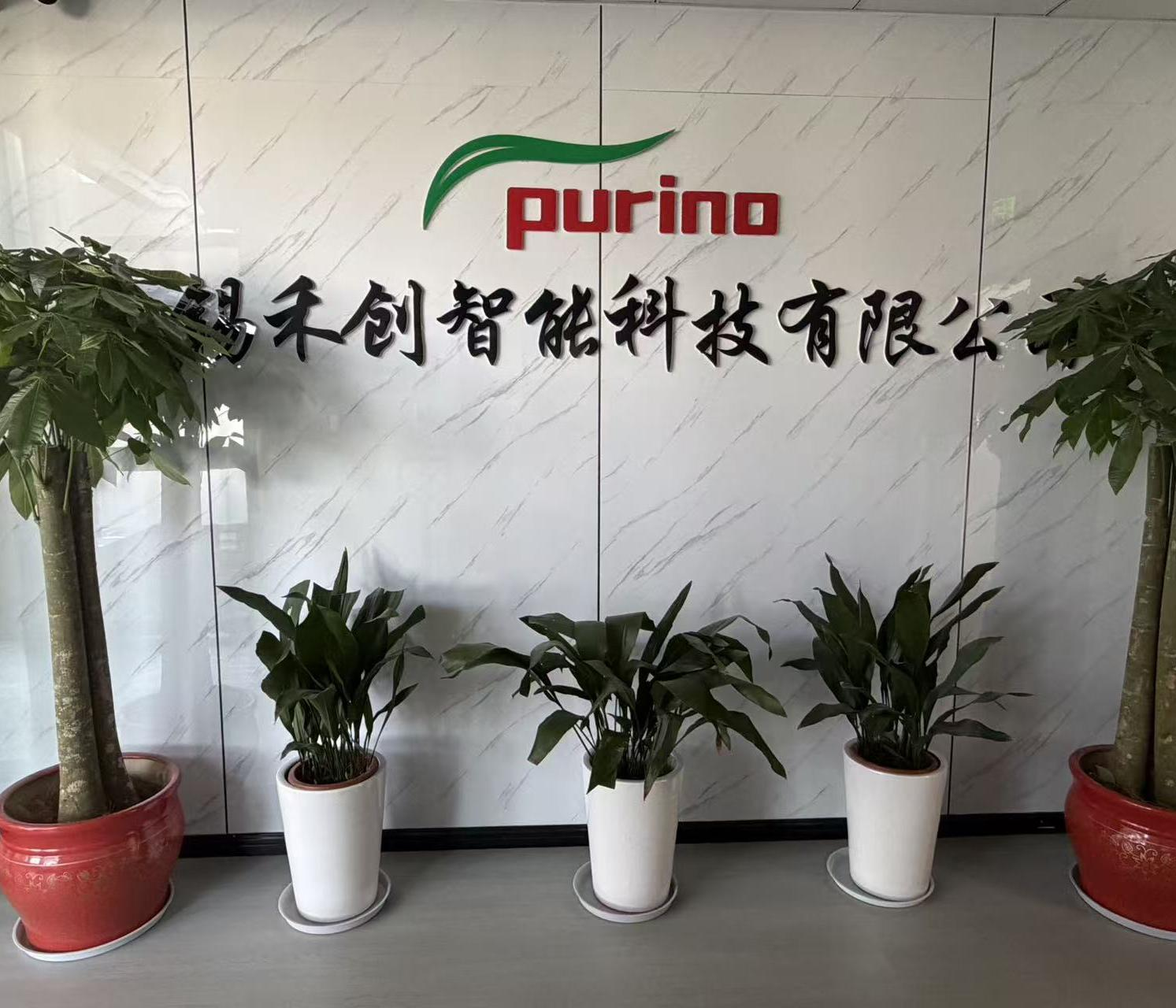
ACOPLEX electric bike programs are supplied by Wuxi Purino International Trade Co., Ltd, Wuxi, Jiangsu, China.
The three models used as mid-drive reference points in this comparison are engineered around the requirements that sports programs raise most often: controlled assistance on gradients, hydraulic braking, aluminium alloy frames and multi-speed gearing rather than single-speed assistance.
TRAVEL — compact city platform
TRAVEL (product ID 9853) is an electric city bike with a 48V 250W motor, a 48V/7AH Samsung lithium-ion battery and an LCD display. It runs on 20X2.0 CST tyres, stops with front and rear hydraulic disc brakes, uses SHIMANO 8-speed gearing, and carries a ZOOM brand suspension front fork in aluminium alloy. The frame is 6061 aluminium alloy. Its 20-inch wheel size makes it the most compact and manoeuvrable option of the three, which suits confined program environments such as campus loops, sports-centre shuttles and mixed pedestrian zones.
ROCKET — mountain and trail platform
ROCKET (product ID 9856) is an electric mountain bike built on the same 48V 250W motor and 48V/7AH Samsung lithium-ion battery platform with an LCD display, but configured for rougher ground: 29X4.0 CST tyres, front and rear hydraulic disc brakes, SHIMANO 11-speed gearing, a Suntour brand suspension aluminium alloy front fork, and a 6061 aluminium alloy frame. It is the widest-gearing model in the range and the most directly applicable to off-road sports programs where riders expect to climb.
UNICORN — mixed-surface city platform
UNICORN (product ID 9857) is an electric city bike positioned between the other two: 27.5X2.6 CST tyres, front and rear hydraulic disc brakes, SHIMANO 9-speed gearing, a Suntour brand suspension aluminium alloy front fork and a 6061 aluminium alloy frame, again on the 48V 250W motor and 48V/7AH Samsung lithium-ion battery with LCD display. For programs that mix paved and unpaved surfaces in one route, it avoids committing the fleet to either extreme.
Behind the models sits a program-side capability set that matters as much as the specifications: OEM/ODM customization covering customised frame and fender colour, wheel size, battery capacity and other choices; a monthly capacity of 10,000 electric bike units; a MOQ of 50 pcs; a production lead time of 45–60 days; quality control consisting of 100% component inspection and whole e-bike test riding; EU and America as export markets; and one-stop services that include after-sales support, logistics coordination and order handling.
Step-by-Step: How to Evaluate a Drive System Before You Order
The sequence below is a purchasing workflow rather than a product tour. It is designed to be run before a quotation is accepted, so that the drive-system decision is tested against the program instead of against a showroom impression.
- Define the duty cycle in writing. Record typical rider weight, passenger or equipment load, daily distance, the steepest sustained gradient on the route, and whether the route is paved, unpaved or mixed. Everything afterwards is judged against this document.
- Decide the terrain class first, then the drive type. Sustained gradients and variable off-road surfaces generally point toward a mid-drive configuration; flat, short, lightly loaded routes leave the hub-motor option open on cost grounds.
- Check drivetrain integration and gearing range. Confirm the actual number of speeds and the drivetrain brand, because it determines how much the rider's gear selection can contribute on a climb. In this reference set the gearing is SHIMANO 8-speed on TRAVEL, SHIMANO 9-speed on UNICORN and SHIMANO 11-speed on ROCKET.
- Check the structural and safety package as one system. Frame material, fork specification and brakes should match the terrain class. All three reference models use 6061 aluminium alloy frames, suspension aluminium alloy front forks and front and rear hydraulic disc brakes.
- Verify the specification in numbers, including torque. Rated torque is the single figure that decides whether an assistance system suits a climbing program, and it is also the figure most often missing from a quotation. Ask for the rated torque, the rated voltage and power, and the battery capacity in writing for the exact model and configuration you intend to order, and compare like for like across suppliers rather than relying on general claims.
- Confirm market compliance for the destination. EN 15194 compliance is mandatory for e-bike sales in the EU market, so the certificate should exist per model before an EU program order is placed. Ask the supplier to confirm that the configuration you are ordering is covered by the certificate you are shown.
- Validate with a sample and a pilot batch, then scale. Request a sample through the supplier's sample arrangement process, verify it against the duty-cycle document, and only then commit to volume. The standard MOQ for a customized program is 50 pcs with a 45–60 day lead time, which makes a pilot batch a practical step rather than a theoretical one.
Use Cases: Matching a Model to a Program
City and campus sports programs
Programs that run shuttle loops, campus movement and short guided routes need compact handling and low-speed control rather than long gearing. TRAVEL's 20X2.0 tyres, SHIMANO 8-speed gearing and 48V 250W motor fit that profile, and the compact wheel size reduces the storage footprint when bikes are racked between sessions.
Trail, mountain and off-road programs
Where the route includes sustained climbing, loose surfaces and high-volume tyre float, ROCKET is the appropriate reference: 29X4.0 CST tyres, SHIMANO 11-speed gearing, a Suntour suspension fork and hydraulic disc braking front and rear. This is the configuration in which the mid-drive architecture earns its place, because the motor works through the same 11-speed drivetrain the rider uses.
Mixed-surface programs and rental lines
Rental fleets rarely know in advance which surface a customer will choose. UNICORN's 27.5X2.6 tyres and SHIMANO 9-speed gearing make it a workable single-platform answer for mixed routes, keeping spares, staff training and service procedures consistent across one model.
Wholesale and distribution programs
For distributors and brand owners, the buying question is supply continuity as much as specification. UNICORN (product ID 9857) supports OEM/wholesale and multi-country export services, has achieved stable supply at 100,000 pieces per year for wholesale procurement, and is used for retail shelving and wholesale procurement by retailers, distributors and brand owner clients. Related programs have run supply relationships of 5–6 years at a project scale of 100,000 pieces per year, and shipments have covered more than 30 countries including Austria, Australia, Belgium, Brazil, Canada, Switzerland, Chile, Colombia, Czech Republic, Germany, Denmark, Spain, Finland, France, the United Kingdom, Hong Kong, Italy, Japan, South Korea, Mexico, Malaysia, Netherlands, Norway, New Zealand, Poland, Portugal, Russia, Sweden, Singapore, Turkey and the United States.
Mid-Drive vs Hub Motor: Comparison Table
The table below compares the two drive architectures on the dimensions that decide a sports-program purchase. Rows are qualitative engineering comparisons unless a source is named; the only market figure used is the 2024 drive-market share reported by Global Market Insights.
| Decision dimension | Mid-drive (central motor) | Hub motor |
|---|---|---|
| Motor position | At the bottom bracket, between the pedals; mass sits near the centre of the bike | Inside the front or rear wheel hub; mass sits at that axle |
| How torque reaches the ground | Through chainring, chain, cassette and derailleur, so the selected gear multiplies climbing effort | Directly at the wheel, independent of the gear the rider selects |
| Terrain suitability | Generally better suited to sustained gradients, loaded climbing and variable off-road surfaces | Generally better suited to flat or gently rolling routes, short trips and light loads |
| Drivetrain integration | One shared drivetrain; gearing choices such as the 8, 9 or 11 speed used on TRAVEL, UNICORN and ROCKET directly shape assistance | No shared drivetrain; chain, cassette and derailleur carry rider load only |
| Maintenance profile | Chain, chainring and cassette are the wear-critical consumables and should be budgeted as fleet consumables | Fewer motor-linked drivetrain wear points; service attention concentrates at the hub |
| Wheel and tyre service | Wheel removal and puncture repair follow standard bicycle procedure | Hub cable routing and hub mass can make rear-wheel removal slower |
| Frame and packaging implications | Central packaging affects bottom-bracket area design and battery placement | Requires a motor-ready hub plus dropout and wiring provision |
| Drive-type market share, 2024 | Not separately reported in the data used for this article | 66% of the e-bike drive market (Global Market Insights) |
| EU market requirement | EN 15194 compliance is mandatory for e-bike sales in the EU market | Same requirement; the standard applies regardless of drive type |
Model Specification Comparison: TRAVEL vs ROCKET vs UNICORN
Once the drive architecture is settled, the next comparison is between models. All values below are taken from the published specification set for the three ACOPLEX mid-drive models.
| Specification | TRAVEL (ID 9853) | ROCKET (ID 9856) | UNICORN (ID 9857) |
|---|---|---|---|
| Type | Electric city bike | Electric mountain bike | Electric city bike |
| Motor | 48V 250W | 48V 250W | 48V 250W |
| Battery | 48V/7AH Samsung li-ion | 48V/7AH Samsung li-ion | 48V/7AH Samsung li-ion |
| Display | LCD display | LCD display | LCD display |
| Tyres | 20X2.0 CST | 29X4.0 CST | 27.5X2.6 CST |
| Speed gears | SHIMANO 8 speed | SHIMANO 11 speed | SHIMANO 9 speed |
| Brakes | Front and rear hydraulic disc brake | Front and rear hydraulic disc brake | Front and rear hydraulic disc brake |
| Front fork | ZOOM brand, suspension, Al alloy | Suntour brand, suspension, Al alloy | Suntour brand, suspension, Al alloy |
| Frame material | 6061 aluminium alloy | 6061 aluminium alloy | 6061 aluminium alloy |
| Certification coverage | CE / EN 15194 | CE / EN 15194 | CE / EN 15194 |
| Best program fit | City, campus and compact-space programs | Trail, mountain and off-road programs | Mixed-surface programs and rental fleets |
Note: the three models share the same 48V 250W motor class, 48V/7AH Samsung lithium-ion battery, LCD display, hydraulic disc braking front and rear and 6061 aluminium alloy frame. They differentiate on wheel and tyre size and on gearing — 8, 9 and 11 speed respectively — which is what shifts each model into a different program category.
FAQ
Does the drive system change which certification a sports-program e-bike needs?
No. EN 15194 compliance is mandatory for e-bike sales in the EU market, and the certification attaches to the model rather than to the drive type. The ACOPLEX electric bicycles covered in this comparison — TRAVEL, ROCKET and UNICORN — hold CE and EN 15194 certification, with TUV recorded as the authority in the certification record. Because battery capacity, wheel size and colour can all be customised, the buyer should ask the supplier to confirm that the specific configuration being ordered is covered by the certificate shown.
Can a mid-drive electric bike be customised for a sports program or a house brand?
Yes. OEM/ODM customization services for electric bikes cover customised colour for the frame and fender, wheel size, battery capacity and other choices. Customised programs run with a MOQ of 50 pcs, supported by a monthly capacity of 10,000 electric bike units, with EU and America as the export markets served.
What lead time and order volume should a program plan for?
Lead time for production is 45–60 days, the standard MOQ is 50 pcs, and monthly output is 10,000 electric bike units. One-stop services accompany the order, including after-sales support, logistics coordination and order handling, which keeps program scheduling, shipping and post-delivery support under a single supplier contact.
How can a buyer validate ride quality and quality control before scaling up?
Quality control consists of 100% component inspection and whole e-bike test riding, so every unit is checked at component level and ridden before shipment rather than sampled statistically. Reference programs have run at a project scale of 100,000 pieces per year with supply relationships continuing for 5–6 years, which gives a buyer a realistic benchmark for how a scaled program behaves after the sample stage.
What makes a trusted China electric bike manufacturer for a sports-program order?
For this reference set, the supplier is Wuxi Purino International Trade Co., Ltd, which trades as the ACOPLEX electric bike brand from Wuxi, Jiangsu, China. It was founded in 2016, exports 100% of its output with the EU and USA as its main markets and an annual output of 200,000 pcs, and ships to more than 30 countries. Its products have been used by retailers, distributors and brand owner clients for retail shelving and wholesale procurement. Buyers who want to test the drive-system decision on a real bike can request a sample and a quotation at nancy@puruinuo.com, or through the supplier's website at www.purinocycle.com.
Conclusion: Choose the Drive System from the Route, Not from the Trend
Hub motors held 66% of the e-bike drive market in 2024, and that number is real — but it describes a production mix weighted toward flat, low-load, price-sensitive use, not a verdict on climbing programs. Where a sports program involves gradients, loaded riders and terrain that changes surface, a mid-drive platform is the more suitable architecture, because torque passes through the drivetrain and the rider's gear choice becomes part of the assistance. Where the route is flat and short and the budget is the binding constraint, a hub motor remains a rational option.
The decision becomes manageable once it is reduced to checkable items: duty cycle, terrain class, drivetrain integration and gearing, frame and safety package, written torque and power figures, certification for the destination market, and a pilot batch before volume. In this comparison, TRAVEL, ROCKET and UNICORN share a 48V 250W motor class, a 48V/7AH Samsung lithium-ion battery, LCD display, front and rear hydraulic disc brakes and 6061 aluminium alloy frames, and separate by wheel size and gearing — 20X2.0 with SHIMANO 8-speed, 29X4.0 with SHIMANO 11-speed, and 27.5X2.6 with SHIMANO 9-speed. That is the level of detail a quote should contain before a sports program signs it.
For program buyers ready to move from comparison to validation, the practical next step is a sample: request a sample unit and a quotation for the model that matches your terrain class, confirm the rated torque and configuration in writing, and check EN 15194 coverage for your destination market. Samples and program discussions are handled by Wuxi Purino International Trade Co., Ltd (ACOPLEX) at nancy@puruinuo.com or https://www.purinocycle.com/.
Have Questions or Need More Details?
Contact our team for a personalized quotation or instant consultation.
Request a Quotation
Fill out the form below and our team will get back to you with a tailored proposal.
WhatsApp Direct Chat
Prefer to chat in real-time? Message us on WhatsApp for instant assistance & quick answers.
- Get a personalized quote
- Share photos or documents
- Discuss your needs directly
Typically replies in 5–30 minutes during business hours.