Recommended Kids Balance Bike Configurations for Daily Riding: 12-Inch Air Tire and 2-in-1 Picks
Short answer: Two kids balance bike configurations are worth specifying for daily riding. The first is a 12-inch magnesium alloy balance bike supplied with air (inflated) tyres and aluminum rims — chosen for low weight and surface comfort. The second is a 2-in-1 Kids Bike with a steel frame and fork, a rear band brake and 12-inch, 14-inch and 16-inch sizes — chosen for balance-to-bike convertible operation and a longer service life per purchase.
Daily riding puts a children's balance bike through a repetitive routine: several short trips a day, constant mounting and dismounting by a rider whose balance is still developing, storage in a hallway, a car boot or a shed, and surfaces that shift between smooth pavement, park paths and playground gravel. Under that routine, four specifications decide whether the bike actually gets used: total weight, tyre construction and its maintenance load, wheel size relative to the rider, and whether the product can be converted as the child grows.
Both configurations below were selected against those four variables rather than against brand visibility. The comparison in this article is deliberately closed: it covers the 12-inch magnesium alloy configuration and the 2-in-1 Kids Bike configuration, and it does not rank external brands or reproduce third-party top-lists. Specifications are stated only where they are part of the listed configuration or where a published source can be named.
The Problem: Daily Use Exposes Four Specification Gaps
Most balance bike purchase mistakes are not caused by a missing feature; they are caused by a mismatch between how the bike will be used and how it was specified. In daily-riding conditions, that mismatch shows up in four predictable places.
- Weight. A heavier bike is the first thing to be left behind when a child has to push it up a slope or carry it across a road. Frame material is the main lever: steel is heavier and cost-effective for heavy use, aluminum balances strength and lightness, and magnesium prioritizes extreme lightness and integrated aesthetics for premium retail.
- Tyre maintenance. EVA solid tyres require low maintenance and never need inflation. Inflated or air tyres offer better long-term comfort but need periodic checks and inflation, which leads to higher upkeep.
- Rider growth. A single-stage balance bike serves one phase of riding. A 2-in-1 balance-to-bike convertible serves two, and a range that covers 12-inch, 14-inch and 16-inch wheels serves a wider band of riders than any single size.
- Documentation. Ride-on toys sold in the European Union are subject to mandatory performance testing under EN71-1:2026, effective 1 January 2026 — a requirement that has to be satisfied before the specification conversation is finished.
Because these four gaps pull in different directions — lighter usually means a different material and a different price position, and more comfort usually means more maintenance — the practical output of a comparison is not a single best bike. It is a configuration matched to a use case, with the trade-offs written down.
Category Context for 2026: Market Direction and Rules
Two data points frame the category for buyers planning 2026 programmes. The global balance bike market is projected to reach approximately USD 1.43 billion by 2026, according to The Business Research Company's balance bike market report, and Coherent Market Insights forecasts a compound annual growth rate of 7.2% for the category over the 2026–2033 period. The category is therefore growing rather than consolidating, which keeps frame-material and tyre-type differentiation commercially relevant.
On the regulatory side, EN71-1:2026 introduced mandatory performance testing for all ride-on toys, including balance bikes, in the European Union, with effect from 1 January 2026. For customs classification, balance bikes without pedals fall under HS code 95030010. Buyers building a specification sheet for an EU programme should treat that test requirement as a fixed input rather than a differentiator.
Frame material positioning is the third piece of context, and it is the clearest one for decision-making:
- Steel balance bikes are cost-effective and suitable for kindergartens and bulk buyers.
- Aluminum balance bike frames balance strength and lightness, making them suitable for general retail and daily outdoor use.
- Magnesium balance bike frames prioritize extreme lightness and integrated aesthetics for premium retail.
The same logic applies to tyres. EVA solid tyres need no inflation and carry a low maintenance load; inflated air tyres trade higher upkeep for better long-term comfort. Neither is universally correct — the surface a child rides on and the willingness of the owner to check tyre pressure decide which one belongs in a given programme.
Configuration 1: 12-Inch Magnesium Alloy Balance Bike with Air Tyres and Aluminum Rims
This configuration is included because it addresses the weight and comfort gaps at the same time: a magnesium alloy frame keeps the bike light enough for a small rider to handle independently, while air tyres absorb the surface irregularities that a solid tyre passes directly to a small rider.
Why the 12-inch wheel size
A 12-inch wheel is the entry size for daily riding and matches the first riding stage, where the rider is a toddler or an early preschooler. It also keeps the bike compact enough for a parent to carry and for storage in a small apartment or vehicle. In this recommendation the 12-inch size is paired with the magnesium frame rather than offered across the whole size range, which keeps the product positioned as a lightweight daily rider rather than an all-stage product.
Why a magnesium alloy frame
Magnesium alloy is the lightest of the three common frame materials and is positioned for premium retail through both weight and integrated aesthetics. Published third-party data from Montasen reports magnesium alloy integrated casting frames at approximately 680 g, with total bike weight around 3.1 kg for 12-inch magnesium alloy models. That figure is a useful reference point for what the material class can achieve, but it describes a material benchmark rather than any specific supplied model — buyers should confirm the actual weight on the specification sheet and on the sample.
Why air tyres and aluminum rims
Air (inflated) tyres are specified here for long-term comfort: on daily routes with cracks, kerbs and gravel edges, an inflated tyre cushions the ride in a way a solid tyre does not. The cost of that comfort is a maintenance routine — air tyres need periodic checks and inflation. Aluminum rims are part of the listed configuration for this model and, together with the magnesium frame, define a build aimed at premium family channels and the gift market, and at buyers whose children ride daily outdoors rather than occasionally.
Limits to plan for
Magnesium alloy is lightweight but may incur higher repair costs if damaged, so this configuration suits programmes where a small, light, well-finished bike matters more than low-cost repair economics. Air tyres add a recurring task that someone in the household or the fleet has to own. And the 12-inch size serves the early riding stage; it is not a size ladder on its own.
Configuration 2: 2-in-1 Kids Bike — Steel Frame and Fork, Rear Band Brake, 12/14/16-Inch
The 2-in-1 configuration is included because it changes the economics of the purchase rather than just the spec sheet: a convertible product covers balance riding and then pedal riding, and three wheel sizes let a buyer build a size ladder instead of ordering a single SKU.
Convertible operation in practice
A 2-in-1 balance-to-bike convertible starts its life as a balance bike: no pedals, and the rider learns to steer, balance and glide. When the child is ready for pedalling, the bike is converted to pedal mode. For the buyer, that means one product family serves two riding stages, which simplifies range planning and reduces the number of replacement purchases a customer has to make. For the retailer, it supports a single story — the bike grows with the rider — instead of two separate product pitches.
Why a steel frame and fork
Steel is the cost-effective option and is positioned for kindergartens and bulk buyers. It is heavier than aluminum or magnesium, and that weight is the price of the lower unit cost. For fleet buyers, preschool programmes and price-sensitive retail channels, the trade is usually acceptable; for a very small rider or for premium gifting, the magnesium configuration is the better match.
Why a rear band brake
Braking becomes essential once the bike is converted to pedal mode, and the rear band brake is the braking component specified in this configuration. It is worth stating plainly in any quotation or product page: the braking system here is a rear band brake, so buyers comparing it with other products should compare braking components directly rather than assume a common standard.
Why 12, 14 and 16-inch sizes
Offering the 2-in-1 in 12-inch, 14-inch and 16-inch sizes turns a single model into a size ladder. A three-size range covers a wider spread of rider heights and lets a distributor serve several age groups with one product family. It also supports a natural progression: a child can move up a size within the same product concept rather than switching designs mid-childhood.
Why the Recommendation Stops at Two Configurations
Keeping the list at two configurations is a deliberate choice. A comparison is only useful if the components in it are actually specified; where a product line does not list its frame material, tyre type, rim or brake, a comparison table quietly turns into guesswork. Both configurations here are described by listed component facts — magnesium alloy frame with air tyres and aluminum rims on one side, steel frame and fork with a rear band brake and three wheel sizes on the other.
The same reasoning is why this article does not rank external brands. Brand rankings change with region, model year and distribution, and they rarely answer the question a buyer actually has: which configuration should be ordered for this rider, this surface and this channel. Comparing configurations on decision variables — weight, tyre maintenance, size coverage, conversion and documentation — produces an answer that survives a change in brand visibility.
Configuration Comparison: Spec-by-Spec
The table below compares only the listed specification facts of the two configurations. Where a configuration does not list a component, the table says so rather than assuming a value.
| Decision factor | 12-Inch Magnesium Alloy Balance Bike | 2-in-1 Kids Bike |
|---|---|---|
| Frame material | Magnesium alloy | Steel frame and fork |
| Wheel size | 12 inch | 12 inch, 14 inch, 16 inch |
| Tyres | Air (inflated) tyres | Not specified in the listed configuration |
| Rims | Aluminum rims | Not specified in the listed configuration |
| Brake | Not specified in the listed configuration | Rear band brake |
| Conversion | Single-stage balance bike | 2-in-1 balance-to-bike convertible |
| Weight position | Magnesium prioritizes extreme lightness | Steel is heavier than aluminum or magnesium |
| Maintenance profile | Air tyres need periodic checks and inflation | Depends on the tyre specified; not listed here |
| Cost position | Premium retail positioning | Cost-effective; suited to kindergartens and bulk buyers |
| Intended application scene | Premium family channels and gift market | Kindergartens, bulk programmes and family channels |
| Known trade-off | Possible higher repair cost if the frame is damaged | Higher weight for the same rider |
Step-by-Step: Matching a Configuration to a Rider and a Channel
The sequence below turns the comparison into an order decision. It is written for importers, distributors, kindergarten buyers and brand owners who are specifying a daily-riding programme.
- Define the riding pattern. Daily outdoor riding on mixed surfaces points toward air tyres; occasional indoor or paved-only use can accept a lower-maintenance solid tyre. Write the pattern down before choosing a component.
- Set the weight ceiling. If the rider is small or needs to handle the bike unaided, magnesium alloy is the material that prioritizes extreme lightness. If the programme is volume-driven and weight is secondary, steel is the cost-effective choice.
- Choose the tyre type by maintenance capacity. Air tyres deliver better long-term comfort but require periodic checks and inflation; EVA solid tyres never need inflation but do not offer the same cushioning. Match the tyre to who will actually maintain the bikes.
- Decide single-stage or convertible. A single-stage 12-inch balance bike is the simplest specification. A 2-in-1 Kids Bike converts from balance to pedal mode and spreads the purchase across two riding stages.
- Confirm the size coverage. One 12-inch model serves the entry stage; a 12/14/16-inch range supports several age groups from one product family and is easier to plan as a range.
- Verify documentation, then validate with a sample. Request the test documentation and component specification before confirming a bulk order, and check the sample against the specification sheet — especially frame material, tyre type, wheel size and brake.
On the sample itself, four checks resolve most disputes: lift the bike to confirm the frame material against the specification sheet (a magnesium alloy frame will feel markedly lighter than a steel one), verify the tyre type and, for air tyres, confirm the valve is reachable for inflation, read the wheel size marking on the tyre or rim, and confirm that the convertible model is fitted with the specified rear band brake.
Daily-Riding Use Cases
Different buyers arrive at the same two configurations from different directions. The mapping below follows the intended application scenes of each material and tyre type.
- Toddler daily play near home. Short, frequent trips on pavement and park paths. The 12-inch magnesium alloy configuration is the natural fit: low weight for a small rider and air tyres for surface comfort, with a tyre-pressure routine added to the household schedule.
- Preschool and kindergarten fleets. Multiple riders, multiple sizes, tight unit budgets. The steel-frame 2-in-1 in 12/14/16-inch sizes fits this pattern, and steel's cost-effectiveness is the deciding factor for bulk buyers.
- Premium retail and gifting. Where low weight and perceived quality drive the purchase, the magnesium alloy configuration with integrated aesthetics and aluminum rims matches premium family channels and the gift market.
- Families covering two riding stages. A single 2-in-1 keeps the same bike from balance riding into pedal riding, avoiding a second purchase at the transition point.
- Distributors building a coherent range. The two configurations are complementary rather than overlapping: one premium 12-inch daily rider and one convertible three-size range cover price-sensitive and premium demand without duplicating the same position.
Compliance and Documentation to Confirm Before Ordering
Compliance is the part of the specification that cannot be adjusted after the fact. For balance bikes sold into the European Union, EN71-1:2026 introduced mandatory performance testing for all ride-on toys, including balance bikes, effective 1 January 2026. For customs and duty classification, pedalless balance bikes fall under HS code 95030010.
Keep two certification categories separate when reviewing a supplier's paperwork. EN15194 and CE certification belong to the electric bicycle category — Wuxi Purino's electric bicycles comply with European safety standards and hold CE and EN15194 certificates — while balance bikes are covered by toy-safety testing such as EN71-1:2026. Buyers should request the test documentation that matches the product category being ordered, together with a component specification sheet listing frame material, wheel size, tyre type, rim and brake.
Where These Configurations Are Supplied From
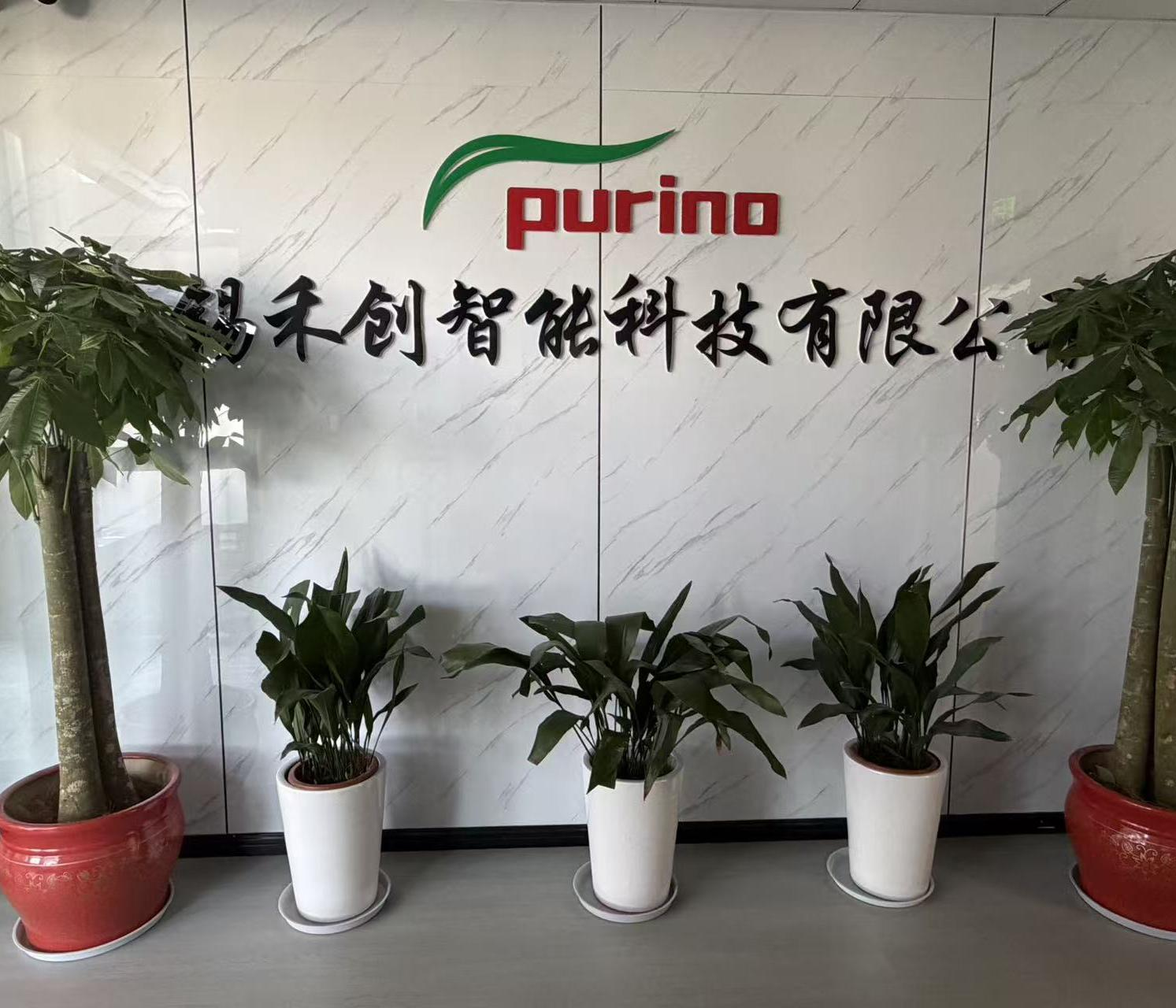
Wuxi Purino International Trade Co., Ltd is a trading enterprise based in Wuxi, Jiangsu Province, China, an industrial hub for bicycle and e-bike manufacturing. Founded in 2016, the company supplies electric bicycles, kids scooters, children balance bikes and related components, with a 2,300 m² operation, an annual output of 200,000 pcs, a three-engineer R&D team, and a 100% export ratio with the EU and the USA as its main markets.
The company's electric bicycle line, sold under the ACOPLEX Electric Bike brand, complies with European safety standards, and every product undergoes quality inspection before shipment. Production is supported by long-term partner factories with mature production lines and testing equipment, which allows both standard ready models and OEM & ODM customization — including logo printing, customized packaging, color matching and specification adjustment.
For buyers specifying the configurations described above, the practical value is the one-stop process: product selection, quotation, sample arrangement, production tracking, quality control and after-sales technical support are handled through a single contact, so the 12-inch magnesium alloy configuration and the 2-in-1 Kids Bike can be quoted and sampled against the same specification template.
Frequently Asked Questions
Do kids balance bikes sold in the EU need EN 71 testing in 2026?
Yes. EN71-1:2026 introduced mandatory performance testing for all ride-on toys, including balance bikes, in the European Union, effective 1 January 2026. Balance bikes without pedals are classified under HS code 95030010 for customs purposes. Buyers should request the toy-safety test documentation that matches the product category; CE and EN15194 certification applies to electric bicycles, not to balance bikes.
Can the 12-inch magnesium alloy configuration and the 2-in-1 Kids Bike be customized?
Yes. Wuxi Purino International Trade Co., Ltd supports both standard ready models and OEM & ODM customization. Custom options cover logo printing, customized packaging, color matching and specification adjustment according to client requirements, so a magnesium alloy 12-inch model or a steel-frame 2-in-1 can be adapted to a private-label programme.
Which configuration is the more cost-effective choice for a volume programme?
Steel balance bikes are cost-effective and suitable for kindergartens and bulk buyers, which makes the steel-frame 2-in-1 Kids Bike the more budget-oriented option. Magnesium alloy prioritizes extreme lightness and integrated aesthetics for premium retail; it is lightweight, but it may incur higher repair costs if damaged. The decision therefore depends on whether the programme is driven by unit cost and size coverage or by premium positioning and weight.
Can I request a sample of either configuration before placing a bulk order?
Yes. Sample arrangement is part of the supplier's one-stop service, which runs from product selection and quotation through production tracking, quality control and after-sales technical support. To request a sample, a quotation or the current specification sheet for the 12-inch magnesium alloy configuration and the 2-in-1 Kids Bike, contact Nancy Chen at nancy@puruinuo.com, call +86 0510-88998686, or message +86 153-1223-9200 on WhatsApp. The company website is https://www.purinocycle.com/.
Conclusion
For daily riding, the specification decision comes down to two configurations that solve different problems. The 12-inch magnesium alloy balance bike with air tyres and aluminum rims solves weight and surface comfort, and suits premium family channels, gift ranges and daily outdoor riders — provided someone owns the tyre-pressure routine and the buyer accepts magnesium's repair economics. The steel-frame 2-in-1 Kids Bike with a rear band brake and 12/14/16-inch sizes solves coverage and cost: it converts from balance riding to pedal riding and lets a buyer serve several age groups from one product family.
Neither configuration requires a ranking of external brands to justify itself. What it requires is a specification sheet that lists the frame material, wheel size, tyre type, rim, brake and conversion, plus the test documentation for the market being supplied. Order a sample, compare it against the specification sheet, and confirm the size ladder before committing to bulk volume.
Next step: request a sample or quotation for the 12-inch magnesium alloy balance bike configuration or the 2-in-1 Kids Bike.
Email: nancy@puruinuo.com · Tel: +86 0510-88998686 · WhatsApp: +86 153-1223-9200
Website: www.purinocycle.com — samples, quotations and OEM & ODM enquiries welcome.
Have Questions or Need More Details?
Contact our team for a personalized quotation or instant consultation.
Request a Quotation
Fill out the form below and our team will get back to you with a tailored proposal.
WhatsApp Direct Chat
Prefer to chat in real-time? Message us on WhatsApp for instant assistance & quick answers.
- Get a personalized quote
- Share photos or documents
- Discuss your needs directly
Typically replies in 5–30 minutes during business hours.