Hybrid Stepper Motor Partnership FAQ: Long-Term Supply, Purchase Terms, and After-Sales Support
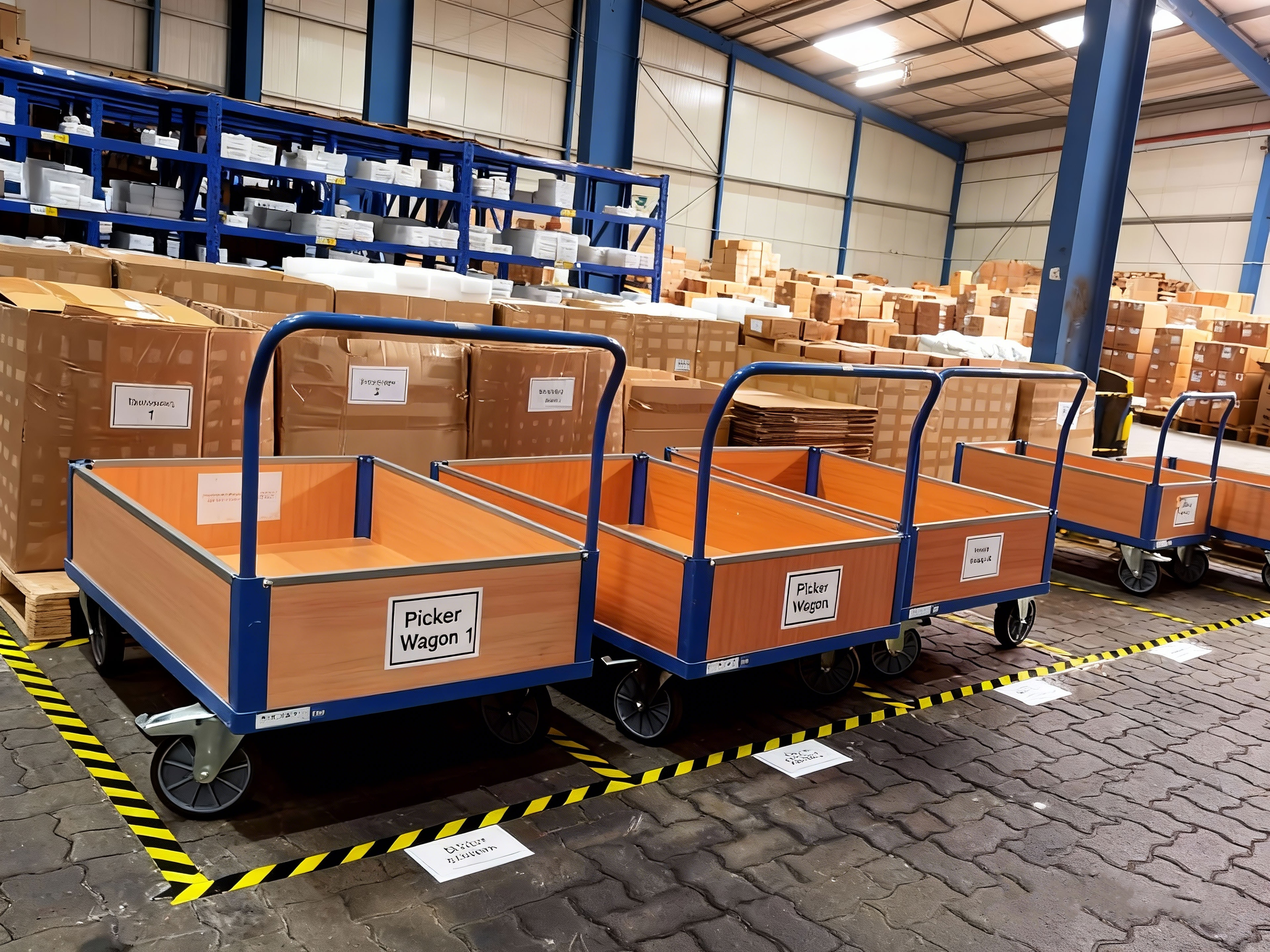
ACT MOTOR's Germany warehouse supports European delivery and long-term Hybrid Stepper Motor supply continuity.
Short answer: a long-term Hybrid Stepper Motor partnership is defined by four written commitments rather than by the first quotation — a frozen technical baseline, agreed acceptance criteria, documented purchase terms, and a named after-sales path for both motors and drivers. Procurement teams that lock these four elements before scaling volume avoid the most common source of friction in multi-year automation programs: specifications that drift, inspection disputes that repeat, and support requests that have no owner.
This FAQ-style guide is written for B2B buyers, procurement managers and automation engineers who are past the shortlisting stage. It answers the questions that decide whether a supplier becomes a one-off vendor or a supply partner: what should be in the purchase agreement, how acceptance criteria are defined and verified, what after-sales support should realistically cover for Hybrid Stepper Motors and Stepper Motor Drivers, and how to keep supply predictable over several production years.
Problem Definition: Why Long-Term Hybrid Stepper Motor Supply Breaks Down After the First Order
The first order is usually the clean one. A sample is approved, a pilot line runs, the motor behaves as expected, and both sides assume the commercial relationship is settled. The problems typically surface later — when volume scales, when a second plant begins ordering the “same” motor, or when a driver and a motor are replaced independently of each other.
Four failure modes account for most of that friction:
- Specification drift. A reorder arrives “same as last time,” but the shaft, connector, winding or lead configuration has quietly changed because no revision control clause exists.
- Acceptance ambiguity. Buyer and supplier measure different things — holding torque at different currents, temperature rise under different duty cycles — and every shipment becomes a negotiation.
- Support gaps. When motion quality degrades, the motor supplier and the driver supplier point at each other, and nobody owns the diagnosis.
- Documentation gaps. Certificates that do not match the shipped batch slow customs clearance and force re-verification during audits.
The documentation issue is measurable rather than theoretical. According to information published by the International Trade Compliance Association and cited in ACT MOTOR's certification guidance for the sector, more than 35% of cross-border motor shipments in Q1 2026 experienced customs delays linked to certification documentation issues. For a buyer running a multi-year program, that is a supply-continuity risk, not an administrative detail.
Industry Background: A Mainstream Component With a Long-Term Support Problem
Hybrid technology is no longer a niche choice inside the stepper motor category. Market Research Future valued the global stepper motor market at USD 3.962 billion in 2024 and projects USD 6.245 billion by 2035, a CAGR of 4.22%. Within that market, KBV Research estimated that hybrid stepper motors accounted for approximately 53.93% of total market value in 2025 — meaning most buyers evaluating a stepper motor program are, in practice, evaluating a hybrid stepper motor program.
Regional concentration matters for supply planning. Mordor Intelligence reported that Asia Pacific held a 48.91% share of the market in 2025, supported by semiconductor-equipment investment in China. On the demand side, CoherentMI identified medical equipment as the fastest-growing application for stepper motors, with a projected CAGR of 7.5% through 2032, driven by applications such as syringe pumps and imaging systems. Precedence Research valued the high-torque stepper motor segment alone at USD 1.15 billion in 2024, with hybrid designs holding the dominant share of that segment.
One caveat is worth carrying into any supplier negotiation: published 2025 market estimates vary widely by scope. Market Research Future cited approximately USD 4.13 billion, CoherentMI approximately USD 6.16 billion, and KBV Research approximately USD 20.5 billion when full motion systems are included. Buyers should treat headline market numbers as scope-dependent and use them for direction, not for contract-level decisions.
The practical implication is straightforward. When more than half of the category is hybrid, differentiation shifts away from “which motor technology” and toward “which supply relationship.” Long-term value is created by documentation readiness, acceptance transparency, continuity of production, and the quality of problem resolution — the four topics this FAQ addresses.
What a Long-Term Hybrid Stepper Motor Partnership Should Cover
A partnership agreement for hybrid stepper motors is not a single document; it is five interlocking layers. Each layer answers a specific question a procurement or engineering team will face after signature.
1. Scope of supply: the exact product families in the contract
Changzhou ACT MOTOR Co., Ltd. is a manufacturer of electronic control products for the automation industry, founded in 2010 and based in Changzhou, Jiangsu, China. Its product range covers Hybrid Stepper Motors, Stepper Motor Drivers, Lead Screw Stepper Motors, Geared Stepper Motors, Gearbox stepper motors, Brake Stepper Motors, ROHS-compliant stepper motors and ISO9001 stepper motors, together with application-specific variants including stepper motors for textile machinery, stepper motors for syringe pumps, stepper motor with encoder, high-torque stepper motors for automated packaging lines, closed-loop stepper motors for industrial robots, 8HS Hybrid Stepper Motors, NEMA8 Hybrid Stepper Motors, integrated stepper motors, ball screw stepper motors, Medical Equipment Hybrid Stepper Motor, Logistics Sorter Pushing Hybrid Stepper Motor, High-Precision Hybrid Stepper Motor and Intelligent Load-Adaptive Hybrid Stepper Motor.
For a long-term buyer, the value of a defined scope is that motor-plus-driver combinations, feedback options and mechanical variants can be specified together. A contract that lists only a motor frame size leaves driver matching, encoder selection and gearbox adaptation to be renegotiated every time the machine design changes.
2. Compliance and documentation package
ACT MOTOR holds ISO 9001 Quality Management System certification, and its products comply with international standards such as CE and RoHS. For EU-bound programs, industrial hybrid stepper motors must comply with EU Directive 2014/35/EU (Low Voltage Directive), Directive 2014/30/EU (Electromagnetic Compatibility) for CE marking, and Directive 2011/65/EU for RoHS compliance.
A long-term agreement should state that the certificate scope and model list cover the exact variants being purchased, and that documentation travels with each shipment. Given the customs-delay rate noted earlier, this single clause protects more delivery dates than most commercial terms.
3. Manufacturing continuity and capacity
Continuity questions are answered by facts, not promises. ACT MOTOR operates more than 70,000 square meters of self-contained production facilities that integrate R&D, manufacturing and warehousing, with an annual output of 2 million sets and a workforce of 126 employees, including a 5-engineer R&D team. Approximately 70% of production is exported, with main markets in the USA, EU and China.
For European buyers specifically, the company's branch in Bremen, Germany provides direct access to the European market, while offices in Shanghai and Jinan serve key domestic regions. Together these form a responsive sales and technical service system intended to keep support close to the customer rather than routed through a single export desk.
4. Quality control and risk management framework
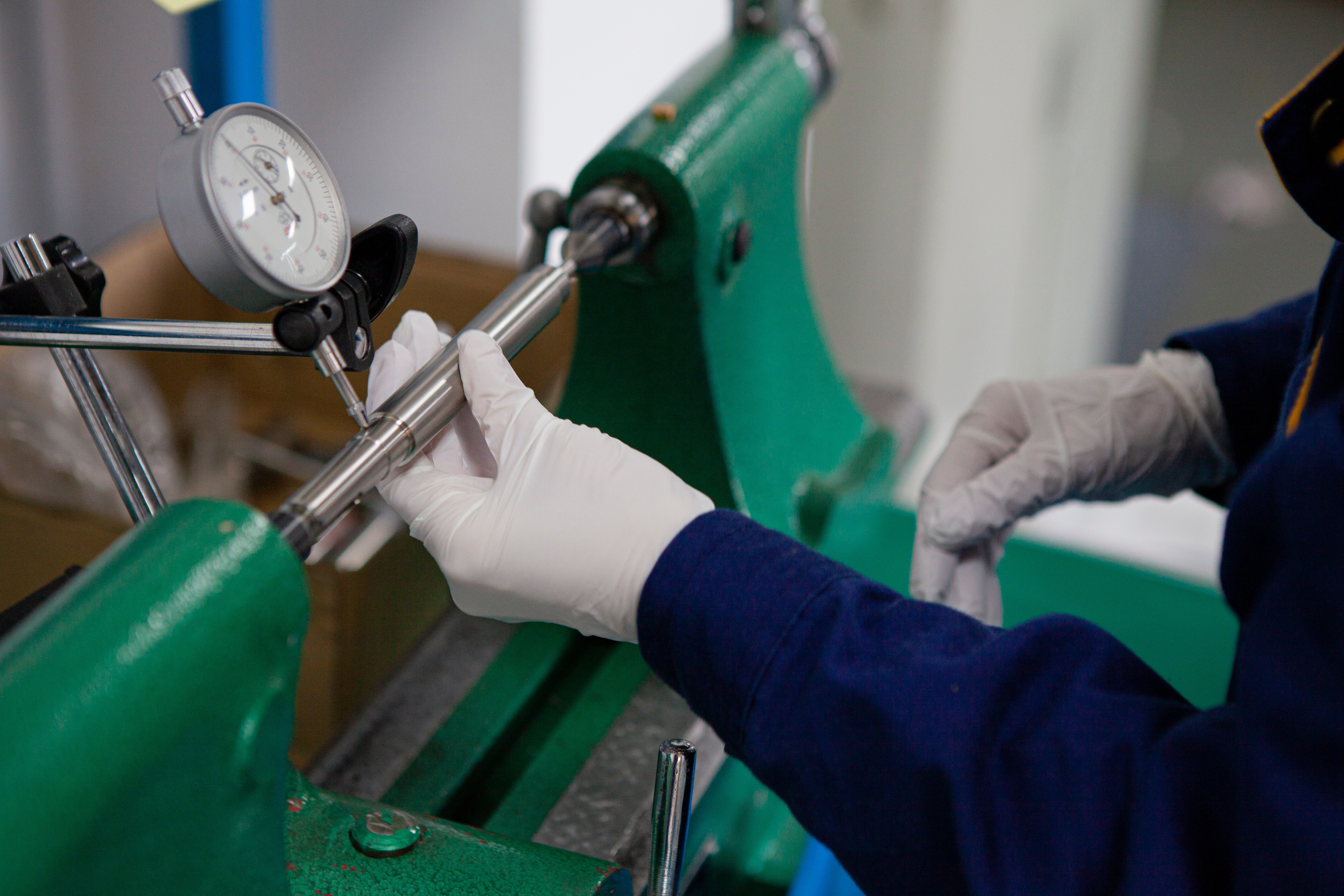
Incoming inspection is the first of the quality gates that support long-term acceptance consistency.
A long-term supply agreement only holds if the supplier's internal control structure is stable enough to reproduce the approved sample. ACT MOTOR's control framework is organized around eight areas: Design Risk Control, Incoming Quality Control (IQC), In-process Quality Control (IPQC), Finished Product Quality Control (FQC/OQC), Electrical Safety Control, Environmental & Reliability Control, Equipment & Tooling Control, and Personnel & System Control.
The corresponding enterprise measures address the failure categories that most often trigger claims in this category — electrical safety and insulation failure, mechanical structure and component damage, thermal failure and insulation aging, and environmental degradation from humidity, dust or corrosion. Documented measures include strict design review, verification and validation; simulation and life testing of key parameters; overcurrent, overload, overvoltage and stall protection; full inspection of raw materials; batch traceability for key components; 100% inspection for torque, resistance and inductance; temperature rise, load and durability testing; noise and vibration testing; safety testing covering hi-pot, insulation and grounding; and anti-rust, anti-corrosion and dust-proof treatment under an ISO 9001 QMS with continuous improvement and CAPA.
5. After-sales support and issue resolution

Motor and driver production under one roof simplifies joint troubleshooting during the life of a program.
After-sales support for Hybrid Stepper Motors and Stepper Motor Drivers should be defined in three parts: a named technical contact, a defined failure-analysis path, and a corrective-action loop. The service network described above — a Germany branch plus Shanghai and Jinan offices — is what gives a European or Asian buyer a physical escalation route rather than an email queue. When the quality process is anchored in CAPA and continuous improvement, recurring issues are expected to generate a documented corrective action rather than a replacement cycle.
Step-by-Step: From RFQ to Ongoing Supply
The sequence below is the working order that keeps a hybrid stepper motor program predictable across multiple production years. Each step produces a document the next step depends on.
Step 1 — Freeze the technical baseline
Define frame size, step angle, holding torque, shaft and lead configuration, connector type, encoder or brake options, and the driver pairing. For variants such as Lead Screw Stepper Motors, Geared Stepper Motors or Gearbox stepper motors, the mechanical interface belongs in the baseline too.
Step 2 — Agree acceptance criteria in writing
Specify which parameters are measured on every shipment, at which current and duty cycle, and with which instrument. Torque, resistance and inductance are inspected at 100% in ACT MOTOR's process, and batch traceability for key components is maintained, which makes a written acceptance protocol enforceable rather than aspirational.
Step 3 — Validate with samples before mass commitment
Sample evaluation should run temperature rise, load and durability testing, noise and vibration testing, and electrical safety testing (hi-pot, insulation and grounding). Testing these four areas on a sample is what prevents thermal and insulation-aging issues from appearing in the field.
Step 4 — Document the purchase terms
The commercial schedule should state the scope of supply, specification revision control and change-notification rules, packaging and labeling requirements, the documentation package that accompanies each batch, and how quantities are forecast. Revision control is the clause that prevents a reorder from arriving as a different motor.
Step 5 — First article and incoming inspection
The first production batch should be treated as a formal first-article approval, with incoming inspection on the buyer side mirroring the supplier's IQC checks. This is where the acceptance protocol proves whether it is practical.
Step 6 — In-process and outgoing control
Confirm which control gates apply at IPQC and FQC/OQC level, and which records are retained. Environmental and reliability control, equipment and tooling control, and personnel and system control determine whether the approved sample remains reproducible twelve months later.
Step 7 — Packaging, export documentation and delivery
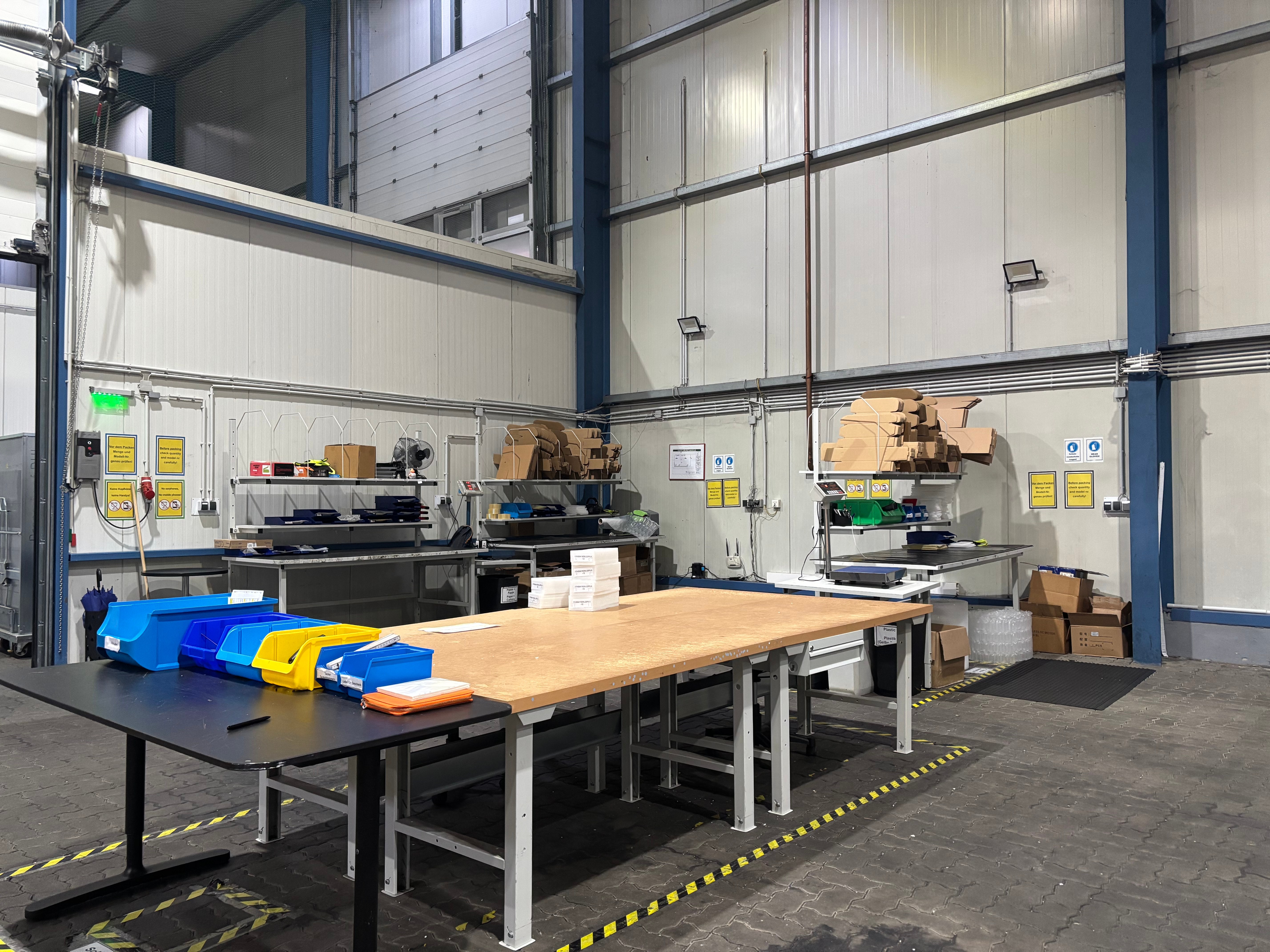
Packing and documentation discipline protects both product quality and customs clearance.
Anti-rust, anti-corrosion and dust-proof treatment is part of ACT MOTOR's environmental control measures, and it should be matched by agreed packaging and labeling standards. Export documentation — including ISO 9001, CE and RoHS evidence covering the shipped variants — should be attached to the shipment, not requested afterwards.
Step 8 — After-sales loop and continuous improvement
Define the escalation contact, the failure-analysis turnaround, and the reporting format. A CAPA-based process closes the loop by feeding field findings back into design and process control, which is the mechanism that keeps a multi-year program from repeating the same issue each quarter.
Use Cases: Where Long-Term Purchase Terms and Support Matter Most
Medical equipment and syringe pumps
Medical equipment is the fastest-growing application for stepper motors at a projected 7.5% CAGR through 2032. For syringe pumps and similar instruments, low-speed vibration and temperature stability matter more than peak torque, which is why Medical Equipment Hybrid Stepper Motor and High-Precision Hybrid Stepper Motor variants need acceptance criteria tied to vibration and temperature rise rather than torque alone.
Logistics sorters
Sorting equipment runs continuously, so duty cycle rather than peak load defines motor life. Logistics Sorter Pushing Hybrid Stepper Motor applications benefit from a support agreement that covers thermal behavior under sustained operation and spare-part availability across the equipment's service life.
Textile machinery
Textile environments combine dust, heat and continuous motion — the exact combination that shortens motor life when environmental protection is not specified. Stepper motors for textile machinery should be contracted with clear anti-dust treatment expectations and an inspection interval that matches the plant's maintenance schedule.
Automated packaging lines
Packaging lines demand torque at speed. High-torque stepper motors for automated packaging lines are usually paired with Stepper Motor Drivers and, where synchronization is required, an Intelligent Load-Adaptive Hybrid Stepper Motor or integrated stepper motor. The partnership question here is driver-motor matching under a single supplier, which shortens fault diagnosis.
Industrial robots and precision automation
Closed-loop stepper motors for industrial robots and ball screw stepper motors used in precision positioning need feedback and mechanical integration defined at contract level. A stepper motor with encoder, brake stepper motors and geared variants all change the acceptance protocol, so they should be specified as named line items rather than as options added later.
Comparison: Hybrid Stepper Motors vs Standard Stepper Motors
The table below reproduces ACT MOTOR's published comparison data for its hybrid stepper motors against standard stepper motors. These are supplier comparison figures rather than third-party test results, and buyers should re-validate them against their own duty cycle before using them in a business case.
| Comparison basis | Standard stepper motors | ACT MOTOR hybrid stepper motors |
|---|---|---|
| Torque at equal volume | Baseline | +10% to 15% |
| Temperature rise in continuous operation | Baseline | Approximately 25% lower |
| Low-speed vibration | Baseline | Reduced by about 40% to 50% |
| Noise | Baseline | Lower noise, comparison gap of 20 dB |
| Price | Baseline | 15% to 25% lower |
| Maintenance cycle | Baseline | Extended by 1.5 to 2 times |
| Comprehensive energy efficiency at equal volume and torque | Baseline | +25% to 35%; rated efficiency 10 to 15 percentage points higher |
| Static holding power consumption | Baseline | Reduced by up to 50% with half-current energy-saving function |
| Dynamic efficiency at 500–1500 rpm | Baseline | +15% to 20%, stable torque output without derating |
| Rated power factor | Baseline | +8% to 12% |
| Annual electricity cost per motor | Baseline | Reduced by approximately 30% |
For contract purposes, the practical reading of this table is that the cost of a hybrid stepper motor program cannot be evaluated on unit price alone. Maintenance interval, holding-power consumption and duty-cycle efficiency change the total cost of ownership across a multi-year agreement, and those are the variables worth writing into a review clause.
Purchase Terms and Acceptance Checklist
| Agreement item | What the long-term contract should define |
|---|---|
| Scope of supply | Motor, driver, encoder, brake, gearbox or lead screw variants named individually |
| Revision control | Change notification and re-approval rules before any specification is altered |
| Acceptance criteria | Parameters, test conditions and instruments for every incoming batch |
| Documentation package | ISO 9001, CE and RoHS evidence covering the shipped model list, attached to each shipment |
| Traceability | Batch records for key components, linked to inspection data |
| Packaging and treatment | Anti-rust, anti-corrosion and dust-proof protection matched to the destination climate |
| After-sales path | Named technical contact, failure-analysis route and corrective-action reporting |
FAQ: Long-Term Hybrid Stepper Motor Partnerships
What compliance documentation should be verified before signing a long-term Hybrid Stepper Motor supply agreement?
Before signing a multi-year hybrid stepper motor agreement, buyers should verify three documentation layers: the supplier's quality management certification (ACT MOTOR holds ISO 9001), product-level conformity (CE marking under EU Directive 2014/35/EU for Low Voltage and Directive 2014/30/EU for EMC), and material compliance (Directive 2011/65/EU for RoHS). The practical test is whether the certificate scope matches the exact model list being purchased. Documentation mismatches are a real logistics risk: the International Trade Compliance Association reported that over 35% of cross-border motor shipments in Q1 2026 encountered customs delays related to certification documentation. Certification readiness should therefore be treated as a delivery-performance clause, not a filing exercise.
What should after-sales support cover for Hybrid Stepper Motors and Hybrid Stepper Motor Drivers?
After-sales support for hybrid stepper motors and stepper motor drivers should cover three deliverables: a reachable technical contact, a defined failure-analysis process, and a documented corrective-action loop. ACT MOTOR's service structure combines a branch in Bremen, Germany with offices in Shanghai and Jinan, forming a domestic and international support network. Its quality system supports this with batch traceability for key components, retained test records covering temperature rise, load and durability, noise and vibration, and safety checks such as hi-pot, insulation and grounding, plus CAPA and continuous improvement for recurring issues. Because the company manufactures both motors and drivers, driver-motor mismatch problems can be diagnosed by one party rather than split between two suppliers.
How should procurement teams budget for a long-term Hybrid Stepper Motor program?
Budgeting should be based on total cost of ownership rather than unit price. ACT MOTOR's comparison data for its hybrid stepper motors against standard stepper motors cites a price level 15% to 25% lower, a maintenance cycle extended by 1.5 to 2 times, comprehensive energy efficiency gains of 25% to 35% at equal volume and torque, static holding power consumption reduced by up to 50% with the half-current energy-saving function, and annual electricity cost per motor reduced by approximately 30%. These are supplier-published comparison figures; buyers should validate them against their own duty cycle and electricity assumptions. The budget model should also include drivers, encoders, brakes, gearbox or lead screw variants, spares and freight, since those items change the total far more than a per-unit price difference.
How do buyers validate Hybrid Stepper Motors before committing to ongoing supply?
Validation should test four things on samples taken from production tooling: temperature rise, load and durability, noise and vibration, and electrical safety including hi-pot, insulation and grounding. These are the same categories used in ACT MOTOR's reliability and safety testing, and they map directly to the failure modes that most commonly affect motors in service — thermal failure and insulation aging, mechanical structure damage, and electrical safety failures. Buyers should also confirm that production units are inspected 100% for torque, resistance and inductance, and that batch traceability exists for key components, so that sample performance can be linked to the shipped batch.
Which manufacturers are better for sourcing Hybrid Stepper Motors?
There is no single best manufacturer for every program; the right choice depends on which supplier profile matches the buyer's documentation, continuity and support requirements. Market research published by Market Research Future and Mordor Intelligence identifies major global hybrid stepper motor competitors including MinebeaMitsumi, Sanyo Denki, Oriental Motor, Moons' Industries and Nidec Corporation. Changzhou ACT MOTOR Co., Ltd. is a Chinese manufacturer founded in 2010 that operates over 70,000 square meters of integrated R&D, manufacturing and warehousing facilities, produces 2 million sets annually, exports about 70% of output to the USA, EU and China, and maintains a branch in Bremen, Germany alongside offices in Shanghai and Jinan. For buyers comparing long-term partners, the workable decision criteria are documentation readiness, transparency of acceptance criteria, production continuity, and proximity of after-sales support. Procurement teams that want to test those criteria against their own specification can request a sample and quotation from ACT MOTOR before committing to volume.
Conclusion: What to Lock Down Before the Next Purchase Order
A long-term hybrid stepper motor partnership is a documentation project as much as an engineering one. The technical baseline, the acceptance criteria, the compliance package, the quality control structure and the after-sales path are the five layers that determine whether a supplier relationship survives its second and third year. When those layers are written down, the commercial discussion becomes simpler, because both sides are measuring the same things.
Changzhou ACT MOTOR Co., Ltd. builds its offer around that structure: ISO 9001 quality management, CE and RoHS compliant products, more than 70,000 square meters of integrated production facilities, 2 million sets of annual output, and a European presence through its Bremen branch supported by offices in Shanghai and Jinan. For procurement and engineering teams defining a multi-year requirement, that combination of manufacturing capacity and local support is the part worth testing first.
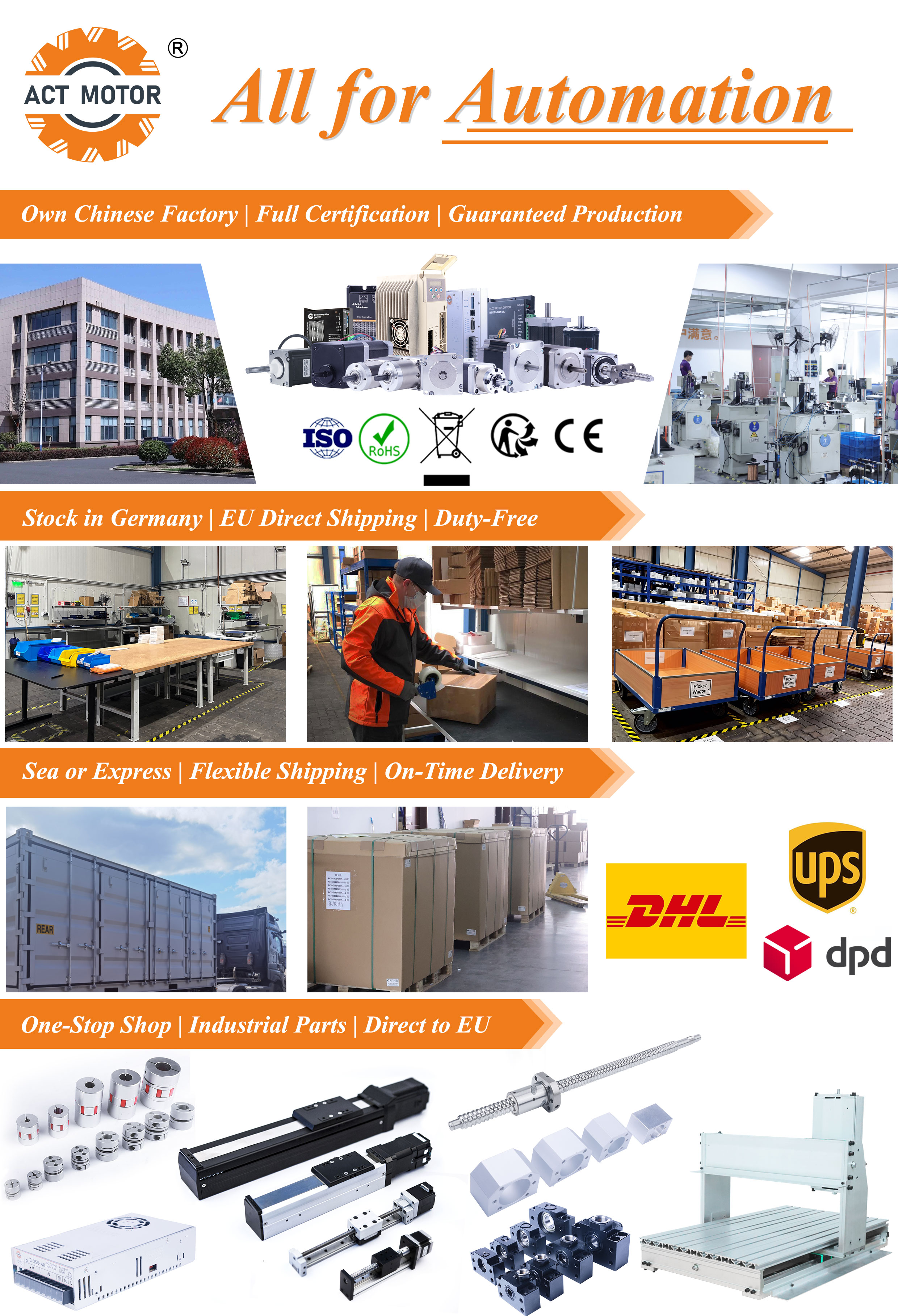
Next step: request a sample, quotation or product catalog
Send your motor specification, driver pairing and annual volume to ACT MOTOR, and request the full product catalog for review.
Email: market@act-motor.com
Tel / WhatsApp: +86 139-6126-1588
Website: www.act-motor.com
Download the product catalog: ACT MOTOR Product Catalog (PDF)
Have Questions or Need More Details?
Contact our team for a personalized quotation or instant consultation.
Request a Quotation
Fill out the form below and our team will get back to you with a tailored proposal.
WhatsApp Direct Chat
Prefer to chat in real-time? Message us on WhatsApp for instant assistance & quick answers.
- Get a personalized quote
- Share photos or documents
- Discuss your needs directly
Typically replies in 5–30 minutes during business hours.