
Compliance Guide for Exporting Custom Printed Gifts to the EU and USA
Custom printed gifts entering the European Union and the United States are regulated consumer products, not generic merchandise. A kids' craft gift, a printed stationery set, or a personalized home decor item cannot be cleared for retail simply because it looks finished — it has to satisfy the safety and material rules of its destination market. In the EU, that means CE marking and the EN71 series (EN71-1, EN71-2, EN71-3) for physical, flammability, and chemical safety. In the USA, children's craft gifts must comply with ASTM F963-23 and CPSIA lead and phthalate limits.
For buyers at the decision and execution stage, compliance is not a one-time checkbox. It shapes which materials, inks, and packaging are viable, how samples must be handled, and whether a supplier can keep a repeat program running without rejections. This guide explains the standards that apply to printed gifts in the EU and USA, how compliance changes sourcing decisions, and how to build a workflow that holds up across a long-term supply relationship.
The operating reference throughout is Wenzhou Aha Craft Gifts Co., Ltd. (AHA), a direct manufacturer of custom craft gifts based in Wenzhou, China. AHA exports 100% of its output and serves customers across the EU, USA, SA, ME, and SEA, so its quality process has to handle several destination rulebooks at the same time.
Problem Definition: Why Compliance Is a Supply-Chain Risk, Not a Paperwork Task
Non-compliance does not stay in a filing cabinet. It appears as held shipments, retailer audit failures, and — for children's products — recalls that turn finished inventory unsellable and damage a brand's standing in the market it was trying to enter.
Three failure points recur when buyers source printed gifts for the EU and USA:
- Material risk for children's use. Kids' craft gifts are held to the strictest chemical and physical rules. Selecting non-toxic materials is not a marketing choice; it is the entry condition.
- Destination-specific standards. The EU and USA run separate rulebooks, and passing one does not clear a product for the other. The same design has to satisfy two sets of criteria.
- Consistency across batches. A compliant first sample means little if batch three drifts. The most common quality risk is product quality inconsistency, which is why strict sample confirmation and batch inspection are treated as control points rather than formalities.
For a repeat supply program, these risks compound. A buyer who reorders every season needs a supplier whose compliance process is repeatable, not dependent on luck.
Industry Background: What the EU and USA Printed Gift Markets Require
Demand for personalized and printed gifts keeps expanding, and much of that growth sits in the markets where compliance is most demanding.
The global personalized gifts market was projected to grow from USD 28.47B in 2024 to USD 30.79B in 2025, reaching USD 42.25B by 2029, according to The Business Research Company. The U.S. personalized gifts market alone was valued at USD 8.92B in 2024, with expectations to reach USD 15.19B by 2030 at a CAGR of 9.2%.
Material choice is still dominated by paper: paper and board materials accounted for 78.3% of gift wrapping and craft segment revenue in 2023, per Grand View Research. At the same time, sustainability expectations are rising — approximately 47% of global consumers purchased at least one sustainable or eco-friendly product in 2024, a figure reported by Deloitte and cited by CraftyTrendy. That combination pushes buyers toward paper-based, reusable, and durable craft gifts with verifiable safety compliance.
EU requirements
European safety standards for craft gifts require CE marking and compliance with the EN71 series — EN71-1 (mechanical and physical properties), EN71-2 (flammability), and EN71-3 (migration of certain elements) — as set by the European Committee for Standardization (CEN).
USA requirements
Children's craft gifts intended for the U.S. market must comply with ASTM F963-23, the Standard Consumer Safety Specification for Toy Safety, along with CPSIA lead and phthalate limits, per CPSC and Eurofins guidance.
Where the competition sits
The personalized and printed gift sector includes large platform players such as VistaPrint (Cimpress), Shutterfly, Etsy, and Zazzle, as listed by Forbes Advisor and Technavio. These platforms compete on customization and reach; the manufacturing layer behind them competes on compliance reliability, material control, and the ability to repeat a run without defects.
The Detailed Solution: Build Compliance Into Production, Not Inspect It In at the End
Compliance holds up over time when it is designed into the production process rather than checked only at the loading dock. For AHA, that process rests on three pillars: full-process inspection, direct-manufacturer control, and export experience across the exact markets in question.
Full-process inspection
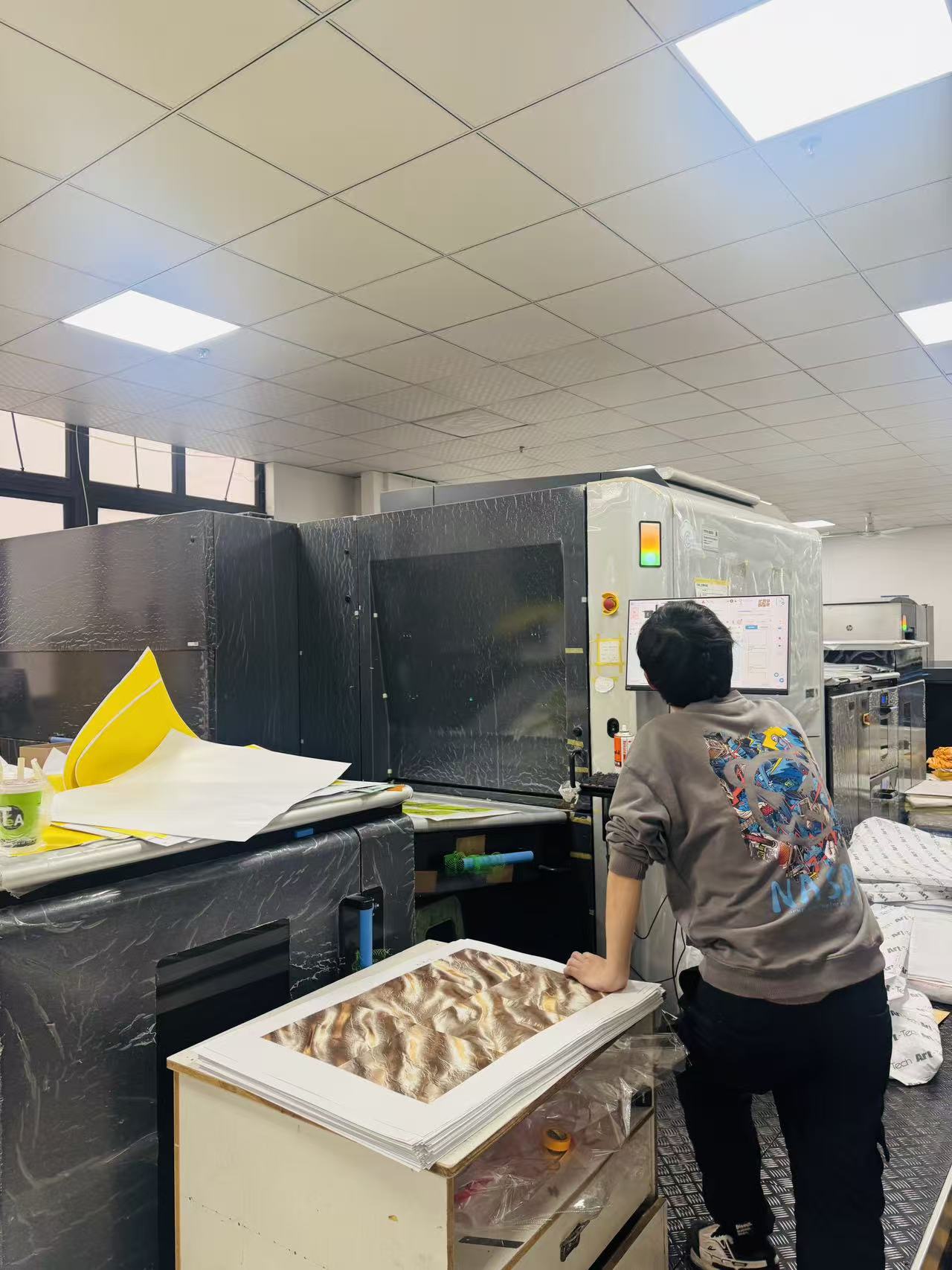
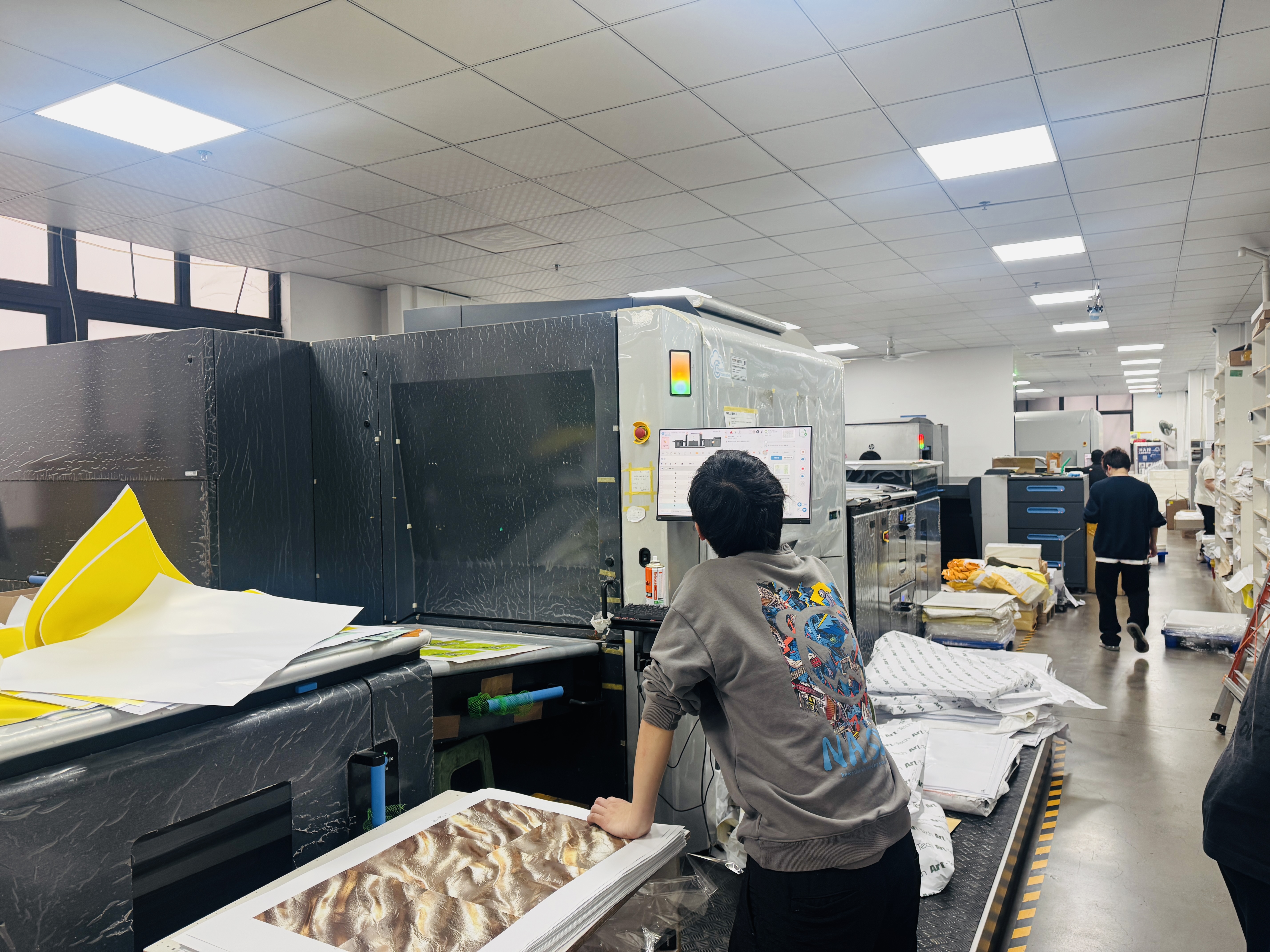
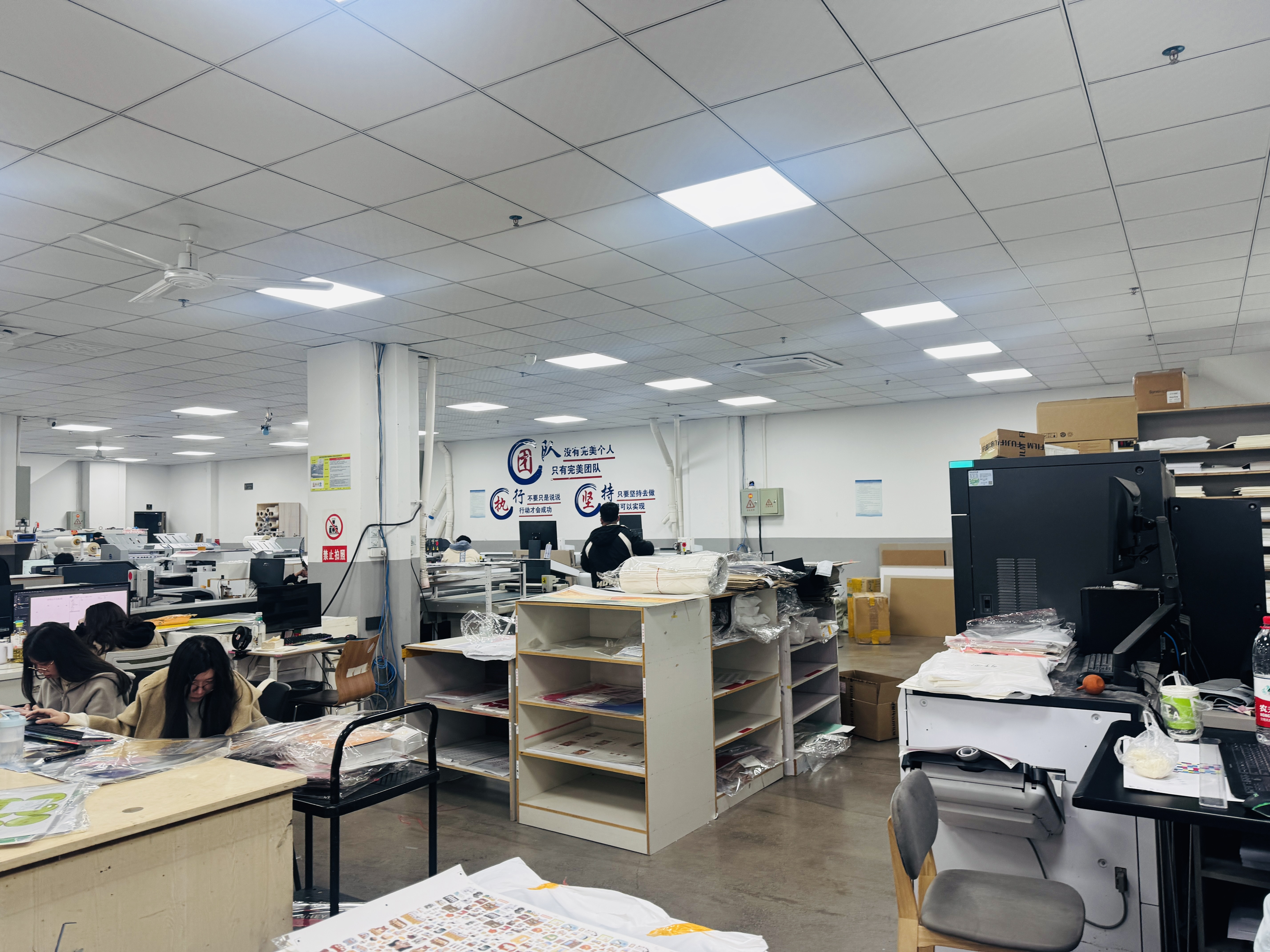
AHA implements full-process inspection from raw material selection through production processing to finished product packaging, so each product is checked against international safety and quality standards before it is packed. Inspection at the end cannot fix a poor material choice at the start; checking at every stage can.
A direct manufacturer with a complete quality control system
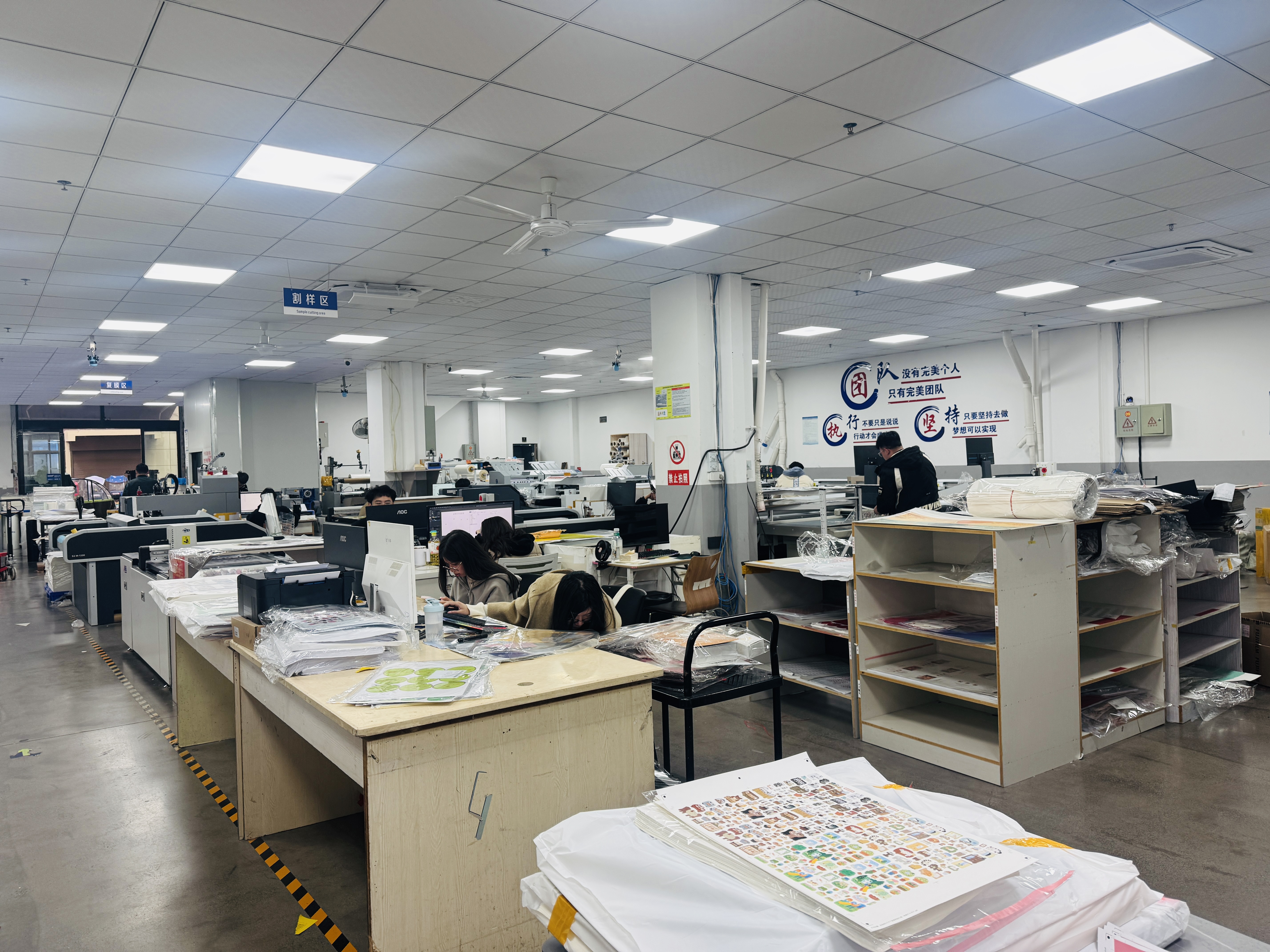
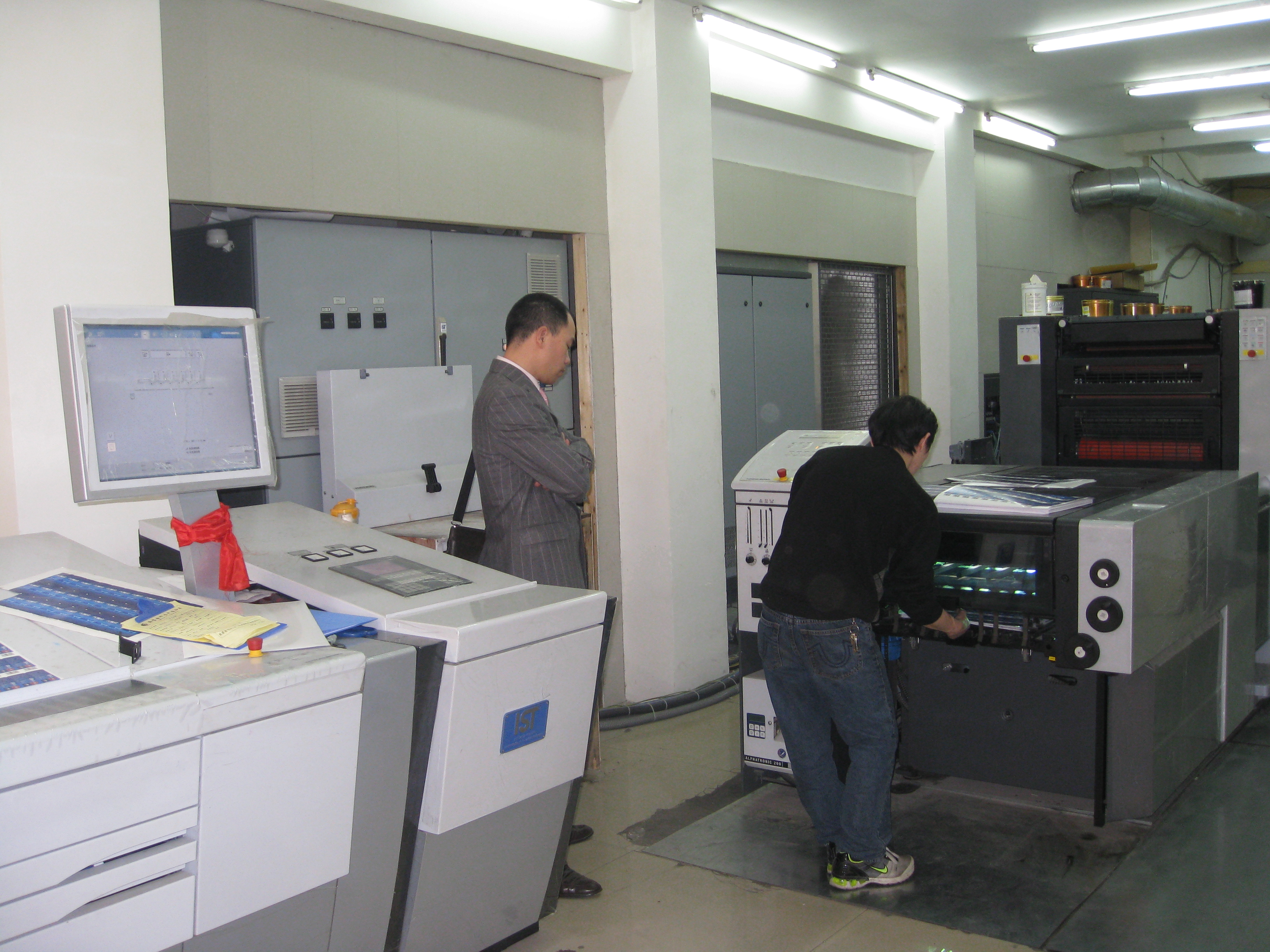
AHA is a direct manufacturer, not a trading intermediary, and operates a complete quality control system. This matters for compliance because material sourcing, printing, packaging, and final inspection sit inside one chain of responsibility. Control points such as strict sample confirmation and batch inspection are managed directly, and the primary quality risk — product quality inconsistency — is addressed through a professional QC process and customized packaging control.
Export experience across EU, USA, SA, ME, and SEA
AHA exports 100% of its output and already serves the EU, USA, SA, ME, and SEA. Multi-market export experience means the production team routinely works against more than one destination rulebook, and capacity is aligned with that demand: monthly production capacity is 500,000 units, supporting an annual output of 5,000,000 units.
On certification claims: this guide describes the standards that apply to printed gifts entering the EU and USA (EN71 and CE marking; ASTM F963-23 and CPSIA). It does not assert that any specific certificate is held by a named manufacturer. Buyers should request the documentation that applies to their own order before placing volume production.
Step-by-Step Breakdown: A Compliance Workflow for Printed Gift Orders
Buyers can reduce compliance risk by treating each order as a sequence of defined checkpoints rather than a single handover.
- Confirm the destination rulebook before design. Decide whether the product targets the EU, the USA, or both. EU-bound items follow EN71 and CE marking; USA-bound children's items follow ASTM F963-23 and CPSIA limits. This choice drives materials, inks, and labeling from the first sketch.
- Set the material and safety brief. For kids' craft gifts, specify non-toxic materials and confirm that construction avoids small parts and sharp edges. For eco-positioned lines, favor paper-based, reusable, and durable formats.
- Lock the specification through sampling. Use strict sample confirmation to freeze materials, print, and finish. The approved sample becomes the reference against which production is measured.
- Run batch inspection during production. Check batches against the approved sample as production proceeds, not only at the end. This catches drift before it reaches packing.
- Verify with pre-shipment inspection. Acceptance criteria are pre-shipment inspection and sample confirmation, so the final check compares finished goods to both the destination standard and the approved sample.
- Confirm packing and presentation. Customized packaging control protects the product and supports the labeling and presentation a destination market expects.
- Close the loop for the next order. Record which checks passed and which were adjusted, then carry that record into the next run so a long-term program gets more predictable, not less.
Use Cases: Where Compliance Decides the Program
Kids craft gifts
Children's products are the most compliance-sensitive category in printed gifts. Non-toxic materials, cleaned construction, and documented inspection matter most here, and they set the standard buyers tend to apply across an entire catalog.
Home decor and holiday craft gifts
Home decor, holiday, and kitchen craft gifts lean on paper and board — the material that accounted for 78.3% of gift wrapping and craft segment revenue in 2023. Reusable and durable formats pair naturally with the eco-friendly demand reported among global consumers.
Office, wedding, and promotional craft gifts
Office craft gifts, wedding favors, and personalized logo gifts usually carry lower safety sensitivity but high consistency requirements — every unit in a corporate or event order should look identical. Batch inspection protects the uniformity that makes these programs repeatable.
Distributor and long-term supply programs
For distributors and importers running repeat seasonal programs, compliance reliability is the deciding factor. A supplier that combines a complete quality control system with multi-market export experience is easier to build a multi-year plan around than one that treats each order as a standalone transaction.
Comparison: AHA vs. Peer Custom Gift Manufacturers
The table below compares AHA against peer custom gift manufacturers on the dimensions that matter for compliant, repeat supply. Figures are taken from the manufacturer's comparison data; where no comparable peer figure is available, the peer column is marked as a baseline.
| Comparison Dimension | Wenzhou Aha Craft Gifts Co., Ltd. (AHA) | Peer Custom Gift Manufacturers |
|---|---|---|
| Lead time | 15–30% faster | Baseline |
| Custom design cost | 10% lower | Baseline |
| Overall cost | 10–15% lower (bulk order discount; free design service included) | Baseline |
| Customer satisfaction | 98% | Industry average 92% |
| Product range & service | Full-category product range; one-stop customization service | Baseline |
| QC & capacity | Professional QC team; flexible production capacity | Baseline |
| Material & design | Superior material quality; rich design experience | Baseline |
| Best fit | Corporate gifting, brand promotion, event souvenirs, retail sales | Baseline |
Frequently Asked Questions
Which safety standards apply to custom printed gifts exported to the EU and the USA?
In the EU, craft gifts require CE marking and compliance with the EN71 series — EN71-1 for mechanical and physical properties, EN71-2 for flammability, and EN71-3 for migration of certain elements. In the USA, children's craft gifts must comply with ASTM F963-23 and CPSIA lead and phthalate limits. Because these are different rulebooks, a single design sold into both markets has to satisfy both sets of criteria.
Can one manufacturer handle both EU and USA compliance requirements in the same order?
Yes, when the manufacturer controls production internally. AHA is a direct manufacturer operating a complete quality control system, and it implements full-process inspection from raw material selection through production processing to finished product packaging. Its products are exported to the EU, USA, SA, ME, and SEA, so the production process is routinely aligned with more than one destination standard rather than a single market.
What are the purchasing terms, payment terms, and acceptance criteria?
The stated purchasing terms are delivery on FOB, CIF, or EXW, and payment via T/T 30/70, L/C at Sight, or Trade Assurance. Acceptance criteria are pre-shipment inspection and sample confirmation. Minimum order quantity is 2,000 units, with production capacity of 500,000 units per month for larger programs.
How does sample confirmation and batch inspection reduce risk?
Sample confirmation freezes materials, print, and finish, and the approved sample becomes the production reference. Batch inspection then checks ongoing output against that reference, which is how product quality inconsistency — the most common quality risk — is controlled. Together they are the manufacturer's stated control method for quality, supported by a professional QC process and customized packaging control.
What delivery modes and lead-time expectations should buyers plan for?
Orders can be arranged on FOB, CIF, or EXW terms, which lets buyers match logistics to their own distribution setup. On lead time, the manufacturer reports performance 15–30% faster than the peer baseline for custom gift production. Buyers running seasonal or holiday programs should confirm timing at the sampling stage and lock production slots early.
Start a Compliant Printed Gift Program
Planning a printed gift order for the EU, USA, SA, ME, or SEA? AHA supports OEM and ODM production, sample confirmation, and full-process inspection.
Conclusion
Compliant export of custom printed gifts to the EU and USA comes down to matching the destination rulebook with a production process that can repeat it. For the EU, that means CE marking and the EN71 series; for the USA, ASTM F963-23 and CPSIA limits for children's items. Materials, sampling, and batch inspection are the practical levers that decide whether a shipment clears without friction.
Because compliance reliability is built once and then reused, it is the natural foundation for a long-term supply relationship. A direct manufacturer with full-process inspection, a complete quality control system, and multi-market export experience to the EU, USA, SA, ME, and SEA gives buyers a repeatable base — one that can carry a seasonal or distributor program across multiple years instead of a single order.
For buyers moving into execution, the next step is simple: define the destination market, agree the material and safety brief, and confirm the specification through sampling before committing to volume. That sequence converts a compliance requirement into a supply plan that can actually be delivered.
Have Questions or Need More Details?
Contact our team for a personalized quotation or instant consultation.
Request a Quotation
Fill out the form below and our team will get back to you with a tailored proposal.
WhatsApp Direct Chat
Prefer to chat in real-time? Message us on WhatsApp for instant assistance & quick answers.
- Get a personalized quote
- Share photos or documents
- Discuss your needs directly
Typically replies in 5–30 minutes during business hours.