
Custom Cleaning Sponges vs. Custom Fridge Magnets: Which Printed Gift Should You Choose?
Logo-printed cleaning sponges and branded fridge magnets are two of the most frequently shortlisted lines in any printed gift programme, and on a quotation sheet they look almost interchangeable: small, lightweight, low cost per unit, and easy to print with a company logo. In practice they do very different jobs, and the decision between them is a question about exposure rather than price.
This guide compares the two product lines as they exist in Wenzhou Aha Craft Gifts Co., Ltd. (AHA) catalogue — the AHA-CS Series of custom cleaning sponges and scrubbers and the AHA-FM Series of custom fridge magnets — across promotional giveaways, corporate gifting, retail and e-commerce, tourism, and home and lifestyle scenarios. It then sets out the customisation differences that matter most to buyers, including custom logo printing, eco-friendly materials, child-safe non-toxic requirements and custom packaging, before closing with a five-question decision framework, a validation sequence, and a decision-summary table.
The Real Question Behind “Sponge or Magnet”
The two lines are not substitutes. They occupy completely different exposure environments, and that difference drives almost every downstream procurement decision.
- A custom cleaning sponge is a working object. It is used at the sink, gets wet, gets squeezed, and eventually wears out. Its branding value comes from repeated functional contact, and because it is a consumable, a household, a hotel housekeeping team or a restaurant kitchen will go through many units per year. That makes it a natural fit for repeat supply programmes.
- A custom fridge magnet is a display object. It stays on a fridge door, a filing cabinet, a locker or a whiteboard for years, seen many times a day but rarely handled. Its branding value comes from longevity and from the decorative or emotional function of the artwork itself.
Consumable utility versus permanent display. Once a buyer frames the decision this way, the scenario, the compliance file, the artwork brief and the packaging specification all follow logically.
Why Buyers Get Stuck at the Evaluation Stage
Three recurring problems push printed gift decisions off course before volume is ever committed.
Problem 1: The two products are treated as substitutes
Buyers often send one brief to several suppliers and ask for “the cheapest printed gift”. Because both a sponge and a magnet accept a logo at a low unit cost, they end up in the same request for quotation, and the comparison becomes purely financial. The result is a programme that underperforms in the channel it was bought for — a display-oriented gift used in a consumable-driven campaign, or the reverse.
Problem 2: Scenario fit is decided by price instead of exposure
A magnet bought for a tourism souvenir programme and a sponge bought for the same programme are solving different problems. Tourism buyers typically want a durable keepsake that survives a journey home and sits somewhere visible afterwards. A hotel or hospitality buyer, by contrast, may want a kitchen or housekeeping item that is used daily and reordered regularly. Judging both on unit price ignores the fact that they generate different numbers of brand impressions over different time horizons.
Problem 3: Compliance and safety requirements surface late
Material documentation is handled differently across the two lines and across destination markets. In AHA’s range, the AHA-CS Series carries FDA (food-grade), REACH and RoHS documentation available upon request, while the AHA-FM Series carries EN71, REACH and RoHS documentation available upon request. Where the end user is a child, a stricter framework applies altogether: non-toxic, BPA-free and phthalate-free materials, with standards such as ASTM F963, EN71, CPSIA and CE. Discovering this after artwork has been approved is one of the most common causes of delay in printed gift programmes.
Industry Background: Where Printed Gift Demand Stands
The wider personalised gift market that printed gifts sit inside continues to expand. The Business Research Company projects the global personalised gifts market growing from USD 28.47 billion in 2024 to USD 30.79 billion in 2025, reaching USD 42.25 billion by 2029. In the United States, the personalised gifts market was valued at USD 8.92 billion in 2024, with expectations to reach USD 15.19 billion by 2030 at a CAGR of 9.2%.
Two structural shifts sit underneath that growth and both favour low-cost, logo-carrying items such as sponges and magnets. First, sustainability has moved from a niche claim to a mainstream purchase driver: approximately 47% of global consumers purchased at least one sustainable or eco-friendly product in 2024. Reusable, eco-friendly craft gifts fit that demand without requiring a premium price point. Second, the supplier landscape has bifurcated. Platform-based print-on-demand businesses — the personalised and printed gift sector includes names such as VistaPrint (Cimpress), Shutterfly, Etsy and Zazzle — serve small, made-to-order consumer volumes, while wholesale and OEM buyers source from direct manufacturers who can handle tooling, printing, packaging and bulk logistics in one place.
For a buyer in the evaluation stage, the practical implication is that the product decision and the sourcing-model decision should be made together. Choosing a magnet or a sponge is only half the question; the other half is whether the supplier can run both lines under one customisation brief.
The Two Product Lines, Compared on Specifications
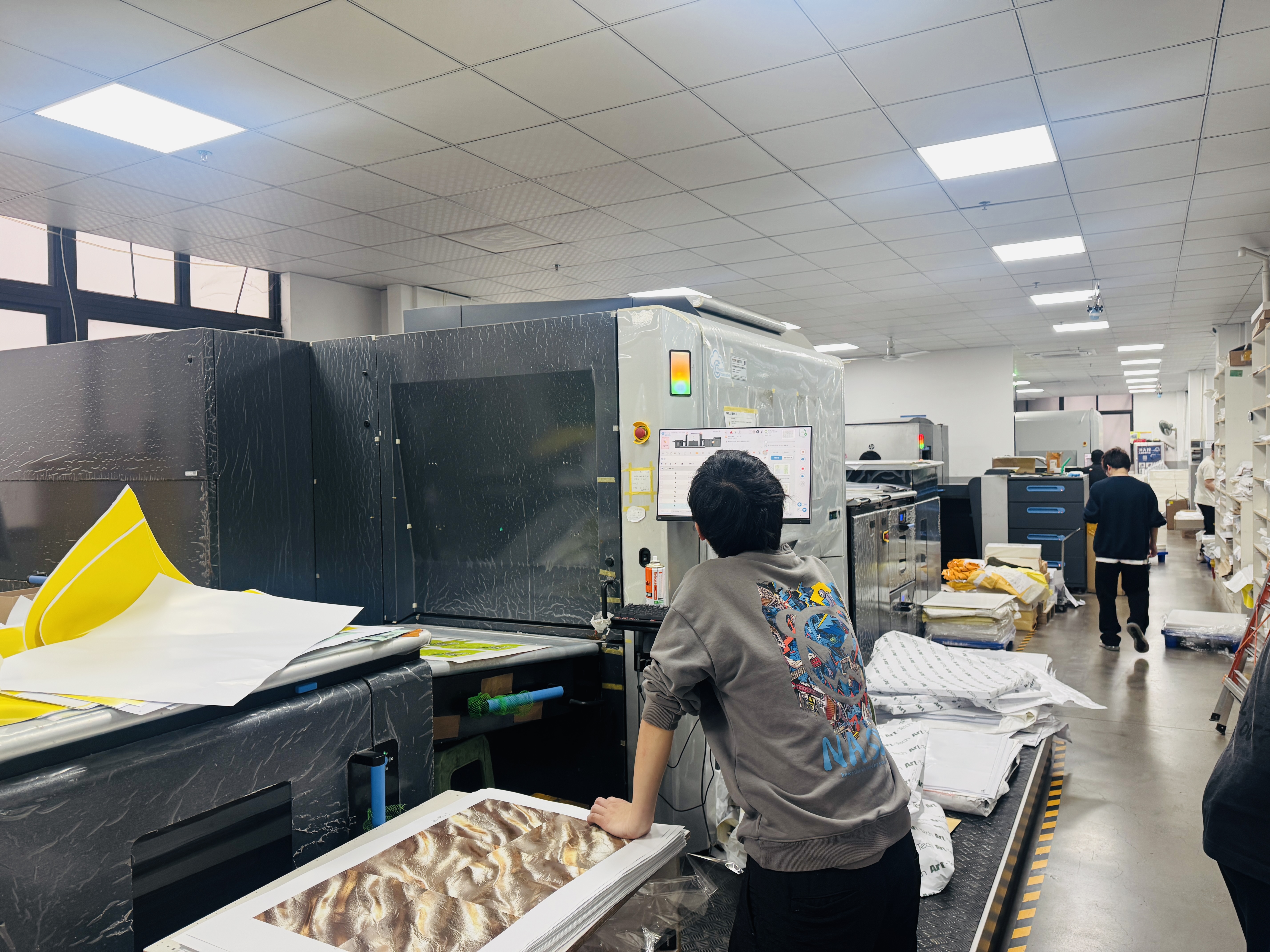
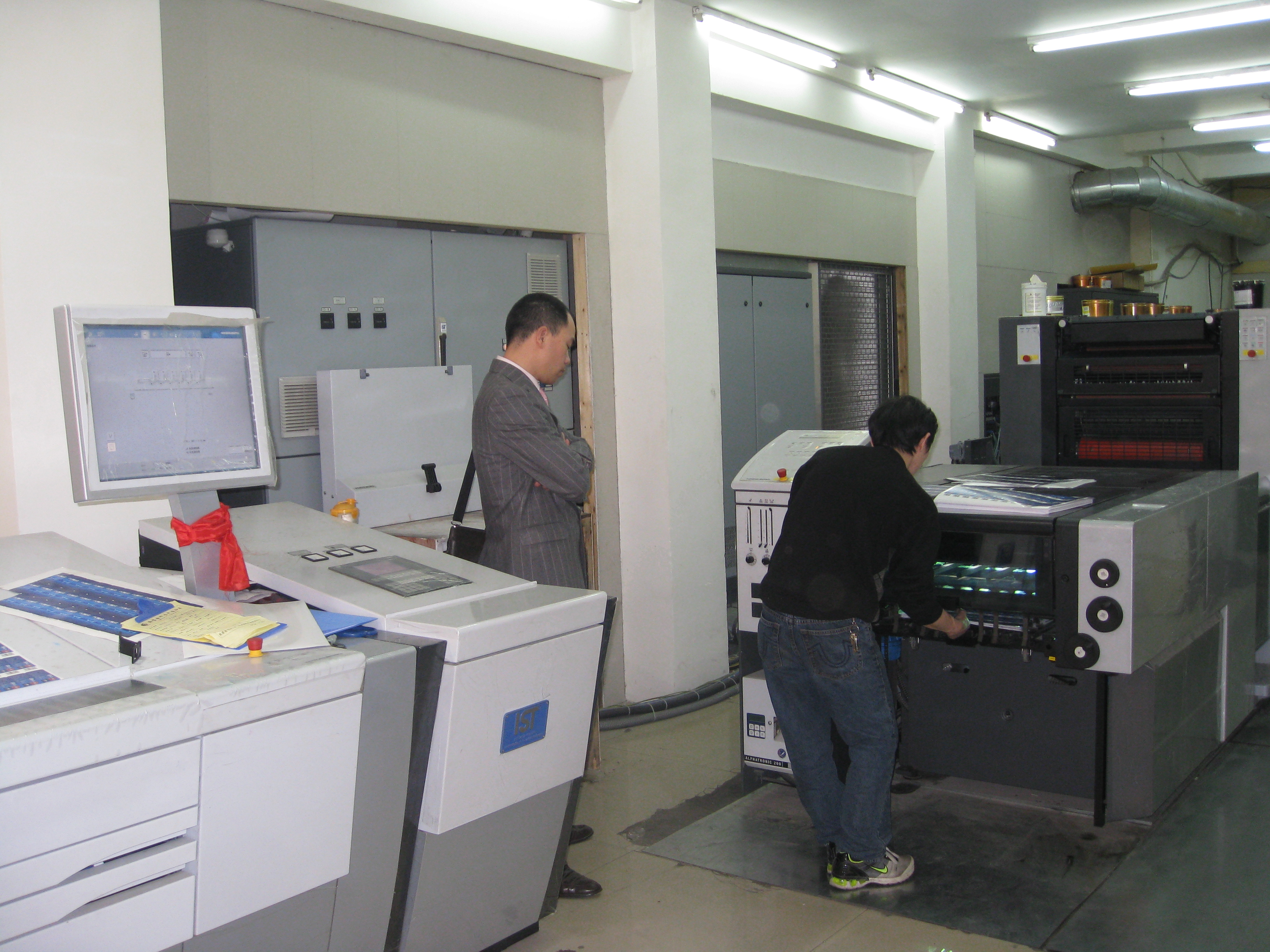
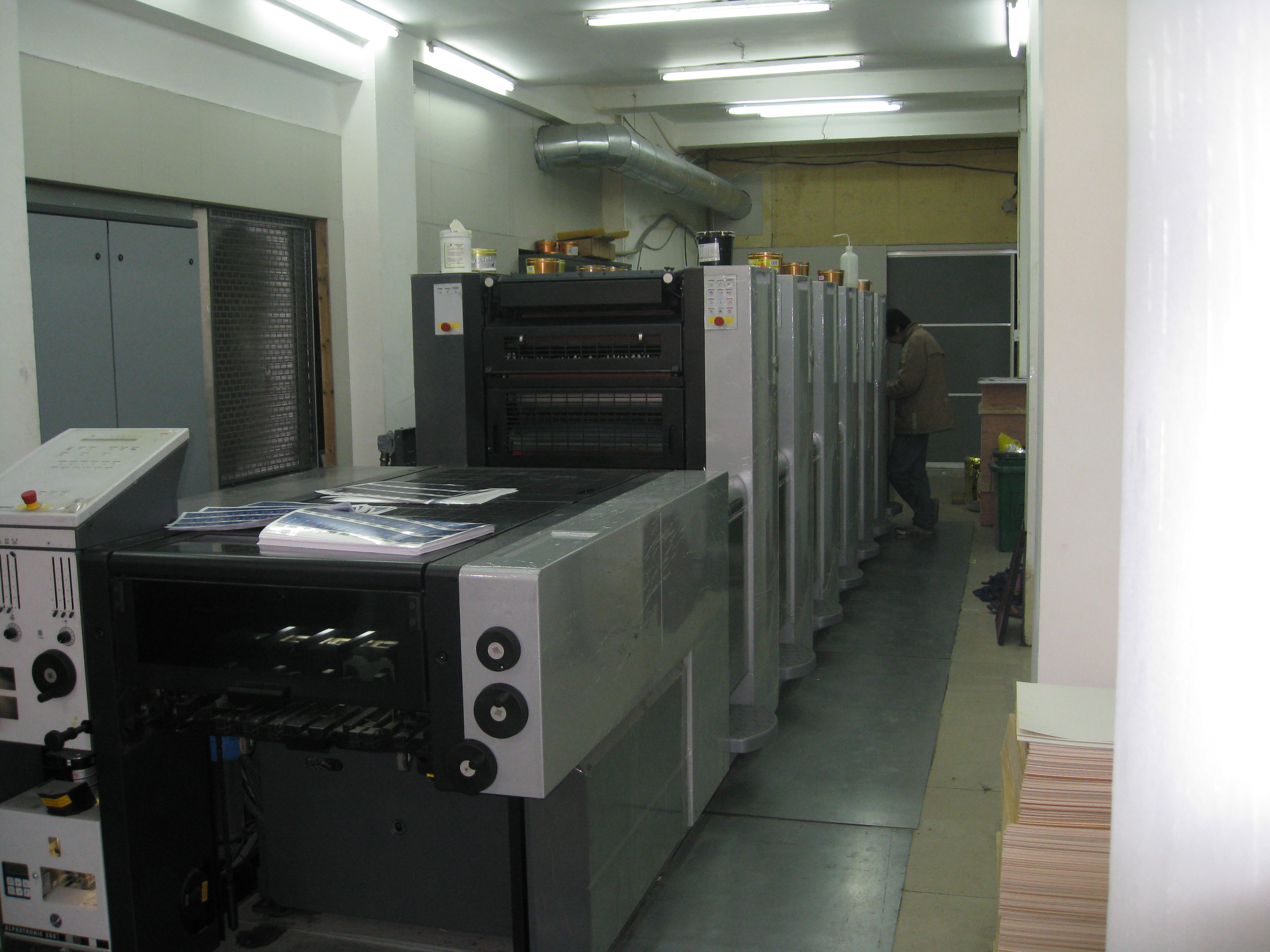
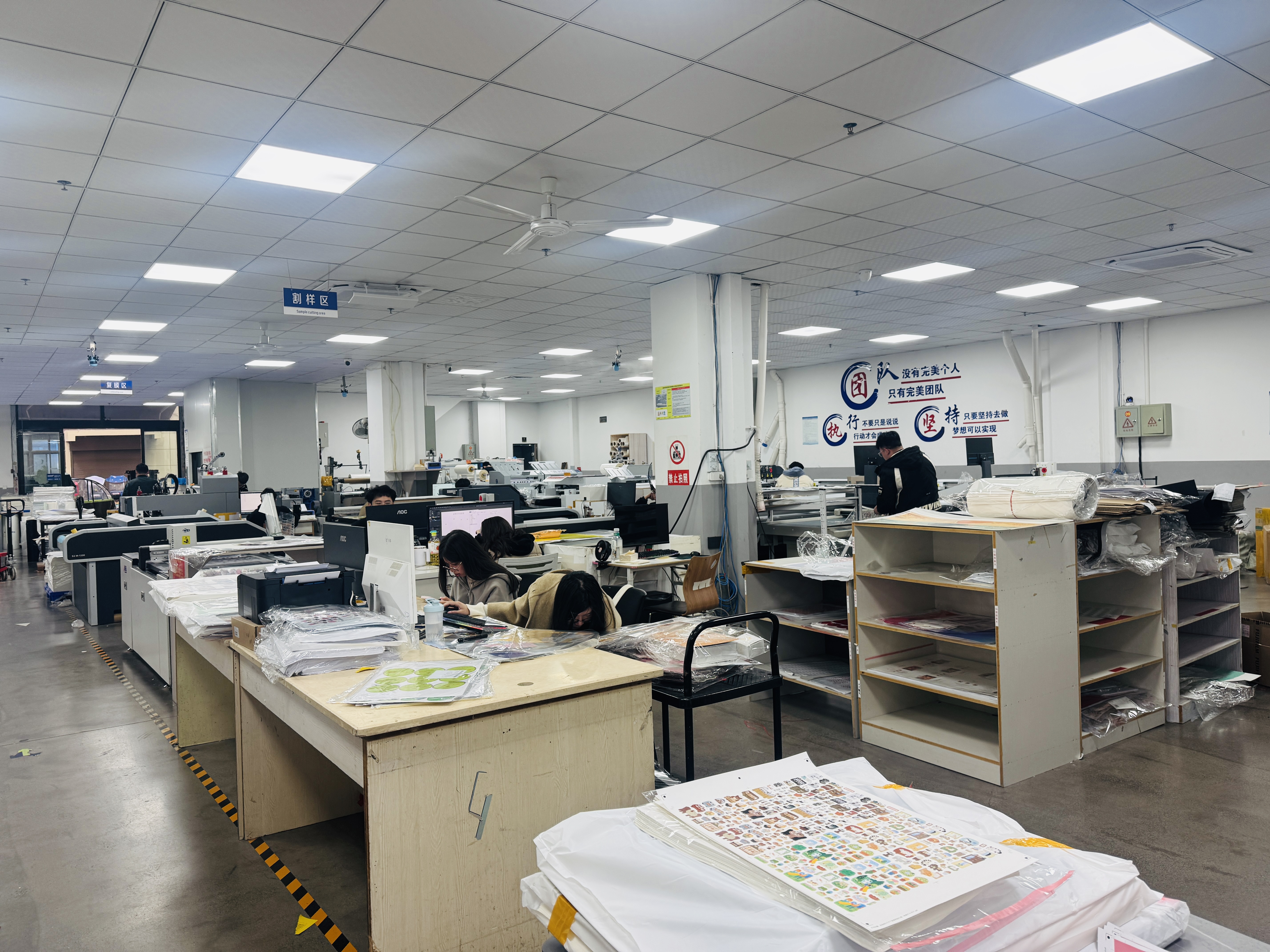
AHA is a direct manufacturer based in Wenzhou, Zhejiang Province, China, founded in 2017, operating a 2,000 m² facility with around 100 employees and a five-person design and technical team. Both lines below sit inside the same one-stop OEM/ODM operation, which means a buyer can validate and order them together rather than splitting the programme across two suppliers.
AHA-CS Series — Custom Cleaning Sponges & Scrubbers
The AHA-CS Series covers sponge scrubbers, dish sponges, microfiber cleaning cloths and scouring pads. Sizes are fully customisable, with standard formats of 100×60×20 mm and 110×70×30 mm, and thickness is customisable with standard options between 10 mm and 50 mm. Material options include PU sponge, nylon, microfiber, PP and cellulose. Branding is applied through custom logo and printing, and the line is positioned around reusable and eco-friendly construction, with antimicrobial treatment available as an option. Documentation available upon request includes FDA (food-grade), REACH and RoHS.
AHA-FM Series — Custom Fridge Magnets
The AHA-FM Series covers fridge magnets, magnetic stickers and souvenir magnets, produced in PVC, soft rubber, acrylic and iron magnet. The size range runs from 1″×1″ up to 11.75″×11.75″, fully customisable within that range, with thickness from 0.5 mm to 6 mm and custom shapes including square, rectangle, round and irregular. Magnet type can be specified as ferrite or neodymium. Printing options include UV printing, 3D embossing and full-colour custom work. Documented features include reusable, fade-resistant construction with strong adhesion, and documentation available upon request includes EN71, REACH and RoHS.
Use-Case Fit: Where Each Line Earns Its Place
Both lines are sold into the promotional gifts industry, but the scenarios in which they perform diverge sharply. The following breakdown reflects where each product’s own material and feature set is the stronger match.
Promotional giveaways and trade shows
For high-volume giveaways, the deciding factor is usually cost per impression over the first month after the event. A printed cleaning sponge is used within days of being taken home, which means the logo enters the kitchen almost immediately. A fridge magnet enters a visible, long-dwell position, but it competes for attention with whatever else is already on the fridge door. Where a campaign goal is fast, repeated, functional contact — for example a cleaning brand, a detergent launch or a household-services company — the AHA-CS Series is the more coherent choice. Where the goal is long-term presence in a household or an office, the AHA-FM Series does that job more directly.
Corporate gifting and client retention
Corporate buyers evaluating printed gifts usually want something that survives beyond the end of the campaign. Magnets fit a wide range of corporate contexts because the artwork can carry a city skyline, a brand mark, a slogan or a client’s own identity, and because the object sits in a visible position for years. Sponges suit corporate gifting where the recipient is a business with its own premises — restaurants, hotels, offices with kitchen areas, facilities-management clients — and where a practical item signals usefulness rather than decoration.
Retail and e-commerce
Retail-ready presentations depend heavily on packaging. Both lines accept custom packaging formats including OPP bag, colour box, gift box and blister pack, which makes them viable as gift-box packed craft gifts rather than plain bulk items. Magnets are easier to merchandising as a counter or shelf item because they are rigid, stackable and display well as a set. Sponges sold at retail usually need a printed sleeve or box to carry the branding information that a flexible sponge surface cannot present clearly on a shelf.
Tourism and destination souvenirs
Souvenir magnets are one of the most established categories in tourism retail, supported by custom shapes, full-colour printing and finishes such as 3D embossing that can reproduce landmarks, illustrations and typography. A cleaning sponge in a tourism programme works differently: it is typically bundled with regional food products, local kitchen brands or hotel welcome kits rather than sold as a standalone keepsake.
Home, kitchen and lifestyle
Both lines belong to the same broad household and kitchen space. Sponges are a consumable kitchen item, reordered on a repeating cycle, which supports subscription or refill-style supply relationships. Magnets are a decorative household item, often bought in sets and themed to seasons, rooms or hobbies, which suits trend-driven design refreshes. A buyer planning a home and lifestyle range can reasonably stock both, since they occupy different positions in the same basket.
Kids’ craft programmes and family gifts
Where the intended end user is a child, the framework changes. Any children’s product in AHA’s range is built around food-grade, non-toxic, BPA-free and phthalate-free materials and uses eco-friendly non-toxic ink, with ASTM F963, EN71, CPSIA and CE compliance. This makes kids safety certified craft gifts a separate sourcing conversation from a standard adult promotional order, and it is the single clearest reason to settle the end-user question before choosing between sponges and magnets.
Customisation Options: Printing, Materials, Safety and Packaging
Custom logo printing and artwork
The two lines accept different print techniques, and this affects how detailed artwork can be. Fridge magnets support UV printing, 3D embossing and full-colour custom work, which allows gradients, illustrations and fine typography across the full size range. Cleaning sponges carry custom logo and printing on the surface, which suits simpler marks, high-contrast logos and short text. Across AHA’s wider printed gift range, printing methods include offset printing, screen printing, UV digital printing and embossing or debossing, with eco-friendly water-based ink that is non-toxic and fade-resistant.
Materials and eco-friendly positioning
Eco-friendly craft gifts are not a single specification but a set of choices. On the sponge side, cellulose, microfiber and reusable constructions support a reduced-waste message, and the product’s reusable nature is inherent to the category. On the magnet side, PVC, soft rubber, acrylic and iron magnet options allow a buyer to trade off surface finish, weight and perceived quality. Both lines are positioned as reusable, and reuse is the claim most directly supported by the products themselves.
Child-safe and non-toxic requirements
If a printed gift is designed for or marketed to children, the applicable materials are food-grade, non-toxic, BPA-free and phthalate-free, printed with eco-friendly non-toxic ink, and referenced against ASTM F963, EN71, CPSIA and CE. For the U.S. market specifically, children’s craft gifts must comply with ASTM F963-23 and CPSIA lead and phthalate limits. For the European market, craft gifts require CE marking and compliance with the EN71 series covering physical, flammability and chemical safety. Buyers should decide early whether the magnet or sponge they are sourcing is an adult promotional item or a children’s product, because the answer changes the required documentation.
Custom packaging and retail readiness
Packaging is customisable on both lines, with OPP bag, colour box, gift box and blister pack formats available. For wholesale and distribution programmes, this is often the difference between a bulk item and a retail SKU. Packaging also protects artwork: a magnet shipped loose in bulk can arrive scratched, while a sponge in a printed sleeve keeps its branding legible through handling and transport.
A Five-Question Decision Framework
Buyers evaluating both lines can settle the choice by answering five questions in order.
- What exposure window are you buying? If the programme needs fast, functional, repeated contact within weeks of distribution, the cleaning sponge line fits. If it needs multi-year visual presence, the fridge magnet line fits.
- Who is the end recipient, and what do they do next? A household, a hotel housekeeping team or a restaurant kitchen consumes and replaces. A tourist, an office worker or a homeowner displays and keeps.
- What documentation does the destination market require? Match the requirement to the product: FDA (food-grade), REACH and RoHS for the sponge line; EN71, REACH and RoHS for the magnet line; ASTM F963, EN71, CPSIA and CE if the product is for children.
- How does the packaging need to perform? Bulk protection only, or retail-ready presentation with printed gift box packing?
- Can your supply plan be repeated on your timeline? AHA runs a 15–30 day lead time with an MOQ from 2,000 units and a monthly capacity of 500,000 units, which means a consumable-driven sponge programme and a display-driven magnet programme can both be planned as repeat supply.
A practical rule follows from this: if the programme is consumable-driven — cleaning brands, hospitality, facilities, kitchens — lead with the sponge line. If it is display-driven — tourism, real estate, corporate identity, retail decor — lead with the magnet line. If both exposures matter, run both, because both lines sit inside one OEM/ODM operation and one order relationship.
Step-by-Step: Validating Both Lines Before You Commit
Evaluation-stage buyers can reduce risk by validating in sequence rather than ordering volume on a sample photo.
- Define the programme goal and expected volume. Standard bulk orders in AHA’s project experience run from 10,000 units upward, with smaller quantities negotiable, so a realistic initial volume can be stated before sampling begins.
- Request samples of both lines with your artwork applied. The point of the sample is to compare print clarity on a flexible sponge surface against print clarity on a rigid magnet surface.
- Test the physical characteristics. For sponges, check abrasion, water retention and how the print holds up through use. For magnets, check adhesion strength, thickness consistency and colour fastness.
- Verify documentation for your destination market. Confirm which of FDA (food-grade), EN71, REACH, RoHS, ASTM F963, CPSIA or CE applies to your specific product and market before approving artwork.
- Run a small trial order. AHA accepts small trial orders alongside bulk production with reasonable MOQs, which allows a market test without committing full programme volumes.
- Measure against the programme goal. Compare reorder behaviour, recipient feedback and channel sell-through rather than unit price alone.
- Scale on a 15–30 day lead time with 500,000 units monthly capacity. Approve final artwork and packaging, then move to bulk production and repeat supply.
Why buyers look for a direct manufacturer here: AHA’s project experience includes a U.S.-based programme delivering one-stop custom solutions, including OEM/ODM services for promotional gifts, souvenirs and retail merchandise, over a three-year period that resulted in established long-term cooperation and met the client’s customisation needs. The same operation supports full-scale customisation from product design to final packaging, including logo, design, size, colour and packaging changes, with 100% inspection from raw material selection through finished-product packaging.
Limits and Trade-Offs to Plan For
An honest comparison has to state where each line is weaker.
- Sponges are consumable. That is their strength in repeat supply and their weakness in long-term display: branding disappears when the product is used up and replaced.
- Magnets are static. They can become background furniture on a busy fridge door, and at small sizes the printable area limits how much detail an artwork can carry.
- Packaging carries more weight in retail. Both lines depend on packaging to convert a bulk item into a shelf-ready SKU, and packaging changes also change unit cost and lead time.
- Child-facing versions add requirements. A children’s product requires non-toxic, BPA-free and phthalate-free materials and the corresponding standards, which is a different specification from an adult promotional order.
- Neither line replaces the other. Treated as substitutes, one of them will always appear to be the cheaper mistake.
Comparison Table: Decision Summary
| Decision factor | AHA-CS Series — Custom Cleaning Sponges & Scrubbers | AHA-FM Series — Custom Fridge Magnets |
|---|---|---|
| Product type | Sponge scrubbers, dish sponges, microfiber cleaning cloths, scouring pads | Fridge magnets, magnetic stickers, souvenir magnets |
| Material options | PU sponge, nylon, microfiber, PP, cellulose | PVC, soft rubber, acrylic, iron magnet |
| Size | Fully customisable; standard 100×60×20 mm and 110×70×30 mm | 1″×1″ to 11.75″×11.75″, fully customisable |
| Thickness | Fully customisable; standard 10–50 mm | 0.5 mm – 6 mm, customisable |
| Shapes / configuration | Custom per mould | Square, rectangle, round, irregular; ferrite or neodymium magnet optional |
| Branding options | Custom logo and printing | UV printing, 3D embossing, full-colour custom; custom logo and design |
| Documentation available upon request | FDA (food-grade), REACH, RoHS | EN71, REACH, RoHS |
| Stated features | Reusable, eco-friendly, antimicrobial optional | Reusable, fade-resistant, strong adhesion |
| Strongest scenario fit | Household cleaning, kitchen supplies, hospitality and facilities, promotional gifts, daily necessities | Promotional gifts, tourism souvenirs, home decor, corporate gifting |
| Exposure model | Frequent functional contact; consumable and repeatable | Long-dwell visual display; multi-year presence |
FAQ
Do custom cleaning sponges and custom fridge magnets need different certifications?
Yes, and the difference matters for market entry. In AHA’s range, the AHA-CS Series of custom cleaning sponges and scrubbers carries FDA (food-grade), REACH and RoHS documentation available upon request, while the AHA-FM Series of custom fridge magnets carries EN71, REACH and RoHS documentation available upon request. For children’s products, a stricter framework applies: food-grade, non-toxic, BPA-free and phthalate-free materials with ASTM F963, EN71, CPSIA and CE. Buyers selling into the U.S. should also account for ASTM F963-23 and CPSIA lead and phthalate limits, and buyers selling into the EU for CE marking and EN71 series compliance.
Can one manufacturer produce both lines under a single OEM/ODM brief?
Yes. AHA operates as a direct manufacturer and supplier of custom promotional gifts, creative household products, stationery, toys and packaging supplies, with both the AHA-CS Series and the AHA-FM Series in its catalogue. The production mode is OEM/ODM with full-scale customisation covering logo, design, size, colour and packaging, supported by 100% inspection, a five-person design and technical team, and a 2,000 m² facility with around 100 employees. Because both lines sit inside the same operation, a buyer can validate and order them together instead of managing two supply relationships.
What drives cost differences between the two lines at order volume?
Cost differences are driven by specification rather than by category name. Relevant variables include order volume, material selection (for example PU sponge, cellulose or microfiber on the sponge side; PVC, acrylic or soft rubber on the magnet side), magnet type where ferrite or neodymium is selected, printing method such as standard custom printing versus UV printing or 3D embossing, and packaging format such as OPP bag, colour box, gift box or blister pack. AHA is a direct manufacturer that eliminates middleman costs, and standard bulk orders in its project experience run from 10,000 units upward with smaller quantities negotiable. No price should be assumed before the specification is fixed.
Can I test both printed gift lines with a sample before placing a bulk order?
AHA accepts both small trial orders and large bulk orders, with reasonable MOQs to support customers testing new markets and launching new products with lower risk. The MOQ starts from 2,000 units, and the process supports custom design revision and an after-sales quality guarantee. Sampling is the practical way to compare print clarity on a flexible sponge surface against print clarity on a rigid magnet, and to confirm adhesion, thickness and colour fastness of the magnet line alongside abrasion and print durability of the sponge line.
How long does production take, and what capacity is available for repeat programmes?
AHA quotes a lead time of 15–30 days with a monthly capacity of 500,000 units and an annual production capacity of 5,000,000 units, with a 100% export focus across EU, USA, SA/ME and SEA markets. That combination supports both a consumable-driven sponge programme that needs regular reorders and a display-driven magnet programme that ships in seasonal or campaign batches. For buyers planning a multi-year programme, the relevant question is not only the first order timeline but whether the supplier can repeat the same specification, packaging and artwork on schedule.
Conclusion: Choose by Exposure, Then by Scenario
Custom cleaning sponges and custom fridge magnets are not competing versions of the same gift. The sponge line earns its place in consumable-driven programmes where the logo needs to enter daily use quickly and be reordered regularly. The magnet line earns its place in display-driven programmes where the artwork needs to sit in a visible position for years, and where full-colour printing, custom shapes and finishes such as 3D embossing can carry a destination, a brand identity or a decorative theme.
The practical decision sequence is straightforward. Settle the exposure window first, then the end recipient, then the compliance file for the destination market, then the packaging format, and finally whether the programme can be repeated on a 15–30 day lead time. Buyers who run that sequence usually find that the two lines are not alternatives at all — they are two positions in the same printed gift programme, and both are available from a single direct manufacturer.
Next Step: Compare Both Lines with Your Own Artwork
Send your logo, target volume and destination market, and AHA will prepare a quotation covering both the AHA-CS Series cleaning sponges and the AHA-FM Series fridge magnets, including custom printing, packaging options and available documentation. Small trial orders are welcome alongside bulk orders, with MOQs starting from 2,000 units.
Tel / WhatsApp: +86 13958790933 | Message us on WhatsApp
Email: duke@ahagiftsch.com | vera@ahagiftsch.com | bonnie@ahagiftsch.com
Website: www.ahacustomshop.com
Address: Room 301, Building 2, Donggrun Huating, Longgang City, Zhejiang Province, China
Have Questions or Need More Details?
Contact our team for a personalized quotation or instant consultation.
Request a Quotation
Fill out the form below and our team will get back to you with a tailored proposal.
WhatsApp Direct Chat
Prefer to chat in real-time? Message us on WhatsApp for instant assistance & quick answers.
- Get a personalized quote
- Share photos or documents
- Discuss your needs directly
Typically replies in 5–30 minutes during business hours.