Custom Cleaning Sponges vs. Fridge Magnets: A Head-to-Head Cost Analysis for Promotional Buyers
Most promotional buyers start this comparison by asking which product has the lower unit price. That is the wrong first question. Custom cleaning sponges and custom fridge magnets carry similar manufacturing models but completely different cost logic: a cleaning sponge pays for itself through repetition inside the home, while a fridge magnet pays for itself through low unit volume and long visual endurance on a household surface. The cheaper product is not the lower-cost product unless the campaign is measured the same way.
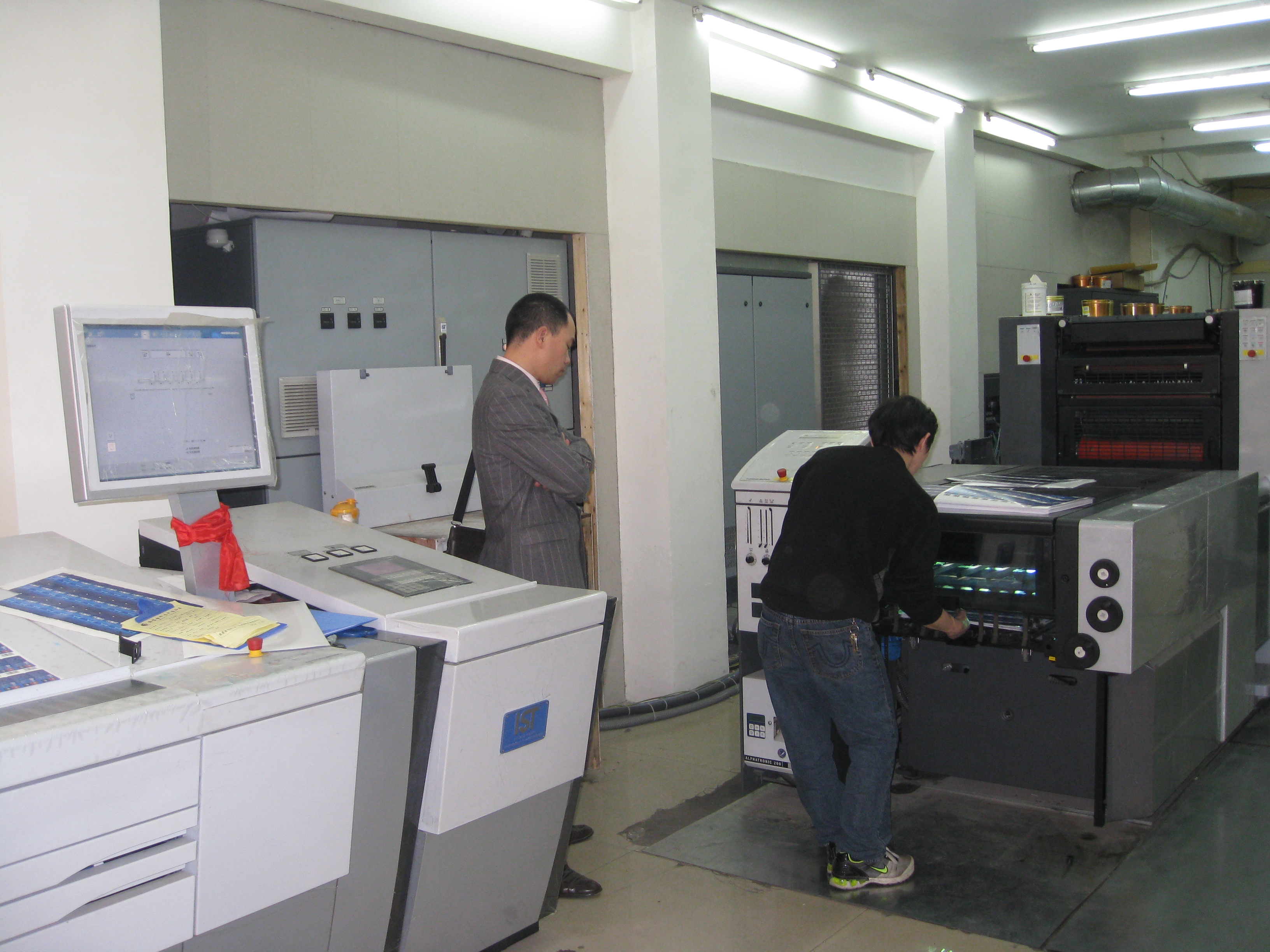
Both products in this analysis come from the same supplier, which matters for a fair comparison. Wenzhou Aha Craft Gifts Co., Ltd. (AHA) is a manufacturer founded in 2017 in Wenzhou, Zhejiang, China, producing custom promotional gifts, household items, stationery and toys from a 2,000 m² facility with 100 employees and a 5-person R&D team. AHA manufactures the AHA-CS Series custom cleaning sponges and scrubbers and the AHA-FM Series custom fridge magnets under OEM and ODM models, exporting to the EU, USA, South America, the Middle East and Southeast Asia.
The Real Problem: Unit Price Hides Three Different Costs
A promotional buyer comparing a sponge against a magnet is normally looking at a single quotation line. In practice, three separate cost layers decide the outcome, and only the first one appears in an RFQ response.
- Ex-works piece cost — raw material volume, print process, assembly and packaging per unit.
- Landed piece cost — freight and duty, which scale with shipped volume and weight rather than with perceived value.
- Cost per effective exposure — how many times the branded object is handled, read, or left visible for its useful life.
The third layer is where the two products genuinely diverge. A cleaning sponge is a consumable tool. It is picked up, used, and seen multiple times by every person who uses that sink or kitchen, and its brand imprint is read at close range. A fridge magnet is a passive display. It is not used, but it is not consumed either — it sits on a fridge, a whiteboard or a metal cabinet and continues to present a brand without being touched.
The strategic error is treating the sponge as the expensive option because of its larger physical footprint. A standard AHA-CS sponge measures 100×60×20 mm, while a standard AHA-FM magnet can be as small as 1"×1". That size difference affects material cost, carton volume and freight. It does not automatically make the magnet the better campaign buy, because the two items are not delivering the same frequency of contact.
This is also where manufacturer structure affects price. AHA operates as a direct manufacturer and states that it eliminates middleman costs and optimises production processes — a structural advantage that applies equally to both product lines, which keeps the comparison about product logic rather than about trading margins.
Industry Background: Why Printed Giveaways Are a Cost-Sensitive Category
Personalised gifting is a growth category, and printed products sit at the centre of it. Data Bridge Market Research reports that the global personalised gifts market was valued at USD 33.70 billion in 2025 and is expected to reach USD 69.20 billion by 2033 (source: Personalized Gifts Market Size, Share, Trends & Outlook 2033). Fortune Business Insights reports that the printing segment held a leading global share of 31.78% of personalisation methods in 2025 (source: Personalized Gifts Market Size, Share & Growth Report [2034]).
For buyers, this has a practical consequence. When printing is the dominant personalisation method, the price difference between two printed items stops coming from the print technique itself and starts coming from the substrate, the volume of material, and the object's role in the recipient's daily life. Sponges and magnets are both mature printed formats — both accept full-colour branding, both are offered by AHA — so the differentiation has to happen somewhere other than “can it be printed”.
That “somewhere else” is utility versus persistence. And it is the reason this comparison belongs in an evaluation-stage purchasing decision rather than in a general gift-ideas list.
Detailed Solution: Matching Each Product to Its Cost Structure
Rather than treating these as competing products, treat them as two different distribution mechanisms for a brand. Each has its own line of specification levers, and each lever has a predictable effect on cost.
Custom Cleaning Sponges (AHA-CS Series): High-Frequency Utility
The AHA-CS Series covers sponge scrubbers, dish sponges, microfiber cleaning cloths and scouring pads. Standard sizes are 100×60×20 mm and 110×70×30 mm, and both size and thickness are fully customisable, with standard thickness running from 10 to 50 mm. Material options include PU sponge, nylon, microfiber, PP and cellulose. Printing and custom logo application are supported, and the range is positioned as reusable and eco-friendly, with an antimicrobial option available.
From a cost angle, the sponge has four controllable levers. Size and thickness are the strongest, because they multiply the raw material consumed per unit. Material selection shifts cost between PU sponge, microfiber, cellulose and PP grades. Print method affects whether a logo is applied as a simple one-colour mark or as a full-bleed branded panel. Packaging — from a plain OPP bag to a printed gift box — changes both unit cost and carton volume, which feeds directly into freight.
Compliance for food-contact positioning is available on request: FDA food-grade, REACH and RoHS are listed as certifications available upon request for this product line.
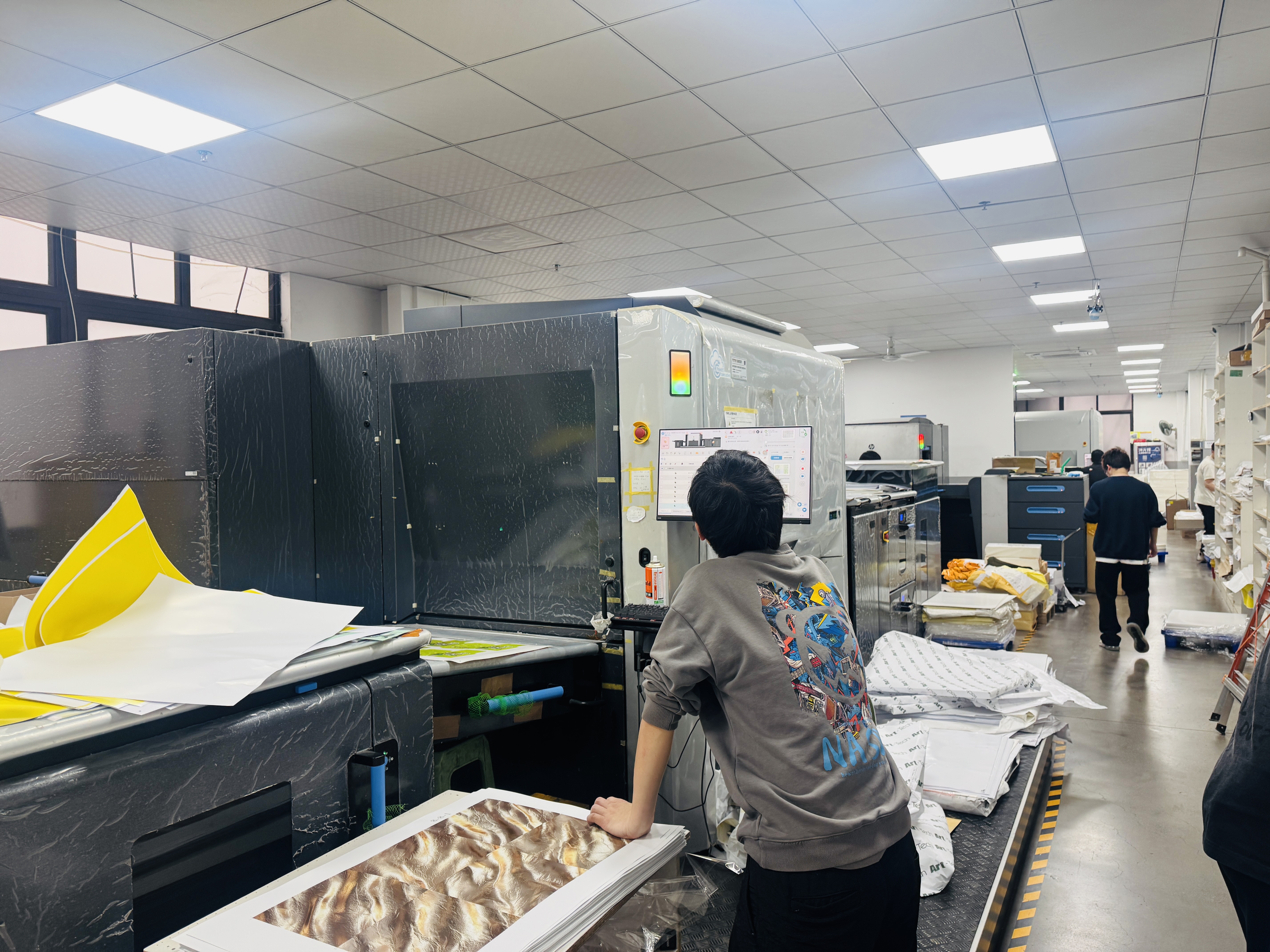
Custom printed gift production is handled in-house at the AHA workshop in Wenzhou.
Custom Fridge Magnets (AHA-FM Series): Low-Volume Persistence
The AHA-FM Series covers fridge magnets, magnetic stickers and souvenir magnets. The size range runs from 1"×1" to 11.75"×11.75", fully customisable, with thickness from 0.5 mm to 6 mm and shapes from square and rectangular to round or irregular. Magnet type is selectable between ferrite and neodymium. Printing covers UV printing, 3D embossing and full-colour custom work, and the range is described as reusable, fade-resistant and strong-adhesion. EN71, REACH and RoHS certifications are available upon request.
The magnet's cost profile is shaped by different levers. Footprint and thickness still drive material consumption, but from a much smaller base — a 1"×1" magnet and an 11.75"×11.75" magnet are not the same product economically even though they share a product family. Magnet grade introduces a cost variable the sponge does not have: ferrite and neodymium sit at different points on the cost and performance curve. Print method matters more here, because UV printing, 3D embossing and full-colour customisation involve different production steps. Packaging again affects landed cost, though the smaller unit usually ships more densely than a sponge of equivalent order value.
The magnet's structural advantage is that it is never thrown away for wearing out. Its limitation is that it is rarely looked at deliberately — it is a background object, not an interaction.
What Both Products Share
Both lines are produced under the same operating system: OEM and ODM production with customisation across logo, design, size, colour and packaging; a factory MOQ of 2,000; monthly capacity of 500,000 units; a 15–30 day lead time; and 100% inspection. Both are supported by custom design revision and an after-sales quality guarantee.
For a buyer, this equivalence is useful. It means a mixed programme is not twice the supplier risk — the two items can be specified, sampled and shipped through the same channel rather than through two unrelated vendors with two different QC regimes.
Step-by-Step: Running the Comparison on Your Own Numbers
The following sequence turns a subjective preference into a defensible procurement decision. It works without a cost-per-impression model, because it forces the buyer to state the campaign's purpose before comparing prices.
Step 1 — Define what the campaign is buying. If the objective is repeated brand contact inside households, the sponge is the more natural vehicle. If the objective is broad, low-cost reach with permanent presence on a metal surface, the magnet fits better. Writing this down first prevents the comparison from collapsing into a price-only decision.
Step 2 — Map the objective to a recipient environment. Sponges live in kitchens, utility rooms and cleaning cupboards. Magnets live on refrigerators, whiteboards and metal cabinets. Neither product needs explanation to the recipient, which is why both perform well as unsolicited gifts — but the environment determines how often the brand is actually seen.
Step 3 — Fix the specification before requesting prices. For sponges, lock size, thickness, material, print coverage and packaging. For magnets, lock dimensions, thickness, magnet type, print method and packaging. A quotation issued against an open specification is not comparable to anything.
Step 4 — Normalise for shipping volume. Compare the number of finished cartons, not just the order quantity. A smaller item usually ships more densely, which can offset part of a higher unit price elsewhere in the programme.
Step 5 — Establish the compliance path early. If the sponge will be positioned as a food-contact kitchen item, request the relevant documentation such as FDA food-grade, REACH and RoHS availability. If the magnet is part of a children's range, EN71 and the applicable toy standards enter the conversation. Compliance selected late becomes a redesign, not a checkbox.
Step 6 — Validate with a trial order. AHA accepts both small trial orders and large bulk orders, which allows a buyer to test print quality, material feel and packaging before committing to a full programme. Standard bulk orders typically run from 10,000 units upward, with smaller quantities negotiable.
Step 7 — Plan against production time, not against hope. The stated lead time is 15–30 days. That window covers production; artwork approval, sampling and freight should be scheduled separately.
Step 8 — Decide, then hold the specification. Once the choice is made, keep the approved specification as the reference document. Reorders that drift from it are where cost discipline quietly disappears.
Use Cases: Where Each Product Earns Its Cost
Kitchen, household and cleaning retail. A custom sponge aligns with the product category it advertises. Retailers promoting cleaning supplies, dish soap or kitchen storage can hand out a sponge that is used in the exact context the brand wants to be remembered in.
Real estate, property management and hospitality. Move-in kits and guest welcome packs benefit from a magnet, because it survives the tenancy. A sponge is consumed within weeks; the magnet stays on the fridge for the duration of the stay or lease.
Corporate gifting and internal campaigns. Both formats work, but they serve different internal messages. A sponge suits employee wellbeing, sustainability and office facility programmes. A magnet suits brand-awareness drives where a desk-side or kitchen-side reminder is the goal.
Kids, education and family events. Magnet formats are commonly used for character sets, schedules and learning aids, where EN71 and — for the US market — ASTM F963-23 come into scope. Products intended for children under 14 in the United States must meet ASTM F963-23, which is incorporated into 16 CFR 1250 as the mandatory toy safety standard.
Weddings, events and souvenirs. Destination and event magnets double as keepsakes, which extends their perceived value well beyond their unit cost. Sponges rarely fit this occasion.
Outdoor, travel and mini-gift programmes. Small-format magnets travel cheaply and pack densely, which makes them efficient components of a mixed mini-gift set distributed at volume.
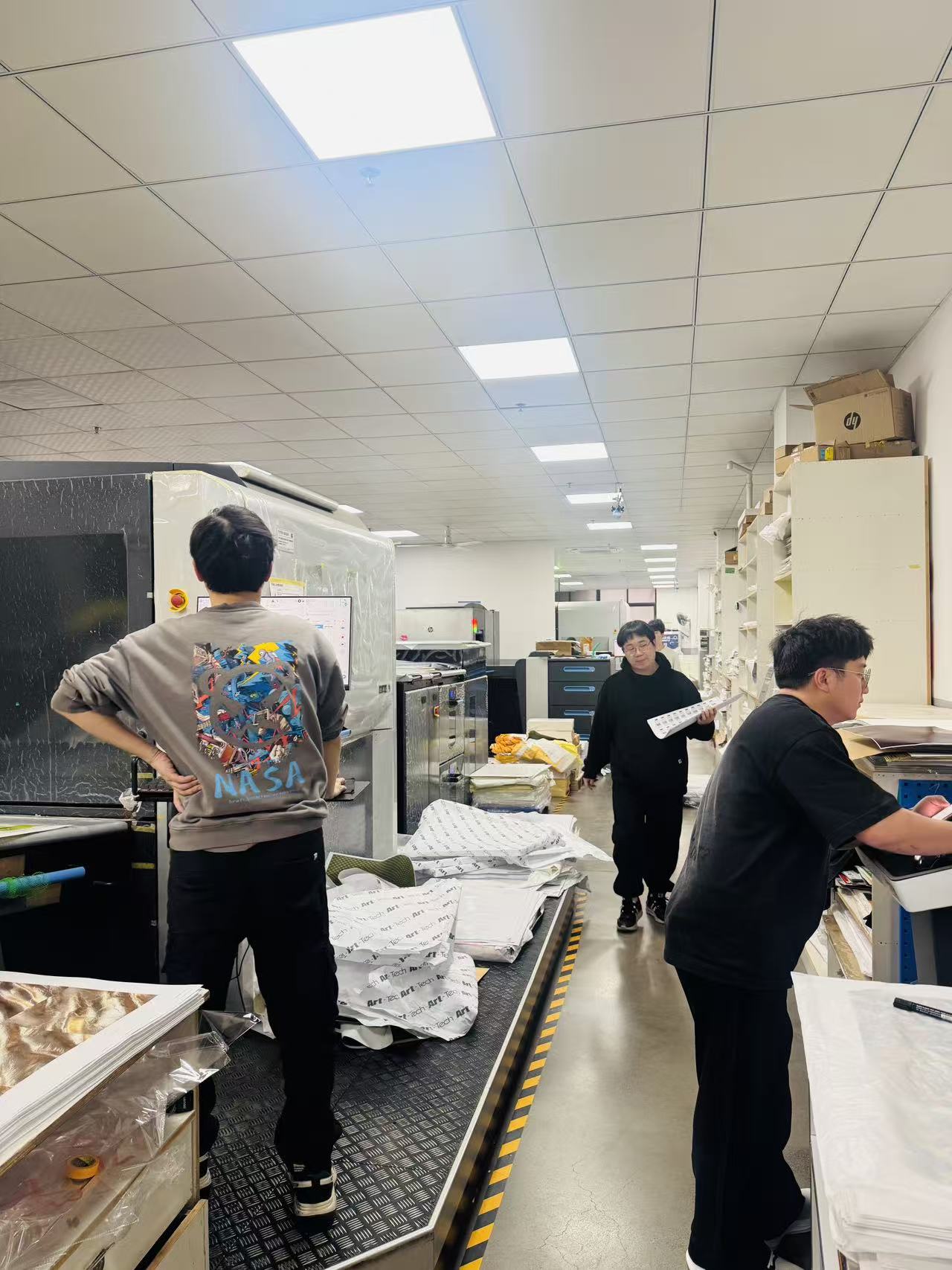
Production capacity of 500,000 units per month supports both mixed and single-item programmes.
Comparison Table: Specification-Level Differences
The table below compares only verified product-line parameters. It does not assign a winner, because the winner depends on which line in the table drives your campaign objective.
| Attribute | AHA-CS Custom Cleaning Sponges | AHA-FM Custom Fridge Magnets |
|---|---|---|
| Size | Fully customisable; standard 100×60×20 mm and 110×70×30 mm | 1"×1" to 11.75"×11.75"; fully customisable |
| Thickness | Customisable; standard 10–50 mm | 0.5–6 mm, customisable |
| Material | PU sponge, nylon, microfiber, PP, cellulose | PVC, soft rubber, acrylic, iron magnet |
| Configuration options | Antimicrobial option available | Ferrite or neodymium magnet; custom shapes |
| Printing | Custom logo and printing | UV printing, 3D embossing, full-colour custom |
| Use characteristics | Reusable, eco-friendly | Reusable, fade-resistant, strong adhesion |
| Certification (on request) | FDA (food-grade), REACH, RoHS | EN71, REACH, RoHS |
| Typical channel fit | Household cleaning, kitchen supplies, promotional gifts, daily necessities | Promotional gifts, tourism souvenirs, home decor, corporate gifting |
| Shared factory parameters | OEM/ODM; MOQ 2,000; 500,000 units per month; 15–30 day lead time; 100% inspection | |
Why Comparing Both Through One Manufacturer Changes the Math
A cost comparison between two product categories is only as reliable as the two quotations behind it. Sourcing them from separate suppliers introduces different MOQs, different QC standards and different lead times into what looks like a simple price question.
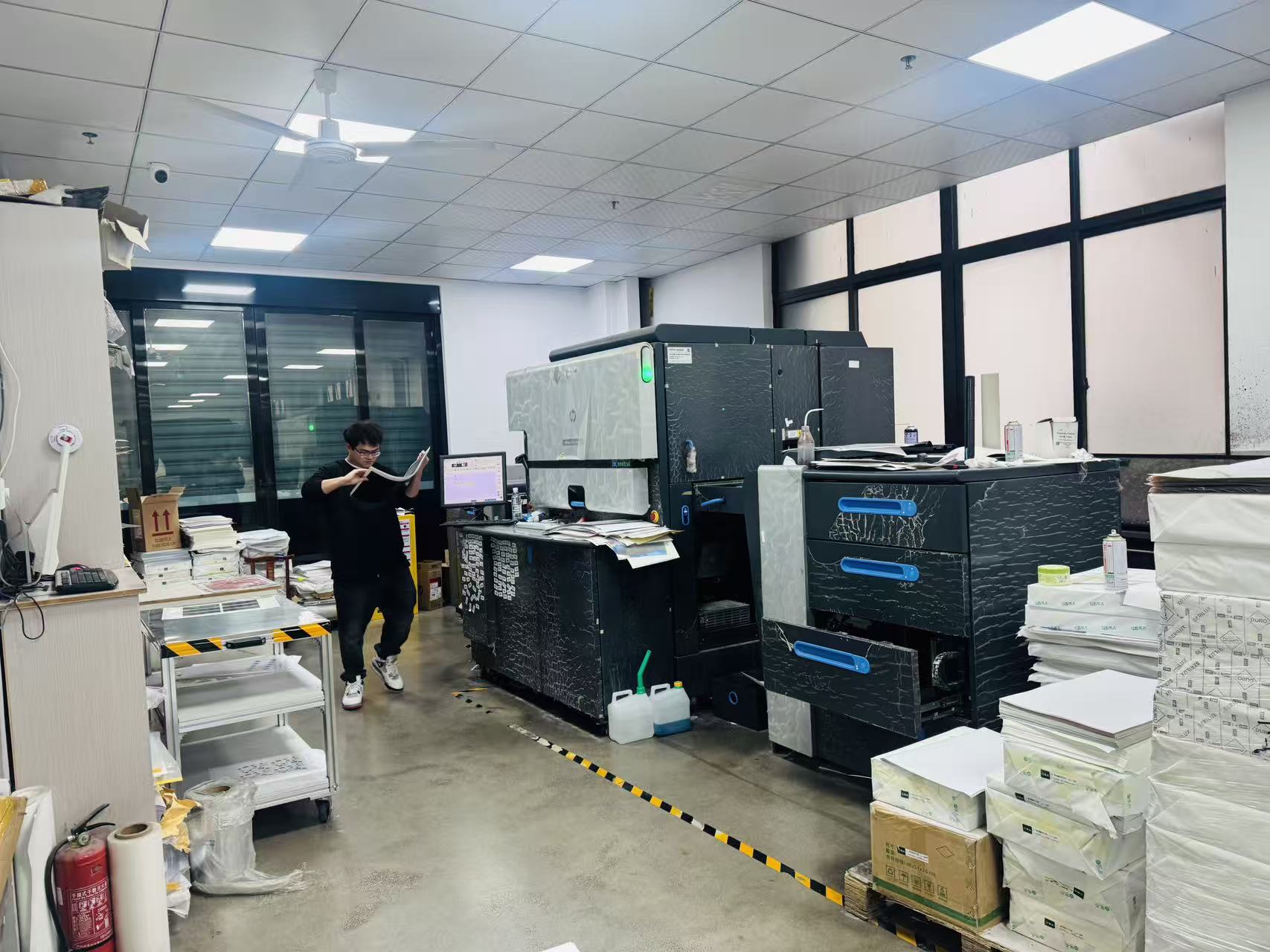
AHA's operating data is consistent across both lines. The company reports annual output of 5,000,000 units, a 2,000 m² facility, 100 employees and a 5-person R&D team, with 100% of output exported to the EU, USA, South America, Middle East and Southeast Asia. Its stated model is full-process inspection from raw material selection through to finished packaging, plus custom design revision support and an after-sales quality guarantee.
The company's case record supports this in practice. A U.S.-based distributor and promotional agency completed a three-year cooperation covering one-stop custom solutions, OEM/ODM services for promotional gifts, souvenirs and retail merchandise, with order scale adapting to volume — standard bulk orders of 10,000+ units and negotiable smaller quantities — and the relationship resulting in established long-term cooperation that met the client's customisation requirements.
For a buyer running a sponge-versus-magnet evaluation, the practical benefit is a like-for-like baseline: the same QC regime, the same compliance documentation process, and the same production calendar regardless of which product the campaign ultimately selects.
Frequently Asked Questions
What certifications apply to custom cleaning sponges and custom fridge magnets?
AHA-CS custom cleaning sponges can be supplied with FDA food-grade, REACH and RoHS certification available upon request. AHA-FM custom fridge magnets can be supplied with EN71, REACH and RoHS certification available upon request. Where a product is intended for children in the United States, ASTM F963-23 applies as the mandatory toy safety standard under 16 CFR 1250.
Can AHA produce both cleaning sponges and fridge magnets for one programme?
Yes. Wenzhou Aha Craft Gifts Co., Ltd. manufactures both the AHA-CS cleaning sponge range and the AHA-FM fridge magnet range, with OEM/ODM customisation covering logo, design, size, colour and packaging. The factory reports monthly capacity of 500,000 units and 100% inspection, which allows both items to be specified and shipped through one production channel.
What drives the cost of each product?
For cleaning sponges, cost is driven by size, thickness (standard 10–50 mm), material choice across PU sponge, nylon, microfiber, PP or cellulose, print coverage and packaging. For fridge magnets, cost is driven by dimensions from 1"×1" to 11.75"×11.75", thickness from 0.5 to 6 mm, magnet type (ferrite or neodymium), print method (UV printing, 3D embossing or full-colour custom) and packaging. Order quantity and carton density affect both.
Can buyers test either product before placing a bulk order?
AHA accepts both small trial orders and large bulk orders. The factory MOQ is 2,000 units, while standard bulk orders typically start from 10,000 units with smaller quantities negotiable. Custom design revision support is available, so specifications for size, colour and packaging can be adjusted before a full programme is committed.
What is the production lead time, and how should a buyer start?
The stated production lead time is 15–30 days, with 100% inspection before shipment and export to the EU, USA, South America, Middle East and Southeast Asia. To receive a comparable quotation for either product, send the product line, size, material, print artwork and target order quantity to AHA through ahacustomshop.com — a sample request and a cost breakdown can be handled in the same enquiry.
Conclusion: Choose the Cost Logic, Not the Lower Price
Custom cleaning sponges and custom fridge magnets are not interchangeable promotional products. The sponge buys repeated, active brand contact in the place where household decisions happen. The magnet buys long-duration, low-volume visibility on a surface that never gets thrown away. A buyer who compares only the price per piece will optimise for the wrong metric and then wonder why the campaign underperformed.
The practical decision rule is straightforward. Choose the sponge when the campaign needs utility and repetition, and when a food-contact, kitchen-adjacent context strengthens the brand message. Choose the magnet when the campaign needs broad reach, permanent presence, low shipping volume, or a keepsake that survives the event.
Whichever way the analysis falls, run it on locked specifications and a single manufacturing baseline. AHA produces both lines under the same OEM/ODM model, the same 100% inspection regime and the same 15–30 day lead time — which means the choice can be made on campaign logic rather than on supplier inconsistency.
Ready to compare on your own numbers? Request a quote or sample for AHA-CS cleaning sponges and AHA-FM fridge magnets at ahacustomshop.com.
Have Questions or Need More Details?
Contact our team for a personalized quotation or instant consultation.
Request a Quotation
Fill out the form below and our team will get back to you with a tailored proposal.
WhatsApp Direct Chat
Prefer to chat in real-time? Message us on WhatsApp for instant assistance & quick answers.
- Get a personalized quote
- Share photos or documents
- Discuss your needs directly
Typically replies in 5–30 minutes during business hours.