How to Adapt Printed Gifts to Retail, Promo and Souvenir Scenarios: A Step-by-Step Application Guide
Adapting printed gifts to a scenario is a process, not a single product decision. A custom cleaning sponge, a custom fridge magnet, a child-safe craft kit or a stationery set only performs when the product type, logo printing method, packaging format and order volume are matched to the channel that will carry it. This guide walks through that adaptation in seven steps, using the one-stop OEM/ODM model of Wenzhou Aha Craft Gifts Co., Ltd. (AHA) as a working reference for buyers who are past product discovery and are now moving into evaluation and execution.
Why Generic Printed Gift Programs Underperform
The most common reason a printed gift program underdelivers is not poor printing quality — it is a mismatch between the product, the print treatment, the packaging and the scenario the gift is meant to serve. A sponge designed as a high-volume giveaway behaves very differently from a sponge sold as a supermarket kitchen accessory, yet both may share the same base material.
Three specific failures repeat across promotional, retail and souvenir programs:
- Product-to-scenario mismatch. A low-cost, high-count item is used for a premium corporate gift, or a small souvenir item is pushed into a functional household role it was never designed for.
- Print and packaging set too late. Logo technique and packaging format are decided after the product is chosen, which forces compromises on artwork detail, brand visibility and shelf appeal.
- Volume set by guesswork. Buyers either over-order to reach a bulk price tier or under-order and lose the scenario test. Trial-versus-bulk planning is skipped entirely.
Scenario adaptation is the corrective step. It is a repeatable sequence: classify the scenario, match the product family, define printing and packaging, select materials against compliance needs, then plan volume and inspection.
The Market Context Behind Scenario-Specific Printed Gifts
Demand for printed and personalized gifts is large enough that scenario fit now affects buying decisions directly. According to The Business Research Company, the global personalized gifts market is projected to grow from USD 28.47B in 2024 to USD 30.79B in 2025, reaching USD 42.25B by 2029. Within that, the U.S. personalized gifts market was valued at USD 8.92B in 2024, with expectations to reach USD 15.19B by 2030 at a CAGR of 9.2%.
Two structural shifts reinforce the need for scenario planning:
- Material preference. Grand View Research reported that paper and board materials dominated the gift wrapping and craft segment, accounting for 78.3% of market revenue in 2023 — relevant when a scenario calls for paper-based or gift-box presentation.
- Sustainability expectations. Deloitte data cited in industry reporting indicated that approximately 47% of global consumers purchased at least one sustainable or eco-friendly product in 2024, which increases the value of reusable and green printed gift options.
For buyers, the practical implication is simple: the same printed gift category can be positioned across several scenarios, but the material, printing and packaging choices must be tuned to the one in front of you.
What a One-Stop OEM/ODM Model Contributes to Scenario Adaptation
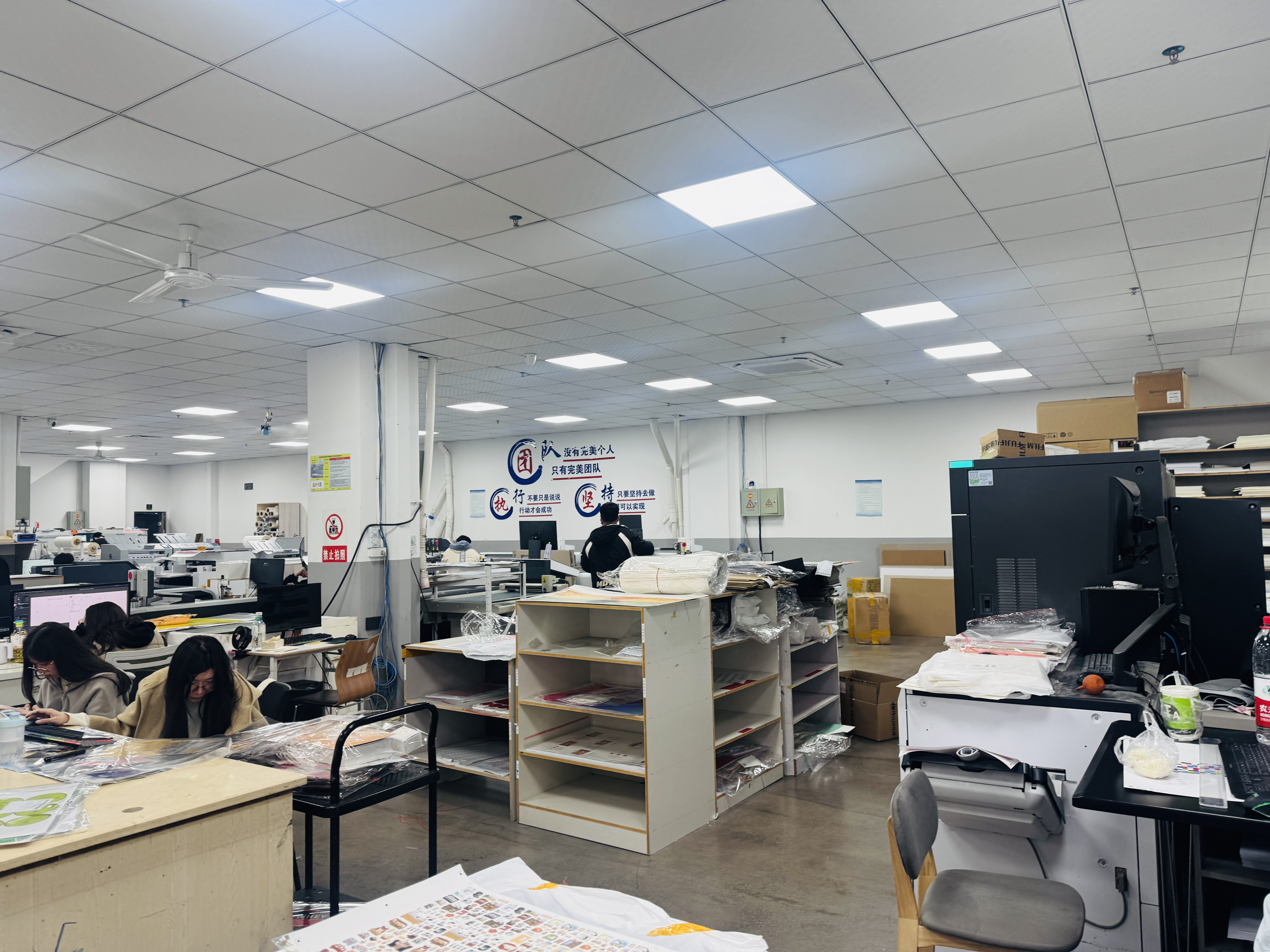
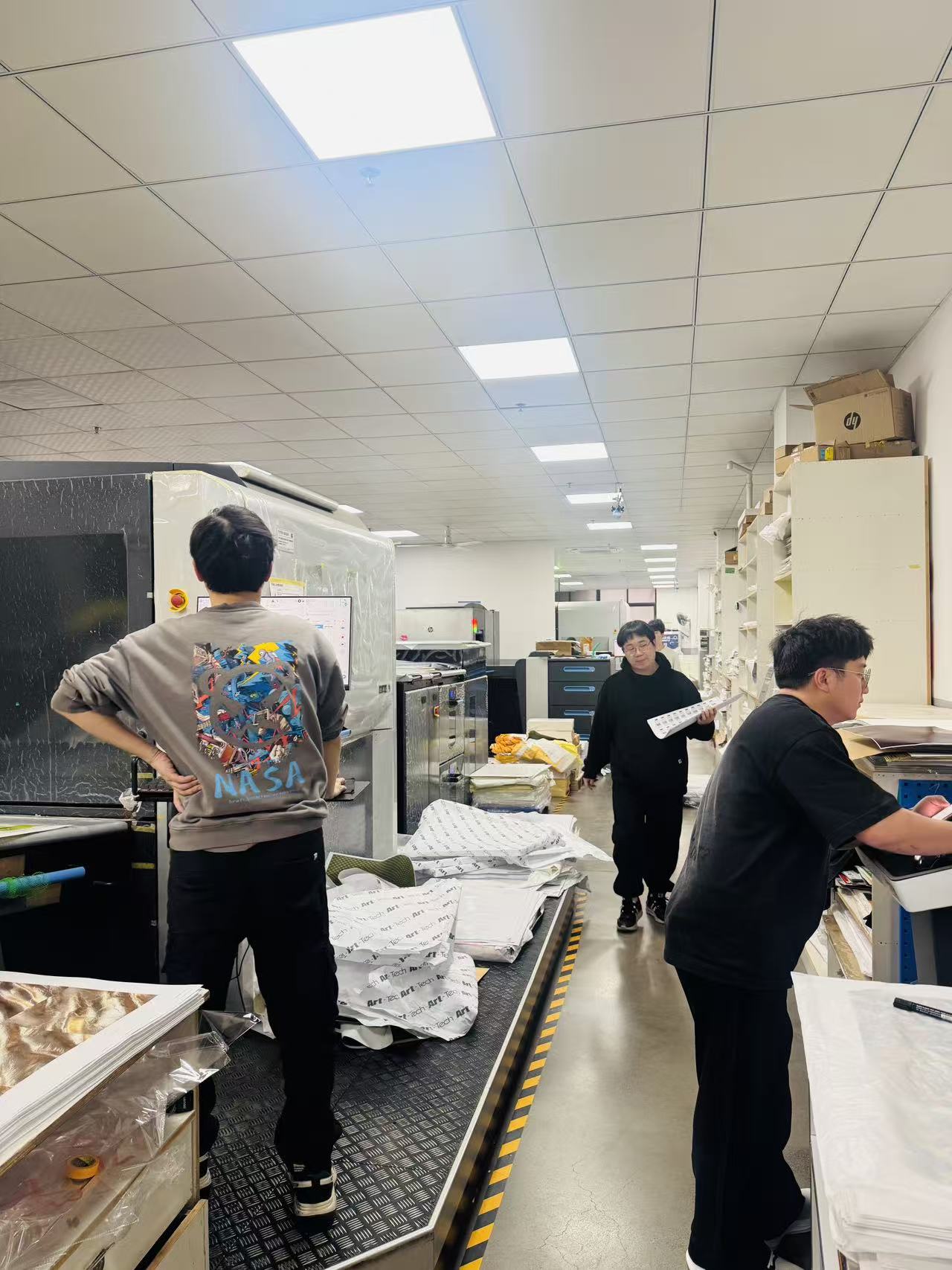
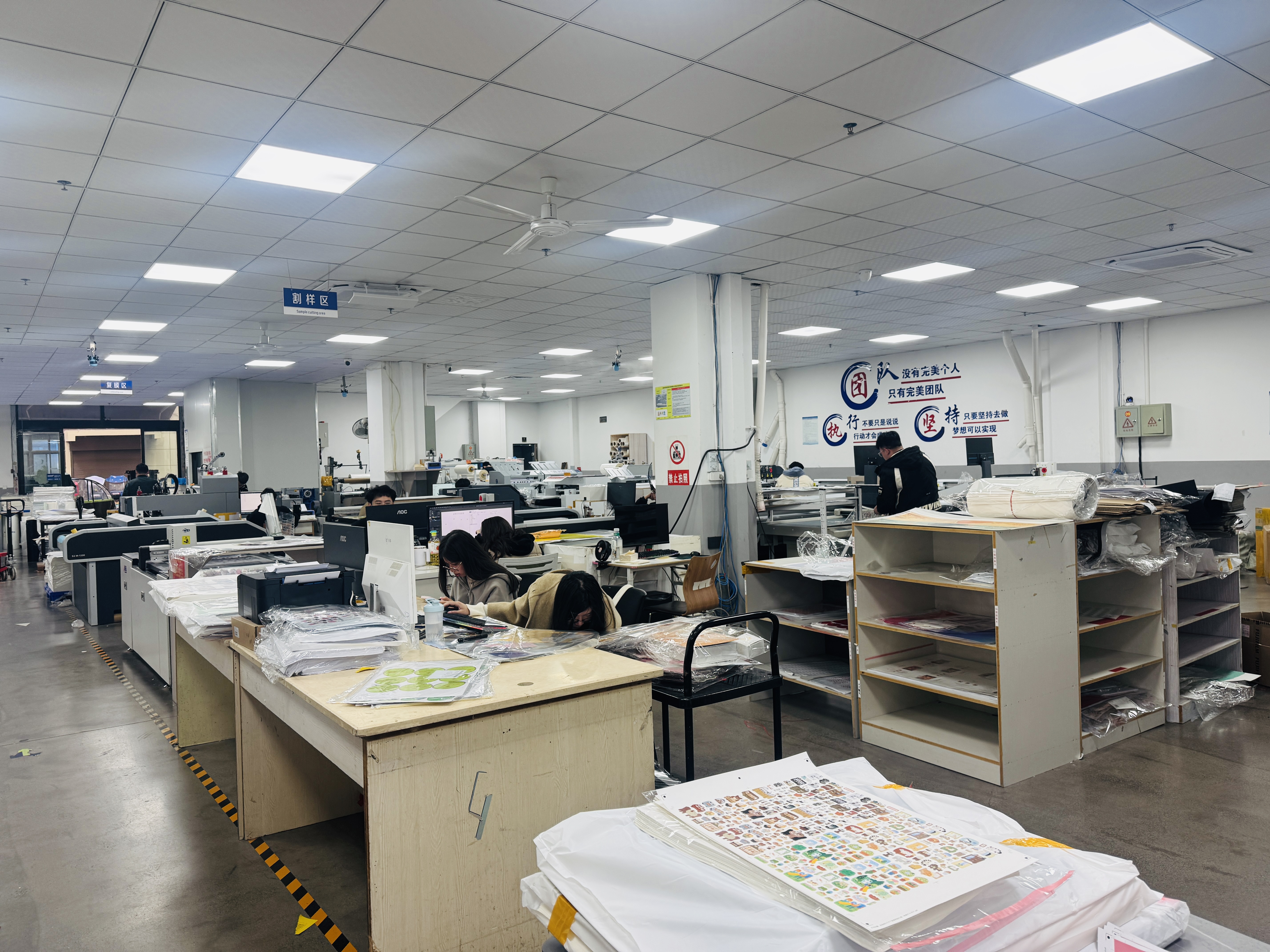
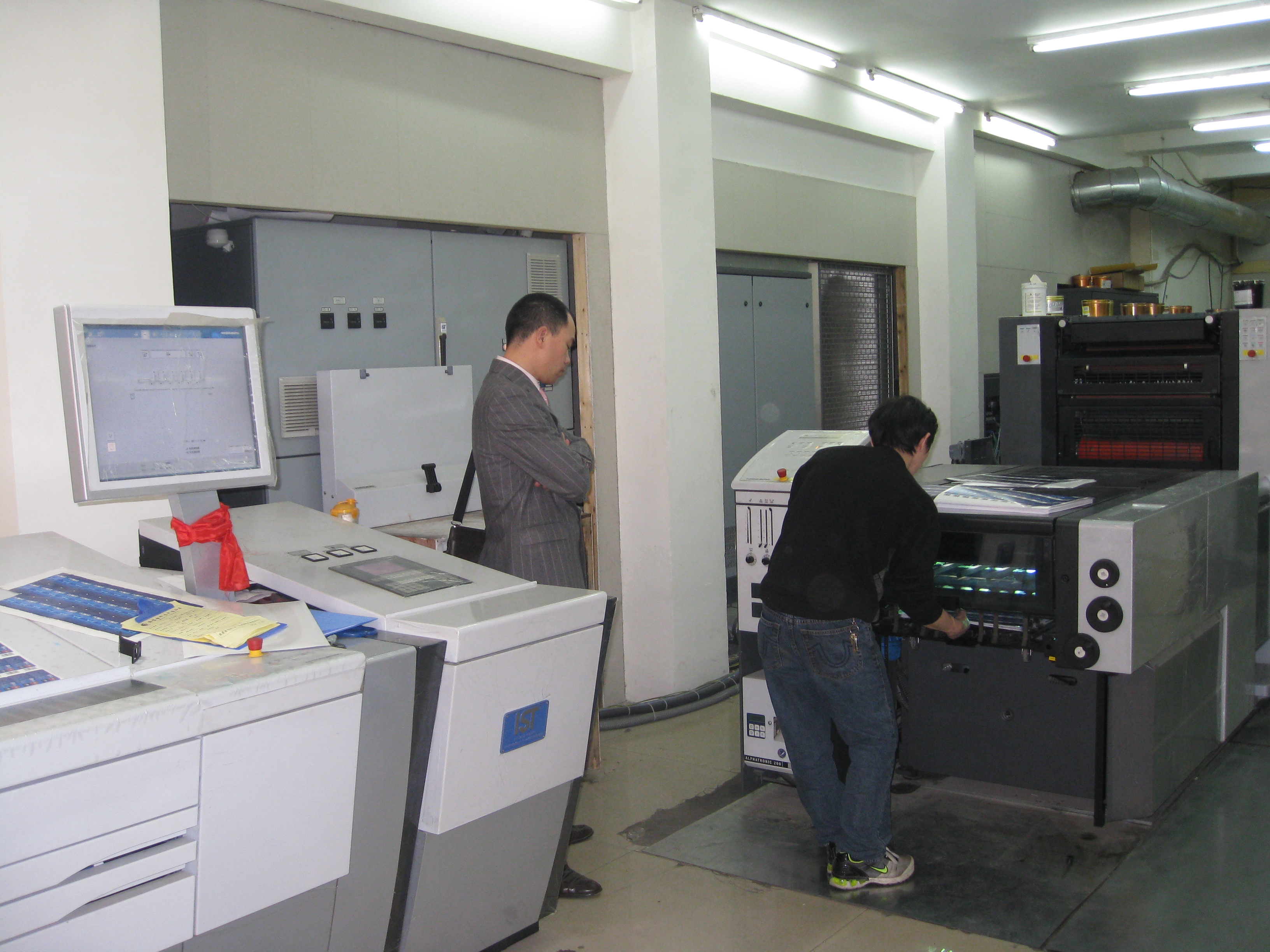
AHA, formally Wenzhou Aha Craft Gifts Co., Ltd., is a manufacturer and supplier founded in 2017 in Wenzhou, China, specializing in custom promotional gifts, creative household products, stationery, toys and packaging supplies. It operates a 2,000 m² factory with 100 employees, exports 100% of its output, and serves customers in the EU, USA, SA/ME and SEA markets.
For scenario adaptation specifically, several capabilities matter more than generic production claims:
- OEM and ODM services covering customization of logo, design, size, color and packaging — the full set of variables a scenario adaption touches.
- Integrated mold development, mass production, printing and packaging, so a design change does not have to be split across several vendors.
- An R&D team of five engineers, supporting design revision and product adjustment as scenario requirements tighten.
- Annual production capacity of 5,000,000 units, with a monthly capacity of 500,000 units, which supports both trial runs and scale-up.
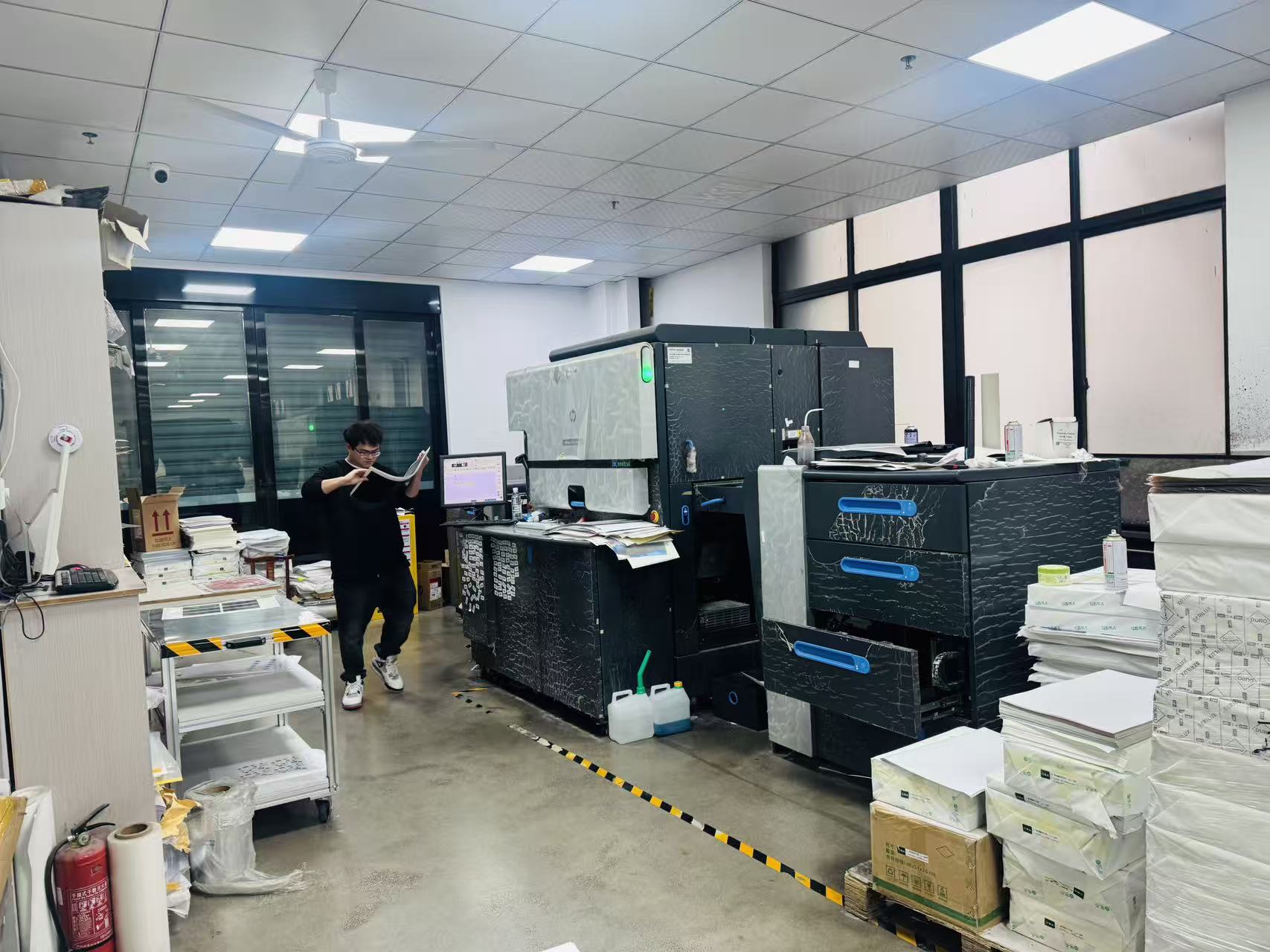
- Full-process inspection from raw material selection through production processing to finished packaging, with 100% inspection as the stated quality control standard.
The model is not theoretical. A U.S.-based project combining OEM/ODM service for custom promotional gifts, corporate souvenirs and retail merchandise ran over a three-year period, established long-term cooperation and met the customer's customization needs, with distributors, promotional agencies and corporate clients as the user base.
Step-by-Step: Adapting a Printed Gift Program to a Scenario
Step 1 — Classify the Scenario Before Choosing a Product
Name the channel the gift will live in: promotional giveaway, retail or e-commerce merchandise, corporate gifting, or tourism souvenir. Each implies different success criteria — reach versus shelf appeal versus perceived value versus portability. Write the primary criterion down. Every later decision, including printing and packaging, is checked against it.
Step 2 — Match the Product Family to the Scenario
Once the scenario is fixed, the product family narrows quickly. Both custom cleaning sponges & scrubbers (AHA-CS Series) and custom fridge magnets (AHA-FM Series) are fully customizable, but they serve different demand patterns. Sponges are reusable daily-use items suited to high-volume, functional giveaways and household retail; magnets are small, lightweight, low-shipping-cost items suited to souvenirs, retail merchandise and corporate sets. Where the scenario involves children, the custom children's toys & crafts line (AHA-CT Series) is the relevant family and triggers child-safety requirements. Where the scenario is office or desk-based, custom craft gifts & stationery (AHA-CG Series) fits.
Step 3 — Define Logo Printing and Decoration Requirements
Printing technique should follow the scenario, not the other way around. Available methods across the range include UV printing, 3D embossing and full-color custom printing for magnets; offset printing, screen printing, UV digital printing and embossing/debossing for stationery; and custom logo printing for sponges and toys. Eco-friendly, non-toxic, water-based ink that is fade-resistant is used where branded printing must withstand handling or repeated washing. For tourism souvenirs, small-format logos need high precision; for corporate sets, embossing or debossing better supports a premium feel.
Step 4 — Lock Custom Packaging for the Channel
Packaging is often the difference between a giveaway and a retail line. AHA supports fully customizable packaging, including OPP bags, color boxes, gift boxes and blister packs. Retail and e-commerce merchandise usually need shelf-ready or protective packaging with barcode-friendly surfaces; corporate gifting typically calls for a gift box; high-volume giveaways often favor simple, cost-efficient formats. Because packaging is part of the customization scope, it can be set in the same step as logo and product specification.
Step 5 — Select Materials Against Eco-Friendly and Child-Safe Needs
Material choice is a compliance decision as much as a cost decision. For children's craft gifts bound for the U.S., products must comply with ASTM F963-23 and CPSIA lead and phthalate limits; for the EU, CE marking and EN71 series compliance (EN71-1, -2, -3) apply for physical, flammability and chemical safety. AHA's toy line is documented as compliant with ASTM F963, EN71, CPSIA and CE, and its products use food-grade, non-toxic, BPA-free and phthalate-free materials where relevant. Sponges can be produced with FDA food-grade, REACH and RoHS documentation available on request, and magnets and stationery with EN71, REACH and RoHS available on request. Reusable and eco-friendly construction aligns with the roughly 47% of consumers who bought at least one sustainable product in 2024.
Step 6 — Plan Trial Versus Bulk Volumes With Reasonable MOQs
Separate the scenario test from the rollout. AHA accepts both small trial orders and large bulk orders, with reasonable MOQs, so a new scenario can be validated before committing full volume. The standard MOQ is 2,000 units, and for program-scale repeat orders the purchasing terms set MOQ at 2% of order volume. A typical bulk order sits at 10,000+ units, with small orders negotiable. As a direct manufacturer, cost advantage comes from removing middleman layers and optimizing production rather than from cutting specification.
Step 7 — Confirm Inspection, Acceptance and Delivery
Close the loop before production starts. Quality control is stated as full-process inspection with 100% inspection, covering raw material selection, production processing and finished product packaging. Acceptance criteria are pre-shipment inspection and sample confirmation. Delivery terms are FOB, CIF or EXW; payment terms are T/T 30/70, L/C at Sight or Trade Assurance; and production lead time runs 15–30 days, supported by a monthly capacity of 500,000 units. Export markets covered are the EU, USA, SA/ME and SEA.
Scenario Use Cases: How the Steps Apply in Practice
Promotional Giveaways
A promotional agency running a high-count consumer campaign typically needs a low unit cost, a large volume and a logo that survives handling. Custom cleaning sponges & scrubbers fit this scenario: they are reusable, functional and available in standard sizes such as 100×60×20mm and 110×70×30mm, with thickness customizable from 10–50mm. Printing with a simple logo, packaged in OPP bags, keeps volume feasible while the standard MOQ anchors the trial.
Retail and E-commerce Merchandise
Retail needs shelf appeal and scannable packaging. Custom fridge magnets are well suited here — sizes range from 1"×1" to 11.75"×11.75", thickness from 0.5mm to 6mm, with UV printing, 3D embossing and full-color customization, plus ferrite or neodymium magnet options. Packaging in color boxes or blister packs supports retail display, and the option of EN71, REACH and RoHS documentation available on request supports EU and U.S. listings.
Corporate Gifting
Corporate programs favor perceived value and presentation over volume. Custom craft gifts & stationery covers sticky notes, pens and erasers with customizable sizes (A5/A6/A7; 76×76mm or 100×100mm for sticky notes), paper from 80g to 300g and plastic or metal from 1.5mm to 3mm. Gift box packaging, embossing/debossing and eco-friendly water-based ink support a premium finish, and this is the same mix AHA has used for U.S. corporate clients across a three-year cooperation.
Tourism Souvenirs
Souvenir scenarios reward portability and regional identity. Small magnets and child-safe craft items travel cheaply and reproduce regional artwork well. Where the souvenir is aimed at children, the AHA-CT Series uses food-grade, non-toxic, BPA-free and phthalate-free materials with an age recommendation of 3+ and compliance with ASTM F963, EN71, CPSIA and CE.
Product Family vs. Scenario: A Comparison Table
The table below compares the four AHA product families across the main scenarios, using only specification and certification facts confirmed in the source material.
| Product family | Best-fit scenario | Key material & certification facts | Order profile |
|---|---|---|---|
| Custom cleaning sponges & scrubbers (AHA-CS Series) | Promotional giveaways, household/kitchen retail | PU sponge, PP, nylon, microfiber, cellulose; FDA (food-grade), REACH, RoHS available on request; reusable, antimicrobial optional | High-count functional item; standard sizes 100×60×20mm and 110×70×30mm; thickness 10–50mm |
| Custom fridge magnets (AHA-FM Series) | Tourism souvenirs, retail merchandise, corporate sets | PVC, soft rubber, acrylic, iron magnet; ferrite or neodymium magnet; EN71, REACH, RoHS available on request; fade-resistant | Small, lightweight, low shipping cost; size 1"×1"–11.75"×11.75"; thickness 0.5–6mm |
| Custom children's toys & crafts (AHA-CT Series) | Kids craft gifting, education retail, holiday promotions | Food-grade, non-toxic, BPA-free, phthalate-free materials; ASTM F963, EN71, CPSIA, CE compliant; eco-friendly non-toxic ink | Age recommendation 3+; child-safety documentation required before listing |
| Custom craft gifts & stationery (AHA-CG Series) | Office gifting, corporate kits, stationery retail | Paper (coated/kraft/cardboard), plastic (PVC/PP), metal (iron/stainless steel); EN71, REACH, RoHS available on request; BPA-free for plastic | Broad SKU range — sticky notes, pens, erasers; A5/A6/A7 and 76×76mm/100×100mm; paper 80g–300g |
FAQ: Adapting Printed Gifts by Scenario
What safety and compliance requirements apply when adapting printed gifts for EU and U.S. markets?
Children's craft gifts intended for the U.S. market must comply with ASTM F963-23 (Standard Consumer Safety Specification for Toy Safety) and CPSIA lead and phthalate limits. For the EU, European safety standards require CE marking and compliance with the EN71 series (EN71-1, -2, -3) covering physical, flammability and chemical safety. Within AHA's range, the children's toys & crafts line is documented as compliant with ASTM F963, EN71, CPSIA and CE; sponges are available with FDA food-grade, REACH and RoHS documentation on request; and magnets and stationery with EN71, REACH and RoHS available on request.
What OEM/ODM and customization capabilities should a printed gifts supplier provide for scenario adaptation?
A supplier fit for scenario work should cover the full variable set in one place: logo, design, size, color and packaging customization, delivered through OEM and ODM services. AHA integrates independent design, mold development, mass production, printing, packaging and international logistics, supported by an R&D team of five engineers and an annual production capacity of 5,000,000 units (monthly capacity 500,000 units). This combination allows a scenario change — new artwork, new packaging format, adjusted product size — to be handled without splitting the program across multiple vendors.
What purchasing terms and cost factors should buyers expect when adapting a printed gift program?
AHA's purchasing terms set a standard MOQ of 2,000 units, with MOQ at 2% of order volume for program-scale orders. Delivery terms are FOB, CIF or EXW; payment terms are T/T 30/70, L/C at Sight or Trade Assurance. Cost is driven mainly by material selection, printing method, packaging format and order volume rather than by a single unit price, which is why the scenario steps above fix specification before volume. As a direct manufacturer, AHA removes middleman costs and optimizes production processes to keep pricing competitive without compromising quality. For specific scenario pricing, a direct quotation is the most reliable starting point.
Can buyers trial a scenario before committing to bulk volume?
Yes. AHA accepts both small trial orders and large bulk orders with reasonable MOQs, so a new scenario can be validated at low risk before scaling. Acceptance criteria are built around pre-shipment inspection and sample confirmation, which means the sample stage is a formal checkpoint rather than an informal preview. In a representative case, a U.S. project used OEM/ODM service for custom promotional gifts, corporate souvenirs and retail merchandise on a standard bulk order of 10,000+ units, with small orders negotiable, and ran for three years.
What production lead time and delivery capability apply?
Production lead time for AHA orders runs 15–30 days, supported by a monthly capacity of 500,000 units. Quality control is documented as full-process inspection with 100% inspection from raw material selection through production processing to finished packaging, which supports on-schedule delivery. Products are exported to the EU, USA, SA/ME and SEA markets, with delivery terms of FOB, CIF or EXW. Buyers planning a scenario launch around a fixed date should confirm lead time against the sample approval milestone at the start of the project — to do that, you can send your scenario brief and target schedule directly to the AHA team.
Next Step: Turn Your Scenario Brief Into a Sample
If you are past discovery and moving into evaluation or execution, the fastest way to test a scenario is to request a sample built to that scenario's product, printing, packaging and compliance requirements. AHA supports sample requests and quotations for custom printed gifts, from trial volumes upward.
Website: www.ahacustomshop.com | Email: vera@ahagiftsch.com | WhatsApp: +86 13958790933
Conclusion
Adapting printed gifts to retail, promo and souvenir scenarios is a sequence, not a slogan. Classify the scenario, match the product family — sponges for high-count functional giveaways, magnets for souvenirs and retail merchandise, toys for child-safe craft gifting, stationery for corporate sets — then set printing, packaging, materials and volume against verified compliance and capacity facts. A one-stop OEM/ODM model with in-house mold development, printing, packaging, five-engineer R&D support, 5,000,000-unit annual capacity and full-process inspection gives buyers a single accountable path from scenario brief to delivered order.
Have Questions or Need More Details?
Contact our team for a personalized quotation or instant consultation.
Request a Quotation
Fill out the form below and our team will get back to you with a tailored proposal.
WhatsApp Direct Chat
Prefer to chat in real-time? Message us on WhatsApp for instant assistance & quick answers.
- Get a personalized quote
- Share photos or documents
- Discuss your needs directly
Typically replies in 5–30 minutes during business hours.