OEM vs. ODM for Custom Craft Gifts: Which Model Fits Your Brand Strategy?
The OEM-versus-ODM decision is usually locked in long before the first sample is approved, yet it settles almost everything that follows: who owns the artwork, how many weeks sit between concept and container, how deep the customization can realistically go, and where the cost actually lands.
OEM (original equipment manufacturing) means the manufacturer builds to your design and specification. ODM (original design manufacturing) means the manufacturer already owns a developed product and you customize the branding layer on top of it. They are not quality tiers, and neither is automatically better. They distribute control, speed and risk differently.
Short answer: choose OEM when the product design itself is the brand asset and you can fund development time, tooling and approval cycles. Choose ODM when speed, category breadth and lower upfront risk matter more than owning the base design. Most mature gift programs end up running both, which is what the one-stop OEM and ODM service at Wenzhou Aha Craft Gifts Co., Ltd. is structured to support.
Wenzhou Aha Craft Gifts Co., Ltd. (AHA) is a manufacturer and supplier of custom craft gifts, paper products, plastic products, stationery, office supplies, textiles, leather goods, children's toys, outdoor travel products, beach towels, glass products and metal products. Founded in 2017, the company operates a 2,000 m² facility in Wenzhou, Zhejiang, China, with around 100 employees and a 5-person R&D team, and reports a 100% export ratio across the EU, USA, South America, the Middle East and Southeast Asia. AHA describes its service model as one-stop OEM and ODM, with full-scale customization from product design to final packaging.
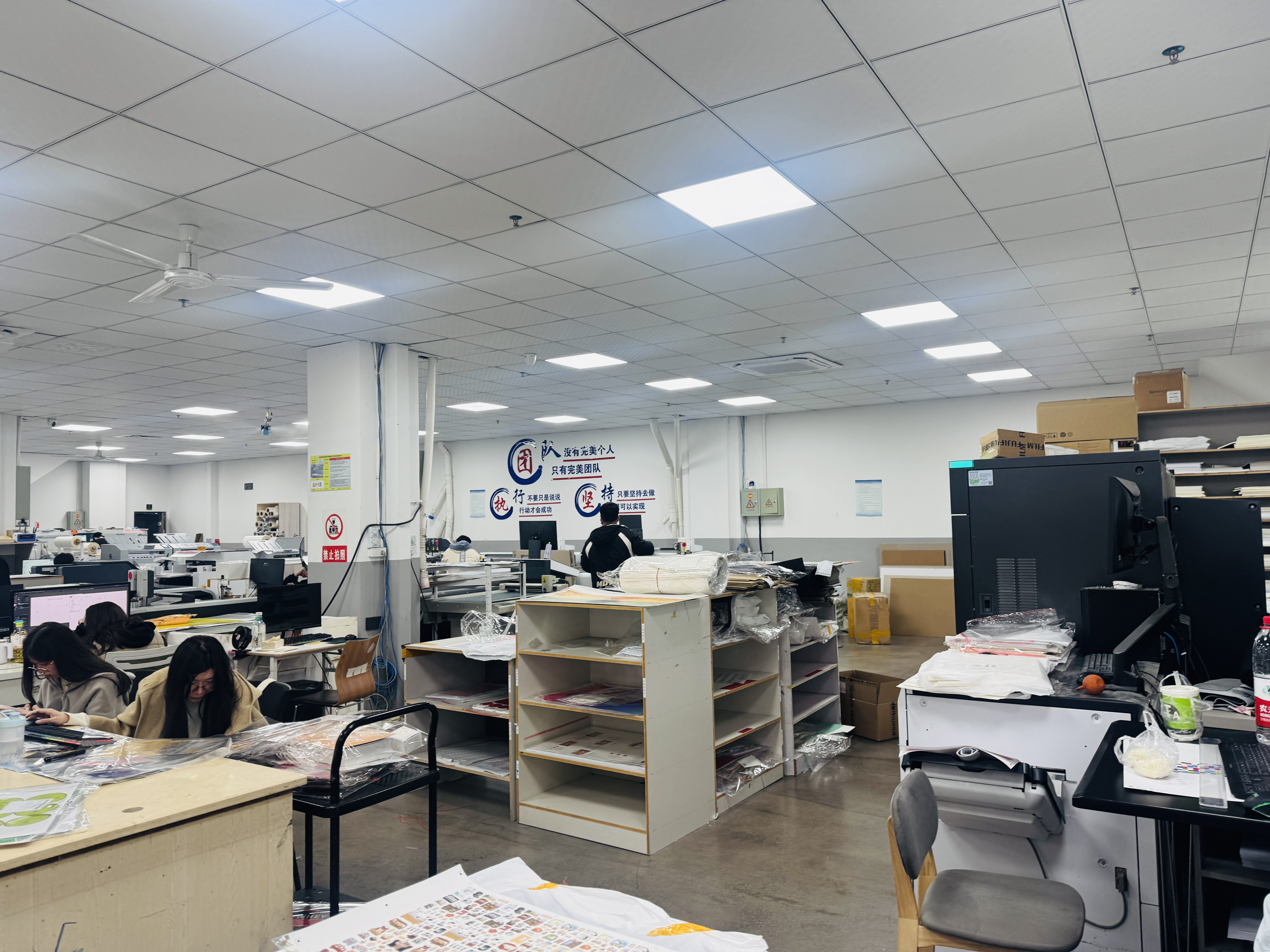
Custom craft gift programs are planned and coordinated from the AHA office before tooling, sampling and packaging decisions are finalised.
OEM vs. ODM in One Line Each
OEM: you bring the design; the factory brings tooling, production, printing, packaging and international logistics. Exclusivity is normally part of the arrangement, because your design does not belong in the supplier's catalog.
ODM: the factory brings a developed product such as a DIY kit, a scratch-off map, a printed desk accessory or a molded fridge magnet, and you customize color, logo, print, packaging and sometimes components. Time to market is shorter because the engineering already exists.
Decision rule: if a competitor could buy the same item from the same supplier next month, you are buying ODM depth regardless of what the invoice calls it.
The Real Problem: Model Labels Are Inconsistent Across Suppliers
Three practical complications turn a simple comparison into a genuine procurement decision.
1. Labeling is loose. Suppliers routinely describe logo printing on a stock item as full OEM service. Before comparing quotations, ask two questions: who owns the base design, and will the item be sold to other buyers in the same form?
2. The customization layer hides the model. Packaging, labels and inserts can be fully custom on an ODM base. A gift box packed craft gift can look entirely bespoke while the product inside is a catalog design. That is a legitimate strategy, but it changes what you actually own.
3. Compliance responsibility does not move with the model. Under the EU framework summarised by EUR-Lex, toys placed on the EU market require a safety assessment, technical documentation and CE marking; Regulation (EU) 2025/2509 is referenced in the current summary, and effective dates and transition details should be verified against the consolidated legal text before compliance decisions are made. European Commission Guidance Document No. 13 adds that whether an arts-and-crafts kit counts as a toy depends in part on play value and must be assessed case by case. In an OEM program you generate the design input for that file; in an ODM program the supplier does. Either way, the documentation chain has to be assigned in writing.
Industry Background: Why the Model Choice Carries More Weight Today
Customization has shifted from premium add-on to baseline expectation across corporate gifting, souvenir retail and promotional programs. Buyers increasingly want program-specific structures, branded packaging and defined material choices rather than a stock item with a logo dropped on it. That moves the sourcing question from which catalog page to which manufacturing model.
Suppliers have responded by consolidating capability. AHA integrates independent design, mold development, mass production, printing, packaging and international logistics in one industrial chain, which is the combination that makes both OEM and ODM possible under one roof instead of across a design studio, a mold shop and a trading intermediary.
Compliance scrutiny has risen in parallel, especially for kids craft gifts and eco-friendly craft gifts. Material and tariff classification is a second layer: UN Comtrade publishes trade data at HS chapter level for plastics and articles thereof (HS 39) and for paper and paperboard and articles thereof (HS 48), both relevant to plastic craft gifts and paper craft gifts. Chapter-level data, however, cannot be read as craft-gift-specific trade volume, so duty and origin planning still needs SKU-level classification.
Head-to-Head: Seven Criteria That Decide Between OEM and ODM
1. Design Ownership and IP
OEM places the structure, artwork and tooling on your side of the ledger, which is the right choice when the product is a signature item or a recurring line you intend to defend in the market. ODM leaves the base design with the supplier, while you own the brand layer: logo, color, packaging and copy. The practical check is exclusivity, so ask directly whether the base item is sold to other buyers and in what form.
2. Speed to Market
ODM is faster because engineering, molds and print files already exist. OEM adds concept design, mold development, pre-production sampling and approval before mass production begins. For deadline-driven event giveaways and seasonal programs, that gap is often the deciding factor. AHA reports 15-30% faster lead time than peer custom gift manufacturers in its own comparison, and that figure should be confirmed against a specific RFQ rather than assumed.
3. Customization Depth
AHA supports full-scale customization from product design to final packaging, across categories that include personalized logo craft gifts, high precision printed craft gifts, printable craft gifts and gift box packed craft gifts. ODM depth typically reaches the branding layer and selected components. Anything touching structure, mechanism or material change moves the order toward OEM.
4. Tooling and Mold Development
OEM may require new molds, and that is both a real cost and a real schedule item. In-house mold development compresses that loop, which is why the capability matters when suppliers are being compared. ODM usually shares existing tooling, which lowers risk but also caps how far the design can move: if the change does not fit the mold, it is no longer ODM.
5. Order Quantity and MOQ Exposure
Volume changes the math. Tooling and design costs in an OEM program are amortised over the order, so small trial runs carry a higher unit cost. AHA accepts both small trial orders and large bulk orders, with MOQs set per project; MOQ figures are quoted rather than published, so both paths should be priced separately inside the same RFQ.
6. Compliance Documentation
For kids safety certified craft gifts and assembled kids craft gifts, documentation ownership must be explicit. Ask who prepares the technical file input, who holds test reports, and how the intended-use analysis was carried out, because the toy-versus-craft boundary is decided case by case. On the production side, AHA implements full-process inspection from raw material selection through production processing to finished product packaging, and applies strict sample confirmation and batch inspection specifically to control product quality inconsistency, with customized packaging control sitting in the same process.
7. Cost Structure
OEM concentrates cost up front in design, tooling and sampling, then rewards volume. ODM concentrates cost in the unit price and the branding work, with far less upfront exposure. Because AHA is a direct manufacturer rather than an intermediary, its peer comparison reports 10-15% lower overall cost through bulk order discounts with free design service included, and 10% lower custom design cost.
Where a Hybrid Model Beats Either Extreme
Most brand programs do not need a philosophical answer; they need a split. A common structure is a hero item under OEM, meaning the piece that carries the brand design language, supported by ODM items that complete the range, with fully custom packaging across the whole set.
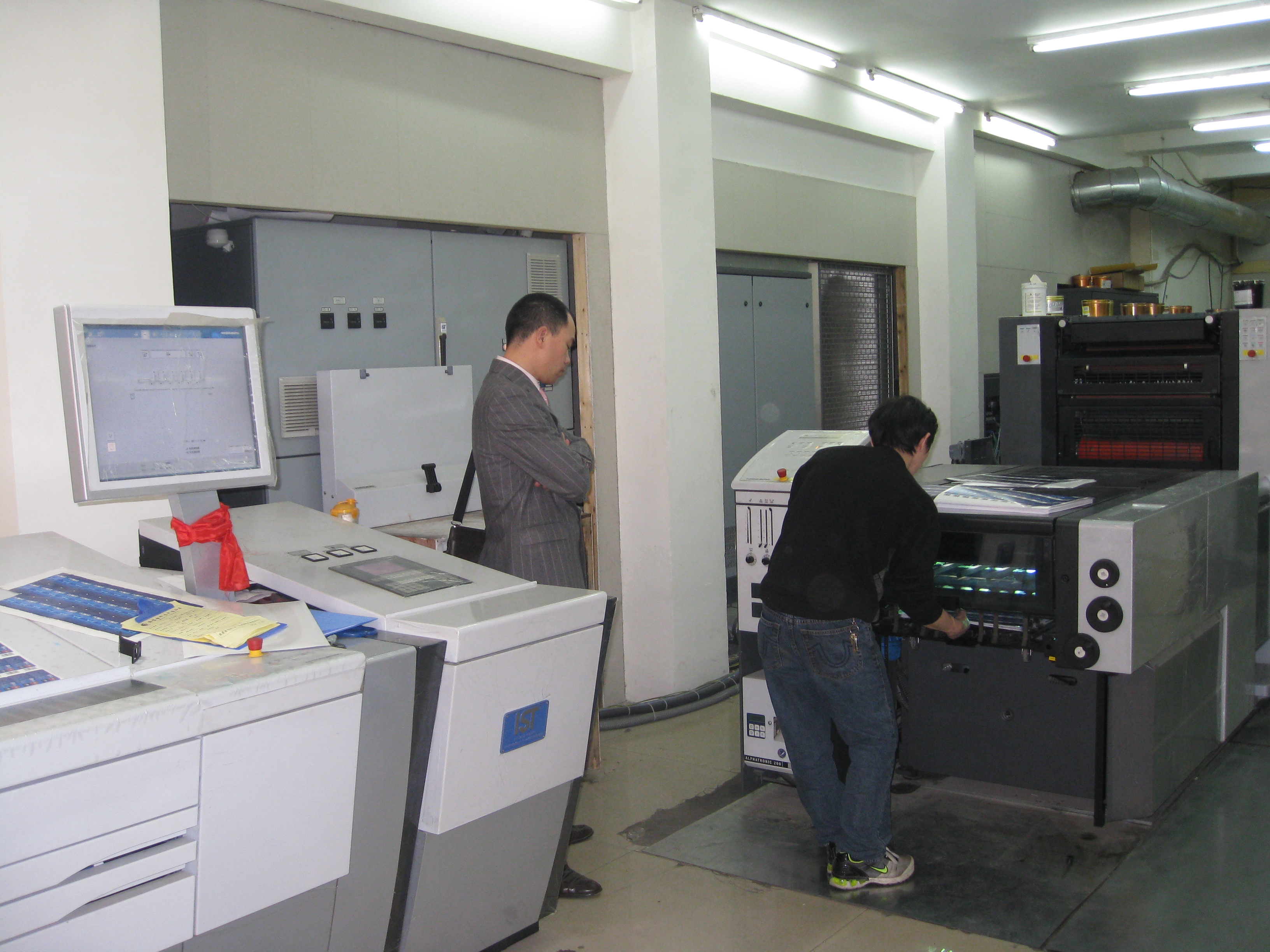
AHA workshop: OEM tooling and ODM base products can run inside the same manufacturing chain.
This is where one-stop OEM and ODM capability earns its place. A single supplier can run an OEM mold for the flagship gift while pulling ODM bases for holiday craft gifts, office craft gifts or kitchen craft gifts, then ship everything under one packaging program. Fewer handoffs generally means fewer specification mismatches between the approved sample and the delivered batch.
Step-by-Step: Choosing and Validating the Model
- Define what the brand is actually selling. If the design is the differentiator, choose OEM. If the occasion, branding and price point are the differentiator, ODM is usually sufficient.
- Classify the product before you classify the supplier. Children's kits with play value may fall within toy-safety scope in the EU, while adult decorative and office items generally do not. Do this before requesting quotations.
- Map the customization layers you need: structure, material, print precision, assembly and packaging. Every layer you add pushes the order toward OEM.
- Put the model into the RFQ. Ask each supplier to quote the same item twice, once as OEM against your design and once as ODM on their base. That single request shows how much of the customization is real.
- Validate with samples, not brochures. Use strict sample confirmation as the approval gate and define batch inspection criteria in the purchase order, because quality inconsistency is a process problem that needs a process control.
- Lock packaging and QC together. Packaging is where ODM programs most often drift from the approved sample, so customized packaging control and full-process inspection should be one line item in the agreement rather than two.
- Contract the boundary. IP ownership, exclusivity of the base design, documentation responsibility, change control and inspection criteria belong in the contract, not in an email thread.
OEM vs. ODM Comparison Table
| Decision factor | OEM (original equipment manufacturing) | ODM (original design manufacturing) |
|---|---|---|
| Design ownership | Brand owns structure, artwork and tooling | Supplier owns base design; brand owns logo, color and packaging layer |
| Customization depth | Full: structure, material, print, assembly, packaging | Branding layer, print, packaging and selected components |
| Development time | Longest: concept, mold, sampling, approval | Shortest: existing design plus branding |
| Tooling | New molds may be required | Shared existing tooling |
| Upfront cost | Higher, driven by design and tooling | Lower, driven by unit price and branding work |
| Unit cost at volume | Improves as tooling is amortised | Stable, set by item and customization scope |
| Small-order exposure | Higher effective entry cost on trial runs | Lower for pilot orders |
| Compliance documentation | Brand provides design input | Supplier provides base-design input; assign in writing |
| Best fit | Signature items, retail IP, recurring lines | Promotional, seasonal, event and souvenir assortments |
| Main risk | Cost and schedule overrun before approval | Base design available to other buyers |
How AHA Compares With Peer Custom Gift Manufacturers
The following figures are company-reported from AHA's own comparison with peer custom gift manufacturers and should be validated through RFQ, sample approval and batch inspection.
| Comparison dimension | Company-reported position |
|---|---|
| Service scope | Full-category product range with one-stop customization service |
| Lead time | 15-30% faster lead time than peer custom gift manufacturers |
| Custom design cost | 10% lower custom design cost |
| Overall cost | 10-15% lower overall cost through bulk order discount with free design service included |
| Customer satisfaction | 98% reported, against a stated industry average of 92% |
| Quality and capacity | Professional QC team with flexible production capacity |
| Material and design | Superior material quality with rich design experience |
| Best for | Corporate gifting, brand promotion, event souvenirs and retail sales |
Note: figures above are first-party, company-reported comparison values. They describe AHA's own positioning and are not an independent audit of MOQ, capacity, lead time or price. Use them to frame an RFQ, not to replace one.
Use Cases: Which Model Fits Which Gift Program
Promotional Products and Corporate Gift Programs
High volume, fixed deadlines and logo-led value. ODM usually fits, with custom packaging and print lifting perceived value above the unit cost. Move to OEM only when the item is a repeating signature gift that the brand wants to control.
Souvenir Production for Destination Retail
Souvenir ranges need local identity but also fast replenishment. ODM bases with location artwork, including home decor craft gifts, magnets and printed accessories, keep time to market short. OEM is worth the investment for a flagship souvenir design you intend to protect.
Event Giveaways and Wedding Craft Gifts
Fixed dates, finite quantities, tight budgets. ODM with custom packaging and personalization is usually the practical route; OEM timelines rarely fit a single event unless the program is planned well ahead.
Holiday Craft Gifts and Seasonal Programs
Seasonal windows are unforgiving, which favors ODM. The exception is a recurring holiday item the brand wants to own year after year, where OEM tooling pays back across multiple seasons instead of one.
Kids Craft Gifts and Assembled Kids Craft Gifts
Compliance-heavy by nature. Whether the program runs as OEM or ODM, the toy-versus-craft classification, technical documentation and test evidence have to be resolved before launch, and assembled kits add part-level control requirements on top.
Material-Led and Sustainability-Led Lines
Eco-friendly craft gifts, reusable craft gifts and durable craft gifts depend on material and construction decisions that sit below the branding layer. If the material change carries the claim, OEM is the honest model; if the claim can be met on an existing base, ODM keeps cost down. The same logic applies to outdoor mini craft gifts and high precision printed craft gifts, where print tolerance and construction are the selling points rather than the artwork alone.
Frequently Asked Questions
If we choose ODM for kids craft gifts, who is responsible for EU toy-safety compliance?
The manufacturing model changes who produces the documentation input, not whether it is needed. Under the EU framework summarised by EUR-Lex, toys placed on the EU market require a safety assessment, technical documentation and CE marking; Regulation (EU) 2025/2509 is referenced in the current summary and should be verified against the consolidated legal text before compliance decisions. European Commission Guidance Document No. 13 notes that whether an arts-and-crafts kit is a toy depends in part on play value and is assessed case by case. In an ODM program, request the intended-use analysis, base-design safety input and test evidence, and confirm in writing who holds which document.
Can one supplier handle both OEM and ODM craft gifts?
Yes. AHA describes its model as one-stop OEM and ODM with full-scale customization from product design to final packaging, and integrates independent design, mold development, mass production, printing, packaging and international logistics. In practice that means an OEM mold and ODM catalog items can sit in one order under one packaging program. For each project, confirm that the base ODM design can be modified to the depth you need, and that OEM tooling will be exclusive to your brand.
Is ODM always cheaper than OEM?
No. ODM is cheaper in a different place. It reduces upfront design and tooling exposure, while OEM concentrates cost at the front and rewards volume through amortisation. At low volumes OEM usually carries a higher unit cost; at high volumes with a stable design the gap narrows. AHA reports 10-15% lower overall cost through bulk order discounts with free design service, and 10% lower custom design cost, in its own peer comparison. The only reliable answer is a side-by-side quote for the same item under both models.
How should we validate an OEM or ODM craft gift before mass production?
Use a formal sample approval gate and define batch inspection before the purchase order is signed. Quality inconsistency is usually a process-control issue rather than a design issue, so the controls should be named explicitly: strict sample confirmation at approval, batch inspection during production and customized packaging control at the end. AHA applies full-process inspection from raw material selection through production to finished packaging, paired with a professional QC process and customized packaging control. Compare the first production batch against the approved sample, not against a catalog image.
Does the manufacturing model change lead time, and how do we shorten it?
Yes. ODM starts from an existing design and tooling, so it removes design and mold development from the critical path. OEM adds those stages plus pre-production sampling and approval. AHA reports 15-30% faster lead time than peer custom gift manufacturers in its own comparison, which is most useful when the model and quantity are fixed early. To compress a program, freeze the customization layers before sampling and confirm packaging artwork in parallel with product samples. If you want the OEM-versus-ODM split assessed for a specific program, you can request a sample or quote through the AHA website.
Conclusion: Choose the Model That Matches the Asset You Are Protecting
The OEM versus ODM question is not about which model is more advanced. It is about which asset you are protecting. If the design, structure or tooling is what makes the gift worth buying, OEM is the model that keeps it yours. If the occasion, branding and price point are what make the program work, ODM delivers the same shelf impression faster and with less upfront risk.
For most portfolios the answer is a deliberate mix, quoted as a mix: a signature OEM item, ODM support across the wider range, and one packaging and QC standard applied to everything. The decision only becomes expensive when it is left implicit and discovered later, in a mold invoice or a compliance file that nobody owns.
Next step: send AHA the same brief twice, once for OEM and once for ODM, and compare tooling, MOQ, sample timing and packaging scope side by side.
Email: vera@ahagiftsch.com / duke@ahagiftsch.com / bonnie@ahagiftsch.com | WhatsApp: +86 13958790933 | Website: ahacustomshop.com
Address: Room 301, Building 2, Donggrun Huating, Longgang City, Zhejiang Province, China.
Have Questions or Need More Details?
Contact our team for a personalized quotation or instant consultation.
Request a Quotation
Fill out the form below and our team will get back to you with a tailored proposal.
WhatsApp Direct Chat
Prefer to chat in real-time? Message us on WhatsApp for instant assistance & quick answers.
- Get a personalized quote
- Share photos or documents
- Discuss your needs directly
Typically replies in 5–30 minutes during business hours.