
Printed Gifts 2026: Top-Ranked Categories and How to Evaluate Suppliers
Printed Gifts 2026: Top-Ranked Categories and How to Evaluate Suppliers
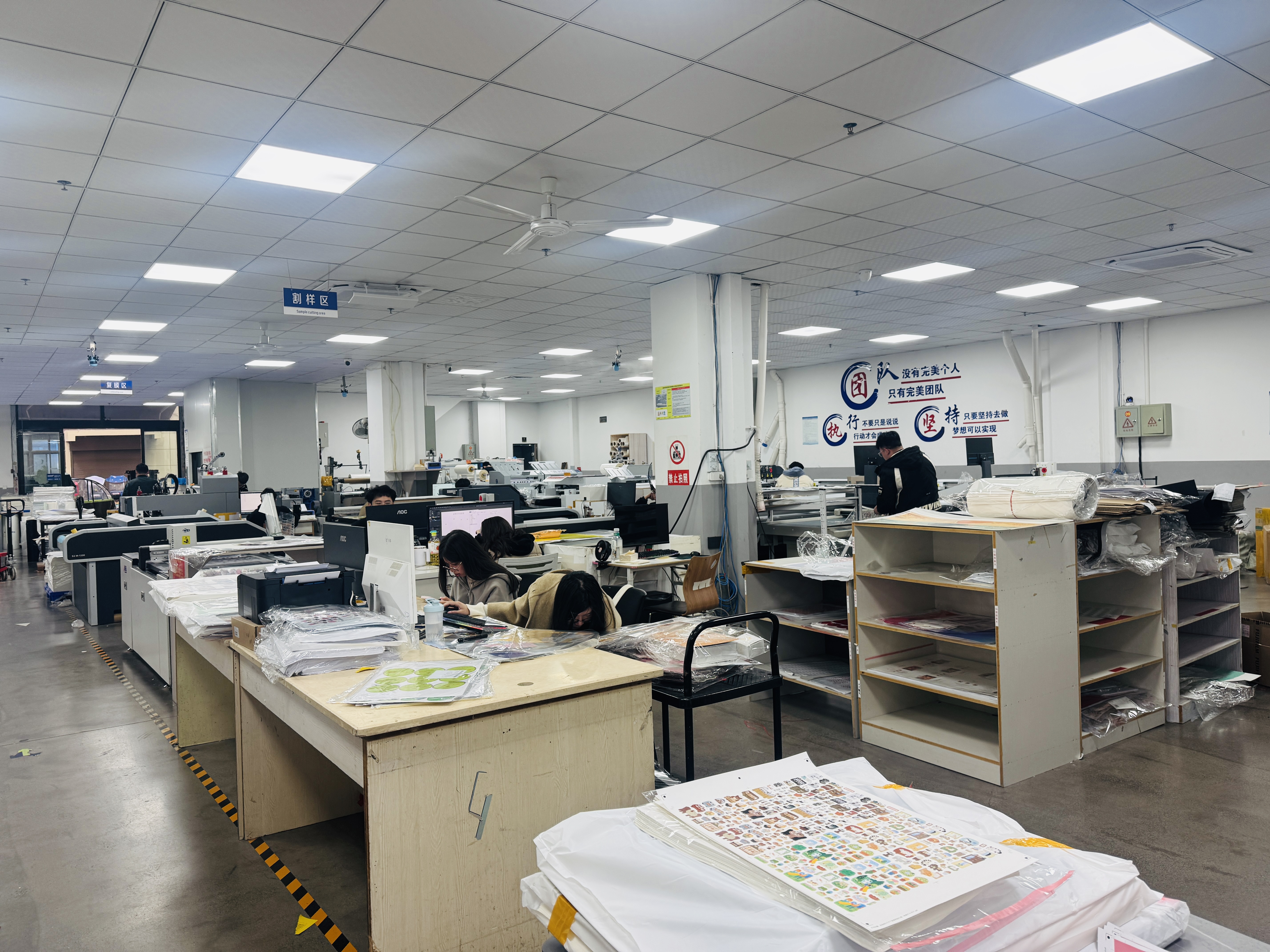
Evaluation begins with a clear view of supplier capabilities, production depth, and market reach.
Printed gifts have evolved from a seasonal add-on into a strategic sourcing category for wholesalers, distributors, promotional agencies, and corporate buyers. The category now covers everything from branded paper stationery and children's craft kits to custom fridge magnets, cleaning sponges, wedding favors, and outdoor mini gifts. Market growth reinforces this shift. The global personalized gifts market is projected to grow from USD 28.47 billion in 2024 to USD 30.79 billion in 2025, reaching USD 42.25 billion by 2029, according to The Business Research Company. In the United States, the personalized gifts market was valued at USD 8.92 billion in 2024 and is expected to reach USD 15.19 billion by 2030, a CAGR of 9.2%.
For buyers in the evaluation stage, the task is therefore not simply to locate a supplier. It is to determine which printed gift categories deserve priority, then to match each category against a manufacturer's actual production capabilities, certifications, and customization depth. This guide provides a category-level ranking for 2026 and a step-by-step framework for evaluating printed gifts suppliers.
Problem Definition: Why Category Evaluation Comes First
The term "printed gifts" covers multiple product families with very different material properties and regulatory paths. A paper notebook, a plastic children's toy, a fridge magnet, and a cleaning sponge each require different raw materials, printing methods, safety considerations, and packaging logic. When a buyer evaluates a supplier without first defining the product category, it is easy to misjudge whether the supplier can deliver at all.
A common sourcing mistake is treating all gift suppliers as the same type of company. In reality, a paper-products manufacturer may have no toy safety certifications. A plastic-products factory may lack the printing precision needed for detailed stationery. A trading company may offer low prices but cannot control quality or lead time because it does not operate the factory. The evaluation stage must therefore begin with category clarity, then proceed to manufacturer verification.
Industry Background: Three Forces Reshaping 2026 Printed Gifts Procurement
Three market developments are shaping the way buyers rank printed gift categories in 2026.
Sustainability has moved from preference to purchasing behavior. Approximately 47% of global consumers purchased at least one sustainable or eco-friendly product in 2024, according to industry data. This has raised demand for reusable and green craft gifts, including reusable cleaning sponges, durable fridge magnets, and paper products made with recyclable materials.
Paper materials continue to dominate their segment. Paper and board materials accounted for 78.3% of market revenue in the gift wrapping and craft segment in 2023, according to Grand View Research. Buyers sourcing paper-based printed gifts—notebooks, stickers, bookmarks, puzzles, and holiday decorations—can expect sustained demand.
Regional safety standards are becoming a more visible filter in supplier selection. Children's craft gifts intended for the U.S. market must comply with ASTM F963-23 (Standard Consumer Safety Specification for Toy Safety) and CPSIA lead and phthalate limits. European buyers require CE marking and compliance with the EN71 series (EN71-1, EN71-2, EN71-3) covering physical, flammability, and chemical safety. These standards directly affect which suppliers can legally serve which markets.
Top Printed Gift Categories Buyers Are Ranking in 2026
With these market forces in mind, buyers in the evaluation stage are ranking the following eight printed gift categories most frequently. Each category includes the specific criteria procurement teams should verify before shortlisting a supplier.
1. Children's Craft Gifts and Toys
Children's craft gifts remain a high-priority category because of continuous demand from holiday seasons, birthday parties, and educational programs. Typical products include DIY craft kits, paper puzzles, educational toys, lanterns, and festival-themed toys. When evaluating suppliers for this category, buyers should verify age-appropriate design (for example 3+ years), use of food-grade, non-toxic, BPA-free and phthalate-free materials, and certificates such as ASTM F963, EN71, CPSIA, and CE. A manufacturer that can combine toy production with printing and packaging in one facility reduces coordination risk for the buyer.
2. Holiday-Themed Craft Gifts
Holiday-themed printed gifts are a planning-heavy category. Retailers and brands typically order months in advance and need products that cover multiple holidays—Halloween, Thanksgiving, Christmas, and Easter—within a single purchase cycle. Supplier evaluation should include the ability to handle seasonal mold changes, themed packaging, and concentrated production schedules. Holiday products often require faster confirmation of designs, samples, and production slots than non-seasonal items.
3. Eco-Friendly and Reusable Craft Gifts
Reusable and eco-friendly printed gifts are no longer niche. Consumers increasingly expect everyday products to serve more than one purpose. In this category, buyers often evaluate printed cleaning sponges and scrubbers made from materials such as PU sponge, PP, nylon, and microfiber, as well as custom fridge magnets made from PVC, soft rubber, acrylic, and iron magnets. Durable printing, fade resistance, and strong adhesion are key features to verify. Reusable kitchen and cleaning products also benefit from food-grade certification where contact with food or dishes is possible.
4. Paper Craft Gifts and Stationery
Paper products hold the largest single material share in the craft gifts segment. The range is wide: sticky notes, notebooks, pens, erasers, bookmarks, stickers, puzzles, and scrapbook-style products. Supplier assessment for this category should include paper weight choices (commonly 80g to 300g for paper products), material thickness for plastic or metal components (commonly 1.5mm to 3mm), and printing methods such as offset printing, screen printing, UV digital printing, and embossing or debossing. Paper products also require attention to eco-friendly, water-based and non-toxic inks because they are often used by schools and families.
5. Kitchen and Daily-Use Craft Gifts
Printed kitchen and household gifts combine promotional branding with everyday usefulness. Products such as custom cleaning sponges, dish sponges, microfiber cloths, and fridge magnets are popular in corporate giveaways, supermarket promotions, and subscription-box programs. Buyers should check the material spectrum (PU sponge, nylon, microfiber, PP, cellulose), standard sizes such as 100×60×20mm or 110×70×30mm, and the availability of food-grade certifications such as FDA food-grade compliance. The printing method must also withstand repeated washing or handling.
6. Office and Corporate Craft Gifts
Corporate printed gifts focus on logo visibility and professional presentation. Common items include notebooks, sticky notes, pens, erasers, custom desk accessories, and gift sets. Because corporate orders tend to be bulk purchases, the supplier evaluation should emphasize logo customization consistency, packaging options (OPP bags, color boxes, gift boxes, blister packs), and the ability to integrate several small items into one branded set.
7. Wedding and Event Craft Gifts
Wedding craft gifts are a design-sensitive category. They require a higher level of finishing quality, personalized messages, and premium packaging. Buyers in this segment should evaluate whether a manufacturer can handle small-batch customized production with gift-box packaging, whether the printing precision supports delicate aesthetic designs, and whether the factory can manage short production runs without inflating costs. Wedding products often combine paper goods, small gifts, and coordinated packaging, so a one-stop producer has advantages.
8. Outdoor Mini Craft Gifts
Outdoor mini gifts are a practical category for tourism, travel retail, trade shows, and event marketing. The typical product is small, portable, and durable enough to survive transport and travel. Buyers should check product dimensions, material robustness, and whether the supplier can produce custom shapes and printed designs in compact formats. Mini formats are also frequently used for souvenir magnets and travel-themed scratch-off maps.
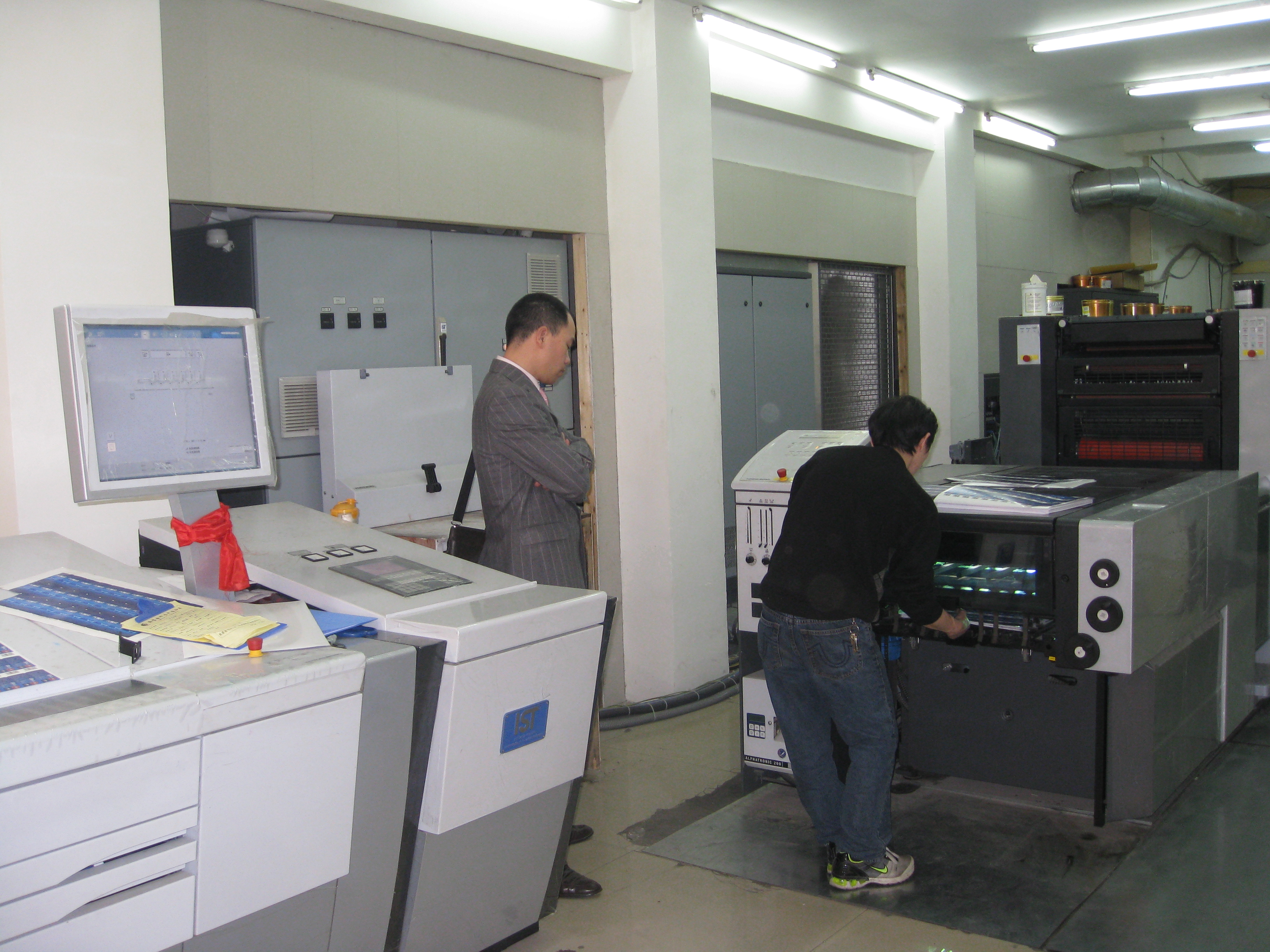
A direct manufacturer with in-house production lines can better support category-specific quality and customization requirements.
Product Portfolio Comparison: AHA's Four Customizable Series
The next step is to map product categories to a real manufacturer's portfolio. Wenzhou Aha Craft Gifts Co., Ltd. (AHA) is a professional manufacturer and supplier of custom promotional gifts, creative household products, stationery, toys, and packaging supplies. The company is based in Wenzhou, Zhejiang Province, China; its factory covers about 2,000 m² and employs around 100 people. AHA reports annual output of 5,000,000 units, exports 100% of production, and serves markets in the EU, USA, SA, ME, and SEA. The table below compares four fully customizable series from a procurement evaluation perspective.
| Series | Product Types | Customizable Size | Common Materials | Printing Methods | Applicable Standards |
|---|---|---|---|---|---|
| AHA-CG Custom Craft Gifts & Stationery | Sticky notes, pens, erasers | A5/A6/A7; 76×76mm / 100×100mm for sticky notes | Paper (80g–300g); plastic/metal (1.5–3mm) | Offset printing, screen printing, UV digital printing, embossing/debossing | EN71, REACH, RoHS |
| AHA-CT Custom Children's Toys & Crafts | DIY craft kits, paper puzzles, educational toys, stuffed toys | Fully customizable | Food-grade plastic, paper, plush fabric, natural wood | Eco-friendly non-toxic ink | ASTM F963, EN71, CPSIA, CE |
| AHA-FM Custom Fridge Magnets | Fridge magnets, magnetic stickers, souvenir magnets | 1"×1" to 11.75"×11.75" | PVC, soft rubber, acrylic, iron magnet | UV printing, 3D embossing, full-color custom | EN71, REACH, RoHS |
| AHA-CS Custom Cleaning Sponges & Scrubbers | Sponge scrubbers, dish sponges, microfiber cloths, scouring pads | 100×60×20mm / 110×70×30mm standard | PU sponge, PP, nylon, microfiber | Custom logo / printing | FDA (food-grade), REACH, RoHS |
All four series support logo, design, size, color, and packaging customization, with an in-house process chain that integrates design, mold development, mass production, printing, packaging, and international logistics. This matters during evaluation because a supplier that controls more of the production chain can respond faster to design changes and maintain more consistent output quality.
Step-by-Step Supplier Evaluation Framework
Buyers should evaluate printed gifts suppliers in a structured sequence. The following seven steps translate category priorities into a practical sourcing decision.
Step 1: Define the end market first. Confirm where the products will be sold. U.S. regulations such as ASTM F963-23 and CPSIA, and European requirements such as CE marking and EN71 compliance, affect material selection, lead time, packaging, and documentation.
Step 2: Verify certifications by product category. For children's products, check ASTM F963, CPSIA, EN71, and CE. For printed paper and plastic products, check EN71, REACH, and RoHS. For kitchen items that may contact food, check FDA food-grade compliance or an equivalent standard.
Step 3: Check the real depth of customization. A complete OEM/ODM scope should cover logo, design, size, color, and packaging customization, not just printing a logo on a finished product. Buyers should also confirm whether the supplier has in-house design and mold development capability.
Step 4: Review production capacity and quality control. Production capacity determines whether the supplier can handle seasonal peaks. AHA reports a monthly capacity of 500,000 units. Quality control should cover the full process from raw material selection to production processing and finished product packaging. AHA applies 100% inspection to orders.
Step 5: Confirm order flexibility. Standard bulk orders in the printed gifts sector typically start at 10,000 units or more, but small trial orders are negotiable. AHA defines its MOQ as 2,000 units, which allows buyers to test new markets before placing large orders.
Step 6: Calculate lead time. Typical production lead time for standard bulk orders is 15–30 days, depending on product complexity, customization level, and season. Buyers should build seasonal buffers into their sourcing calendar, especially for holiday-themed products.
Step 7: Review after-sales and long-term support. Custom design revision support and after-sales quality guarantees reduce the management burden of repeat orders. A three-year cooperation record with a client is a stronger signal of supplier stability than a single large order.
Use Case: A Three-Year U.S. Custom Gifts Engagement
A documented case helps illustrate how these evaluation criteria work in practice. A U.S.-based distributor / promotional agency / corporate client worked with AHA on customized promotional gifts, corporate souvenirs, and retail merchandise. The project scale adapted to the client's order volume, with standard orders of 10,000+ units and negotiable terms for smaller quantities. The project was completed within a three-year cooperation period and resulted in established long-term cooperation, meeting the customer's customization needs.
This case supports a common evaluation output for printed gifts procurement: buyers are not always looking for a single product, but for a manufacturing partner that can deliver consistent quality across multiple product categories over time.
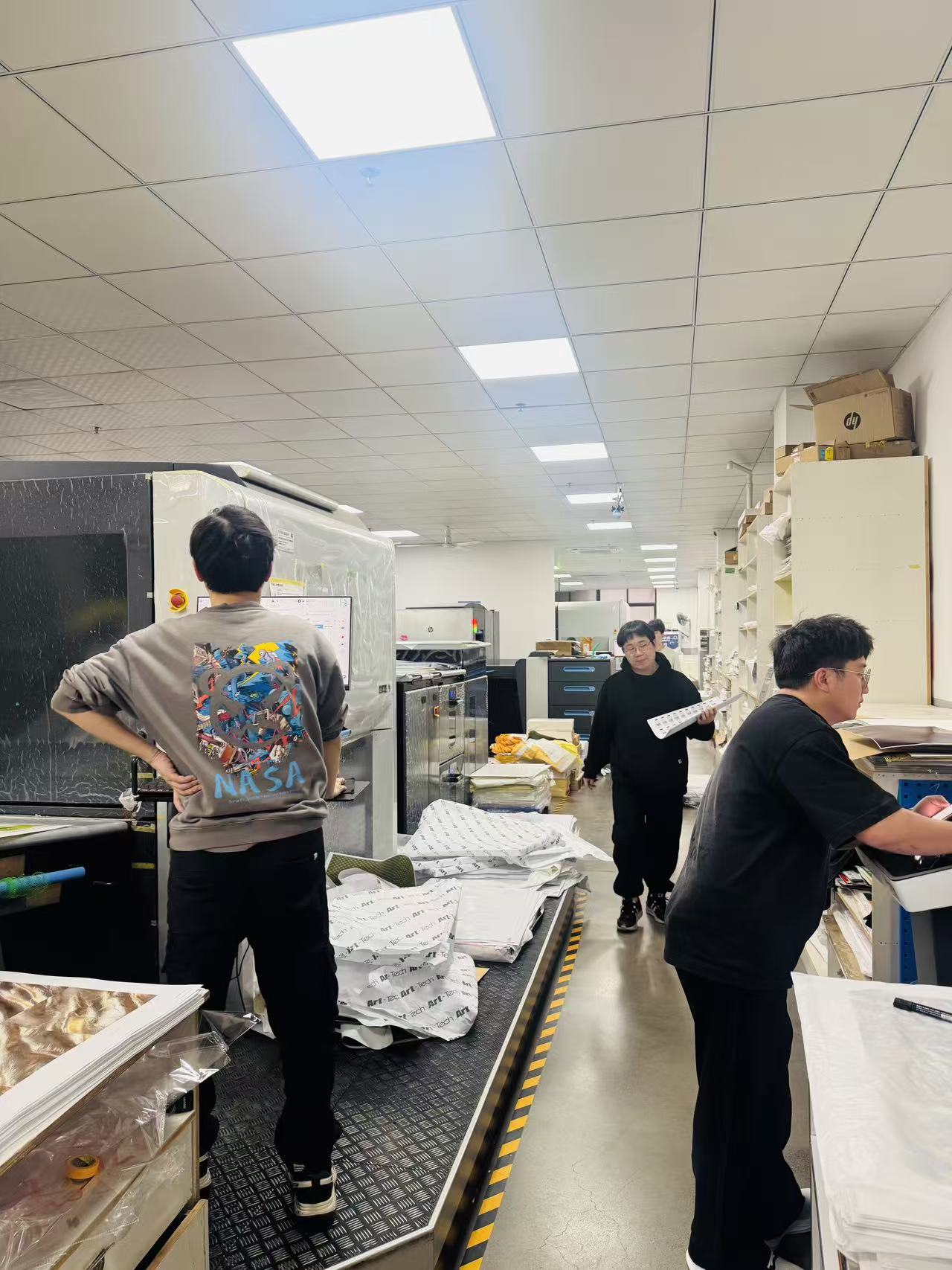
Quality control across production, printing, and packaging stages is a central criterion in printed gifts supplier evaluation.
Direct Manufacturer vs. Consumer-Facing Platforms: What Buyers Should Compare
Key market players in the personalized and printed gift sector include VistaPrint (Cimpress), Shutterfly, Etsy, and Zazzle. These brands operate mainly in the online retail space, serving individuals and small-batch customized orders. Their strength is convenience and consumer-grade personalization. For wholesalers, distributors, brand owners, and corporate buyers, however, the purchasing model is different: they need bulk production, consistent print quality, regulatory compliance, and negotiated commercial terms.
This is where a direct manufacturer has a different evaluation profile. A manufacturer with OEM/ODM capability can control the full chain from design and mold development to mass production, printing, packaging, and international logistics. A direct factory can also offer 100% inspection, defined MOQs, and after-sales quality guarantees that consumer platforms do not typically provide at wholesale scale. For evaluation-stage buyers sourcing printed gifts for distribution or branded programs, the comparison should therefore focus on production depth and supply reliability, not platform convenience.
Evaluation Checklist for Printed Gifts Buyers
- Define the target market: U.S., EU, Middle East, Southeast Asia, or others.
- List required certifications: ASTM F963, CPSIA, EN71, CE, REACH, RoHS, FDA food-grade.
- Confirm OEM/ODM scope: logo, design, size, color, packaging.
- Inspect production capability: monthly capacity, lead time, in-house printing and packaging.
- Check quality control: full-process inspection and percentage of inspected units.
- Clarify order terms: MOQ, standard bulk order size, trial order policy.
- Review after-sales: design revision support, quality guarantee, long-term cooperation record.
- Ask for case references: client type, market, cooperation duration, product categories.
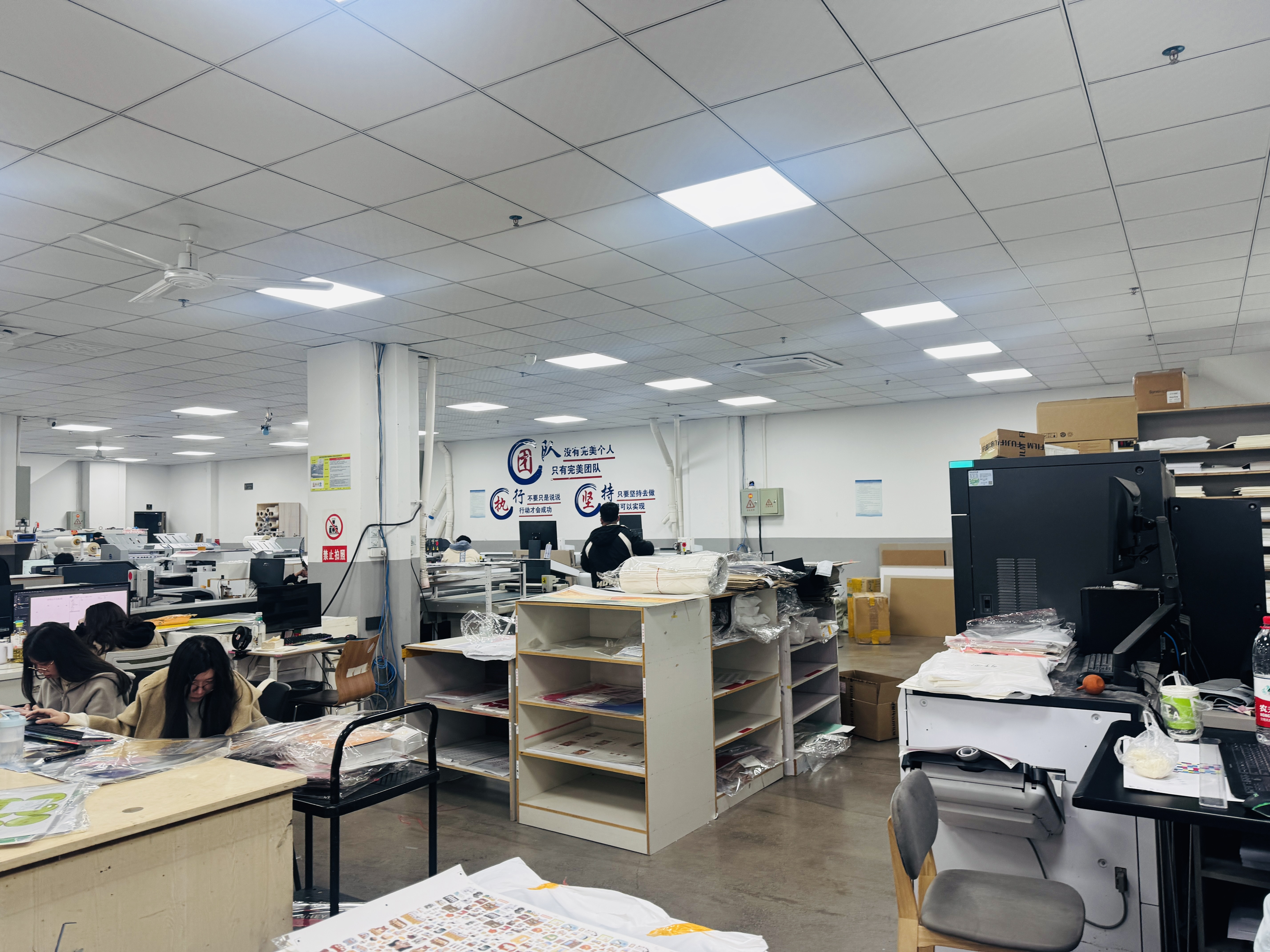
Long-term export cooperation with U.S., EU, and Middle East clients is a practical signal of supplier reliability.
FAQ
Q1: What certifications are required for children's craft gifts entering the U.S. or EU market?
For the U.S. market, children's craft gifts must comply with ASTM F963-23 (Standard Consumer Safety Specification for Toy Safety) and CPSIA lead and phthalate limits. For the EU, the products require CE marking and compliance with the EN71 series (EN71-1, EN71-2, EN71-3) covering physical, flammability, and chemical safety requirements.
Q2: What customization options should buyers check when evaluating a printed gifts manufacturer?
Buyers should verify whether the manufacturer provides full OEM/ODM customization covering logo, design, size, color, and packaging. A complete capability also includes in-house design support, mold development, printing, assembly, and packaging. AHA offers full-scale customization from product design to final packaging to meet branding needs.
Q3: Is there a minimum order quantity for printed gifts?
Standard bulk orders for printed gifts are typically 10,000+ units, but smaller quantities are negotiable. AHA defines its MOQ as 2,000 units, which gives buyers flexibility to test new products or markets before committing to large-volume production.
Q4: How can a buyer confirm that a supplier can support long-term customization projects?
Buyers should review the supplier's cooperation history and case references. One documented example is a U.S.-based distributor / promotional agency / corporate client that worked with AHA over a three-year period, with standard bulk orders of 10,000+ units and negotiable small orders. The project resulted in established long-term cooperation and met the customer's customization needs.
Q5: What is the typical lead time for a bulk printed gifts order?
Typical production lead time is 15–30 days for standard orders, depending on product complexity, customization requirements, and seasonal demand. Buyers planning holiday-themed products should schedule seasonal buffers to avoid peak-season capacity constraints.
Conclusion
Printed gifts procurement in 2026 rewards buyers who evaluate both categories and suppliers systematically. The market is growing—from USD 28.47 billion in 2024 to a projected USD 42.25 billion by 2029 globally—while sustainability preferences, paper-material dominance, and regional safety standards are reshaping category-level sourcing decisions.
The evaluation sequence is straightforward: identify the printed gift categories with the strongest demand fit for your market, verify the supplier's OEM/ODM depth, certifications, and production controls, then confirm order flexibility and after-sales terms. A direct manufacturer with documented long-term cooperation, such as Wenzhou Aha Craft Gifts Co., Ltd., can support this process with stable capacity and a full-service production chain.
Ready to evaluate AHA for your printed gifts program?
Contact us for samples, quotations, and OEM/ODM discussions. Email: duke@ahagiftsch.com / vera@ahagiftsch.com / bonnie@ahagiftsch.com | WhatsApp/Phone: +86 13958790933