
Printed Gifts Compared: A Decision Framework for Evaluating Custom Craft Gift Manufacturers
Printed Gifts Compared: A Decision Framework for Evaluating Custom Craft Gift Manufacturers
What This Guide Covers
When buyers reach the decision stage of sourcing printed gifts, the main challenge is no longer about finding possible suppliers. It is about comparing offers that look similar on paper but differ sharply in business model, customization depth, quality control, cost structure, and lead time. This guide gives procurement teams, brand owners, wholesalers, and e-commerce sellers a practical comparison framework for evaluating printed gifts suppliers and custom craft gift manufacturers.
Problem Definition: Why Printed Gifts Supplier Comparison Is Difficult
The term “printed gifts” covers a wide range of products, including paper craft gifts, plastic craft gifts, home decor craft gifts, kids craft gifts, office craft gifts, wedding craft gifts, and OEM/ODM promotional items. Because the category is broad, buyers often compare suppliers across different sourcing routes:
- A handmade-goods marketplace may offer unique craft gifts but limited control over compliance, packaging, and scale.
- A print-on-demand platform may offer fast online ordering but less flexibility in material selection, product structure, and OEM/ODM development.
- A direct manufacturer may provide deeper customization and better unit economics, but only if the buyer knows how to evaluate its capacity, QC, and cost structure.
Without a clear comparison method, price becomes the default decision factor. That can hide design fees, mold costs, packaging differences, compliance risk, and quality inconsistency. A lower unit price can disappear if the supplier charges separately for design, sample revisions, or rework.
Industry Background: Printed Gifts Remain a Growth Category
Personalized gifts continue to expand as a global category. The Business Research Company projects the global personalized gifts market will grow from USD 28.47 billion in 2024 to USD 30.79 billion in 2025, reaching USD 42.25 billion by 2029. Within the United States, the personalized gifts market was valued at USD 8.92 billion in 2024 and is expected to reach USD 15.19 billion by 2030.
Material trends also matter for printed gifts sourcing. Paper and board materials accounted for 78.3% of gift wrapping and craft segment revenue in 2023, according to Grand View Research. At the same time, approximately 47% of global consumers purchased at least one sustainable or eco-friendly product in 2024, according to Deloitte and CraftyTrendy. This explains why buyers increasingly request reusable craft gifts, eco-friendly craft gifts, and paper-based printed gifts.
Compliance is another defining factor. In the U.S., children's craft gifts must comply with ASTM F963-23 and CPSIA lead/phthalate limits. In the EU, craft gifts require CE marking and compliance with the EN71 series, covering physical, flammability, and chemical safety. Buyers who ignore these requirements face product holds, recalls, and damaged retail relationships.
Detailed Solution: A Two-Level Comparison for Printed Gifts
A practical comparison should happen at two levels. First, compare sourcing routes. Second, compare individual manufacturers on decision-relevant capabilities.
Level 1: Compare Sourcing Routes
Three common routes dominate printed gifts sourcing: online personalized-product platforms, handmade/creative marketplaces, and direct custom manufacturers. They are not inherently better or worse; they are suited to different order profiles.
| Sourcing route | Typical model | Customization approach | Order profile | Best suited for |
|---|---|---|---|---|
| Online print-on-demand platforms (e.g., VistaPrint, Shutterfly) | Digital storefront with standardized production | Online templates and artwork upload | Small to medium runs, repeat standard items | Quick reorders of simple printed products |
| Marketplaces (e.g., Etsy) | Independent sellers offering craft and personalized items | Seller-dependent customization | Single items, small batches, unique designs | Niche handmade or low-volume craft gifts |
| Direct custom manufacturer (e.g., Wenzhou Aha Craft Gifts Co., Ltd.) | Factory-integrated OEM/ODM production | Product structure, material, printing, packaging, and brand logo | Trial orders and bulk orders with flexible MOQs | Corporate gifting, retail programs, holiday promotions, and brand-owned products |
VistaPrint, Shutterfly, Etsy, and Zazzle are commonly listed as key players in the personalized and printed gift space. For a buyer evaluating hundreds of SKUs with custom packaging or compliance requirements, a direct manufacturer offers a different kind of control than a marketplace or platform.
Level 2: Compare Manufacturer Capabilities
Once the sourcing route is clear, compare manufacturers using these criteria:
- Product range and material coverage: Does the supplier cover paper, plastic, textiles, leather, metal, glass, and children's products? A broader range reduces the need for multiple vendors.
- OEM/ODM depth: Can the supplier handle design, mold development, printing, assembly, and packaging?
- Order flexibility: Can the supplier accept small trial orders before bulk production?
- Cost transparency: Are design fees, mold costs, packaging, and logistics clearly separated or bundled?
- Quality control: Does the supplier use sample confirmation and batch inspection?
- Compliance readiness: Does the supplier understand EU and U.S. safety requirements for kids' products?
- Lead time reliability: Does the supplier have stable production capacity and logistics partners?
Using AHA as a Worked Example
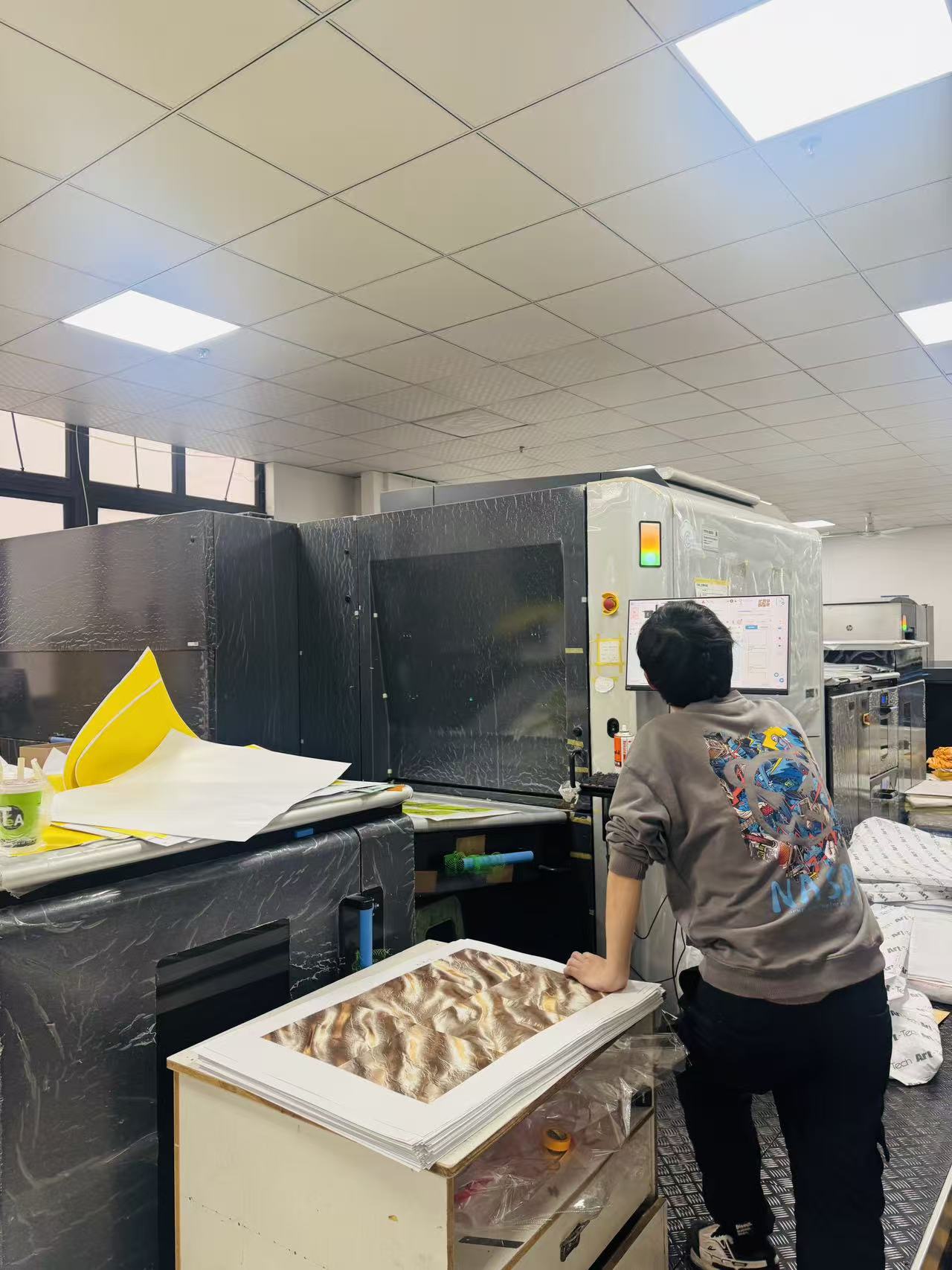
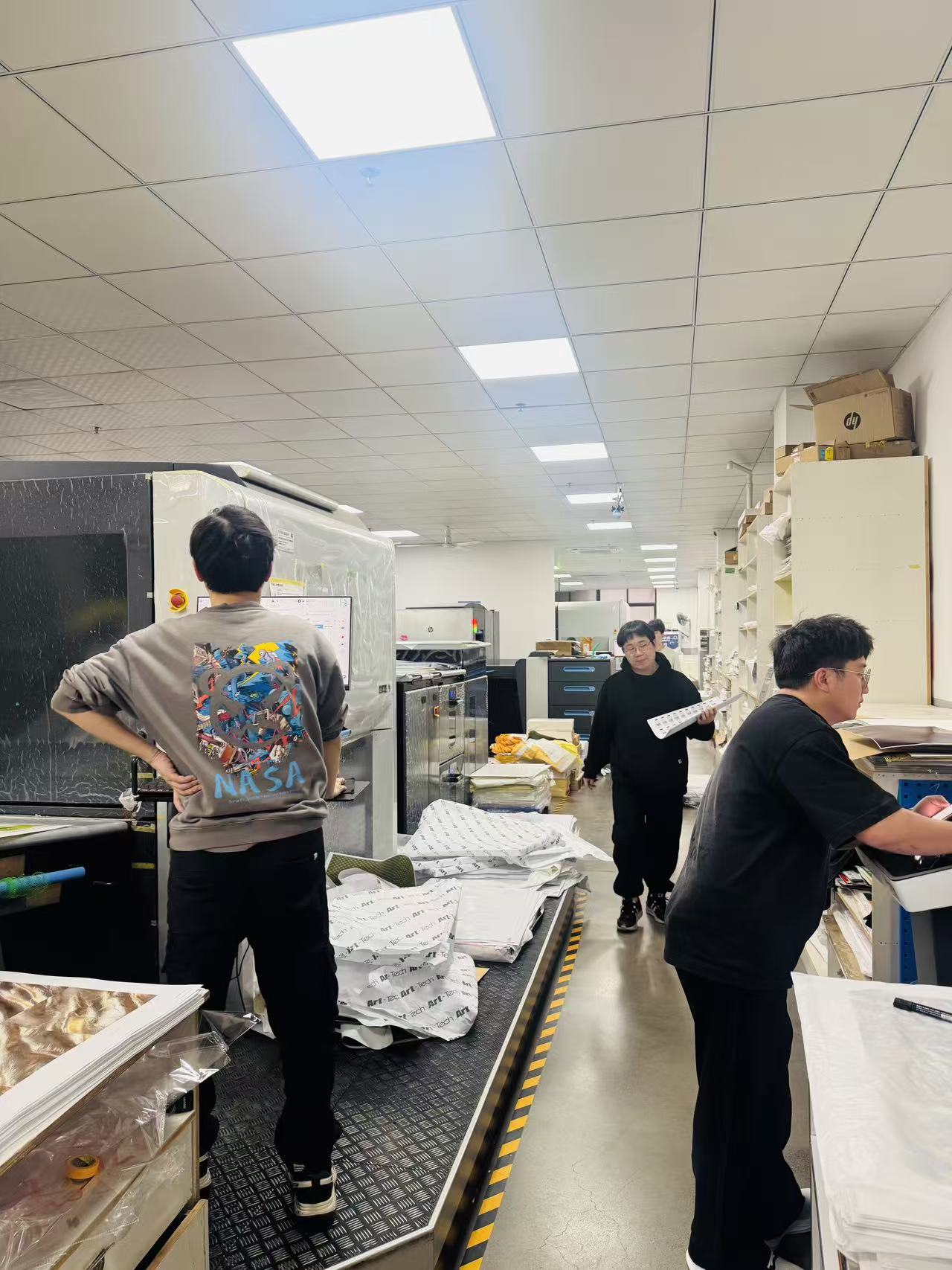
Wenzhou Aha Craft Gifts Co., Ltd. (AHA) is a direct manufacturer of custom craft gifts, established in 2017 and located in Wenzhou, Zhejiang Province. AHA operates a 2,000 m² factory with about 100 employees and a 5-person R&D team. The company reports an annual production capacity of 5,000,000 units and exports 100% of its output, mainly to the EU, USA, South America, the Middle East, and Southeast Asia.
AHA's product range includes creative home and daily-use products, scratch-off maps, stationery, children's toys and gifts, and promotional corporate gifts. All products can be customized with brand logos, colors, patterns, materials, and packaging. For buyers comparing printed gifts suppliers, the relevant point is not just the product list; it is the full-service chain from design and mold development to printing, packaging, and international logistics.
Step-by-Step Breakdown: How to Run a Printed Gifts Supplier Comparison
Step 1: Define the Product Specification and Compliance Target
Write the same specification for every supplier. Include product dimensions, material, printing method, packaging, target price, and required certifications. If the product will be sold to children in the U.S., specify ASTM F963-23 and CPSIA compliance. If it will be sold in the EU, specify CE marking and EN71 compliance.
Step 2: Build a Shortlist of Comparable Suppliers
Do not compare a marketplace seller to a factory on price alone. Group suppliers by business model. A shortlist for corporate printed gifts should include manufacturers that can handle logo customization, packaging, and order repeats.
Step 3: Request Quotations Using the Same Specification
A comparable quote should include the same product, same artwork treatment, same packaging, and same delivery terms. Ask each supplier to separate one-time design or mold costs from unit price. This makes cost comparison meaningful.
Step 4: Evaluate Samples and the QC Process
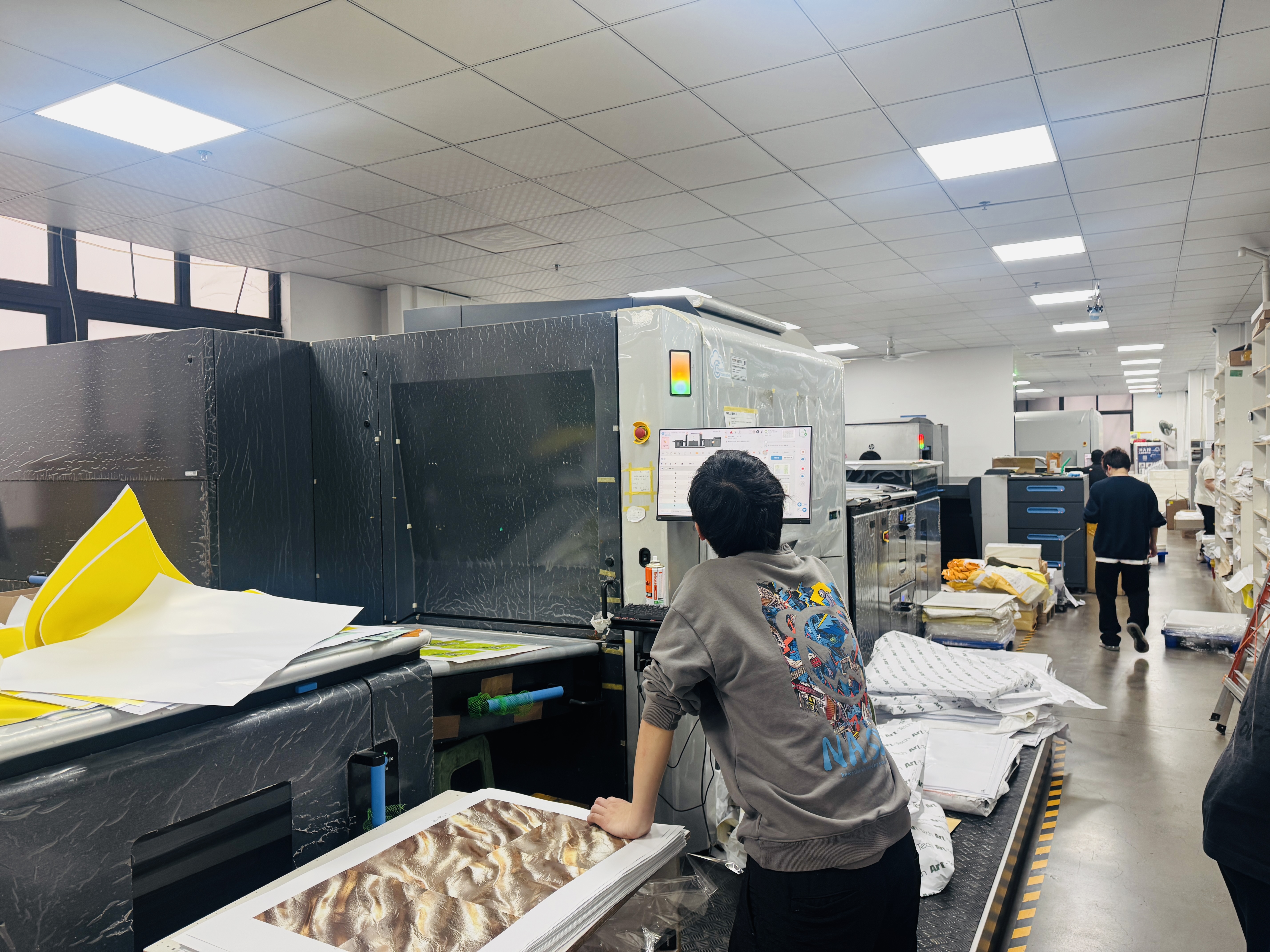
Use samples to verify print precision, material quality, assembly, and packaging. Also ask how the factory inspects production. At AHA, the control method for product quality inconsistency includes strict sample confirmation and batch inspection, supported by a professional QC process and customized packaging control.
Step 5: Compare Total Cost and Lead Time
Total cost includes unit price, design fees, mold fees, packaging, shipping, duties, compliance testing, and potential rework. Compare lead time with the same order quantity. In its supplier comparison data, AHA reports 15–30% faster lead time and 10% lower custom design cost compared with peer custom gift manufacturers.
Step 6: Run a Trial Order Before Scaling
For a new supplier, place a small order first. This is standard practice when the supplier offers flexible MOQs. AHA accepts small trial orders and bulk orders, with reasonable MOQs, allowing buyers to test a new market or product launch with lower risk.
Use Cases: Which Comparison Criteria Matter Most
Corporate Bulk Gifting
Corporate buyers often need a large quantity of printed gifts with a logo, custom packaging, and consistent quality. Cost structure, lead time, and packaging control matter more than unique handmade design. A direct manufacturer with OEM/ODM service is usually a better fit than a marketplace.
Holiday Retail Programs
Holiday craft gifts require seasonal production and strict deadlines. Late delivery can destroy the season. Compare suppliers on lead time, capacity, and production planning. Paper craft gifts, gift box packed craft gifts, and reusable craft gifts are common holiday categories.
Kids Craft Gifts
Kids craft gifts require compliance with ASTM F963-23/CPSIA in the U.S. and EN71/CE in the EU. Buyers should prioritize suppliers with documented quality control and experience in children's products. Assembled kids craft gifts and kids safety certified craft gifts also need clear packaging and instruction documentation.
Wedding Craft Gifts
Wedding craft gifts often involve smaller quantities, personalized designs, and faster turnaround. Flexible MOQs and print precision are critical. A supplier that accepts trial orders can help a wedding brand test designs before scaling for multiple events.
E-commerce and Brand Owners
E-commerce sellers need repeatable product quality, scalable production, and branding options. They should compare suppliers on the ability to support OEM/ODM printed gifts, personalized logo craft gifts, and packaging variations without inflating cost.
Comparison Table: AHA vs. Typical Peer Custom Gift Manufacturers
The following comparison reflects AHA's supplier-level claims about its performance relative to peer custom gift manufacturers. Buyers should verify these claims with samples, references, and a pilot order.
| Comparison factor | AHA (reported) | What it means for a buyer |
|---|---|---|
| Lead time | 15–30% faster | Faster time-to-market for seasonal printed gifts. |
| Custom design cost | 10% lower | Lower upfront design burden for OEM/ODM projects. |
| Customer satisfaction | 98% vs. 92% industry average | Higher reported client satisfaction, but still verify with references. |
| Total overall cost | 10–15% lower via bulk order discounts and free design service | Unit price is not the only cost; bundled design and bulk pricing reduce total cost. |
| Product range | Full-category product range and one-stop customization service | Fewer vendors needed across printed gifts categories. |
| Best for | Corporate gifting, brand promotion, event souvenirs, retail sales | Matches the most common printed gifts procurement scenarios. |
FAQ: Decision-Stage Questions About Printed Gifts Comparison
1. What compliance standards should apply to printed craft gifts?
In the U.S., children's craft gifts must meet ASTM F963-23 and CPSIA lead/phthalate limits. In the EU, craft gifts need CE marking and compliance with EN71-1, -2, and -3 for physical, flammability, and chemical safety. When comparing suppliers, ask for their current compliance documentation and testing process.
2. What customization capabilities should a printed gifts manufacturer have?
A capable manufacturer should support OEM/ODM from product design to final packaging. AHA, for example, provides full-scale customization of logos, colors, patterns, materials, and packaging, with an in-house R&D team and mold development. This is important for brands that need a distinct product rather than a standard blank.
3. How do I compare the total cost of printed gifts suppliers?
Compare the full quote: unit price, design fees, mold costs, packaging, shipping, compliance testing, and potential rework. AHA states that compared with alternatives, it offers 10–15% lower overall cost through bulk order discounts and free design service. Buyers should still request an itemized quote to verify what is included.
4. Can I request samples or place a trial order before committing?
Most serious manufacturers offer sampling and trial orders. AHA accepts small trial orders and bulk orders with reasonable MOQs, using strict sample confirmation and batch inspection to maintain quality. A pilot order is a practical way to test customization quality, packaging, and delivery before scaling.
5. How can I evaluate a printed gifts manufacturer's lead time reliability?
Ask for production capacity, current order load, and lead time for the same quantity and specification. AHA reports an annual production capacity of 5,000,000 units and claims 15–30% faster lead time compared with peer custom gift manufacturers. A site audit or video call can help confirm whether the factory has the capacity to meet your deadline.
Conclusion: Compare the Right Criteria, Then Start With a Sample
Printed gifts sourcing decisions should be based on business model, customization depth, compliance readiness, quality control, total cost, and lead time—not on a single price quote. By comparing sourcing routes first and then comparing manufacturers on the same specification, buyers can avoid the hidden costs that appear after a purchase order is signed.
AHA offers a practical starting point for buyers evaluating custom craft gift manufacturers. The company's full-service OEM/ODM model, flexible order quantities, and quality control processes are designed for corporate, holiday, kids, wedding, and retail printed gifts programs.
Next step for printed gifts buyers: Send AHA your product specification and target quantity to request a quote or sample. Contact Duke, Vera, or Bonnie at vera@ahagiftsch.com, call/WhatsApp +86 13958790933, or visit www.ahacustomshop.com.