Printed Gifts Partnerships: A Long-Term FAQ on Working With Wenzhou Aha Craft Gifts
A long-term printed gifts partnership is settled by five terms rather than by a catalogue: minimum order quantity, inspection coverage, production capacity, lead time and after-sales support. This guide answers the questions distributors, promotional agencies and corporate buyers raise most often when they evaluate Wenzhou Aha Craft Gifts Co., Ltd. (AHA) as a repeat supplier for holiday, home decor, kids, office and wedding ranges.
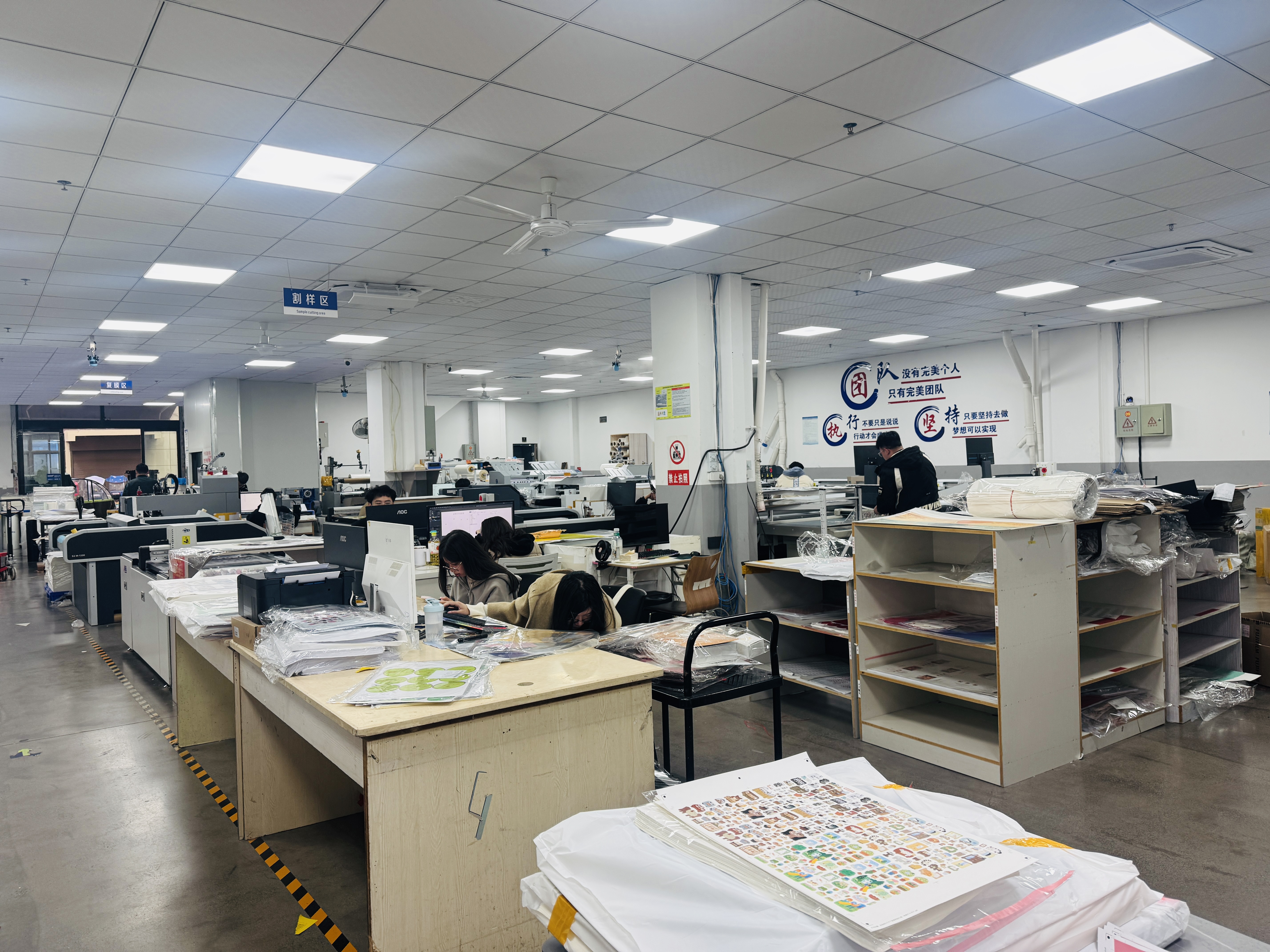
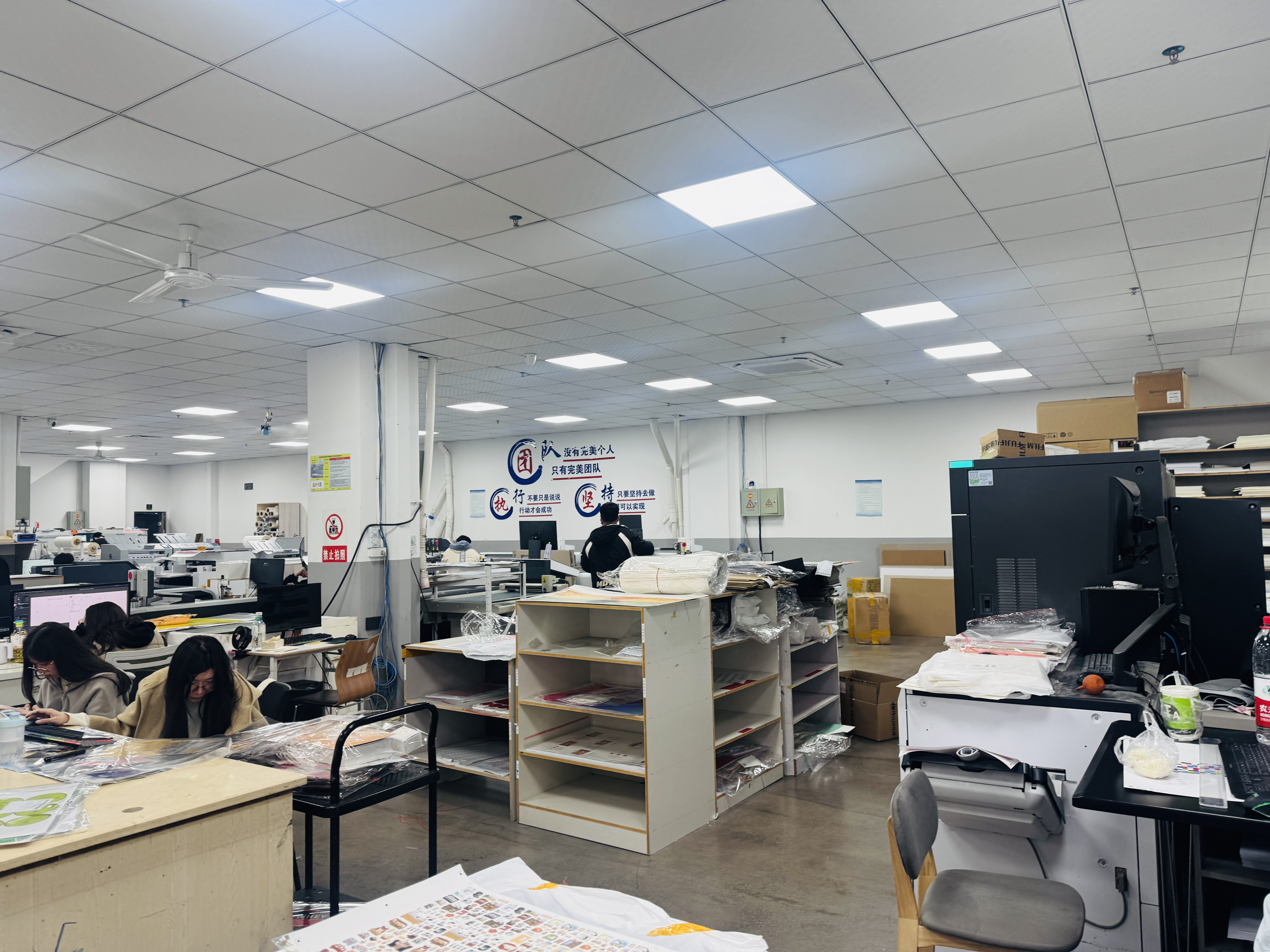
AHA is a manufacturer and supplier of custom promotional gifts, creative household products, stationery, toys and packaging supplies, founded in 2017 and based in Wenzhou, Zhejiang, China. Its published record lists a 2,000 m² facility, 100 employees, five R&D engineers, annual output of 5,000,000 units, OEM/ODM capability and 100% export to the EU, USA, SA/ME and SEA markets.
Every answer below stays inside those published records. Where a term has to be confirmed for a specific product — a test report, a price, a claim window — the article marks it as a question to settle in writing instead of assuming a standard answer.
Why printed gifts programmes break down after the first order
Most sourcing problems in printed gifts do not appear in the trial order. They appear in the second, third and fourth, when a buyer assumes the terms that carried a small run will carry volume. Three patterns account for most of the friction.
- Quantity shock. A small trial is accepted, then a 15,000-unit campaign is planned as though the trial quantity and the bulk quantity were priced and scheduled the same way. They are different commitments and deserve separate quotations.
- Evidence gaps. “We inspect everything” is a claim; inspection records at raw-material, in-process and packaging stages are evidence. Without them, a defect found after delivery turns into a negotiation instead of a documented process.
- Capacity assumptions. An annual output figure describes a year. A seasonal campaign is delivered inside a few weeks, so the constraint that decides whether goods arrive in time for a holiday window is monthly capacity and the production slot booked against it — not the annual total.
There is a fourth, quieter pattern: after-sales terms left implicit. When a buyer changes a logo, a colour or a gift-box design between seasons, the question of what counts as a revision and what counts as a new order should already be answered. A partnership in this category is not a loyalty arrangement; it is an agreed operating system for repeat print work.
What the personalised gifts market indicates about repeat print
Two published market records frame the category. Data Bridge Market Research valued the global personalised gifts market at USD 33.70 billion in 2025 and projected USD 69.20 billion by 2033. Fortune Business Insights recorded printing as the leading personalisation method in 2025, with a 31.78% share. Both figures describe personalised gifts as a whole; neither isolates printed craft gifts, so they are useful as directional context for category scale, not as a forecast for a single product line or supplier.
The practical reading is narrower than the headline. If printing is the dominant way personalisation is delivered, then print consistency — colour matching, registration and artwork reproduction across reorders — is a supply capability rather than an aesthetic preference. A supplier that prints well once and differently six months later creates reprint costs, retail returns and brand damage that no unit-price saving offsets. That is why change control and inspection evidence belong beside price and MOQ in any long-term agreement.
Who Wenzhou Aha Craft Gifts Co., Ltd. is
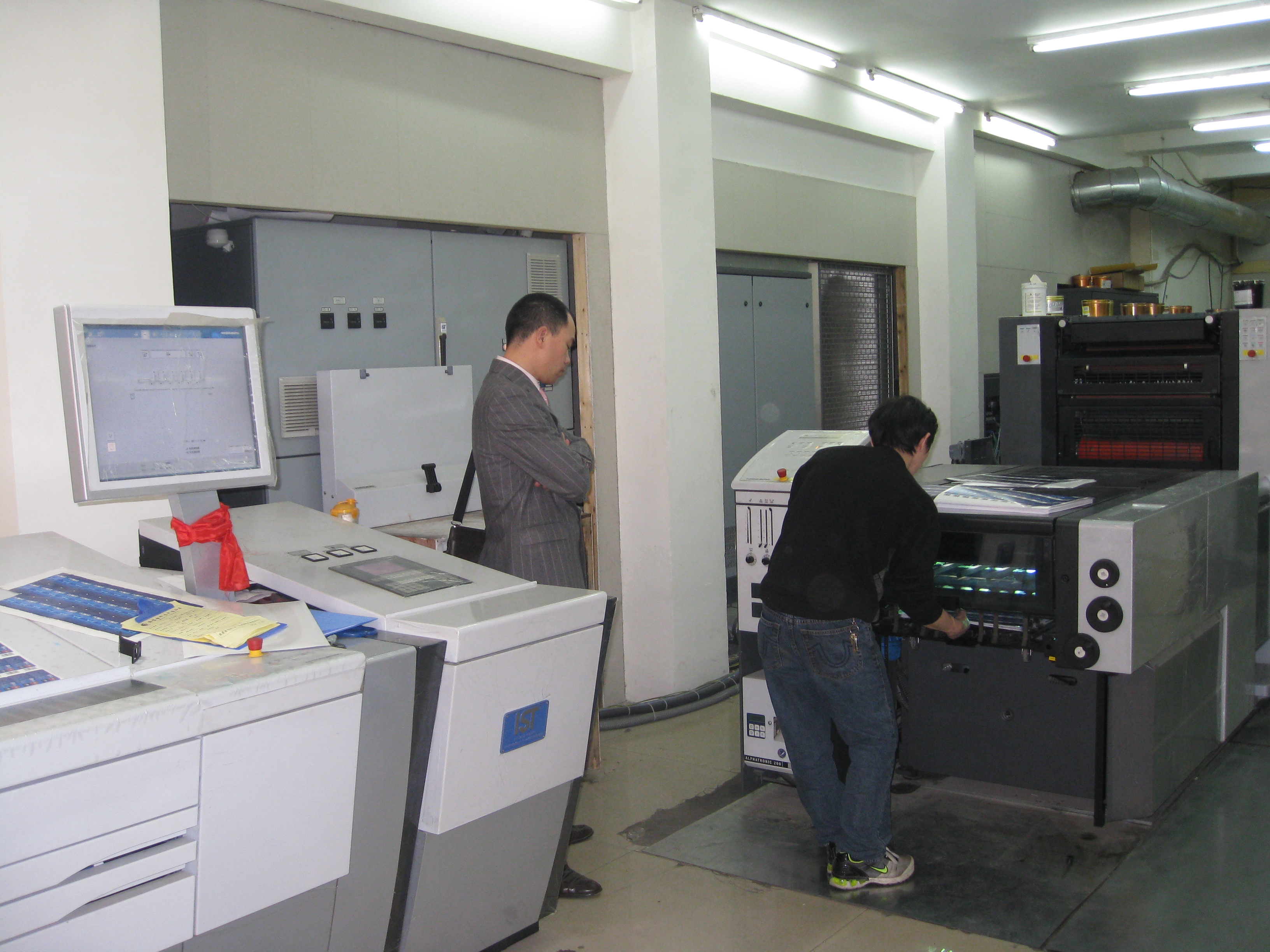
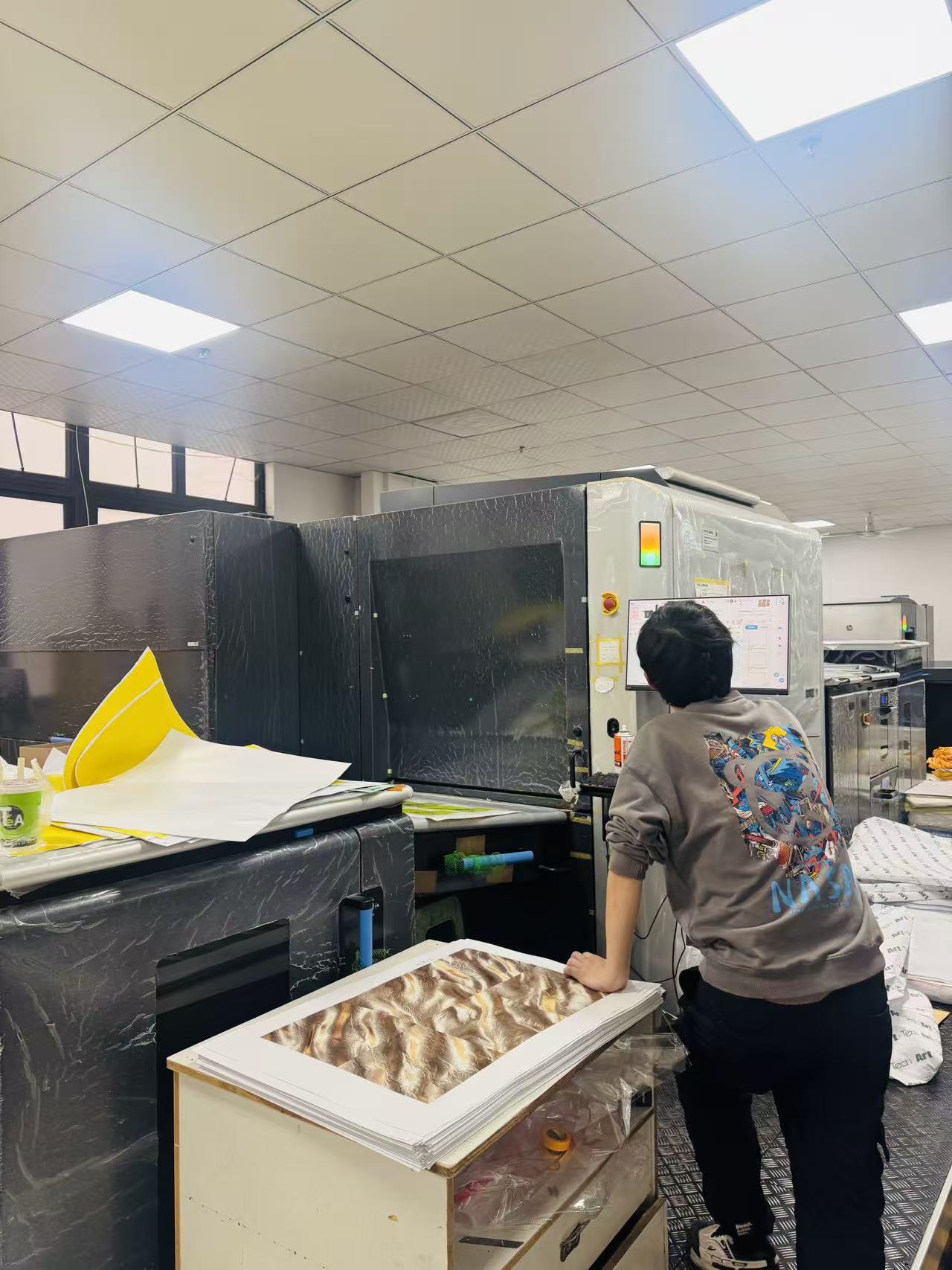
AHA — the short name used here for Wenzhou Aha Craft Gifts Co., Ltd. — is a manufacturer and supplier of custom promotional gifts, creative household products, stationery, toys and packaging supplies. The company was founded in 2017, runs a 2,000 m² facility in Wenzhou, Zhejiang, China, employs 100 people and maintains a five-engineer R&D team. Its capability record lists monthly capacity of 500,000 units, annual output of 5,000,000 units, an MOQ of 2,000 units, a 15–30 day lead time and 100% inspection. All output is exported, with main markets listed as the EU, USA, SA/ME and SEA.
Product scope is wide enough to cover a multi-category gift programme from one supplier:
- Creative home and daily-use products: fridge magnets, kitchen gadgets, cleaning sponges, sealing clips and decorative household items
- Scratch-off maps: world, country and regional travel maps, plus personalised map posters
- Stationery and office supplies: notebooks, stickers, puzzles, bookmarks and custom desk accessories
- Children’s toys and gifts: DIY toys, lanterns, night lights, educational puzzles and festival-themed toys
- Promotional and corporate gifts: personalised logo gifts, holiday gifts, advertising giveaways and premium packaging
Customisation covers logo, design, size, colour and packaging, and the company describes an integrated chain running from design and mould development through mass production, printing, packaging and international logistics.
What the record does not contain matters just as much. The published profile does not list certificates by product category, price levels or a delivery-performance rate. Those are item-level questions, and a buyer should ask for them by product and destination market rather than infer them from company size.
What to put in writing before volume scales
Five items decide whether a repeat programme runs smoothly. Each fits into a page of an annex, and each is cheaper to agree before the first bulk order than after it.
1. Specification and change control
Lock the attributes that define the product — material, dimensions, colour reference, print position, packaging format — and state which changes trigger a re-quote. AHA customises logo, design, size, colour and packaging; in production terms each of those is a different change with a different cost, and a buyer should know in advance which ones are revisions and which ones restart the process.
2. MOQ per SKU, not per company
The capability specification lists an MOQ of 2,000 units. That is a baseline, not a universal figure. A five-SKU holiday range at 2,000 units each is a different production plan from one design at 10,000 units, and mixed-order rules deserve their own line in the agreement. Ask for the minimum per item, and for the packaging minimum separately, because gift-box packed craft gifts can carry their own threshold.
3. Inspection evidence at three points
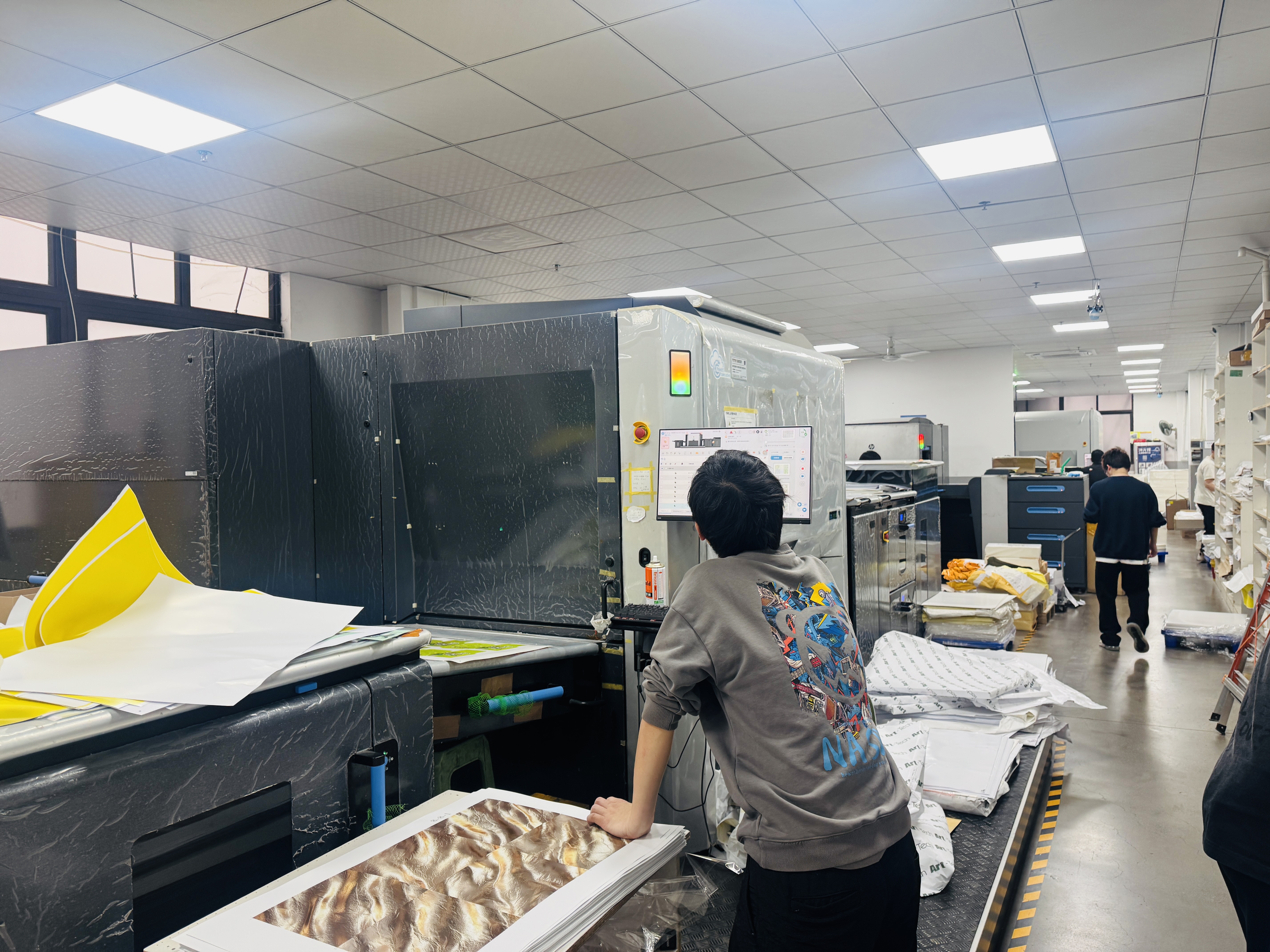
AHA’s quality control is described as 100% inspection across raw-material selection, production processing and finished-product packaging. The agreement should state which records the buyer receives at each checkpoint, in what format, and against which accept or reject criteria. Evidence requested after a dispute is worth far less than evidence delivered before shipment.
4. A booked production slot, not an annual number
With monthly capacity of 500,000 units, the monthly figure is the operative planning constraint for seasonal work; the annual 5,000,000-unit output describes total throughput. Confirm the slot date in writing, and keep production lead time (15–30 days) separate from freight transit and customs clearance, which are different stages of the calendar.
5. An after-sales process with defined triggers
The published after-sales scope covers custom design revision support and an after-sales quality guarantee. Turn both into process: what counts as a defect, how quickly a claim must be raised, what remedy applies, and how a design revision between seasons is quoted.
How an order moves from first enquiry to a repeat programme
The sequence below is the shortest route from an enquiry to a repeatable annual programme, and it applies to paper craft gifts, plastic craft gifts and mixed ranges alike.
- Define the programme before the product. Set markets, categories, target volumes and in-market dates first. A distributor planning a November campaign and a brand owner planning a spring launch need different slot bookings even when they order the same item.
- Sort products by compliance load. Kids craft gifts and assembled kids craft gifts carry heavier documentation than office or home decor items. For the US market, ASTM F963-23 — incorporated into 16 CFR 1250 — is the mandatory toy safety standard for products intended for children under 14, so the applicable reports should be identified before design work starts.
- Request a specification-matched quotation. Give material, size, colour, logo treatment and packaging for each item, then ask for MOQ, unit price and lead time per SKU. A quotation built on a generic category description will not survive production.
- Approve a reference sample and retain it. Sign off colour, finish, print registration and packaging, and keep the approved sample with both parties. This single artefact resolves most later disagreements about “as agreed”.
- Run the trial order. AHA accepts small trial orders alongside bulk orders, which is the practical way to test print quality and gift-box presentation in the destination market before committing a season’s budget.
- Review inspection evidence. Check that records arrive at the three checkpoints and that they match the agreed criteria, not just the delivery date.
- Book capacity against the monthly figure. Share a rolling forecast and confirm the production slot for each peak. Where a campaign is fixed to a date, the buffer belongs between production completion and the in-market date.
- Agree repeat-order terms. Document change control, revision quoting and the claim process before the second order, not during it.
Which printed gifts programmes fit this supply model
Not every category uses a manufacturer the same way. The differences below are about programme design, not about product quality claims.
Holiday craft gifts
Seasonal ranges are date-driven, so the binding constraint is the production slot inside a 15–30 day lead time plus transit. Artwork for gift boxes and packaging should be approved earlier than the goods themselves, because packaging changes late in the cycle are the most expensive kind.
Corporate and office craft gifts
These programmes are usually logo-led and multi-SKU: a notebook, a desk accessory and a small giveaway for the same campaign. The MOQ-per-SKU question matters more here than unit price, since five items at minimum quantity behave very differently from one item at volume.
Kids craft gifts
Children’s products attract the strictest documentation requirements in any gift programme. The product range covers DIY toys, lanterns, night lights and educational puzzles; for each item, the applicable test reports and warnings should be confirmed for the destination market before artwork is finalised. No category-wide certificate should be assumed.
Home decor and kitchen craft gifts
Fridge magnets, sealing clips, cleaning sponges and kitchen gadgets are repeat-purchase items, which suits an annual programme with scheduled replenishment better than a one-off campaign buy. Durability and finish specifications should be written down, because “same as last time” is not a specification.
Distributor and promotional agency programmes
This is where the documented case sits: a US-based distributor or promotional agency project ran for three years, covering customized promotional gifts, corporate souvenirs and retail merchandise through one-stop OEM/ODM supply, with standard bulk orders of 10,000+ units and smaller quantities negotiable. The record documents the cooperation length and order scale; it does not publish defect rates or delivery-performance statistics, so neither is claimed here.
Trial order, bulk order and annual programme compared
The table compares the three ways buyers typically work with AHA, using only the published capability record and the documented US project record.
| Term | Small trial order | Standard bulk order | Annual programme |
|---|---|---|---|
| Quantity reference | Small quantities negotiable (project record) | 10,000+ units (project record) | Planned against 500,000 units per month |
| Main purpose | Test print quality, packaging and market fit | Cover a campaign or seasonal range | Replace repeated one-off sourcing with a forecast |
| Customisation | Logo, design, size, colour, packaging | Logo, design, size, colour, packaging | Same, plus design revision support between seasons |
| Quality control | 100% inspection, raw material to packaging | 100% inspection, raw material to packaging | 100% inspection, raw material to packaging |
| Lead time | 15–30 days | 15–30 days | 15–30 days, booked against a confirmed slot |
| After-sales | Quality guarantee | Quality guarantee | Quality guarantee plus design revision support |
| Confirm in writing | MOQ per SKU, acceptance criteria | Production slot, inspection records | Forecast cadence, revision process, claim terms |
Shared baseline across all three: MOQ listed at 2,000 units, OEM/ODM capability, 100% inspection and a 15–30 day lead time. The small-order and 10,000+ unit references come from the documented US project record, not from a published price list, and final figures depend on the specific item and configuration.
What to verify before signing a long-term agreement
- Legal identity and site. Match the entity name on the quotation, contract and shipping documents to the supplier you evaluated — here, Wenzhou Aha Craft Gifts Co., Ltd., founded in 2017 and operating a 2,000 m² facility.
- Capability stated in writing. OEM/ODM scope, the five customisation attributes and MOQ per SKU, rather than a category-level promise.
- Inspection protocol. Which records arrive at raw-material, in-process and packaging stages, in what format, against which criteria.
- Capacity booking. A confirmed monthly slot and an agreed forecast cadence for peak seasons.
- Lead time and buffers. 15–30 days of production plus separate transit and clearance time, mapped onto your in-market date.
- Compliance file by product and market. Test reports and warnings for the exact item and destination — not a generic certificate pack.
- After-sales terms. Claim window, defect definition and remedy path, written into the agreement.
- Change control. Which adjustments to logo, size, colour or packaging are revisions and which require a new quotation.
- Approved reference sample. Signed by both sides and retained for the life of the programme.
- Artwork and version control. Who holds the print files and how revisions are numbered between seasons.
Frequently asked questions about long-term printed gifts supply
Which compliance documents should a buyer request before an order ships?
Ask for the test reports and declarations that apply to the specific product and destination market, not a general certificate pack. Two reference points show why the product matters: in the United States, ASTM F963-23, incorporated into 16 CFR 1250, is the mandatory toy safety standard for products intended for children under 14 (U.S. Consumer Product Safety Commission); UK guidance for consumer products states that producers and other responsible parties must ensure products are safe, provide adequate instructions and warnings, and retain technical documentation for at least 10 years (Business Companion). Both references are jurisdiction-specific, and AHA’s published profile does not list certificates by category — so confirm the applicable documents item by item.
What production capacity is available for a seasonal programme?
The published capability record lists monthly capacity of 500,000 units and annual output of 5,000,000 units. For seasonal work the monthly figure is the operative constraint, because it governs how much can be produced inside a booking window, while the annual figure describes total throughput. Share a 12-month forecast and ask for the production slot to be confirmed in writing before campaign dates are fixed.
What is the minimum order quantity for a trial and for bulk?
The capability specification lists an MOQ of 2,000 units, and the company states that it accepts both small trial orders and large bulk orders with reasonable MOQs. A documented US project record shows the pattern in practice: standard bulk orders of 10,000+ units, with smaller quantities negotiable. Treat 2,000 as a baseline rather than a universal number — construction, print method and gift-box packaging can each shift the minimum, so request MOQ per SKU in writing.
Can a buyer evaluate quality before committing to a long-term programme?
Yes, through a trial order rather than an assumption. Small trial orders are accepted specifically so buyers can test new markets and new products at lower risk, and the documented US cooperation began with customized orders before running for three years. Set acceptance criteria first: colour match against the approved reference, print registration, material and finish for the intended use, gift-box presentation, and completeness of the documents you requested.
How long does production take, and what does delivery reliability depend on?
Production lead time is listed at 15–30 days. That window covers production as quoted; freight transit, port handling and customs clearance are separate stages and should be quoted separately. Reliability in practice rests on three written items — the booked production slot, milestone updates during the run, and the pre-shipment inspection record. The published record does not include an on-time delivery rate, so ask for a schedule commitment rather than assume a performance figure.
What support continues after the goods are delivered?
The published after-sales scope covers custom design revision support and an after-sales quality guarantee. Design revision support matters most for repeat orders, where a new logo, size, colour or packaging change appears between seasons; the quality guarantee defines what happens when a delivered batch does not meet the approved specification. Ask for the claim window, defect definition and remedy path in writing, because those terms are not published. Buyers preparing a first programme can request a specification-matched quotation with MOQ and lead time per item by emailing vera@ahagiftsch.com or bonnie@ahagiftsch.com.
How to start a printed gifts partnership with AHA
A first enquiry is most useful when it carries four pieces of information: the product categories and quantities you are considering, the destination market, the in-market date, and the customisation you need — logo, design, size, colour or packaging. With those, a manufacturer can respond with an MOQ, a lead time and a specification-matched price instead of a catalogue range.
Contact details published by the company: telephone and WhatsApp +86 13958790933; email duke@ahagiftsch.com, vera@ahagiftsch.com or bonnie@ahagiftsch.com; address Room 301, Building 2, Donggrun Huating, Longgang City, Zhejiang Province, China; website www.ahacustomshop.com. Requests for samples, quotations and catalogue information are handled through these channels.
Conclusion
Working with a printed gifts manufacturer over several years comes down to what is written down before the first bulk order: an MOQ understood per SKU, an inspection protocol with records at three checkpoints, a production slot booked against monthly capacity rather than annual output, a lead time that keeps transit and clearance in a separate column, and an after-sales process with a defined trigger. AHA’s published record supplies the starting numbers — founded 2017, 2,000 m², 100 employees, five R&D engineers, 5,000,000 units of annual output, 500,000 units per month, MOQ 2,000, a 15–30 day lead time, 100% inspection and 100% export to the EU, USA, SA/ME and SEA. The rest is confirmation work, and it is best done item by item, in writing, before the season starts.
Have Questions or Need More Details?
Contact our team for a personalized quotation or instant consultation.
Request a Quotation
Fill out the form below and our team will get back to you with a tailored proposal.
WhatsApp Direct Chat
Prefer to chat in real-time? Message us on WhatsApp for instant assistance & quick answers.
- Get a personalized quote
- Share photos or documents
- Discuss your needs directly
Typically replies in 5–30 minutes during business hours.