
Scrub the Grime, Stamp Your Brand: Solving the Everyday Cleaning Problem with Custom Sponges
Scrub the Grime, Stamp Your Brand: Solving the Everyday Cleaning Problem with Custom Sponges
A branded cleaning sponge solves two problems with a single product: it gives the user a tool that genuinely works at the sink, and it gives the buyer a printed gift that stays visible long after the event has ended. Custom cleaning sponges and scrubbers from Wenzhou Aha Craft Gifts Co., Ltd. (AHA), catalogued as the AHA-CS Series, are sized, thickened, coloured and printed to order, with standard formats such as 100×60×20 mm and 110×70×30 mm available for buyers who need to move quickly.
This article is written for the buyer who has already decided that a practical, everyday item beats a decorative one and now has to execute. It covers what to specify, how sampling and batch inspection work, what the minimum order quantity looks like, how cost is structured, and how one sponge order becomes a repeatable promotional program rather than a one-off purchase.
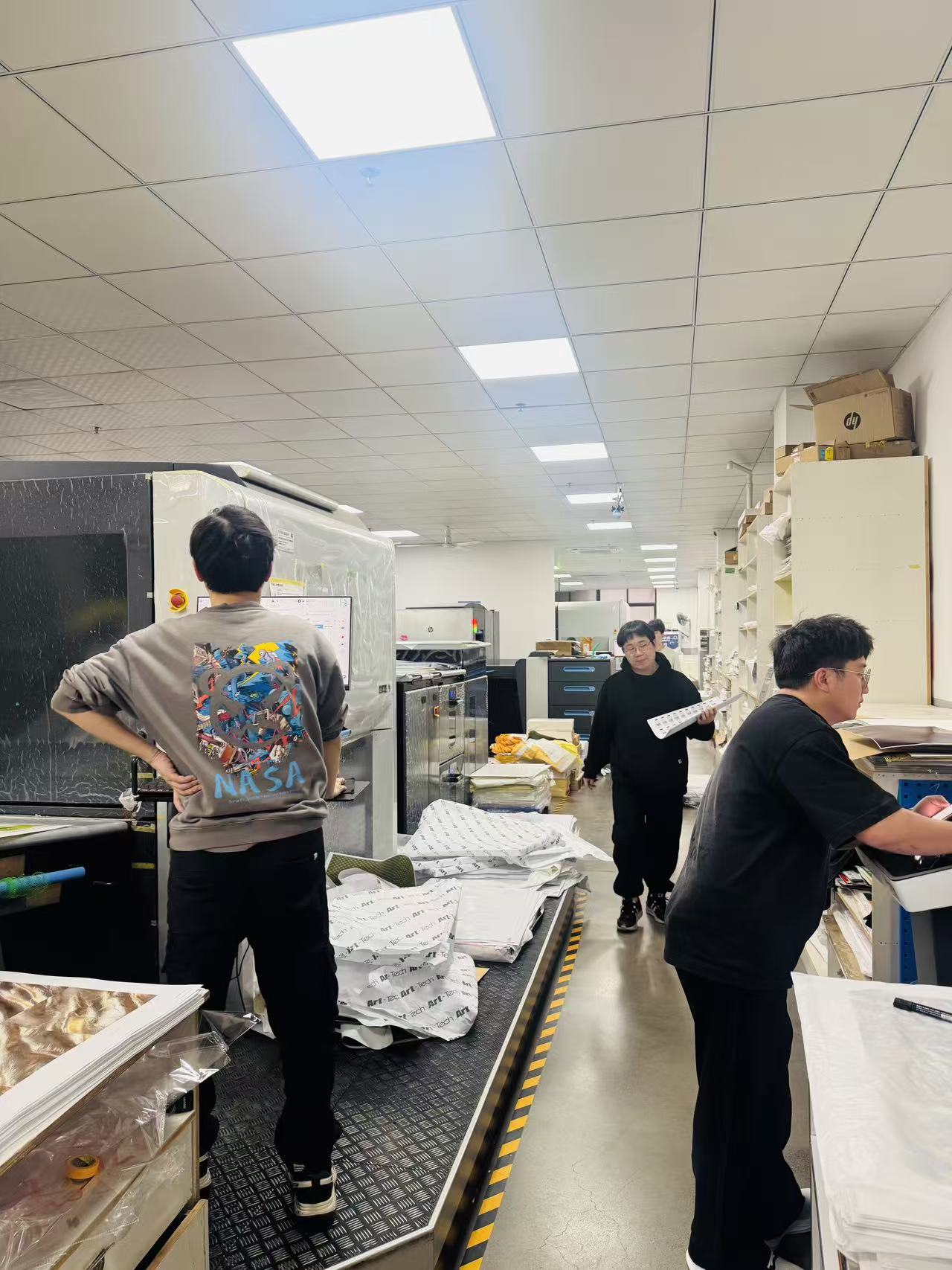
AHA's production workshop in Wenzhou, Zhejiang — the base for custom craft gifts, household items and custom cleaning sponges.
The Everyday Cleaning Problem Behind Every Forgotten Promotional Gift
Most printed gifts fail for a simple reason: they are never used. A pen, a figurine or a keychain has to be noticed before it can be used, and many recipients never reach for them again after the first week. The item survives physically but disappears from daily life, which means the brand printed on it stops working as advertising.
A cleaning sponge behaves differently. It sits at the kitchen sink, gets squeezed, rinsed and reused, and is touched dozens of times before it wears out. That repeated contact is the entire argument for the category — but it also raises the stakes, because a sponge that disintegrates quickly, sheds material or loses its printed logo after a few washes damages the brand more effectively than no giveaway at all.
That tension shapes the two real procurement problems in this category:
- Utility versus visibility. The item has to be useful enough to keep and cheap enough to order in the thousands, without looking like a generic house-brand item once the logo is applied.
- Batch-to-batch consistency. The most common risk in a promotional sponge program is product quality inconsistency between production runs — a batch that is thinner, rougher or differently printed than the approved sample.
AHA addresses that second problem directly: the company's quality-control procedure for product quality inconsistency combines strict sample confirmation before mass production with batch inspection during production, supported by a professional QC process and customized packaging control. For a buyer at the execution stage, that structure matters more than any claim about how absorbent a sponge is.
Industry Background: Where Custom Sponges Sit in the Printed Gifts Market
Personalized and printed gifts remain a growth category rather than a saturated one. According to The Business Research Company, the global personalized gifts market was projected to grow from USD 28.47 billion in 2024 to USD 30.79 billion in 2025, and to reach USD 42.25 billion by 2029. Within the United States alone, the same category was valued at USD 8.92 billion in 2024, with expectations to reach USD 15.19 billion by 2030 at a CAGR of 9.2%.
The material mix inside that market is still dominated by paper and board, which Grand View Research reports accounted for 78.3% of gift wrapping and craft segment revenue in 2023. That concentration is precisely why a durable, reusable cleaning item stands out: it competes in a different corner of the same buyer budget, where the value proposition is not decoration but repeated use.
Consumer behaviour supports the shift. Deloitte's 2024 consumer research, cited in industry reporting, indicates that approximately 47% of global consumers purchased at least one sustainable or eco-friendly product during the year — a figure that favours reusable, wash-and-reuse items such as sponge scrubbers and microfiber cloths over single-use novelty gifts.
Compliance is the other structural factor. Craft gifts sold into the European Union require CE marking and compliance with the EN71 series (EN71-1, EN71-2 and EN71-3) covering physical, flammability and chemical safety, while children's craft gifts for the United States must comply with ASTM F963-23 and CPSIA lead and phthalate limits. Cleaning sponges sit closer to food-contact and household-use rules, where FDA food-grade, REACH and RoHS status is what buyers actually ask for.
It is also worth being clear about who the buyer is competing with. The best-known names in personalised gifting — VistaPrint (Cimpress), Shutterfly, Etsy and Zazzle — are largely print-on-demand platforms serving consumers and small businesses. A sponge program with a printed logo, die-cut shape, custom packaging and repeatable quality is a manufacturing exercise, not a print-on-demand exercise, and that is the gap a direct manufacturer fills.
The Solution: Custom Cleaning Sponges and Scrubbers from AHA
Wenzhou Aha Craft Gifts Co., Ltd. (AHA) is a manufacturer and supplier of custom promotional gifts, creative household products, stationery, toys and packaging supplies, based in Wenzhou, Zhejiang, China. Founded in 2017, the company operates a 2,000 m² factory with around 100 employees and a five-person design and R&D team, and exports its output to customers across North America, Europe, Australia, Asia and other regions.
Its cleaning category is built around the AHA-CS Series, which includes sponge scrubbers, dish sponges, microfiber cleaning cloths and scouring pads. The series is positioned for household cleaning, kitchen supplies, promotional gifts and daily necessities — in other words, exactly the environments where a printed logo gets seen repeatedly rather than once.
AHA-CS Series: Specification Overview
| Specification | Standard configuration | Customization range |
|---|---|---|
| Product types | Sponge scrubbers, dish sponges, microfiber cleaning cloths, scouring pads | Custom combinations available |
| Size | 100×60×20 mm, 110×70×30 mm | Fully customizable |
| Thickness | 10–50 mm | Fully customizable |
| Material | Polyurethane sponge, PP, nylon, microfiber, cellulose | Material selected per use case |
| Logo and printing | Custom logo and printing | Full custom artwork |
| Features | Reusable, eco-friendly | Antimicrobial treatment optional |
| Certification | FDA (food-grade), REACH, RoHS | Available upon request |
| Typical applications | Household cleaning, kitchen supplies, promotional gifts, daily necessities | — |
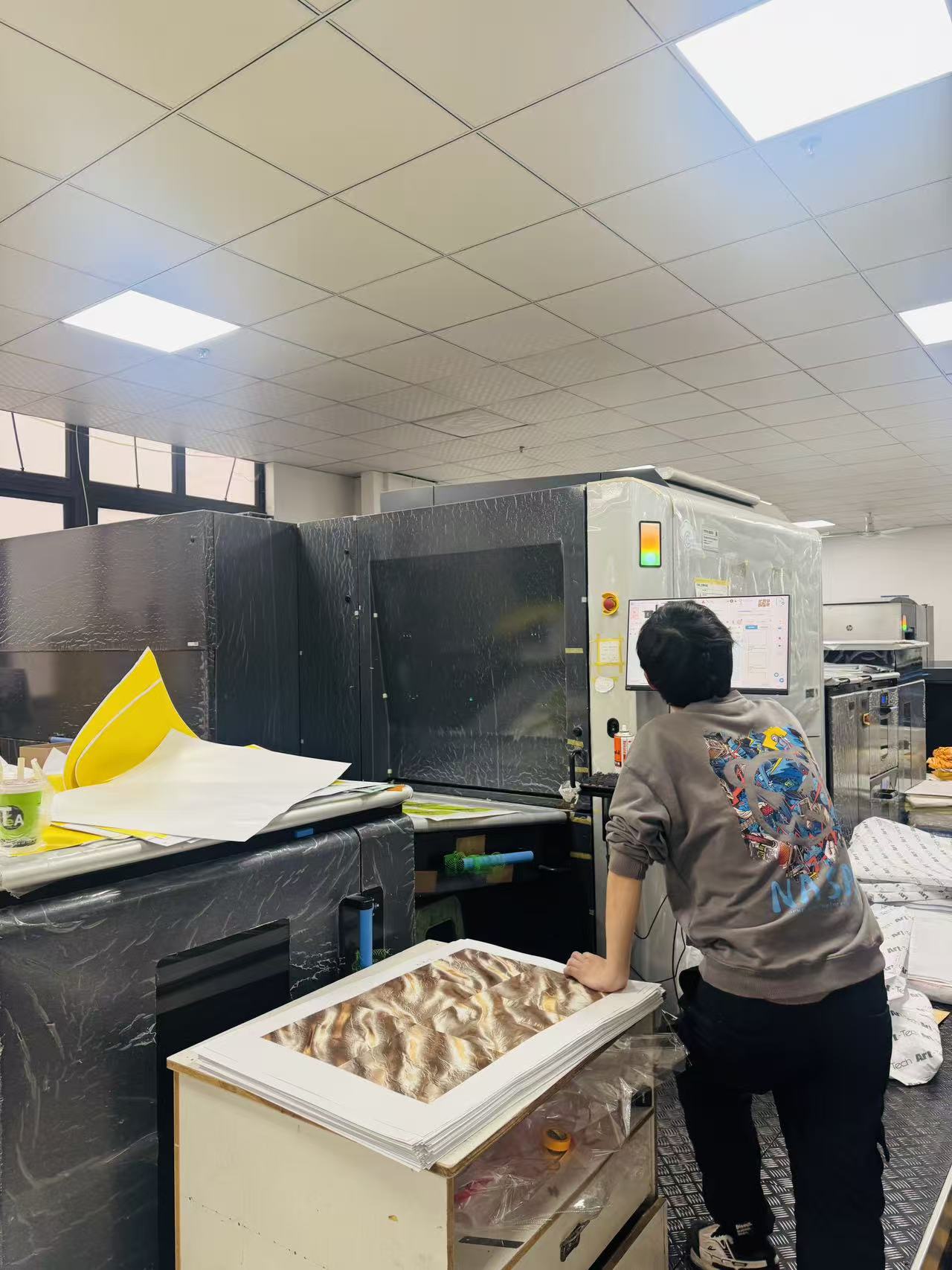
Production runs at AHA are managed in-house, from material selection through printing and final packing.
Two company-level capabilities matter for the executing buyer. First, customization is available from product design through to final packaging, and AHA integrates independent design, mold development, mass production, printing, packaging and international logistics into one order flow. Second, order quantity is flexible — the company accepts both small trial orders and large bulk orders, with reasonable MOQs that let a buyer test a market before committing to a full season's volume.
Capacity is the third constraint buyers check. AHA maintains a monthly production capacity of 500,000 units, which is the number a distributor should test against their own promotional calendar before promising delivery windows to their own customers.
Step-by-Step Breakdown: How a Custom Sponge Order Actually Runs
Execution-stage buyers rarely need more theory; they need the sequence. The following steps reflect how AHA structures a custom sponge or scrubber order, from specification to reorder.
- Define the program, not just the product. Decide where the sponge will live — kitchen sink, office kitchen, hotel housekeeping, retail promotion — and how many units each channel needs. This determines material and printing choice more than any aesthetic preference.
- Choose the construction. A standard 100×60×20 mm PU sponge suits volume giveaways; a 110×70×30 mm scrubber with an abrasive layer suits heavier kitchen use; a microfiber cloth suits office or auto-related programs. Thickness between 10 mm and 50 mm changes both feel and cost.
- Select the material and features. Options include polyurethane sponge, PP, nylon, microfiber and cellulose, with reusable and eco-friendly construction as standard and antimicrobial treatment available as an option.
- Submit artwork for the printing area. The logo is printed on a soft, curved surface, so simplified marks and high-contrast colours reproduce more reliably than fine gradients. AHA's design team adapts the artwork before tooling or production begins, and free design service is included in the company's standard offer.
- Approve a physical sample. This is the control point that protects the buyer. AHA's procedure requires strict sample confirmation before mass production, covering size, thickness, material, print and packaging.
- Confirm packaging and cartons. Customized packaging is part of the service; across its gift lines AHA works with formats such as OPP bags, colour boxes, gift boxes and blister packs, which allows a sponge to be shipped as a retail-ready unit rather than loose stock.
- Run production with batch inspection. Production runs against the approved sample, with batch inspection and a professional QC process applied through the run, followed by pre-shipment inspection before dispatch.
- Agree terms and shipping. Payment terms include T/T 30/70, L/C at sight and Trade Assurance; delivery can be arranged on FOB, CIF or EXW terms depending on the buyer's logistics setup.
- Archive the specification for reorders. Keeping the approved sample, artwork file and packaging drawing on record is what makes the second and third orders fast — and what keeps batch quality stable across a season.
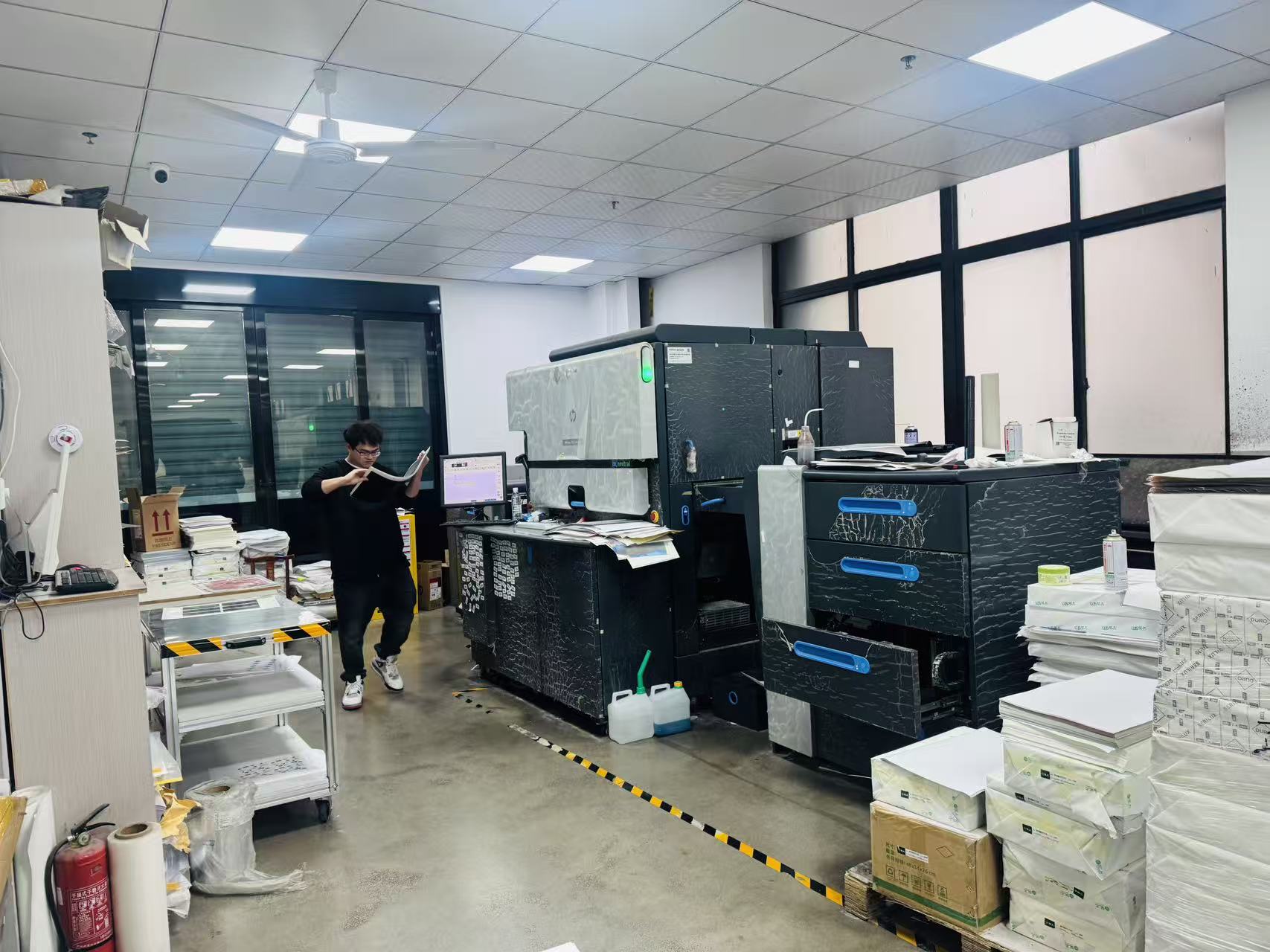
Sample confirmation and batch inspection are built into AHA's process to control quality consistency between production runs.
Practical note on MOQ and trial orders: AHA publishes a minimum order quantity of 2,000 units for standard programs and accepts small trial orders alongside large bulk orders. For promotional buyers, a trial order is the cheapest way to validate print durability and end-user response before scaling into a seasonal program.
Use Cases: Five Programs Where a Branded Sponge Earns Its Place
1. Supermarket and retail promotions
Cleaning sponges sit naturally in the household cleaning and kitchen supplies aisles, which means a retailer-branded sponge works as a purchase incentive, a loyalty gift or an in-store bundle item without looking out of place. Retail-ready packaging makes the item sellable rather than merely giveable.
2. Corporate and office programs
Office kitchens, breakout areas and staff welcome kits are low-cost, high-contact placements. A printed sponge and microfiber cloth pairing fits office craft gift programs alongside the stationery and desk accessories AHA already produces under its craft gifts and stationery line.
3. Holiday and event giveaways
Holiday craft gift campaigns benefit from items that survive the season. A sponge with a seasonal motif stays in the kitchen after the decorations come down, which extends the campaign's visibility window well beyond the event itself.
4. Wedding and celebration favours
Practical favours are increasingly preferred over decorative keepsakes, and a custom-printed kitchen sponge or scrubber can be personalized with names, dates and colours — a favour guests use rather than store.
5. Distributor and private-label programs
For wholesalers and importers, the AHA-CS Series functions as a private-label household line rather than a one-off giveaway: consistent specifications, custom packaging and repeatable batch quality are the requirements, and these sit within AHA's stated full-scale customization scope.
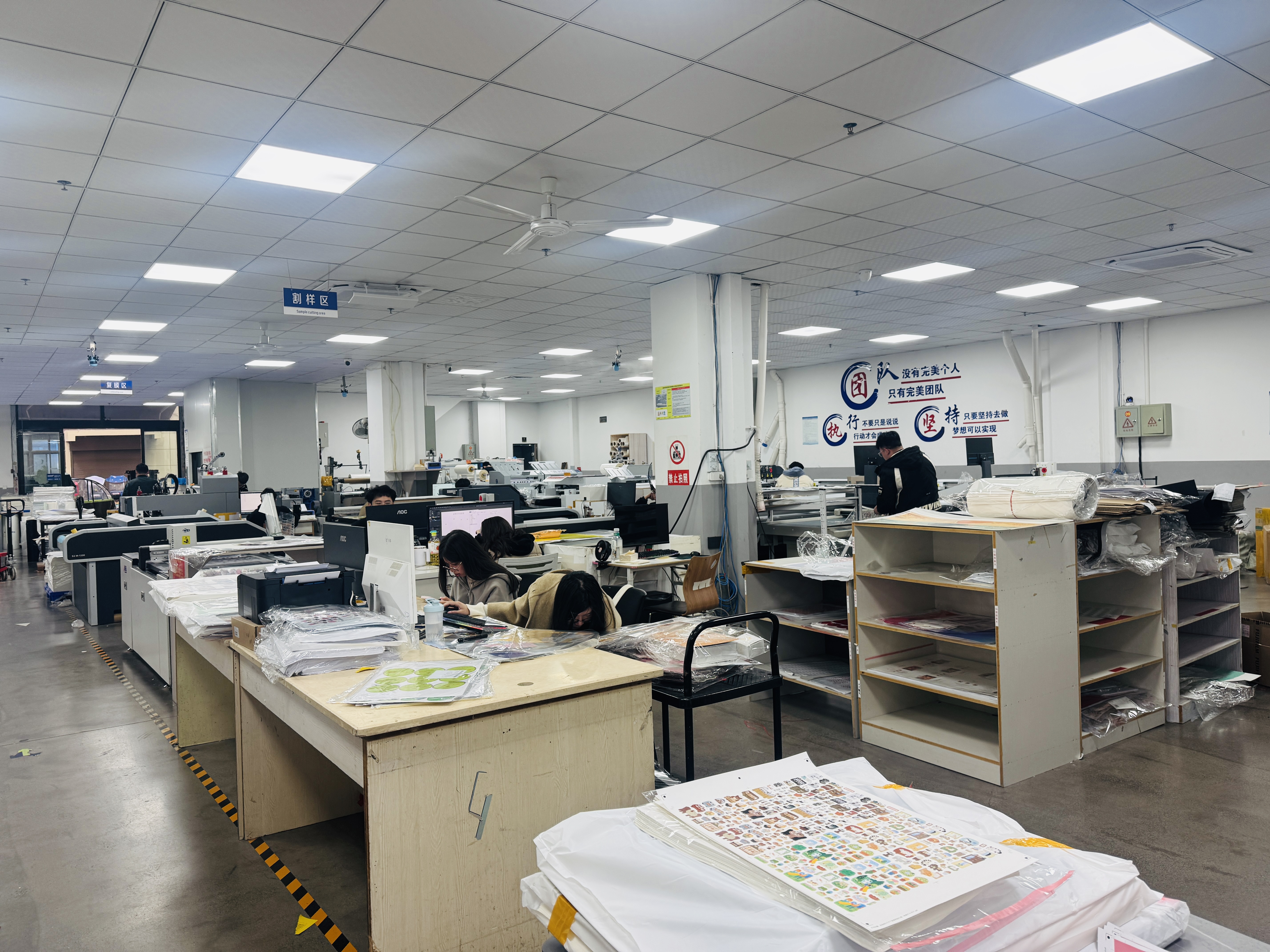
Sales and design teams coordinate corporate, retail and distributor programs from AHA's office in Wenzhou.
Comparison: AHA Versus Peer Custom Gift Manufacturers
Comparing suppliers on price alone hides the variables that actually affect a sponge program — lead time, design cost, quality control and whether the supplier can cover a full gift range in one order. The table below reflects AHA's own comparison data for its custom gift and household product programs.
| Comparison factor | AHA (custom gift and sponge program) | Peer custom gift manufacturers |
|---|---|---|
| Product range | Full-category range: cleaning sponges and scrubbers, fridge magnets, craft gifts and stationery, children's toys and crafts | Typically a narrower category focus |
| Customization model | One-stop customization service, from design through printing and packaging | Design, printing and packaging often sourced separately |
| Lead time | 15–30% faster, based on AHA comparison data | Baseline |
| Custom design cost | 10% lower, based on AHA comparison data | Baseline |
| Overall cost | 10–15% lower, including bulk order discounts and free design service | Baseline |
| Customer satisfaction | 98%, per AHA comparison data | 92% cited industry average |
| Quality control | Professional QC team, sample confirmation, batch inspection, customized packaging control | Varies by supplier |
| Best suited to | Corporate gifting, brand promotion, event souvenirs, retail sales | Varies by supplier |
Read the table as a set of questions rather than a verdict. Ask any supplier for their lead time on a 2,000-unit printed sponge run, whether design work is charged separately, and what happens if price is quoted by a trading intermediary rather than the factory. As a direct manufacturer, AHA eliminates middleman costs and optimizes production processes — which is the structural reason a cost advantage of this kind is possible at all.
From a Single Order to a Long-Term Supply Program
A sponge program only produces compounding brand value if it keeps running. One order puts a logo into a few thousand kitchens; a program that repeats every quarter puts the same logo back into the same households every time the previous sponge wears out.
That is a supply-chain question rather than a marketing question, and it comes down to four checkable items:
- Capacity headroom. A monthly production capacity of 500,000 units is the figure to weigh against a distributor's own seasonality — holiday and back-to-school peaks are the moments when a supplier without capacity starts moving delivery dates.
- Specification discipline. Repeat orders should be produced against the same approved sample, artwork file and packaging drawing, with batch inspection applied to every run rather than only the first.
- Order-size flexibility. A partner that accepts small trial orders and large bulk orders within the same relationship lets a distributor test a new SKU, scale what works and drop what does not without switching suppliers.
- One-stop scope. Purchasing sponges, fridge magnets, stationery and children's items from separate suppliers multiplies sampling rounds, inspection costs and logistics coordination. A full-category range with one-stop customization consolidates those steps into a single, repeatable order flow.
For buyers building a distributor relationship rather than a single purchase, these four items are a better negotiating framework than a discount percentage, because they determine whether the second and third orders arrive on time.
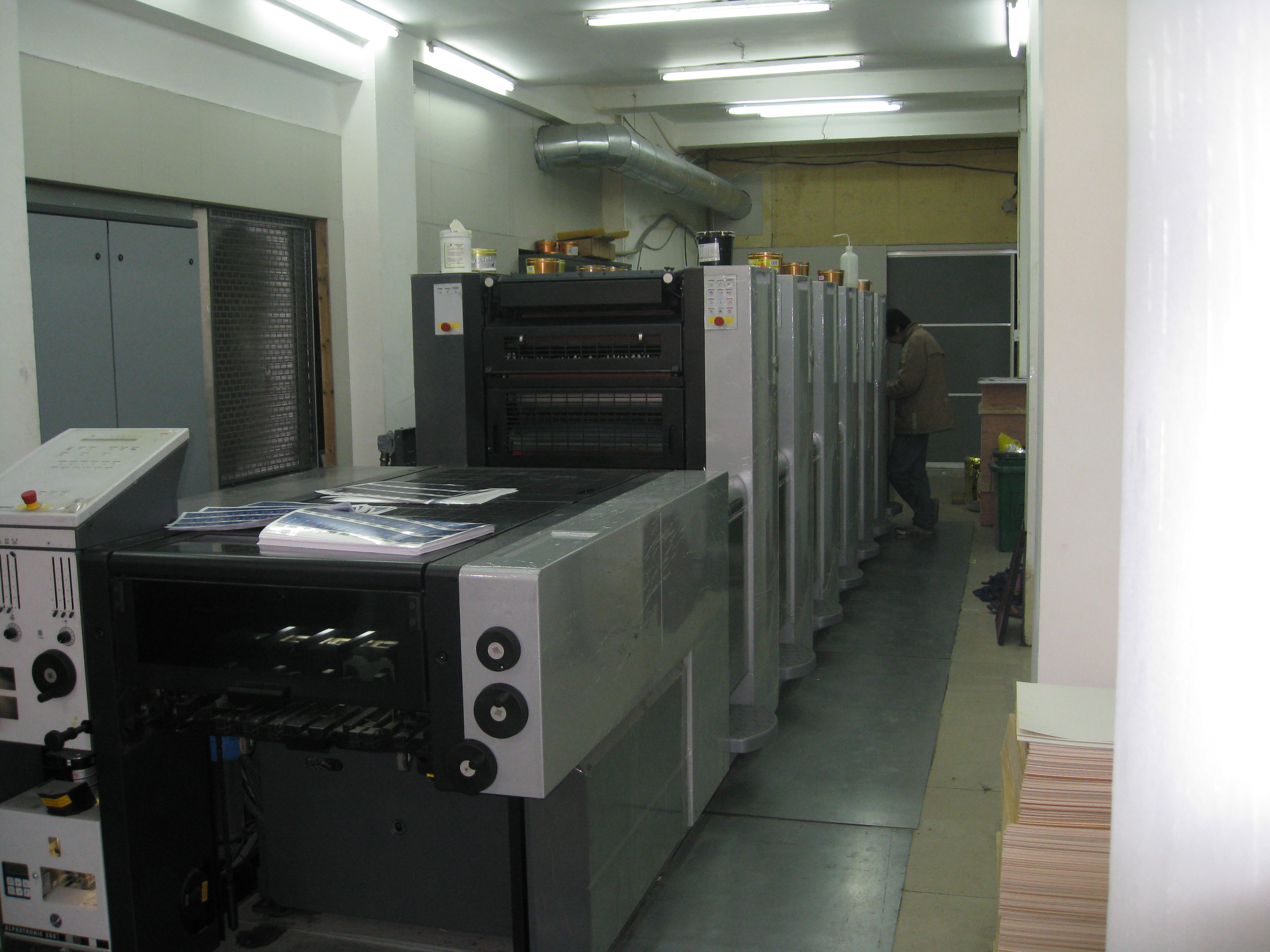
Repeat programs depend on stable capacity and consistent batch quality — the two things AHA's workshop workflow is organized around.
Frequently Asked Questions
Are custom cleaning sponges compliant with food-contact and market safety requirements?
AHA's AHA-CS Series custom cleaning sponges and scrubbers can be supplied with FDA (food-grade), REACH and RoHS documentation, available upon request — the certification set most relevant to kitchen and household cleaning items. Where a gift program also includes children's items, separate standards apply: AHA's children's toy and craft line is documented as compliant with ASTM F963, EN71, CPSIA and CE. Buyers shipping children's products into the United States or the European Union should request the corresponding test reports before production begins.
Can AHA customize the size, thickness, material and logo printing of a sponge?
Yes. The AHA-CS Series covers sponge scrubbers, dish sponges, microfiber cleaning cloths and scouring pads, with standard sizes of 100×60×20 mm and 110×70×30 mm and a standard thickness range of 10–50 mm. Size, thickness, material (polyurethane sponge, PP, nylon, microfiber or cellulose) and logo printing are fully customizable, and antimicrobial treatment is optional. AHA supports full-scale customization from product design through final packaging, backed by a five-person design and R&D team and a monthly production capacity of 500,000 units.
What is the minimum order quantity, and how is the cost structured?
AHA publishes a minimum order quantity of 2,000 units for standard programs and accepts both small trial orders and large bulk orders with reasonable MOQs; flexible programs can also be quoted at an MOQ of 2% of order volume. As a direct manufacturer, AHA eliminates middleman costs, and its own comparison data positions overall cost 10–15% lower than peer custom gift manufacturers, including bulk order discounts and free design service. Payment terms include T/T 30/70, L/C at sight and Trade Assurance, with delivery on FOB, CIF or EXW terms.
How does sampling and quality control work before mass production?
AHA's risk-control procedure for product quality inconsistency is strict sample confirmation before mass production, followed by batch inspection during production. Buyers approve a physical sample covering size, thickness, material, print and packaging; pre-shipment inspection plus sample confirmation are the standard acceptance terms. Quality control is described as a full-process inspection spanning raw material selection, production processing and finished product packaging, supported by a professional QC team and customized packaging control.
What lead time and production capacity should a buyer plan for?
The manufacturer maintains a monthly production capacity of 500,000 units and an annual production capacity of 5,000,000 units, and its comparison data positions lead time 15–30% faster than peer custom gift manufacturers. First orders should budget time for artwork adaptation, sample confirmation and pre-shipment inspection; reorders move faster because artwork, material specification and packaging drawings are kept on file. To start a program, request a sample or quotation at vera@ahagiftsch.com or +86 13958790933.
Conclusion: Make the Brand Part of the Daily Routine
Custom cleaning sponges work as promotional products for one reason that has nothing to do with novelty: they are used. A sponge at the sink delivers repeated, low-cost brand exposure, and when it is specified properly — correct size and thickness, the right material, a print that survives washing, packaging that suits the sales channel — it stops being a giveaway and starts behaving like a small, permanent piece of advertising.
The execution side is what determines whether that happens. A direct manufacturer with a 2,000 m² factory in Wenzhou, a monthly production capacity of 500,000 units, full-process inspection, sample confirmation before every run and a willingness to start with a trial order is a lower-risk partner than a supplier who cannot answer those questions directly.
Next step: send your logo and intended use case to Wenzhou Aha Craft Gifts Co., Ltd. and request a custom sponge sample or a quotation for the AHA-CS Series. Small trial orders and bulk programs are both supported, with free design service included.
Email: vera@ahagiftsch.com | Tel / WhatsApp: +86 13958790933 | Website: ahacustomshop.com