
Trading Company vs. Direct Manufacturer vs. OEM/ODM: Craft Gifts Sourcing Models Compared
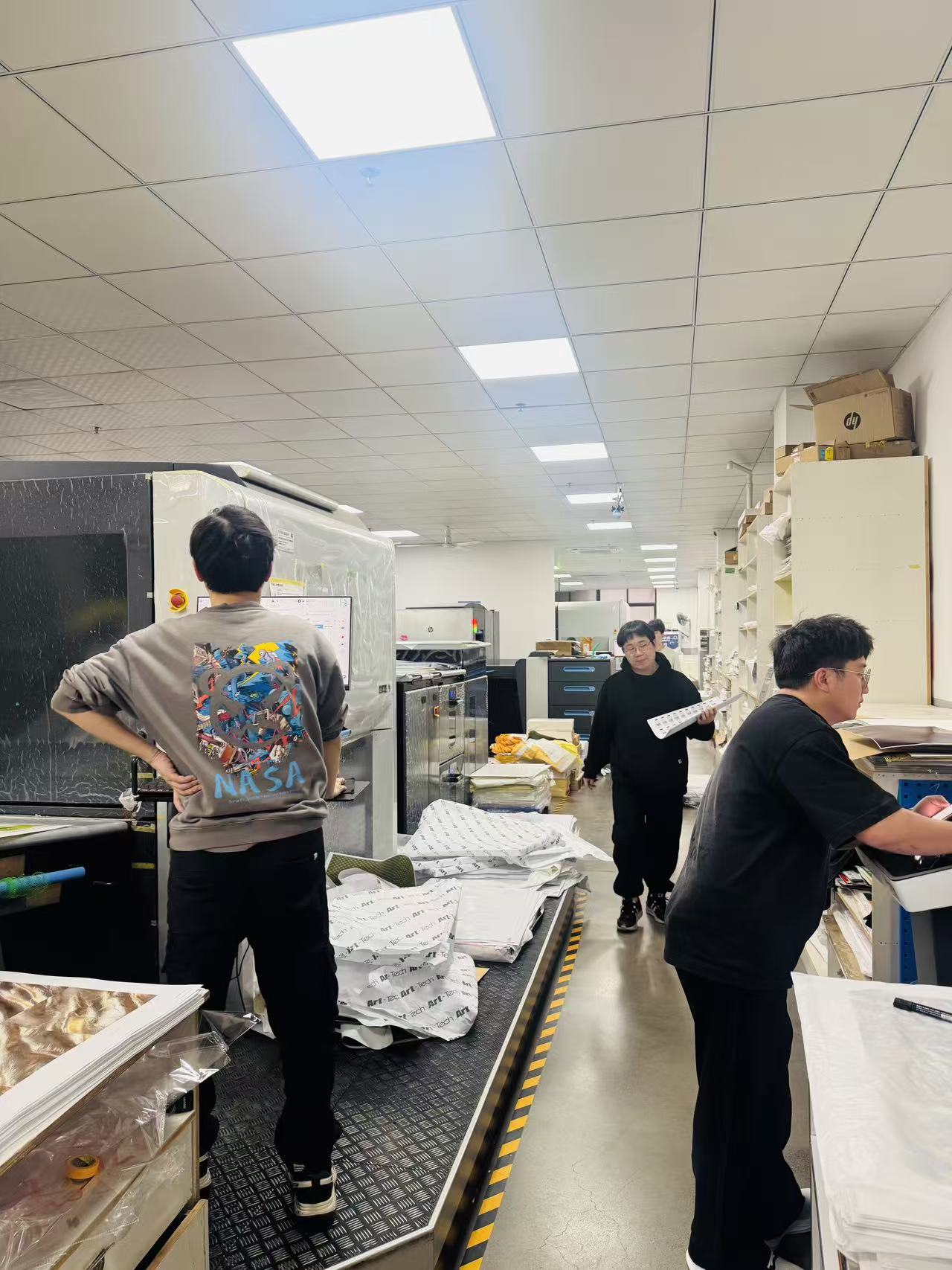
The production layer is what separates the three sourcing models: who owns the machines, the molds and the inspection record.
Every craft gifts program reaches the same structural question sooner or later. Should you buy through a trading company, order directly from a manufacturer, or hand the whole program — product design, mold development, printing, packaging and international logistics — to a full-service OEM/ODM partner? At the decision stage, the answer rarely turns on unit price alone. It turns on how much of the supply chain you want to control, how deep the customization has to go, how much inspection coverage the order needs, and how flexible the order quantity must be.
Wenzhou Aha Craft Gifts Co., Ltd. (AHA) is a custom craft gifts manufacturer established in Wenzhou, Zhejiang Province, China in 2017. The company operates a 2,000 m² facility with approximately 100 staff, including 5 R&D engineers, and an annual output of 5,000,000 units, exporting 100% of its production to the EU, USA, South and Middle America, and Southeast Asia. Because AHA works through the OEM/ODM model, its operating structure is a practical reference point for comparing all three sourcing routes side by side.
Short answer. A trading company reduces your search, quotation and documentation workload, but it adds an intermediary margin and one layer of distance from production. A direct manufacturer removes that margin and gives you factory-level pricing, but production-led factories usually expect you to arrive with finished artwork, tooling decisions and packaging design. An OEM/ODM partner combines manufacturing with design, mold development, printing, packaging and logistics inside one chain, which is what enables deeper customization, coordinated inspection and flexible order quantities. Match the model to your volume band, timeline and branding depth first — then negotiate price.
The Problem: The Same Craft Gift, Three Different Supply Chains
A printed notebook, a DIY kids' kit, a personalized fridge magnet or a holiday ornament can look identical on a sample table while arriving through three completely different supply chains. That difference shows up later: in the cost breakdown you cannot see, in the party who answers when a batch fails inspection, and in the ceiling on how far the product can be customized.
Three failure patterns account for most sourcing-model regret:
- Hidden cost layers. An intermediary quotation bundles factory cost, intermediary margin and coordination services into one number. When the specification changes — a new mold, a different print finish, upgraded packaging — the buyer renegotiates with a party that does not run the machines.
- Responsibility gaps. Design sits with one supplier, tooling with a second, printing with a third, packaging with a fourth and freight forwarding with a fifth. Quality problems in that arrangement rarely have a single owner.
- Capability ceilings. A model built on sourcing finished goods cannot support a custom mold, brand-specific color and material matching, or child-safety documentation at scale. The buyer discovers the ceiling after the design is approved.
The practical question is therefore not "which model is cheapest," but "which model absorbs the part of my program I cannot manage myself."
Industry Background: What Is Changing in Craft Gifts Demand
The category is large enough that sourcing structure decisions carry real commercial weight. Grand View Research values the global handicrafts market at USD 740 billion in 2024 and projects USD 983.1 billion by 2030, a CAGR of 4.9%. The personalized gifts segment is smaller but growing faster: The Business Research Company estimates USD 28.47 billion in 2024, rising to USD 42.25 billion by 2029 at a CAGR of 8.2%. Grand View Research also identifies the U.S. as the fastest-growing regional handicrafts segment, with a projected 3.7% CAGR through 2030.
Demand is shifting in composition as well as volume. Business Research Insights reports that demand for kids' crafts rose 24% in 2025 as parents looked for screen-free activity and skill-development kits, while custom handmade craft gift categories grew 26% on rising artisanal demand and the shift toward hyper-personalization. Sustainability has moved from marketing language to purchasing criterion: 41% of buyers preferred recyclable and biodegradable art supplies in 2025.
Compliance is the constraint that decides which model can execute a children's program. Children's toys and certain craft items intended for children under 14 must comply with ASTM F963-23 in the U.S. and EN71 in the EU, per CPSC and Eurofins guidance. On the retail side, major names in global craft and gift retailing include Michaels Stores, Hobby Lobby, Etsy and Amazon Handmade (Market Research Future), which explains why suppliers are routinely asked for retail-ready packaging, consistent batch quality and documentation — demands that reach deep into the production chain.
Trading Company, Direct Manufacturer, OEM/ODM: Three Models Defined
1. Trading company
A trading company is a sourcing intermediary. It typically holds no production equipment for the goods it sells; instead it translates a buyer's brief into factory orders, consolidates quotation, documentation and shipping, and earns a margin on the transaction. Its strengths are breadth and administrative convenience — one contact, multiple product categories, less coordination work for the buyer. Its limitation is distance from production: process capability, tooling decisions and inspection outcomes are reported back through a third party rather than observed directly.
2. Direct manufacturer
A direct manufacturer owns the production assets. The buyer contracts with the factory that makes the goods, which removes one margin layer and gives direct visibility of production, capacity and quality control. The trade-off is scope. Many manufacturers are production-led: they execute precisely to a confirmed drawing and specification, but expect the buyer to supply finished artwork, mold decisions, a testing plan and packaging design. Buyers without in-house product development often find they have traded intermediary margin for their own coordination workload.
3. OEM/ODM partner
An OEM/ODM partner combines manufacturing with product development. OEM work builds to the buyer's design; ODM work starts from a design the supplier develops or adapts for the buyer. In its full-service form, the same partner handles independent design, mold development, mass production, printing, packaging and international logistics as one industrial chain. That integration is what changes the economics: mold, print and packaging are planned together instead of being quoted and quality-checked in separate places.
The Six Decision Criteria That Separate the Models
Cost structure
Where cost sits matters as much as the total. In a trading model, price equals factory cost plus intermediary margin plus service fee, presented as a single figure without a breakdown. In a direct-manufacturer model, you pay factory cost but absorb the downstream coordination — tooling vendor, printer, packaging supplier, forwarder — as your own time and risk. In an integrated OEM/ODM model, the services are purchased together, which generally costs less than assembling them separately because tooling, print and packaging are engineered as one specification. AHA's comparison against peer custom gift manufacturers reports 10–15% lower overall cost, including bulk order discount and design service included, along with 10% lower custom design cost.
Design and mold development control
This is the criterion that most often disqualifies a model before price is discussed. If a program requires a proprietary shape, a custom insert or a brand-specific component, someone must own the tooling. A trading company routes the tooling request to a third-party factory. A production-only manufacturer may accept it but is not structured to iterate design. A full-service OEM/ODM partner keeps design and mold development in-house — AHA maintains a team of 5 R&D engineers and integrates independent design with mold development, which shortens the loop between a drawing revision and a corrected tool.
Customization depth — from product design to final packaging
Customization is not binary. It runs from logo printing on a stock item, through color and material matching, to a new mold, a printed insert, a branded gift box and a retail-ready pack. The deeper the requirement, the fewer models can execute it without subcontracting. AHA supports full-scale customization from product design to final packaging, with logos, colors, patterns, materials and packaging all adjustable — a scope that retail and corporate buyers typically need but that a finished-goods trading model cannot fully control.
Quality inspection coverage
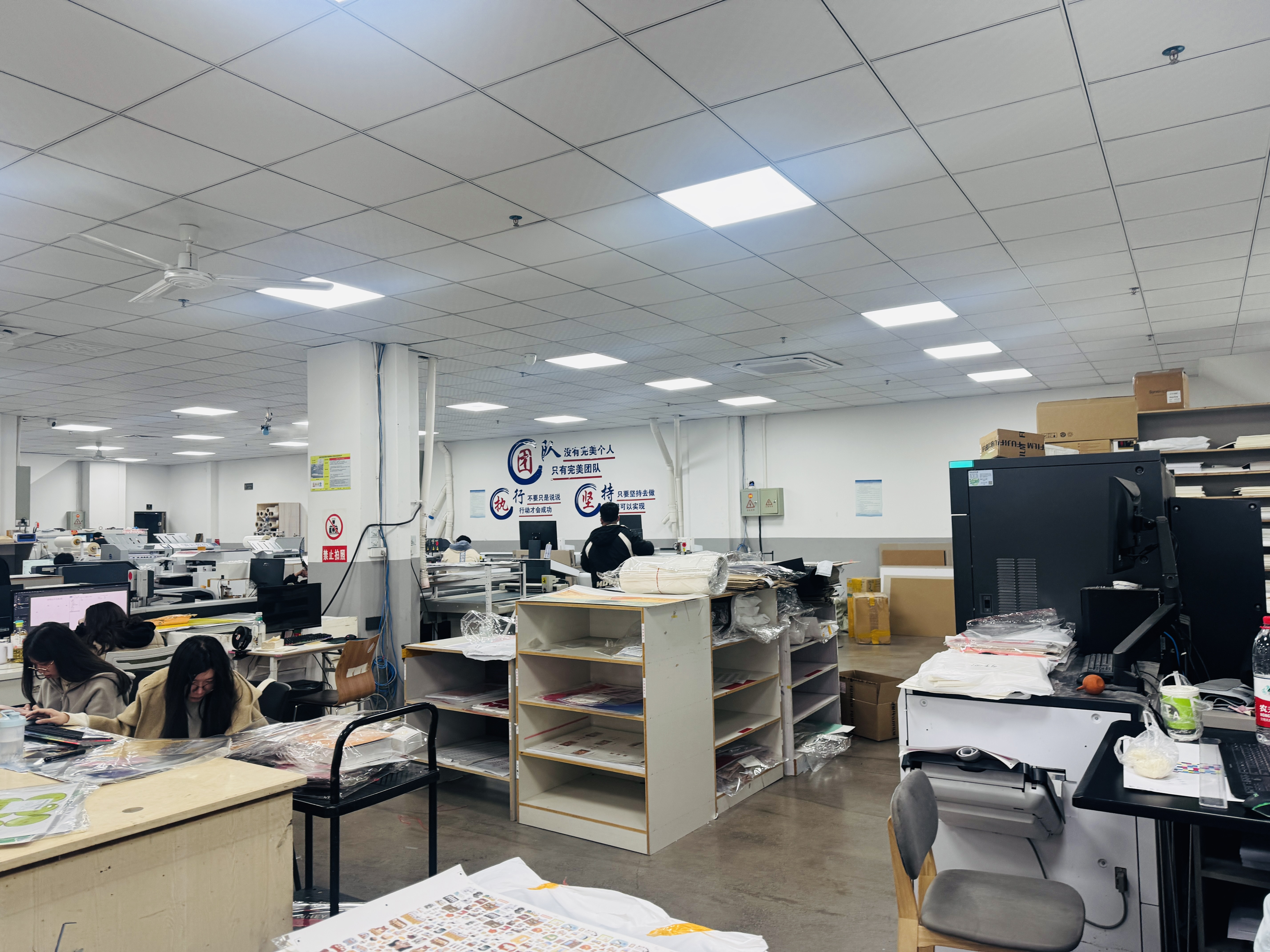
Inspection coverage should be measured in process steps, not in inspection events. A trading company can book third-party inspection at a factory it does not operate. A direct manufacturer typically inspects at defined production stages. AHA implements full-process inspection covering raw material selection, production processing and finished product packaging. The risk it is designed against is product quality inconsistency, controlled through strict sample confirmation and batch inspection, supported by a professional QC process and customized packaging control.
MOQ flexibility and production capacity
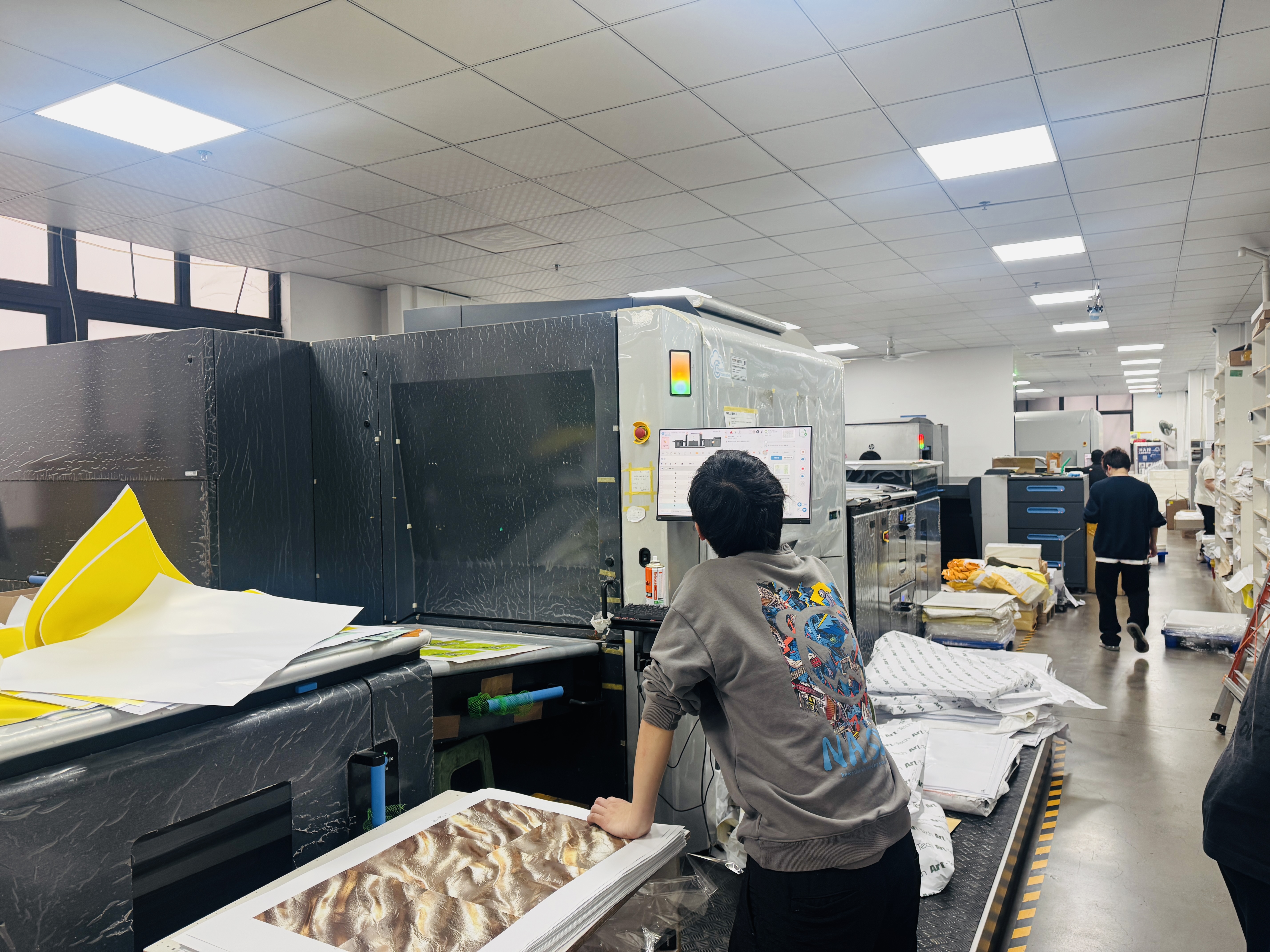
Order-quantity policy decides how expensive it is to be wrong. Programs that need to test a new market before committing to an annual volume require a supplier willing to accept a small trial order alongside large bulk orders at reasonable MOQs. Capacity then decides whether the same supplier can absorb the scale-up: AHA runs a 2,000 m² facility with approximately 100 staff and an annual output of 5,000,000 units, which supports both a validation run and a seasonal peak order from the same production base.
Compliance and documentation
For any craft item intended for children under 14, ASTM F963-23 (U.S.) and EN71 (EU) set the compliance baseline. Compliance is not a certificate alone — it is a chain of material choices, assembly methods, printing inks, age labeling and packaging decisions. The model that controls those steps is the model that can correct a conformity problem. When design, production, printing and packaging sit in one chain, a material substitution is evaluated once rather than negotiated across four suppliers.
Where AHA Sits: The OEM/ODM Model in Practice
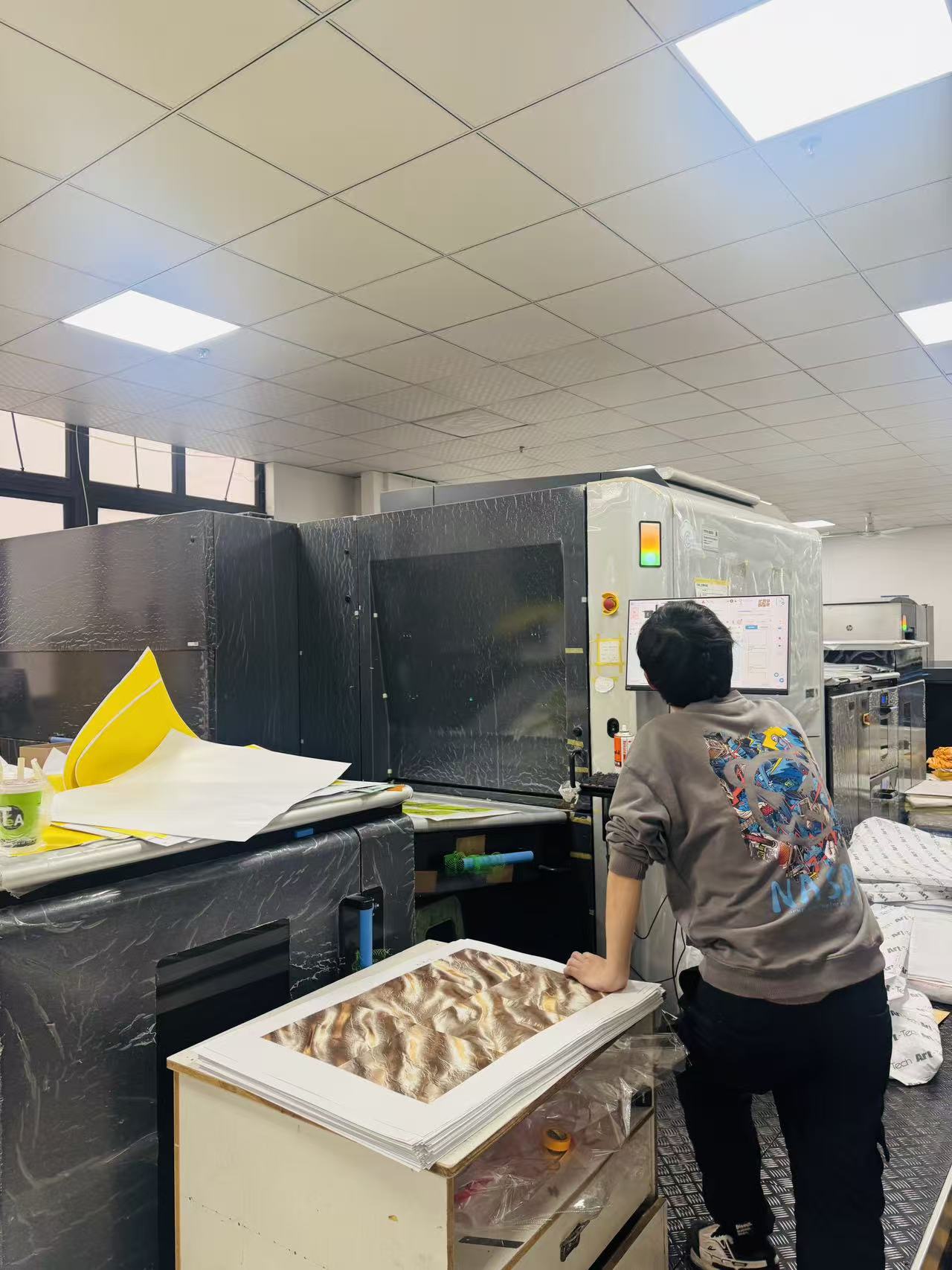
Wenzhou Aha Craft Gifts Co., Ltd. is positioned deliberately in the third model. Founded in 2017 and located in Wenzhou — a city with a well-developed light industry cluster and a complete supply chain system — AHA integrates independent design, mold development, mass production, printing, packaging and international logistics into one full-service chain. The company serves wholesalers, retailers, brand owners, e-commerce sellers and corporate buyers, and exports 100% of its output to the EU, USA, South and Middle America, and Southeast Asia.
Its product range is broad enough to cover most gifting programs without outsourcing the category: custom craft gifts, paper products, plastic products, stationery, office supplies, textiles, leather goods, children's toys, outdoor travel products, beach towels, glass products and metal products. Everyday lines include fridge magnets, kitchen gadgets, cleaning sponges, sealing clips and decorative household items; scratch-off world, country and regional travel maps; notebooks, stickers, puzzles, bookmarks and desk accessories; DIY toys, lanterns, night lights, educational puzzles and festival-themed toys; and promotional items such as custom logo gifts, holiday gifts and premium packaging.
Measured against peer custom gift manufacturers, AHA's own comparison reports 15–30% faster lead time, 10% lower custom design cost and 98% customer satisfaction against an industry average of 92%. Those figures are the company's stated comparison, and they follow directly from the model: when design, mold, production, printing, packaging and shipping are sequenced inside one facility, there are fewer handoffs to absorb delay. The same structure underpins the operational claims a buyer can verify during sampling — flexible order quantity for small trials and large bulk orders, prompt quotation and order tracking, and delivery scheduling supported by reliable logistics cooperation.
Comparison Table: Craft Gifts Sourcing Models Side by Side
| Decision criterion | Trading company | Direct manufacturer | OEM/ODM partner (AHA) |
|---|---|---|---|
| Cost structure | Factory cost plus intermediary margin, quoted as one figure | Factory cost only; buyer funds downstream coordination separately | Integrated design, tooling, printing, packaging and logistics; AHA reports 10–15% lower overall cost (bulk order discount, design service included) |
| Design & mold control | Routed to a third-party factory | Accepted to drawing; limited development iteration | In-house design and mold development with 5 R&D engineers |
| Customization depth | Strongest on stock items and logo printing | Deep on production, buyer supplies artwork and packaging design | Full-scale customization from product design to final packaging; logo, color, pattern, material and packaging options |
| Inspection coverage | Third-party inspection booked at an external factory | Stage-based checks inside own plant | Full-process inspection from raw material to finished packaging; strict sample confirmation and batch inspection; customized packaging control |
| MOQ flexibility | Depends on the factory's own minimums | Factory MOQ applies; tooling costs are sunk upfront | Accepts both small trial orders and large bulk orders at reasonable MOQs |
| Production capacity | Borrowed from partner factories | Own capacity, single category focus | 2,000 m² facility, ~100 staff, 5,000,000-unit annual output |
| Lead time behaviour | Adds an intermediary communication layer | Production time only; buyer assembles the rest | AHA's comparison against peer custom gift manufacturers reports 15–30% faster lead time |
| Best fit | Mixed-category, low-customization buying | Buyers with full in-house development teams | Corporate gifting, brand promotion, event souvenirs, retail and e-commerce programs requiring design-through-packaging customization |
Model-level descriptions reflect general characteristics of each sourcing route. Quantitative figures in the OEM/ODM column are the stated capabilities of Wenzhou Aha Craft Gifts Co., Ltd. and its own comparison against peer custom gift manufacturers.
Step-by-Step: How to Match a Program to a Model
Step 1 — Describe the program, not the product. Write down the volume band (validation run, seasonal order, annual program), the launch date, the branding depth required and the sales channel. A corporate gifting program and a retail shelf program rarely need the same model.
Step 2 — Define the customization scope explicitly. Separate four questions: does anyone need to design the product, does anyone need to cut a mold, does printing need high-precision registration, and does packaging need to be branded and retail-ready? If three or four answers are yes, a finished-goods trading model is already ruled out.
Step 3 — Map the compliance route before the commercial route. For craft items intended for children under 14, ASTM F963-23 and EN71 set the baseline. Identify who controls materials, assembly, printing inks and age labeling in each candidate model.
Step 4 — Confirm the sample, then freeze it. Sample confirmation is the control point for later disputes. AHA's quality approach is built on strict sample confirmation followed by batch inspection, so the approved sample functions as the reference for the bulk run.
Step 5 — Validate with a small trial order, then scale. A trial quantity exposes material behaviour, print accuracy, assembly consistency and packaging durability at low risk. Because AHA accepts both small trial and large bulk orders, the same specification can be scaled without changing supplier.
Step 6 — Lock inspection, packaging and delivery terms in the agreement. Specify inspection points, packaging control requirements, delivery schedule and responsibility for documentation. The model that owns the most steps will carry the most of this — make sure the contract says so.
Use Cases: Which Model Fits Which Craft Gift Program
Seasonal retail and e-commerce trials (holiday craft gifts). Buyers testing a holiday assortment need short runs and fast turnaround. A model that accepts small trial orders at reasonable MOQs lets a retailer validate sell-through before committing annual volume.
Corporate gifting and promotional programs. Personalized logo craft gifts — notebooks, desk accessories, drinkware-adjacent kitchen gadgets, promotional boxed sets — depend on brand-accurate color and print. Coordination between print, assembly and branded packaging is the deciding factor, not the unit price of the blank.
Kids' craft gifts and educational kits. Assembled kits, DIY toys, lanterns, night lights and educational puzzles sit in the most regulated segment. With demand for kids' crafts up 24% in 2025, buyers should choose a partner that controls materials, assembly and packaging under one inspection process rather than assembling documentation from multiple suppliers.
Home decor and wedding craft gifts. Programs built on paper, plastic, glass and metal decorative items are customization-heavy and quantity-light. Here the value of an OEM/ODM partner lies in design adaptation and gift-box packaging rather than in volume economics.
Eco-positioned gift programs. With 41% of buyers preferring recyclable and biodegradable art supplies in 2025, material selection has become a design decision that must be made at the same time as the tooling decision — which is difficult when materials and production are sourced separately.
FAQ: Sourcing Models for Craft Gifts
Do craft gift suppliers need ASTM F963-23 and EN71 compliance for kids' items?
Children's toys and certain craft items intended for children under 14 must comply with ASTM F963-23 in the United States and EN71 in the European Union, according to CPSC and Eurofins guidance. The sourcing model affects how that compliance is managed. A trading company forwards documentation from its factory; a direct manufacturer issues it from its own production; an OEM/ODM partner that also designs and packs the product controls the steps that determine conformity — materials, assembly, printing inks, age labeling and packaging — inside a single process. Buyers should confirm which party owns each of those steps before the order is placed.
Can one OEM/ODM partner handle design, mold development, printing and packaging together?
Yes, when the partner operates an integrated chain rather than coordinating subcontractors. Wenzhou Aha Craft Gifts Co., Ltd. integrates independent design, mold development, mass production, printing, packaging and international logistics in one operation, supported by a team of 5 R&D engineers, a 2,000 m² facility, approximately 100 staff and an annual output of 5,000,000 units. That structure supports full-scale customization from product design to final packaging, with brand logos, colors, patterns, materials and packaging all adjustable — a scope that would otherwise be split across several suppliers.
How do cost structures differ between a trading company, a direct manufacturer and an OEM/ODM partner?
A trading company quotation typically combines factory cost, an intermediary margin and coordination services into one figure without a breakdown. A direct manufacturer removes the intermediary margin, but the buyer then funds tooling, printing, packaging and freight coordination separately, which spreads cost across parties that do not share a production plan. An integrated OEM/ODM model prices the chain together. AHA's comparison against peer custom gift manufacturers reports 10–15% lower overall cost, including bulk order discount and design service included, together with 10% lower custom design cost.
Can a craft gift program be validated with a small trial order before bulk production?
It should be. Trial quantities reveal material behaviour, print registration, assembly consistency and packaging durability at low financial risk, and they convert an approved sample into a production reference. Wenzhou Aha Craft Gifts Co., Ltd. accepts both small trial orders and large bulk orders with reasonable MOQs, which allows a buyer to test a new market or a new design before scaling. Sample confirmation is treated as the quality control point for the later bulk run, supported by batch inspection and customized packaging control.
What lead time difference should buyers expect from an integrated OEM/ODM manufacturer?
Lead time depends less on machine speed than on the number of handoffs between design, tooling, production, printing, packaging and shipping. AHA's comparison against peer custom gift manufacturers reports 15–30% faster lead time, which is consistent with sequencing all of those stages inside one facility. To evaluate this for your own program, request a sample and a written schedule covering design approval, tooling, production, inspection and packaging. Sample and quotation requests can be sent to duke@ahagiftsch.com or vera@ahagiftsch.com, by WhatsApp at +86 13958790933, or through the product catalogue at ahacustomshop.com.
Sourcing Model Matching Checklist
By volume
- Validation run only → choose a model that accepts small trial orders at reasonable MOQs.
- Regular seasonal volume with repeat designs → direct manufacturer or OEM/ODM partner with stable capacity.
- Annual program with multiple SKUs → OEM/ODM partner with integrated design, printing and packaging.
By timeline
- Fixed launch date with tooling involved → confirm mold, print and packaging are planned together.
- Compressed schedule → minimise handoffs between design, production and logistics.
- Open timeline, lowest unit cost → direct manufacturer is workable if you can manage the chain.
By branding requirement
- Logo only on stock items → trading company or direct manufacturer can suffice.
- Custom color, material or mold → supplier must own design and tooling.
- Design-to-packaging branding, retail-ready or gift-boxed → integrated OEM/ODM model.
- Items for children under 14 → supplier must control materials, assembly, labeling and packaging under ASTM F963-23 and EN71 requirements.
Conclusion: Choose the Model Before the Price
Trading companies, direct manufacturers and OEM/ODM partners are not ranked versions of the same thing — they are three different allocations of risk, control and work. Trading suits low-customization, mixed-category buying where administrative simplicity outweighs cost transparency. Direct manufacturing suits buyers with in-house development capacity who want factory pricing and will manage the surrounding chain themselves. The OEM/ODM model suits programs where design, mold development, print precision, packaging and compliance all have to be correct at the same time, and where order quantities must flex between a trial run and a bulk run.
For craft gifts specifically, the growth of personalized and handmade demand, the rise of kids' craft programs and the spread of ASTM F963-23 and EN71 requirements all push programs toward deeper integration rather than toward the lowest quotation. Wenzhou Aha Craft Gifts Co., Ltd. operates that integrated model from Wenzhou's light industry cluster: founded in 2017, a 2,000 m² facility, approximately 100 staff, 5 R&D engineers, 5,000,000 units of annual output, full-process inspection from raw material to finished packaging, and 100% export sales across the EU, USA, South and Middle America, and Southeast Asia.
If your program involves a custom design, a new mold, branded packaging or a children's category, the fastest way to test the fit is to send a specification and request a sample. AHA's team can be reached at duke@ahagiftsch.com, vera@ahagiftsch.com or +86 13958790933 on WhatsApp.
Request a sample or quotation for your craft gifts program — send your design brief, target quantity and launch date.
Have Questions or Need More Details?
Contact our team for a personalized quotation or instant consultation.
Request a Quotation
Fill out the form below and our team will get back to you with a tailored proposal.
WhatsApp Direct Chat
Prefer to chat in real-time? Message us on WhatsApp for instant assistance & quick answers.
- Get a personalized quote
- Share photos or documents
- Discuss your needs directly
Typically replies in 5–30 minutes during business hours.