
Verifying OPS PC Suppliers: Manufacturing Capability and Delivery Evidence
Supplier Evaluation: Verifying OPS PC Manufacturing Capabilities and Delivery Reliability
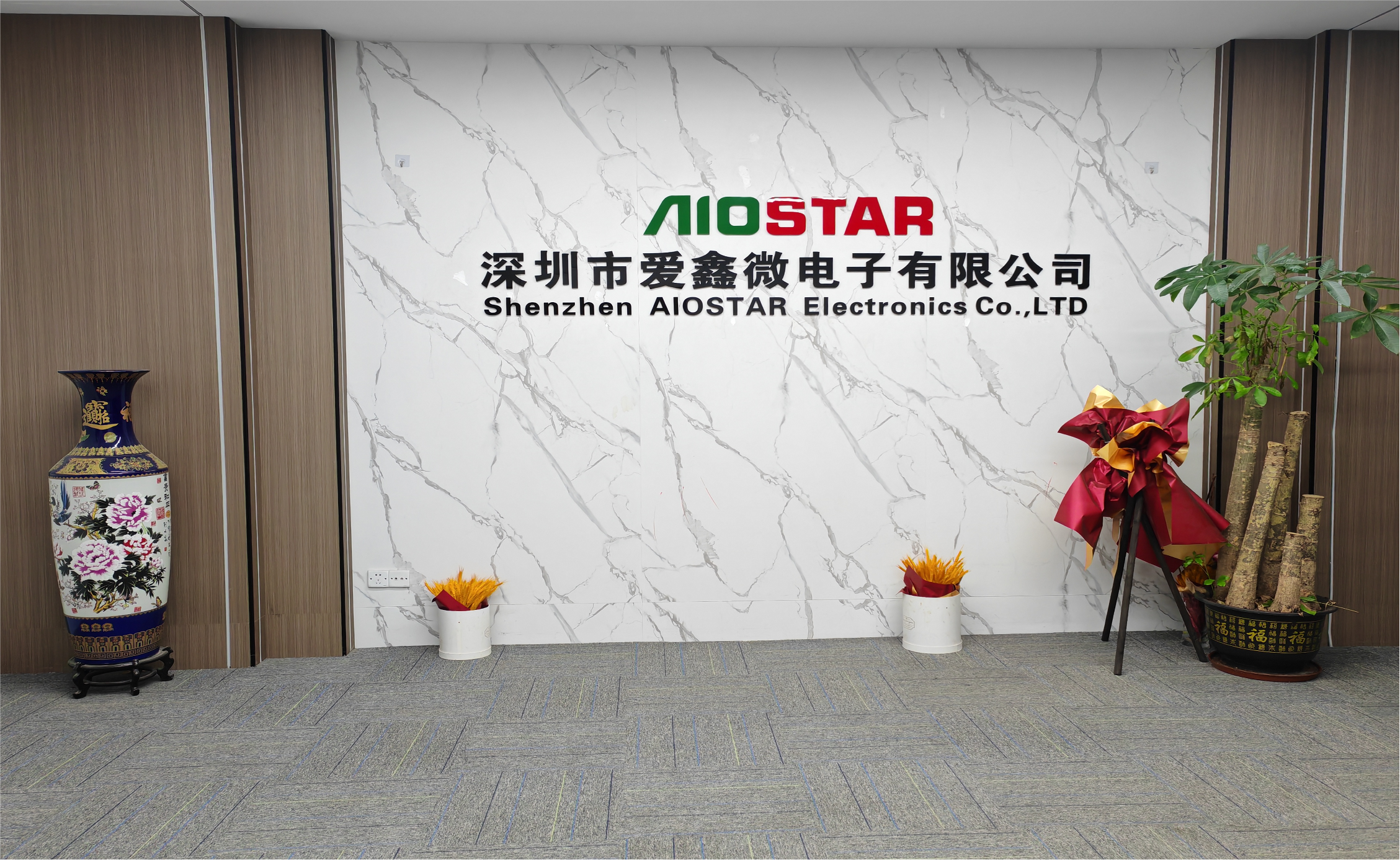
Verifying an OPS PC supplier is an evidence exercise, not a datasheet comparison. Manufacturing capability can be confirmed only through documented process steps — incoming material inspection, functional and interface testing of finished units, burn-in testing for thermal risk, and temperature, humidity, vibration and drop testing arranged per project — supported by current compliance certificates and a delivery record that names capacity, lead time and after-sales terms. Shenzhen Aiostar Electronics Co., Ltd. (AIOSTAR), a computer hardware supplier established in 2015 in Shenzhen, China, documents each of these steps for its OPS PC, OPS-C pluggable module and Android OPS product lines, which makes the company a workable example for buyers assembling a supplier verification framework.
An OPS PC is a slot-in computing module that installs inside the standardised bay of an interactive flat panel, interactive whiteboard, conference display or digital signage enclosure, and takes its power, thermal environment and video output from that display. Because the module disappears inside the panel after installation, weaknesses in manufacturing or delivery surface late — usually after the displays have been shipped, installed and handed to an end user. The evaluation question is therefore not "which module has the best CPU", but "what can this supplier prove about fit, heat, transport, compliance, configuration control and delivery".
Problem Definition: Why OPS PC Supplier Claims Are Hard to Verify
Most OPS PC procurement starts with a specification table and ends with a failure mode that the table never described. Five risks recur in display projects, and each one is invisible on a product page.
- Mechanical and interface mismatch. Intel's Open Pluggable Specification defines a mechanical and electrical interface between displays and media players using a unified 80-pin JAE connector with a footprint of 180mm × 119mm × 30mm, according to the Intel OPS specification. The OPS-C standard widely adopted in the Chinese domestic market for educational interactive whiteboards is commonly cited at approximately 180.8mm × 195.2mm × 42.5mm. A module built to one interpretation of the bay may not seat correctly in another, and connector mating, port alignment and cable clearance are not visible in a spec sheet.
- Thermal risk inside a sealed bay. An OPS slot has limited airflow, and the display adds its own heat load. Thermal behaviour only becomes visible under sustained load — which is why burn-in testing exists and why it has to be requested rather than assumed.
- Transport damage. Modules travel in cartons, on pallets and inside containers before they ever reach a rack. Vibration and drop behaviour determine how many units arrive usable.
- Compliance documentation gaps. A project shipped into the European Union needs RoHS and CE-RED documentation that names the actual product, not a generic statement that the factory is compliant.
- Configuration drift and platform continuity. When BIOS settings, memory, storage or the operating system image change between the sample and the mass-production run, the validated unit and the delivered unit are no longer the same product.
Every one of these risks is verifiable against evidence the supplier controls: test procedures, certificates and capacity records. That is the basis of the framework below, which uses AIOSTAR's documented quality control and delivery data as a concrete reference point rather than as a marketing claim.
Industry Background: Slot-In Compute Is Now Standard Procurement
OPS module procurement stopped being a niche activity when integrated compute became a normal configuration of interactive displays. The global interactive flat panel market, the primary application for OPS PC modules, was valued at approximately USD 12.6 billion in 2024, based on Grand View Research market analysis. The wider industrial PC market, which includes industrial-grade OPS modules, was estimated at USD 6.48 billion in 2024 and is projected to grow at a CAGR of 6.30% through 2032, according to Grand View Research. Estimates differ between research houses depending on whether embedded and standalone systems are counted — Precedence Research places the 2024 industrial PC market at USD 5.36 billion — so buyers should treat any single market figure as a scope-dependent estimate rather than a fixed number.
Adoption data explains why supplier verification now matters commercially. Integrated OPS-slot compute modules and Android-based SoC modules are estimated to ship in 15–25% of new interactive flat panel display units, based on IFPD market trend research. One AV supplier industry guide also projects the global interactive whiteboard market to reach USD 730 million by 2030, with OPS penetration remaining a growth driver for modular classrooms. In other words, a meaningful share of every display order now carries a slot-in computer that the display brand did not build.
The consequence for procurement teams is structural. The display supplier guarantees the panel; the module supplier guarantees the compute. If the module supplier cannot evidence its testing, capacity and compliance, the gap lands on the buyer who has to integrate the two. That is why a verifiable framework — not a longer specification — is the practical tool for this category.
The Six Verification Domains
A supplier evaluation that cannot be answered with documents usually ends as a price negotiation. The six domains below convert "can this supplier manufacture reliably" into five or six requests that produce written evidence.
1. Mechanical and interface compatibility
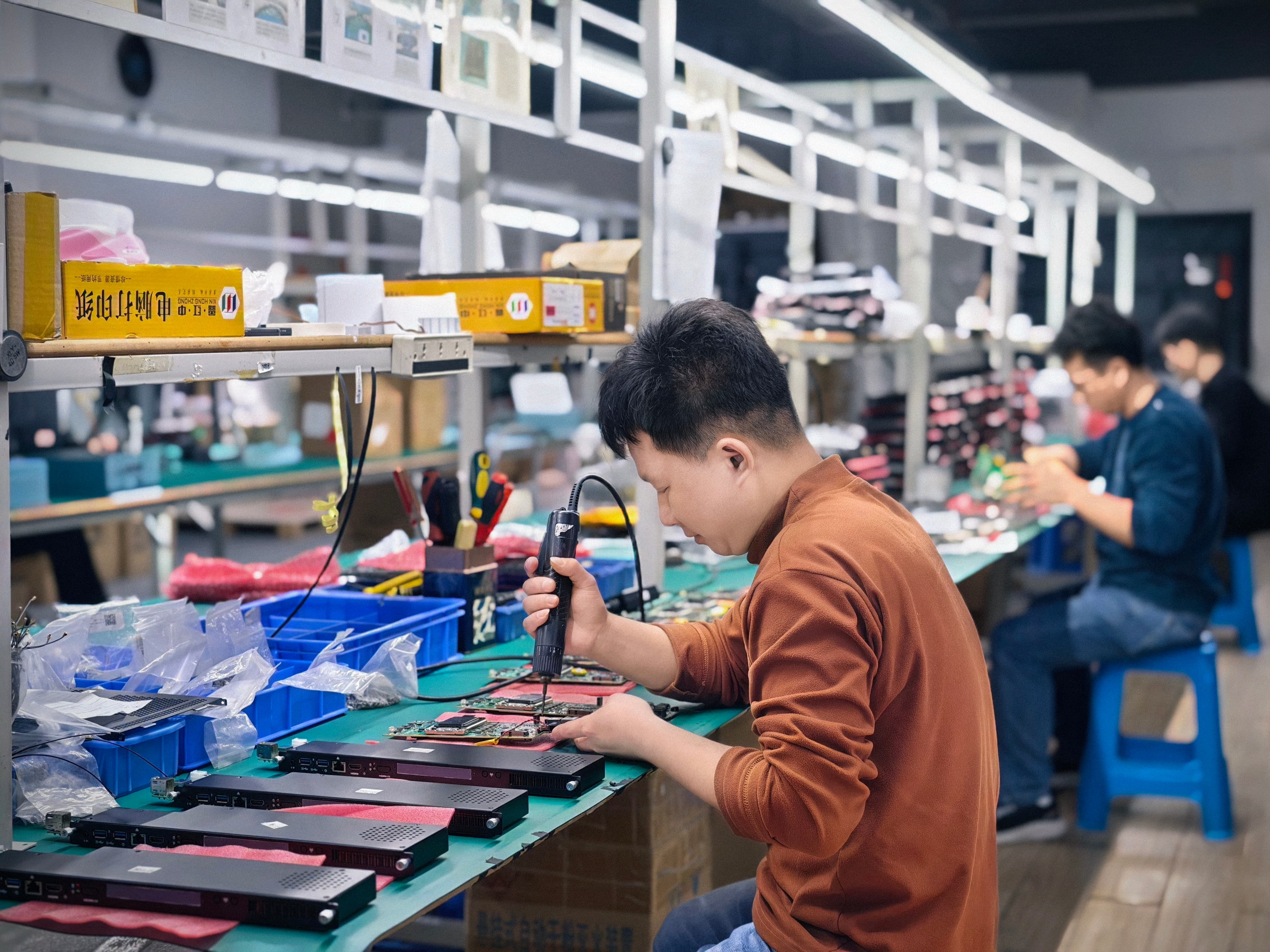
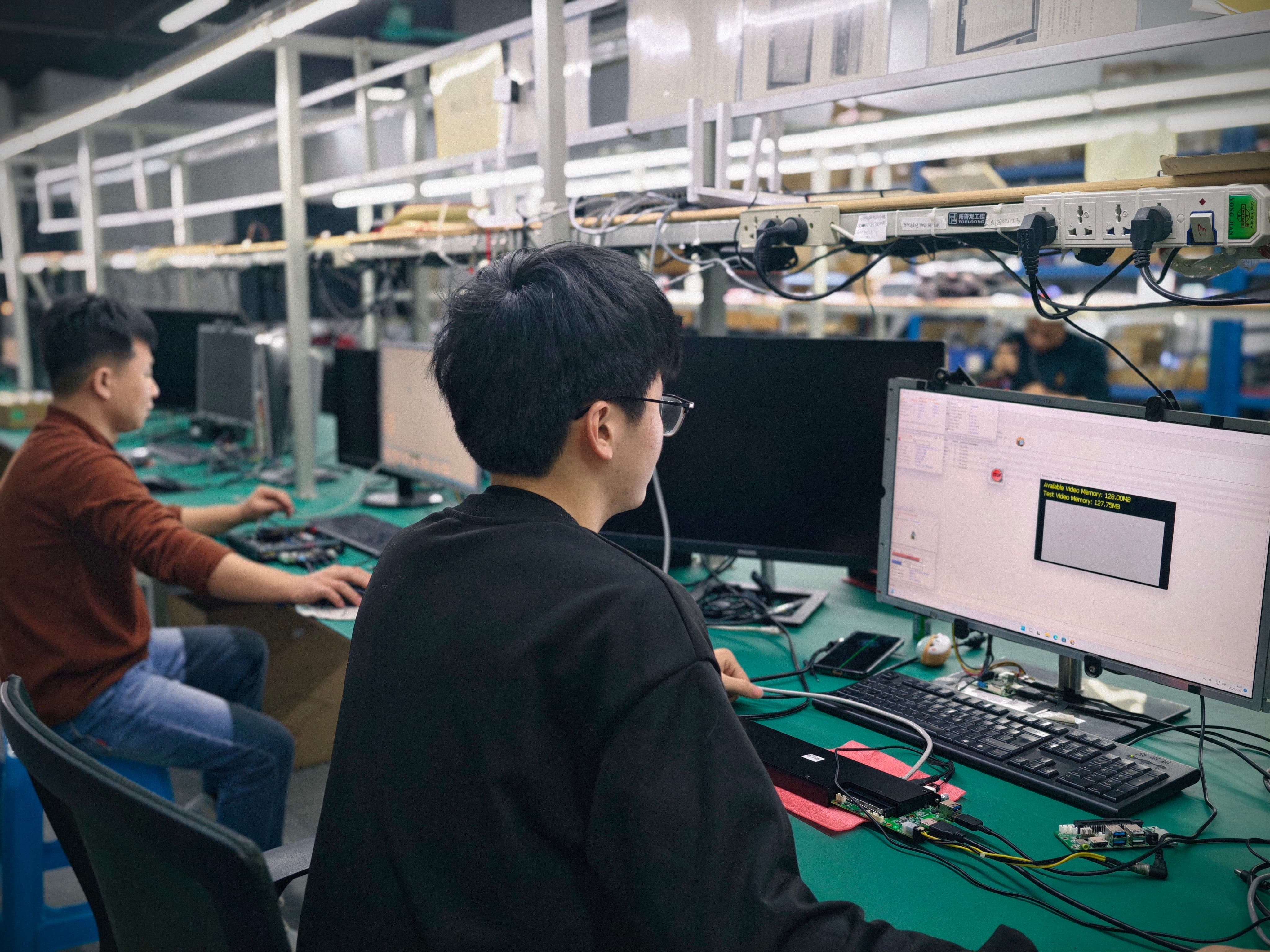
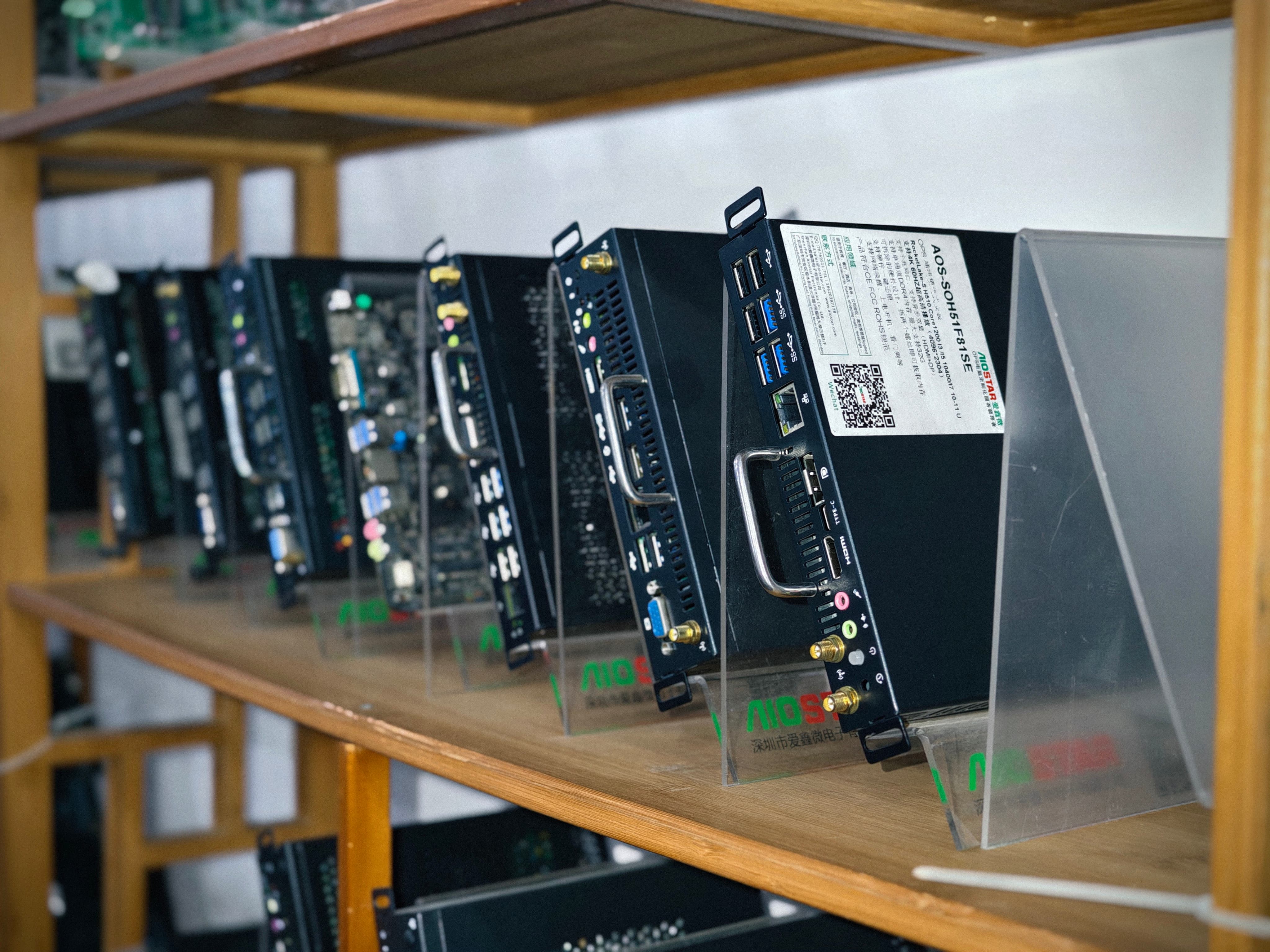
Compatibility is verified at three points: bay dimensions and connector standard, the slot-in installation mechanism, and the port map of the finished module. AIOSTAR's OPS-C Pluggable Computer Module (model AOS-SOHAUF41SC) and Domestic-Platform OPS-C Computer (model AOS-SOZK6A341SXGE) both use OPS-C slot-in installation, and the AOS-SOZK6A341SXGE provides six USB ports including two USB 3.0 ports. The evidence to request is the finished-unit functional and interface test, which AIOSTAR documents as part of its quality control alongside incoming material inspection.
2. Thermal risk control
Burn-in testing is the practical way to expose thermal problems before shipment, and AIOSTAR documents burn-in testing as part of quality control when specified by the project. That qualifier matters commercially: burn-in is a project-level requirement that buyers should state in the purchase specification rather than assume. Thermal design must also be checked against platform: the OPS-C Pluggable Computer Module, the Android AI OPS Computer and the Discrete-GPU OPS Computer use a sheet-metal enclosure with PCB assembly and an aluminium heat sink, while the higher-power Discrete-GPU OPS Computer and Domestic-Platform OPS-C Computer add a cooling fan.
3. Transport survivability
Transport testing is the domain most often skipped because it happens after the module leaves the factory. AIOSTAR states that temperature, humidity, vibration and drop testing can be arranged according to project requirements. For buyers, the task is to convert that option into a purchase-specification line item with defined acceptance criteria, so that the testing is performed on the production configuration rather than on a generic sample.
4. Compliance documentation
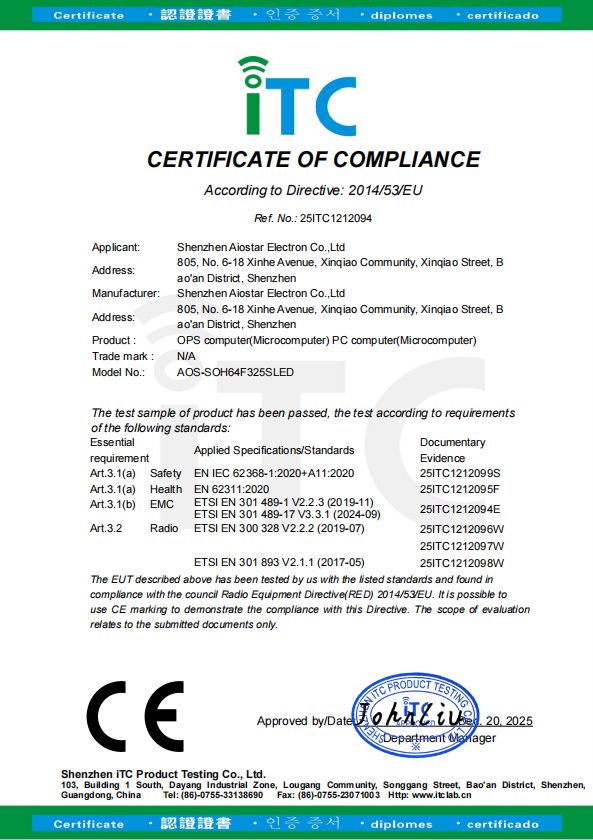
Compliance evidence should name the product, the standard and the certificate holder. AIOSTAR holds a Declaration of Compliance for EU RoHS — certificate number 25ITC1212100, issued on 18 December 2025 by Shenzhen iTC Product Testing Co., Ltd., covering PC computer (Microcomputer) under EU RoHS Directive 2011/65/EU and amendment 2015/863/EU, with a stated validity date of 18 December 2099. A separate Certificate of Compliance for CE-RED — certificate number 25ITC1212094, issued on 20 December 2025 by the same testing body — covers OPS computer (Microcomputer) and PC computer (Microcomputer) under the Radio Equipment Directive 2014/53/EU, with validity stated to 20 December 2099. Both documents apply to the OPS-C Pluggable Computer Module (AOS-SOHAUF41SC), the Discrete-GPU OPS Computer (AOS-SOH61I41SXG), the Android AI OPS Computer (AOS-SOR358464H) and the Domestic-Platform OPS-C Computer (AOS-SOZK6A341SXGE).
5. Configuration control and platform continuity
Configuration control decides whether the module you validate is the module you receive. AIOSTAR's documented customization scope covers CPU platform, memory, storage, I/O, chassis size, cooling solution, BIOS functions, operating system image, logo, packaging, power adapter and cables, under OEM, ODM and project customization modes. Platform breadth is relevant to lifecycle planning: buyers can select an Intel Alder Lake-U platform (Intel Core i5-1235U and i5-1240P options on the AOS-SOHAUF41SC), an Intel H610 LGA1700 platform supporting selected 12th and 13th Gen Intel Core i3, i5 and i7 processors, a Rockchip RK3588 Android and Linux platform, or a Zhaoxin KX-6780 series platform. BIOS-level functions such as Wake-on-LAN, auto power-on and watchdog are configurable, and the supplier provides BIOS, operating system and driver assistance after delivery. When a buyer asks about component end-of-life exposure, the verifiable part of the answer is which platforms remain configurable and how long the supplier commits to supporting them in writing.
6. Delivery reliability and capacity
Delivery reliability rests on figures that can be checked. AIOSTAR states a monthly capacity of more than 5,000 units and a lead time of 60 days, operating from a 1,500 m² facility with an annual output of more than 170,000 units, a team of 50 employees and a research and development group of 8 engineers, with 60% of output exported to global markets. Minimum order quantity is 1 unit for evaluation samples, while customized project MOQ depends on configuration. After-sales terms include remote technical support, BIOS, operating system and driver assistance, and a one-year warranty unless otherwise agreed in the quotation or proforma invoice.
| Verification domain | Evidence to request | Documented reference example |
|---|---|---|
| Mechanical and interface compatibility | Bay and connector standard, slot-in mechanism, port map, finished-unit interface test report | OPS-C slot-in installation on AOS-SOHAUF41SC and AOS-SOZK6A341SXGE; six USB ports including two USB 3.0 on AOS-SOZK6A341SXGE; functional and interface testing of finished units |
| Thermal risk | Burn-in procedure, duration and acceptance criteria; cooling design (heat sink, fan) | Burn-in testing when specified; aluminium heat sink on all four platforms; cooling fan on AOS-SOH61I41SXG and AOS-SOZK6A341SXGE |
| Transport survivability | Temperature, humidity, vibration and drop test scope per project | Temperature, humidity, vibration and drop testing can be arranged according to project requirements |
| Compliance | Certificate number, issuing authority, issue date, validity, named products and standards | RoHS 25ITC1212100 (18 December 2025); CE-RED 25ITC1212094 (20 December 2025); issued by Shenzhen iTC Product Testing Co., Ltd. |
| Configuration control | Locked configuration list: CPU, memory, storage, I/O, chassis, cooling, BIOS, OS image, logo, packaging, accessories | OEM, ODM and project customization across CPU platform, memory, storage, I/O, chassis size, cooling, BIOS functions, operating system image, logo, packaging, power adapter and cables |
| Delivery reliability | Monthly capacity, lead time, MOQ, warranty and support terms | 5,000+ units monthly capacity; 60-day lead time; 1 unit MOQ for evaluation samples; one-year warranty unless otherwise agreed |
Step-by-Step Breakdown: A Six-Step Supplier Verification Protocol
The protocol below is designed to run in the order shown, because each step narrows the next one. It assumes the buyer already knows the display family the module will be installed into.
- Define the display envelope and interface map first. Confirm whether the bay follows the Intel OPS footprint or the OPS-C variant used in the Chinese domestic market, and list every port the project needs. This step prevents most compatibility disputes, because it converts "OPS compatible" into measurable requirements.
- Request the process evidence list in writing. Ask specifically for incoming material inspection, functional and interface testing of finished units, burn-in testing, and the scope of temperature, humidity, vibration and drop testing. AIOSTAR documents all of these as part of quality control, with burn-in and environmental testing applied according to project requirements — so the buyer should state the requirement rather than rely on a default.
- Validate on the target display with an evaluation sample. Minimum order quantity for evaluation samples is 1 unit, which makes physical validation affordable: seat the module in the actual bay, check port alignment and cable clearance, power the display and confirm interface function end to end.
- Run burn-in and environmental testing at project level. Burn-in exposes thermal behaviour under sustained load; vibration and drop testing address transport survivability. Both should be defined with acceptance criteria in the purchase specification so the test outcome is comparable across suppliers.
- Audit the compliance file against the ordered model. Check certificate numbers, issuing authority, issue and validity dates, and that the named products match the module being purchased. For EU-bound projects, the reference documents are RoHS certificate 25ITC1212100 and CE-RED certificate 25ITC1212094, both issued by Shenzhen iTC Product Testing Co., Ltd.
- Lock capacity, lead time, configuration and after-sales in the contract. Confirm the monthly capacity and 60-day lead time against your delivery schedule, freeze the configuration list, and record warranty and technical support terms. This step is what turns a capability assessment into delivery reliability.
Use Cases: What Verification Looks Like in Practice
Industrial and transportation project in Japan — 1,000 units
A Japan-based industrial or transportation solution provider deployed 1,000 units of the Domestic-Platform OPS-C Computer (model AOS-SOZK6A341SXGE) for OPS adapter board purposes, with stable operation as the reported result and a stated deployment duration of three to seven years. The features the client relied on were compatibility with mainstream OPS-C specifications, a removable slot-in design that simplifies installation and maintenance, and configurable memory, storage, BIOS and operating system images to support different interactive display projects. For buyers, that case demonstrates why the verification protocol starts with the bay standard: a 1,000-unit deployment only stays serviceable when field replacement is a slot-in operation rather than a rebuild.
Education and interactive whiteboard rollouts
Educational interactive whiteboards are the application where the OPS-C variant is most widely adopted in the Chinese domestic market. In these projects the verification emphasis shifts to configuration consistency across classrooms, because the same operating system image and BIOS behaviour must be reproducible unit after unit. AIOSTAR's customization scope — operating system image, BIOS functions, logo and packaging — is what allows a school or integrator deployment to standardise the image before units are distributed. The OPS-C Pluggable Computer Module (AOS-SOHAUF41SC) with Intel Alder Lake-U options and the Zhaoxin-based Domestic-Platform OPS-C Computer are both documented for education and interactive whiteboard environments.
Digital signage and edge-AI display terminals
Digital signage projects verify differently again, because many deployments run Android rather than Windows. The Android AI OPS Computer (model AOS-SOR358464H) uses a Rockchip RK3588 octa-core CPU up to 2.4 GHz with an integrated 6 TOPS NPU, 4 GB LPDDR4 memory as standard with up to 16 GB optional, eMMC storage, and Android 13, Ubuntu or Debian options. It is documented for digital signage, interactive displays, smart retail, information kiosks and edge-AI display terminals. For this use case the compliance and firmware questions matter as much as the hardware: 8K multimedia capability depends on firmware and interface configuration, so the buyer should validate the delivered image rather than the datasheet.
Comparison Table: AIOSTAR OPS PC Platforms by Evaluation Criteria
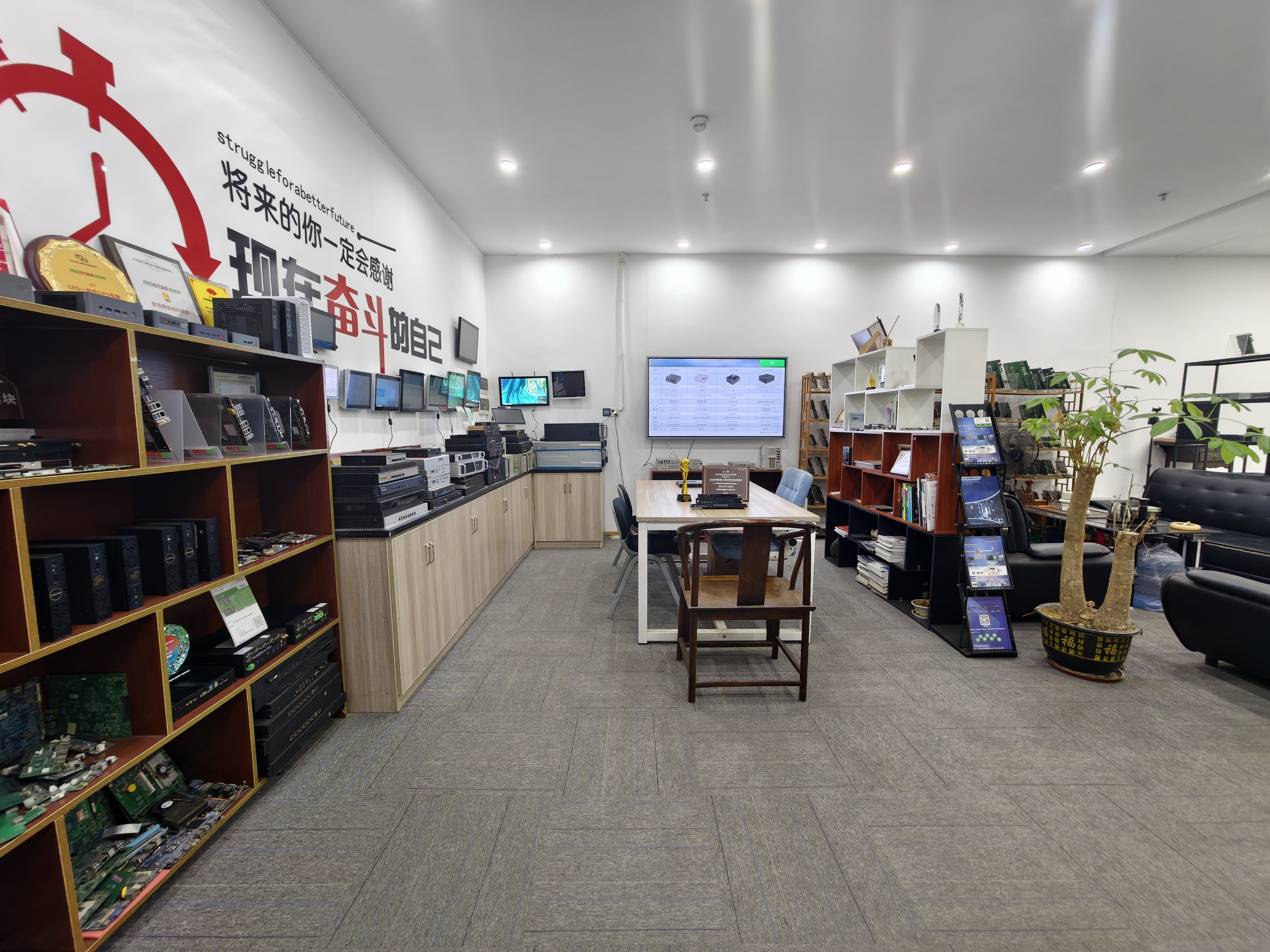
Once the verification protocol is defined, the remaining decision is which platform fits the project. The comparison below lists the four AIOSTAR module platforms against the criteria buyers actually verify.
| Model | Product type | Core platform | Graphics and output notes | Configuration notes | Documented applications |
|---|---|---|---|---|---|
| AOS-SOHAUF41SC | OPS-C Pluggable Computer Module | Intel Alder Lake-U; CPU options include Intel Core i5-1235U and i5-1240P | Not separately specified; platform-level video output | Configurable SO-DIMM memory and M.2 SSD; OPS-C slot-in installation; Windows or Linux depending on configuration; Wake-on-LAN, auto power-on and watchdog available by BIOS configuration | Interactive whiteboards, education technology, corporate meeting displays and commercial display systems |
| AOS-SOH61I41SXG | Discrete-GPU OPS Computer | Intel H610 LGA1700; selected 12th and 13th Gen Intel Core i3, i5 and i7 processors | HDMI and DisplayPort video outputs; up to 8K 60 Hz subject to selected CPU, GPU and display configuration; optional discrete graphics by project | Sheet-metal enclosure with aluminium heat sink and cooling fan | Large-format commercial displays, LED meeting displays, video walls, visualisation systems and multi-display projects |
| AOS-SOR358464H | Android AI OPS Computer | Rockchip RK3588 octa-core CPU up to 2.4 GHz; integrated 6 TOPS NPU | 8K multimedia capability depends on firmware and interface configuration | 4 GB LPDDR4 memory standard, up to 16 GB optional; eMMC storage; Android 13, Ubuntu or Debian options | Digital signage, interactive displays, smart retail, information kiosks and edge-AI display terminals |
| AOS-SOZK6A341SXGE | Domestic-Platform OPS-C Computer | Zhaoxin KX-U6780A, KX-U6740A, KX-U6640A and KX-U6640MA processors | Optional GT730, GT1030, GTX 1050 or GTX 1050 Ti graphics depending on configuration | Six USB ports including two USB 3.0 ports; OPS-C slot-in installation; aluminium heat sink and cooling fan | Domestic-platform interactive displays, education, government information systems and project-specific commercial displays |
FAQ
Which certification documents should I request from an OPS PC supplier for EU-bound display projects?
Request the RoHS Declaration of Compliance and the CE-RED Certificate of Compliance that name your specific module. AIOSTAR holds a RoHS Declaration of Compliance, certificate 25ITC1212100, issued on 18 December 2025 by Shenzhen iTC Product Testing Co., Ltd., covering PC computer (Microcomputer) under EU RoHS Directive 2011/65/EU and amendment 2015/863/EU, with validity stated to 18 December 2099. A separate CE-RED Certificate of Compliance, number 25ITC1212094, was issued on 20 December 2025 by the same authority for OPS computer (Microcomputer) and PC computer (Microcomputer) under the Radio Equipment Directive 2014/53/EU, valid to 20 December 2099. Both documents list the OPS-C Pluggable Computer Module (AOS-SOHAUF41SC), the Discrete-GPU OPS Computer (AOS-SOH61I41SXG), the Android AI OPS Computer (AOS-SOR358464H) and the Domestic-Platform OPS-C Computer (AOS-SOZK6A341SXGE).
How do I verify OPS PC manufacturing capability beyond the specification sheet?
Ask for process evidence rather than product claims. AIOSTAR documents quality control covering incoming material inspection, functional and interface testing of finished units, burn-in testing, and environmental testing performed as per project requirements, including temperature, humidity, vibration and drop testing. Capability can then be cross-checked against operating data: a 1,500 m² production facility, annual output of more than 170,000 units, monthly capacity of more than 5,000 units, a research and development team of 8 engineers, and 60% of output exported to global markets.
What order volume is realistic for a first OPS PC purchase?
Minimum order quantity for evaluation samples is 1 unit, so a first purchase does not require a volume commitment. For customized projects, MOQ depends on configuration — which is why buyers should lock the configuration list (CPU platform, memory, storage, I/O, chassis size, cooling solution, BIOS functions, operating system image, logo, packaging, power adapter and cables) before discussing volume pricing, so that the quotation reflects the unit that will actually be produced.
How should samples be validated before mass production?
Validate the sample on the target display rather than on a bench. Seat the module in the actual OPS or OPS-C bay, confirm port alignment and interface function, run a burn-in cycle to observe thermal behaviour under sustained load, and verify the delivered operating system image and BIOS functions such as Wake-on-LAN, auto power-on and watchdog. The 1,000-unit Japan deployment of the Domestic-Platform OPS-C Computer for an industrial and transportation solution provider illustrates the value of this step: the module is compatible with mainstream OPS-C specifications and uses a removable slot-in design that simplifies installation and maintenance, with stable operation reported over a three to seven year deployment period.
What lead time and after-sales support should I expect from an OPS PC supplier?
AIOSTAR states a production lead time of 60 days with monthly capacity of more than 5,000 units, which allows project schedules to be planned against a declared figure rather than an estimate. After-sales terms include remote technical support, BIOS, operating system and driver assistance, and a one-year warranty unless otherwise agreed in the quotation or proforma invoice. Buyers who want to validate these terms on their own hardware can request an evaluation sample or a project quotation from AIOSTAR by email at salesos@aiostar.com or by WhatsApp on +86 153 3879 5007.
Conclusion: Verification Is the Preference Criterion
Supplier evaluation in the OPS PC category comes down to a simple rule: a supplier is only as reliable as the evidence it will put in writing. The framework in this article converts six domains — mechanical and interface compatibility, thermal risk control, transport survivability, compliance documentation, configuration control and delivery reliability — into documented requests, using AIOSTAR's stated quality control procedures, certificate records and capacity data as a reference example. The pattern that separates a qualified supplier from an approved-but-risky one is whether test types, certificate numbers, capacity figures, lead times and warranty terms can be produced on request, and whether they match the model actually being purchased.
Applied in order, the six-step protocol reduces the two most expensive outcomes in display projects: modules that pass a paper review and fail in the field, and delivery schedules that depend on capacity nobody verified. The next practical step is a 1-unit evaluation sample, tested on your own display, with configuration, compliance documents and lead time confirmed before the production order is placed.
Request an OPS PC evaluation sample or project quotation
Shenzhen Aiostar Electronics Co., Ltd. (AIOSTAR) supplies OPS PCs, OPS-C pluggable computer modules, Android OPS PCs, industrial motherboards, mini PCs, BOX PCs, industrial panel PCs and customized embedded computing systems, with OEM and ODM services for hardware configuration, I/O, chassis, cooling, BIOS, operating system image, logo, packaging and accessories.
Contact: Jah | Email: salesos@aiostar.com | Tel / WhatsApp: +86 153 3879 5007
Address: 8F, Dahong High-Tech Park, No. 6-18 Xinhe Avenue, Xinqiao Subdistrict, Bao'an District, Shenzhen, China
Website: www.aiostar.com | Product catalog: Aiostar Introduction 2026 (EN, PDF)
Have Questions or Need More Details?
Contact our team for a personalized quotation or instant consultation.
Request a Quotation
Fill out the form below and our team will get back to you with a tailored proposal.
WhatsApp Direct Chat
Prefer to chat in real-time? Message us on WhatsApp for instant assistance & quick answers.
- Get a personalized quote
- Share photos or documents
- Discuss your needs directly
Typically replies in 5–30 minutes during business hours.