
60x120 Porcelain Tile vs Ceramic Flooring for Commercial Use: Head-to-Head
For a commercial floor, a 60x120cm porcelain tile and a standard ceramic tile are not interchangeable at the same price. The porcelain body in the ALL KING CERAMICS 60x120cm range is specified at water absorption below 0.5%, breaking strength of at least 1300 N and thickness of 9.0–10.5 mm — the three figures that decide whether a floor survives trolley traffic, chemical cleaning and frost cycles. On cost, the recorded comparison against low-grade ceramic runs against the usual assumption: 20% lower installation cost, 30% lower maintenance cost and a 10% lower direct factory price.
This comparison puts both materials through the same six decision criteria — water absorption, breaking strength, thickness, surface hardness, flatness and slip rating — then prices them on installed cost rather than sticker cost. ALL KING CERAMICS (ZIBO ALL-KING CERAMICS CO., LTD) is a porcelain tile manufacturer and direct exporter based in Zibo, China, founded in 2011, operating a 60,000 m² factory with 320 employees and annual output of 12–16 million ㎡. Its flagship format is 60x120cm porcelain tile, supported by 60x60cm, 80x80cm, 100x100cm and 75x150cm formats, with roughly 70% of output exported.
Problem Definition: The Decision Is Durability, Not Appearance
In a showroom, a vitrified porcelain tile and a standard ceramic tile read as the same object: a printed rectangle of fired clay. The difference appears in year two, not on the sample board. Commercial flooring complaints cluster into five failure modes — warping, cracking, fading, staining and joint degradation — and each one has a measurable material cause rather than a cosmetic one.
- Staining traces back to open porosity in the tile body, which draws in oils, tannins and cleaning chemistry.
- Cracking traces back to insufficient breaking strength and modulus of rupture under point loads from pallet trucks, trolleys and dropped stock.
- Fading and surface wear trace back to low surface hardness and abrasion class under grit and footfall.
- Lippage and joint failure trace back to flatness variation across large-format pieces.
- Warping and freeze damage trace back to moisture held inside the body during thermal cycling.
That reframes the buying question. The decision is not “which tile looks better in the lobby mock-up”, but “which tile still holds its specification in year eight, at what total cost”. For a specifier or a project buyer at decision stage, the practical test is whether the traffic class, wet exposure and maintenance regime justify a vitrified porcelain body, and whether the installed cost of that body is genuinely higher.
Industry Background: Why the Comparison Tightened
Three structural shifts have pushed commercial buyers from aesthetic comparison toward documented body performance.
Demand is concentrated in commercial construction. A commercial research estimate places commercial construction at 37% of total global tile demand. The same research stream sizes the global tile market at USD 265.21 billion in 2024, projected to reach USD 587.72 billion by 2035.
Supply is concentrated and price-transparent. According to the Observatory of Economic Complexity, China was the leading exporter of ceramic products in 2024 with an export value of USD 18.3 billion. For a project buyer, that means abundant choice and a wide quality spread inside the same visual category — which is precisely why specification language, not catalogue photography, has to carry the decision.
Slip and sustainability requirements are now written into tenders. Under DIN 51130, an R11 anti-slip rating corresponds to grip measured on an oil-wet inclined plane between 19° and 27°. On the environmental side, porcelain tile is inherently exempt from LEED VOC “FloorScore” requirements because high-temperature kiln firing destroys all organic matter, per USGBC and WhyTile guidance.
Detailed Solution: The Six Lines That Separate Porcelain From Ceramic
The material comparison below uses the published specification of the ALL KING CERAMICS 60x120cm porcelain range against standard ceramic flooring, with the recorded performance gaps from the manufacturer's own comparison benchmark.
1. Water absorption: below 0.5% versus an open ceramic body
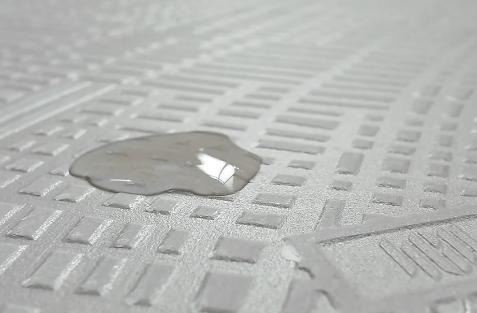
The porcelain body is vitrified, with water absorption below 0.5%. The recorded comparison against low-grade ceramic shows a water absorption gap of about 10% lower for porcelain. A nearly closed body changes four behaviours at once: stains cannot wick below the surface, frost cycles cannot spall the face, cleaning chemicals stay on the surface rather than in it, and the tile holds its dimensions in wet service. This is also why the range is positioned for high-traffic, frost-prone and wet environments rather than dry interior walls only.
2. Breaking strength: at least 1300 N, with modulus of rupture at least 35 MPa
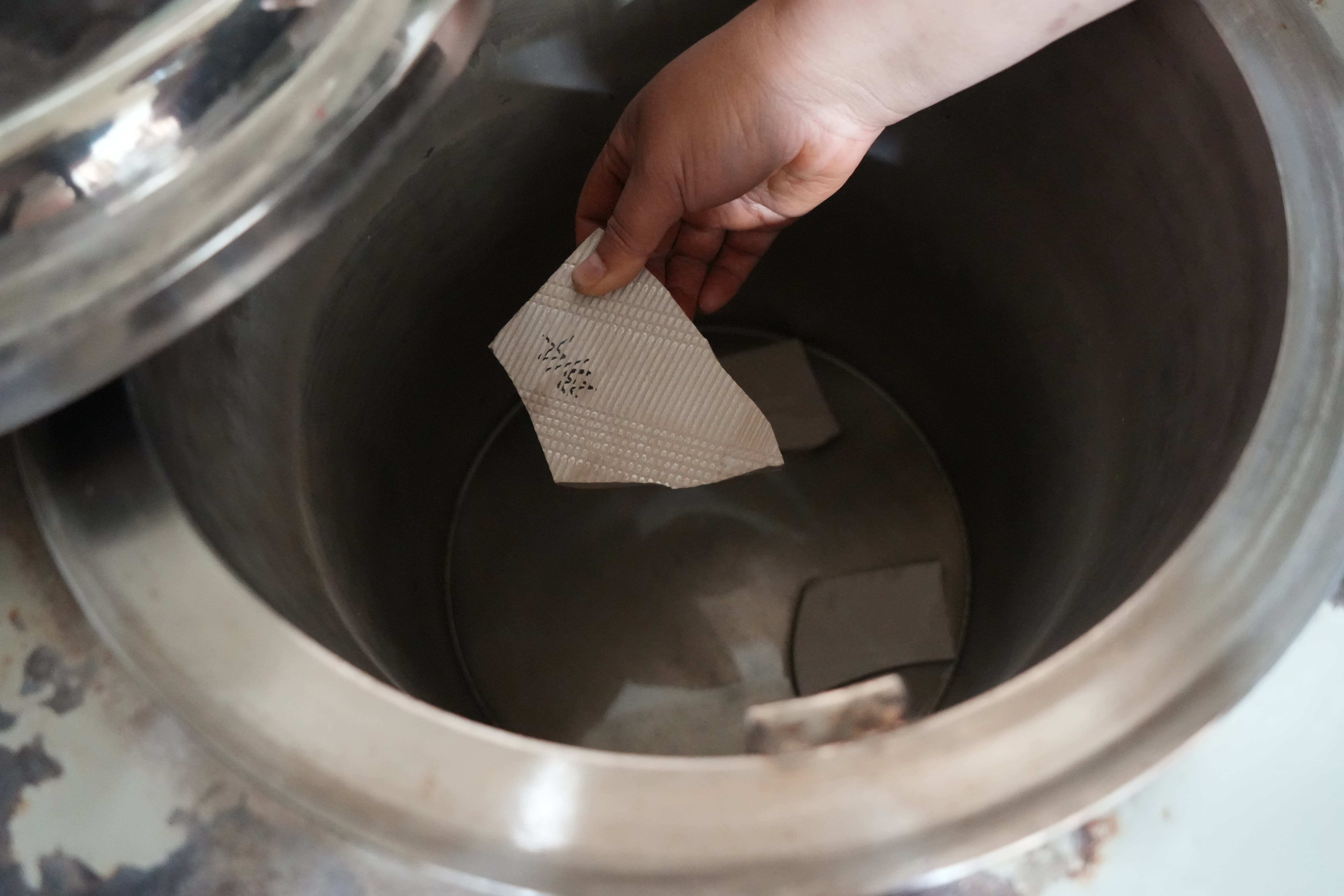
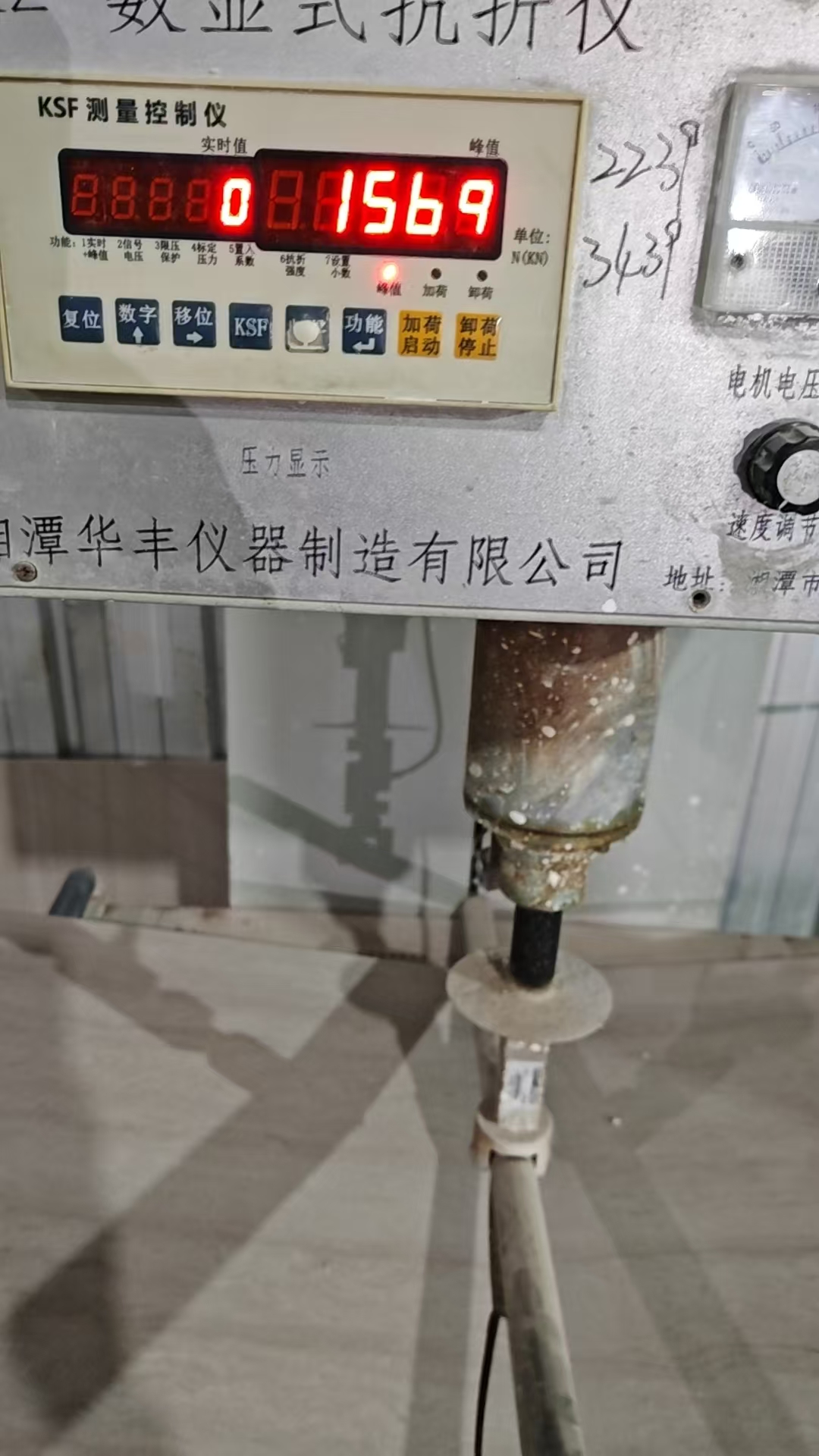
The specified breaking strength is ≥1300 N and the modulus of rupture is ≥35 MPa. Against low-grade ceramic, the recorded gap is +15 MPa of breaking strength. Strength is not an abstract laboratory number on a commercial floor: it governs what happens when a pallet truck turns, when a delivery crate is dropped, and when a 60x120cm piece — 0.72 m² of surface per tile — is handled and laid without a bedding layer that compensates for a weak body.
3. Thickness 9.0–10.5 mm: stiffness at large format
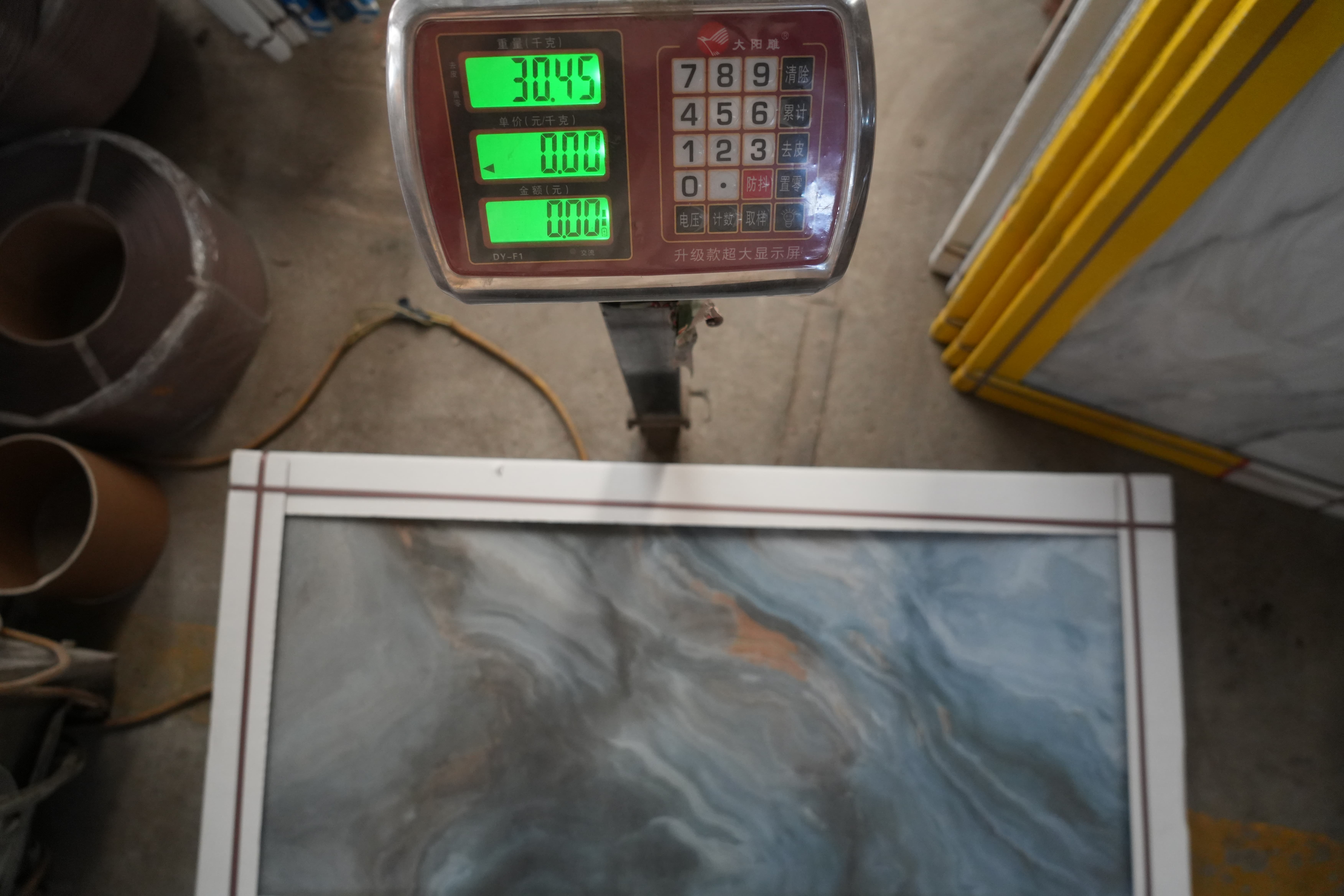
A 60x120cm format only performs if the slab is stiff enough to stay flat and to survive handling. The specified thickness range of 9.0–10.5 mm supports that stiffness, and it also sets the practical floor build-up: substrate tolerance, adhesive bed, threshold heights and door clearances all follow from it. Packing is 2 pieces per box, 1.44 m² per box, which makes order quantities and handling weight straightforward to plan at tender stage.
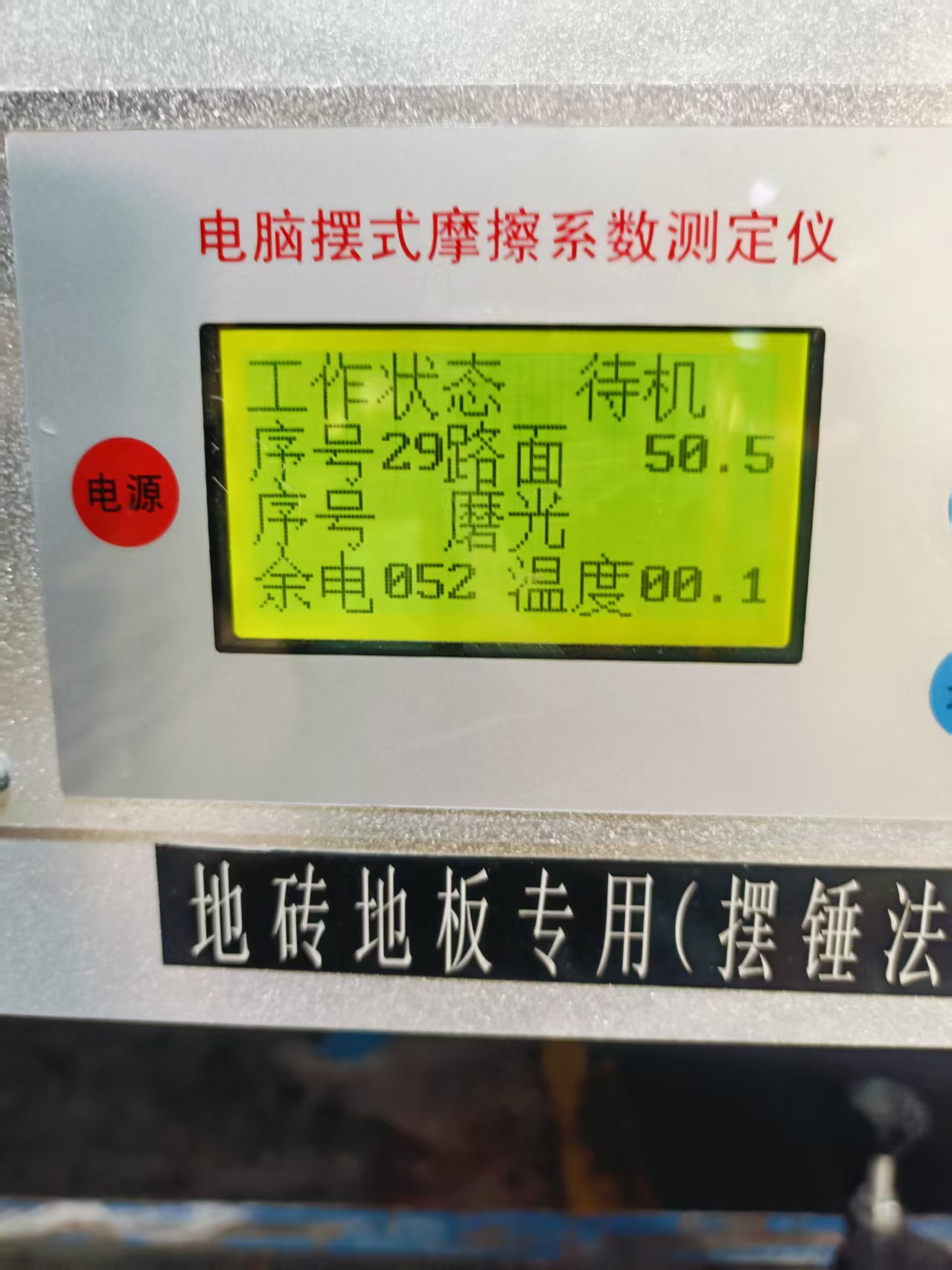
4. Surface hardness and abrasion: PEI 4/PEI 5, Mohs 6–7
The range is specified at PEI 4 to PEI 5 abrasion resistance and 6–7 on the Mohs hardness scale. The recorded gap against low-grade ceramic is +3 on Mohs hardness. In practice this is the line that separates a concourse that still reads clean after years of grit traffic from one that shows a dull, scratched walkway path within the first year.
5. Flatness: the line that decides installation cost
Better flatness is recorded as a direct comparison advantage over low-grade ceramic, and it is the reason installation cost can fall while tile quality rises. Flat, calibrated large-format pieces lay faster, need less adhesive correction and produce fewer lippage disputes at handover. Behind that figure sits a process chain rather than a claim: laser flatness sorting, high-pressure compaction, automatic temperature control in firing, digital weight monitoring, random stress testing, laser detectors, SACMI presses, automatic sorters, CNC testing instruments and laboratory kilns, within an ISO 9001 quality framework.
6. Slip rating and compliance: R10/R11 standard, R12 by customization
The range is offered with anti-slip ratings of R10 and R11, and can achieve R12 through customization. Because DIN 51130 R11 already corresponds to a 19°–27° grip range on an oil-wet ramp, the slip line is where commercial and public projects most often fail a substitution: an entrance transition, a commercial kitchen or a covered outdoor concourse usually needs a slip class written into the specification, not a surface described as “textured”. The manufacturer also states ISO 13006 compliance for the porcelain range.
Cost, Head-to-Head: Why the Sticker Price Misleads
The most common assumption in this comparison is that porcelain costs more upfront. Where a project compares a project-grade porcelain against a genuinely comparable ceramic the arithmetic changes, and the recorded benchmark against low-grade ceramic reverses the assumption on all three cost lines:
- Installation: 20% lower installation cost.
- Maintenance: 30% lower maintenance cost.
- Tile price: 10% lower direct factory price.
The maintenance line is the one that compounds. The recorded maintenance profile for the porcelain range is easier cleaning, less tile replacement, zero sealing required, lower refurbishment frequency and minimal grout upkeep. A ceramic floor that needs sealing, re-cleaning and periodic replacement does not show that cost at order stage — it shows it in the facilities budget, year after year, which is why an honest head-to-head has to be run on installed and operating cost rather than on the purchase order alone.
Thermal behaviour belongs in the same calculation. The range is recorded with better thermal efficiency, higher energy saving, better insulation performance and higher heating conduction than low-grade ceramic — relevant wherever a commercial floor sits over underfloor heating or where the slab is expected to contribute to the building's energy performance.
Step-by-Step Breakdown: A Six-Step Specification Sequence
The sequence below is the order in which the decision should be made, because each step narrows the next one. Reversing the order — choosing a face design first and a body second — is how substitution risk enters a project.
Step 1 — Define traffic and exposure class
Classify each floor zone separately: entrance and concourse, circulation corridor, retail unit, food and beverage, wet area, covered outdoor transition. Record the cleaning regime and whether the zone will see pallet trucks, trolleys or rolling loads.
Step 2 — Fix the absorption and strength thresholds
Write water absorption below 0.5%, breaking strength of at least 1300 N and modulus of rupture of at least 35 MPa into the specification, with the thickness range 9.0–10.5 mm. A ceramic alternative should then be asked to meet the same thresholds rather than being accepted as an equivalent.
Step 3 — Name the slip standard and class
Specify the test standard and the class, not a description. R11 under DIN 51130 corresponds to 19°–27°; where a zone demands more, R12 is achievable through customization and should be requested at tender stage rather than after award.
Step 4 — Cost the installed square meter
Build the comparison from installation cost, maintenance cost and tile price together. Include sealing, replacement frequency, grout upkeep and the labour time saved by flat, calibrated large-format pieces.
Step 5 — Verify the process evidence behind the figures
Ask how flatness and density are controlled, not only what the datasheet says. The relevant evidence is procedural: laser flatness sorting, high-pressure compaction, automatic temperature control, digital weight monitoring and random stress testing, inside an ISO 9001 framework.
Step 6 — Validate on a sample, then lock the supply schedule
Approve a physical sample against the specified shade, surface and slip class before the order is released, then confirm the delivery sequence against the construction programme. Annual output of 12–16 million ㎡ across a 60,000 m² factory, with a 25-engineer technical team, is the capacity context a project buyer needs when staging a phased handover.
Use Cases: Where 60x120 Porcelain Is the Right Call
Shopping malls and retail concourses. Continuous footfall plus grit tracking makes abrasion class and flatness the controlling criteria; large-format 60x120cm reduces joint count across long sight lines.
Hotel lobbies and hospitality flooring. The floor is judged at close range and under lighting, so flatness and shade consistency matter as much as stain resistance from spillage and cleaning agents.
Healthcare facilities. Chemical cleaning, wheeled equipment and hygiene demand a closed, low-absorption body; slip class has to be set zone by zone rather than project-wide.
Educational buildings. High traffic, heavy point loads and low maintenance budgets favour a body that does not need sealing and does not require frequent replacement.
Commercial kitchens and wet zones. The R10/R11 range, with R12 available through customization, addresses the slip requirement that dominates these areas, while sub-0.5% absorption limits what can be absorbed through a working day.
Mixed-use and apartment developments. A single specified body can carry lobbies, corridors and shared amenity floors, which simplifies the procurement package and the spares holding.
Outdoor and frost-prone transitions. Frost resistance combined with R11 and higher slip classes is what allows a covered outdoor threshold to be specified in the same material family as the interior floor.
Where ceramic remains rational. Lower-traffic, dry, secondary interiors, wall applications, short-cycle fit-outs and areas where the specification will be replaced before wear becomes the limiting factor. Choosing ceramic there is a scope decision, not a compromise — provided the choice is made against the traffic class rather than against the purchase price.
Comparison Table: 60x120cm Porcelain vs Standard Ceramic Flooring
| Decision criterion | 60x120cm porcelain (ALL KING CERAMICS data) | Standard / low-grade ceramic (recorded gap) |
|---|---|---|
| Water absorption | Below 0.5% (vitrified) | About 10% higher absorption recorded |
| Breaking strength | ≥1300 N | 15 MPa lower breaking strength recorded |
| Modulus of rupture | ≥35 MPa | Lower, consistent with the recorded strength gap |
| Thickness | 9.0–10.5 mm | Usually specified thinner for the same format |
| Surface hardness | Mohs 6–7 | 3 points lower on Mohs recorded |
| Abrasion resistance | PEI 4 / PEI 5 | Lower abrasion class typical of entry grade |
| Flatness | Laser flatness sorting; better flatness recorded | Higher variation, more lippage correction |
| Anti-slip options | R10 / R11 standard; R12 by customization (DIN 51130) | Slip class often not declared against DIN 51130 |
| Installation cost | 20% lower recorded | Benchmark reference |
| Maintenance cost | 30% lower recorded; no sealing, minimal grout upkeep | Sealing and higher replacement frequency |
| Direct factory price | 10% lower recorded | Benchmark reference |
| Best-fit applications | Commercial centres, hotels, transit hubs, corporate offices, healthcare and education floors | Lower-traffic dry interiors, wall areas, short-cycle fit-outs |
| Packing | 2 pcs/box = 1.44 m²/box for 60x120cm | Varies by format and grade |
Figures on the porcelain side are the published specification for the ALL KING CERAMICS porcelain range; comparison figures are the recorded performance gaps against low-grade ceramic. Ceramic performance varies by grade and supplier, so an alternative should be tested against the same thresholds.
Frequently Asked Questions
Does 60x120cm porcelain meet the compliance and slip requirements of a commercial project?
The ALL KING CERAMICS porcelain range is stated to comply with ISO 13006, and the product line is offered with R10 and R11 anti-slip ratings, with R12 achievable through customization. For reference, DIN 51130 R11 corresponds to grip measured on an oil-wet inclined plane between 19° and 27°. Porcelain tile is also inherently exempt from LEED VOC “FloorScore” requirements because high-temperature kiln firing destroys all organic matter, according to USGBC and WhyTile guidance. A project specification should always name the standard and class required, and the supplier should confirm the corresponding rating in writing before award.
Can the 60x120cm format be customized for a specific project requirement?
Yes, within the manufacturer's stated capability. ALL KING CERAMICS operates a format matrix that includes 60x120cm as the flagship product alongside 60x60cm, 80x80cm, 100x100cm and 75x150cm, and it supports customization to R12 slip class. The technical side is handled by a 25-engineer team within a 60,000 m² factory, and the company positions itself as an OEM/ODM partner for contractors, distributors and builders across Australia, New Zealand, South Korea, Southeast Asia, Central Asia, Russia, the Middle East and Latin America.
How does the budget comparison work once installation and maintenance are included?
Against low-grade ceramic, the recorded comparison shows 20% lower installation cost, 30% lower maintenance cost and a 10% lower direct factory price for the porcelain range, plus easier cleaning, less tile replacement, zero sealing required, lower refurbishment frequency and minimal grout upkeep. The practical way to build the budget is to price the installed square meter — tile, adhesive, labour, sealing and replacement frequency — and to confirm which ceramic grade the alternative price was based on. A comparison that omits sealing and replacement cost is incomplete rather than favourable.
How should a buyer validate the tile before releasing a full order?
Approve a physical sample against the specified shade, surface finish, thickness (9.0–10.5 mm for the 60x120cm range) and slip class before the order is confirmed. Alongside the sample, request the technical datasheet covering water absorption below 0.5%, breaking strength of at least 1300 N, modulus of rupture of at least 35 MPa, PEI 4/PEI 5 abrasion resistance and Mohs hardness 6–7, and confirm the process controls behind flatness. ALL KING CERAMICS supplies samples and a full product catalogue covering formats, specifications and packing.
What supply capacity and export experience stands behind the order?
ZIBO ALL-KING CERAMICS CO., LTD was founded in 2011 and operates a 60,000 m² factory with 320 employees and annual output of 12–16 million ㎡, with approximately 70% of output exported. Declared markets include Australia, New Zealand, Russia, Belarus, Central Africa, South Korea, Vietnam, Malaysia, the Philippines, Peru, Panama, Colombia, Chile, Bolivia, Guatemala, Palestine, Iraq, Ukraine and the United Arab Emirates. Delivery timing should be confirmed against the project programme at the quotation stage rather than assumed from catalogue availability.
Conclusion: The Verdict and the Condition Attached to It
On durability, the head-to-head is decided before price is discussed. Water absorption below 0.5%, breaking strength of at least 1300 N, modulus of rupture of at least 35 MPa, Mohs hardness 6–7 and PEI 4/PEI 5 abrasion resistance place the 60x120cm porcelain body in a different performance class from standard ceramic flooring in a commercial environment. The recorded gaps — 10% lower water absorption, 15 MPa higher breaking strength, 3 points higher on Mohs hardness — describe the same conclusion from three directions: the floor keeps its specification longer.
On cost, the condition attached to the verdict is comparability. Where the alternative is priced as an installed square meter rather than a purchase order, the recorded comparison shows 20% lower installation cost, 30% lower maintenance cost and a 10% lower direct factory price against low-grade ceramic. Where the alternative is a higher ceramic grade or a different specification, the same six criteria should be applied to it rather than assuming either outcome.
Next Step: Sample, Specification Sheet or Quotation
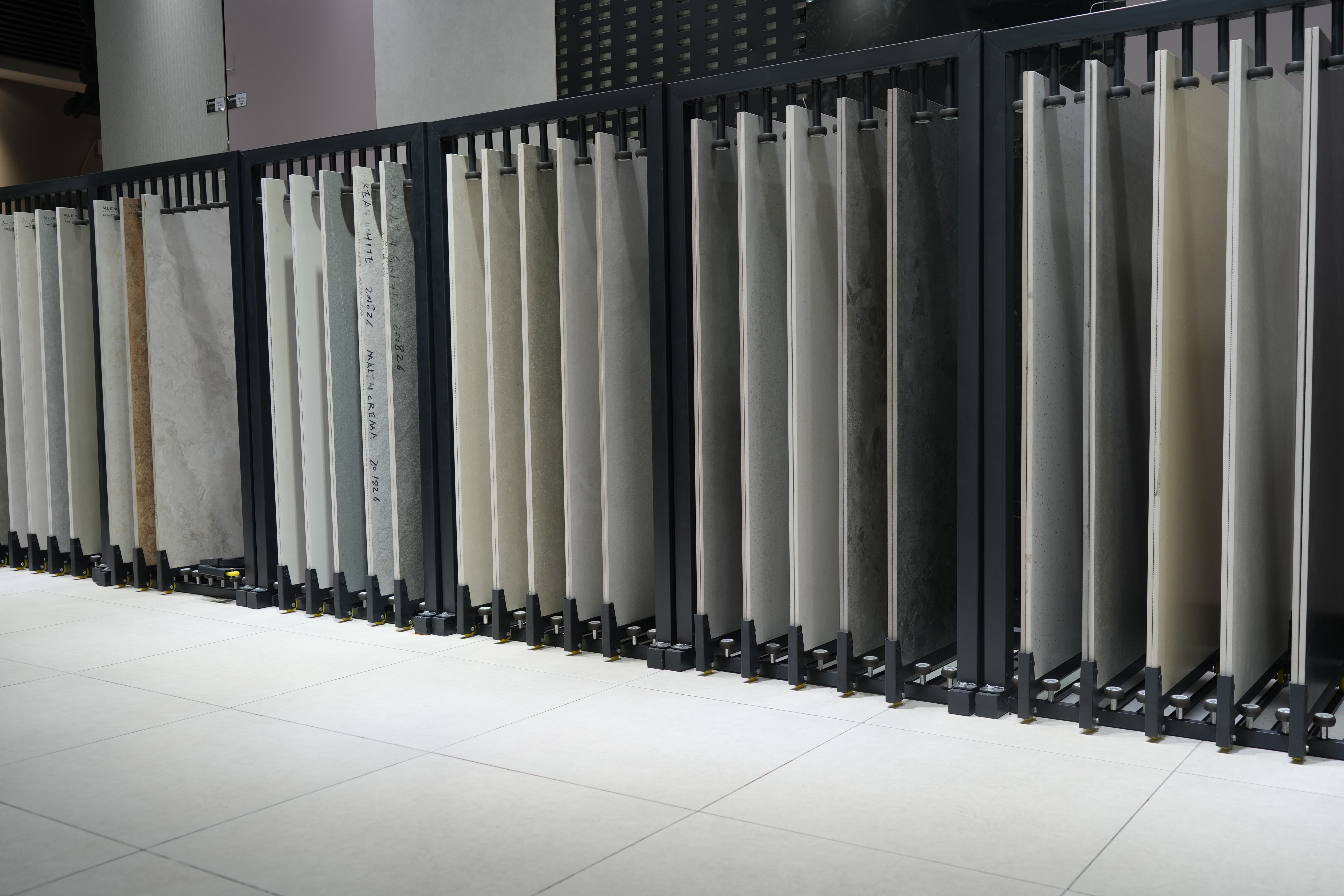
If you are comparing a 60x120cm porcelain specification against a ceramic alternative on a live commercial project, start with the physical sample and the technical datasheet rather than the render. ALL KING CERAMICS supplies project samples, format and packing data, and direct-from-factory quotations for commercial, hospitality, healthcare, education and mixed-use developments.
Download the full catalogue: ALL KING Ceramics Catalog (PDF)
Product specifications: porcelain tiles technical page · Company: www.all-king.com
Contact: Abby · Email tyceramic2@all-king.com · Tel / WhatsApp +86 156-5336-9360 · Message on WhatsApp
ZIBO ALL-KING CERAMICS CO., LTD · No.6, 8th building, 6th district, China Fortune Ceramic City, Zibo, China
Have Questions or Need More Details?
Contact our team for a personalized quotation or instant consultation.
Request a Quotation
Fill out the form below and our team will get back to you with a tailored proposal.
WhatsApp Direct Chat
Prefer to chat in real-time? Message us on WhatsApp for instant assistance & quick answers.
- Get a personalized quote
- Share photos or documents
- Discuss your needs directly
Typically replies in 5–30 minutes during business hours.