
Commercial Tile Solutions by Project Type: Specification & Selection Guide
Commercial Tile Solutions by Project Type: Specification & Selection Guide
Choosing a commercial tile solution starts with project conditions, not decoration trends. Hotels, shopping malls, airport terminals, railway stations, apartments, and warehouses place different demands on flooring and wall surfaces. This guide explains how to match porcelain tile specifications to real-world project requirements, which standards apply, and what to verify in a supplier before ordering.
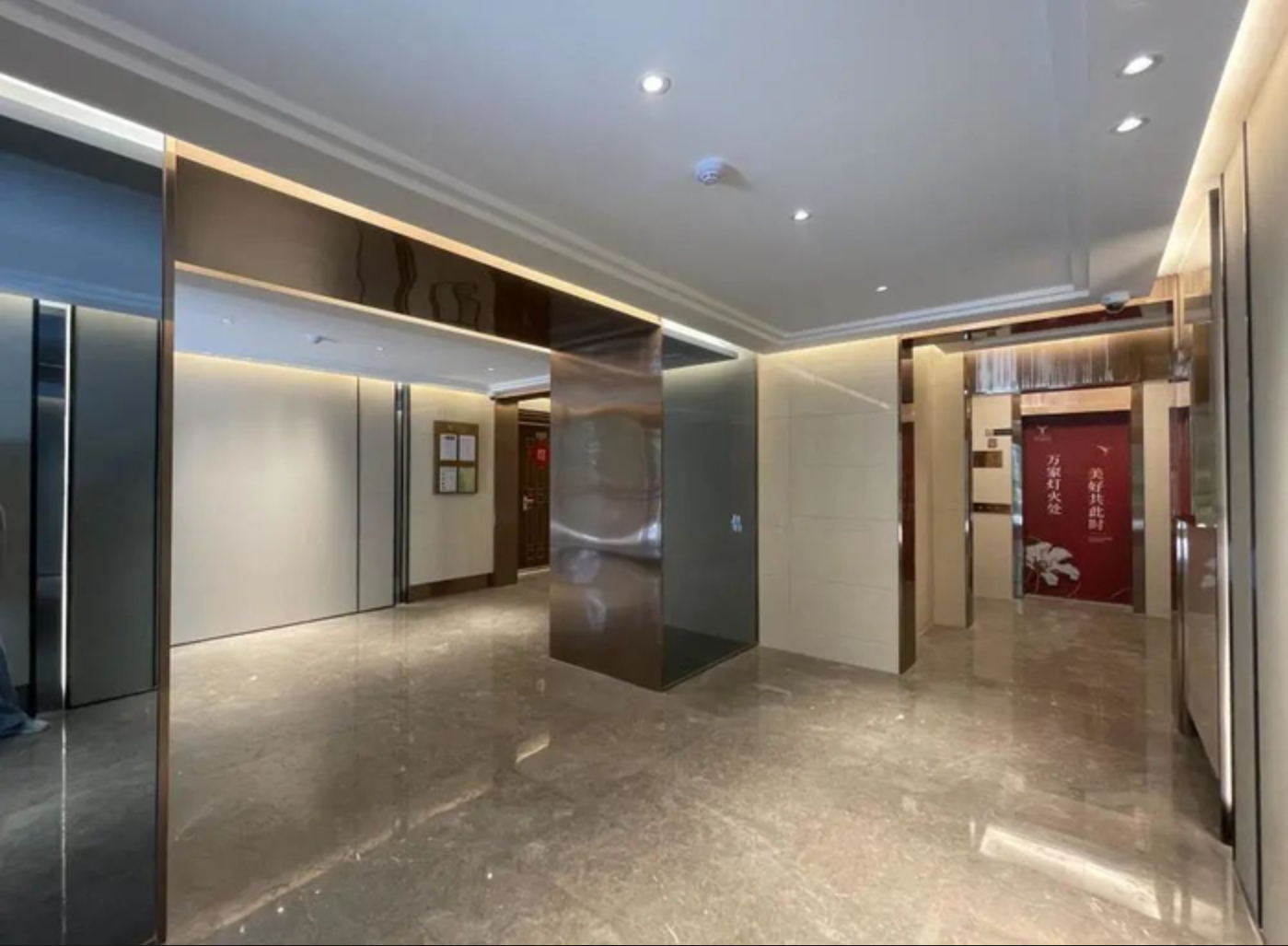
Problem Definition: Why Project-Specific Tile Selection Matters
Commercial projects fail when tiles are selected on appearance alone. A tile that cannot handle the actual operating environment can become a safety, maintenance, and cost problem within a short time.
Porcelain tiles for commercial real estate are expected to operate under several demanding conditions:
- High traffic and continuous heavy-duty use;
- Frost and freeze-thaw cycles;
- Wet and slippery surfaces;
- Thermal shock;
- Heavy surface load.
These conditions appear in hotel renovation projects, commercial fit-outs, airport departure halls, mall flooring, facade engineering, and logistics facilities. The first step in any commercial tile specification is therefore to define the project type, the physical load, and the climate exposure.
Industry Background: Regional Demand for Commercial Tile Solutions
The global ceramic and porcelain tiles market is valued at USD 423.90 billion in 2024 and is projected to reach USD 845.80 billion by 2034, according to Custom Market Insights. This scale reflects continued investment in buildings, infrastructure, and public spaces.
Regional data shows why project-specific specifications matter. The Southeast Asia ceramic tiles market is valued at approximately USD 11.5 billion in 2024, driven by travel, tourism, and infrastructure. Russia's ceramic tiles market was valued at USD 3.2 billion in 2024, with projected growth to USD 5.10 billion by 2032. Uzbekistan imported USD 125 million of ceramic products in 2024, and China was the top supplier at USD 75.1 million, according to the Observatory of Economic Complexity. China's ceramic tile exports to the Philippines also grew 77.5% year-on-year in March 2025, reaching USD 29.6 million.
At the global level, Mohawk Industries is the largest ceramic tile manufacturer, with total production exceeding 300 million sqm and revenue of USD 4.2 billion in 2024, according to Ceramic World Review.
For buyers, this growth means more suppliers and more entry-level products. It also means that project success depends less on where the product is made and more on whether the tile specification, compliance evidence, and supplier process match the project's conditions.
Detailed Solution: Matching Porcelain Specifications to Project Conditions
ZIBO ALL-KING CERAMICS CO., LTD is a Chinese manufacturer and direct exporter of porcelain and ceramic tiles. The company was founded in 2011, operates a 60,000 m² factory, employs 320 people, and has an annual output of 12–16 million m². Around 70% of its production is exported, and its formats include 60×120cm, 75×150cm, 80×80cm, and 100×100cm porcelain tiles as well as 60×60cm ceramic tiles.
For commercial projects, the most frequently used product type is the 60×120cm porcelain tile. Two series relevant to commercial and hospitality projects are the Marble Series and the Travertine Series. Their physical properties are designed for high-traffic and heavy-load environments:
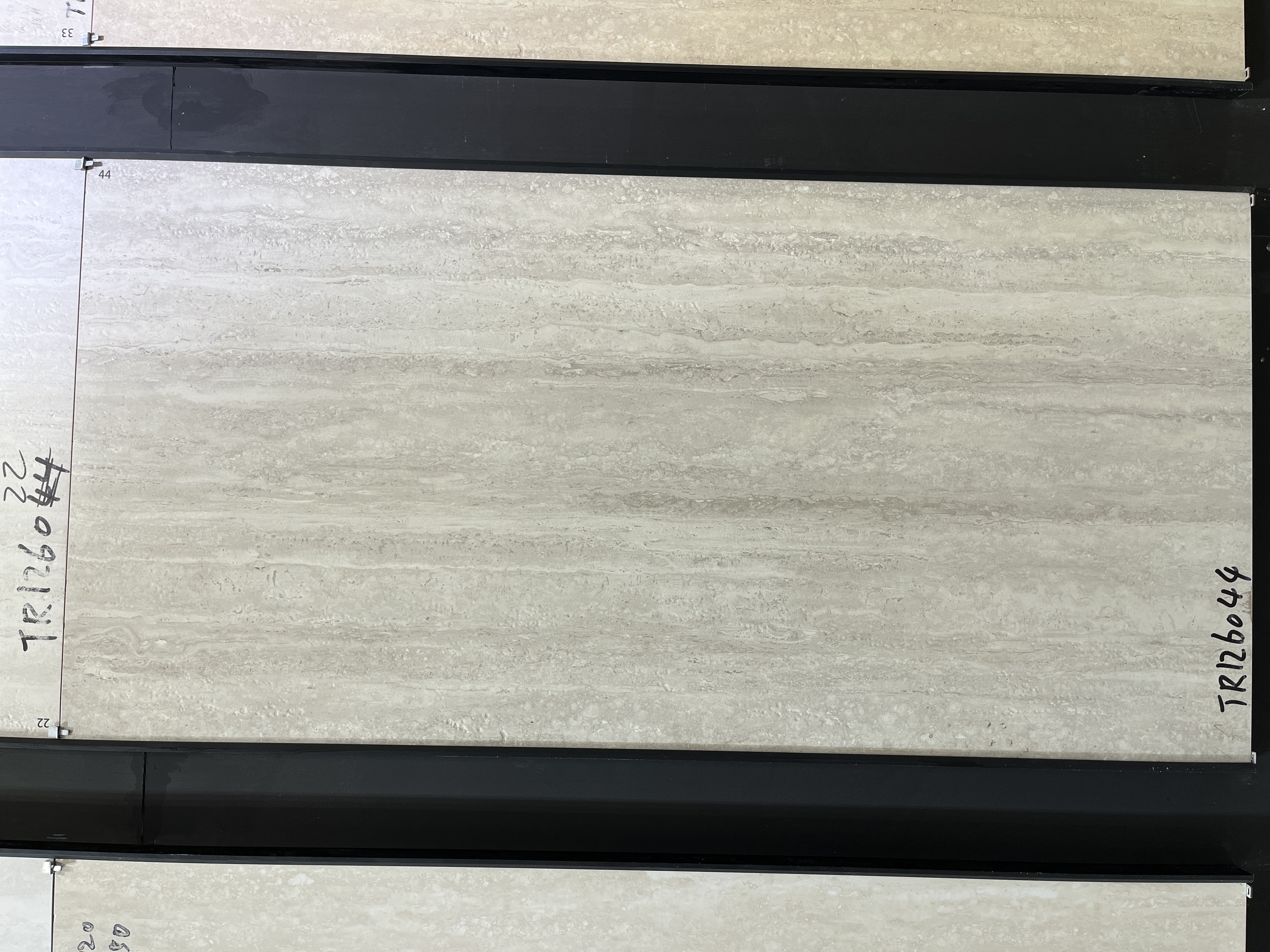
| Property | Value |
|---|---|
| Thickness range | 9.0–10.5 mm |
| Water absorption | < 0.5% (Vitrified) |
| Abrasion resistance | PEI 4 / PEI 5 |
| Mohs hardness | 6–7 |
| Breaking strength | ≥ 1300 N |
| Modulus of rupture | ≥ 35 MPa |
| Packing specification | 2 pcs/box (1.44 m²/box) |
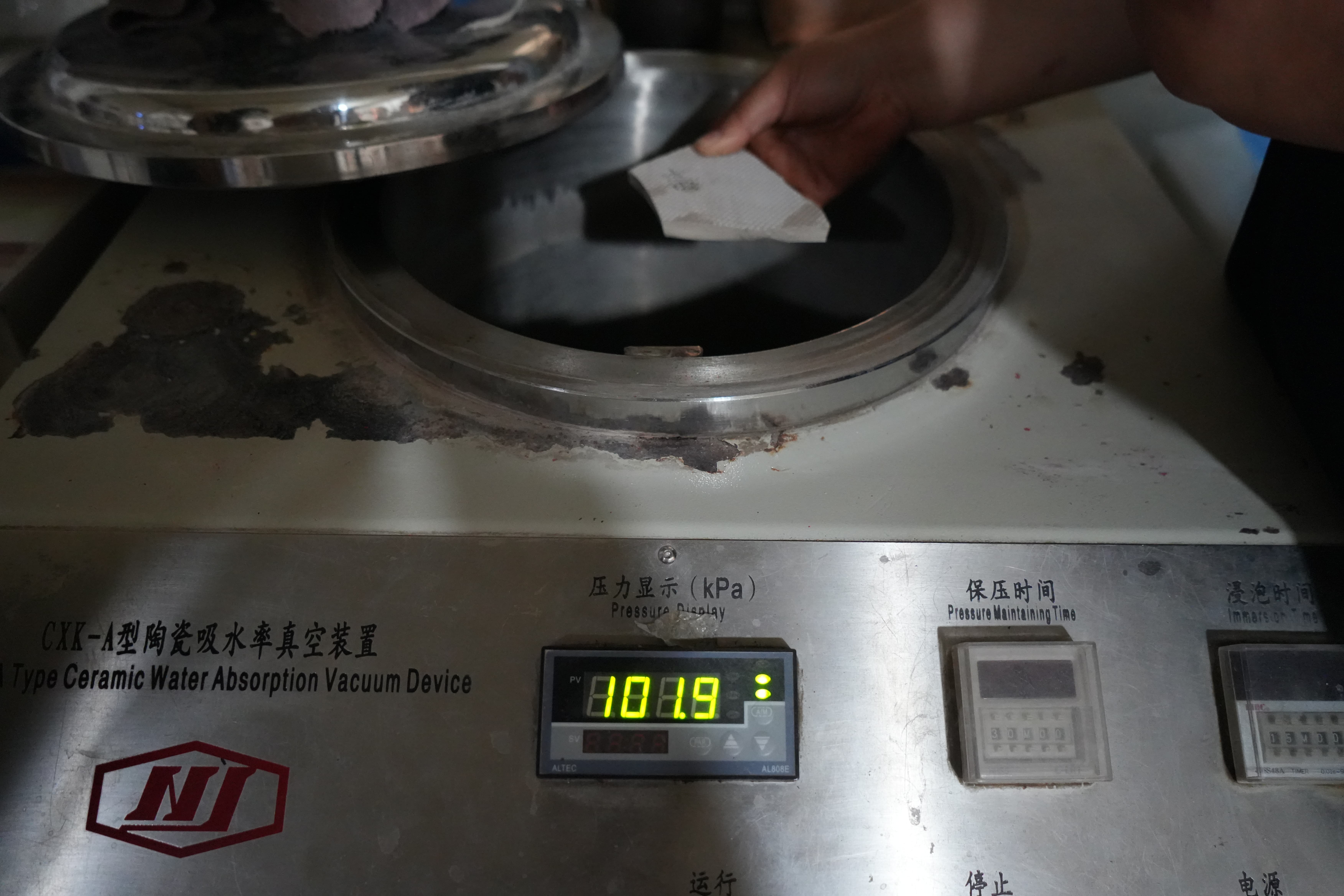
These values support commercial project requirements in a direct way. Water absorption below 0.5% places the tile within ISO 13006 / EN 14411 Group BIa, the classification for porcelain tile. Low water penetration is also a condition for frost resistance in regions with freeze-thaw cycles. ISO 10545-12 requires porcelain tiles used in frost-prone areas to withstand at least 100 freeze-thaw cycles.
PEI 4/5 abrasion resistance and Mohs hardness 6–7 are relevant for high-traffic commercial floors, where foot traffic, carts, and equipment can abrade weaker surfaces. Breaking strength of at least 1300 N and modulus of rupture of at least 35 MPa are useful for floors that carry heavy surface loads.
For wet areas, ALL KING CERAMICS porcelain tiles can be specified with anti-slip ratings R10/R11. DIN 51130 identifies R10/R11 as the slip resistance level needed for high-traffic public areas such as airports and railway stations. The same product range is also designed for low VOC emissions, acid and alkali resistance, and zero water penetration.
Step-by-Step Breakdown: How to Specify Commercial Tile Solutions
Step 1. Define the operating environment
Document the expected traffic level, exposure to water or chemicals, outdoor climate, and surface loads. This defines which tile properties are mandatory.
Step 2. Confirm the applicable standards
Check the project's compliance framework. For porcelain tile, ISO 13006 / EN 14411 Group BIa defines water absorption at or below 0.5%. For frost-prone projects, ISO 10545-12 describes freeze-thaw testing. For public floors, DIN 51130 R10/R11 is commonly required for airports, railway stations, and similar spaces.
Step 3. Match physical properties to project risks
Use water absorption, abrasion resistance, hardness, breaking strength, modulus of rupture, and slip resistance as selection criteria, not decorative preference alone.
Step 4. Select format and finish
Large-format tiles such as 60×120cm reduce grout lines and create a more continuous surface. Formats such as 75×150cm, 80×80cm, and 100×100cm support different layout needs. Installation systems may include tile adhesive and grout, leveling systems, tile spacers, diamond cutting tools, subfloor preparation, and facade hanging systems for wall cladding.
Step 5. Validate supplier capability
Confirm production capacity, lead time, quality control, OEM or customization options, and after-sales support before a large order.
Step 6. Run a trial order or sample evaluation
A trial order reduces technical risk. For ALL KING CERAMICS, the MOQ is 400 m² per design, and trial orders are acceptable.
Use Cases: Commercial Tile Solutions Across Project Types
Hotel lobbies and commercial malls
These spaces combine continuous foot traffic, cleaning routines, and visual expectations. Tile with PEI 4/5 abrasion resistance, low water absorption, and high flatness supports consistent appearance and easier maintenance.
Airports and railway stations
Public transport projects require non-stop foot traffic performance. DIN 51130 R10/R11 slip resistance is commonly specified, and the tile must also withstand frequent cleaning and heavy surface loads. ALL KING CERAMICS porcelain tiles with breaking strength of at least 1300 N and modulus of rupture of at least 35 MPa are relevant to these conditions.
Office building facades
Facade engineering exposes tiles to frost, thermal shock, and weather. Frost resistance, zero water penetration, and acid and alkali resistance are important requirements. 60×120cm porcelain tiles are among the formats used in facade engineering.
Apartment projects and bathrooms
Wet and slippery conditions require anti-slip surfaces. A water absorption rate below 0.5% reduces moisture penetration, while acid and alkali resistance helps maintain the surface around cleaning products.
Logistics and warehouse floors
Heavy surface loads demand high breaking strength. Tiles with breaking strength of at least 1300 N and modulus of rupture of at least 35 MPa are directly relevant to heavy surface load conditions.
Documented 15,000 m² commercial application
One documented ALL KING CERAMICS application covers 15,000 m² across hotel lobbies, commercial mall flooring, office building facades, high-end apartment bathrooms, and an airport departure hall. The project record shows 100% project acceptance and zero maintenance complaints, with low water absorption, high flatness, high wear resistance, and random marble veins highlighted as the central reasons.
Comparison Table: Project Type vs Tile Performance Priorities
| Project Type | Key Conditions | Tile Performance Priority | Evidence |
|---|---|---|---|
| Hotel lobby / commercial mall | Continuous foot traffic, cleaning, visual expectations | PEI 4/5 abrasion resistance, low water absorption, high flatness | ALL KING 60×120cm porcelain tile; documented 15,000 m² application |
| Airport / railway station | Non-stop traffic, wet areas, frequent cleaning | R10/R11 slip resistance, breaking strength ≥1300 N | DIN 51130; product specification |
| Office facade | Frost, thermal shock, weather exposure | Frost resistance, zero water penetration, acid and alkali resistance | ISO 10545-12; product special requirements |
| Apartment bathroom | Wet, slippery, cleaning chemicals | Anti-slip R10/R11, water absorption ≤0.5% | DIN 51130; ISO 13006 Group BIa |
| Warehouse / logistics | Heavy surface load | Breaking strength ≥1300 N, modulus ≥35 MPa | Product specification; heavy load application condition |
This table maps typical project considerations to evidence used in this article. Final specification should be confirmed with the manufacturer and the project engineering team.
FAQ: Common Commercial Tile Project Questions
Q1. Which compliance standards should commercial porcelain tiles meet for airports, malls, and infrastructure projects?
Buyers should check at least three standards. ISO 13006 / EN 14411 Group BIa requires water absorption at or below 0.5% for porcelain tile. ISO 10545-12 covers frost resistance, requiring tiles to withstand at least 100 freeze-thaw cycles. DIN 51130 specifies R10/R11 slip resistance for high-traffic public areas such as airports and railway stations. ALL KING CERAMICS 60×120cm porcelain tiles are designed for anti-slip R10/R11, frost resistance, low VOC emissions, acid and alkali resistance, zero water penetration, and ISO 13006 compliance.
Q2. Can a tile supplier handle OEM, custom sizes, and project-specific surface finishes?
Yes, when the supplier operates an OEM/ODM model. ZIBO ALL-KING CERAMICS CO., LTD offers custom size and thickness, surface finish, marble vein customization, anti-slip rating, OEM brand logo, and packaging. Monthly capacity is 1.2 million m², and quality control includes 100% flatness and sizing auto-check, piece-by-piece visual inspection, and random lab testing per batch.
Q3. How should project buyers evaluate cost between commercial porcelain tiles and lower-grade options?
Cost evaluation should include replacement risk, safety, maintenance, and installation performance, not only purchase price. In commercial settings, a tile that fails under frost, moisture, or heavy traffic creates repair cost and operational disruption. Project-grade porcelain tiles with water absorption below 0.5%, PEI 4/5 abrasion resistance, and breaking strength of at least 1300 N reduce that risk. Direct-factory supply and trial order options can also lower evaluation cost before full procurement.
Q4. Is it possible to request samples before a full project purchase?
Yes. ALL KING CERAMICS accepts trial orders, and the MOQ is 400 m² per design. Buyers can request samples and evaluate flatness, size, surface pattern, and slip performance before project commitment.
Q5. What is the typical lead time and after-sales support for a commercial tile order?
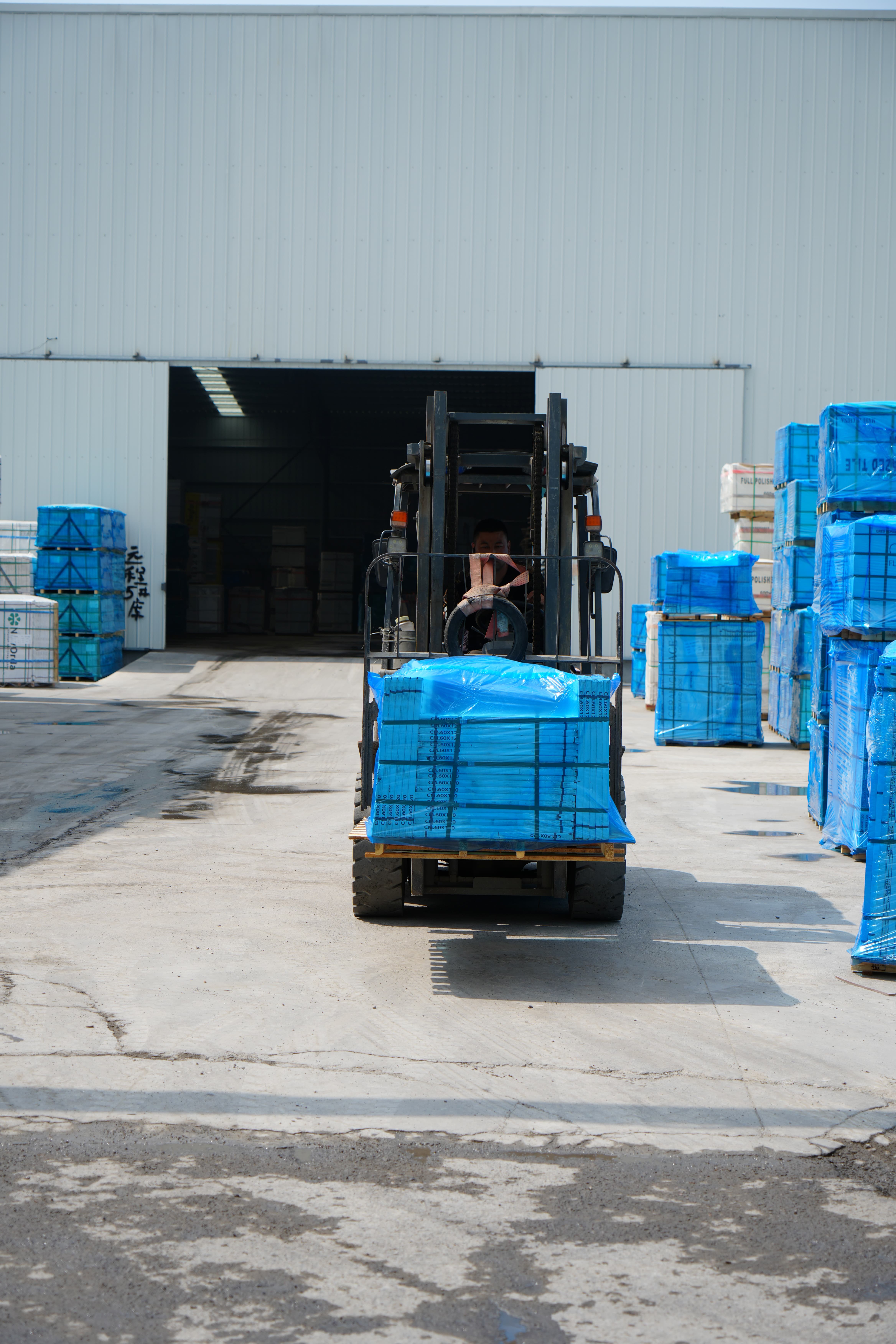
The standard production lead time is 7–10 days. Monthly capacity of 1.2 million m² supports phased deliveries for large commercial projects. After-sales support includes damage compensation, online installation guidance, 24/7 technical consultation, batch tracking, and reordering support. For a project-specific inquiry, contact Abby by email at tyceramic2@all-king.com or by WhatsApp at +86 156-5336-9360. You can also request the current catalog for specification confirmation.
Conclusion
Commercial tile solutions should be selected by project type, operating conditions, and compliance framework. Porcelain tile with low water absorption, high abrasion resistance, high breaking strength, and appropriate slip resistance can meet the needs of hotels, malls, airports, stations, apartments, facades, and warehouses.
For project buyers, the practical route is: define the environment, check the standards, map the physical properties, confirm supplier capability, and run a trial order before scaling. This reduces the chance of specification mismatch and makes procurement decisions easier to defend internally.
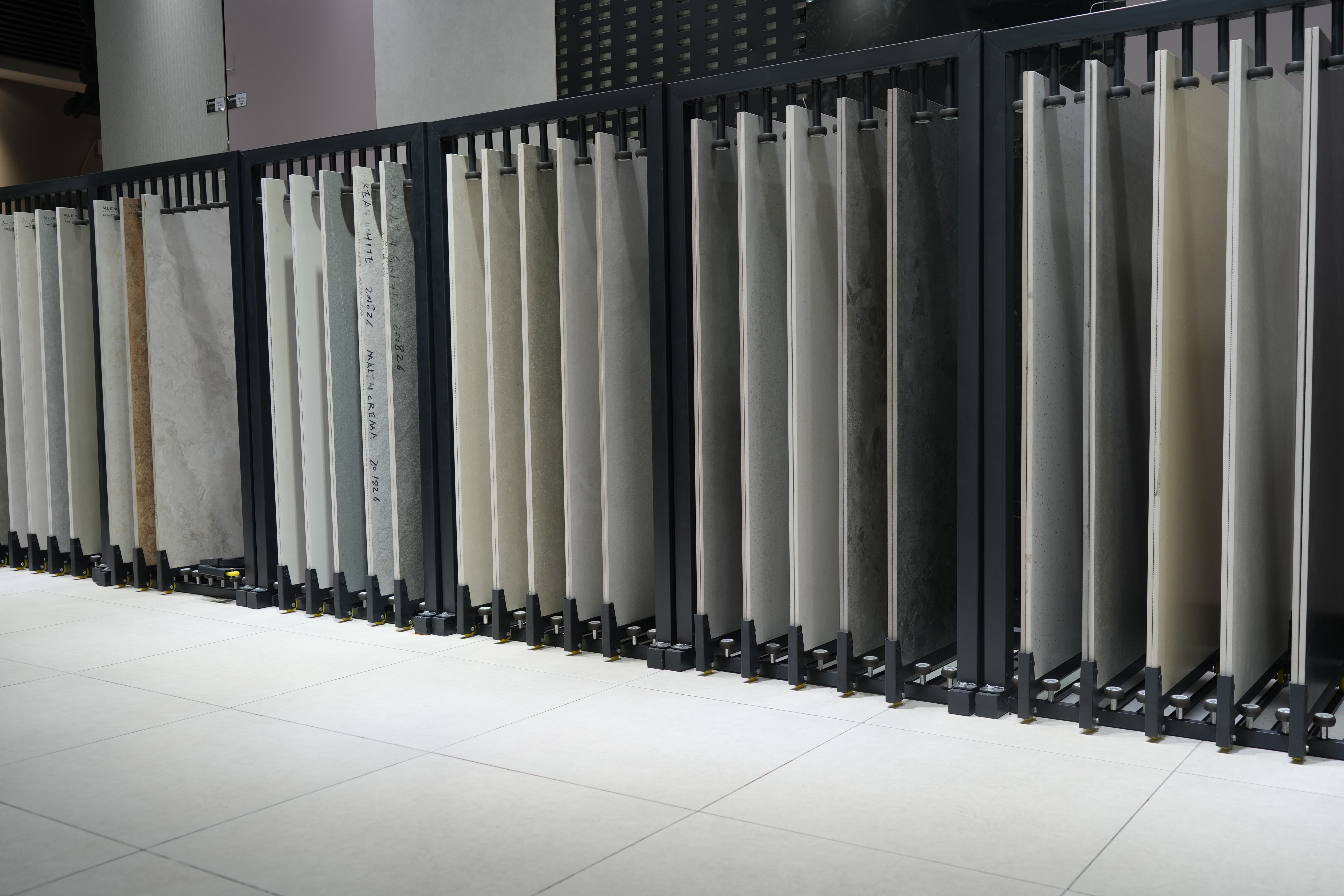
Next Step: Confirm Specifications and Request Samples
Contact ALL KING CERAMICS to confirm product specifications, request samples, or discuss OEM requirements for your project.
Email: tyceramic2@all-king.com | Tel/WhatsApp: +86 156-5336-9360
Website: www.all-king.com
Address: No.6, 8th building, 6th district, China Fortune Ceramic City, Zibo, China
Have Questions or Need More Details?
Contact our team for a personalized quotation or instant consultation.
Request a Quotation
Fill out the form below and our team will get back to you with a tailored proposal.
WhatsApp Direct Chat
Prefer to chat in real-time? Message us on WhatsApp for instant assistance & quick answers.
- Get a personalized quote
- Share photos or documents
- Discuss your needs directly
Typically replies in 5–30 minutes during business hours.