How Porcelain Tile Project Solutions Outperform Ceramic for Commercial Developments
How Porcelain Tile Project Solutions Outperform Ceramic for Commercial Developments
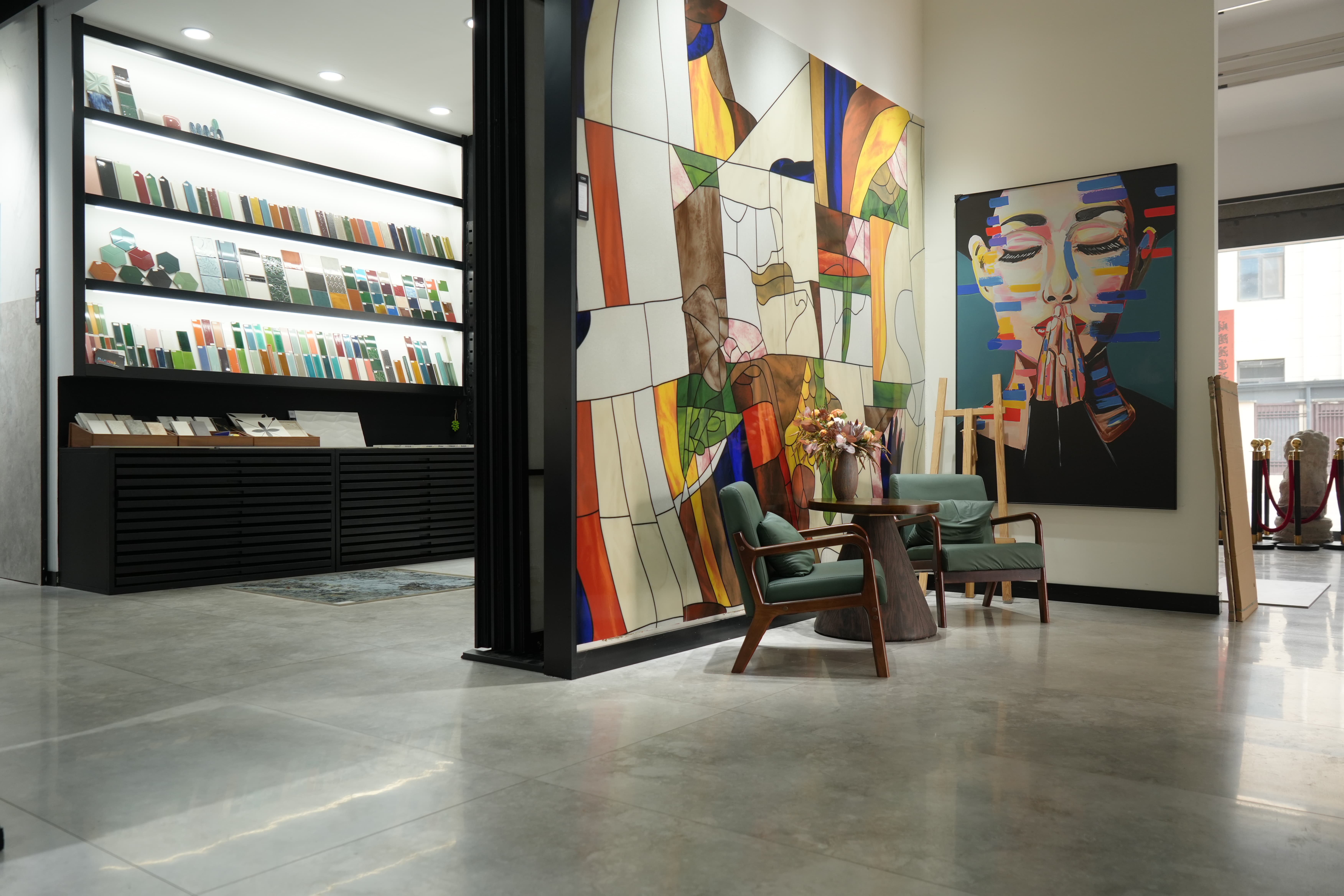
When evaluating Porcelain Tile Project Solutions for high-traffic commercial developments, decision-makers must weigh long-term performance against upfront costs. This article presents a fact-based comparison between high-quality porcelain tiles and low-grade ceramic alternatives, referencing performance data from ZIBO ALL-KING CERAMICS CO., LTD (All-King Ceramics), a manufacturer founded in 2011 with a 60,000 m² factory and annual output of 12–16 million m² of porcelain tiles in popular formats such as 60×120 cm, 75×150 cm, 80×80 cm, 60×60 cm and 100×100 cm.
Problem Definition: Common Flooring Failures in Commercial Spaces
Commercial spaces including shopping malls, hotel lobbies, healthcare facilities, and educational buildings face unique flooring challenges: high foot traffic, heavy loads, moisture, and frequent cleaning. Low-grade ceramic tiles often exhibit high water absorption, low wear resistance, poor breakage strength, and inconsistent flatness, leading to warping, cracking, staining, and high maintenance costs over the project lifecycle.
Industry Background: Growing Demand for High-Performance Flooring
According to Grand View Research, the global ceramic and porcelain tiles market was valued at USD 226.4 billion in 2025, with porcelain tiles holding a 52.4% revenue share. Commercial end-use accounted for the largest segment. In 2024, China exported 599 million sqm of ceramic tiles at an average price of USD 5.36 per sqm (China Customs via CeramBath), highlighting the shift toward cost-effective yet durable material choices.
Solution: Full-Bodied Porcelain Tiles from All-King Ceramics
All-King Ceramics manufactures vitrified porcelain tiles that deliver measurable advantages over low-grade ceramic tiles. Data from the company’s internal comparison shows 20% lower installation cost, 30% lower maintenance cost, and 10% lower direct factory price. Technical benefits include lower water absorption (−10%), higher breaking strength (+15 MPa), and higher Mohs hardness (+3). These tiles are also engineered for better thermal efficiency, energy savings, insulation, and heating conduction.
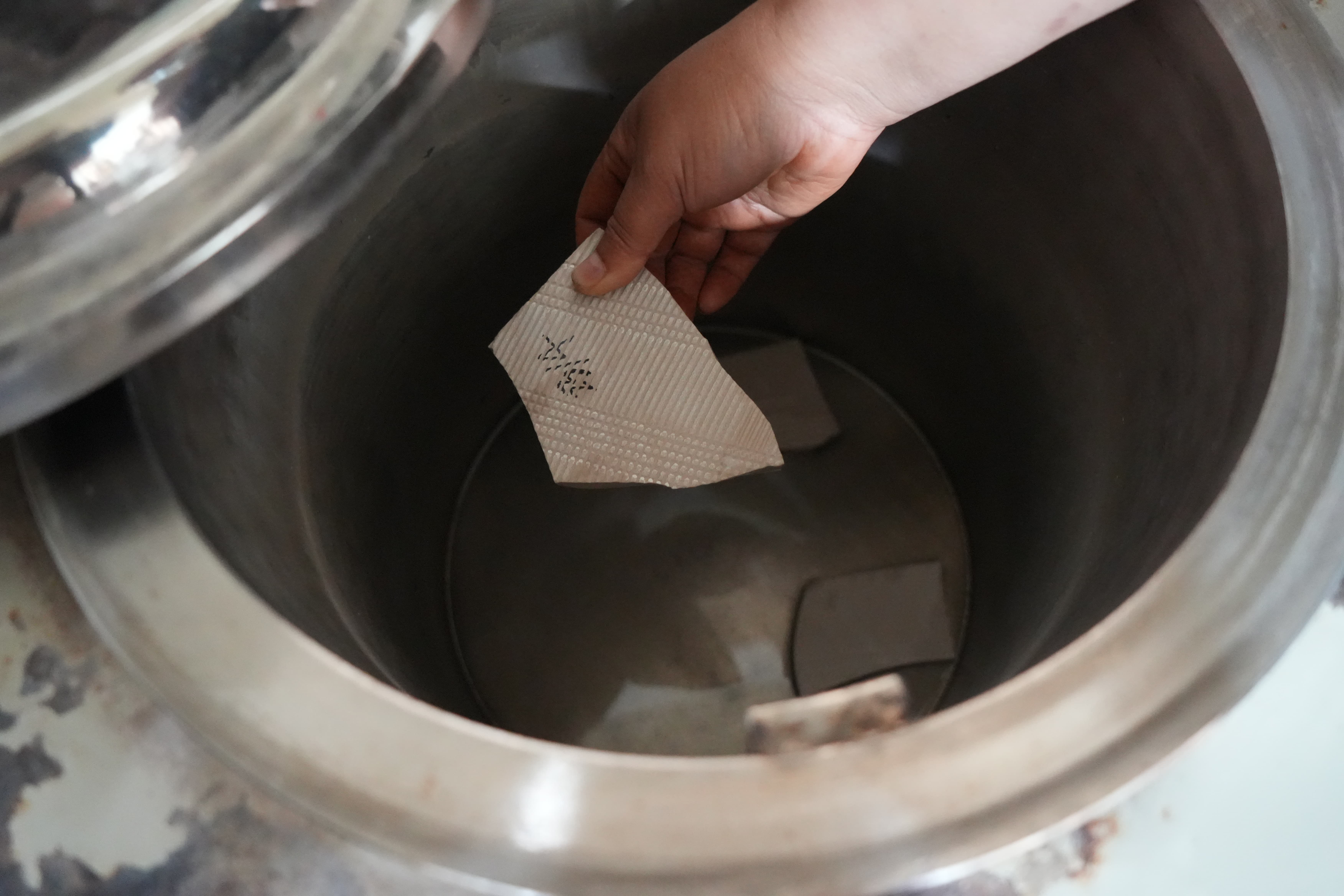
For safety-critical zones (commercial kitchens, outdoor pavements), All-King Ceramics can supply R11 (19°–27° slope) and R12 (27°–35°) anti-slip ratings compliant with DIN 51130, as confirmed by industry standards. For LEED-certified projects, porcelain tiles fired above 1200°C are inherently low-emitting and exempt from FloorScore VOC requirements (USGBC, LEED v4.1).
Step-by-Step: How to Select and Validate a Porcelain Tile Supplier for Large Projects
- Define technical requirements – Specify water absorption (<0.5% for vitrified), breaking strength (≥45 MPa), abrasion resistance (PEI 4 or 5), and anti-slip rating (R10–R12).
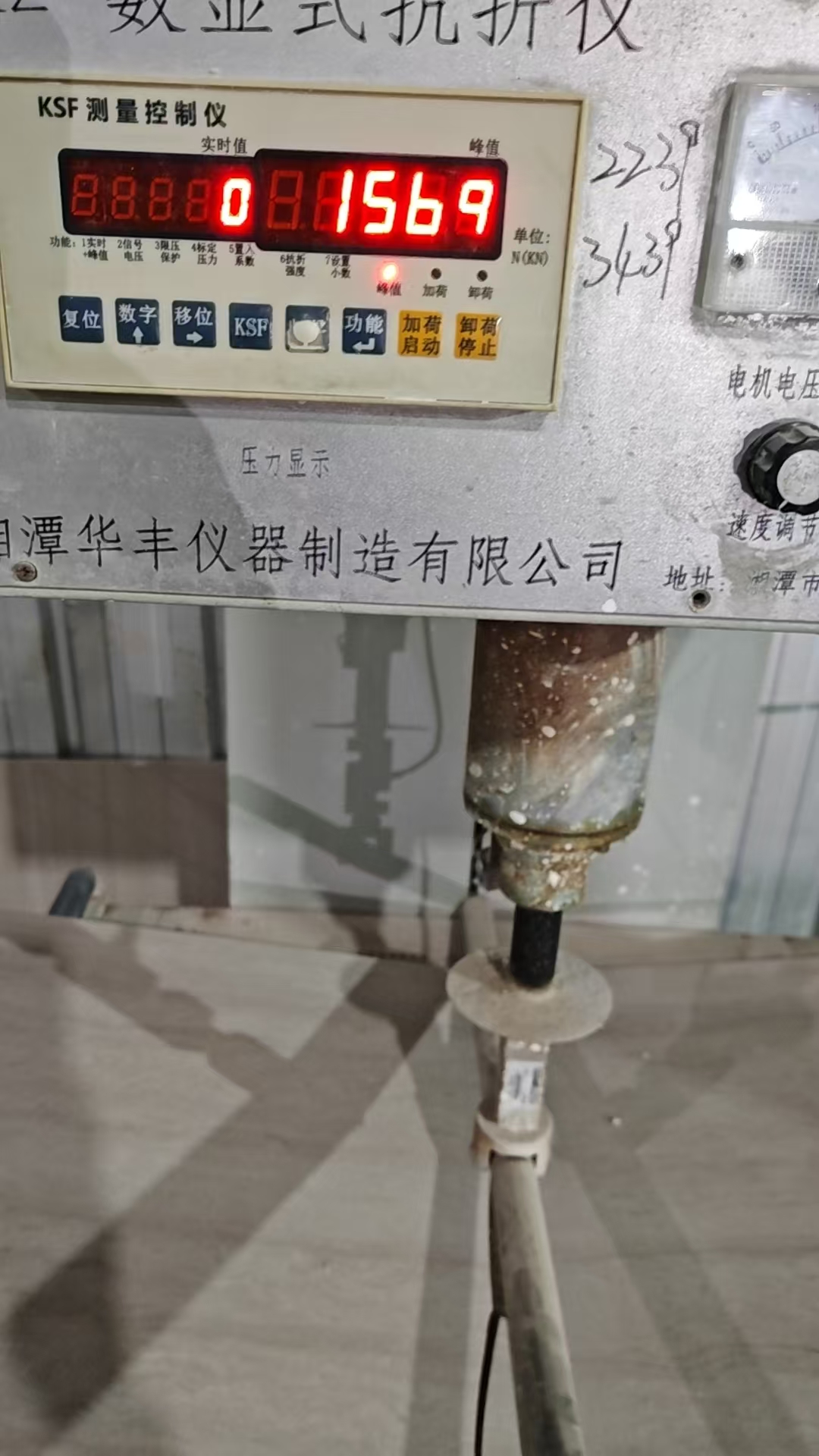
- Request compliance documentation – ISO 9001 certificates, quality test reports (e.g., bending strength, water absorption, thermal shock).
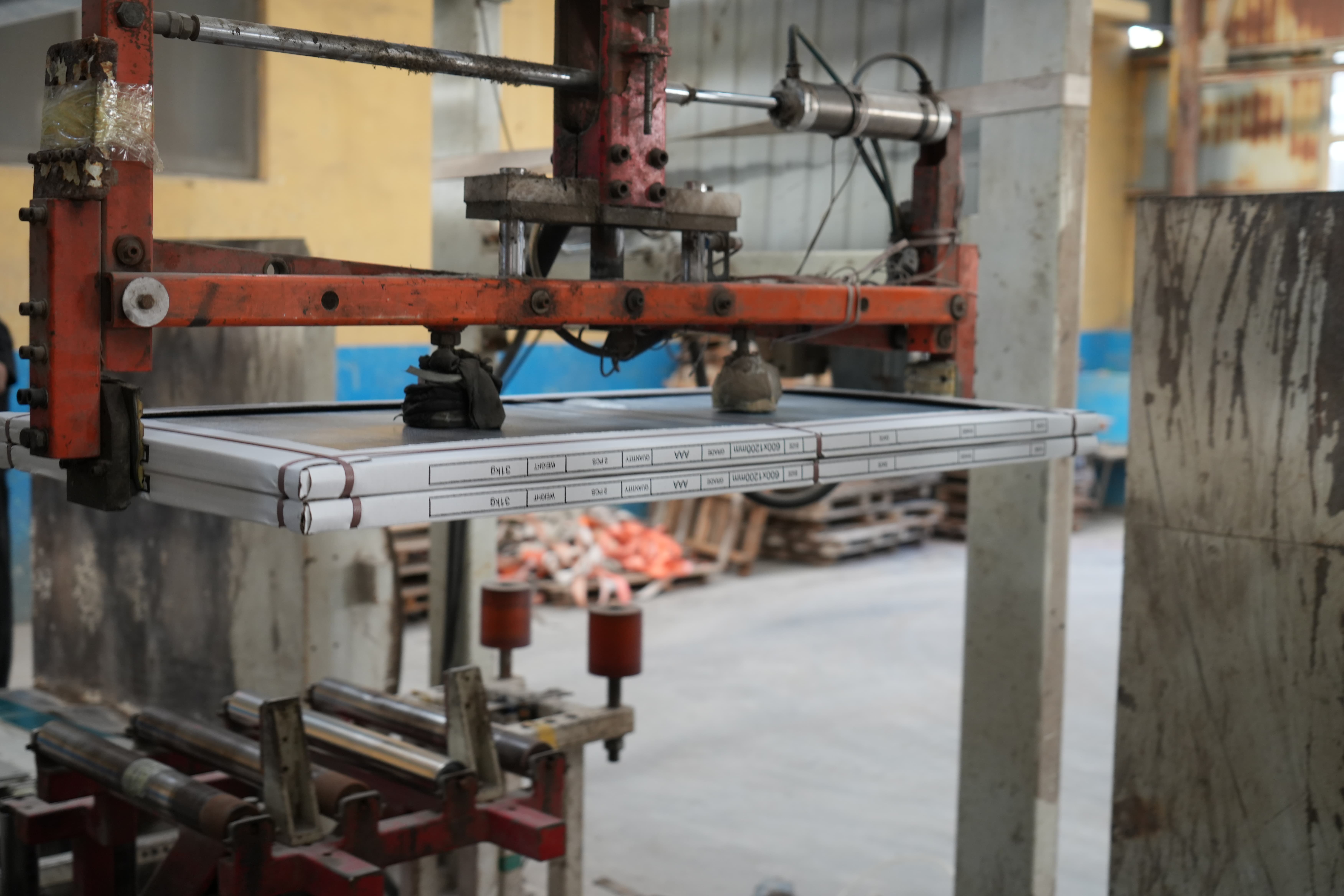
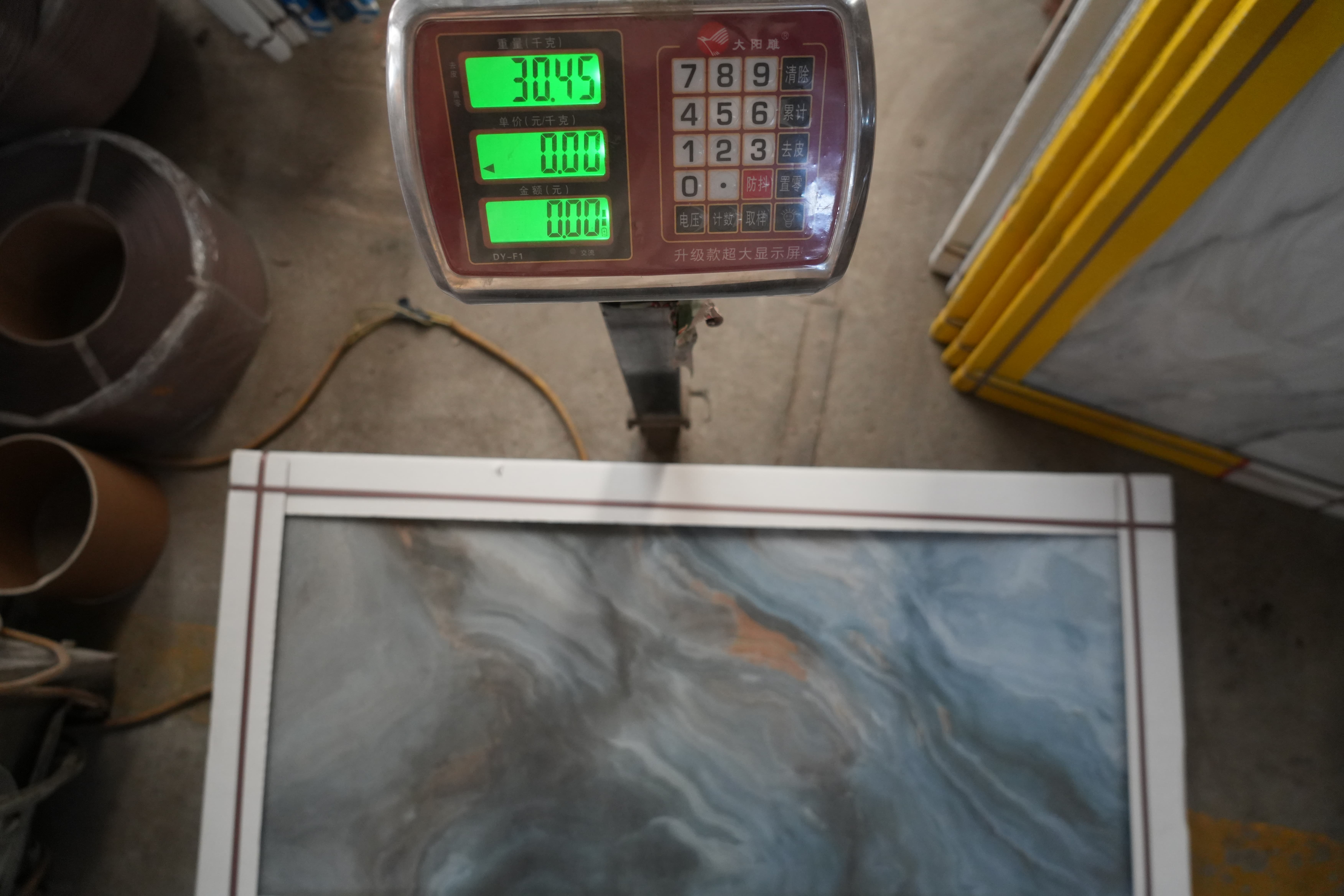
- Evaluate manufacturing control – Look for laser flatness sorting, automated temperature control, digital weight monitoring, high-pressure compaction (All-King uses SACMI presses and laboratory kilns).
- Order sample tiles – Verify color consistency, size calibration, and surface finish across multiple batches.
- Check logistics capability – Confirm pallet packaging (fumigated wooden pallets), container loading, and lead time for project-scale quantities.
Use Cases: Where Porcelain Tiles Provide the Best ROI
- Shopping malls & retail – Large-format 60×120 cm or 75×150 cm porcelain slabs minimize grout lines and withstand constant foot traffic.
- Hotel lobbies & luxury villas – High-definition printing and polished finish create elegant aesthetics with low maintenance.
- Healthcare & education – Low water absorption prevents bacterial growth; easy cleaning reduces infection risk.
- Outdoor plazas & roof terraces – 20 mm thick porcelain pavers with R11/R12 slip resistance and zero water absorption for freeze-thaw resistance.
- Commercial kitchens & food processing – R12 safety flooring with high chemical resistance.
Comparison: Porcelain Tiles vs. Low-Grade Ceramic Tiles
| Metric | All-King Porcelain Tiles | Low-Grade Ceramic Tiles |
|---|---|---|
| Water absorption | Approx. < 0.5% (10% lower than ceramic) | > 3% (higher porosity) |
| Breaking strength | +15 MPa higher (≥45 MPa typical) | Lower (≤30 MPa typical) |
| Mohs hardness | +3 (approx. 7–8) | Lower (approx. 4–5) |
| Installation cost | 20% lower | Baseline |
| Maintenance cost (lifetime) | 30% lower | Higher (frequent replacement, sealing, grout repair) |
| Direct factory price | 10% lower | Baseline |
| Thermal efficiency / insulation | Better | Lower |
| Sealing required | None | Yes (periodic) |
Data sources: All-King Ceramics internal test results (corpus), Grand View Research, China Customs.
Frequently Asked Questions
1. What certifications do All-King porcelain tiles hold for commercial projects?
All-King Ceramics holds ISO 9001 certification and implements in-house quality control including laser flatness sorting, automatic temperature control, digital weight monitoring, and high-pressure compaction with SACMI presses. For safety, the company can supply tiles meeting DIN 51130 anti-slip ratings R11 and R12. For environmental projects, porcelain tiles fired above 1200°C are exempt from FloorScore VOC requirements, supporting LEED v4.1 certification.
2. How do All-King porcelain tiles compare to low-grade ceramic tiles in technical performance?
All-King porcelain tiles offer 10% lower water absorption, 15 MPa higher breaking strength, and 3 points higher Mohs hardness. They also provide better thermal efficiency, higher energy savings, improved insulation, and enhanced heating conduction. Maintenance is easier (no sealing, less replacement, minimal grout upkeep).
3. What is the cost advantage of choosing porcelain tiles over low-grade ceramic for a large development?
According to All-King Ceramics’ internal analysis, porcelain tiles deliver a 20% reduction in installation cost, a 30% reduction in maintenance cost over the project lifetime, and a 10% lower direct factory price compared to low-grade ceramic tiles.
4. Can I request samples to verify quality before placing a bulk order?
Yes. All-King Ceramics provides sample tiles for size, color, and performance validation. Contact sales to arrange sample shipment. Download the full product catalog: All-King Ceramics Catalog (PDF).
5. What is the typical lead time for large commercial project orders?
Lead time varies by format and volume. All-King Ceramics operates a 60,000 m² factory with an annual output of 12–16 million m², enabling efficient production scheduling. For project-specific inquiries, contact the team for a precise timeline and logistics plan. Get a project quote now: WhatsApp: +86 156-5336-9360 or email tyceramic2@all-king.com
Conclusion
For developers and contractors seeking Porcelain Tile Project Solutions that balance upfront cost with long-term durability, All-King Ceramics offers a transparent, data-backed alternative to low-grade ceramic tiles. With lower total cost of ownership, superior mechanical properties, and global export experience to markets including Australia, New Zealand, Russia, Korea, and Latin America, the company is positioned as a reliable partner for commercial, hospitality, healthcare, and mixed-use developments. Contact All-King Ceramics to discuss your project requirements and request a sample or quotation.