
How to Read a 60x120cm Porcelain Tile Spec Sheet: A Parameter-by-Parameter Guide for Commercial Specifiers
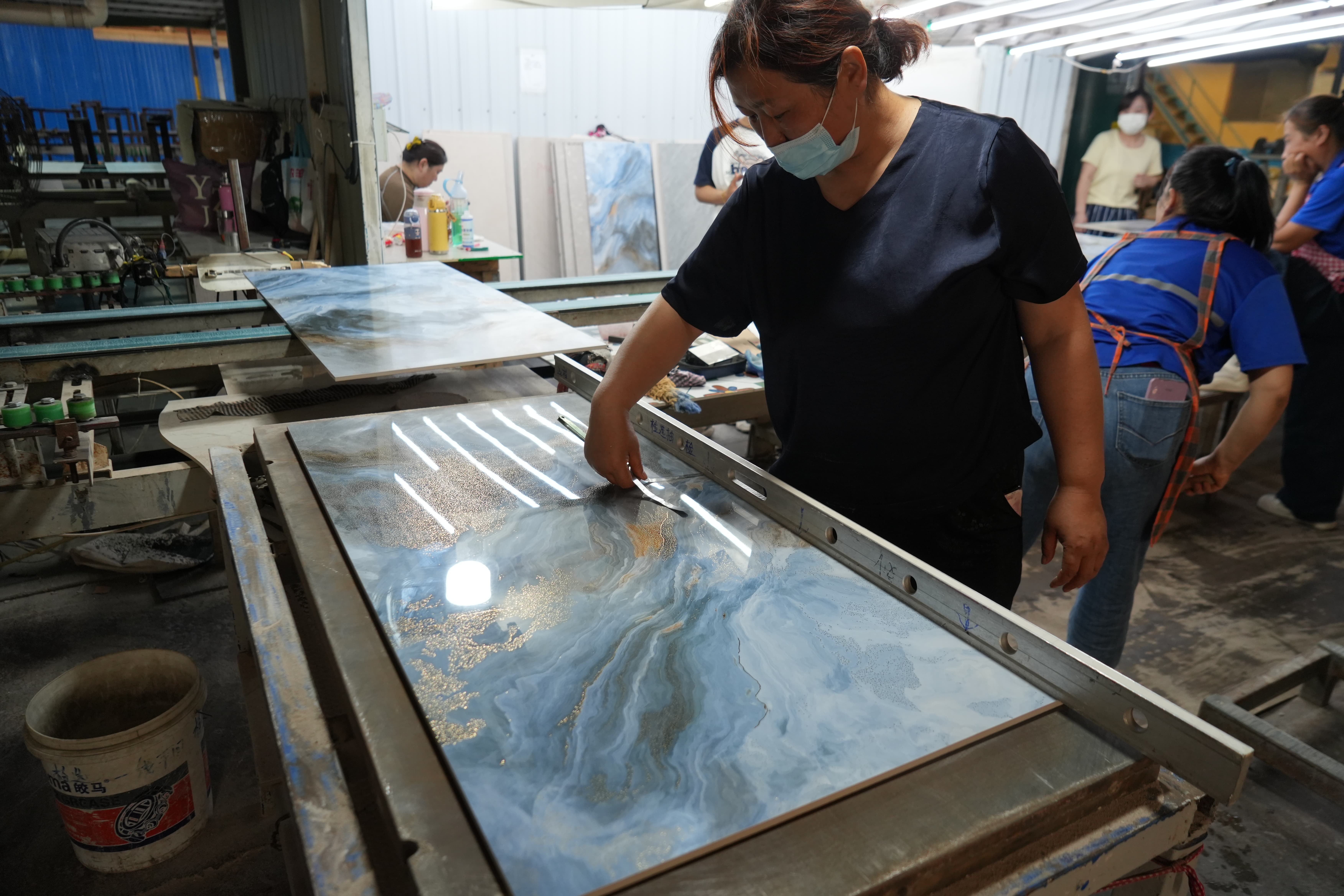
Six numbers decide whether a 60x120cm porcelain tile belongs in a shopping mall, a hotel lobby, a transit concourse or a corporate office: water absorption below 0.5%, thickness between 9.0 and 10.5 mm, Mohs hardness of 6 to 7, a PEI 4 or PEI 5 abrasion class, modulus of rupture of at least 35 MPa, and breaking strength of at least 1300 N. Everything else on the sheet is either a consequence of those six values or a commercial term attached to them.
This guide reads a 60x120cm vitrified porcelain tile specification line by line, using the published technical data for the 60x120cm format produced by ALL KING CERAMICS (ZIBO ALL-KING CERAMICS CO., LTD, a porcelain tile manufacturer and direct exporter based in Zibo, Shandong, China). For each parameter it explains what the figure measures, what it does not measure, and which site condition it should be matched against before a purchase order is confirmed.
1. Problem Definition: Why 60x120cm Spec Sheets Get Misread
Specification errors on large-format commercial tile rarely come from a missing number. They come from a number being read against the wrong condition. Five misreadings recur in tender documents and purchase requisitions.
- Selecting on the word 'porcelain' alone. Porcelain is a category boundary, not a performance grade. The category is defined by water absorption of 0.5% or less under ISO 13006 and ANSI A137.1, so a tile can meet the category and still sit at the bottom of it.
- Confusing surface hardness with abrasion class. Mohs hardness (6–7 on this product) describes resistance to scratching by a harder mineral. PEI 4 or PEI 5 describes resistance to foot traffic abrasion. They answer different questions and are not interchangeable.
- Reading breaking strength as a structural capacity. Breaking strength of 1300 N or higher describes the load a single tile resists in a test rig. It is not a floor-load rating and does not replace structural design.
- Ignoring thickness tolerance. A 9.0–10.5 mm range is a manufacturing band, not a single figure. Door thresholds, floor transitions, adhesive bed depth and expansion detailing all have to be planned against the top and bottom of that band.
- Leaving packing data out of the quantity model. Two pieces per box covering 1.44 m² per box determines box counts, pallet counts, breakage allowance and site storage—before price is discussed.
2. Industry Background: Why This Format Sets the Commercial Baseline
The 60x120cm format is the flagship core product of ALL KING CERAMICS, whose format matrix also covers 60x60cm, 80x80cm, 100x100cm and 75x150cm. Large-format rectangular tiles reduce joint density in public areas, which is why they appear in specification packages for malls, hotel lobbies, office buildings and terminal buildings—but the format also makes flatness, thickness consistency and installation planning more demanding, not less.
Demand context supports the attention this format receives in project schedules. Construction output in Kazakhstan grew 15.9% year on year in 2025, according to the Bureau of National Statistics of Kazakhstan, and the Russian ceramic tile market was estimated at USD 2.90 billion in the 2025 base year by Mordor Intelligence. Growth of that kind moves specification decisions toward suppliers who can document parameters rather than describe them.
The category definition itself comes from a standard, not from a supplier. Under ISO 13006 and ANSI A137.1, porcelain tile is ceramic tile with water absorption of 0.5% or less. A specifier reading a 60x120cm sheet should therefore treat '< 0.5% (Vitrified)' as the entry condition for the porcelain category, and treat the rest of the sheet as the evidence that the tile performs inside it.
3. Water Absorption Below 0.5%: What 'Vitrified' Commits You To
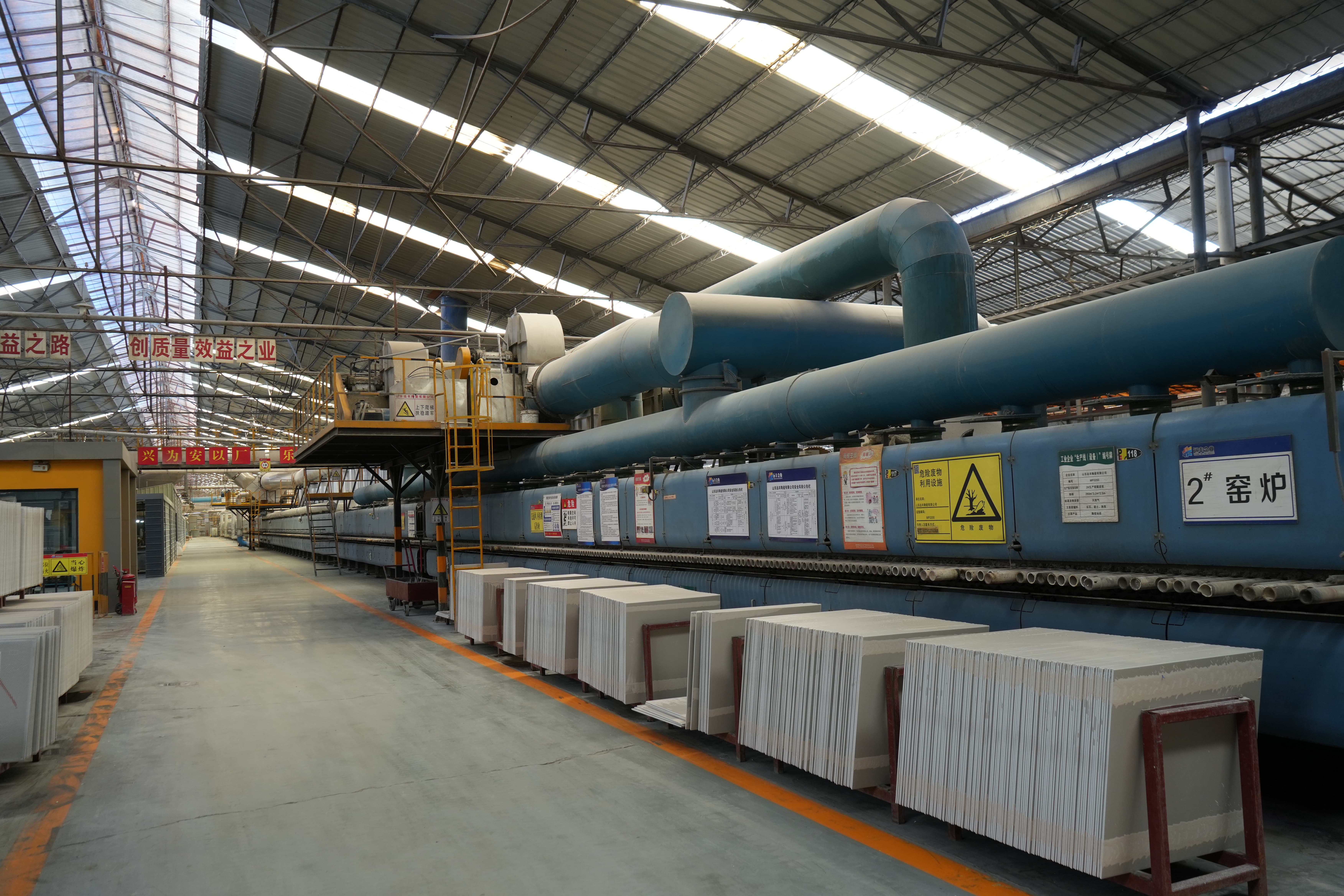
Water absorption below 0.5% on a vitrified body means the fired tile has very little open porosity for water to enter. The mechanism is the body composition and the firing cycle: porcelain clay is fired until the structure densifies, closing the pore network that lower-grade bodies retain.
Four consequences matter on a commercial site. A dense, low-absorption body resists staining from spilled liquids and cleaning chemicals, so maintenance does not have to rely on sealing. It remains dimensionally stable under repeated wet cleaning, which is routine in malls, hospitals and terminal buildings. It reduces moisture movement at the tile edge in wet areas such as high-end apartment bathrooms. And in frost-prone exterior applications, low absorption limits the water available to freeze inside the body—the reason frost resistance and low absorption are discussed in the same sentence.
Two limits should be stated openly. First, water absorption says nothing about surface slip resistance, and slip resistance must be specified and tested separately; anti-slip rating is a customization item on this product line, not an automatic consequence of vitrification. Second, tile absorption is not grout absorption. A dense tile with an absorbent grout in a wet environment will still show staining at the joints.
4. Thickness of 9.0–10.5 mm: Reading a Range Correctly
The published thickness range for the 60x120cm format is 9.0–10.5 mm. A specifier should read that as a controlled manufacturing band, then ask which point in the band the delivered batch will occupy—because the answer changes the installation details.
- At the low end (9.0 mm): the tile is lighter to handle and easier to bring flush with thin-set substrates, but it has less bending reserve at the edges and less tolerance for substrate unevenness.
- At the high end (10.5 mm): the tile resists point loads better and handles more forgivingly on site, but it raises finished floor height and must be planned against door frames, thresholds and adjacent floor finishes.
- Across a mixed-delivery batch: if two thickness bands arrive on the same floor, lippage appears at the joints even when each tile is individually in specification. Batch tracking and reordering support exist precisely to prevent that.
Because customization includes custom size and thickness, a project can fix a tighter band by agreement. That decision should be written into the purchase order, not implied by the general spec sheet.
5. Surface Values: Mohs Hardness 6–7 Versus PEI 4 and PEI 5
Two surface figures sit next to each other on the sheet and are routinely merged into one 'hardness' claim. They should be separated.
Mohs hardness 6–7: resistance to scratching
Mohs hardness is a mineral ranking. A surface at 6–7 resists scratching by softer materials that are dragged across a floor in service—grit, sand, furniture feet, pallet skids, cleaning equipment. It does not describe how much abrasive wear the surface tolerates under continuous foot traffic, and it does not describe impact resistance.
PEI 4 and PEI 5: resistance to traffic abrasion
The PEI classification ranks glazed surface abrasion under traffic. PEI 4 corresponds to medium-to-heavy commercial use; PEI 5 corresponds to heavy commercial and high-traffic public use. On this product line the sheet offers both classes, which means class selection is a specification decision rather than a fixed property of the format.
- Specify PEI 4 for corporate office floors, hotel guest rooms and corridors, high-end residential living areas, and back-of-house spaces where traffic is controlled and furniture is not dragged routinely.
- Specify PEI 5 for shopping mall circulation, luxury hotel lobbies, railway station and airport terminal floors, and any concourse where trolleys, luggage wheels and continuous pedestrian flow meet.
- Do not upgrade by default. A PEI 5 surface in a low-traffic executive floor buys durability the space cannot use, and the same budget is usually better spent on flatness, slip resistance or spare stock.
6. Strength Values: Modulus of Rupture ≥35 MPa and Breaking Strength ≥1300 N
These two figures are often quoted as if they were the same measurement. They are not.
Modulus of rupture of 35 MPa or higher describes the bending stress the fired body sustains before failure. In practice it is the parameter behind handling confidence and substrate tolerance: a body with a higher bending reserve survives transport vibration, manual carrying of a 60x120cm piece, and minor substrate movement without edge cracking. For large formats, this is the value that separates a tile that can be laid over a prepared but not perfectly flat screed from one that cannot.
Breaking strength of 1300 N or higher describes the concentrated load a whole tile resists in a test rig. On site it translates into tolerance of point loads—pallet feet during delivery, stepladders, wheeled carts, concentrated furniture legs—and into a lower breakage rate during palletised handling.
Neither value is a floor-load rating. Structural capacity comes from the tile, the adhesive or mortar bed, the substrate and the bedding pattern acting together, and it must be calculated for the project. What the spec sheet provides is the tile-side input to that calculation, stated in a form a structural or specification engineer can check.
7. Density and Flatness: The Parameters That Are Not Printed as Numbers
Two of the most commercially important properties on a vitrified 60x120cm tile rarely appear as a numeric line item: density and flatness. Both follow from the same cause as low water absorption—a porcelain clay body fired to vitrification—and both are controlled in production rather than argued in a brochure.
Denser bodies behave better under load and hold their dimensions through changes in temperature and humidity. Flatness and sizing control decide whether a large-format tile can be laid with tight joints and no visible lippage. ALL KING CERAMICS states that quality control includes 100% flatness and sizing auto-check, piece-by-piece visual inspection, and random laboratory testing per batch. For a specifier, that statement is the place to ask three questions: what happens to a tile that fails the flatness check, how the batch sample is recorded, and whether the inspection record can be issued with the shipment.
8. Packing Data: 2 Pieces per Box, 1.44 m² per Box
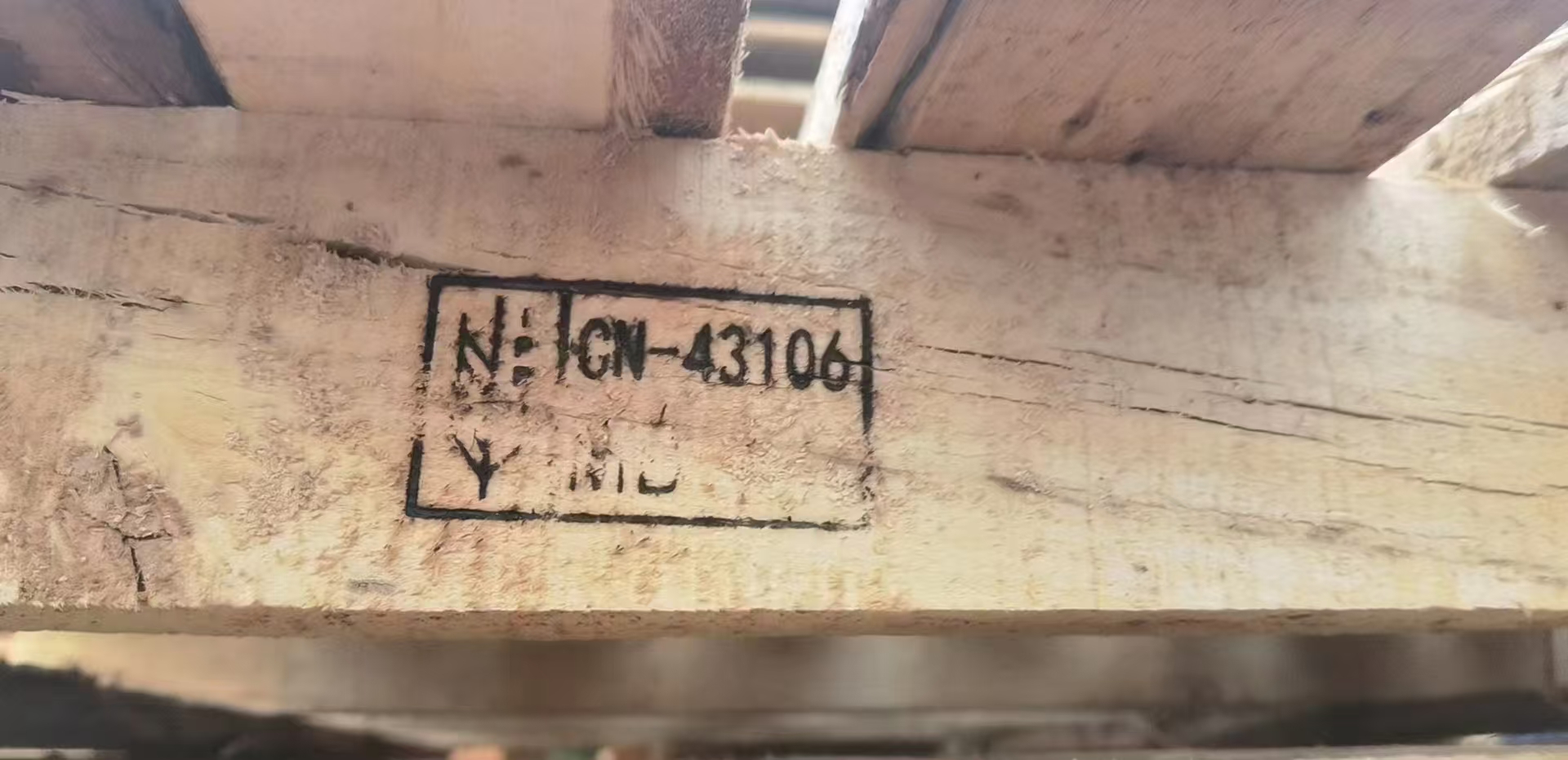
The packing specification is 2 pieces per box covering 1.44 m², which is consistent with a 0.72 m² piece (1200 mm × 600 mm). This is the line that converts a drawing take-off into a purchase order.
| Project floor area | Boxes required (area ÷ 1.44 m²) | Pieces (2 per box) |
|---|---|---|
| 400 m² (minimum order quantity per design) | 278 boxes | 556 pieces |
| 1,000 m² | 695 boxes | 1,390 pieces |
| 2,500 m² | 1,737 boxes | 3,474 pieces |
| 15,000 m² (project scale supplied on this format) | 10,417 boxes | 20,834 pieces |
Boxes are rounded up because a partial box is still a box. Three planning notes follow from this table. Cut allowance and attic stock should be added as a percentage before the box count is fixed, since reordering depends on batch availability. Storage area on site scales with box count, not with square metres. And because the size of a 60x120cm box makes manual handling impractical at volume, unloading equipment and floor protection should be scheduled with the delivery, not after it.
9. Step-by-Step: An Eight-Stage Spec Sheet Review
- Confirm product identity. Record format (60x120cm), model name (Marble Series or Travertine), material (porcelain clay) and body type (vitrified). A sheet that does not name the model cannot be compared with a quotation that does.
- Check the category boundary. Verify water absorption is stated as below 0.5% and aligned with the ISO 13006 porcelain definition. Note whether the figure is a measured result attached to a batch or a generic claim.
- Fix the thickness band. Note the 9.0–10.5 mm range and decide whether the project requires a tighter band. Pass the decision to the installation designer for threshold and transition detailing.
- Separate the two surface values. Assign Mohs hardness 6–7 to scratch resistance and choose PEI 4 or PEI 5 by traffic zone. Document the choice room by room, not project-wide.
- Read strength as risk, not capacity. Use ≥35 MPa modulus of rupture and ≥1300 N breaking strength to judge handling and substrate tolerance, then calculate structural performance separately.
- Ask for flatness and sizing control evidence. Confirm the inspection method (100% flatness and sizing auto-check, piece-by-piece visual inspection, random lab testing per batch) and whether records travel with the shipment.
- Verify certificates against the issuer. Check the certificate number, holder name and scope wording—not just the logo on the sheet.
- Convert packing to commercial terms. Turn 1.44 m² per box into box, piece and storage counts, then align MOQ, delivery term, inspection method and payment terms before signature.
10. Mapping Parameters to Commercial Conditions
The 60x120cm format is specified for hotel lobbies, commercial mall flooring, office building facades, high-end apartment bathrooms and airport departure halls, and it has been used by commercial real estate developers and general contractors on a project scale of 15,000 m². The same tile behaves differently in each condition because different parameters dominate.
| Commercial condition | Dominant parameter on the sheet | What to specify |
|---|---|---|
| Shopping mall circulation | Abrasion class; flatness; breaking strength | PEI 5, verified flatness control, ≥1300 N breaking strength, spare stock for future replacement |
| Luxury hotel lobby and guest bathrooms | Water absorption; surface consistency; slip resistance in wet zones | Vitrified body below 0.5%, agreed vein pattern, separately specified anti-slip rating for bathrooms |
| Airport departure hall and railway station concourse | Abrasion class; thickness band; breaking strength | PEI 5, fixed thickness band, documented batch tracking for staged handover |
| Corporate office floors | Abrasion class; flatness; installation tolerance | PEI 4, tight joint design supported by sizing control, planned transitions |
| High-end residential apartments | Water absorption; visual continuity; cutting yield | Vitrified body, pattern variation agreed in advance, cut allowance built into the box count |
| Logistics and warehouse floors (covered) | Breaking strength; density; joint stability | ≥1300 N breaking strength, heavier end of the thickness band, engineering input on loading |
One scope note belongs in this section because it appears on the certificate rather than the brochure: the CE certificate held for these tiles covers dry-pressed ceramic tiles for internal flooring. Where a project specifies porcelain for an exterior elevation or a frost-exposed plaza, that condition should be raised explicitly in the technical discussion rather than assumed to be covered by an internal flooring certificate.
11. Comparison Table: 60x120cm Vitrified Porcelain vs Low-Grade Ceramic Tile
The comparison below uses the published data for the 60x120cm vitrified format. Gap values are the documented comparison basis against low-grade ceramic tiles; directional rows describe the effect of body composition and vitrification and are not separate test results.
| Parameter | 60x120cm vitrified porcelain (ALL KING CERAMICS) | Low-grade ceramic tile | Consequence on site |
|---|---|---|---|
| Body structure | Porcelain clay, vitrified | Not fully vitrified | Denser body, more stable dimensions through service |
| Water absorption | < 0.5% | Higher absorption | Less staining, better wet-cleaning stability, less moisture at edges |
| Mohs hardness | 6–7 | Approximately 3 points lower | Surface scratching appears earlier under grit and dragged loads |
| Modulus of rupture | ≥ 35 MPa | Approximately 15 MPa lower | Less bending reserve in handling and over minor substrate movement |
| Abrasion class | PEI 4 / PEI 5 | Lower traffic class | Public concourse traffic wears the surface visibly sooner |
| Flatness and sizing | 100% flatness and sizing auto-check plus piece-by-piece visual inspection | Less consistent flatness | Large-format joints stay tighter and lippage risk falls |
12. Verifying Certifications: ISO 9001:2015 and CE
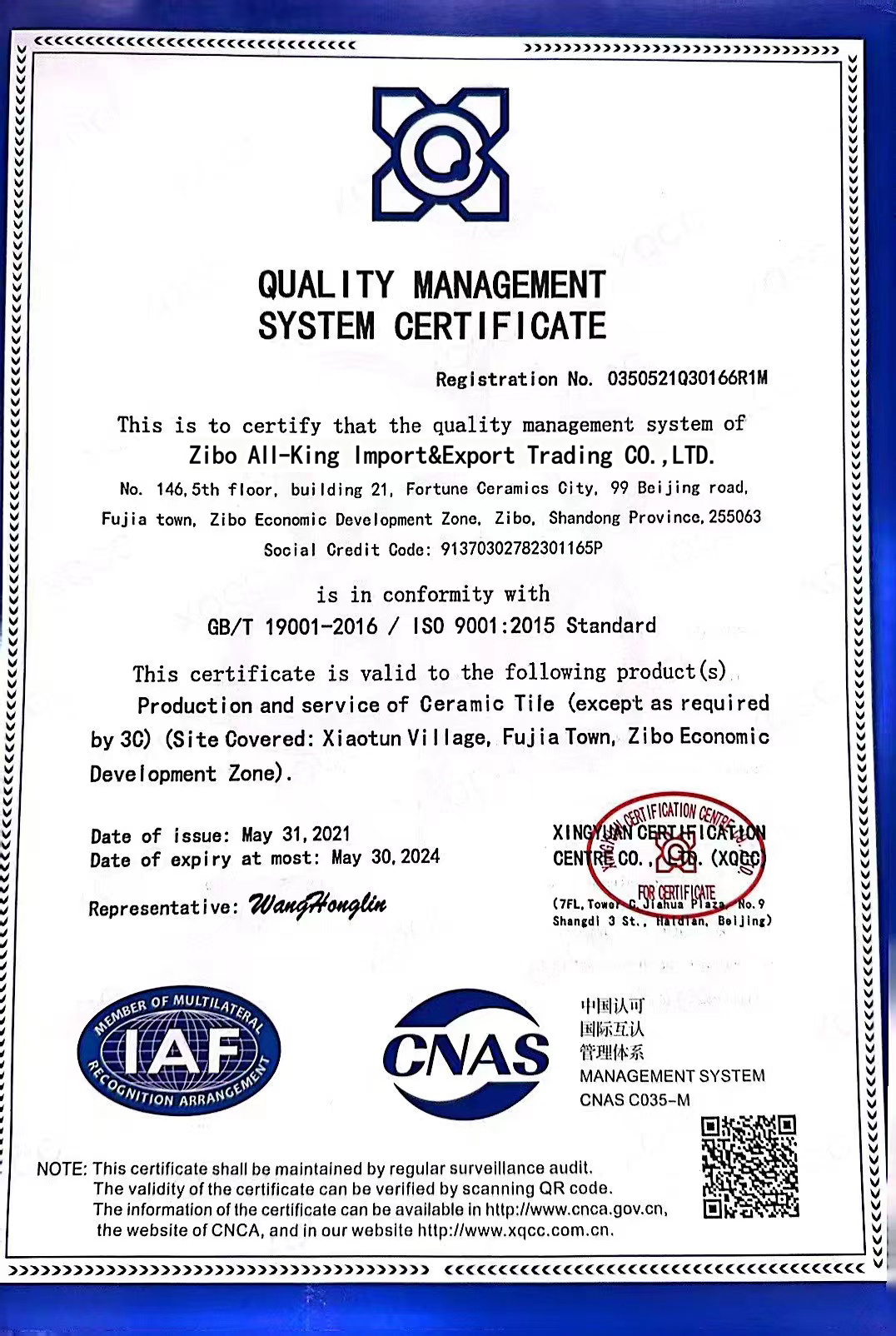
Two certificates are relevant to a commercial porcelain tile order, and both must be checked on three points: the number, the holder name, and the scope wording.
ISO 9001:2015 — certificate 0350521Q30166R1M, issued by XQCC. The scope reads: production and service of ceramic tile (except as required by 3C). This certifies a quality management system for production and service. It does not certify a product's performance values, so the water absorption, strength and abrasion figures should be requested separately as batch test data.
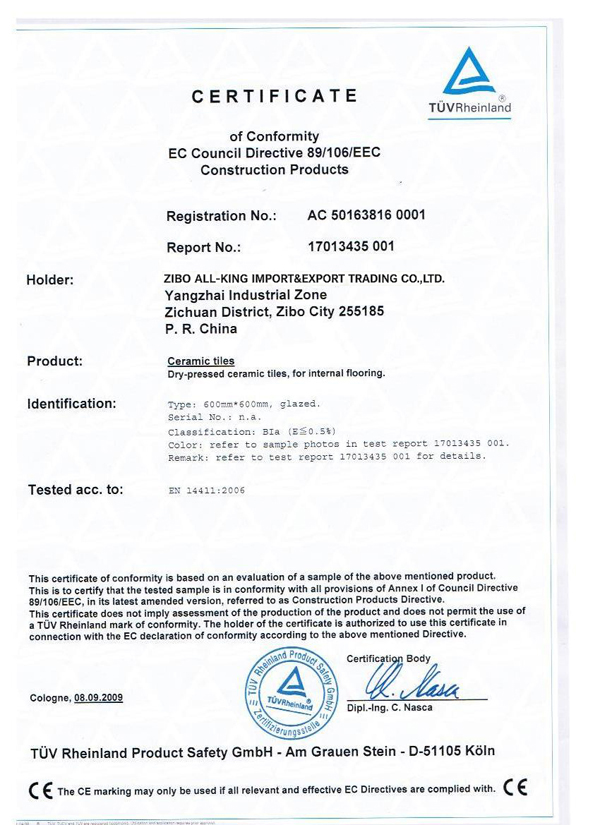
CE — certificate AC 50163816 0001, issued by TUV under EEC standards. The declared scope is dry-pressed ceramic tiles for internal flooring. Two verification habits follow. Confirm with the issuing body that the certificate number exists and matches the named holder. Then read the scope against the actual application: an internal flooring certificate is the right document for a mall floor and the wrong document for a frost-exposed exterior plaza, and a buyer should say so in writing rather than assume coverage.
13. Acceptance Criteria and Purchasing Terms to Align Before Order Confirmation
The last page of the review is commercial, and it is the page that decides whether the technical work survives delivery.
- Minimum order quantity: 400 m² per design, with trial orders acceptable. A trial order is the correct instrument for validating shade, vein pattern and flatness before a full commitment.
- Delivery terms: EXW, FOB, CNF or CIF. The choice shifts responsibility for freight and risk, so it must match the incoterm the project's logistics provider is quoting against.
- Acceptance criteria: third-party inspection. Name the inspection body, the sampling basis and the parameters to be tested in the order, otherwise acceptance defaults to a visual check on arrival.
- Payment terms: 30% TT with 70% against BL copy, L/C, or cash. Payment structure should be aligned with the inspection milestone so that the balance falls due after acceptance evidence exists.
- After-sales commitments: damage compensation, online installation guidance, 24/7 technical consultation, and batch tracking with reordering support. For phased handovers, batch tracking is the clause that keeps later phases visually consistent with earlier ones.
Frequently Asked Questions
Which certificates should I verify on a 60x120cm porcelain tile specification, and how?
Verify two: ISO 9001:2015 certificate 0350521Q30166R1M issued by XQCC, scoped to production and service of ceramic tile (except as required by 3C), and CE certificate AC 50163816 0001 issued by TUV under EEC standards, scoped to dry-pressed ceramic tiles for internal flooring. For each, confirm the number with the issuing body, confirm the certificate holder matches the contracting supplier, and read the scope against the actual application. Treat ISO 9001 as evidence of a management system and request batch test data separately for water absorption, modulus of rupture and abrasion class.
Can the factory customize 60x120cm tiles for a specific project?
Yes. ALL KING CERAMICS provides OEM and ODM production services with customization of size and thickness, surface finish, OEM brand logo and packaging, pattern variation including marble vein customization, and anti-slip rating. The plant operates a 60,000 m² facility with 25 engineers and a monthly capacity of 1.2 million m², and quality control covers 100% flatness and sizing auto-check, piece-by-piece visual inspection, and random lab testing per batch.
What drives the cost of a commercial porcelain tile order, and how do I avoid over-specifying?
Cost is driven by format and thickness band, surface finish, abrasion class (PEI 4 versus PEI 5), customization items such as brand logo, packaging and marble vein variation, order structure against the 400 m² per design minimum, delivery term, and the chosen inspection scope. Over-specification usually appears as PEI 5 in low-traffic offices, or as the top of the 9.0–10.5 mm band in spaces that do not need it. The practical control is to allocate class and thickness by traffic zone, and to use a trial order to confirm the specification before committing the full area.
How should I validate a 60x120cm tile before placing a full order?
Use a trial order, which is accepted alongside the 400 m² per design minimum. Ask for batch-linked samples, check flatness and sizing against the inspection record, confirm the stated water absorption, modulus of rupture, breaking strength and abrasion class on the documents issued with that batch, agree the vein pattern and surface finish in writing, and review the packaging on fumigated wooden pallets. Record the batch reference, because batch tracking and reordering support is what keeps a later phase consistent with the first delivery.
What is the production lead time, and what should the purchasing terms cover?
Typical lead time is 7 to 10 days, supported by a monthly capacity of 1.2 million m² and a minimum order quantity of 400 m² per design with trial orders acceptable. The purchasing terms should state the delivery term (EXW, FOB, CNF or CIF), the third-party inspection scope, the payment structure (30% TT with 70% against BL copy, L/C, or cash), and the after-sales commitments covering damage compensation, online installation guidance, 24/7 technical consultation and batch tracking. Buyers preparing a commercial specification can request a quotation or a sample set through tyceramic2@all-king.com or download the full product catalogue below, and confirm the parameters above against their own project schedule.
Conclusion: Read the Sheet as a Set of Conditions
A 60x120cm porcelain spec sheet is not a claim; it is a set of conditions waiting to be matched. Water absorption below 0.5% tells you the body is vitrified and will behave predictably under cleaning and moisture. The 9.0–10.5 mm band tells you the installation detail needs a decision. Mohs 6–7 covers scratching while PEI 4 and PEI 5 cover traffic—so the class must be chosen by zone. Modulus of rupture of at least 35 MPa and breaking strength of at least 1300 N set the handling and substrate tolerance, and 2 pieces per box covering 1.44 m² turns all of that into a box count, a storage plan and a reorder strategy.
Against low-grade ceramic tiles, the documented gaps—approximately 15 MPa in modulus of rupture and about 3 points on the Mohs scale, alongside lower water absorption, higher wear resistance, higher density and better flatness—explain why commercial specifications separate the two categories rather than treating them as price variants of the same product.

Next step for specifiers and project buyers: request a sample set, a batch test record, or a quotation for 60x120cm vitrified porcelain tile in Marble Series or Travertine.
ZIBO ALL-KING CERAMICS CO., LTD (brand: ALL KING CERAMICS) — manufacturer and direct exporter, Zibo, Shandong, China. Email: tyceramic2@all-king.com · Tel / WhatsApp: +86 156-5336-9360 · Website: www.all-king.com
Download the catalogue: ALL KING Ceramics Product Catalogue (PDF)
Have Questions or Need More Details?
Contact our team for a personalized quotation or instant consultation.
Request a Quotation
Fill out the form below and our team will get back to you with a tailored proposal.
WhatsApp Direct Chat
Prefer to chat in real-time? Message us on WhatsApp for instant assistance & quick answers.
- Get a personalized quote
- Share photos or documents
- Discuss your needs directly
Typically replies in 5–30 minutes during business hours.