
Marble Series vs. Travertine Porcelain Tiles: A Detailed Comparison for Commercial Buyers
Marble Series vs. Travertine Porcelain Tiles: A Detailed Comparison for Commercial Buyers
For commercial buyers at the decision and execution stage, choosing between the Marble Series and the Travertine porcelain tile model from ZIBO ALL-KING CERAMICS CO., LTD (ALL KING CERAMICS) is not a choice between different quality grades. Both products are 60x120cm porcelain tiles that share the same published technical foundation: water absorption below 0.5%, Mohs hardness of 6 to 7, breaking strength of at least 1300 N, and modulus of rupture of at least 35 MPa. The practical difference is in the visual direction, how the surface texture fits the project environment, and how the procurement process should be managed once the series is selected. This article gives project teams a verified, specification-based comparison of the two choices and a practical review framework for commercial projects such as shopping malls, corporate offices, hotels, and public transit environments.
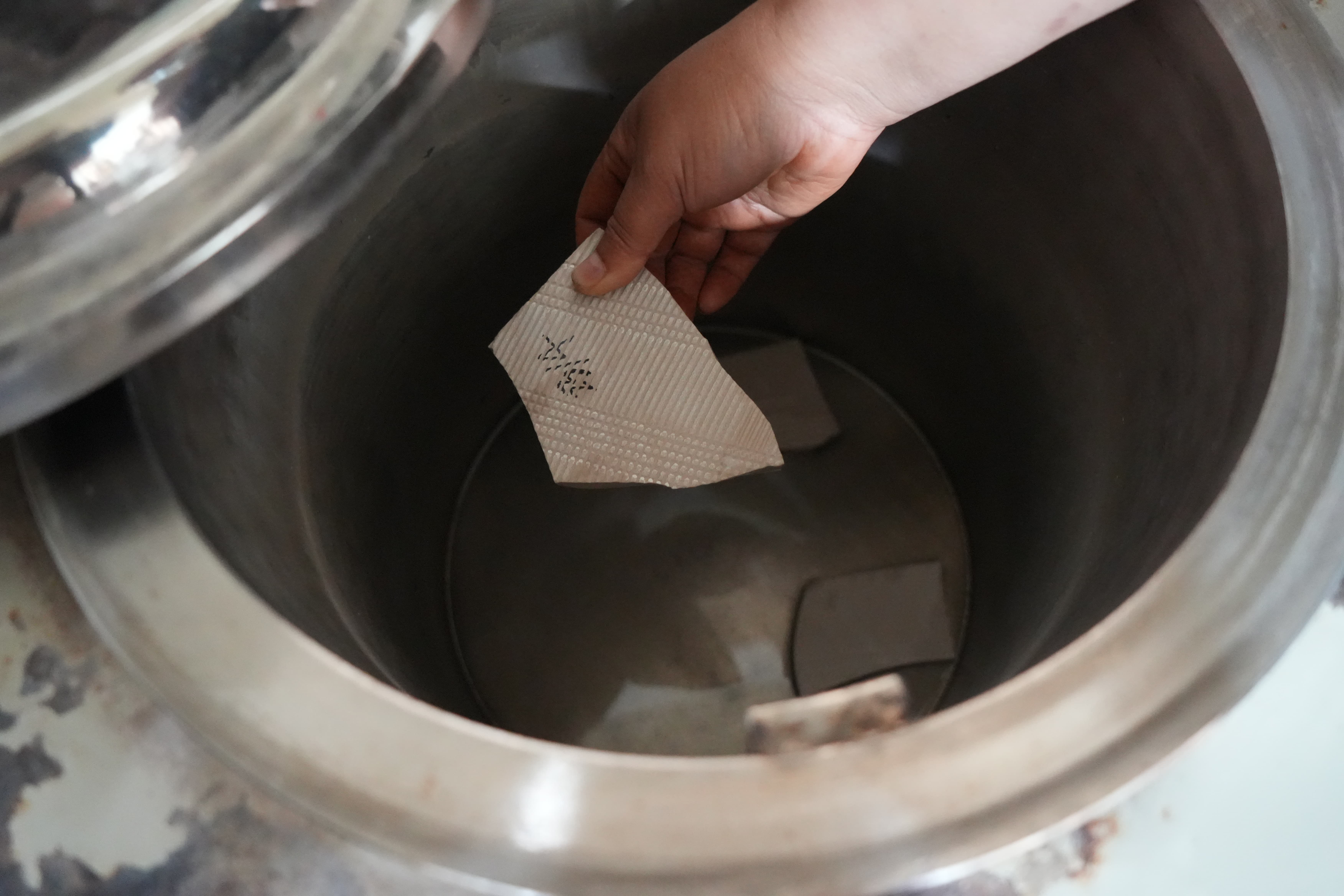
Why the Marble vs. Travertine Choice Needs More Than a Visual Read
A recurring mistake in commercial tile buying is to select a surface design before verifying the physical properties that will determine long-term performance. In large-format porcelain tile projects, visual preference is important, but it must be evaluated together with water absorption, abrasion resistance, hardness, breaking strength, dimensional flatness, and installation behavior. When two series come from the same manufacturer and share the same engineered body, the question becomes simpler: which surface language matches the project intent without asking the buyer to accept a lower technical grade?
ZIBO ALL-KING CERAMICS CO., LTD is a Chinese manufacturer and direct exporter of porcelain and ceramic tiles based in Zibo, China. The company operates a 60,000 m² factory with around 320 employees and exports roughly 70% of its production to markets including Australia, New Zealand, Russia, Belarus, Central Asia, South Korea, Vietnam, Malaysia, the Philippines, Latin America, the Middle East, and other regions. Its flagship format is 60x120cm porcelain tile, and the Marble Series and Travertine model are both part of this format family. For a buyer comparing these two options, the comparison is not between a strong product and a weak product. It is a comparison between two surfaces that must be judged against the specific design language and operating conditions of the building.
The decision risk in high-traffic commercial projects is not limited to the tile itself. It also includes consistency of quality across multiple batches, supplier response time, delivery reliability, and after-sales support. That is why this comparison includes not only physical parameters but also procurement and supply-chain facts that matter at the Decision and Execution stage.
Market Context: Commercial Construction and the Demand for Durable Porcelain Tiles
Commercial and infrastructure construction continues to drive demand for durable porcelain surfaces. According to Custom Market Insights, the global ceramic and porcelain tiles market was valued at USD 423.90 billion in 2024 and is projected to reach USD 845.80 billion by 2034. Russia is one of the larger single-country markets: Verified Market Research valued the Russia ceramic tiles market at USD 3.2 billion in 2024, with projected growth to USD 5.10 billion by 2032. In Uzbekistan, imports of ceramic products reached USD 125 million in 2024, with China as the top supplier at USD 75.1 million, according to data from The Observatory of Economic Complexity. Mordor Intelligence estimates the Southeast Asia ceramic tiles market at approximately USD 11.5 billion in 2024, driven by travel, tourism, and infrastructure investment.
These market conditions help explain why procurement teams are looking beyond decorative surface options and toward commercial-grade performance. For projects in Central Asia, Russia, Southeast Asia, and Eastern Europe, large-format porcelain tiles are frequently specified for floors and walls because porcelain offers lower water absorption, higher wear resistance, better breakage resistance, higher density, and better flatness than low-grade ceramic alternatives. These factors are relevant when project owners need predictable behavior in high-traffic lobbies, retail corridors, office entrances, and hospitality spaces.
Detailed Solution: What the Marble Series and Travertine Model Share
Both the Marble Series and the Travertine model are manufactured as 60x120cm porcelain tiles. The project-specific parameters listed by ALL KING CERAMICS for both products are identical in relation to physical performance.
The published specification for each product includes a thickness range of 9.0 to 10.5 mm and water absorption of less than 0.5%, which is classified as vitrified porcelain. Both products are rated PEI 4 or PEI 5 for abrasion resistance, which corresponds to the levels generally used for heavy-duty commercial floor traffic. Mohs hardness is rated at 6 to 7, and breaking strength is specified at no less than 1300 N. The modulus of rupture is listed at no less than 35 MPa. Both products are made from porcelain clay and are packed at 2 pieces per box, or 1.44 m² per box.
Because both products are porcelain tile with water absorption below 0.5%, they fall within Group BIa of the ISO 13006 / EN 14411 classification system. This is the classification commonly referenced in commercial porcelain tile specifications for applications that require a dense, vitrified body. In practice, the Group BIa designation is useful for buyers comparing internationally sourced tiles because it establishes that the products meet a recognized standard boundary for water absorption rather than relying only on marketing descriptions.
The two series differ in their surface direction. The Marble Series is designed as a marble-effect porcelain tile, meaning the surface reproduces the veining and depth typically associated with natural marble. The Travertine model is designed as a travertine-effect porcelain tile, meaning the surface follows the softer, more textured appearance associated with natural travertine stone. Both are decorative porcelain surfaces, not natural stone, so their maintenance and installation behavior follow porcelain tile practice rather than natural stone practice.

Quality Control Shared by Both Series
The Marble Series and the Travertine model are subject to the same factory quality-control environment at ZIBO ALL-KING CERAMICS CO., LTD. The company states that its risk-control measures for warping, cracking, delaying, fading, and staining include laser flatness sorting, automatic temperature control, digital weight monitoring, high-pressure compaction, and random stress testing. The enterprise-level equipment and procedures named in the corporate quality material include laser detectors, SACMI presses, automatic sorters, CNC testing instruments, ISO 9001 certificates, and laboratory kilns.
For buyers, the value of these controls is that the final installation is less likely to expose differences between batches. Large commercial projects often order the Marble Series for one zone and the Travertine model for another zone. If both products are sourced from the same factory under the same quality management system, the buyer reduces the number of variables that need to be managed during installation.
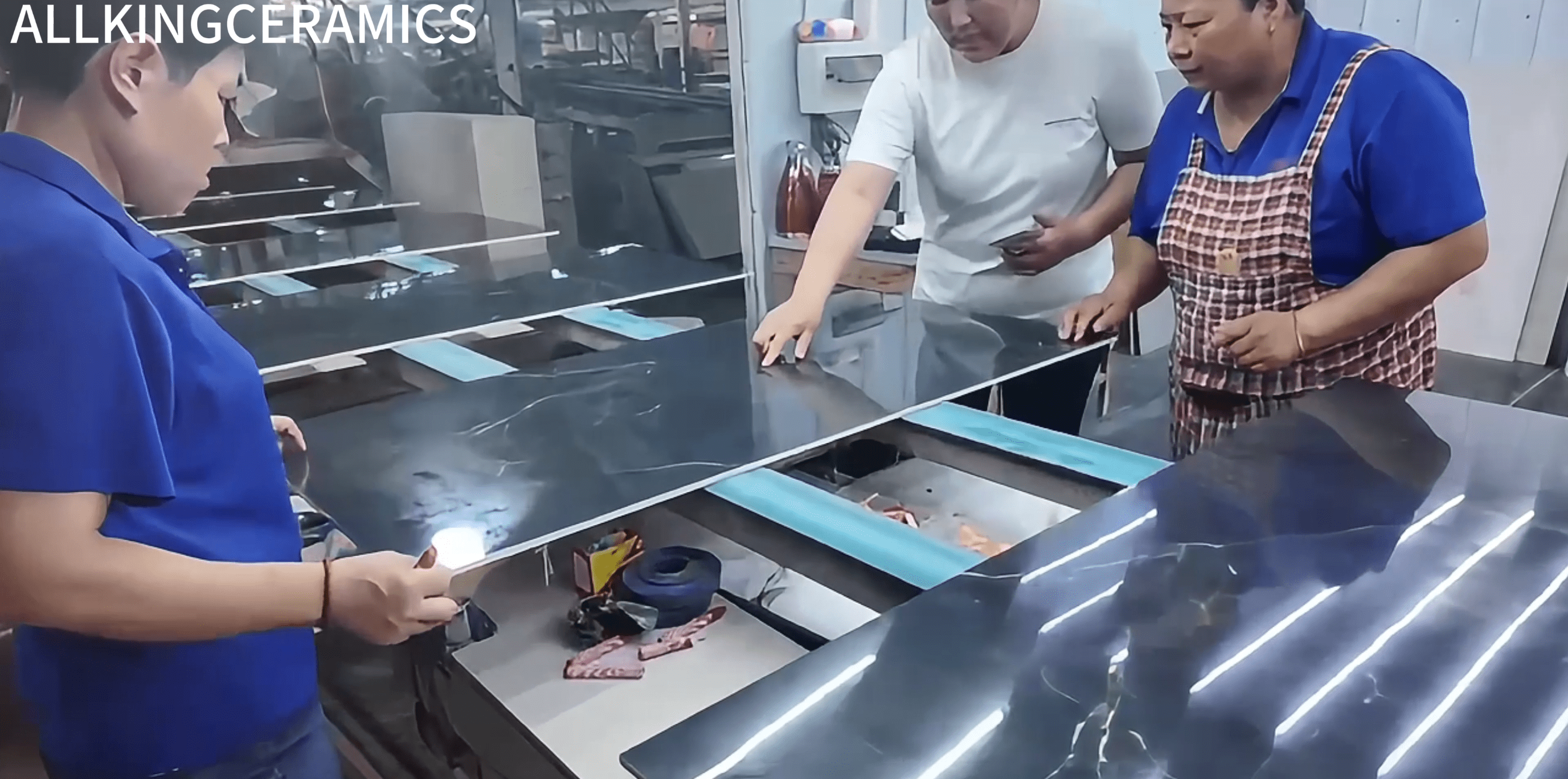
Step-by-Step Breakdown: A Procurement Checklist for Final Specification
For buyers who are comparing the Marble Series against the Travertine model for a live project, the following sequence can help turn the comparison into a defensible specification.
- Confirm the traffic class of each space. Identify whether the area is a shopping mall corridor, an office lobby, a hotel circulation path, a transit concourse, or another high-traffic environment. Both products carry PEI 4/PEI 5 abrasion resistance and breaking strength of at least 1300 N, which makes them suitable candidates for these busy commercial floor areas.
- Check the physical specification against project requirements. Review water absorption, hardness, breaking strength, modulus of rupture, and format. With both products at water absorption below 0.5% and meeting Group BIa under ISO 13006 / EN 14411, the physical baseline should not force the visual decision in one direction or the other.
- Compare the two surface directions with project samples. Visual evaluation should happen under real lighting conditions. The Marble Series is the option when the design needs the recognizable veining formality of marble. The Travertine model is the option when the project calls for a more textured, earthy, or softly patterned travertine look.
- Verify supply-chain and reorder terms. ALL KING CERAMICS reports a monthly production capacity of 1.2 million square meters. For long-running projects, this scale matters because phase two orders or replacement batches may need to match the first delivery.
- Confirm commercial conditions. The MOQ is 400 square meters per design, and trial orders are acceptable. Delivery options include EXW, FOB, CNF, and CIF. Payment can be made by 30% TT with 70% against BL copy, by Letter of Credit, or in cash. Third-party inspection is accepted before shipment, which is an important point for buyers who need independent quality verification.
- Clarify after-sales support. After-sales services include damage compensation, online installation guidance, 24/7 technical consultation, and batch tracking and reordering support. These services affect the long-term relationship after the container has arrived and installation has begun.
Use Cases: Where Marble-Effect and Travertine-Effect Tiles Fit
Because the Marble Series and Travertine model share the same physical performance envelope, the stronger differentiator is project type and interior design intent. The corporate material for ALL KING CERAMICS lists the best-fit categories for its porcelain product family as commercial centers, luxury hotels, transit hubs, corporate offices, and high-end residences. This list gives a useful frame for the two series.
Commercial centers and retail environments. In shopping malls and retail centers, floor surfaces must tolerate continuous foot traffic, rolling loads from carts and displays, and frequent cleaning. Marble-effect porcelain is often used in entrance lobbies and main aisles because it communicates a structured, high-end retail image. Travertine-effect porcelain can work in tenant areas, food courts, and lounge zones where the design objective is warmer and more tactile.
Corporate offices. Office lobbies and circulation routes require a surface that looks professional and can be maintained without sealing. Both series offer the low water absorption and stain resistance expected from porcelain. The Marble Series tends to suit corporate headquarters and financial environments that need a crisp formal look. The Travertine model can suit creative offices, showrooms, and workplace environments where the brief calls for natural tones and a softer surface story.
Luxury hotels and high-end residences. Wall and floor applications in hotels often use large-format porcelain to reduce the number of grout lines. Marble-effect porcelain is a common substitute for polished marble in lobby and bathroom walls. Travertine-effect porcelain is often used in spa areas, feature walls, and outdoor terraces when the design team wants the appearance of Mediterranean or classical stone without the higher maintenance of natural travertine.
Transit hubs and public concourses. Railway stations, airport terminals, and other transit-oriented buildings need flooring that can handle heavy flows and frequent cleaning. The high abrasion resistance and water absorption below 0.5% are the relevant technical facts here. Visual selection then depends on whether the concourse is designed as a bright, stone-veined landmark space or as a quieter, textured passenger environment.
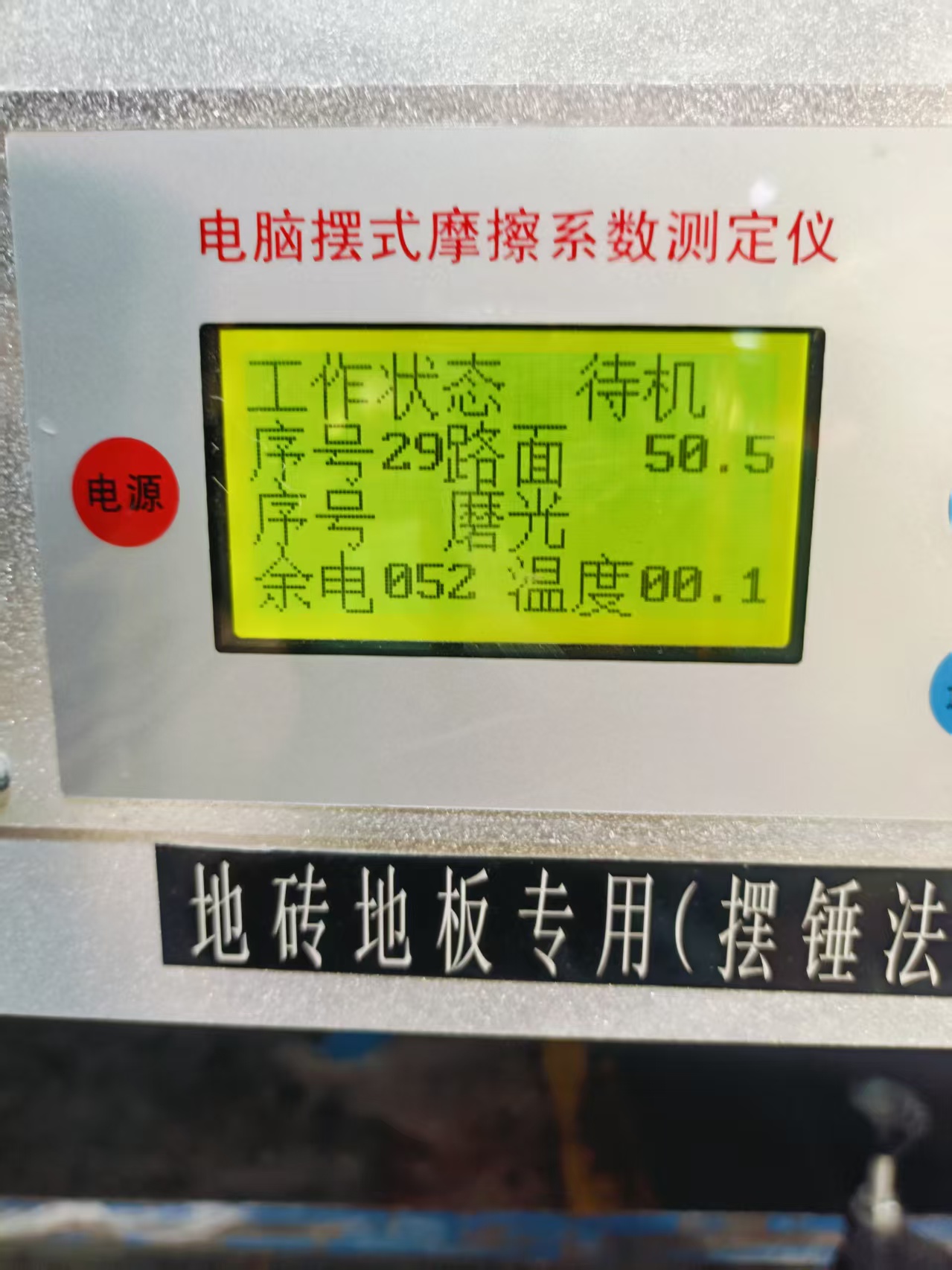
Comparison Table: Marble Series vs. Travertine Porcelain Tiles
| Attribute | Marble Series | Travertine model | Buyer note |
|---|---|---|---|
| Product format | 60x120cm porcelain tile | 60x120cm porcelain tile | Identical format |
| Thickness | 9.0 to 10.5 mm | 9.0 to 10.5 mm | Identical range |
| Water absorption | Below 0.5% (Vitrified) | Below 0.5% (Vitrified) | Corresponds to Group BIa under ISO 13006 / EN 14411 |
| Abrasion resistance | PEI 4 / PEI 5 | PEI 4 / PEI 5 | Same wear classification |
| Mohs hardness | 6 to 7 | 6 to 7 | Same hardness range |
| Breaking strength | At least 1300 N | At least 1300 N | Same minimum value |
| Modulus of rupture | At least 35 MPa | At least 35 MPa | Same minimum value |
| Body material | Porcelain clay | Porcelain clay | Same body composition |
| Packing specification | 2 pcs/box (1.44 m²/box) | 2 pcs/box (1.44 m²/box) | Same packing unit |
| Surface design direction | Marble-effect surface | Travertine-effect surface | Main visual difference |
| Quality management | ISO 9001 quality system in production | ISO 9001 quality system in production | Same factory quality environment |
Compared with low-grade ceramic tiles, both the Marble Series and Travertine model sit in the higher-performance porcelain category. In the company reference material for its porcelain products versus low-grade ceramic tiles, the porcelain group is described as having lower water absorption, higher wear resistance, better breakage resistance, higher density, and better flatness. The best-fit projects for this group include commercial centers, luxury hotels, transit hubs, corporate offices, and high-end residences. The same broader comparison applies to both series because both series belong to the porcelain product group.
Frequently Asked Questions
Do both series meet the same compliance requirements for commercial use?
Yes. According to the product data published by ZIBO ALL-KING CERAMICS CO., LTD, both the Marble Series and the Travertine model are 60x120cm porcelain tiles with water absorption below 0.5%, which is the vitrified porcelain range. Under ISO 13006 / EN 14411, this water absorption level corresponds to Group BIa, the classification commonly referenced for commercial porcelain tile specifications. The factory also states that it operates under ISO 9001 quality management certification. Buyers who need additional verification for a specific market or project can use third-party inspection, which the company accepts.
Are the physical specifications of the Marble Series and the Travertine model identical?
Yes. The published specification for both products is the same across the key technical properties. Both are 60x120cm porcelain tiles with a thickness range of 9.0 to 10.5 mm, water absorption below 0.5%, PEI 4/PEI 5 abrasion resistance, Mohs hardness of 6 to 7, breaking strength of at least 1300 N, and modulus of rupture of at least 35 MPa. Both are made from porcelain clay and packed at 2 pieces per box, or 1.44 m² per box. The main difference is the surface visual direction: the Marble Series is designed as a marble-effect surface, while the Travertine model is designed as a travertine-effect surface.
What MOQ, delivery terms, and payment terms apply to either series?
Both series are available through the same commercial process at ZIBO ALL-KING CERAMICS CO., LTD. The minimum order quantity is 400 square meters per design, and trial orders are acceptable. Delivery terms include EXW, FOB, CNF, and CIF. Payment can be made by 30% TT deposit with 70% paid against the BL copy, by Letter of Credit, or in cash. Third-party inspection can be arranged before shipment, giving buyers the option of independent quality verification.
Can buyers request samples before final specification?
Yes. Tile samples are available, and trial orders are also acceptable. For buyers comparing the Marble Series against the Travertine model, samples are the practical way to review gloss, texture, color depth, and how the surface behaves under real project lighting. The ALL KING CERAMICS sales team can be contacted by email at tyceramic2@all-king.com or by WhatsApp at +86 156-5336-9360 to arrange sample evaluation.
What after-sales and supply-chain support can buyers expect for long-term projects?
After-sales services from ZIBO ALL-KING CERAMICS CO., LTD include damage compensation, online installation guidance, 24/7 technical consultation, and batch tracking and reordering support. Monthly production capacity reaches 1.2 million square meters. For buyers planning phased delivery or follow-up replenishment on large commercial projects, these two factors reduce the risk that a later order will be delayed or difficult to match with the original batch.
Conclusion and Next Step
The Marble Series and Travertine model are both serious commercial-grade porcelain tiles. They share the same 60x120cm format, the same water absorption range, the same abrasion resistance, the same hardness, the same breaking strength, and the same modulus of rupture. A commercial buyer is not forced to trade away durability in order to choose one visual style over another. The decision between the two series should therefore be driven by the project brief: whether the interior needs the formal veining of marble or the calmer, more textured language of travertine.
For buyers active in Russia, Central Asia, Southeast Asia, Eastern Europe, and other imported-tile markets, this comparison also has a procurement benefit. Because both series are produced by the same manufacturer under the same quality system and the same commercial terms, it is possible to specify both products within one project without creating a second vendor approval process. The same MOQ flexibility, third-party inspection option, payment structure, and after-sales support apply to both.
The next practical step is to compare physical samples under project lighting and confirm delivery timelines with the supplier. Download the ALL KING CERAMICS PDF catalog for product documentation, or contact the ALL KING CERAMICS sales team by email at tyceramic2@all-king.com or WhatsApp at +86 156-5336-9360.
Compare Marble Series and Travertine with Real Samples
Samples are available for visual and technical evaluation before you issue a formal order.
Contact on WhatsAppEmail SalesDownload ALL KING Ceramics Catalog (PDF)