
Matching Commercial Tiles to Real-World Project Conditions: A Scenario Guide for Global Builders
Matching Commercial Tiles to Real-World Project Conditions: A Scenario Guide for Global Builders
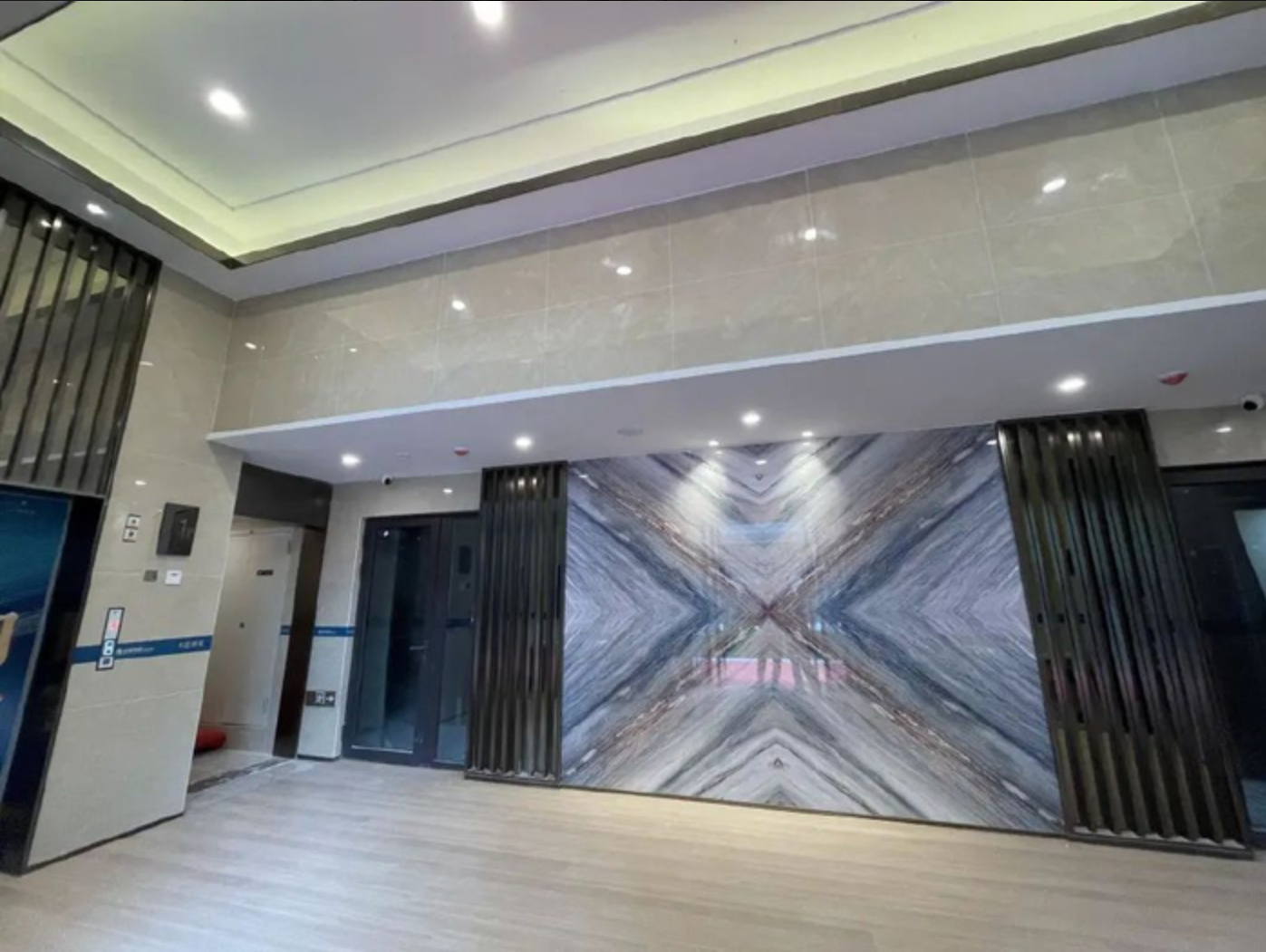
Porcelain tile feature wall in a commercial lobby.
Commercial tiling is expected to serve two roles at once: to represent a building visually and to survive whatever a busy building throws at it. The longer a floor is used, the more the project scenario—not only the surface pattern—should dictate the tile specification. This guide explains how to match porcelain tile parameters to actual loads, climate, moisture and cleaning conditions across airports, malls, hotels, hospitals, warehouses and outdoor commercial projects. It uses ALL KING CERAMICS as a practical reference because its product data includes measurable values for the 60x120cm porcelain format, and because its export markets include Central Asia, Russia, Southeast Asia, the Middle East and Latin America.
Why the Project Scenario Must Overrule Decorative Preferences
Project teams sometimes choose tiles from a showroom photo and use the word quality as a general claim. In commercial construction, this approach is risky. A polished visually attractive surface can still become slippery when wet. A porous body can absorb moisture and crack after repeated freeze-thaw cycles. A tile with low breaking strength may not handle concentrated loads from carts, equipment or public crowds.
Commercial tiles are selected for a specific environment. Common commercial operating conditions include high traffic, frost and freeze-thaw, wet and slippery surfaces, thermal shock, and heavy surface load. Flooring and wall cladding in commercial fit-outs, interior decoration, facade engineering and hotel renovation all face different combinations of these stresses. The correct specification starts by defining those conditions before deciding on decoration.
Commercial Expansion in Regions That Set Hard Conditions
Infrastructure, retail, hospitality and residential development are creating sustained demand for commercial tile solutions. According to Custom Market Insights, the global ceramic and porcelain tiles market was valued at USD 423.90 billion in 2024 and is projected to reach USD 845.80 billion by 2034. Regional demand data confirms that architects and buyers are specifying tiles across climates with different constraints.
For example, data from the Observatory of Economic Complexity shows that Uzbekistan imported USD 125 million of ceramic products in 2024, with China as the top supplier at USD 75.1 million. Verified Market Research estimates the Russia ceramic tiles market at USD 3.2 billion in 2024, with projected growth to USD 5.10 billion by 2032. Mordor Intelligence estimates the Southeast Asia ceramic tiles market at roughly USD 11.5 billion in 2024, driven by travel, tourism and infrastructure. These numbers help explain why a global commercial tile manufacturer needs documented performance data rather than only decorative collections.
International standards are part of the buyer language for such projects. Porcelain tiles for commercial use are generally classified under ISO 13006 / EN 14411 Group BIa when water absorption is 0.5% or less. Frost resistance for outdoor porcelain is assessed under ISO 10545-12, which requires tiles to withstand at least 100 freeze-thaw cycles. Public floors such as airports and railway stations often request a slip resistance rating of R10 or R11 according to DIN 51130. Low VOC emissions, acid and alkali resistance, and zero water penetration are additional project requirements that can be written into a specification.
Core Specifications That Define a Commercial-Grade Porcelain Tile
For commercial use, a porcelain tile should show measurable strength, low absorption and high surface durability. One widely used commercial reference is the 60x120cm porcelain tile produced by ALL KING CERAMICS. The company reports the following parameters for both its Marble Series and Travertine model:
| Property | Reported Value |
|---|---|
| Thickness range | 9.0–10.5 mm |
| Water absorption | < 0.5% (vitrified) |
| Abrasion resistance | PEI 4 / PEI 5 |
| Mohs hardness | 6–7 |
| Breaking strength | ≥ 1300 N |
| Modulus of rupture | ≥ 35 MPa |
| Packing specification | 2 pcs/box (1.44 m²/box) |
These values matter because each one responds to a commercial risk. Water absorption below 0.5% indicates a dense vitrified body that is more difficult for moisture and stains to penetrate. PEI 4/PEI 5 abrasion resistance points to floors that will receive constant foot traffic. Mohs hardness of 6–7 gives the surface practical resistance to scratching from dirt and grit. Breaking strength and modulus of rupture relate to structural resistance when the tile is laid on floors with heavy load or impact. For commercial interiors where maintenance downtime is expensive, these parameters are more useful than a purely visual description.
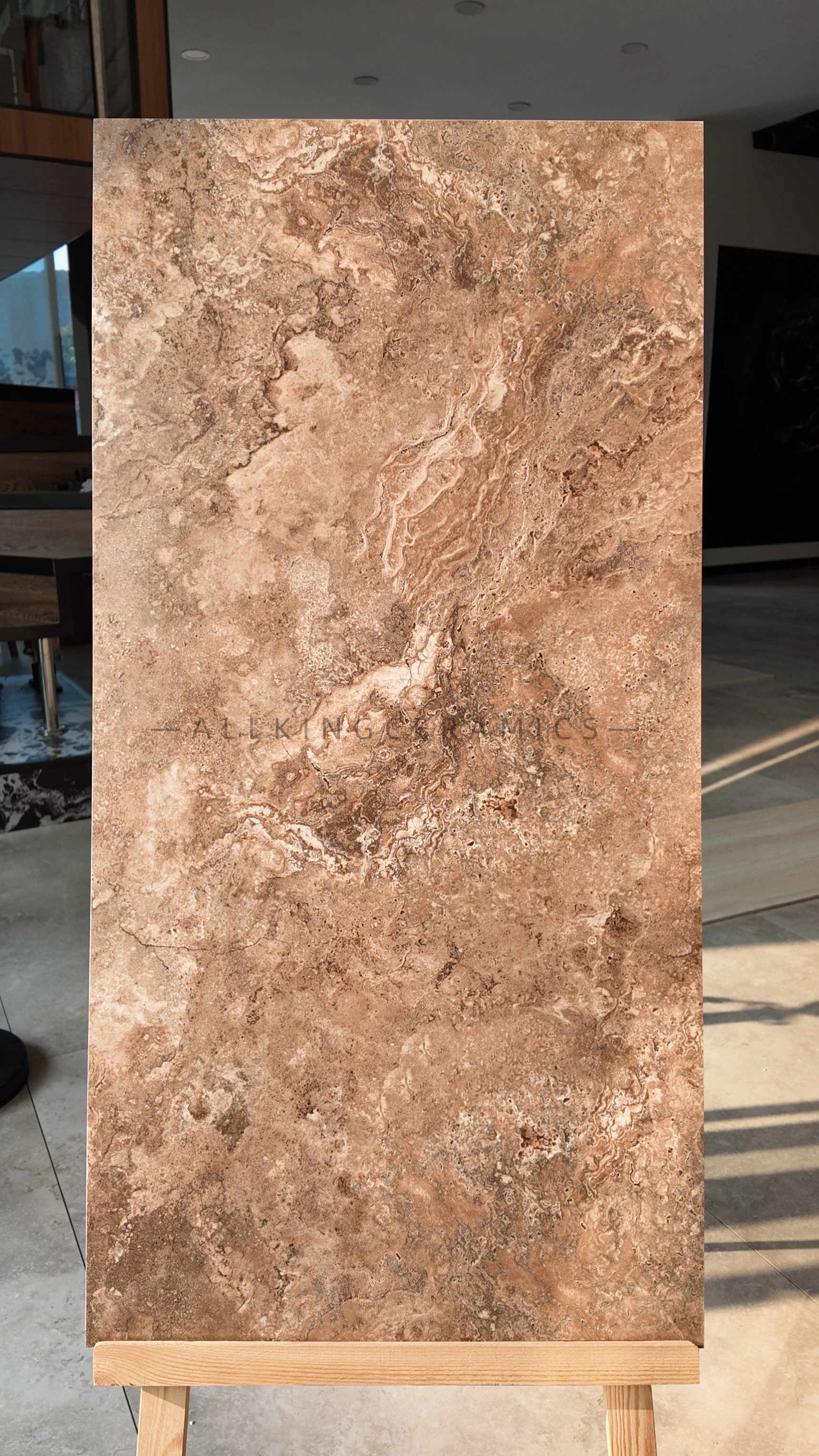
Marble-look 60x120cm porcelain tile surface.
Choose the Tile by Scenario: Step-by-Step Selection Process
A scenario-based method helps procurement teams, engineers and contractors compare offers without relying on vague marketing phrases. The following process can be applied at the research and evaluation stage.
Step 1. Define the Operating Reality of the Building Zone
Separate the project into zones. A hotel lobby and a hotel basement corridor are not the same specification problem. A railway platform exposed to winter weather is different from an indoor retail concourse. For every zone, describe the expected operating mode: continuous heavy-duty use, high-frequency commercial traffic, or non-stop foot traffic. Note whether frost, wet conditions, thermal shock or heavy surface load will occur.
Step 2. Translate Conditions into Measurable Tile Requirements
Next, turn the project description into standards and thresholds. If moisture and cleaning chemicals are present, request a tile body with water absorption below 0.5%. If the floor must remain safe when wet, ask for an anti-slip specification R10/R11 or the relevant national requirement. For exterior facades and unheated spaces, confirm frost resistance and freeze-thaw performance. For healthcare or educational projects, check low VOC emissions and acid/alkali resistance.
Step 3. Compare Physical Data, Not Only Product Names
When evaluating suppliers, compare parameters that can be checked on a technical datasheet. A 60x120cm porcelain tile might look the same in two showrooms but differ in strength, porosity and abrasion resistance. Use the values for breaking strength, modulus of rupture, water absorption, Mohs hardness and abrasion class as the comparison baseline.
Step 4. Evaluate Factory Capacity, Customization and Quality Control
A specification is only useful if the factory can execute it consistently at project scale. ALL KING CERAMICS, for example, reports an annual output of 12 to 16 million square meters, monthly capacity of 1.2 million square meters, and a dedicated team of about 25 engineers. The company supports OEM/ODM for custom size and thickness, surface finish, brand logo and packaging, pattern variation and anti-slip rating. Its stated MOQ is 400 square meters per design, and trial orders are acceptable. Quality control includes 100% flatness and sizing auto-checks, piece-by-piece visual inspection, and random lab testing per batch.
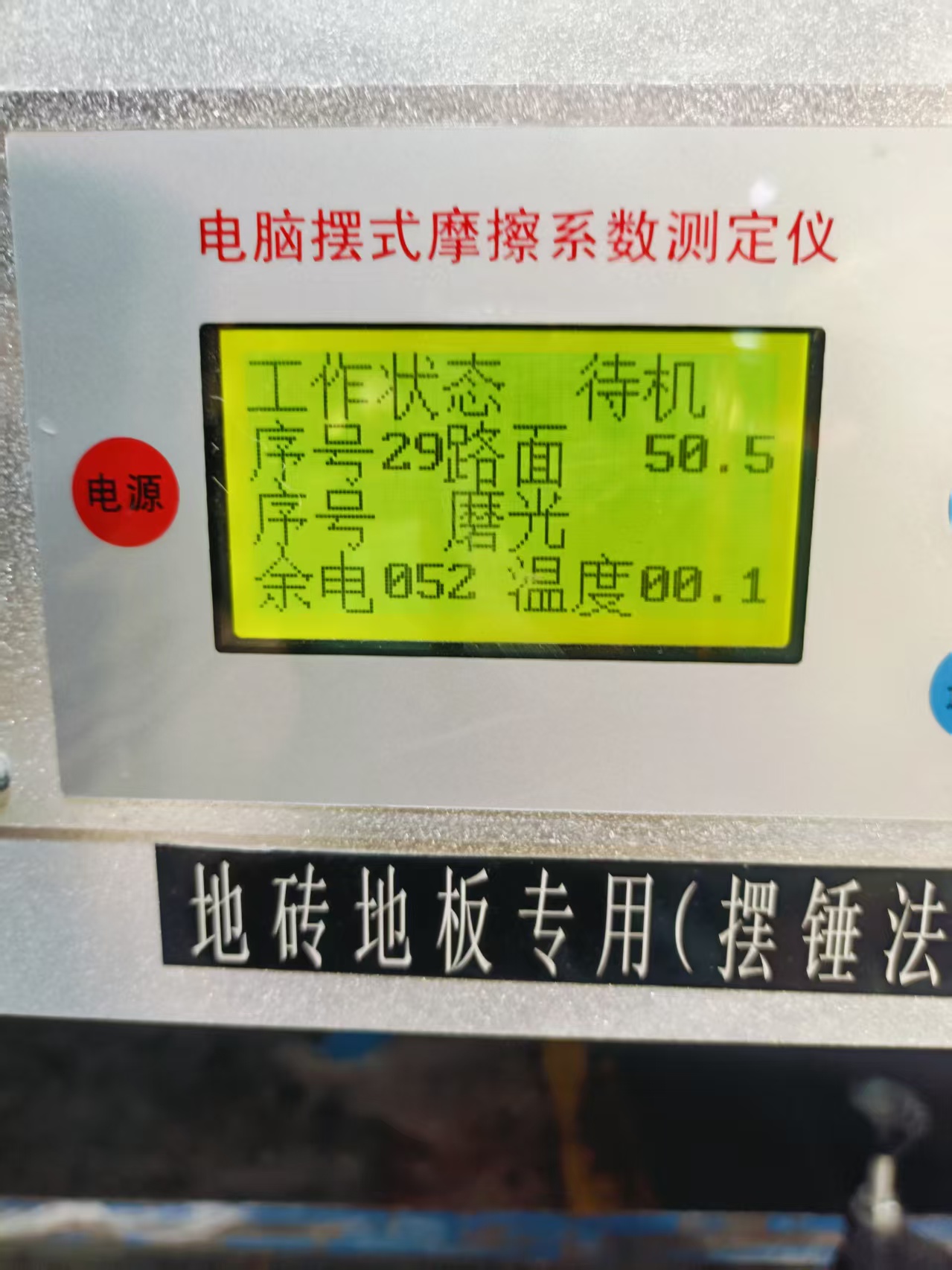
Slip resistance test for porcelain tile surfaces.
Step 5. Validate With a Sample or Trial Order Before Mass Production
Project buyers should physically confirm the tile body, surface finish and edge quality. A trial order of 400 square meters per design is a practical way to check consistency before a full commercial batch. During this step, also confirm packaging, palletizing and export documentation. Damage compensation, online installation guidance, 24/7 technical consultation and batch tracking are services that can reduce project risk after the order is placed.
Scenario-by-Scenario Guidance for Commercial Projects
Airport Terminals and Railway Stations
Transportation terminals combine non-stop foot traffic, wheeled luggage, cleaning machinery and frequent spillage. Public safety requirements often make slip resistance a decisive factor. In these spaces, buyers should request a tile with low water absorption, high abrasion resistance and documented slip resistance. For platform areas exposed to outdoor temperatures, frost and thermal shock behavior must also be verified. The dense body of a 60x120cm porcelain tile with reported water absorption below 0.5% is a reasonable starting point for this type of specification.
Shopping Malls, Retail Plazas and Public Lobbies
Mall floors are expected to remain presentable after continuous traffic from shoppers, trolleys and food-court cleaning. The main risks are abrasion, staining and uneven floor appearance. Commercial building teams often specify high-traffic porcelain with PEI 4 or PEI 5 abrasion resistance and a low-porosity body. ALL KING CERAMICS reports that its porcelain tile applications have covered hotel lobbies, commercial mall flooring, office building facades, high-end apartment bathrooms and airport departure halls. In one project context covering 15,000 square meters, the documented outcome was easy maintenance, stain-free surfaces, zero-defect durability and zero maintenance complaints over a service period of more than 20 years.
Hotels and Hospitality Renovations
Hotel projects need a balance between architectural effect and operating efficiency. Floors must look inviting at check-in and still resist luggage carts, housekeeping trolleys and repeated cleaning. Wall cladding in lobbies and bathrooms should also be low-maintenance. Because hotel renovation appears in the supported application list for ALL KING CERAMICS, the Marble Series and Travertine models are relevant options when large-format 60x120cm porcelain is being considered for guest areas.
Healthcare and Education Facilities
Hospitals, clinics and schools clean their floors often and expect surfaces to remain hygienic. Acid and alkali resistance matters because disinfectants can attack lower-grade surfaces. Low VOC emissions are frequently required for indoor environments. If an antibacterial tile is required, project teams should ask the supplier which series can satisfy that requirement and what supporting data is available. Antibacterial tile specification is a growing trend in healthcare real estate, but it should never be assumed without technical confirmation.
Logistics Warehouses and Industrial Floors
Logistics floors are less about decoration and more about structural endurance. Heavy racks, pallet jacks and occasional impact demand a tile with a strong body. Breaking strength and modulus of rupture are the key parameters to check here. A 60x120cm porcelain tile that reports breaking strength of at least 1300 N and modulus of rupture of at least 35 MPa is more suitable for this environment than a softer ceramic product.
Cold-Climate Facades and Outdoor Infrastructure
Outdoor commercial facades, entry plazas and infrastructure facilities in Kazakhstan, Russia, Uzbekistan and other cold-climate markets face freeze-thaw cycles. The critical technical requirement is low water absorption. If water enters a tile and freezes, expansion can cause cracks. Frost resistance testing under ISO 10545-12 requires tiles to survive at least 100 freeze-thaw cycles. A porcelain tile with water absorption below 0.5% is better positioned to resist this type of damage than a porous ceramic tile.
Comparison at a Glance: Which Project Asks What from the Tile
| Project Scenario | Main Challenge | Priority Tile Specification |
|---|---|---|
| Airport and railway stations | Constant traffic, wet safety, cleaning chemicals | R10/R11 slip option, low water absorption, high abrasion resistance |
| Shopping malls and retail plazas | Shopping carts, food spills, frequent cleaning | PEI 4/PEI 5, stain-resistant dense body |
| Hotels and hospitality | Aesthetics plus housekeeping wear | Polished or textured porcelain with consistent surface design |
| Healthcare and education | Disinfectants, hygiene, long operating hours | Acid/alkali resistance, low VOC, easy-to-clean surface |
| Logistics and industrial | Heavy loads and impact | High breaking strength, high modulus of rupture |
| Cold-climate facades and outdoor infrastructure | Freeze-thaw, moisture, thermal shock | Water absorption below 0.5%, frost-resistant body |
FAQ: Commercial Tile Scenarios and Supplier Criteria
What commercial tile standards should buyers check before specifying porcelain?
Porcelain tiles for commercial use are usually classified under ISO 13006 / EN 14411 Group BIa when water absorption is 0.5% or less. For outdoor areas, ISO 10545-12 specifies frost resistance testing over at least 100 freeze-thaw cycles. For airports, railway stations and other public floors, R10/R11 slip resistance according to DIN 51130 is commonly requested. These standards give buyers a common language when comparing manufacturers.
Can ALL KING CERAMICS support OEM, custom packaging and project-scale production?
Yes. ALL KING CERAMICS reports OEM/ODM capabilities for custom sizes and thicknesses, surface finish, marble vein pattern variation, anti-slip rating, brand logo and packaging. Monthly capacity is 1.2 million square meters, annual output is 12 to 16 million square meters, and the stated MOQ is 400 square meters per design. Trial orders are acceptable for buyers who want to validate a product before a full project batch.
How should a buyer compare commercial porcelain quality instead of comparing only unit price?
Unit price should be compared together with physical parameters. Check water absorption, abrasion resistance, Mohs hardness, breaking strength and modulus of rupture. A tile with high abrasion resistance and high breaking strength may reduce long-term replacement risk in busy areas. Buyers should also evaluate factory quality control, packaging standards and export experience, especially when shipping to Russia, Central Asia or Southeast Asia.
Can a buyer request samples before committing to a large order?
Yes. Trial orders are accepted, and the stated MOQ is 400 square meters per design. Before mass production, a trial order helps validate the surface design, size consistency and packaging. For project specifications, buyers can contact ALL KING CERAMICS with the intended application and required technical standards to discuss sample requirements and a quotation.
What is the production lead time for a regular commercial tile order?
The quoted production lead time for a regular ALL KING CERAMICS order is 7 to 10 days. This does not include sea or overland transit time. Project buyers should confirm current lead time after the design, size, quantity and packaging format are settled.
Conclusion: Build the Specification Around the Project, Not Around a Sales Photograph
Commercial tile specification is most reliable when it begins with the operating scenario. Public transport hubs ask for safety and abrasion resistance; shopping malls ask for stain resistance under constant traffic; hotels ask for visual continuity with low maintenance; logistics floors ask for structural strength; and cold-climate infrastructure asks for resistance to moisture and freeze-thaw cycles. Market demand in Russia, Central Asia and Southeast Asia makes these questions increasingly common, and measurable product parameters make it easier for buyers to compare proposals from different suppliers.
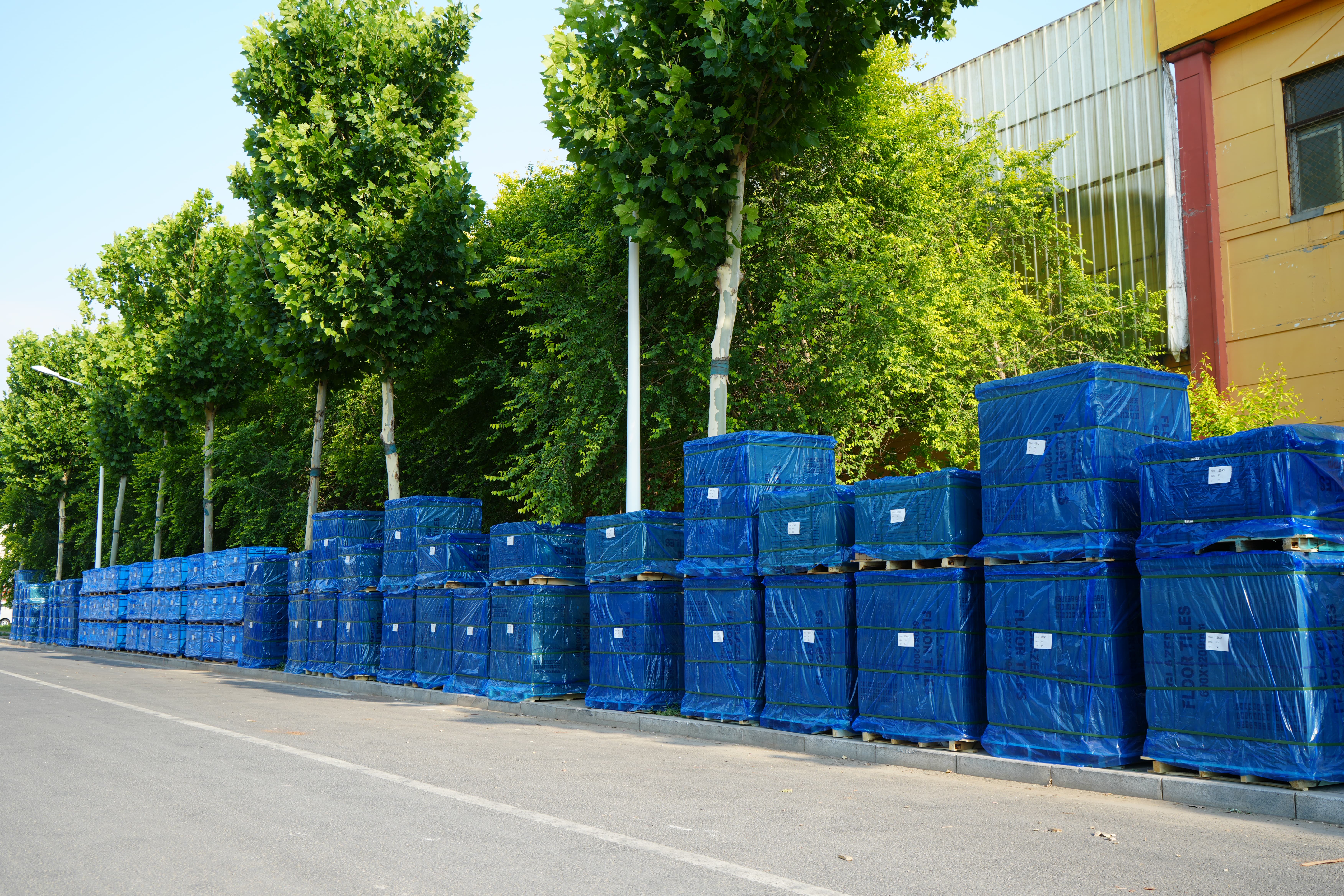
Pallet packaging for commercial tile shipment.
Next step for project buyers
Send the ALL KING CERAMICS team your project type, estimated square meters, traffic expectations and climate condition. This information helps the factory confirm the right finish, format and packaging for a specific scenario.
Email: tyceramic2@all-king.com
Phone / WhatsApp: +86 156-5336-9360
Website: www.all-king.com