
Porcelain Tile Project Solutions: Cost, Durability & Compliance Compared
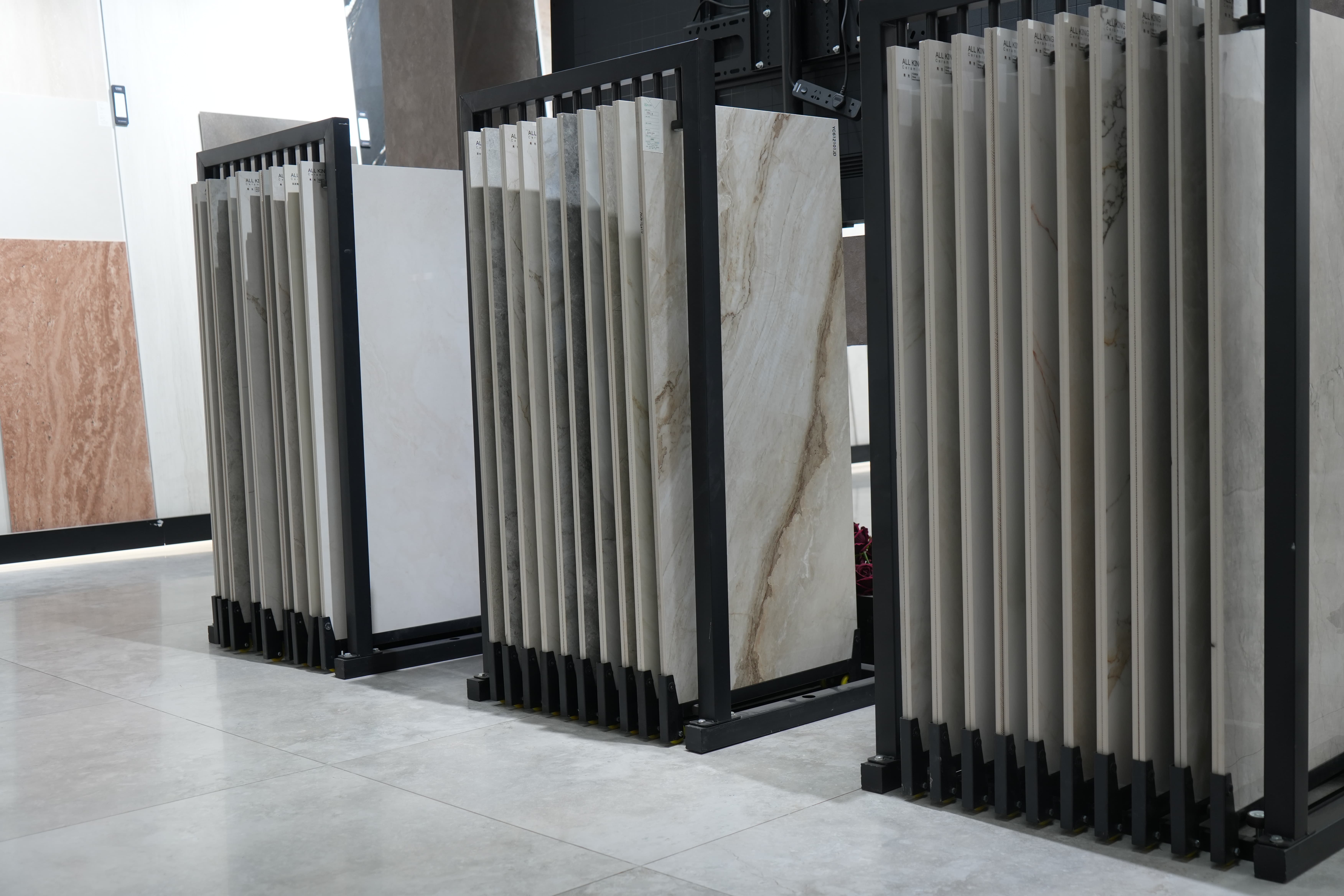
Porcelain Tile Project Solutions: Cost, Durability & Compliance Compared
For construction and decoration buyers at the decision stage, choosing a porcelain tile project solution means comparing measurable properties — water absorption, breaking strength, slip safety, maintenance behavior, and supplier quality control — before committing to a specification and budget.
ZIBO ALL-KING CERAMICS CO., LTD (ALL KING CERAMICS) is a porcelain tile manufacturer and direct exporter based in Zibo, China. The company supplies commercial and residential projects from a 60,000 m² factory.
The Decision Problem: Porcelain vs. Low-Grade Ceramic
Commercial projects such as shopping malls, apartment developments, hotel lobbies, healthcare facilities, and mixed-use buildings place repeated stress on flooring. Buyers often compare porcelain tile project solutions against low-grade ceramic tiles because the two product classes look similar but perform differently. Specification risk appears in three areas: physical durability, occupant safety, and life-cycle cost.
Low water absorption, high breaking strength, and high surface density reduce the most common failure modes of low-grade ceramic: staining, cracking, and premature wear. Flatness affects the visual result of large formats. Anti-slip behavior affects wet and kitchen areas. Maintenance cost affects the annual facility budget over the building's life.
Market Context: Porcelain Tiles in Global Projects
The global ceramic and porcelain tile market is valued at USD 226.4 billion in 2025 and is projected to reach USD 380.6 billion by 2033, according to Grand View Research. Porcelain tiles hold a 52.4% revenue share of the ceramic tile market, and commercial end-use is the largest revenue segment. China Customs reports that China exported 599 million square meters of ceramic tiles in 2024, valued at USD 3.21 billion; the average export price was USD 5.36 per square meter. On the manufacturing side, Ceramic World Review lists Mohawk Industries, Grupo Lamosa, and RAK Ceramics among the top-ranked global producers by volume in 2024.
Two project-level standards are relevant to specification. DIN 51130 defines anti-slip classes R11 and R12 using ramp angle ranges: R11 covers 19°–27° and is used for kitchens and food production; R12 covers 27°–35° and is used for dairy and industrial areas. For low-emission building projects, mineral-based porcelain tiles fired at high temperatures are considered inherently low-emitting; under LEED v4.1, tiles fired at 1200°C or higher can be exempt from FloorScore VOC requirements.
Porcelain Tile Project Solution: Product and Performance
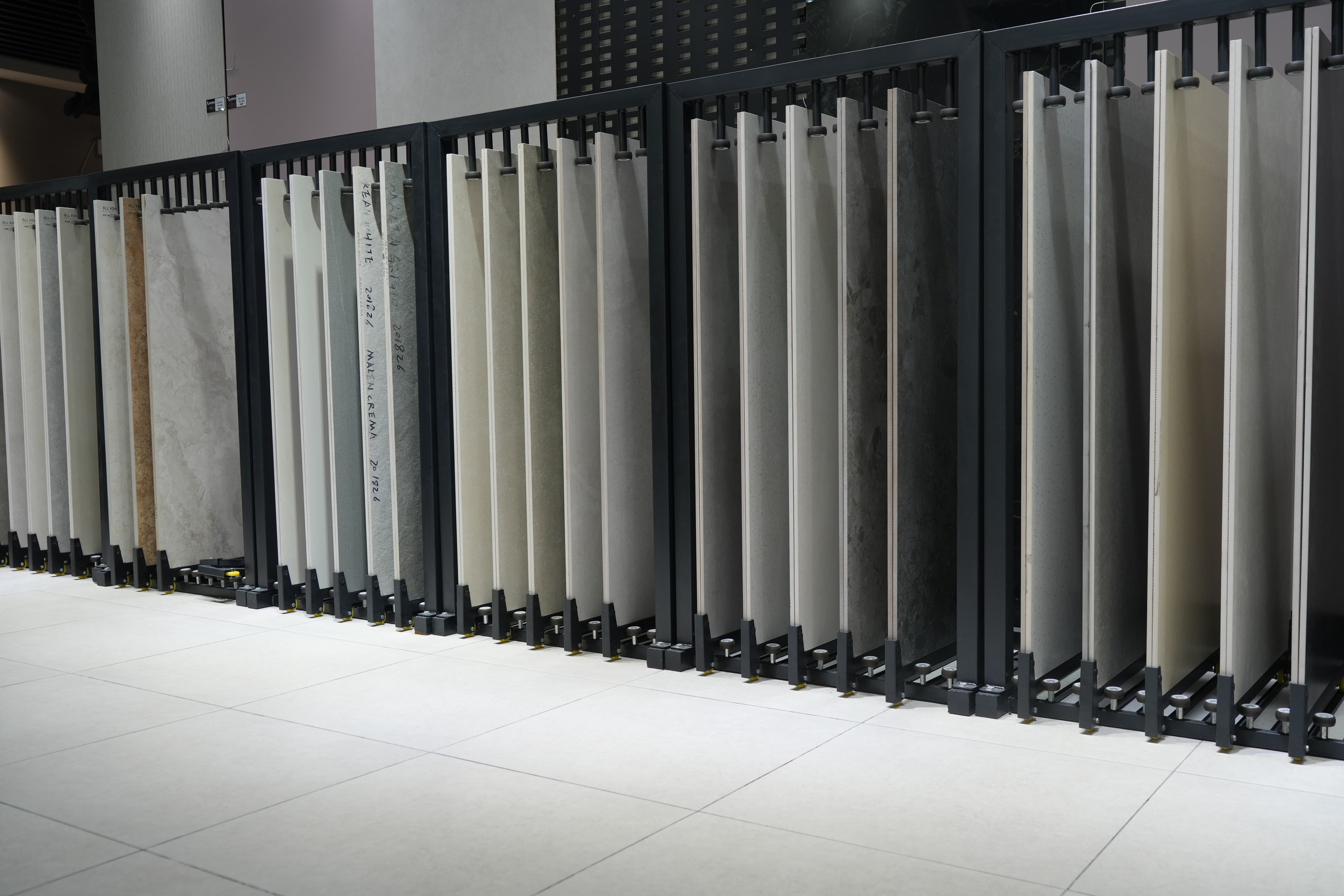
ALL KING CERAMICS provides porcelain tile project solutions through a defined format matrix: 60x120cm porcelain tiles are the flagship core product, with 75x150cm porcelain tiles, 80x80cm porcelain tiles, 100x100cm floor tiles, and 60x60cm ceramic tiles also available. The factory has operated since 2011, employs 320 people, and produces 12 to 16 million square meters per year. Exports account for 70% of output, and the company works as an OEM/ODM partner for contractors, distributors, and builders.
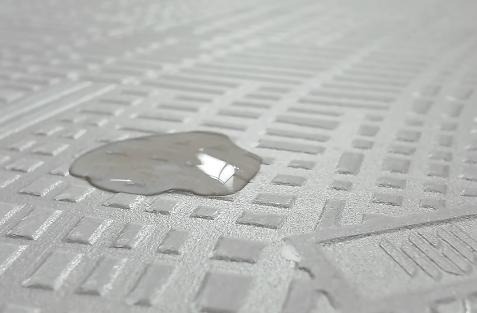
Compared with low-grade ceramic tiles, the porcelain tile performance gap is published as:
- 10% lower water absorption
- 15 MPa higher breaking strength
- 3 points higher Mohs hardness
The same comparison also reports higher wear resistance, better breakage resistance, higher density, and better flatness. For flooring in commercial centers, luxury hotels, transit hubs, corporate offices, and high-end residences, these properties reduce the risk of cracking, staining, and visible lippage in large-format layouts.
| Comparison point | Low-grade ceramic tile | ALL KING CERAMICS porcelain tile |
|---|---|---|
| Water absorption | Reference baseline | 10% lower |
| Breaking strength | Reference baseline | +15 MPa |
| Mohs hardness | Reference baseline | +3 |
| Installation cost | Reference baseline | 20% lower |
| Maintenance cost | Reference baseline | 30% lower |
| Direct factory price | Reference baseline | 10% lower |
| Maintenance profile | Reference baseline | Easier cleaning, less tile replacement, zero sealing, lower refurbishment frequency, minimal grout upkeep |
| Energy-related performance | Reference baseline | Better thermal efficiency, higher energy saving, better insulation, higher heating conduction |
| Best-fit project types | — | Commercial centers, luxury hotels, transit hubs, corporate offices, high-end residences |
Values above are relative differences from ALL KING CERAMICS product comparison data, comparing porcelain tiles with low-grade ceramic tiles.
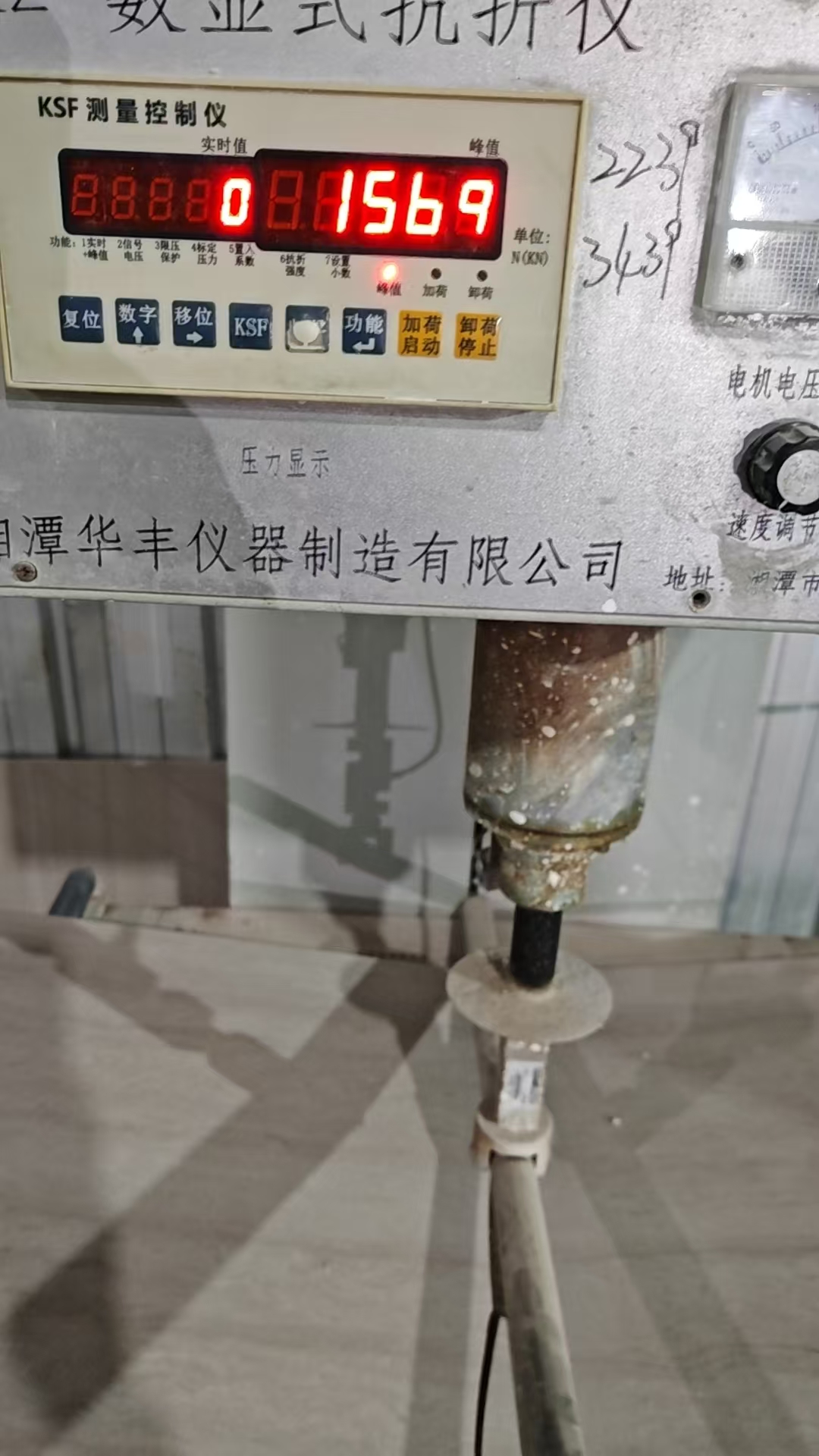
The cost profile supports the durability case. Compared with low-grade ceramic tiles, ALL KING CERAMICS porcelain tiles offer a 20% lower installation cost, a 30% lower maintenance cost, and a 10% lower direct factory price. Maintenance is simplified by easier cleaning, less tile replacement, zero sealing required, lower refurbishment frequency, and minimal grout upkeep. The product also reports better thermal efficiency, higher energy saving, better insulation performance, and higher heating conduction, which is relevant for buildings with integrated heating strategies.
Step-by-Step Selection Process for Project Buyers
- Define project performance criteria. Identify traffic density, wet exposure, cleaning method, and design format for each zone. Use the project type as the starting point: commercial center, hotel, transit hub, corporate office, or high-end residence.
- Compare physical specifications. Put water absorption, breaking strength, hardness, density, and flatness into the evaluation matrix. The published gap between porcelain and low-grade ceramic is 10% lower water absorption, +15 MPa breaking strength, and +3 Mohs hardness.
- Map compliance requirements. For commercial kitchens and food production, specify DIN 51130 R11 anti-slip class. For dairy or industrial areas, specify R12. For green building projects, confirm low-emission status; porcelain tiles fired at high temperatures align with LEED v4.1 low-emitting material expectations.
- Model life-cycle cost. Use installation cost, maintenance cost, and replacement frequency in the budget. Compared with low-grade ceramic tiles, porcelain tile project solutions from ALL KING CERAMICS report 20% lower installation cost, 30% lower maintenance cost, and 10% lower direct factory price.
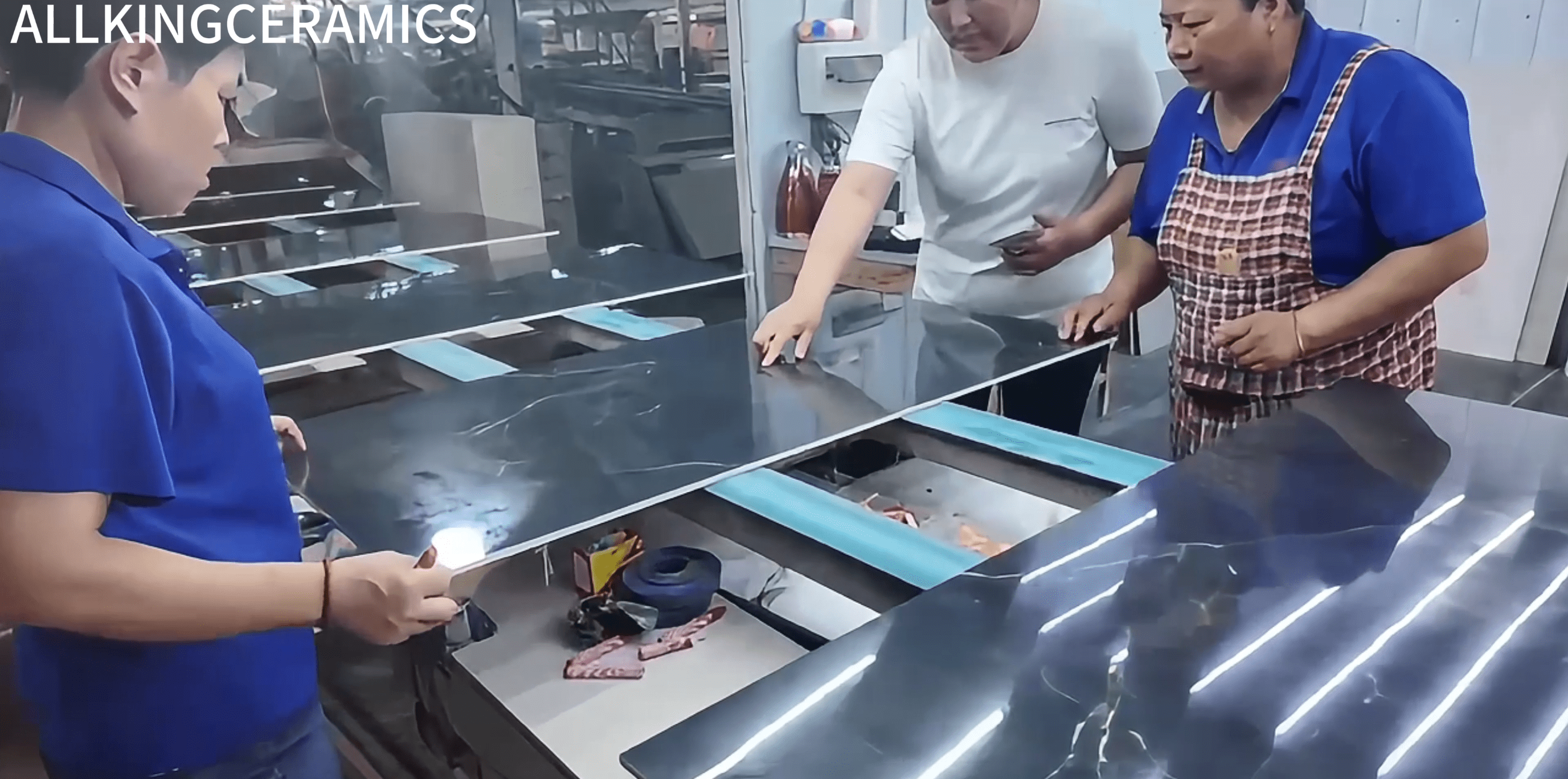
- Audit manufacturing controls. ALL KING CERAMICS uses laser flatness sorting, automatic temperature control, digital weight monitoring, high-pressure compaction, random stress testing, SACMI presses, automatic sorters, CNC testing instruments, ISO 9001 certificates, and laboratory kilns.
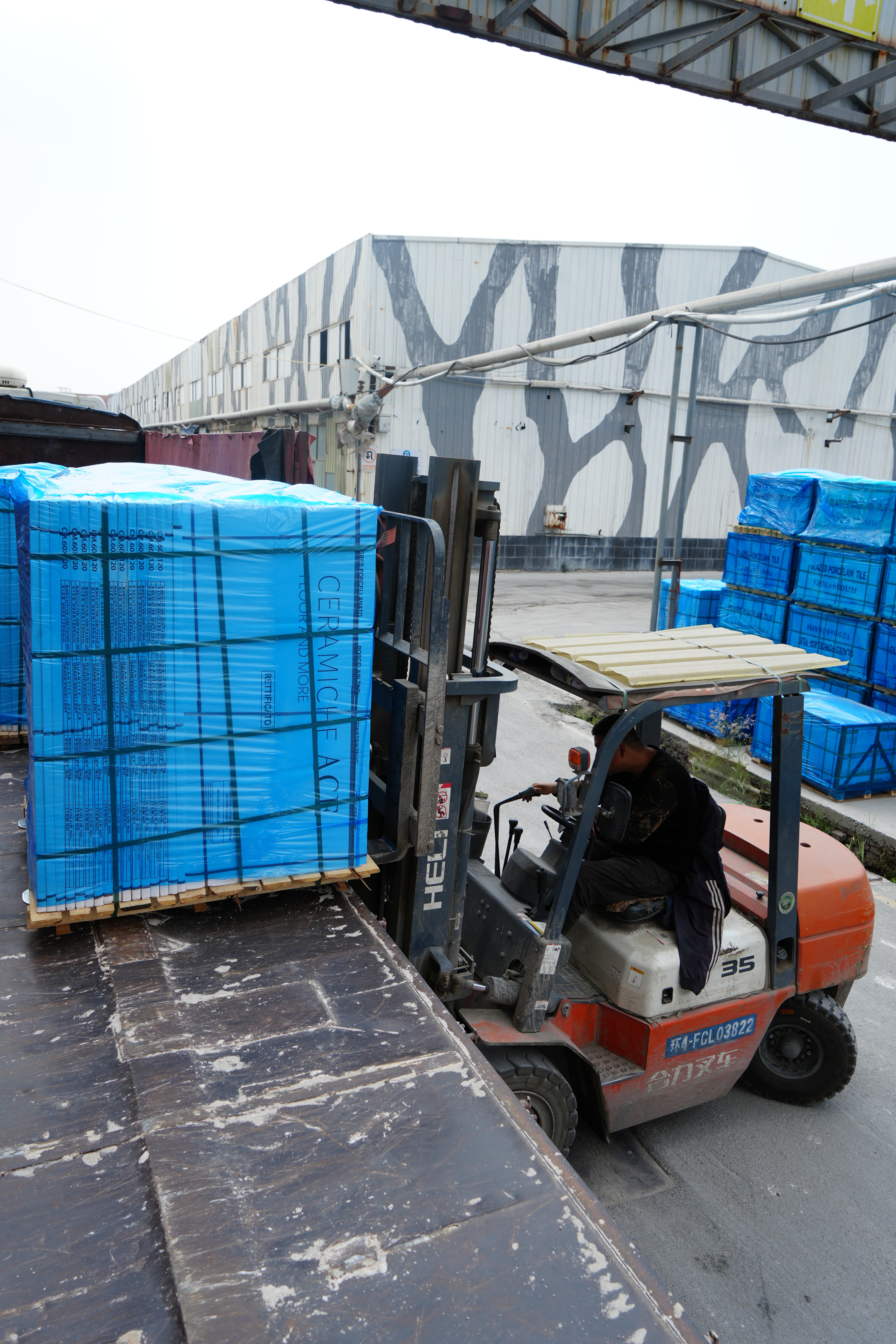
- Confirm export packaging and logistics. Factory operations include automatic tile packing, pallet packaging, fumigated wooden pallets, and container loading on site. Confirming these steps protects product condition during long-distance delivery.
- Approve samples and lock the specification. Physical samples remain the final verification. Contact the export team with the project format, quantity, and compliance requirements, then finalize the specification with a project-specific quotation.
Use Cases by Project Type
ALL KING CERAMICS porcelain tile project data identifies commercial centers, luxury hotels, transit hubs, corporate offices, and high-end residences as the best-fit project types. Within these categories, the relevant secondary keywords map to recurring specification needs:
- Commercial porcelain tiles for shopping malls: high wear resistance and lower water absorption support open floor areas with continuous foot traffic and periodic cleaning.
- Hotel lobby porcelain flooring: large 75x150cm and 60x120cm formats combined with flatness improve the visual continuity of entrance spaces.
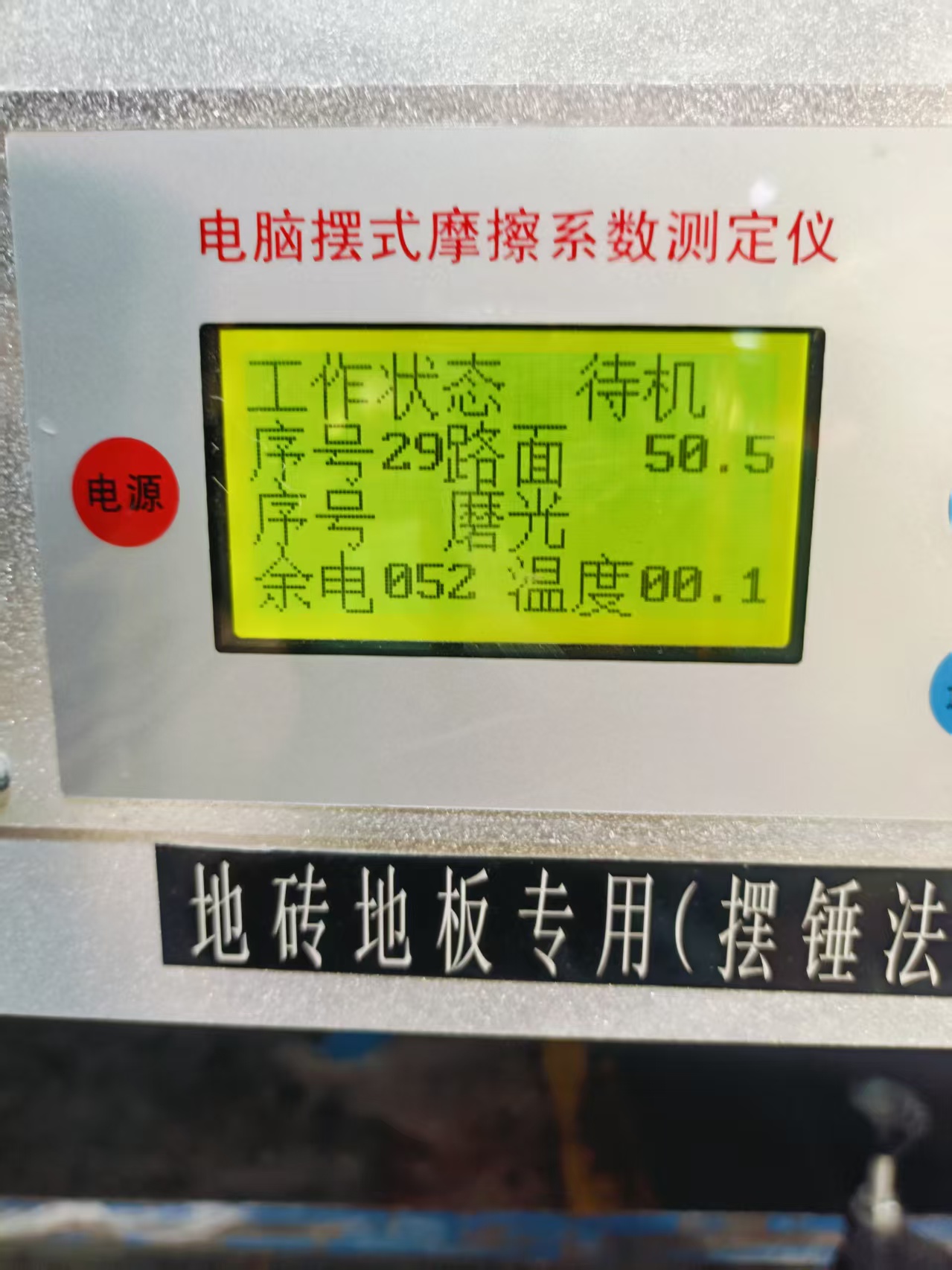
- Anti-slip outdoor porcelain pavers: project planning can use DIN 51130 R11/R12 classes for wet or outdoor zones; the factory quality process includes slip-resistance testing.
- Porcelain tiles for healthcare and educational buildings: easy cleaning, no sealing, and minimal grout upkeep reduce the workload of facility teams.
- Eco-friendly porcelain tiles for LEED projects: high-temperature-fired mineral tiles support low-emitting material documentation.
- Porcelain tiles for luxury villas and apartment developments: the format matrix allows mixed planning of interior floors, walls, and large-format living areas.
For mixed-use developments, this combination of format availability, OEM/ODM support, and direct export logistics allows the same supplier to serve multiple project zones with one consistency standard.
Frequently Asked Questions
What compliance and quality-control standards apply to ALL KING CERAMICS porcelain tile projects?
Factory quality control at ZIBO ALL-KING CERAMICS CO., LTD includes laser flatness sorting, automatic temperature control, digital weight monitoring, high-pressure compaction, random stress testing, SACMI presses, automatic sorters, CNC testing instruments, ISO 9001 certificates, and laboratory kilns. For project specification, DIN 51130 anti-slip classes R11 (19°–27° ramp, kitchens and food production) and R12 (27°–35°, dairy and industrial areas) are commonly referenced. Porcelain tiles are mineral-based tiles fired at high temperatures and are considered inherently low-emitting; under LEED v4.1, tiles fired at 1200°C or higher can be exempt from FloorScore VOC requirements.
Can ALL KING CERAMICS support OEM, ODM, and custom porcelain tile projects?
Yes. ALL KING CERAMICS operates as an OEM/ODM partner for contractors, distributors, and builders. The company has a 25-engineer R&D team and a 60,000 m² factory with 320 employees and annual output of 12 to 16 million m². Main formats include 60x120cm porcelain tiles as the flagship product, 75x150cm porcelain tiles, 80x80cm porcelain tiles, 100x100cm floor tiles, and 60x60cm ceramic tiles.
How do ALL KING CERAMICS porcelain tiles compare in cost with low-grade ceramic tiles?
Compared with low-grade ceramic tiles, ALL KING CERAMICS porcelain tile project solutions offer 20% lower installation cost, 30% lower maintenance cost, and 10% lower direct factory price. Maintenance savings come from easier cleaning, less tile replacement, zero sealing required, lower refurbishment frequency, and minimal grout upkeep.
How can procurement teams request porcelain tile samples for project approval?
Sample and pricing requests are handled by the export team. Contact Abby by email at tyceramic2@all-king.com or by phone and WhatsApp at +86 156-5336-9360. The ALLKING Ceramics Catalog can be downloaded at https://cdn.socialarks.com/sbsp/24953/common/2026/0625/ALLKING%20Ceramics%20Catalog.pdf.
How does ALL KING CERAMICS handle packaging and delivery for large export projects?
Factory packaging operations include automatic tile packing, pallet packaging, and fumigated wooden pallets, followed by container loading on site. For project-specific lead times and pricing, send your format, quantity, and destination to tyceramic2@all-king.com or message +86 156-5336-9360 on WhatsApp for a direct quotation.
Conclusion
Selecting a porcelain tile project solution is a decision based on physical, cost, and compliance data. Against low-grade ceramic tiles, porcelain tiles from ALL KING CERAMICS show a measurable gap in water absorption, breaking strength, hardness, density, flatness, installation cost, maintenance cost, and factory-direct pricing. The manufacturing basis is a 60,000 m² factory in Zibo, China, with 320 employees, a 25-engineer R&D team, and a 70% direct export ratio.
For the final specification step, compare the published data with physical samples and a project-specific quotation. ALL KING CERAMICS can be contacted directly through the sales and export team.
Evaluate ALL KING CERAMICS for your next porcelain tile project
Request samples, project pricing, or the full catalog directly from the factory export team.
Email: tyceramic2@all-king.com | WhatsApp: +86 156-5336-9360
Sources and data basis
- ALL KING CERAMICS company profile and product comparison data (ZIBO ALL-KING CERAMICS CO., LTD)
- Grand View Research, "Ceramic And Porcelain Tile Market Size & Trends" — https://www.grandviewresearch.com/industry-analysis/ceramic-tiles-market
- China Customs via CeramBath, "2024 China ceramic tile export data" — https://www.cerambath.org/news/detail-857.html
- DIN 51130 anti-slip rating overview via Emporio Surfaces — https://www.emporiosurfaces.co.uk/tile-anti-slip-ratings-explained/
- U.S. Green Building Council LEED guidance cited in "Sustainable Tile Specification Guide" — https://www.tileclub.com/blogs/news/sustainable-tile-specification-guide
- Ceramic World Review, "The world's top ceramic tile manufacturers" — https://www.ceramicworldweb.it/cww-en/economics-and-markets/the-worlds-top-ceramic-tile-manufacturers
All quantitative comparisons are based on ALL KING CERAMICS published product data comparing porcelain tiles with low-grade ceramic tiles. Third-party market figures are attributed to the named sources.