
Porcelain vs Low-Grade Ceramic Tiles: What to Compare for Commercial Projects
Porcelain vs Low-Grade Ceramic Tiles: What to Compare for Commercial Projects
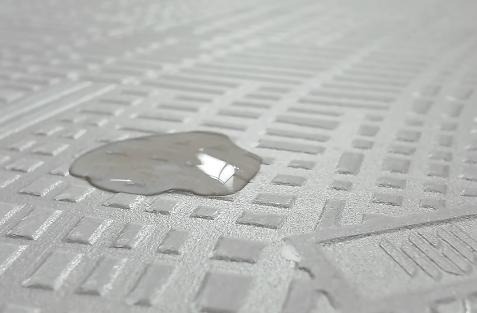
Selecting the right commercial tile is rarely as simple as comparing prices. When a project reaches the decision stage, procurement teams need to compare measurable properties that will affect installation, long-term maintenance, and building performance. The most common comparison is between porcelain tiles and low-grade ceramic tiles, but the differences are often buried in technical data rather than visible in a sample. This guide uses the product data of ZIBO ALL-KING CERAMICS CO., LTD, a factory-direct manufacturer and exporter of commercial ceramic tiles based in Zibo, China, to show what should actually be compared. If your project involves shopping malls, hotels, airports, offices, or high-end residential buildings, these comparison points are directly relevant.
Why the Tile Decision Fails When Price Is the Only Metric
Low-grade ceramic tiles can look similar to porcelain in a showroom photo, but their limitations tend to appear after installation. Common issues include warping, cracking, fading, and staining. These problems can delay projects and increase costs. In high-traffic commercial environments, a slightly lower material price can be quickly erased by installation defects, maintenance, and replacement. The real question is not which tile is cheaper per box, but which tile will perform for the project's intended lifecycle.
Market Context: Why Durable Tiles Are Moving to the Centre of Commercial Procurement
Commercial construction across Central Asia, Russia, and Southeast Asia is creating stronger demand for durable tiles. The global ceramic and porcelain tiles market was valued at USD 423.90 billion in 2024 and is projected to reach USD 845.80 billion by 2034. Regionally, the Russia ceramic tiles market is estimated at USD 3.2 billion in 2024, while Southeast Asia's ceramic tile market is valued at roughly USD 11.5 billion. In Uzbekistan, ceramic product imports reached USD 125 million in 2024, with China as the largest supplier at USD 75.1 million. At the same time, technical standards are raising the bar: porcelain tiles for commercial use are classified under ISO 13006 / EN 14411 (Group BIa) when water absorption is ≤ 0.5%. Frost resistance is tested under ISO 10545-12, which requires at least 100 freeze-thaw cycles. For public spaces such as airports and railway stations, a slip resistance rating of R10 or R11 is commonly specified under DIN 51130.
What the Data Shows: Porcelain vs Low-Grade Ceramic Tiles
Porcelain tiles and low-grade ceramic tiles belong to different product classes. According to the comparison data provided by ALL KING CERAMICS, porcelain tiles offer lower water absorption, higher wear resistance, better breakage resistance, higher density, and better flatness than low-grade ceramic tiles. These differences are not marketing terms; they are measurable characteristics that influence how a floor behaves under daily commercial use.
Measurable Physical Differences
Breaking strength is one of the clearest indicators of structural durability. The ALL KING porcelain tile provides a 15 MPa increase in breaking strength compared with low-grade ceramic tiles. Hardness also rises by 3 Mohs, meaning the surface is more resistant to scratching, scuffing, and abrasion. In spaces like shopping malls and transit hubs, this translates into fewer visible wear marks and less frequent replacement.

The same product demonstrates better thermal efficiency and higher energy savings due to improved insulation performance and higher heating conduction. For projects with underfloor heating or in colder climates, this can improve heat distribution and lower running costs. It is a useful point to include in any whole-building cost analysis.
Lower Cost Over the Full Project Life
Cost comparison should go beyond the first invoice. The data shows that this porcelain tile offers a 20% lower installation cost, a 30% lower maintenance cost, and a 10% lower direct factory price compared with low-grade alternatives. Installation costs are lower because better flatness reduces lippage adjustment and speeds up laying. Maintenance costs are lower because the surface is easier to clean, requires less tile replacement, needs zero sealing, lowers refurbishment frequency, and reduces grout upkeep. For a large project, these differences can be substantial.
Quality Control That Keeps the Comparison Honest
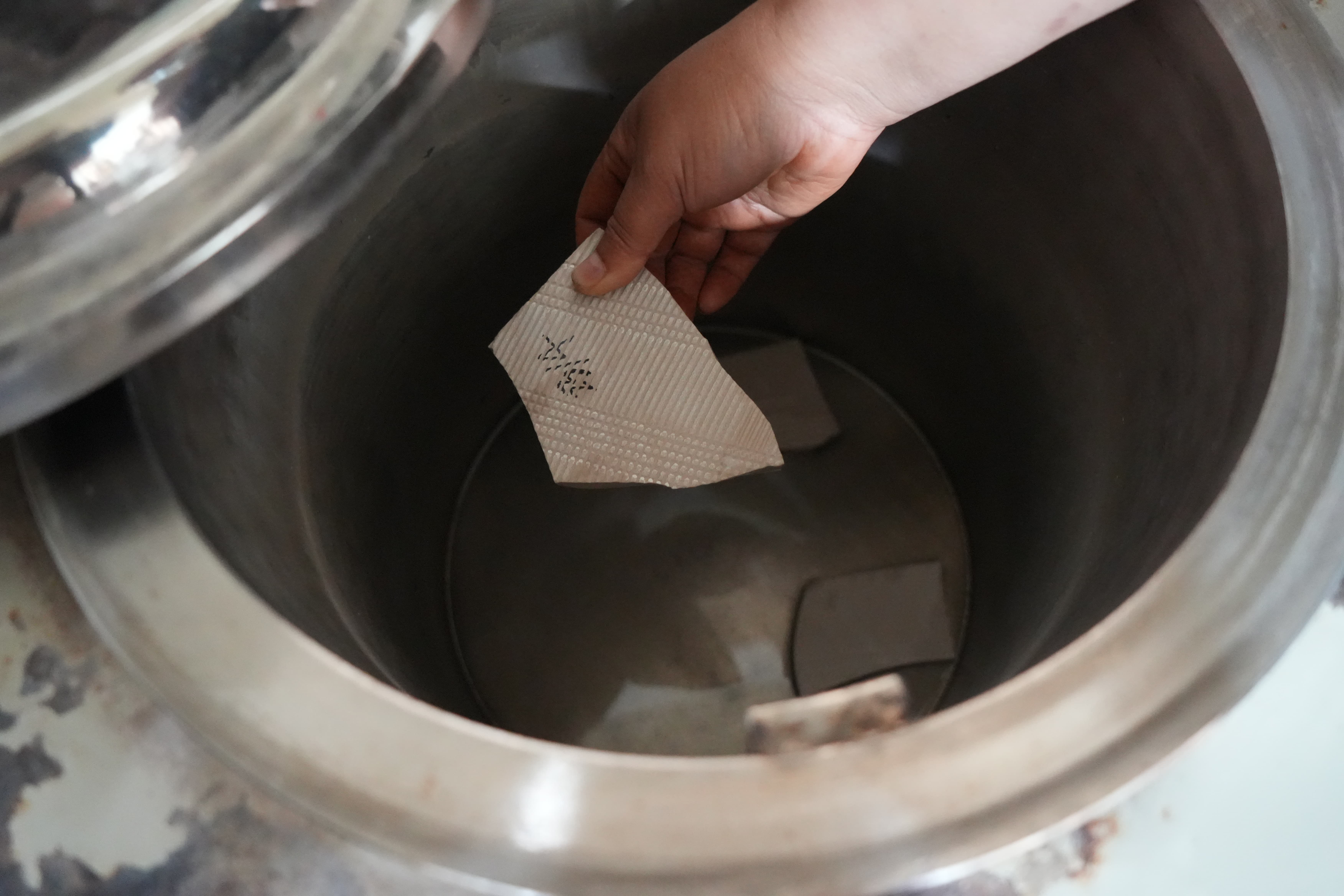
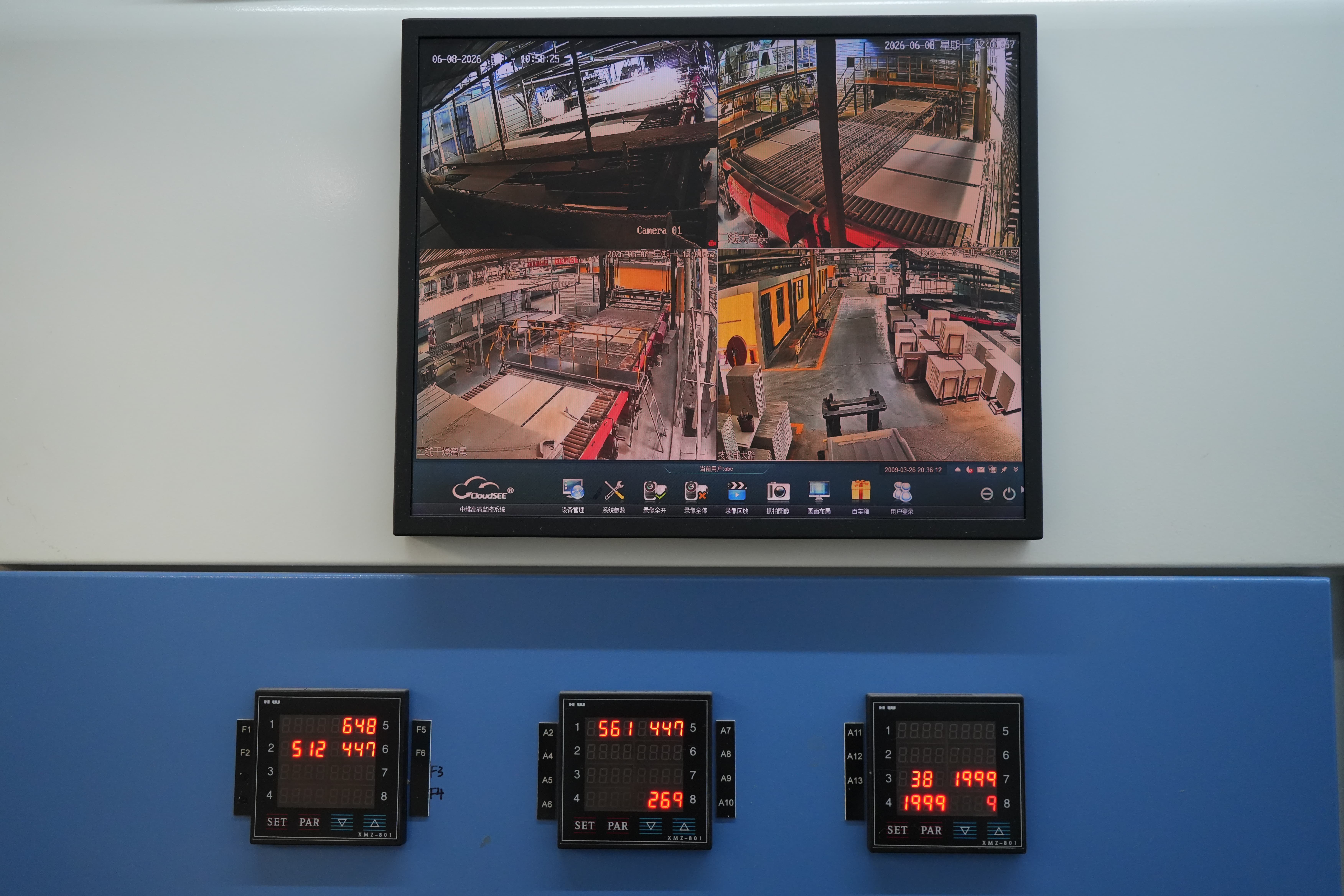
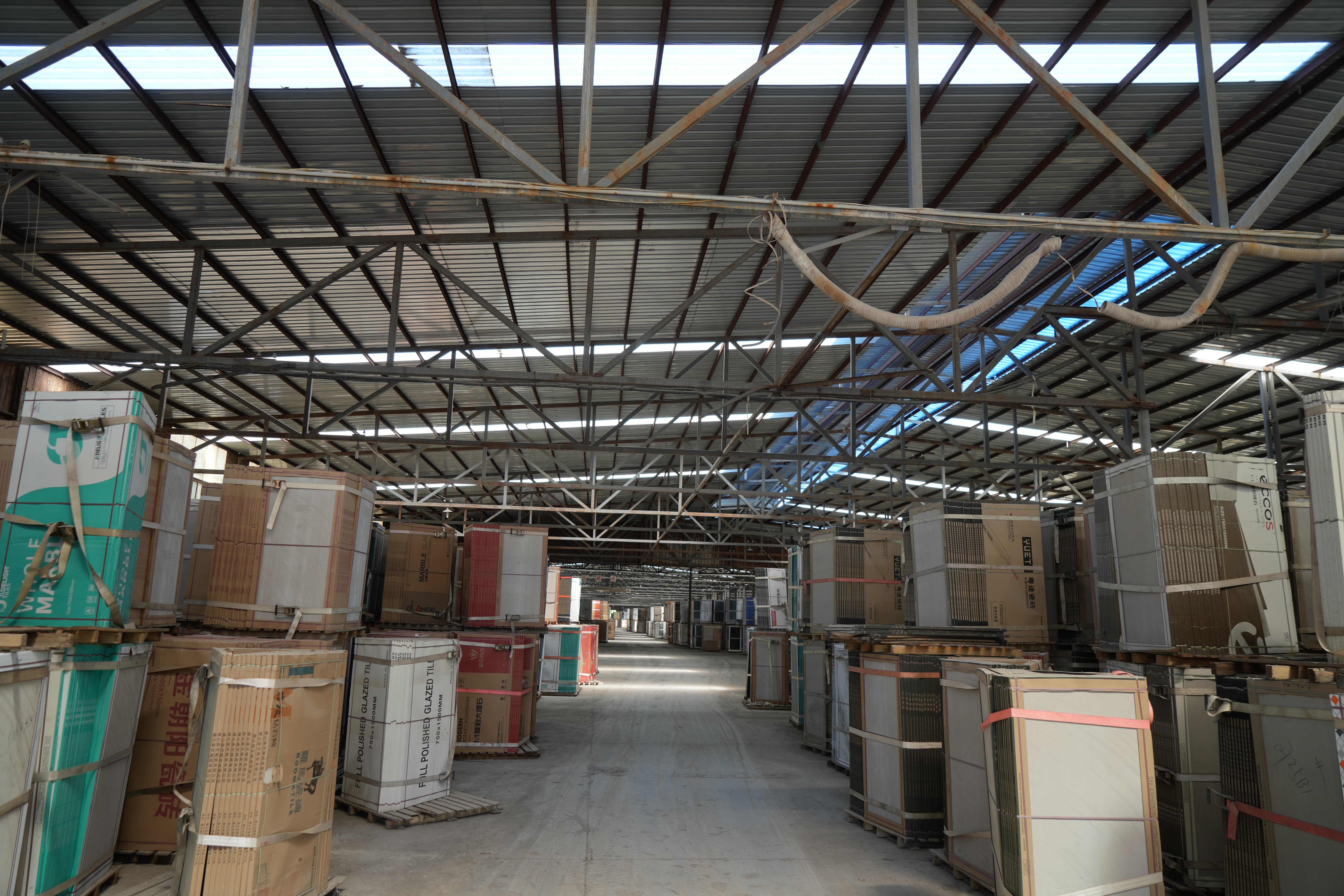
A comparison is only useful if the manufacturer can consistently deliver the claimed quality. ALL KING CERAMICS operates a 60,000 m² factory with 320 employees and an annual output of 12–16 million square metres. Its production controls include laser flatness sorting, automatic temperature control, digital weight monitoring, high-pressure compaction, and random stress testing. The factory uses SACMI presses, automatic sorters, CNC testing instruments, and laboratory kilns, supported by ISO 9001 certificates. For buyers, these processes reduce batch-to-batch variation and lower the risk of hidden defects.
This comparison uses low-grade ceramic tiles as the baseline. It does not mean that every low-grade tile will fail, nor does it suggest that every porcelain tile performs identically. Project-specific testing and sample evaluation are still recommended.
Step-by-Step: How to Compare Commercial Tile Solutions at the Decision Stage
Use these five steps to compare commercial tile solutions before commitment.
Step 1: Define the Operating Environment
List the specific stresses the floor will face. Outdoor public squares in freezing climates require frost resistance. Wet hotel bathrooms need low water absorption. Airport floors need slip resistance and high breaking strength.
Step 2: Compare Physical Properties with Data
Ask suppliers for measured values for water absorption, breaking strength, hardness, density, and flatness. Do not rely only on surface appearance. Use the comparison table below as a starting point.
Step 3: Calculate Installed and Lifecycle Cost
Include installation, maintenance, replacement, refurbishment, and grout upkeep. The ALL KING comparison shows 20% lower installation cost, 30% lower maintenance cost, and 10% lower direct factory price compared with low-grade ceramic tiles.
Step 4: Verify Manufacturing and Quality Control
Check production capacity, testing procedures, and certifications. A reliable factory should be able to demonstrate controls like laser flatness sorting, automatic temperature management, and random stress testing.
Step 5: Request Samples and Validate Logistics
Physically inspect samples for flatness, surface texture, and colour consistency. Confirm packaging standards; for example, ALL KING uses automatic packing lines and fumigated wooden pallets for export shipments.
Use Cases: Where These Differences Matter Most
Shopping Malls and Retail Centres
High foot traffic, trolley movements, and frequent cleaning create heavy wear. A porcelain tile with higher wear resistance and density reduces scratches and stains. Easier cleaning and minimal grout upkeep keep floors looking new for longer.
Hotels and Hospitality
Large-format porcelain tiles are common in hotel lobbies, corridors, and bathrooms. Flatness creates clean seams, while lower water absorption resists moisture and staining. Better thermal efficiency also suits buildings with underfloor heating.
Transit Hubs: Railway Stations and Airports
Public transportation spaces push tiles to their limits with heavy crowds and luggage wheels. High density and breakage resistance help the floor withstand repeated loads. Slip resistance ratings such as R10 or R11 are often specified for these environments.
Corporate Offices
Office floors face casters, cleaning equipment, and furniture moves. Higher breaking strength reduces edge chipping and lippage in open-plan areas, while better flatness keeps the floor visually consistent.
High-End Residential Projects
Project-grade porcelain tiles bring the same durability and lower maintenance to private homes. Zero sealing and lower refurbishment frequency appeal to owners who want long-term value.
Comparison Table: Porcelain vs Low-Grade Ceramic Tiles
| Comparison Point | Porcelain Tile (ALL KING reference) | Low-Grade Ceramic Tile | Why It Matters |
|---|---|---|---|
| Water absorption | Lower | Higher | Lower absorption resists stains and moisture damage |
| Wear resistance | Higher | Lower | Better surface durability under foot traffic |
| Breakage resistance | Better | Lower | Fewer cracked tiles in transit and service |
| Density | Higher | Lower | Denser body improves mechanical strength |
| Flatness | Better | Lower | Faster installation and less lippage |
| Breaking strength | +15 MPa vs low-grade | Baseline | Resists concentrated loads |
| Hardness | +3 Mohs vs low-grade | Baseline | More resistant to scratches |
| Installation cost | 20% lower | Baseline | Reduces project labour cost |
| Maintenance cost | 30% lower | Baseline | Easier to maintain over time |
| Direct factory price | 10% lower | Baseline | Competitive at the purchase stage |
| Thermal efficiency | Better | Baseline | Higher energy saving and insulation performance |
| Maintenance effort | Easier cleaning, less tile replacement, zero sealing, lower refurbishment frequency, minimal grout upkeep | More intensive | Long-term operational convenience |
Standard references for commercial projects: ISO 13006 / EN 14411 (Group BIa, water absorption ≤ 0.5%); ISO 10545-12 (frost resistance ≥ 100 freeze-thaw cycles); DIN 51130 (R10/R11 for high-traffic public areas).
Frequently Asked Questions
Does ALL KING CERAMICS meet international quality standards for commercial tiles?
ALL KING CERAMICS operates with ISO 9001 quality management certificates. In commercial projects, porcelain tiles are generally classified under ISO 13006 / EN 14411 (Group BIa) for water absorption ≤ 0.5%. Frost resistance is assessed under ISO 10545-12, and high-traffic public areas often require R10/R11 slip resistance under DIN 51130.
What production capacity can ALL KING CERAMICS offer for large commercial projects?
The company operates a 60,000 m² factory with 320 employees and an annual output of 12–16 million square metres. Its product range includes 60x120cm, 75x150cm, 80x80cm, 60x60cm and 100x100cm porcelain and ceramic tiles, and it exports to markets across Australia, New Zealand, Russia, Southeast Asia, Central Asia, South Korea, the Middle East and Latin America.
How does the total cost of porcelain tiles compare with low-grade ceramic tiles?
The ALL KING porcelain tile offers a 20% lower installation cost, 30% lower maintenance cost and 10% lower direct factory price compared to low-grade ceramic tiles. Maintenance is also simpler, with easier cleaning, less tile replacement, zero sealing, lower refurbishment frequency and minimal grout upkeep.
Can we request samples before placing a bulk commercial order?
Yes. As a factory-direct exporter, ALL KING CERAMICS can support sample requests. To receive samples and check flatness, surface texture and colour before a bulk order, contact the sales team at tyceramic2@all-king.com or via WhatsApp at +86 156-5336-9360.
How does ALL KING CERAMICS prepare orders for export and infrastructure projects?
The factory uses automatic packing lines and fumigated wooden pallets to protect tiles during export. For precise lead times and logistics options for your destination, contact the export team with your project volume and delivery port.
Conclusion: Compare the Full System, Not Just the Price
Commercial tile selection is a decision about the full system, not only the unit price. The measurable differences between porcelain and low-grade ceramic tiles—water absorption, wear resistance, breaking strength, hardness, density, flatness—lead to measurable differences in installation, maintenance, and operating cost. When those properties are supported by consistent factory quality control and direct export logistics, the decision becomes safer. ZIBO ALL-KING CERAMICS CO., LTD offers this combination through its 60,000 m² factory, annual output of 12–16 million square metres, and direct-from-factory pricing. Before you commit to a bulk order, compare the data, request samples, and verify the manufacturer's controls.
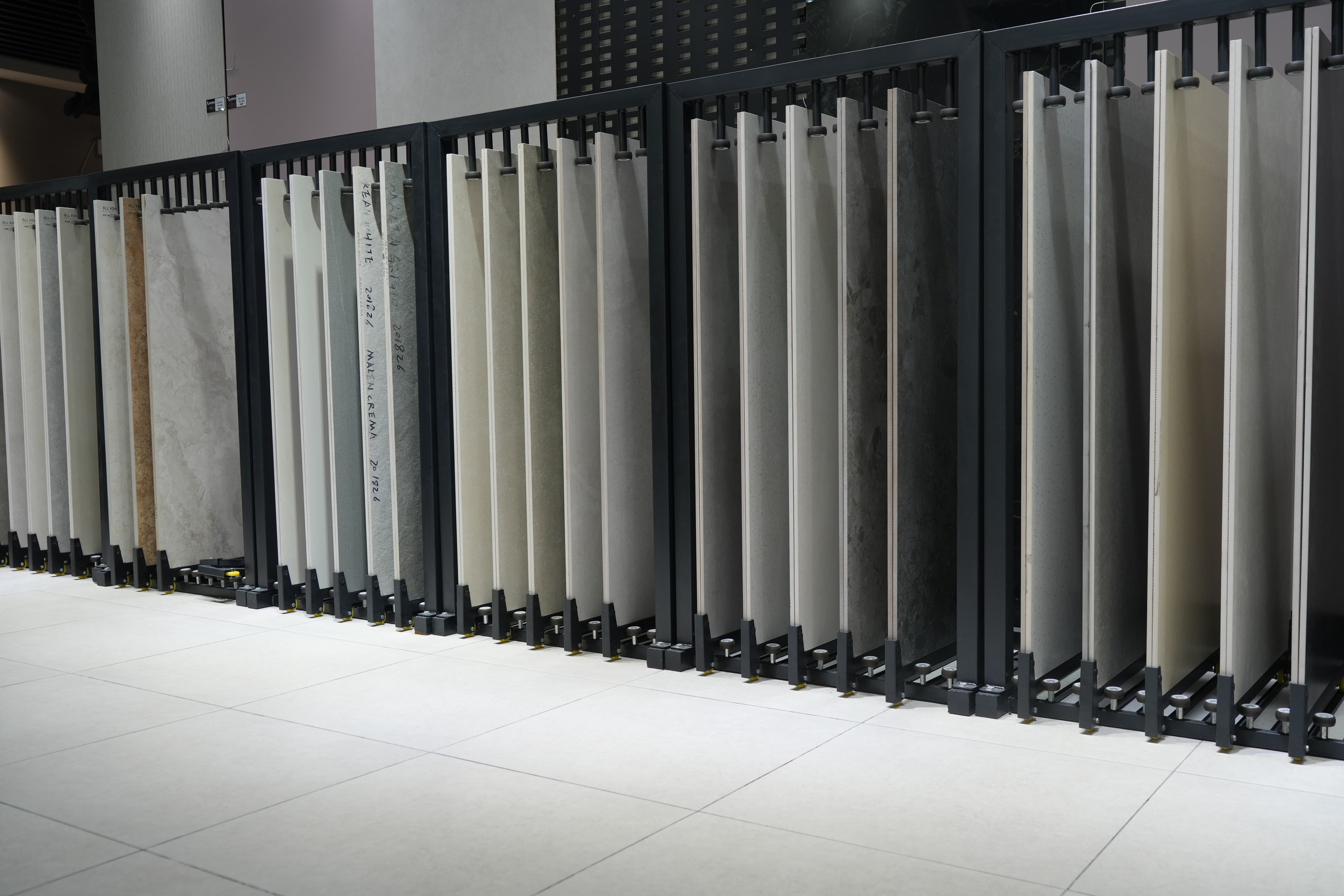
Download the ALL KING Ceramics Catalog to review available sizes, textures and technical specifications. Download the catalog here.
Or contact Abby at tyceramic2@all-king.com / WhatsApp: +86 156-5336-9360 for product samples and a project-specific quote.