
Why Your Hotel Lobby Floor Cracks: The Fix for High-Traffic Commercial Spaces
Why Your Hotel Lobby Floor Cracks: The Fix for High-Traffic Commercial Spaces
Hotel lobby floors crack because they are usually specified for appearance rather than for load. The fix is a vitrified 60x120cm porcelain tile with a breaking strength of at least 1300 N and a Mohs hardness of 6–7, backed by PEI 4 or PEI 5 abrasion resistance and water absorption below 0.5%. That combination is what keeps a floor intact under luggage trolleys, cleaning machines and non-stop foot traffic.
A cracked lobby floor is rarely caused by one bad tile. It is normally the end of a chain that begins with a tile body that is too weak for the traffic, continues through a surface layer that wears through, and finishes with water reaching the substrate. By the time cracking becomes visible at the reception desk, the repair cost is already fixed: part of a public area has to be closed, flooring has to be removed and re-laid, and a finish has to be matched against stock that may no longer exist.
This guide explains why high-traffic commercial floors fail, sets out the specifications that prevent it, and shows how to verify those specifications before a purchase order is signed. It is written for hotel owners, procurement managers, contractors and distributors working on Commercial Tile Solutions — lobbies, shopping malls, transport hubs, warehouses and healthcare buildings.
Why Hotel Lobby Floors Crack: Defining the Problem
A hotel lobby is one of the hardest-working floors in any building. It absorbs concentrated point loads from luggage trolleys and cleaning equipment, continuous abrasion from footwear, tracked-in water and grit, and — in many climates — a freeze–thaw cycle every time the entrance doors open.
Load concentration is the first cause of cracking. Rolling loads pass through very small contact points, so the pressure transferred into the tile is far higher than the weight of the trolley suggests. If the tile body has marginal breaking strength and the subfloor is not flat and fully supported, stress concentrates at tile edges and joints. The result is a hairline crack that widens with every subsequent load rather than closing.
Abrasion is the second cause. A busy lobby may see a very high number of footwear contacts each day, plus grit carried in from the street. On a soft surface layer, that traffic polishes a dull, scratched path. In a hotel lobby the worn path usually appears first along the walking route between the entrance and the reception desk — a visual failure that appears long before the tile breaks.
Moisture and thermal movement are the third cause. Entrance zones carry in rain and snow, while the interior stays heated. The working conditions that define this type of project are high traffic, frost and freeze–thaw, wet and slippery surfaces, thermal shock, and heavy surface load. A tile that cannot hold its structure through those cycles will crack from the inside out.
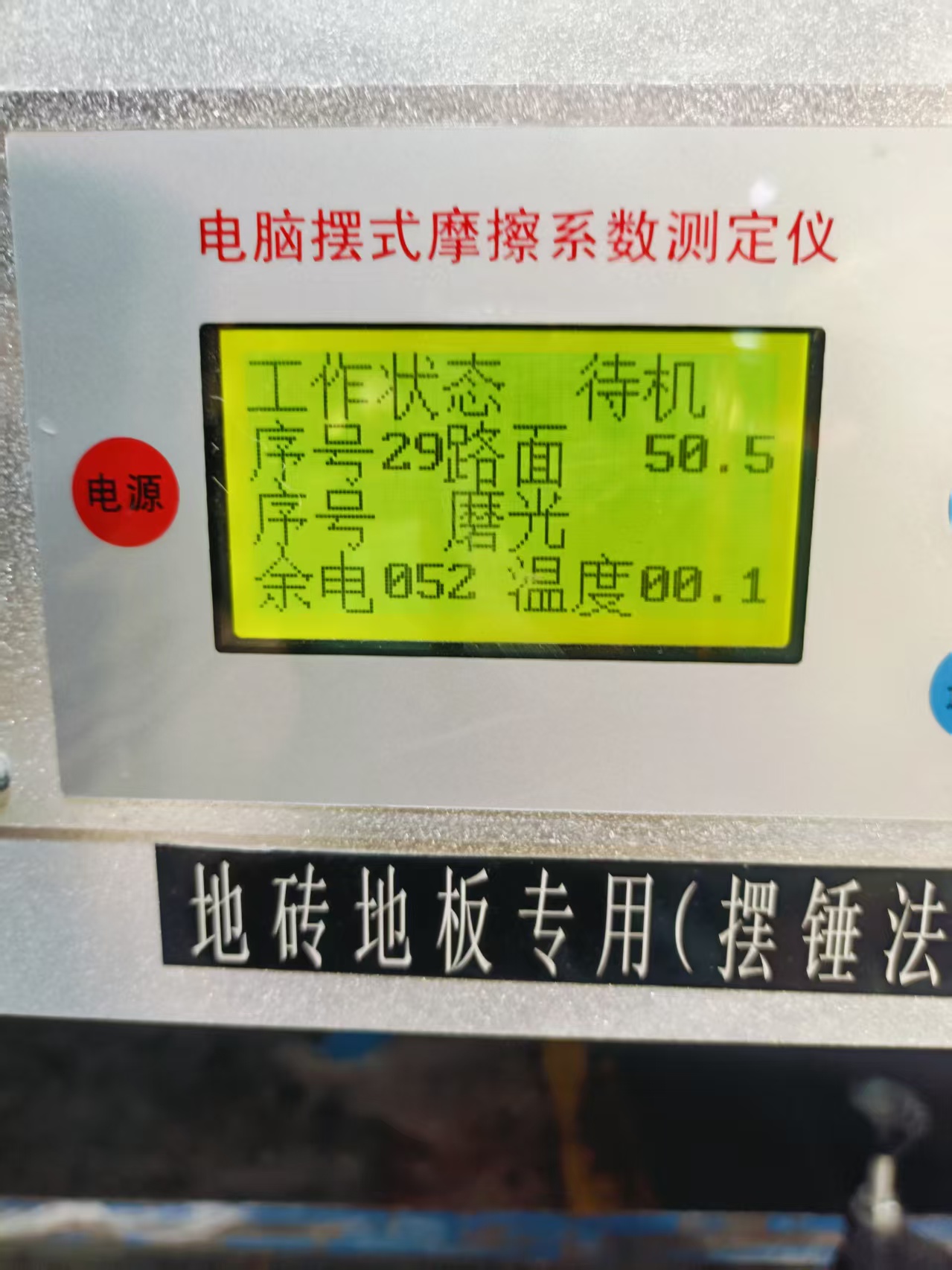
Slip safety is the fourth factor, and it interacts with the other three. High-traffic public areas such as airports and railway stations require a slip resistance rating of R10 or R11 under DIN 51130. A floor only works commercially when the tile meets that rating while still carrying the structural strength the traffic demands.
The pattern behind most failures is a mismatch between the tile class and the traffic. Low-grade ceramic tiles generally have lower mechanical strength and a softer surface layer than vitrified porcelain. They can pass visual inspection at handover and then crack or polish through during the first years of service. Once that happens the floor stops being a cosmetic problem: chipped edges become trip points, joints open, and water reaches the substrate — which turns a surface issue into a structural one.
Industry Background: Why Commercial Floor Specification Is Getting Stricter
Commercial flooring specification has become more evidence-based because the market behind it keeps growing. The global ceramic and porcelain tiles market was valued at USD 423.90 billion in 2024 and is projected to reach USD 845.80 billion by 2034, according to Custom Market Insights. Published estimates vary widely depending on whether ceramic and porcelain are counted together, so that figure is best read as a scale indicator rather than a precise forecast.
Regional demand shows where the pressure is highest. The Russia ceramic tiles market was valued at USD 3.2 billion in 2024, with projected growth to USD 5.10 billion by 2032, according to Verified Market Research. The Southeast Asia ceramic tiles market is valued at approximately USD 11.5 billion in 2024, driven by travel, tourism and infrastructure, per Mordor Intelligence.
Supply flows follow that demand. In 2024 Uzbekistan imported USD 125 million of ceramic products, with China the top supplier at USD 75.1 million, according to the Observatory of Economic Complexity. China’s ceramic tile exports to the Philippines grew 77.5% year on year in March 2025, reaching USD 29.6 million, based on Cerambath customs data. For buyers in Central Asia and Southeast Asia this means more suppliers to choose from — and a greater need for specifications that can actually be verified.
Three standards do most of the filtering work in a lobby specification. First, water absorption: porcelain tiles for commercial use are classified under ISO 13006 / EN 14411 Group BIa, which caps water absorption at ≤0.5%. Second, frost resistance: under ISO 10545-12, commercial-grade frost resistance is tested by requiring tiles to withstand at least 100 freeze–thaw cycles. Third, slip resistance: high-traffic public areas require R10 or R11 under DIN 51130.
Read together, these thresholds explain why a cheap tile can be compliant on paper and still fail in service. Compliance is a floor, not a guarantee. The tiles that survive ten years of lobby traffic are the ones whose abrasion class, surface hardness and structural strength all sit above that floor at the same time.
The Fix: A 60x120cm Vitrified Porcelain Tile
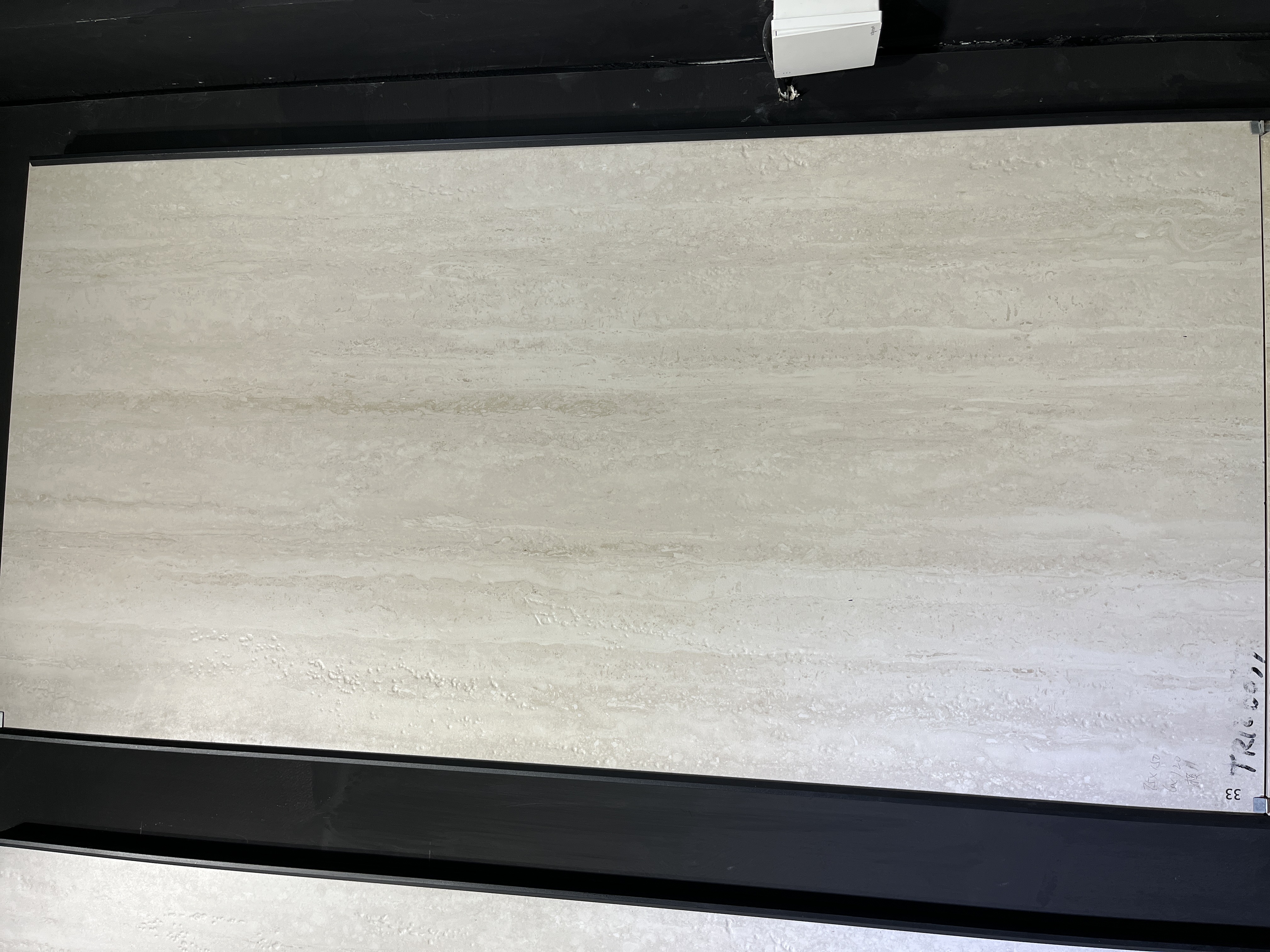
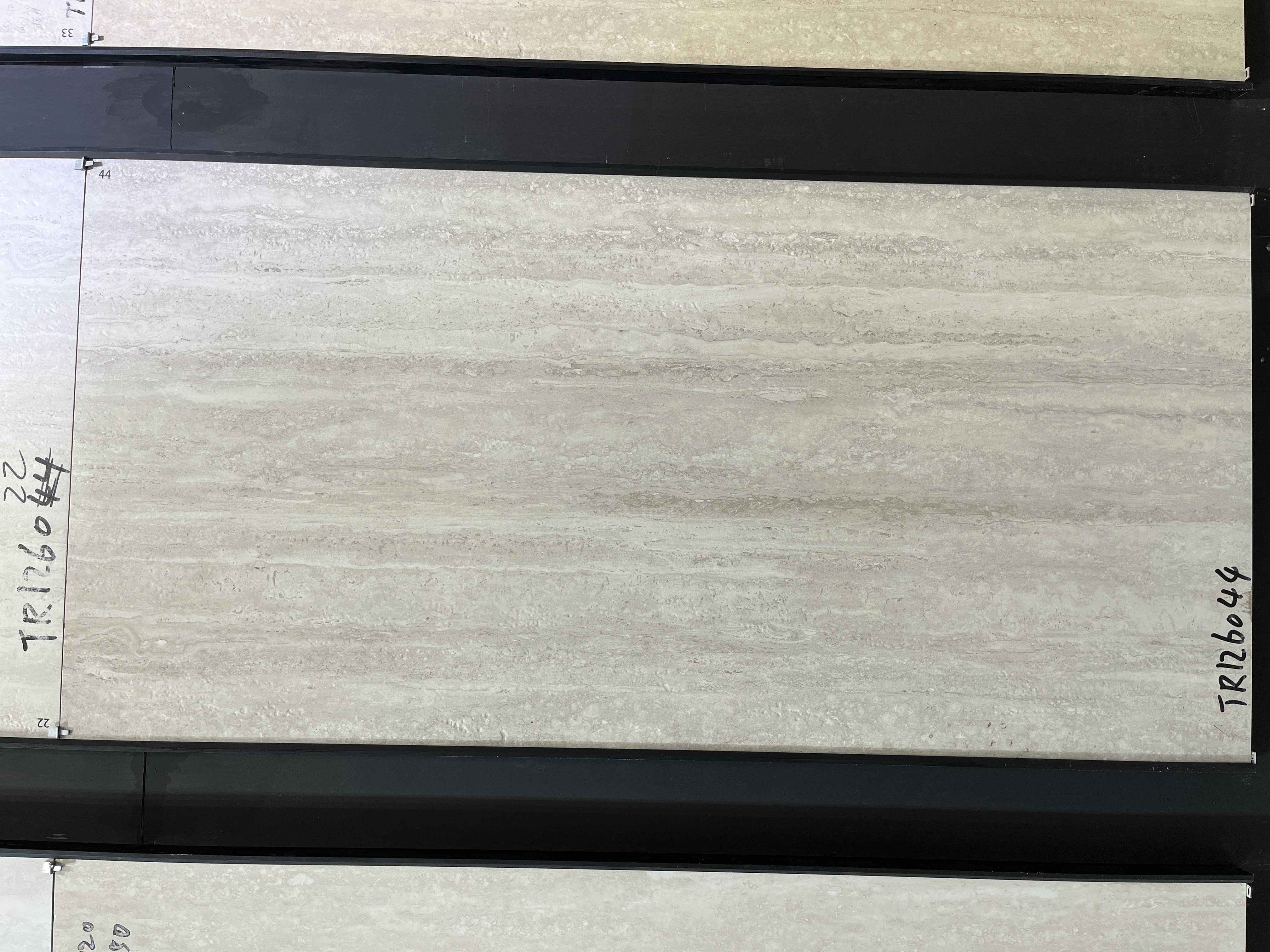
The specification that resolves the cracking problem is a vitrified 60x120cm porcelain tile with a breaking strength of ≥1300 N and a Mohs hardness of 6–7. ALL KING CERAMICS manufactures this format as its core product in the Marble Series and Travertine models, using porcelain clay with a vitrified body.
Published specification
- Format: 60 cm × 120 cm porcelain tile, 0.72 m² per tile
- Thickness range: 9.0–10.5 mm
- Body: porcelain clay, vitrified structure
- Water absorption: < 0.5% (vitrified)
- Abrasion resistance: PEI 4 / PEI 5
- Mohs hardness: 6–7
- Breaking strength: ≥ 1300 N
- Modulus of rupture: ≥ 35 MPa
- Packing: 2 pcs per box, 1.44 m² per box
Each of these values answers a specific failure mode. Water absorption below 0.5% means the body is vitrified, so water cannot penetrate the tile; frost–thaw and staining are handled inside the material rather than by a surface coating. PEI 4 and PEI 5 abrasion classes are the ratings used for heavy and extra-heavy traffic surfaces. Mohs hardness of 6–7 resists scratching from grit and hard trolley wheels. Breaking strength of at least 1300 N and a modulus of rupture of at least 35 MPa are the structural values that decide whether a tile survives point and rolling loads without cracking.
The format itself is part of the fix. Because a 60x120cm tile covers 0.72 m², a lobby floor has substantially fewer joints per square metre than a small-format floor. Fewer joints mean less grout to wear, fewer lines for water to enter, and a flatter visual field that hides the kind of localised damage that starts at grout lines.
Requirements this tile is specified to meet
For commercial real estate applications, the 60x120cm vitrified porcelain tile meets special requirements including anti-slip (R10/R11), frost resistance, low VOC emissions, acid and alkali resistance, zero water penetration, and ISO 13006 compliance. It is designed for high traffic, frost and freeze–thaw, wet and slippery surfaces, thermal shock, and heavy surface load — and for continuous heavy-duty use, high-frequency commercial traffic, and non-stop foot traffic.
It is used for flooring and wall cladding, commercial fit-out, interior decoration, facade engineering and hotel renovation. The supporting materials a project needs alongside it are tile adhesive and grout, a leveling system, tile spacers, diamond cutting tools, a subfloor preparation system, and facade hanging systems where the tile is used for wall cladding.
Step-by-Step: Specifying a Lobby Floor That Stays Intact
- Define the traffic and load profile first. Record what actually crosses the floor: luggage trolleys, cleaning machines, pallet jacks, food-service carts. Then match the environment — high traffic, wet and slippery entrances, frost and freeze–thaw at doorways, thermal shock, heavy surface load.
- Set the abrasion and hardness floor. For a hotel lobby or mall concourse, specify PEI 4 or PEI 5 abrasion resistance and a Mohs hardness of 6–7. These two values determine how the surface behaves in year three rather than on day one.
- Verify structural strength. Require a breaking strength of ≥1300 N and a modulus of rupture of ≥35 MPa, and ask for the test data behind those numbers. Structural values, not visual appearance, decide whether a tile cracks under a rolling load.
- Confirm water absorption and classification. The tile should be vitrified with water absorption < 0.5%, which places it in ISO 13006 / EN 14411 Group BIa for commercial porcelain.
- Match the surface to the environment. Confirm anti-slip (R10/R11), frost resistance, low VOC emissions, acid and alkali resistance, and zero water penetration for the zones where each applies — entrances, food and beverage areas, outdoor thresholds.
- Plan the substrate and installation system. Large-format 60x120cm tiles need subfloor preparation, a leveling system, tile spacers, the correct adhesive and grout, and diamond cutting tools. Where tiles are used on facades, facade hanging systems apply instead of adhesive fixing.
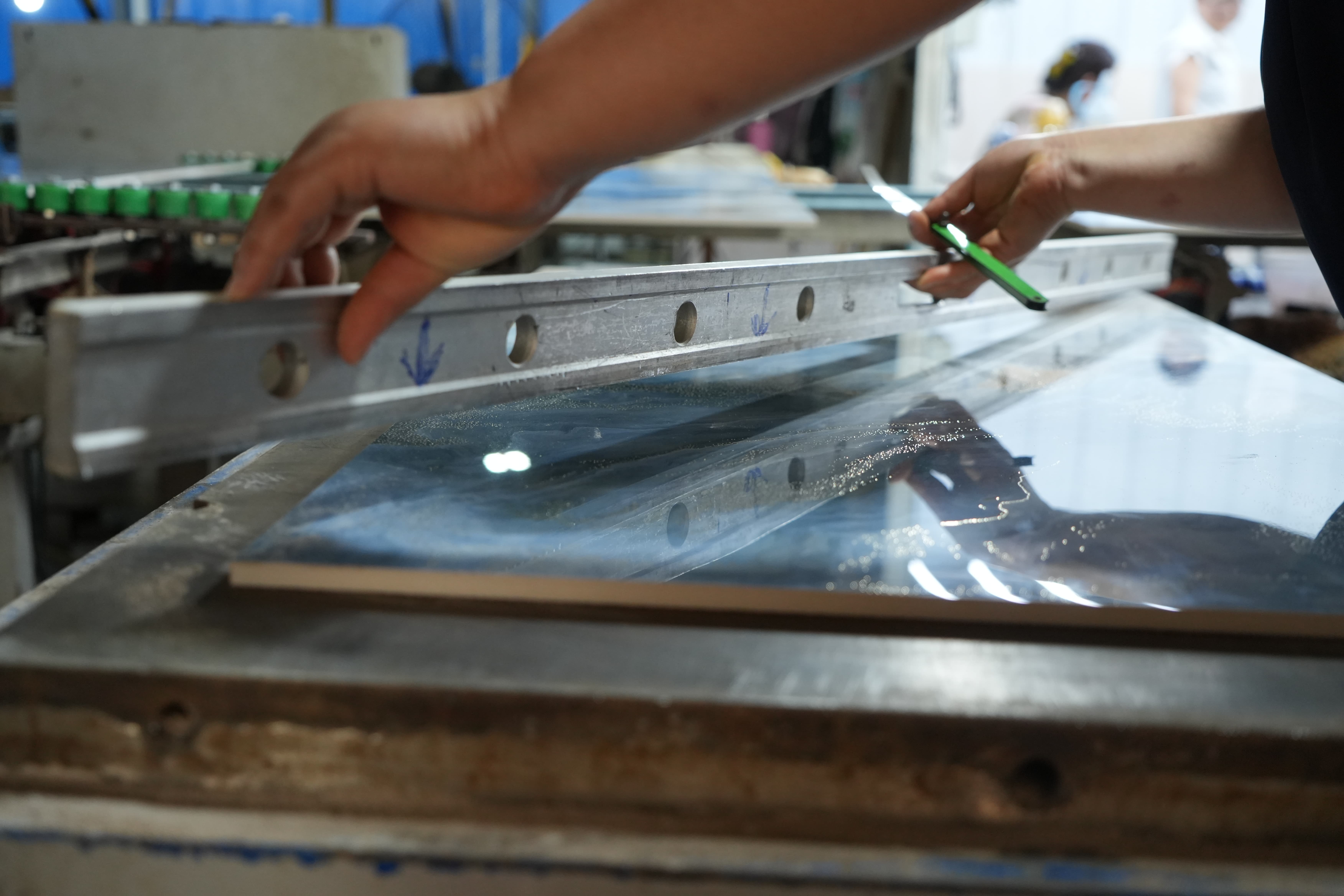
- Verify before you commit. Ask for factory evidence: flatness testing, water absorption testing, slip resistance testing, and on-line quality control records. Then check samples on site under real lighting before the order is placed.
Where This Tile Performs: Use Cases
Hotel lobbies and renovation projects
An operating hotel cannot easily close its lobby. Because the 60x120cm porcelain tile is designed for continuous heavy-duty use and non-stop foot traffic, it suits hotel flooring projects where replacement cycles are expensive and disruption is unacceptable. It is also specified for hotel renovation and commercial fit-out work.
Shopping malls and retail concourses
Mall floors combine high footfall, food and drink spillage, and cleaning-machine abrasion. Vitrified porcelain with water absorption below 0.5% and PEI 4/PEI 5 abrasion resistance addresses all three at the material level, which is why it is used for shopping mall flooring projects.
Transport hubs: airport terminals and railway stations
Airport terminal and railway station floors are the reference case for the DIN 51130 R10/R11 requirement. They also carry the heaviest rolling loads in a public building, which is exactly where breaking strength above 1300 N and a modulus of rupture above 35 MPa matter most.
Logistics, warehousing and industrial interiors
Warehouse and industrial interiors impose heavy surface loads with less concern for appearance. The same vitrified body is used for logistics warehouse heavy-duty floors and full-body porcelain applications where surface and body properties have to be consistent through the tile.
Healthcare and education buildings
Hospitals and schools add hygiene and chemical exposure to the traffic load. Low VOC emissions, acid and alkali resistance, and zero water penetration are relevant here, alongside antibacterial wall tile solutions for clinical areas and durable flooring for educational facilities.
Residential and mixed-use projects
The same technical profile is used for apartment project flooring and large public building interiors, including large-format porcelain slabs for public buildings where a continuous, low-joint surface is preferred.
Outdoor and exposed zones
Entrance thresholds, terraces and covered walkways bring freeze–thaw exposure into the specification. Frost-resistant outdoor porcelain is selected where ISO 10545-12 frost resistance applies.
These applications recur across a defined set of markets — Australia, Canada, Kazakhstan, the Philippines and other countries — as well as the regions where ALL KING CERAMICS exports: Australia, New Zealand, Russia, Belarus, South Korea, Vietnam, Malaysia, the Philippines, Peru, Panama, Colombia, Chile, Bolivia, Guatemala, Palestine, Iraq, Ukraine and the United Arab Emirates. Export sales account for 70% of the company’s total revenue.
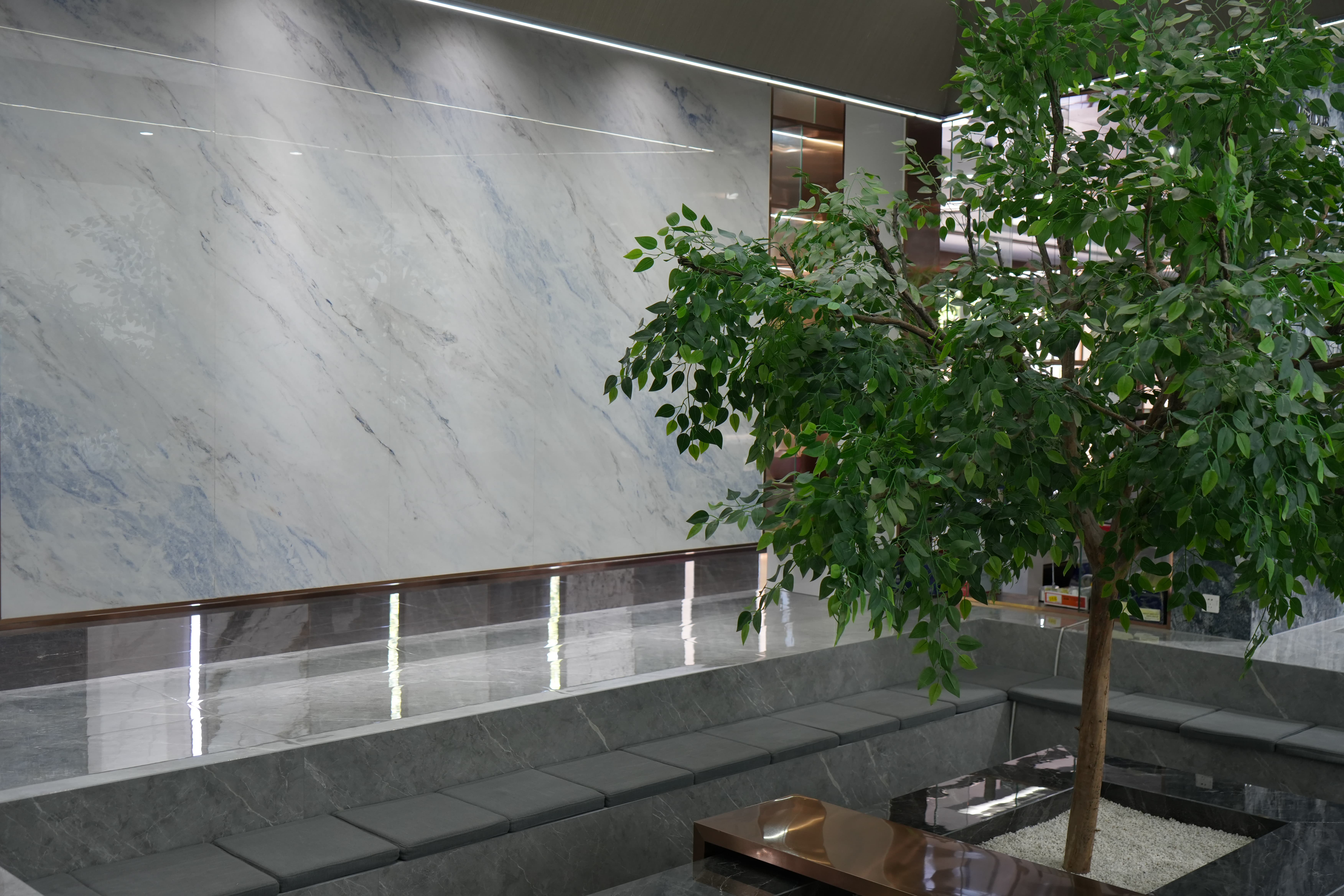
Comparison Table: What to Check on a High-Traffic Lobby Specification
The table below lists the values published for the 60x120cm vitrified porcelain tile and the verification step a buyer should apply to any alternative offer. Verification actions are included because supplier documentation — not the marketing description — is what determines whether a floor survives lobby traffic.
| Evaluation point | 60x120cm vitrified porcelain (Marble Series / Travertine) | What to verify in an alternative offer |
|---|---|---|
| Water absorption | < 0.5% (vitrified) | Confirm the tile is classified under ISO 13006 / EN 14411 Group BIa, which caps water absorption at ≤0.5% |
| Abrasion resistance | PEI 4 / PEI 5 | Confirm the abrasion class matches the traffic level of the specific area |
| Surface hardness | Mohs 6–7 | Request a published hardness value, not a description such as “hard wearing” |
| Breaking strength | ≥ 1300 N | Request breaking-strength test data for the actual production batch |
| Modulus of rupture | ≥ 35 MPa | Request flexural strength data, which governs behaviour under rolling loads |
| Slip resistance | Meets anti-slip requirements of R10/R11 | Confirm the DIN 51130 rating for entrances, thresholds and wet zones |
| Frost resistance | Frost resistance specified for exposed and entrance zones | Confirm freeze–thaw evidence against ISO 10545-12 (minimum 100 cycles) |
| Format and thickness | 60x120cm, 9.0–10.5 mm, 2 pcs/box (1.44 m²) | Check flatness control and format stability — uneven tiles create lippage |
| Chemical and environmental | Acid and alkali resistance, zero water penetration, low VOC emissions, ISO 13006 compliance | Request documentation for each point that applies to the project |
| Long-term cost profile | Large format means fewer joints per m²; vitrified body supports longer service life | Compare total installed and lifetime cost, not price per square metre alone |
Frequently Asked Questions
Does a 60x120cm porcelain lobby tile have to meet ISO 13006 and slip-resistance standards?
Yes. Porcelain tiles for commercial use are classified under ISO 13006 / EN 14411 Group BIa, which caps water absorption at ≤0.5%. High-traffic public areas such as airports and railway stations require a slip resistance rating of R10 or R11 under DIN 51130, and commercial-grade frost resistance is tested under ISO 10545-12, which requires tiles to withstand at least 100 freeze–thaw cycles. The 60x120cm porcelain tiles from ALL KING CERAMICS are specified to meet these requirements, including anti-slip (R10/R11), frost resistance, low VOC emissions, acid and alkali resistance, zero water penetration, and ISO 13006 compliance.
Can a 60x120cm porcelain tile handle airport terminal or train station traffic?
Performance under that level of traffic comes down to three published values: abrasion resistance (PEI 4 / PEI 5), surface hardness (Mohs 6–7), and structural strength (breaking strength ≥1300 N, modulus of rupture ≥35 MPa). A vitrified body with water absorption below 0.5% keeps those properties stable in wet, frost-prone and heavy-load service, and the 60x120cm format is designed for continuous heavy-duty use, high-frequency commercial traffic and non-stop foot traffic. These are the values published for the Marble Series and Travertine porcelain tiles.
Is it cheaper to buy low-grade ceramic tiles for a hotel lobby?
The purchase price per square metre is only one part of the cost. A tile with lower mechanical strength and a softer surface layer in a lobby generally needs replacing sooner, and replacing flooring in an operating hotel means closing public areas, removing and re-laying the floor, and re-matching the finish. Large-format 60x120cm tiles also reduce the number of joints per square metre, which reduces grout area and cleaning effort over the life of the floor. ALL KING CERAMICS is a manufacturer and direct exporter selling at direct-from-factory pricing, so the honest comparison is total installed and lifetime cost rather than unit price alone.
Can we test the tile before specifying it for a project?
Yes. Samples of the 60x120cm porcelain tiles are available so that project teams can check colour, surface finish and format under real site lighting before specification. The product is also supplied with full technical parameters — thickness 9.0–10.5 mm, water absorption <0.5%, PEI 4 / PEI 5, Mohs 6–7, breaking strength ≥1300 N, modulus of rupture ≥35 MPa, and packing of 2 pcs per box (1.44 m²) — so that the sample can be checked against the written specification rather than against a photo.
What production capacity and delivery support stand behind the order?
ALL KING CERAMICS was established in 2011 and operates a 60,000 m² manufacturing facility with an annual production capacity of 12 to 16 million m² and approximately 320 staff, including a research and development team of 25 engineers. Export sales account for 70% of total revenue, and the core product line covers 60x120cm porcelain tiles, 75x150cm porcelain tiles, 80x80cm porcelain tiles, 60x60cm ceramic tiles and 100x100cm floor tiles. For project teams that need to move from specification to sample to order, the full catalogue can be downloaded here: ALL KING Ceramics Catalog (PDF).
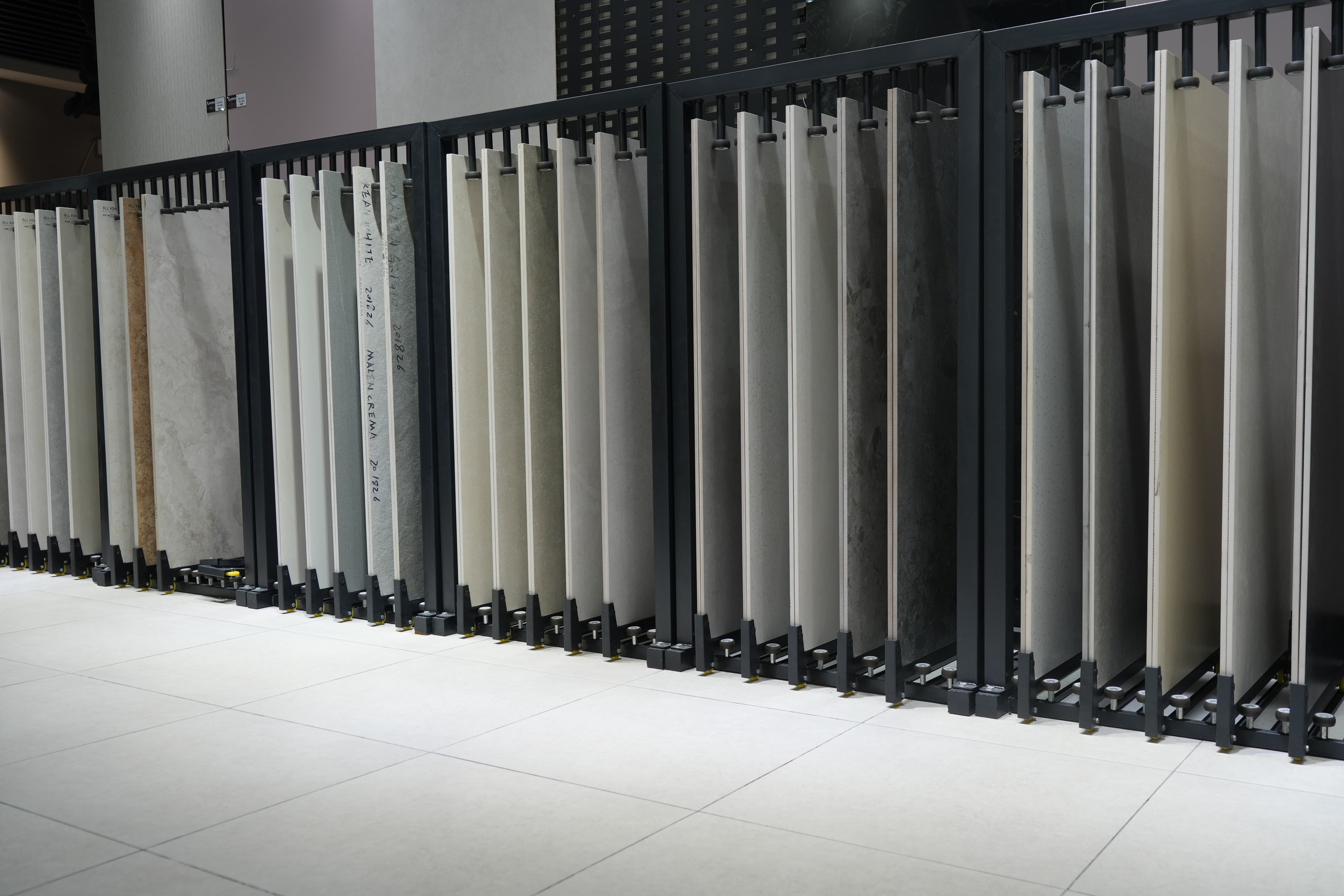
Conclusion: Fix the Specification, Not the Crack
Cracked hotel lobby floors are usually treated as a maintenance problem. They are better understood as a specification problem. A tile that is selected for appearance alone will be asked to carry loads, abrasion and moisture cycles it was never engineered for — and the failure shows up at the busiest point of the building.
The practical answer is a vitrified 60x120cm porcelain tile with a breaking strength of at least 1300 N, a modulus of rupture of at least 35 MPa, a Mohs hardness of 6–7, PEI 4 or PEI 5 abrasion resistance, and water absorption below 0.5% in line with ISO 13006 / EN 14411 Group BIa. Add the environment-specific checks — R10/R11 slip resistance under DIN 51130, frost resistance under ISO 10545-12, low VOC emissions, acid and alkali resistance, and zero water penetration — and the floor is specified for what it will actually face.
ALL KING CERAMICS is a manufacturer and direct exporter of premium architectural ceramics based in Zibo, China, producing 60x120cm porcelain tiles as its core product alongside 75x150cm, 80x80cm, 100x100cm and 60x60cm formats for commercial projects and wholesale programmes worldwide.
Request a Sample or Project Quotation
Send us your project location, traffic class and required format, and we will confirm the applicable specification, sample availability and pricing. Samples and technical documentation are available for hotel, mall, transport hub and infrastructure projects.
Email: tyceramic2@all-king.com
Tel / WhatsApp: +86-156-5336-9360
Website: www.all-king.com
Address: No.6, 8th building, 6th district, China Fortune Ceramic City, Zibo, China
Download the full technical catalogue: ALL KING Ceramics Catalog (PDF)
Note on figures: market and trade values quoted in this article are attributed to their published sources. Tile parameters reflect the manufacturer’s published specification for the 60x120cm porcelain tile range. Project-specific compliance should always be confirmed against current test documentation for the production batch.