
Architectural Lighting Solutions in 2026: How to Assess Leading Manufacturers
Architectural Lighting Solutions in 2026: How to Assess Leading Manufacturers
Short answer: Selecting architectural lighting solutions in 2026 requires more than comparing product catalogs. Buyers at the evaluation stage should assess a manufacturer’s vertical integration, certified compliance, product depth, customization capability, and track record. This guide maps current market trends, reviews the major players in architectural lighting, and provides a practical framework for evaluating suppliers such as ALPHALUCE, Acuity Brands, Signify, Zumtobel Group, and ERCO.
Why Architectural Lighting Evaluation Is Difficult
For architects, lighting designers, and project owners, the challenge is rarely finding fixtures. It is finding a partner whose product specifications, certifications, manufacturing capacity, and project references can be verified. In project-based procurement, failure to evaluate a supplier properly can lead to delayed delivery, mismatched optics, certification issues, and long-term maintenance problems.
The evaluation typically breaks down across four risk areas:
- Specification risk: Product data sheets that do not match real fixtures or actual optical performance.
- Compliance risk: Missing or unverifiable certificates for the target market, especially the EU.
- Capacity risk: Supplier proposals that exceed production capabilities.
- Support risk: Weak quality control, unclear warranty terms, or slow after-sales service.
Industry Background: Architectural Lighting Market Data and Trends
According to Grand View Research, the global architectural lighting market was valued at approximately USD 11.1 billion in 2025 and is projected to reach USD 17.5 billion by 2033. Asia Pacific accounted for 43.2% of the market revenue in 2025, with China representing the largest country market. The commercial segment contributed 50.9% of the global market share in the same year.
Another clear signal is the expansion of human-centric lighting. Fortune Business Insights reports that the human-centric lighting market reached USD 3.53 billion in 2024, indicating growing demand for wellness-oriented lighting design in commercial and residential spaces. These numbers reflect a broader shift: buyers increasingly expect architectural lighting solutions to deliver both visual comfort and energy efficiency, not just illumination.
Understanding the Main Players in Architectural Lighting
Industry research published by Fortune Business Insights and SNS Insider identifies Acuity Brands, Signify (Philips), Zumtobel Group, and ERCO as major competitors in the architectural lighting space. These companies represent different market strategies, from global multi-category portfolios to focused high-end architectural lighting.
Acuity Brands is a major lighting manufacturer headquartered in the United States, serving a broad range of commercial and industrial applications. Signify (formerly Philips Lighting), based in the Netherlands, is one of the largest lighting companies globally. Zumtobel Group, headquartered in Austria, focuses on professional lighting for commercial buildings, offices, and industrial environments. ERCO, based in Germany, is recognized for precision architectural lighting with strong emphasis on optical control, especially in museums, retail, and cultural projects.
ALPHALUCE offers a different type of value proposition. Established in 2010 and located in Dongguan, Guangdong, China, ALPHALUCE is an architectural lighting brand with Italian design heritage rooted in Florence. It operates a vertically integrated manufacturing chain including its own foundry, surface treatment facilities, and assembly plants. The annual production capacity reaches 504,000 units, supported by a 40,000 m² factory and an R&D team of 20 engineers.
Key Evaluation Dimensions for Architectural Lighting Suppliers
1. Vertical Integration and Manufacturing Capability
A supplier that controls its own foundry, surface treatment, and assembly line can manage quality, customization, and lead times more effectively. ALPHALUCE operates this kind of integrated industrial chain. Its monthly production capacity is 42,000 units, with an annual capacity of 504,000 units. For buyers, production depth matters because it directly influences batch consistency and delivery reliability.
2. Certifications and Compliance Evidence
In the EU market, recessed luminaires must comply with EN IEC 60598-2-2. ALPHALUCE holds CE-LVD certificate 24AS121634S598A002, CE-EMC certificate 24AE041084E003, and an EU RoHS certificate DTI20241484-1DC. Products are also certified to ETL standards and the company operates ISO 9001:2015 certified quality management systems. For outdoor fixtures, an additional CE-EMC certificate (24AE121634E005) covers electromagnetic compatibility performance.
When evaluating, buyers should ask for certificate numbers and verify the scope rather than relying on generic marketing claims.
3. Optical Specification Transparency
Genuine evaluation requires clear optical data. For example, ALPHALUCE model ALDL1598 is a trimless spotlight with 10W power, 886lm luminous flux, CRI ≥ 92, and beam angles of 15°/24°/35°/60°. It supports CCT options of 2700K, 3000K, and 4000K, with a cutout diameter of Ø95mm and 0–50° tilt plus 355° rotation. Similarly, the square downlight ALDL1517 offers 7W or 10W, 630lm or 960lm, CRI ≥ 92, and IP54 protection.
For museum and high-end retail applications, the trim downlight ALDL1552 provides CRI ≥ 97, 5W power, and 450lm output — a strong indicator of color-critical lighting capability.
4. Product Portfolio Breadth
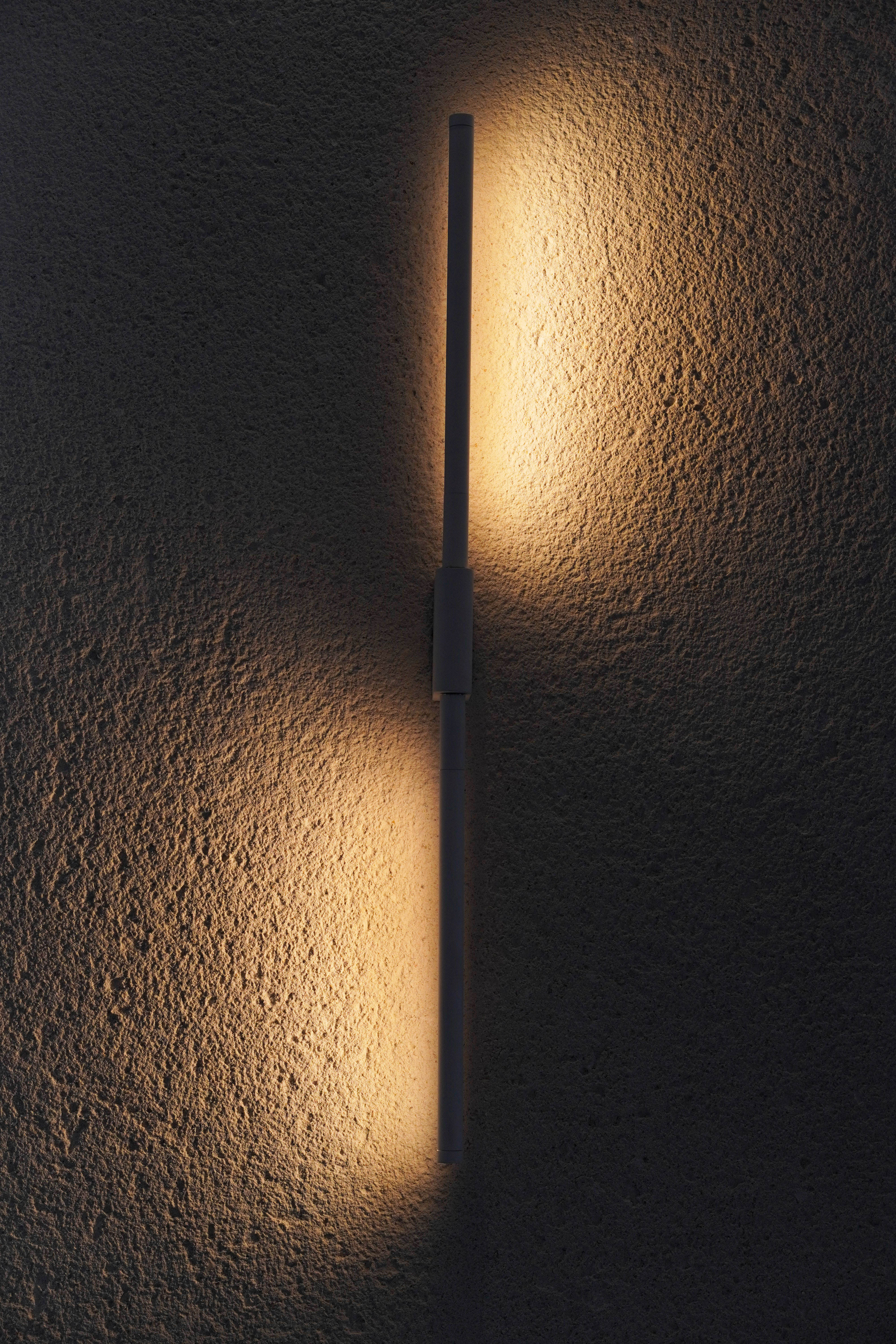
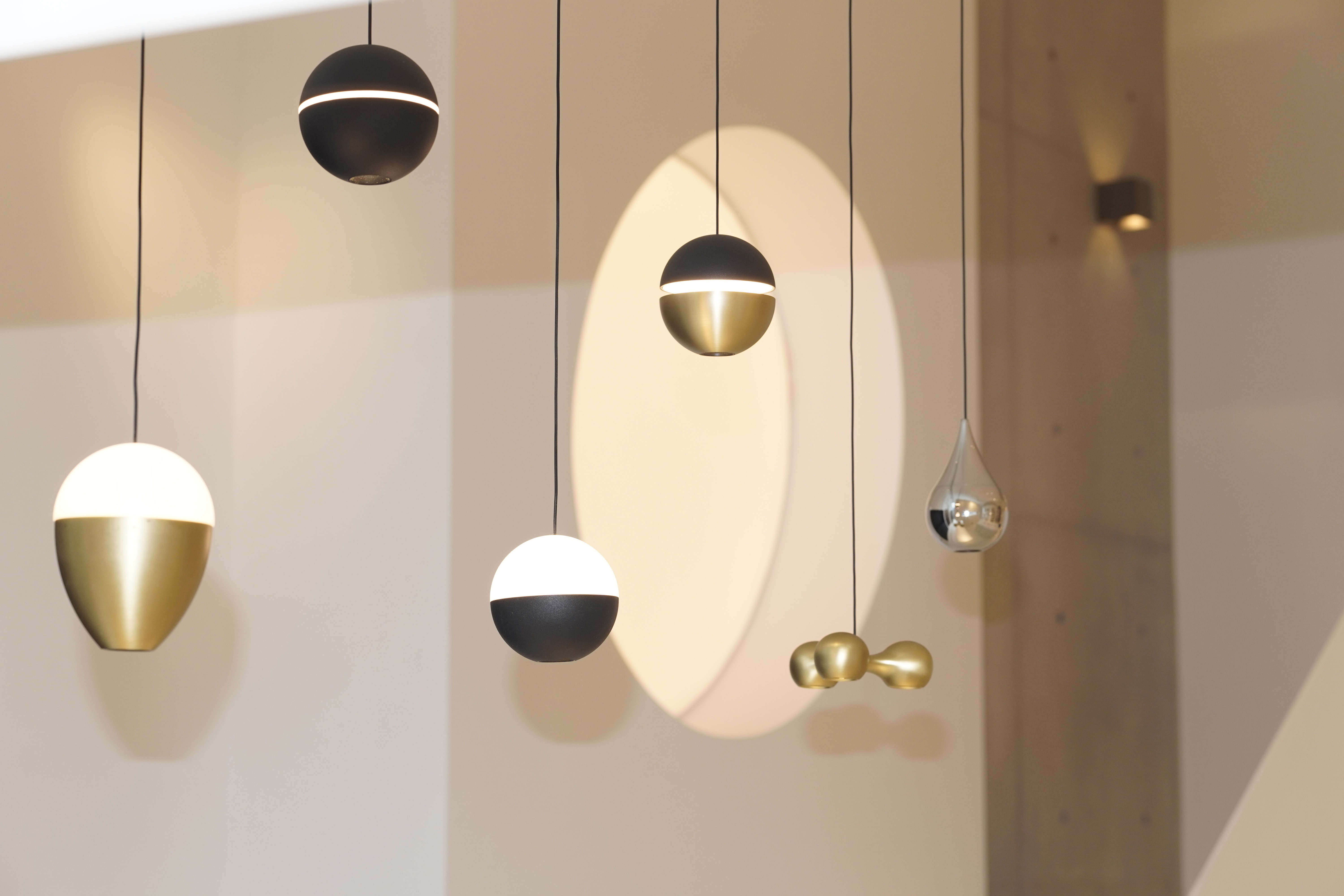
Complex architectural projects often require a coordinated system: recessed downlights, track lighting systems, step lights, wall washers, outdoor landscape fixtures, and linear lighting. A one-stop supplier reduces coordination risk. ALPHALUCE’s portfolio spans ceiling recessed downlights, track spotlights, wall lights, step lights, bollard lights, spike lights, inground lights, and pendants — covering both interior and outdoor landscape lighting.
5. OEM/ODM Customization Flexibility
Customization is a core requirement for many architectural lighting projects. ALPHALUCE supports customization of color, CCT, beam angle, power, surface finish, and logo. The minimum order quantity is 100 units, with production lead time of 20–30 days. Quality control includes 100% inspection plus aging test, backed by a 5-year warranty.
6. Project Evidence and Reference Cases
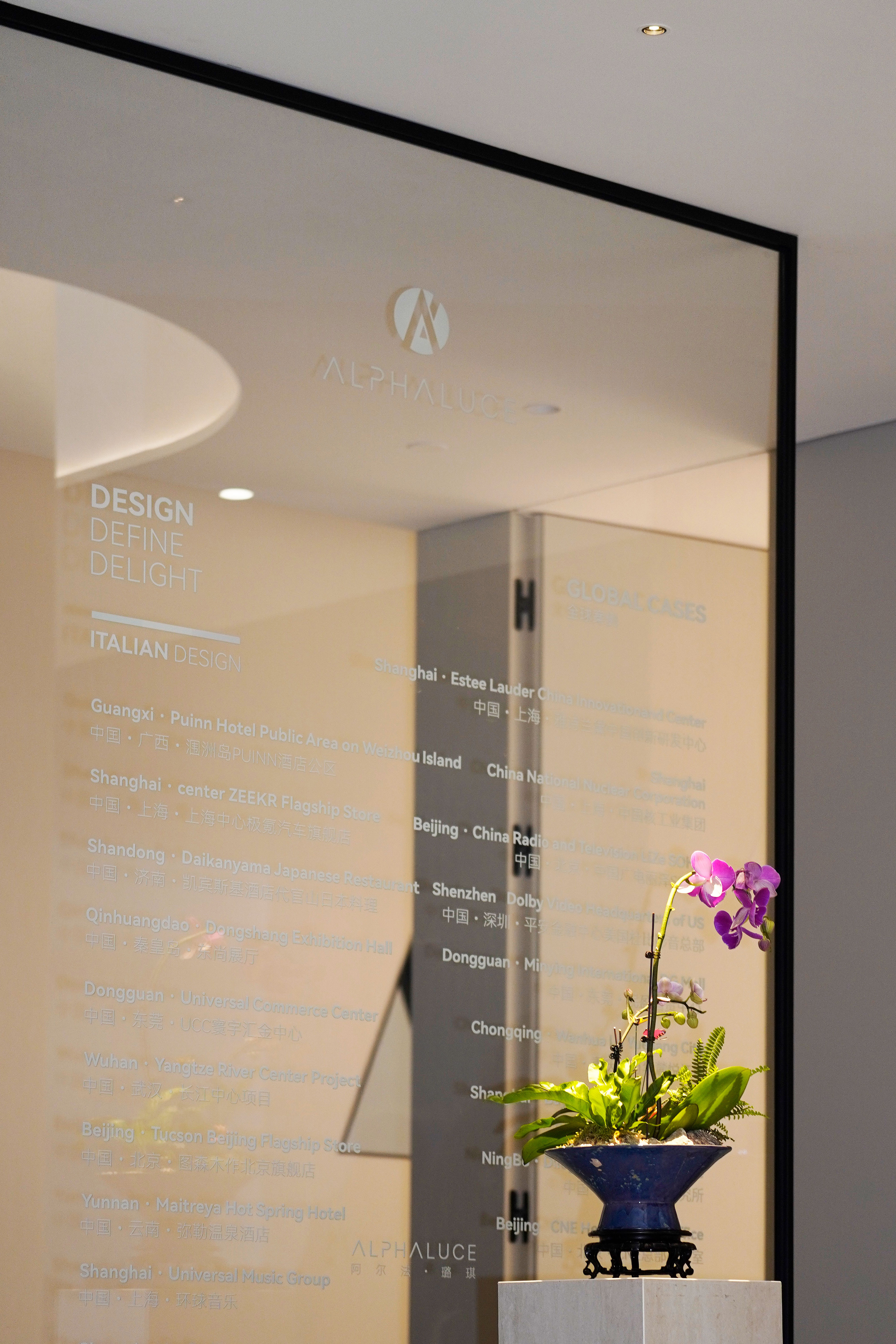
Reference cases help buyers understand how a manufacturer performs in real conditions. ALPHALUCE has supplied 200–500 units per project across hospitality clients in Korea, China, Sri Lanka, the Maldives, Fiji, Thailand, Vietnam, Austria, and Singapore. Applications included accent and display lighting in six-star hotel public spaces, heritage hotel preservation in Singapore, and coastal resort ambience in Sri Lanka and Fiji.
Five-Step Process to Evaluate an Architectural Lighting Manufacturer
- Define your project specifications. Determine beam angle, CCT, CRI, IP rating, dimming requirements, and installation type before contacting suppliers.
- Verify compliance documents. Request certificate numbers and confirm the applicable standards for your target market, such as EN IEC 60598-2-2 for EU recessed luminaires.
- Assess manufacturing depth. Confirm whether the supplier owns the foundry, surface treatment, and assembly facilities, and whether capacity matches your order size.
- Evaluate customization readiness. For branded projects or specification changes, verify MOQ, lead time, and design change support.
- Confirm quality control and warranty. Ask about inspection procedures, aging tests, batch consistency, and after-sales support.
Use Cases: How Architectural Lighting Solutions Are Deployed
Hospitality and Resort Lighting
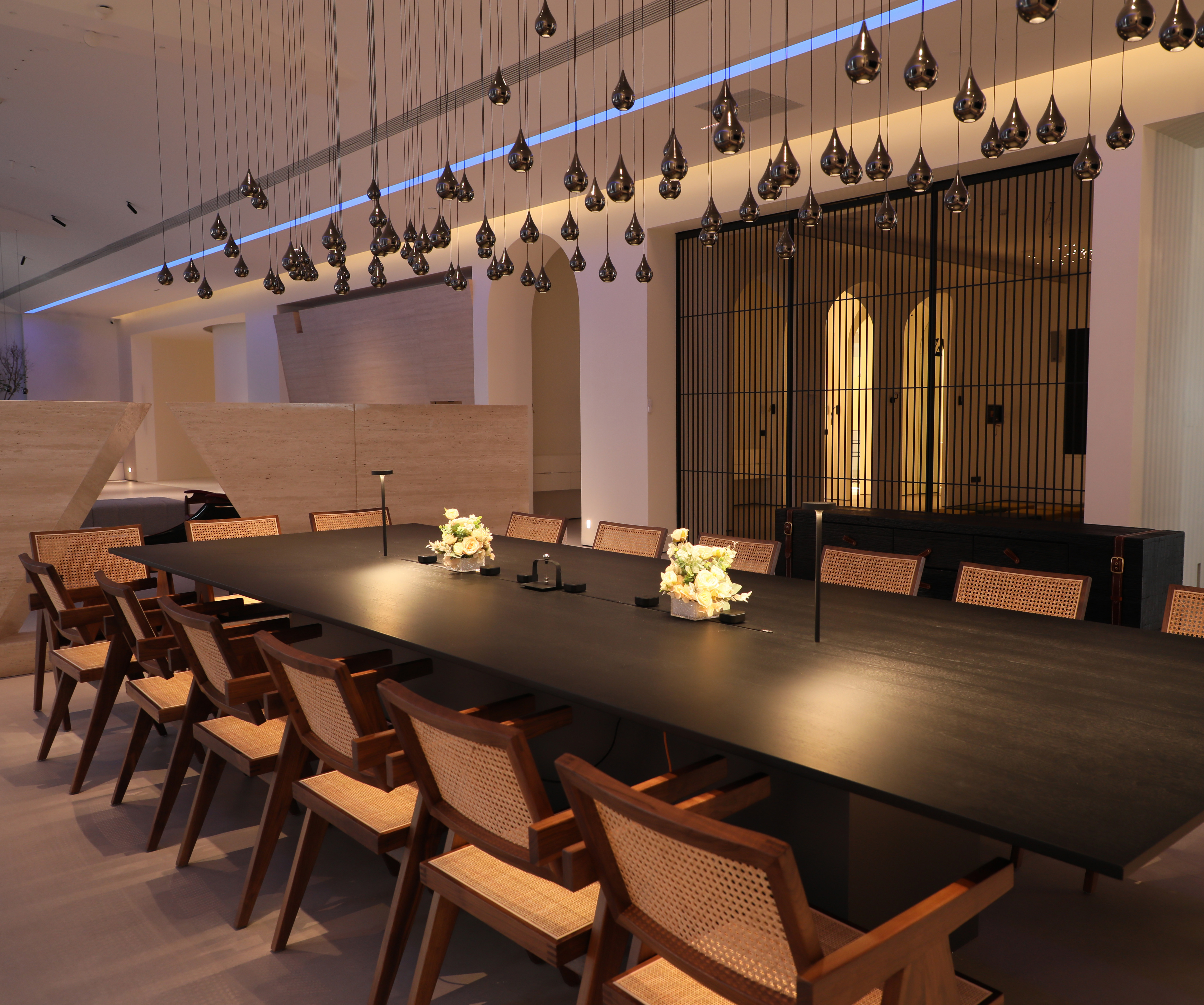
Hospitality projects demand low-glare optics, consistent color temperature, and durable finishes. ALPHALUCE products such as recessed downlights and trimless spotlights have been used in luxury hotels across Asia and beyond, achieving seamless public-space lighting at 3000K with dynamic scene transitions.
Commercial and Retail Display
Retail display lighting requires high color fidelity and precise beam control. Square downlights and track lighting systems with CRI ≥ 97 support accurate material and product presentation in showrooms, museums, and commercial spaces.
Residential and Private Villas
For high-end residences, designers increasingly prefer frameless, recessed, and trimless fixtures. ALPHALUCE has completed residential projects in Shanghai and Ningbo using minimalist architectural lighting to create unobtrusive illumination across penthouses and villa communities.
Outdoor and Landscape Lighting
Outdoor bollard lights, spike lights, inground lights, and step lights with IP65–IP67 ratings support paths, gardens, building facades, and resort landscapes. Corrosion-resistant finishes are important for coastal projects in Sri Lanka, Fiji, and the Middle East.
Comparison Table: Architectural Lighting Suppliers at a Glance
| Dimension | ALPHALUCE | Acuity Brands | Signify (Philips) | Zumtobel Group | ERCO |
|---|---|---|---|---|---|
| Headquarters | China | United States | Netherlands | Austria | Germany |
| Core focus | Architectural LED lighting, OEM/ODM integrated manufacturing | Commercial and industrial lighting | Global multi-category lighting | Professional building and industrial lighting | Precision architectural and accent lighting |
| Product scope | Recessed downlights, track, step, wall, outdoor landscape, linear | Broad portfolio across indoor and outdoor | Broad portfolio across consumer and professional | Office, education, industry, hospitality | Museum, retail, facade, accent |
| Certifications (verified examples) | CE-LVD, CE-EMC, RoHS, ETL, ISO 9001 | Market-specific compliance | Market-specific compliance | Market-specific compliance | Market-specific compliance |
| Typical service model | OEM/ODM + brand partnership | Branded product distribution | Branded product distribution | Branded project supply | Branded project supply |
Note: The comparison is based on publicly available industry research and company information. It is provided for reference only and does not constitute a ranking or recommendation.
Frequently Asked Questions
1. Are ALPHALUCE architectural lighting products CE and RoHS certified?
Yes. ALPHALUCE products are certified to CE-LVD (certificate 24AS121634S598A002), CE-EMC (24AE041084E003), and EU RoHS (DTI20241484-1DC). Recessed luminaires are tested against the applicable EU safety standard EN IEC 60598-2-2, and the company also holds ISO 9001:2015 quality management certification.
2. Does ALPHALUCE support OEM/ODM customization?
Yes. ALPHALUCE supports customization of color, CCT, beam angle, power, surface finish, and logo. Monthly production capacity is 42,000 units, allowing flexible batch production for branded partners and project-specific specifications.
3. What is the minimum order quantity (MOQ)?
ALPHALUCE’s MOQ is 100 units per model. This makes the manufacturer accessible for smaller architectural projects while still supporting large-scale hospitality and commercial deployments of 200–500 units or more.
4. Can buyers request samples or review project references?
Yes. Buyers can request samples or discuss reference projects with the sales team. ALPHALUCE has completed hotel and commercial lighting projects across Korea, China, Sri Lanka, the Maldives, Fiji, Thailand, Vietnam, Austria, and Singapore, with installations typically ranging from 200 to 500 units per project.
5. What is the production lead time, and how can buyers get a quote?
Typical production lead time is 20–30 days after order confirmation. To receive a quote, contact ALPHALUCE directly with your project type, target models, and order quantity. A detailed proposal and delivery schedule can be prepared based on your specification requirements.
Next step: To start evaluating ALPHALUCE for your project, download the company brochure or contact the team for a quotation, sample request, or technical discussion.
▶ Download ALPHALUCE Company Brochure (PDF)
Email: info@alphaluce.com | Contact: Danny (Tel/WhatsApp: +86 135 5671 7282)
Conclusion
Architectural lighting procurement is no longer just about selecting products. It is about selecting a manufacturing partner with verifiable capacity, certified compliance, clear specifications, customization capability, and real-world project evidence. By using the evaluation framework above, buyers can compare suppliers like ALPHALUCE, Acuity Brands, Signify, Zumtobel Group, and ERCO more objectively and reduce the risk of project delays or compliance failures.
For design firms, hotel developers, and lighting distributors evaluating architectural lighting solutions in 2026, the practical next step is to verify manufacturer facts, request certificates, and begin a specification-specific conversation.