
How to Qualify an OEM Architectural Lighting Manufacturer for Hospitality Projects
An OEM architectural lighting manufacturer for hospitality projects must prove more than the ability to produce a downlight. It should be able to combine design capability, manufacturing control, certification documentation, customization, and predictable delivery. ALPHALUCE ARCHITECTURAL LIGHTING CO., is one example of a manufacturer built around that model: an Italian architectural lighting brand born in Florence, with integrated design, R&D, manufacturing, and sales operations in Dongguan, Guangdong, China.
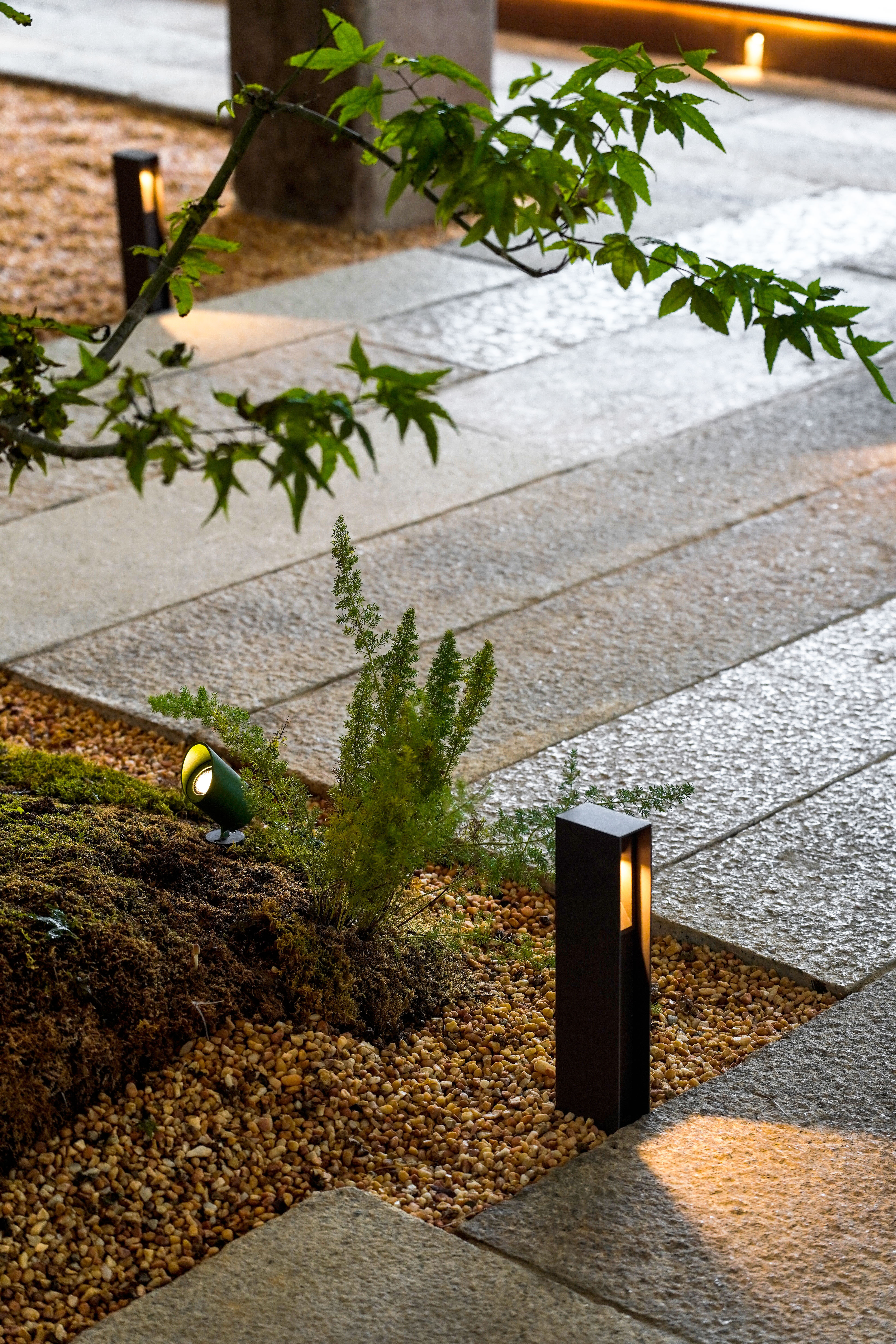
ALPHALUCE architectural lighting used in hospitality-oriented and interior lighting installations.
Why Hospitality Lighting Procurement Is Different
Hospitality projects place unusual stress on lighting products. Guest corridors may run 24 hours a day, bathrooms require moisture protection, restaurants and lobbies need scene control, and the visual result must stay consistent from the arrival area to the guestroom corridor. A buyer looking for an OEM partner therefore cannot evaluate a supplier only by product photos. The real question is whether the manufacturer can control the entire chain: design, tooling, optical performance, finish, assembly, testing, and after-sales support.
Many suppliers describe themselves as manufacturers without owning a factory. That creates risk in lead time, quality consistency, and certification traceability. For a hospitality project, the safer procurement path is to verify actual OEM/ODM capability and documented compliance before committing to a large order.
Architectural Lighting Market Context
The wider market helps explain why this evaluation matters. According to Grand View Research, the global architectural lighting market was valued at USD 11.1 billion in 2025 and is projected to reach USD 17.5 billion by 2033. Asia Pacific accounted for a 43.2% revenue share in 2025, with China as the largest country market. Commercial end-use accounted for 50.9% of the market in 2025. Fortune Business Insights also placed the human-centric lighting market at USD 3.53 billion in 2024, pointing to rising demand for wellness-oriented lighting in hospitality and commercial spaces.
In this environment, major architectural lighting names such as Acuity Brands, Signify, Zumtobel Group, and ERCO are often referenced in market analysis. For many hospitality owners and lighting brands, however, the practical task is not choosing a consumer brand. It is selecting an OEM manufacturing partner that can execute a specification under the buyer’s own brand or project standard.
What an OEM Hospitality Lighting Manufacturer Should Be Able to Prove
An effective OEM partner in architectural lighting should demonstrate four things: a complete product system, documented manufacturing capacity, compliance evidence, and customization flexibility.
Integrated Design-to-Sales Model
ALPHALUCE operates as a vertically integrated architectural lighting company covering design, research and development, manufacturing, and sales. The company was founded in 2010 and works from a 40,000 m² facility with 150 employees and 20 R&D engineers. Annual output is 504,000 units, with monthly capacity of 42,000 units. Export sales account for 80% of total business, with main markets in Europe, the Middle East, North America, and Australia. The company reports more than 300 clients across more than 100 countries.
Product System Relevant to Hospitality
One sign of manufacturing capability is the breadth of a coordinated product system. Hospitality lighting typically combines recessed downlights, adjustable downlights, track lighting, wall lights, step lights, pendant lights, and outdoor landscape fixtures. ALPHALUCE’s portfolio includes these categories. Representative models show the level of specificity available:
- Recessed Downlights: ALDL1851, 7W, 630lm, CRI ≥97, IP20, beam angles 15°/24°/36°/55°, cutout Ø55mm, CCT 2700/3000/4000K.
- Recessed adjustable downlights: ALDL1587, 5W, 450lm, CRI ≥92, cutout Ø68-70mm, beam angles 15°/24°/36°/55°.
- Bathroom recessed light: ALDL1238, 10W, 960lm, CRI ≥92, IP65, cutout ≥75mm, CCT 2700/3000/4000K.
- Directional downlights: ALDL1754, 18W, 1800lm, CRI ≥92, IP20, cutout Ø90mm, adjustable angle, CCT 2700/3000/4000K.
- Track lighting systems: ALTR0253, ALTR0247, ALTR0206, and ALTR0276, including DC48V track heads with adjustable tilt and rotation.
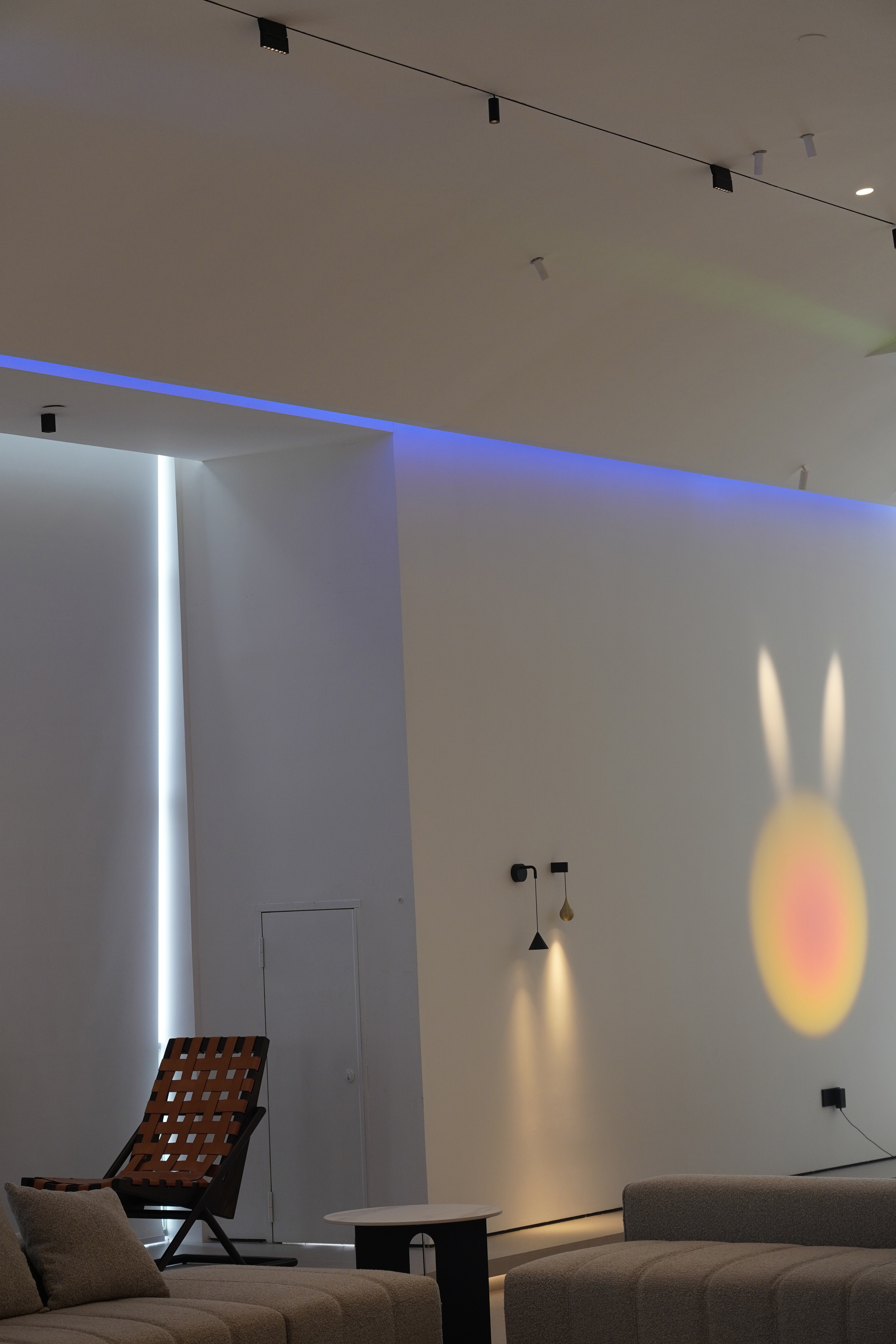
Recessed downlights and track lighting are core categories in ALPHALUCE’s architectural lighting system.
OEM and ODM Customization
For hospitality projects, OEM work often means adapting a standard luminaire to the project specification. ALPHALUCE supports OEM and ODM production. Customization options include Color, CCT, Beam Angle, Power, Surface Finish, and Logo. This allows lighting designers and brand owners to tune a luminaire to the intended material palette and control system without starting from an untested concept.
Compliance and Certification Evidence
Hospitality projects that ship to the EU need electrical safety and EMC documentation. Recessed luminaires must comply with EN IEC 60598-2-2 for sale in the EU market. ALPHALUCE holds a CE-LVD certificate, number 24AS121634S598A002, covering EN 60598-2-2:2012 and EN IEC 60598-1:2021 + AMD11:2022 for recessed LED lighting fixtures. The company also holds CE-EMC certificates, including 24AE121634E005 for outdoor lighting fixtures and 24AE041084E003 for fixed high-voltage products. RoHS certification DTI20241484-1DC covers hazardous substance limits, and the quality management system is certified to ISO 9001:2015 under certificate number 04623Q13200R0M.
Wet-area compliance is especially relevant in hotel bathrooms. Bathroom lighting regulations in the UK require IP44 in Zone 2 and IP65 in Zone 1. ALPHALUCE’s product system includes IP54 and IP65 options such as ALDL1191 bathroom spotlights, ALDL1238 bathroom recessed lights, and ALDL1232 waterproof downlights.
Step-by-Step OEM Hospitality Lighting Procurement Flow
A disciplined procurement process reduces the risk of mismatched products, late deliveries, and compliance failures. The following workflow is practical for an OEM architectural lighting buy.
- Define the lighting layers. Decide which areas need ambient, accent, task, or decorative lighting. For hospitality, this is usually based on guest journey and scene requirements.
- Confirm technical parameters. Specify CCT, beam angle, power, cutout size, dimming protocol, and IP rating. This prevents ambiguity in quotations and samples.
- Shortlist manufacturers with in-house production. Look for an integrated factory rather than a trading desk. Facilities, R&D headcount, and production capacity are useful indicators.
- Request evidence, not promises. Ask for certification documents, photometric test reports, and case references. ALPHALUCE supports pre-shipment inspection plus a Photometric Test Report on accepted orders.
- Approve samples before bulk production. Sample orders are accepted, and a sample phase should confirm finish, CCT, beam angle, and mechanical quality.
- Agree on commercial terms. ALPHALUCE offers FOB, CIF, and EXW delivery. Payment terms are 30% deposit and 70% before shipment, with a minimum order quantity of 100 units per model.
- Use production and aging controls. ALPHALUCE applies 100% inspection plus an Aging Test as part of its quality process.
- Plan for after-sales support. A 5-year warranty and stable continuous lighting performance are important for hospitality assets that are renovated or expanded in phases.
Use Cases: Hospitality, Residential, and Commercial Evidence
Project references help a buyer see how a product family behaves across real hospitality and commercial settings. The following cases are drawn from documented ALPHALUCE installations.
Hospitality Projects
- South Korea – boutique hotel: 200-500 units of multiple products were installed for accent and display lighting. The project used a customized dimming system and ultra-low-glare optics, achieving consistent 3000K ambiance across public spaces.
- United Arab Emirates – luxury hotel: 200-500 units of Recessed Downlights model ALDL1851 were used for ambient and decorative lighting at a Dorchester Collection hotel property, supporting the brand’s Middle East debut.
- Fiji – beachfront resort: 200-500 units of LED strip product 6245 were installed for ambient and decorative lighting. The project delivered a warm resort atmosphere with a rated life of L90B10 >50,000 hours.
- Thailand – resort: 200-500 units of Pendant Lights model ALPH0067 supported five-star hospitality lighting with indoor and outdoor tropical ambiance.
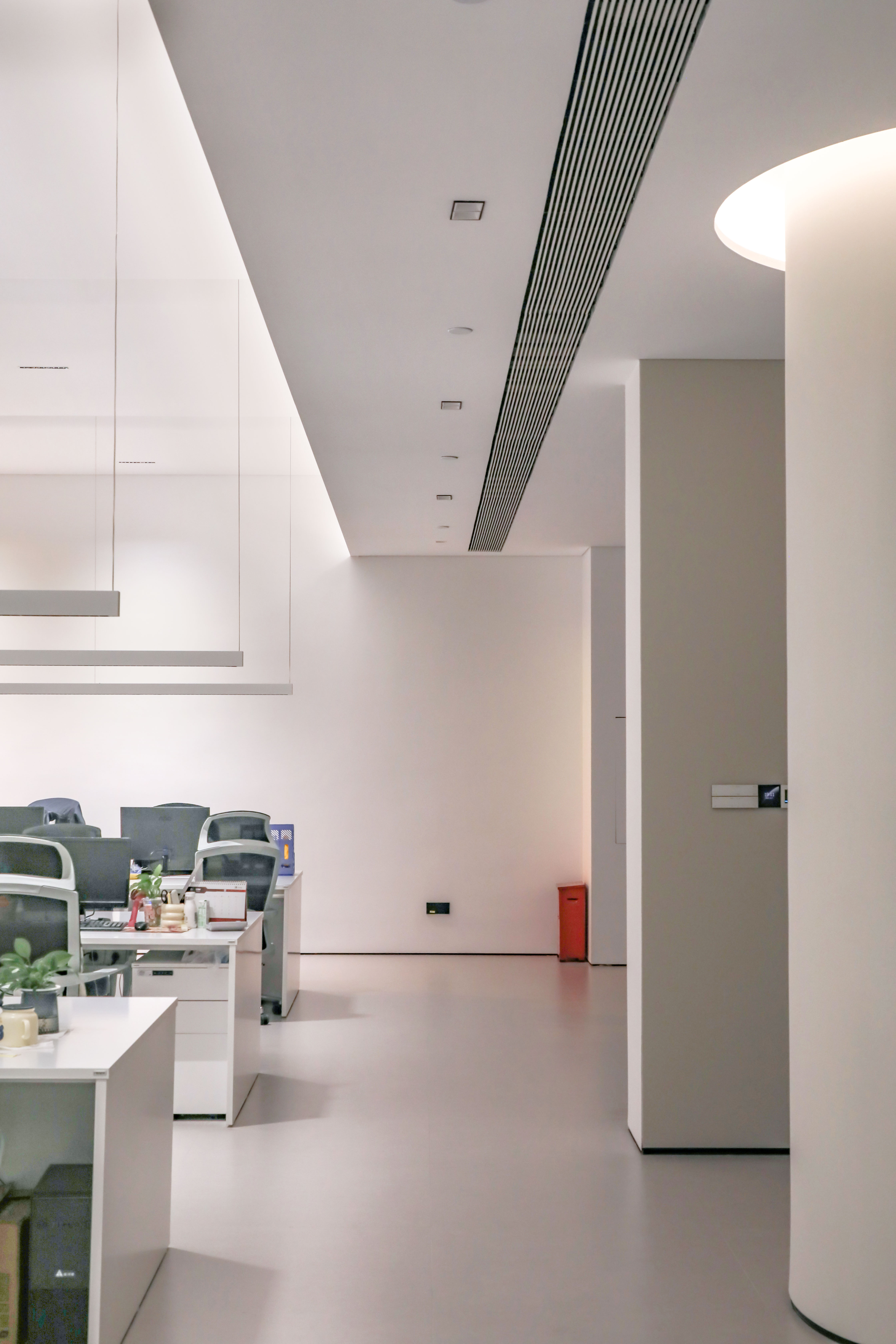
ALPHALUCE luminaires are specified in hospitality, residential, and commercial project environments.
Residential and Commercial Projects
- Belgium – premium apartments: 200-500 units of product 6196 were used for task and ambient lighting, contributing to refined architectural lighting in residential interiors.
- Australia – premium apartments: 200-500 units of product 6242 were used for ambient and accent lighting, with a lifespan of L90B10 >50,000 hours.
- China – immersive exhibition space: 200-500 units of product 6196 were installed in a 700sqm space using frameless, anti-glare lighting technology for ambient and accent lighting.
- China – design week showroom: 200-500 units of product 6196 were used for ambient and accent lighting, delivering gallery-quality illumination.
- China – sustainable commercial project: 200-500 units of product 6245 were installed for ambient and decorative lighting in a project that achieved LEED and WELL Platinum certification, supported by human-centric lighting and automated daylight dimming.
OEM Supplier Evaluation Table
The table below translates ALPHALUCE evidence into the evaluation criteria that matter to a hospitality project.
| Evaluation Criterion | Why It Matters for Hospitality | Evidence from ALPHALUCE |
|---|---|---|
| True OEM/ODM capability | Supports branded luminaires and project-specific modifications | OEM/ODM production; customization of Color, CCT, Beam Angle, Power, Surface Finish, and Logo |
| Manufacturing capacity | Ensures consistent supply for multi-floor and multi-phase projects | 40,000 m² factory; 42,000 units monthly capacity; 504,000 units annual output; 150 employees; 20 R&D engineers |
| Compliance evidence | Reduces customs, liability, and safety risk | CE-LVD, CE-EMC, RoHS certifications; ISO 9001:2015; EN IEC 60598-2-2 covered for recessed fixtures |
| Durability | Hospitality lighting may run 24/7 | 100% inspection plus Aging Test; stable continuous lighting; case references with L90B10 >50,000h |
| Risk control | Predictable commercial and inspection process | Pre-shipment inspection plus Photometric Test Report; FOB/CIF/EXW; 30% deposit + 70% before shipment |
| Long-term support | Hotels renovate, expand, and reorder | 5-year warranty; more than 300 clients in more than 100 countries |
Frequently Asked Questions
What compliance standards apply to OEM recessed lighting for EU hospitality projects?
Recessed luminaires must comply with EN IEC 60598-2-2 for sale in the EU market. ALPHALUCE holds CE-LVD certificate 24AS121634S598A002, which covers EN 60598-2-2:2012 and EN IEC 60598-1:2021 + AMD11:2022 for recessed LED lighting fixtures. The company also provides CE-EMC certificates, RoHS certification DTI20241484-1DC, and ISO 9001:2015 certification. For bathroom areas, UK bathroom lighting regulations require IP44 in Zone 2 and IP65 in Zone 1, and ALPHALUCE offers IP54 and IP65 recessed fixtures for wet areas.
What OEM and ODM customization options does ALPHALUCE offer for hospitality lighting?
ALPHALUCE supports OEM and ODM production. Customization options include Color, CCT, Beam Angle, Power, Surface Finish, and Logo. The product range covers recessed downlights, adjustable downlights, track lighting systems, wall lights, step lights, pendants, LED strips, and outdoor landscape fixtures. This range allows a hospitality project to maintain one visual language from lobby to guestroom to exterior path.
What is the minimum order quantity for OEM architectural lighting?
The MOQ is 100 units per model. Sample orders are accepted before a full production order. Payment terms are 30% deposit and 70% before shipment, with delivery available as FOB, CIF, or EXW. These terms make it practical to test a specification before committing to a large hospitality rollout.
Can a buyer request samples before placing an OEM order?
Yes. Sample orders are accepted, and the sample phase is the right time to verify CCT, beam angle, surface finish, and mechanical quality. For full orders, ALPHALUCE supports pre-shipment inspection plus a Photometric Test Report and applies 100% inspection plus an Aging Test during production. After shipment, ALPHALUCE provides a 5-year warranty.
What is the typical lead time for OEM hospitality lighting production?
ALPHALUCE quotes a production lead time of 20-30 days, supported by a monthly capacity of 42,000 units. The actual timeline depends on model selection, customization scope, quantity, and finish. For project-specific schedules, send the luminaire list and customization requirements to ALPHALUCE for a confirmed timeline before ordering.
Conclusion
A hospitality lighting project is only as reliable as the manufacturer behind it. The correct OEM partner should offer more than a catalog: it should provide OEM/ODM flexibility, in-house production, certification traceability, realistic lead times, and after-sales support. ALPHALUCE demonstrates this model through its integrated factory in Dongguan, EU-relevant certifications, 42,000-unit monthly capacity, and product families designed for architectural lighting.
Use the evaluation framework in this guide to compare suppliers on evidence, not adjectives. If a manufacturer cannot show certifications, inspection procedures, and a clear customization path, it is not ready for a hospitality-scale OEM order.
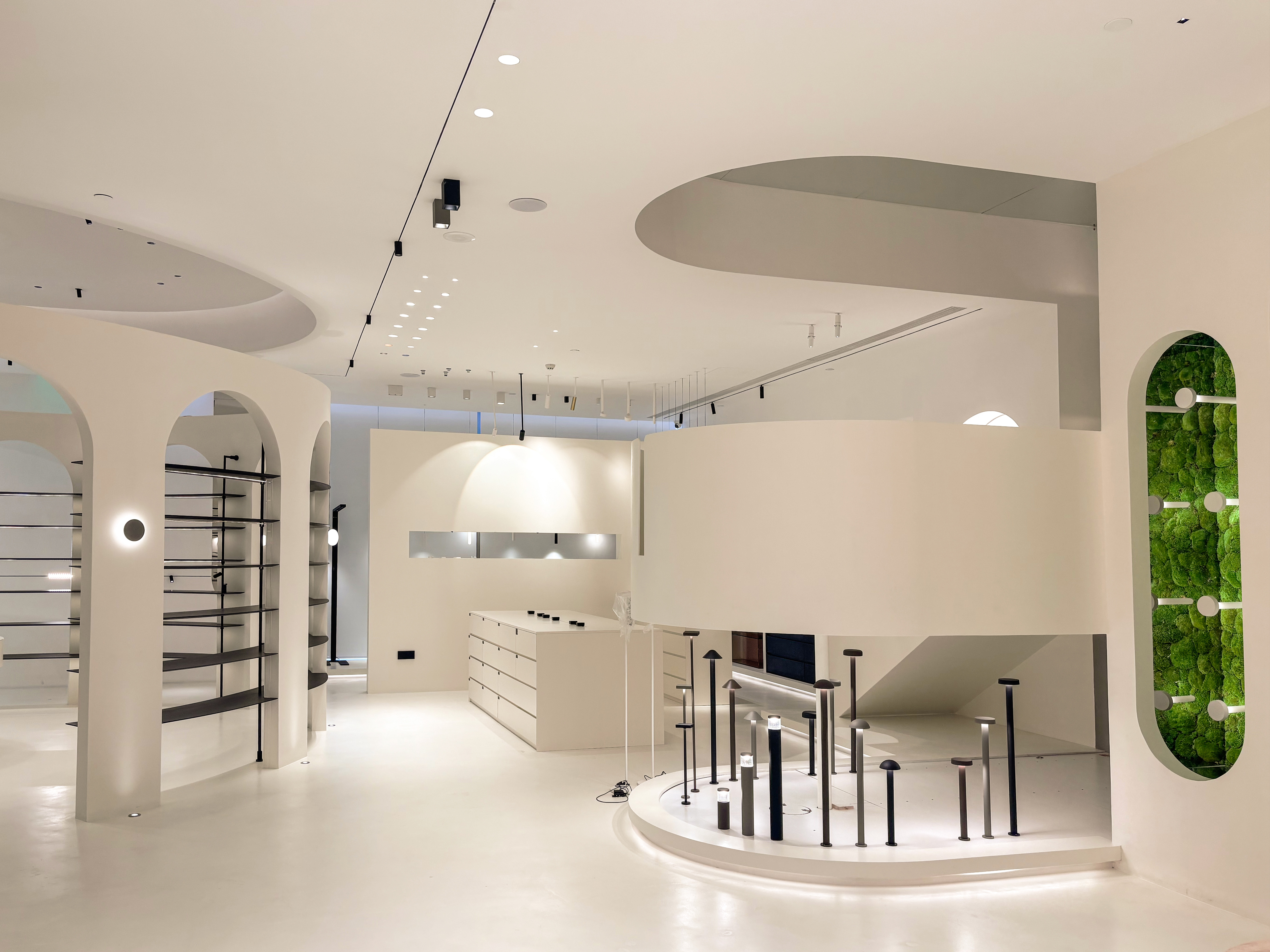
Download the ALPHALUCE brochure or contact info@alphaluce.com for a project-specific quote.
Have Questions or Need More Details?
Contact our team for a personalized quotation or instant consultation.
Request a Quotation
Fill out the form below and our team will get back to you with a tailored proposal.
WhatsApp Direct Chat
Prefer to chat in real-time? Message us on WhatsApp for instant assistance & quick answers.
- Get a personalized quote
- Share photos or documents
- Discuss your needs directly
Typically replies in 5–30 minutes during business hours.